Can You Burn Leaves In Your Florida Yard? What The Rules Actually Say
Strike that match before checking anything, and you might be starting more than a leaf pile on fire.
Florida hands this decision to individual counties and cities, not one blanket rule everyone follows.
What’s perfectly fine a few streets over can get you fined on your own property, and weather plays into it just as much as location, with certain conditions taking burning off the table no matter what your area normally allows.
Permits catch more people off guard than anything else here. Plenty assume leaves are too harmless to need paperwork, right up until they find out otherwise.
Skip the match and make a call first. Your neighbor’s bonfire habits don’t necessarily apply to your address.
1. Know When Florida Lets You Burn Leaves
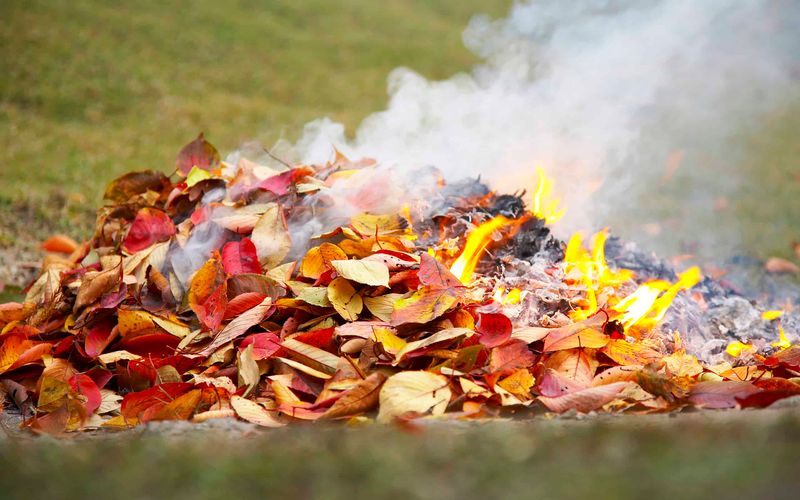
Good news first, because everybody likes a happy start. Our state does allow many homeowners to burn leaves and other yard waste without asking for special permission.
That freedom comes with a list of conditions, though, and the Florida Forest Service sets them. The state rule covers yard waste piles, and it spells out size, distance, timing, and supervision.
If your pile meets every one of those conditions, you usually do not need a permit from the state. If it misses even one, you would need an authorization from your local Forest Service field office first.
Getting that authorization is often free and fairly quick, especially during calm and wet weather. You can call the office or use the online system, depending on your area of the state.
Here is a fun fact to share at your next cookout. Florida has more lightning strikes than almost any other state, which is one big reason fire officials watch outdoor burning so closely.
Before you light anything, read through the state rules and then check your city or county rules too. Local laws can be stricter than state law, and they often are in busy neighborhoods.
Think of the state rules as the floor, not the ceiling. Your town may add extra steps, and it may even say no to burning entirely.
2. Keep Leaf Burns Under The Eight-Foot Limit
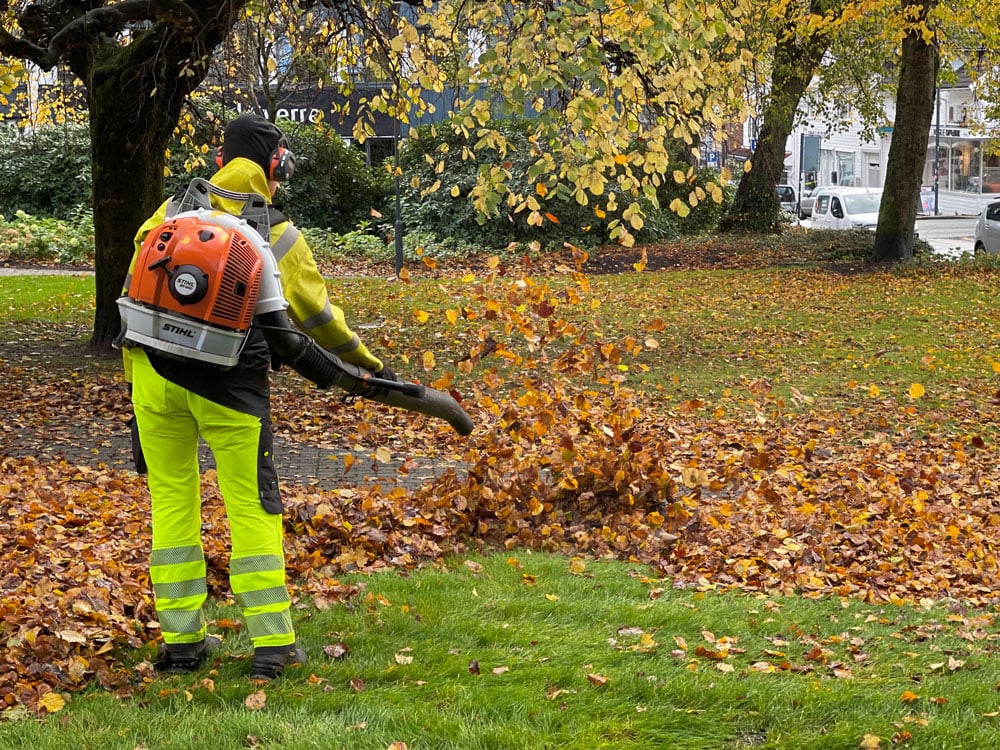
Size matters here, and Florida is pretty specific about it. Your pile of leaves and yard debris must be eight feet across or smaller to skip the permit process.
That means eight feet in diameter, measured straight across the widest part of the pile. A good way to picture it is roughly the length of a small car parked sideways.
Bigger piles hold more heat, throw more sparks, and are much harder to control. A monster pile can also smolder for hours, which bothers neighbors and raises the chance of flare-ups.
If you have a huge amount of leaves, the smart move is to build several small piles over time. Burn one, let it cool and go out fully, and then start the next one on another day or later that morning.
Height counts in a practical way too, even if the rule talks mostly about width. A tall, loose stack can topple over, spilling burning leaves onto grass that has not been cleared.
Your Florida Garden Changes Every Week. Your Plan Should Too.
Gardening in Florida changes quickly throughout the season. Every Friday you’ll receive a simple weekly plan showing exactly what to plant, prune, fertilize, harvest, and protect so you never miss the right timing.
Grab a tape measure before you start raking everything into one spot. It feels a little silly, but it takes thirty seconds and keeps you inside the rules.
Keeping piles modest also makes cleanup easier afterward. Smaller fires leave less ash, and the ground underneath recovers faster.
3. Burn Only Yard Waste From Your Own Property
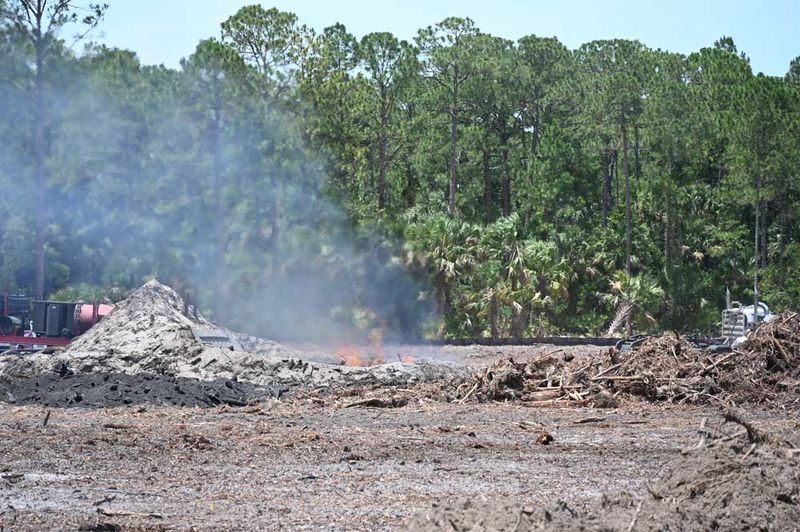
Imagine your brother-in-law shows up with a truck full of branches from his yard across town. Sweet gesture, but Florida says those branches cannot go on your fire.
The state rule allows you to burn yard waste that was grown on the same property where you burn it. Leaves, pine needles, small branches, and palm fronds from your own lot are fair game.
Household trash is a firm no, and that includes paper plates, cardboard boxes, and plastic bags. Treated lumber, old furniture, tires, and painted wood are also off limits because they release nasty chemicals.
Those fumes can bother your lungs, your pets, and the family next door. Some of that smoke can even contain harmful substances that linger in the soil long after the fire is gone.
Here is a helpful habit that many longtime residents swear by. Keep a separate bin for trash near your raking area so nothing sneaks into the leaf pile by accident.
Also skip bringing in debris from a rental property or a friend’s yard, even if it seems harmless. The rule is about where the waste came from, not just what it is.
Following this rule keeps your fire cleaner and your conscience clear. It also means fewer awkward chats with a fire inspector.
4. Follow Required Fire Setbacks
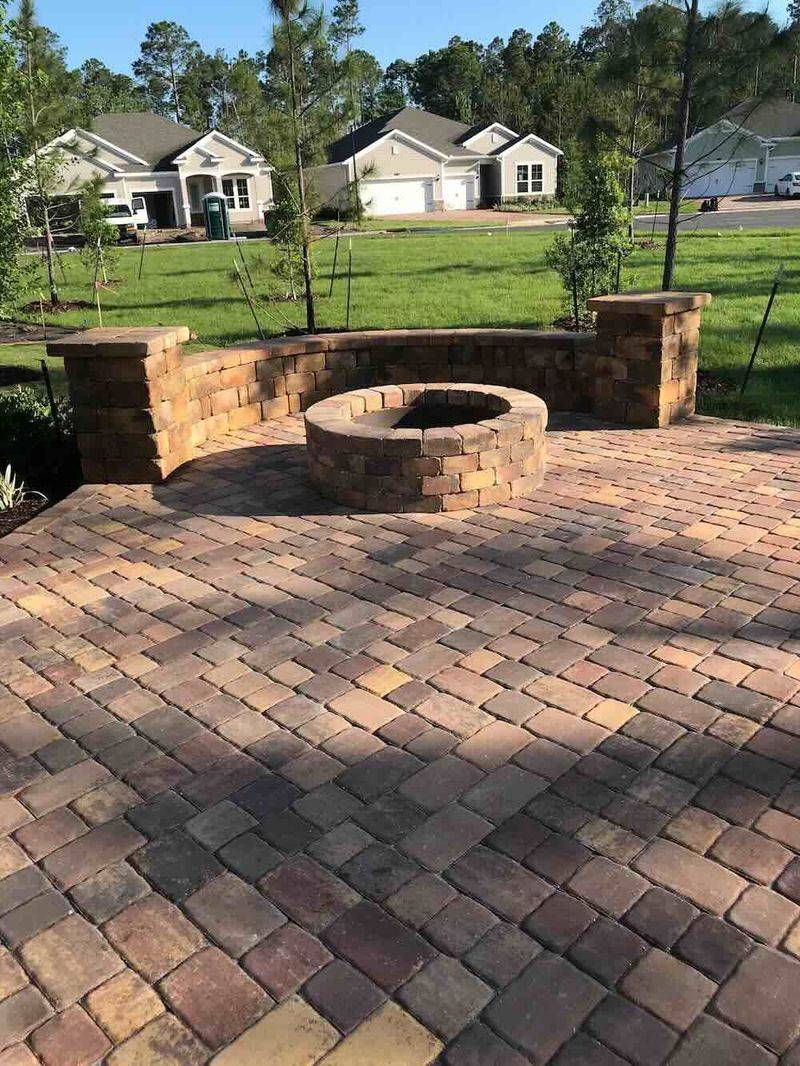
Distance is your best friend when it comes to fire safety. Florida lists exact setbacks that your pile must meet if you want to burn without a permit.
Your pile must sit at least 25 feet from your own home and 25 feet from any wooded or wild area. It also needs to be at least 150 feet from any other occupied building, like a neighbor’s house.
On top of that, keep the pile at least 50 feet from any paved public road. Smoke drifting across a highway can blind drivers in seconds, so this one really matters.
Those numbers surprise a lot of people, especially folks living on small city lots. On many suburban lots, meeting the 150-foot rule is simply not possible, which means burning without a permit is off the table.
Grab a long measuring tape or count your steps, since an average adult step is about two and a half feet. Mark the spot with a stake so you remember where the safe zone is next time.
If the numbers do not work for your yard, that is your answer. Composting, mulching, or curbside pickup will serve you much better than stretching the rules.
5. Watch The Clock Before Lighting A Leaf Pile
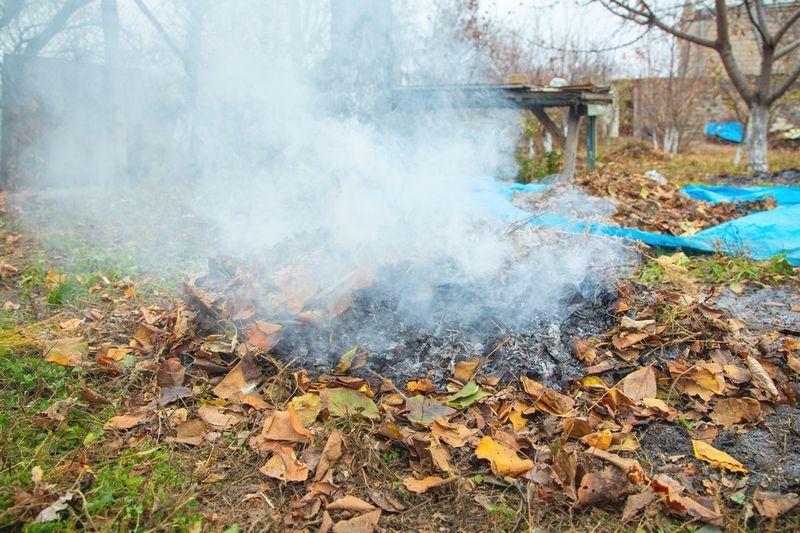
Early birds, please hold that match for a bit. Florida rules say yard waste burns can start after 9 a.m.
Eastern time, or 8 a.m. in the Panhandle’s Central time zone, not at the crack of dawn.
Morning air tends to trap smoke close to the ground, especially on humid days. Waiting until mid-morning gives the air time to warm up and carry smoke away.
Timing matters at the end of the day too. Your fire must be fully out one hour before sunset, so plan your burn to wrap up well before dinner.
Why the evening cutoff, you ask? As the sun drops, air cools and smoke settles into low spots, neighborhoods, and roads, making it harder to see and breathe.
A handy trick is to check the sunset time on your phone before you start. Then count backward and give yourself extra time, since piles often burn slower than expected.
Leaves packed with moisture can smolder for a long time. If you light up at 3 p.m. in winter, you may find yourself racing the clock before you know it.
Honestly, the sweet spot is a late-morning start on a clear day. You get good airflow, plenty of daylight, and a relaxed pace for keeping watch.
6. Check Local Burn Bans Before Striking A Match
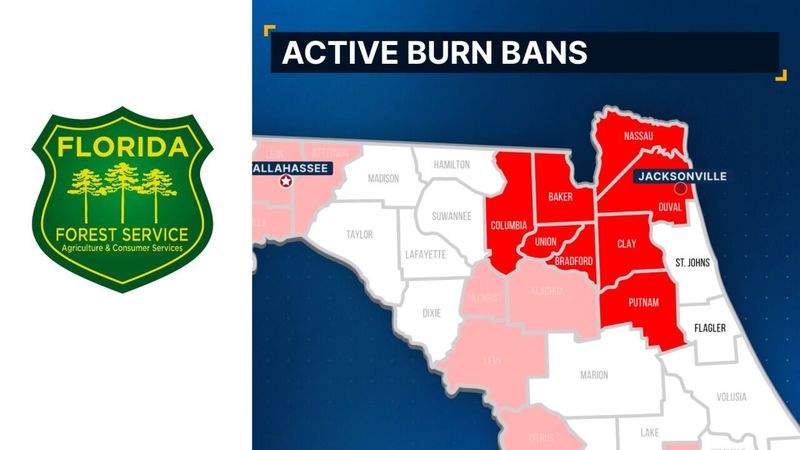
A neighbor in central Florida once lit a small pile, only to learn his county had declared a burn ban that very morning. The fine stung worse than the smoke in his eyes.
Counties across Florida can put burn bans in place when conditions get dry and risky. These bans can pop up quickly during droughts, and they can override the normal state allowances.
Fire officials watch something called the Keetch-Byram Drought Index, which measures how dry the ground is. When those numbers climb high, counties often decide that outdoor burning is too dangerous.
Spring is a common season for bans in our state, since winter and early spring are often dry. Wildfire season tends to peak before the summer rains arrive and soak everything.
Checking is easy and takes only a minute or two. Visit your county website, the Florida Forest Service site, or call your local fire department before you light up.
You can also sign up for county alerts by text or email in many areas. That way, news of a ban lands right on your phone without any digging.
Make checking a routine, just like checking the weather before a beach trip. It saves money, headaches, and possibly a whole neighborhood.
7. Keep Water And Fire Tools Ready Nearby
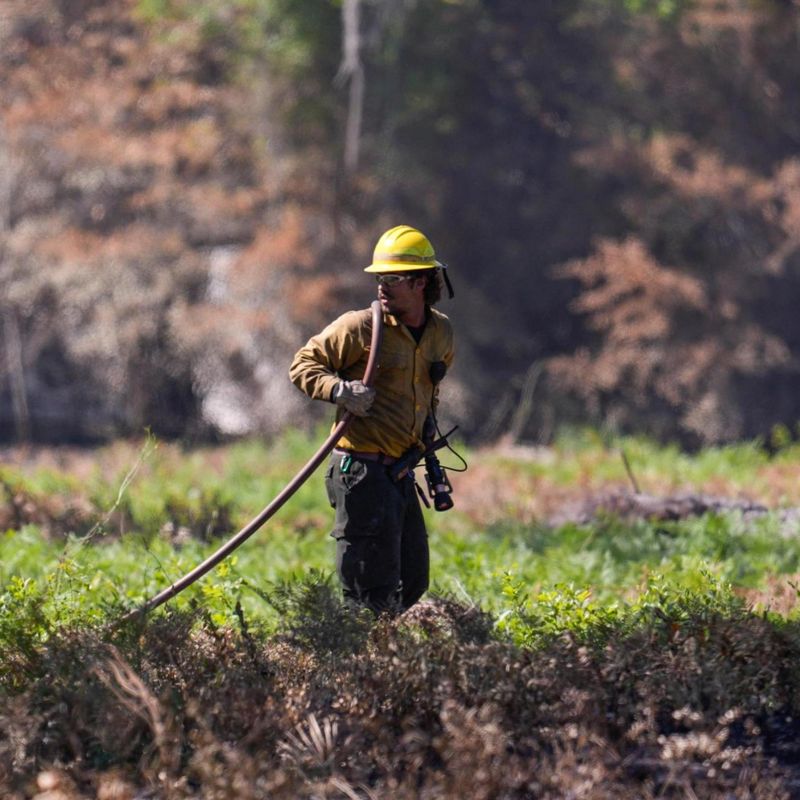
Think of it as your fire safety toolkit, and it does not cost much. Florida requires that someone stay with the fire the whole time, and that person needs the right gear close at hand.
A connected garden hose is the star of the show. Turn it on and test it before lighting, because finding a kink in the hose during an emergency is no fun.
If a hose will not reach, keep several full buckets of water right beside the pile. A shovel and a metal rake are also handy for moving leaves and smothering stray embers.
Here is a little bit of history worth knowing. Smokey Bear first appeared in 1944, and his famous message still fits backyard burns perfectly today.
Stay with your fire from the first spark until the ashes are cool to the touch. Walking inside for a quick snack is exactly when a gust can send embers into dry grass.
When you finish, soak the ashes, stir them with the shovel, and soak them again. Hold your hand above the ashes to feel for any leftover heat before calling it a day.
Clearing a ring of bare dirt around the pile helps too. That little buffer gives creeping flames nowhere to go.
8. Never Burn Leaves On Windy Days
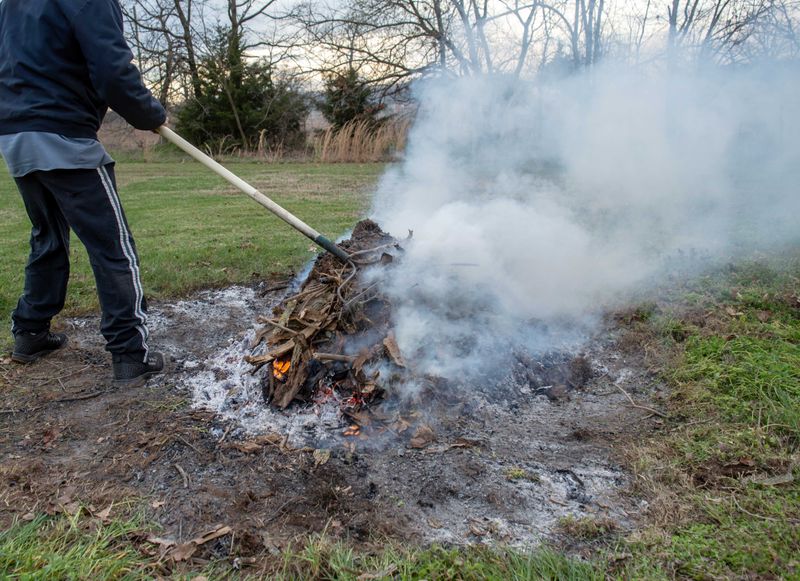
Florida breezes feel lovely on a porch swing, but they are trouble for a leaf fire. One strong gust can lift burning leaves and carry them across the yard in a heartbeat.
Dry leaves are light and fluffy, which makes them perfect little kites for embers. Those glowing bits can land on a roof, a fence, or a neighbor’s pile of pine straw.
So what counts as too windy? A good rule of thumb is to skip burning if leaves are skittering across the ground or tree branches are swaying.
Many fire officials suggest waiting for winds under about 10 to 15 miles per hour. Check a weather app for wind speed and gusts, since gusts are the sneaky part of the forecast.
Wind can also shift direction suddenly, especially before a storm rolls in. Smoke that drifted away from your house might swing right into your open windows a minute later.
If the day turns breezy while your fire is going, stop adding leaves right away. Put the fire out with water and pick up where you left off on a calmer morning.
Patience pays off with backyard fires. Calm air makes the whole job safer, cleaner, and far less stressful.
9. Skip The Fire If Your County Says No
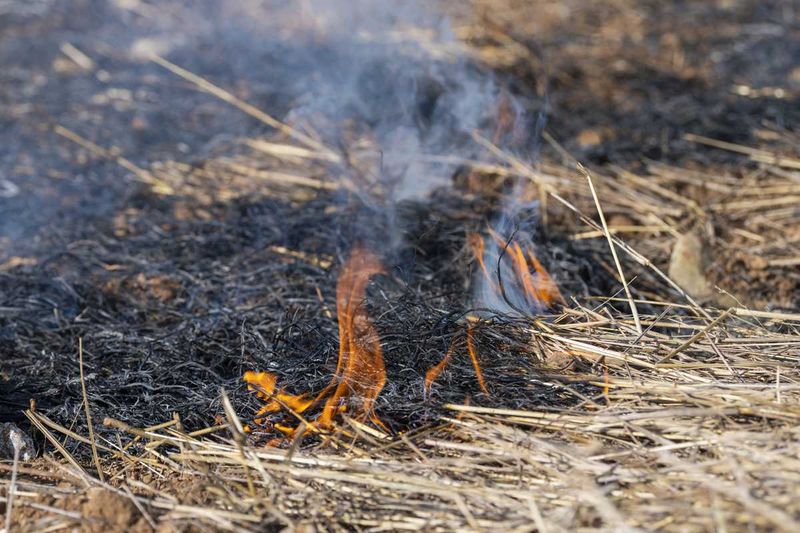
Sometimes the answer is simply no, and that is okay. Many Florida cities and counties ban yard waste burning in neighborhoods, especially where houses sit close together.
Some areas that offer curbside yard waste pickup do not allow burning at all. Local leaders figure that if a truck will haul it away, there is no reason for smoke in the air.
Breaking a local ordinance can bring fines, and repeated trouble can cost even more. If a fire escapes, you could also be responsible for damage to other property.
Luckily, those leaves still have plenty of uses. Chopped leaves make wonderful mulch around shrubs and flower beds, helping sandy soil hold water.
A compost pile turns leaves into rich, dark soil in a few months. Mix them with kitchen scraps like veggie peels and coffee grounds for faster results.
Running a lawn mower over leaves is another easy trick. The small pieces break down right on the lawn and feed the grass for free.
If you still have extras, bag them for curbside pickup or a county yard waste drop-off site. Your garden, lungs, and neighbors will thank you for choosing the smoke-free route.