Can You Mow Over Leaves In Your Michigan Yard? Here’s What To Know
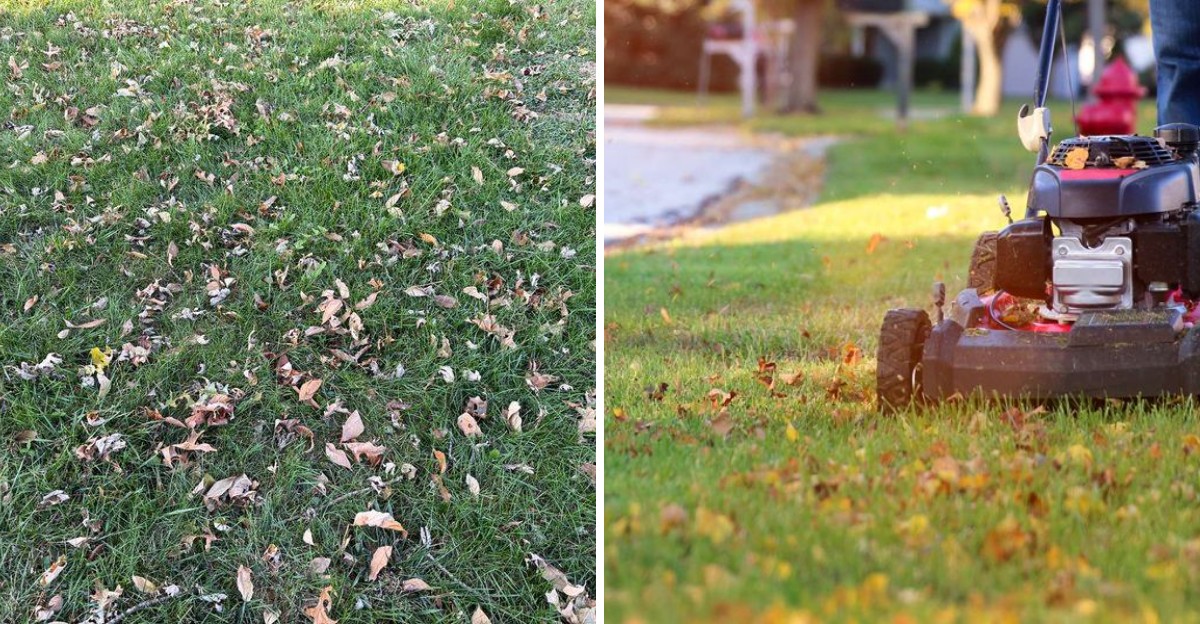
Raking and bagging leaves has long been the default approach in Michigan yards, but mowing over them is a legitimate alternative that can save time while still benefiting the lawn.
A mulching mower or standard mower with the bag removed can shred leaves into small pieces that settle into the grass and break down over time, adding organic matter back into the soil.
This works best when leaf cover is light to moderate, since a thick, unbroken layer of leaves can still smother grass even after mowing over it once or twice. Multiple passes are often needed to chop leaves finely enough to avoid matting on the lawn’s surface.
Knowing when mowing over leaves works well, and when raking is still the better option, helps Michigan homeowners manage fall cleanup more efficiently.
1. Mowing Can Turn Leaves Into Lawn-Friendly Mulch
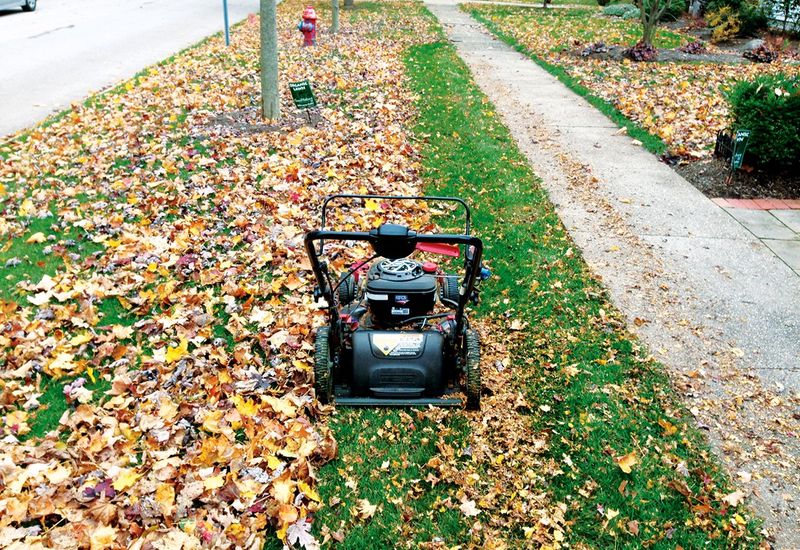
Here is a fun trick that saves both time and effort. When your mower blades slice leaves into tiny bits, those little pieces slip down between the grass blades and reach the soil below.
Once they settle in, they slowly break down and feed the ground with rich organic matter. Worms and helpful microbes love this snack, and they turn it into natural food for your lawn.
Over time, your grass gets stronger, greener, and better able to hold moisture.
Mulching leaves this way means you skip the endless raking and bagging. You also stop tossing valuable nutrients into the trash.
Instead of hauling piles to the curb, you let your yard recycle everything on its own.
The key is chopping the leaves small enough. Big chunks just sit on top and cause trouble, but fine flakes vanish into the turf within a week or two.
Many Michigan homeowners are surprised at how quickly the pieces disappear after a good rain.
Fall leaves from oaks, maples, and birches all work well when they are shredded. Some break down faster than others, but they all add goodness to the soil.
Think of your mower as a free composting machine right in your driveway. With one simple pass, you feed your lawn and cut your workload at the same time.
That is a win for your grass, your back, and your Saturday afternoon plans. Give it a try this season and watch your yard thank you.
2. Do Not Leave A Thick Layer Of Whole Leaves
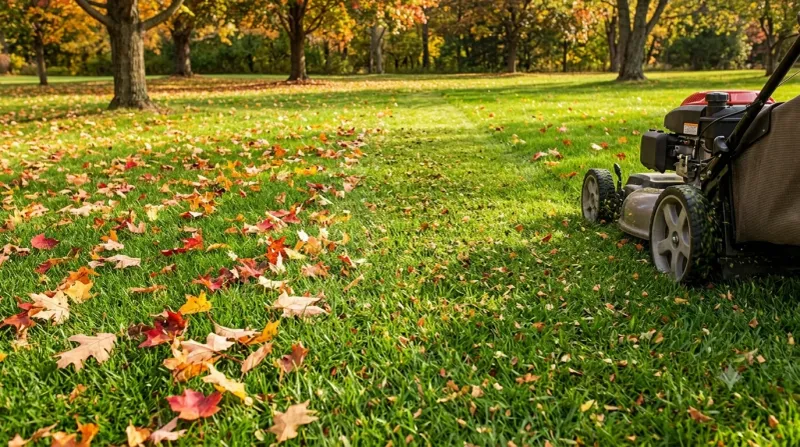
Picture your grass trying to breathe under a heavy quilt of soggy leaves. That is exactly what happens when whole leaves pile up and stay put.
A thick blanket blocks sunlight from reaching the blades below. Grass needs light to make its own food, and without it, the turf grows weak and thin.
The layer also traps moisture and cuts off fresh air, which sets the stage for trouble.
Michigan winters are long, and lawns already work hard to survive the cold months. Adding a smothering pile on top only makes things harder. Damp, matted leaves can invite mold and fungus that harm the grass roots.
Your Michigan Garden Changes Every Week. Your Plan Should Too.
Gardening in Michigan changes quickly throughout the season. Every Friday you’ll receive a simple weekly plan showing exactly what to plant, prune, fertilize, harvest, and protect so you never miss the right timing.
By spring, spots hidden under heavy leaf cover often look pale, patchy, or bare. Nobody wants to start the warm season fixing ugly dry zones in the yard.
The fix is simple. Never let leaves sit whole and stacked for weeks. Either chop them small with your mower or move the extra ones away.
A light scattering of shredded bits is helpful, but a dense mat is a real problem. Think of it like the difference between a sprinkle of seasoning and dumping the whole jar on your dinner.
Stay ahead of the falling leaves rather than waiting until they cover everything. A quick mow every week or so keeps the layer thin and manageable.
Your lawn will reward this small habit with healthier growth once the snow melts. Keeping leaves under control now means fewer headaches and prettier grass later.
3. Mow When Leaves Are Relatively Dry
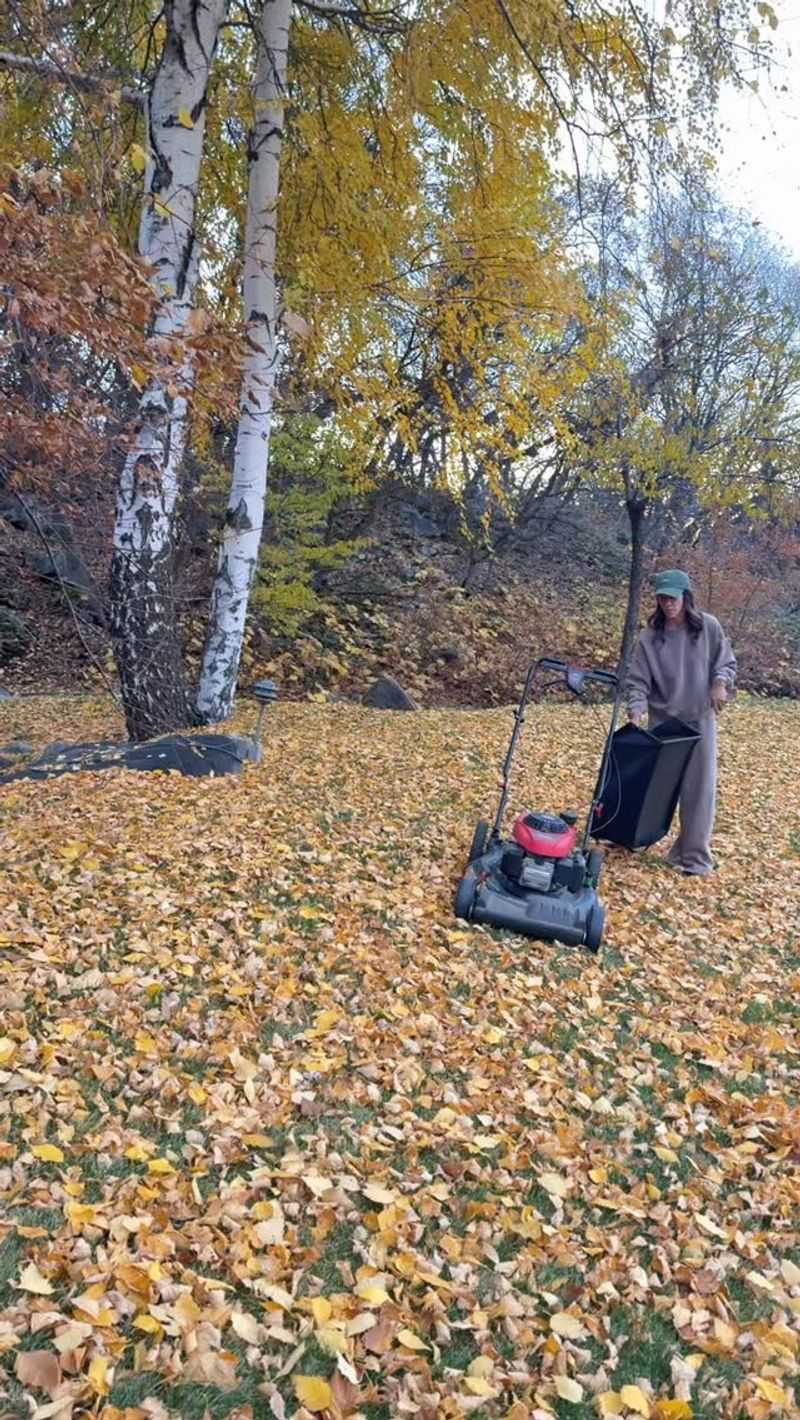
Timing makes a huge difference when you plan to mow over leaves. Dry or slightly damp leaves chop into clean, tiny flakes with almost no effort.
Wet leaves are a whole different story. When they soak up rain or morning dew, they turn heavy and sticky.
Instead of shredding neatly, they clump together and jam up your mower. Those soggy clumps often stick to the blades and the underside of the deck. You end up stopping every few feet to scrape off gooey wads of mush.
That turns a quick job into a frustrating mess. Wet piles also spread unevenly across the lawn, leaving thick lumps that smother the grass. So even after all that work, your yard can still end up in worse shape.
The best plan is to wait for a sunny afternoon. Let the morning dew burn off and give the leaves a few hours to dry out. A crisp, cool fall day is perfect for this task.
If Michigan rain keeps things soggy for a while, be patient and watch the forecast. A dry window will come, and mowing then will feel like a breeze.
You will hear the difference too. Dry leaves crunch and vanish with a satisfying sound, while wet ones just squish and stall.
Choosing the right moment protects your equipment and saves your energy. A little patience with the weather leads to a cleaner cut and a happier lawn. Wait for dry, and the whole chore gets easier.
4. Make Multiple Passes If Needed

Sometimes one trip across the yard just is not enough. When leaves pile up deep, a single pass leaves behind big chunks that never break down properly.
The smart move is to go over the same area more than once. Each pass chops the pieces smaller and smaller until they are fine enough to slip into the turf.
Think of it like blending a smoothie. The first spin breaks up the big stuff, and the next few turns make everything smooth. Your mower works the same way with a thick layer of leaves.
On the first pass, you might see clumps and half-shredded bits scattered around. Do not worry, that is normal when the coverage is heavy.
Turn around and mow across those spots a second time, maybe even a third if the pile was really deep. With every round, the flakes shrink down to the perfect size.
Changing your direction slightly on each pass helps too. Going crosswise catches leaves the blades missed the first time and spreads the pieces more evenly.
This method works great under big maples or oaks where leaves fall fast and stack up quickly. Instead of raking those spots, just mow them a few times.
The goal is fine confetti, not chunky handfuls. Once the pieces look like tiny flecks scattered through the grass, you know the job is done right.
A few extra minutes of mowing beats hours of raking and bagging. Multiple passes keep your lawn tidy and feed the soil at the same time.
5. Keep Grass Visible Through The Leaf Layer
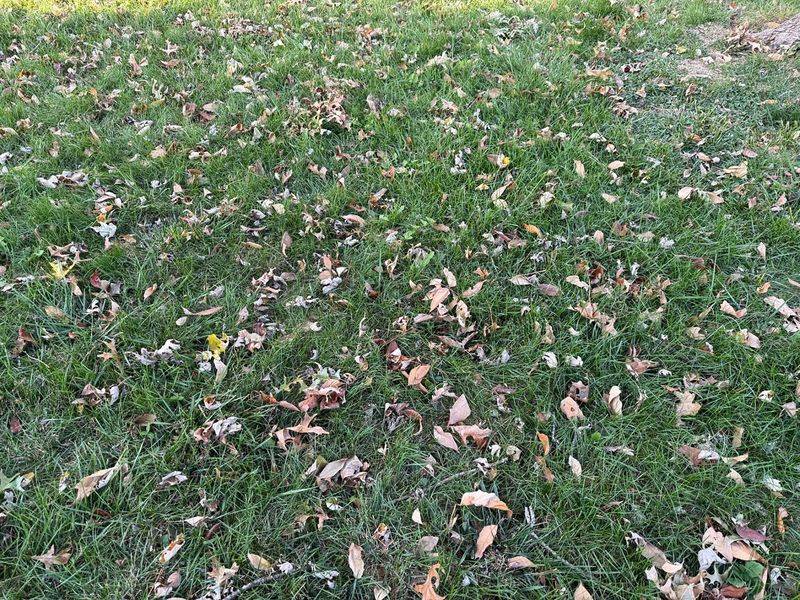
Here is a simple test to know if you have mowed enough. After you finish, look down and check whether you can still see the green grass poking through.
If the blades peek out between the tiny leaf bits, you nailed it. That thin scattering will filter into the turf and feed your soil without causing any harm.
But if the ground looks like a solid brown carpet, you have more work to do. A heavy cover means the leaves are still too thick and need extra chopping or removal.
The whole idea is to reduce leaves into small flecks, not to build a blanket on top. Grass that stays visible can still soak up sunlight and breathe freely.
Michigan lawns face enough stress through the cold season. A thick, trapped leaf layer only adds winter problems like matting, mold, and weak spring growth.
When snow settles over a smothered lawn, those pressed leaves keep moisture locked in for months. That damp, dark setting is exactly what turf does not want.
By keeping the leaf pieces tiny and letting grass show through, you avoid that whole mess. The little bits break down naturally and disappear over a few weeks.
So make the green blades your guide. Each time you mow, glance at the ground and ask if the grass is still shining through.
That quick check keeps you on track and protects your yard. A lawn you can see through the leaves is a lawn set up for a strong, healthy spring.
6. Remove Excess Leaves From Heavy Accumulation Areas
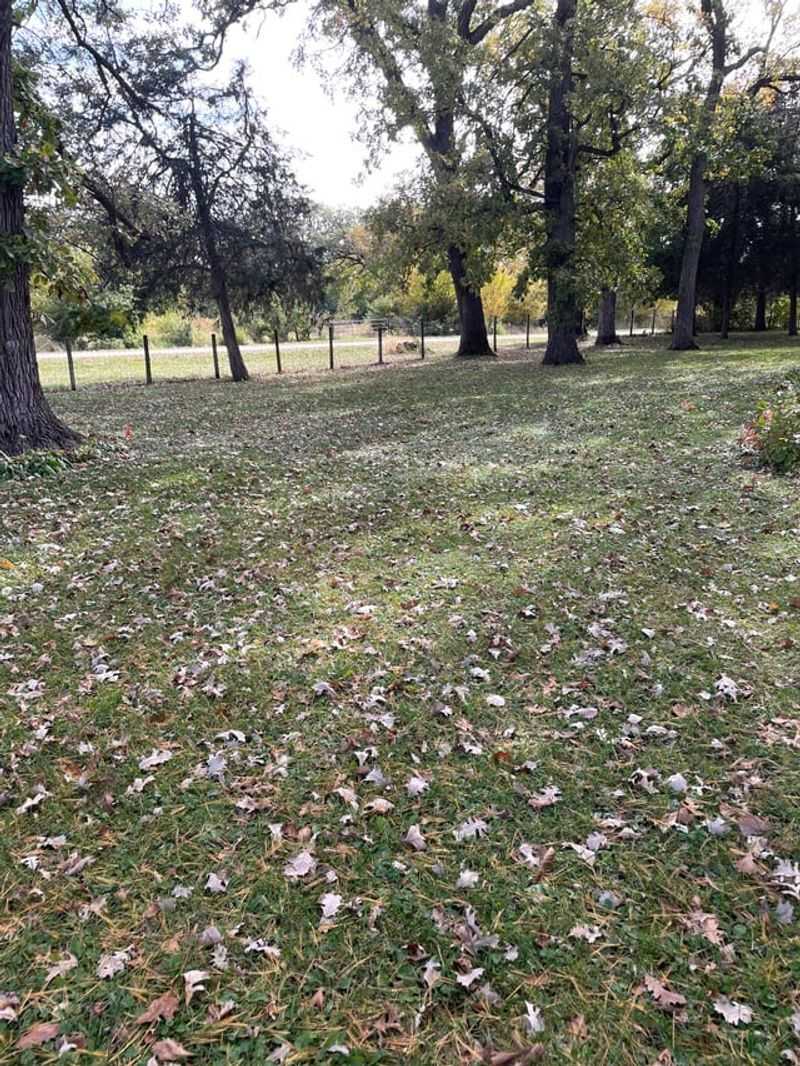
Not every spot in your yard can handle mowing alone. Under giant oaks and maples, leaves stack up so deep that no amount of mowing will chop them all.
When the pile gets that heavy, forcing your mower through it again and again just creates thick, soggy clumps. Those wads settle onto the grass and smother it fast.
In these overloaded areas, the better plan is to rake or blow some leaves away first. Once you thin the pile down, mowing the rest becomes easy and effective.
You can also spread the extra leaves out to lighter spots in the yard. Moving them around evens out the load so no single patch gets buried.
Corners, fence lines, and low spots tend to collect drifts too. Wind pushes leaves into these pockets, and they can pile up surprisingly high.
Scoop up the overflow and put it to good use elsewhere. Those extra leaves are perfect for garden beds or a compost pile in the backyard.
Trying to mow an enormous mound over and over just wears out your machine and your patience. It rarely gives you the fine, even result you want.
A quick rake before mowing saves time in the long run. You clear the worst of it, then let the mower handle the leftovers.
Pay special attention to whatever grows near your biggest trees. Those are the spots that need a helping hand each fall to stay healthy and green come spring.
7. Mow Before Snow Covers The Lawn
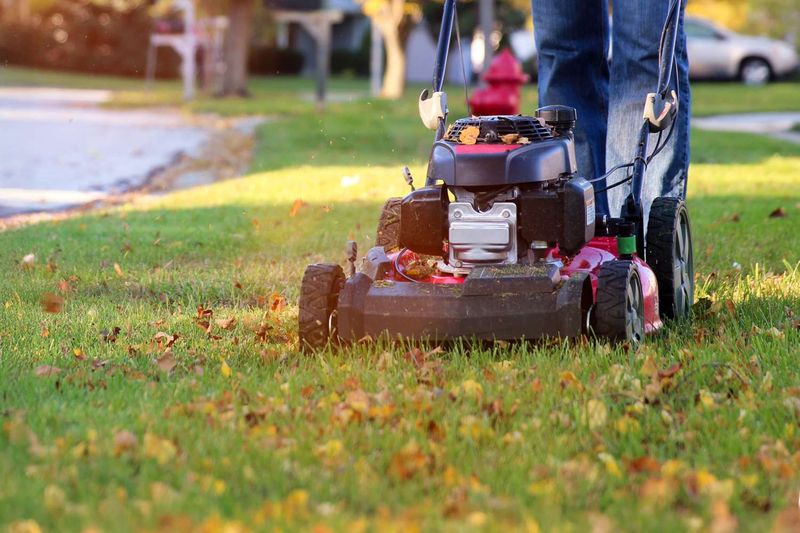
Michigan winters can sneak up fast, so timing your last mow really matters. Once snow settles in and stays, any leaves left on the grass get trapped underneath for months.
That is a problem you want to avoid. A thick layer pressed between snow and soil turns into a wet, matted mess that harms the turf all winter long.
The goal is to finish your leaf cleanup before that first lasting snowfall. Getting ahead of the weather keeps your lawn from spending the cold season smothered.
Keep an eye on the forecast as the season winds down. When those early snow warnings appear, take that as your cue to do one final mowing.
Clearing or chopping the leaves beforehand lets your grass rest in a cleaner state. Come spring, you will find far fewer bare or pale spots to repair.
Leaves left under snow also invite mold and fungus during the thaw. That damp, dark blanket is a breeding ground for lawn troubles.
In much of Michigan, late October into November is prime time for that last pass. Exact timing shifts each year, so stay flexible and watch the sky.
Do not put off the job hoping for one more warm weekend. Sometimes winter arrives early and locks everything in place.
A final tidy-up before the snow gives your yard the best shot at bouncing back green and strong. Beat the snow, and your spring lawn will look all the better for it.
8. Use Leaves Where They Benefit The Garden Most
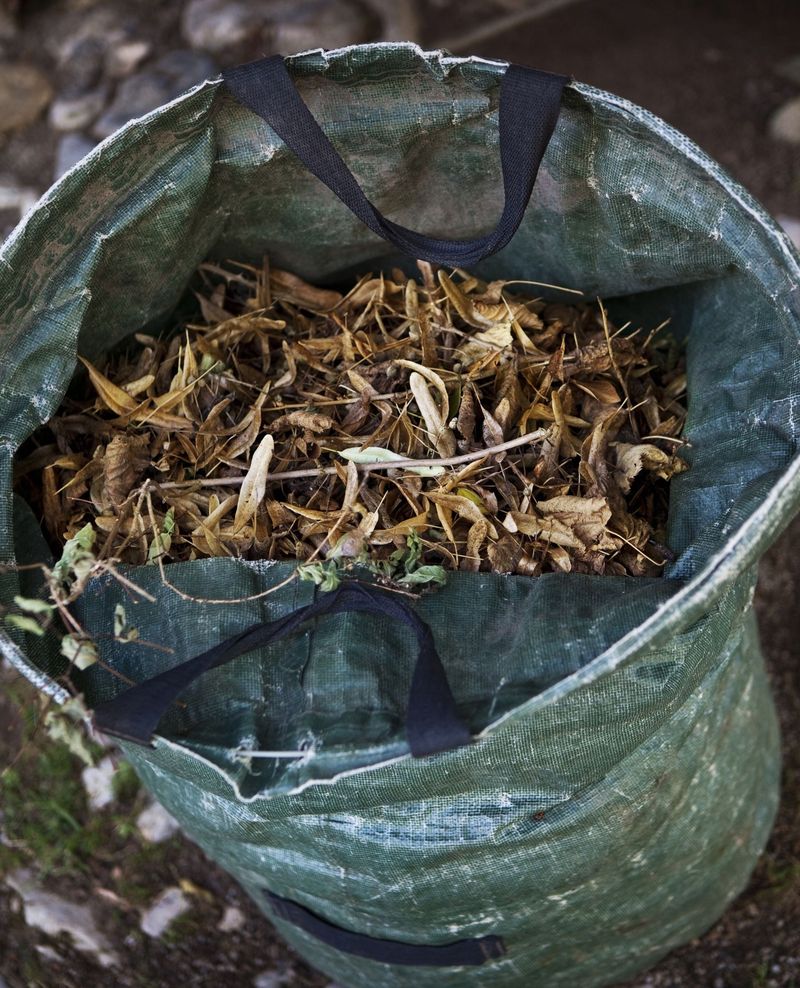
Extra leaves do not have to become a burden at the curb. With a little effort, they turn into free treasure for your garden.
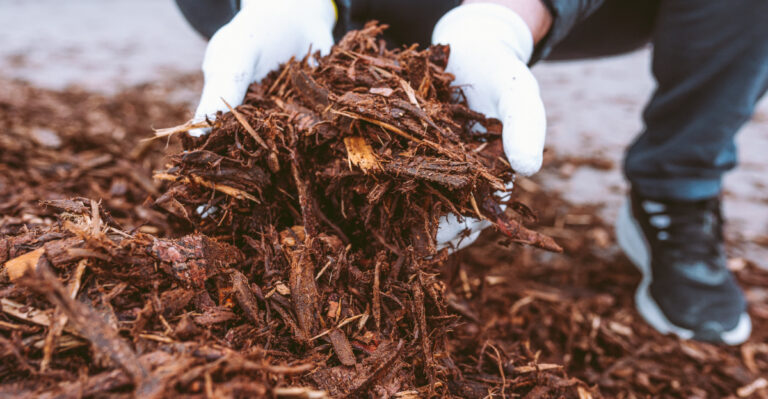
Shredded leaves make wonderful mulch around your flower beds, shrubs, and vegetable patches. Spread a layer on top, and it locks in moisture while blocking weeds from popping up.
That same mulch acts like a cozy blanket for plant roots during Michigan’s chilly months. It shields them from the harsh cold and helps them wake up strong in spring.
Leaves are also a star ingredient in any compost pile. Mixed with grass clippings and kitchen scraps, they break down into dark, crumbly soil that plants adore.
Leaves contain nutrients and organic matter that return to the soil as they decompose.
Instead of stuffing bags for pickup, run your mower over the pile to shred them first. Smaller pieces break down faster and are easier to spread around.
You can tuck shredded leaves into empty garden rows and let them enrich the soil over winter. By planting time, the ground will feel loose and rich.
Even a simple pile in the corner works. Left alone for a season or two, those leaves crumble into rich leaf mold that boosts any bed.
Recycling your leaves this way cuts down on yard waste and feeds your plants at the same time. It is a smart, thrifty habit every Michigan gardener can love. Put those leaves to work and watch your garden flourish.