The One Thing Michigan Gardeners Should Do To Kentucky Bluegrass Right After Labor Day
Labor Day marks an unofficial shift in lawn care priorities, yet most Michigan homeowners have no idea there’s a specific task waiting right on the other side of that holiday weekend.
Skipping this particular step often means a lawn that looks noticeably thinner and patchier by the time next spring rolls around.
It has nothing to do with fertilizer schedules most people already follow, and everything to do with a task that rarely makes it onto anyone’s typical checklist.
Understanding what Kentucky bluegrass actually needs during this exact window could completely change how thick and healthy your lawn looks next year.
Many homeowners only discover this connection after a disappointing spring green up leaves them wondering what went wrong. A little effort right after Labor Day could make all the difference for a lawn that’s noticeably fuller by next season.
1. Give It An Early September Feeding
Cooler days after Labor Day flip a switch inside your Kentucky bluegrass. The heat that slowed it down all summer fades away, and the grass suddenly wants to grow again.
Feeding it right now hands the plant exactly what it craves during its comeback season.
September works so well because the roots stay busy long after the top growth relaxes. Warm soil and cool air create a perfect combo for building strength below the surface.
When you fertilize during this window, your grass soaks up nutrients quickly and puts them to good use.
A single feeding early in the month sets the tone for a healthier lawn. New blades fill in bare spots, the color deepens to a rich green, and the whole yard looks refreshed. That thick growth also crowds out weeds that try to sneak in.
Michigan weather adds another bonus. Late summer rain often returns around this time, softening the soil and helping fertilizer reach the roots. If rain is scarce, a light watering after spreading does the same job.
Timing matters more than you might think. Feed too early while the heat lingers, and you stress the plant.
Wait too long, and you miss the strongest growth stretch. Right after Labor Day lands in that sweet spot.
Think of this feeding as the opening move in your fall lawn plan. It kicks off a season of recovery, prepares the grass for chilly nights ahead, and rewards you with a yard that stays handsome well into autumn.
2. Wait Until Dormant Grass Wakes Up
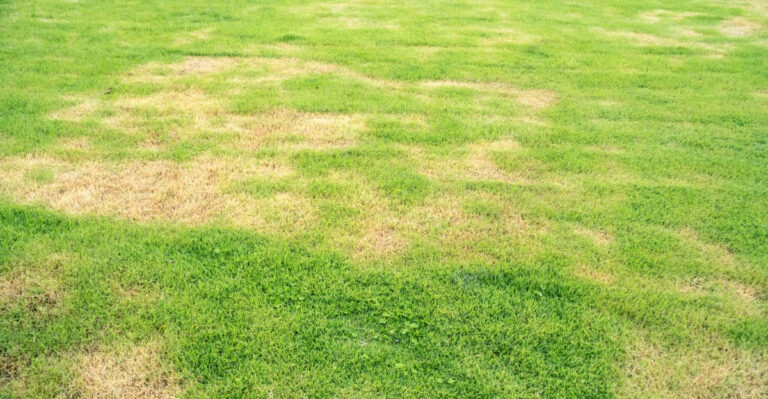
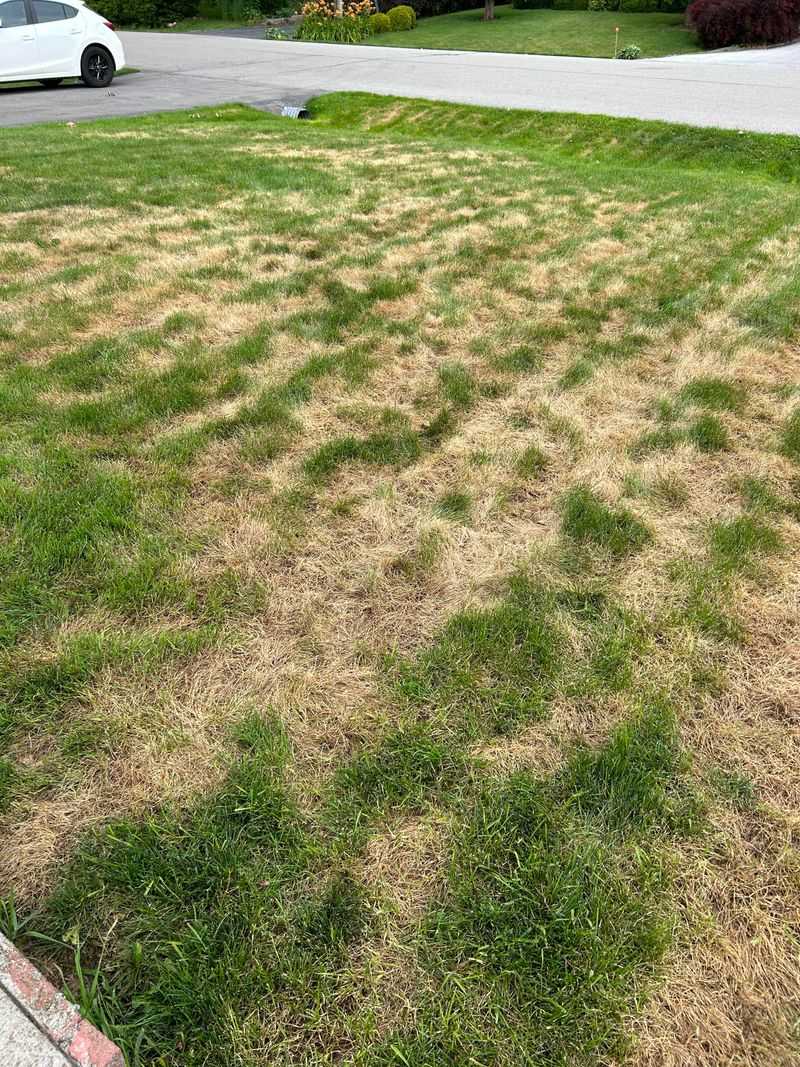
Some lawns look brown and crispy by the end of summer, and that scares a lot of gardeners. The good news is that brown grass is often just resting, not gone for good. Kentucky bluegrass has a clever trick of going dormant to survive long dry stretches.
Pouring fertilizer on a sleeping lawn does more harm than help. The grass cannot use the nutrients while it rests, so the food just sits there.
Worse, salts in fertilizer can burn tender crowns that are already stressed from the drought.
Patience pays off here. Once steady rain returns or you water deeply, the grass shifts back into active growth.
Your Michigan Garden Changes Every Week. Your Plan Should Too.
Gardening in Michigan changes quickly throughout the season. Every Friday you’ll receive a simple weekly plan showing exactly what to plant, prune, fertilize, harvest, and protect so you never miss the right timing.
You will notice fresh green shoots pushing up within a week or two. That green flush is your signal that the plant is awake and hungry.
Only after real growth returns should you reach for the spreader. Feeding an active lawn means every granule works toward new blades and stronger roots. The timing feels natural because the grass is already in recovery mode.
Michigan’s early fall usually brings the moisture that wakes lawns up. If the skies stay dry, running a sprinkler for an inch of water per week gets things moving. Check the soil a few inches down to make sure it is truly moist.
Rushing this step wastes money and stresses your yard. Waiting a little longer gives you a lawn that responds fast and looks great. Let the grass show you it is ready, then feed it with confidence.
3. Nitrogen Fuels Fall Recovery
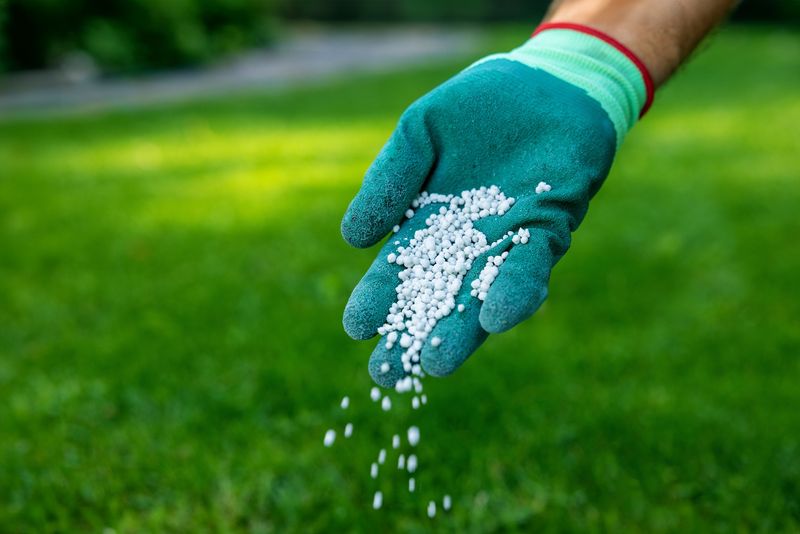
If your lawn took a beating this summer, nitrogen is the ingredient that brings it roaring back. Heat, drought, and busy feet leave grass thin and tired.
Nitrogen acts like the main energy source that helps blades grow full and green again.
Kentucky bluegrass loves to spread. It sends out underground stems called rhizomes that fill gaps and create that carpet-like look people admire.
Those rhizomes need nitrogen to power their growth, so a September feeding directly boosts thickness.
Density is your best defense against trouble. A packed lawn shades the soil, keeps weed seeds from sprouting, and handles wear from kids and pets. The more blades you have, the tougher your yard becomes heading into cooler months.
Color is another perk you will notice fast. Nitrogen deepens that rich green tone that makes a lawn pop.
Within days of feeding an active lawn, the difference between fed and unfed areas becomes obvious.
Recovery goes deeper than what you see on top. Strong nitrogen-fueled growth in early fall helps the plant store energy for winter. That stored fuel means a faster, greener wake-up next spring.
Balance still matters, though. Too much nitrogen forces soft, floppy growth that gets sick more easily. A moderate, well-timed amount gives you all the benefits without the downsides.
Think of nitrogen as the repair crew your lawn has been waiting for all summer. Feed it at the right moment, and Kentucky bluegrass rebuilds itself into the thick, healthy turf you have been picturing. Fall really is its favorite season.
4. Do Not Guess At The Amount
Eyeballing fertilizer is one of the easiest mistakes to make. Tossing on a random scoop feels quick, but it can leave your lawn either starving or overloaded.
The bag label exists for a reason, and it is worth every second you spend reading it.
Most lawns need about one pound of nitrogen for every thousand square feet in a single feeding. That number sounds fancy, but the label breaks it down for you.
Match your spreader setting to the instructions, and you are already ahead of the game.
Measuring your lawn helps a ton. Grab a tape measure or pace off the area to figure out the square footage.
Once you know the size, you can figure out exactly how much product to buy and spread.
Here is the part many folks forget. Any fertilizer you applied earlier in the year counts toward the total the grass can handle.
Add up those spring and summer feedings so you do not pile on more than the lawn can use.
Going overboard causes real headaches. Extra nitrogen can scorch blades, trigger disease, and push weak growth that struggles later. It also washes away and wastes your hard-earned cash.
Too little food leaves your grass hungry and thin, missing the whole point of a fall feeding. Precision keeps you right in the happy middle.
A few minutes of math protects your lawn and your wallet. Follow the rates, track your yearly totals, and spread evenly.
Your Kentucky bluegrass rewards careful measuring with steady, healthy growth instead of a stressful boom and bust.
5. Let A Soil Test Guide Other Nutrients
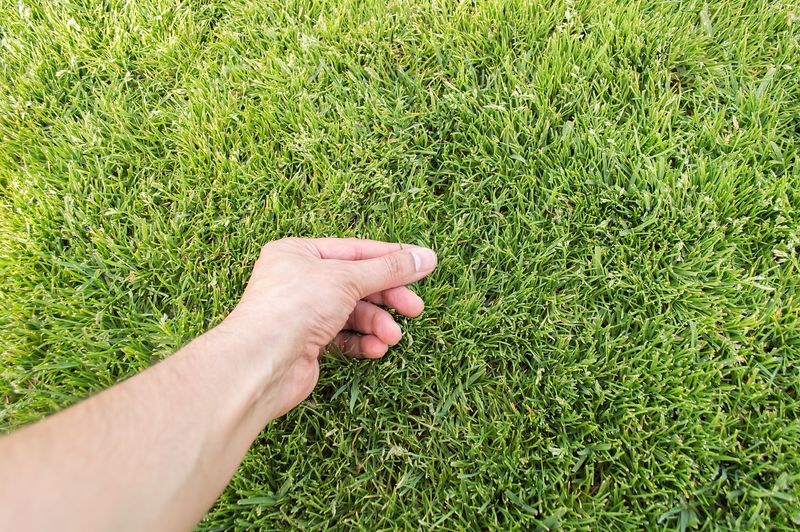
Nitrogen gets all the attention, but your lawn needs other nutrients too. Phosphorus and potassium play big roles in root strength and overall health.
The tricky part is knowing whether your soil actually needs them.
Guessing here can backfire. Many Michigan soils already hold plenty of phosphorus, so adding more does nothing helpful.
Extra phosphorus can even wash into lakes and streams, causing pollution problems nobody wants.
A soil test clears up the mystery for just a few dollars. You collect small samples from around your yard, mix them together, and send them to a lab.
Michigan State University Extension offers this service and gives easy-to-read results.
The report tells you exactly what your soil has and what it lacks. Instead of buying fertilizer blends full of nutrients you do not need, you can pick the right product with confidence. That saves money and protects the environment.
Potassium often helps lawns handle stress from cold and drought. If your test shows it is low, adding some in fall can toughen up your grass for winter.
If levels are fine, you skip it and move on. Testing every few years keeps you on track. Soil changes slowly, so you do not need to do it constantly. A fresh test now and then keeps your feeding plan accurate.
Smart gardeners feed the soil, not just the grass. A quick test turns guesswork into a clear plan built for your yard.
Let the results decide which nutrients belong in your September routine, and your bluegrass thrives.
6. Keep Fertilizer Off The Pavement
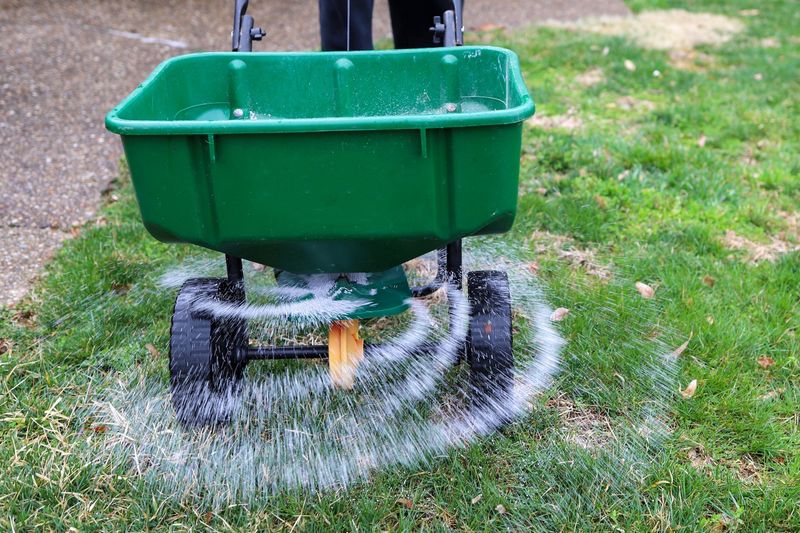
Stray granules on your driveway might seem harmless, but they cause bigger problems than you would guess. Fertilizer that lands on hard surfaces has nowhere useful to go.
When rain hits, it washes straight into storm drains. Those drains lead to rivers, lakes, and ponds. Nutrients that feed your grass also feed algae in the water, and too much algae harms fish and makes lakes murky.
Michigan’s beautiful waterways deserve better than runoff from our lawns. The fix is refreshingly simple. After spreading fertilizer, grab a broom and sweep any granules off sidewalks, patios, and driveways.
Push them back onto the grass where they actually do some good. A little planning helps you avoid the mess in the first place. Close the spreader hopper before you cross paved areas, and open it again once you reach the lawn.
That small habit keeps most granules where they belong. Using a spreader with a side shield adds extra protection. The shield blocks product from flinging onto edges near driveways and walkways.
It gives you cleaner lines and less cleanup. Sweeping also saves you money. Every granule you recover is fertilizer you already paid for, so putting it back on the lawn stretches your dollar.
Nothing goes to waste. Taking care of pavement is really taking care of your community. A few minutes with a broom protects local water and keeps your lawn looking sharp.
Good stewardship and a great yard go hand in hand, and this easy step delivers both at once.
7. Keep Mowing While The Grass Is Growing
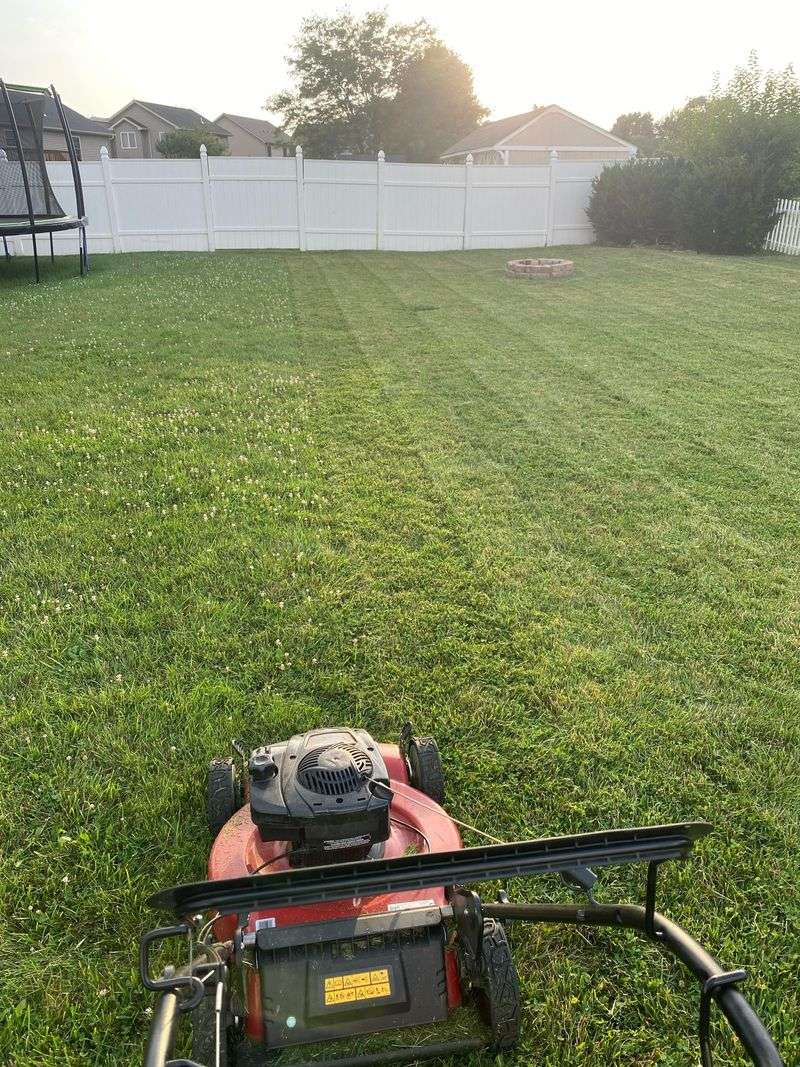
Fall feeding wakes your grass up, and active grass means it is time to keep mowing. Some people park the mower after summer, but Kentucky bluegrass keeps growing well into autumn.
Regular cuts help all that new growth stay healthy. Height makes a real difference this time of year. Aim to keep your bluegrass around three inches tall.
Taller blades shade the soil, support deeper roots, and help the plant gather energy through the cooler weeks.
The one-third rule keeps things simple. Never remove more than a third of the blade height in a single mowing. Cutting too much at once stresses the grass right when it is trying to rebuild.
Sharp blades matter more than most folks realize. A crisp cut heals fast and looks clean, while a dull blade tears the grass and leaves ragged edges. A quick blade sharpening before fall pays off all season.
Leaving the clippings on the lawn is a smart move too. Short clippings break down quickly and return nitrogen to the soil.
That free feeding works alongside your September fertilizer. Mowing also keeps leaves from smothering the turf. Chopping fallen leaves with your mower spreads them thin so they decompose instead of piling up.
Your grass keeps getting sunlight and air. As growth slows near the cold months, you can mow less often. Let the grass guide your schedule rather than the calendar.
Steady, careful mowing paired with a good feeding keeps your Kentucky bluegrass dense, green, and ready for whatever autumn brings.
8. Remember This Is Not The Late Fall Feeding
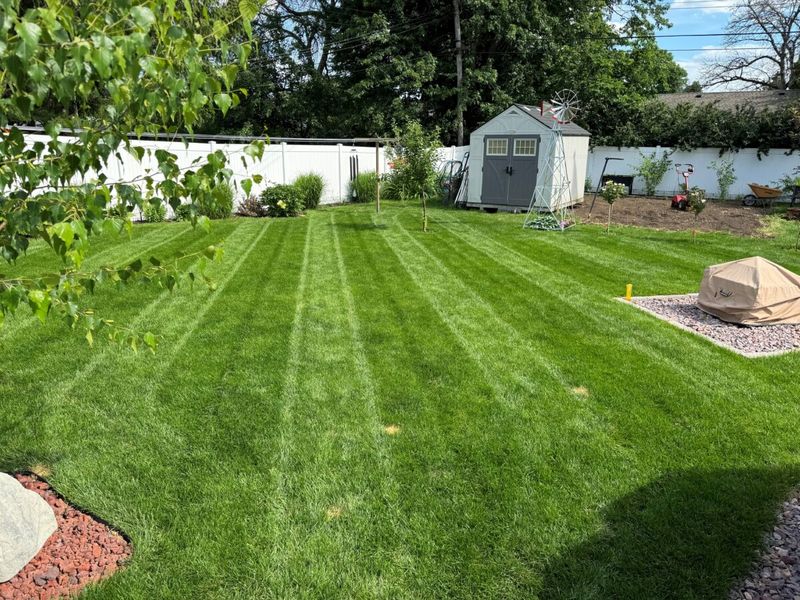
The early September feeding gets a lot of praise, but it is only part of the plan. Many gardeners mix it up with the later fall feeding, and the two serve very different jobs.
Knowing the difference helps you time both perfectly. Right after Labor Day, your goal is active growth. The grass is busy filling in, thickening up, and repairing summer damage.
Nitrogen applied now fuels all that visible blade growth you can see and enjoy.
The late fall feeding comes much later, usually after the top growth slows way down. By then the blades stop stretching, but the roots keep working underground.
A feeding at that stage sends energy straight to the roots instead of the leaves. Timing tells the two apart. The early feeding lands when the lawn is green and growing fast.
The final feeding waits until the grass has nearly stopped growing but before the ground freezes solid.
Both feedings matter for different reasons. September growth builds a thick, tough lawn now, while the late feeding stores fuel for a strong, early green-up next spring.
Together they cover the whole autumn stretch. Skipping one leaves a gap in your plan. Do only the September feeding, and you miss the spring boost. Do only the late one, and your lawn stays thin through fall.
Mark your calendar for both dates so neither slips your mind. Think of them as teammates working toward the same healthy lawn.
Handle each at the right moment, and your Kentucky bluegrass looks fantastic season after season.