Can You Mow Over Leaves Instead Of Raking Them?
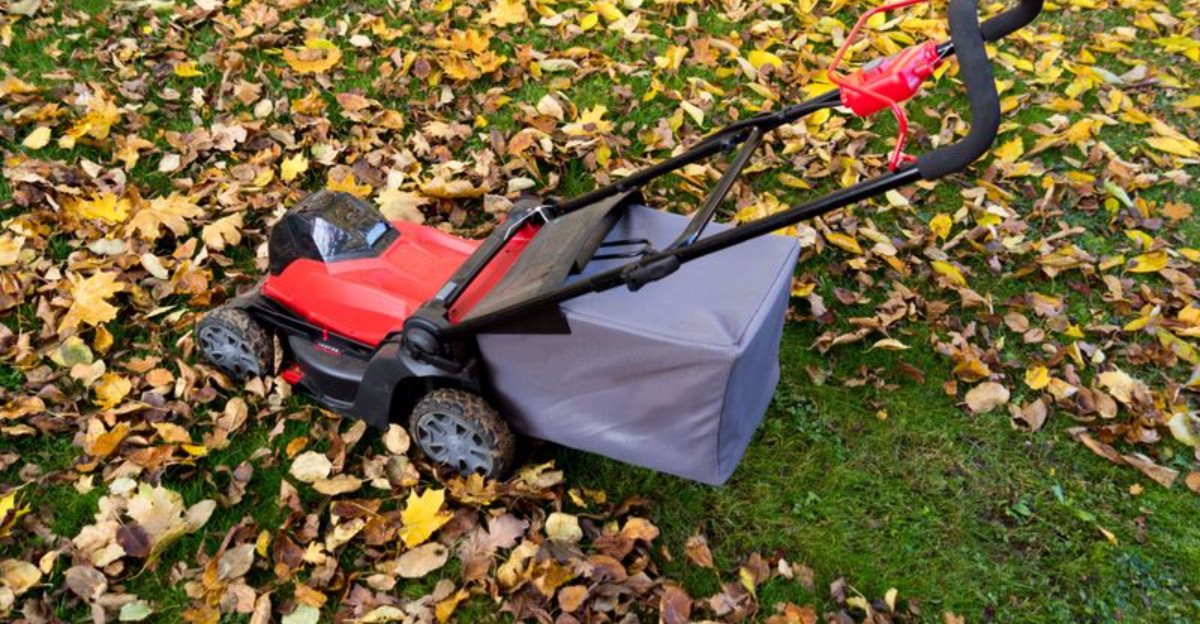
A single mature tree can drop thousands of leaves in one fall, and many of them end up sealed in plastic bags at the curb. According to the EPA, yard trimmings make up a hefty share of what Americans send to landfills each year.
Every fall, I used to rake until my shoulders ached. Then I bagged everything up like I was hiding evidence. Guilty as charged.
Truth is, turf researchers at places like Michigan State University tested a much lazier approach years ago. Their lawns did not suffer, and the mulched plots even had fewer dandelions the following spring.
So why do so many of us still drag out the rake every October? I suspect habit has a lot to do with it. Your grass might be quietly hoping you break that habit this year.
Your Lawn Mower Can Handle More Of The Leaf Cleanup Than You Expect
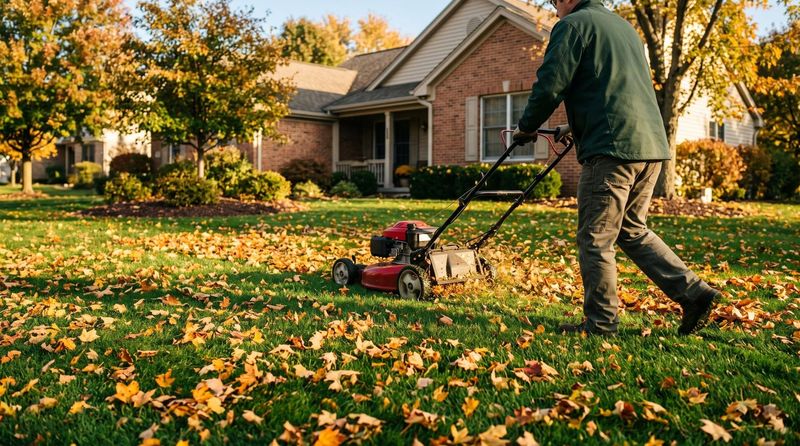
Short answer? Yes, you can mow over leaves instead of raking them, and turf experts often recommend it. Michigan State University ran multi-year studies where researchers mowed leaf layers right into test lawns.
The results surprised plenty of folks. The grass handled the shredded leaves just fine, and the lawns showed fewer dandelions in spring. Purdue and Cornell extension specialists share similar advice for most home lawns.
The trick lies in chopping, not burying. Whole leaves can mat down and block sunlight, but shredded bits slip down between grass blades. Once they settle near the soil, worms, fungi, and bacteria get to work breaking them down over the winter.
I’ll admit I was skeptical the first time I tried it. My yard looked a bit speckled for a day or two. Then a light rain came through, and the leaf crumbs mostly vanished from sight.
So the rake does not have to be your main tool anymore. For an average layer of fallen leaves on a healthy lawn, a mower set high can do most of the heavy lifting. You save hours, skip the bags, and give your grass a bit of free organic matter.
Shred Those Leaves Until They Look Like Dimes
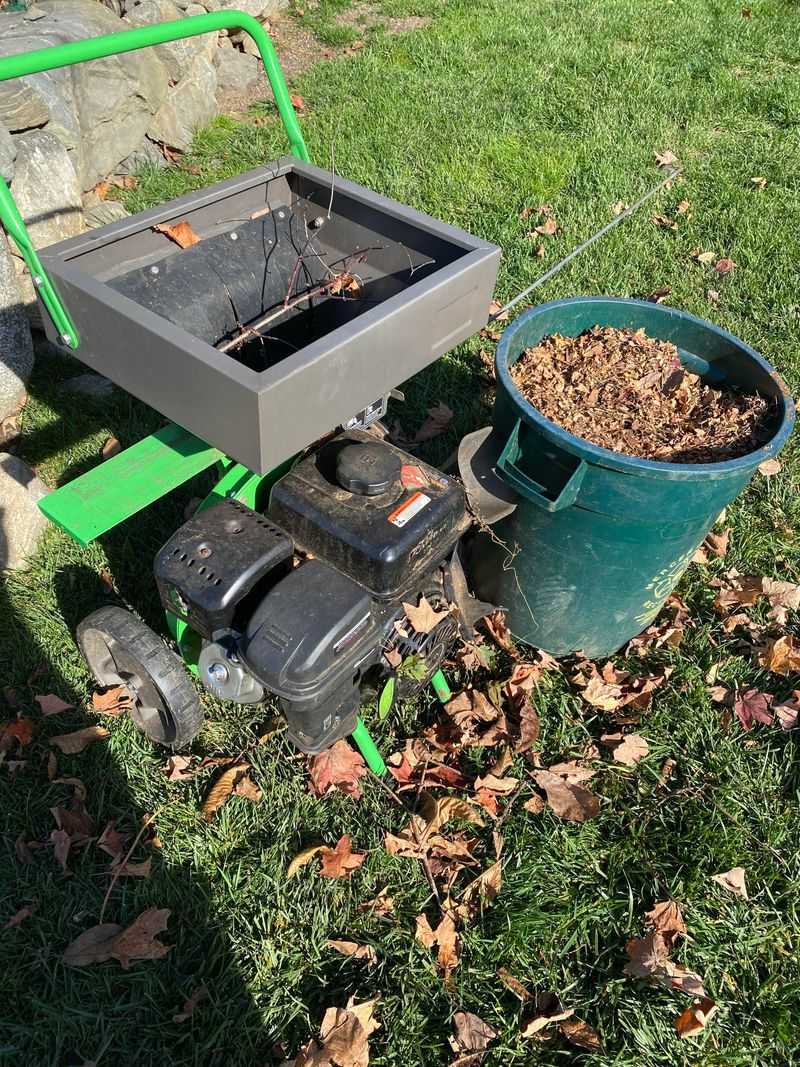
Size really matters here. Most extension guides suggest chopping leaves into pieces about the size of a dime, or smaller.
Start with dry leaves whenever you can. Wet leaves clump, stick to the mower deck, and leave soggy piles behind. A sunny afternoon after a dry spell is your best window.
Raise your mower to a higher cutting height, often around 3 to 3.5 inches for cool-season grasses. Take off the bag so the shreds fall back onto the turf. If your mower has a mulching plug or side chute cover, now is the time to use it.
Make one pass and take a look. For a thicker layer, go over the area again in a different direction. Two or three passes usually turn a crunchy carpet into fine confetti.
Here comes the easy test. When you can see roughly half an inch of grass poking up through the leaf bits, you are in good shape. If the shreds still hide the blades, mow again or move some of the extra to a garden bed.
Fair warning, the first pass can feel slow. After a season or two, it becomes a quick, almost relaxing routine.
Chopped Maple And Oak Leaves Quietly Feed Your Soil
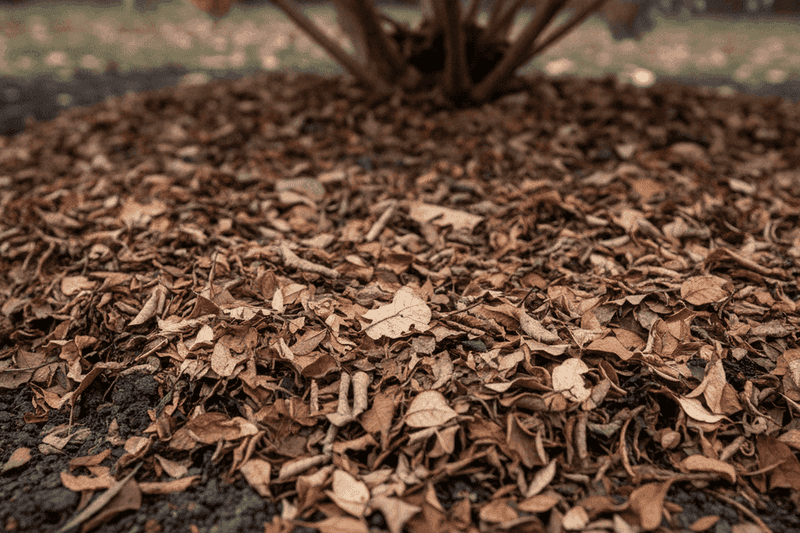
Earthworms love a good leaf buffet. Once those chopped bits settle into the turf, worms pull them down into the soil, leaving tiny tunnels behind that help air and water move around.
Leaves carry small amounts of nutrients like nitrogen, phosphorus, and potassium. They are not a substitute for every fertilizer, but they do add organic matter as they break down. Over time, that organic matter improves soil structure and helps it hold moisture.
Healthier soil tends to grow tougher grass. Roots can reach deeper when the ground stays crumbly instead of packed hard. That can make your lawn a little more forgiving during dry summer spells.
Remember those Michigan State trials? Researchers also noticed fewer broadleaf weeds like dandelions in plots that got mulched maple leaves. They pointed to a likely link, though scientists still study exactly why it happens.
Don’t expect overnight miracles. Leaf mulching works more like a slow savings account than a lottery ticket. Each fall adds a bit more to the soil bank.
I started noticing darker, softer soil along my lawn edges after a few years. My trowel slid in more easily, and the grass there stayed greener during August heat.
A Thick Wet Leaf Pile Calls For A Different Plan
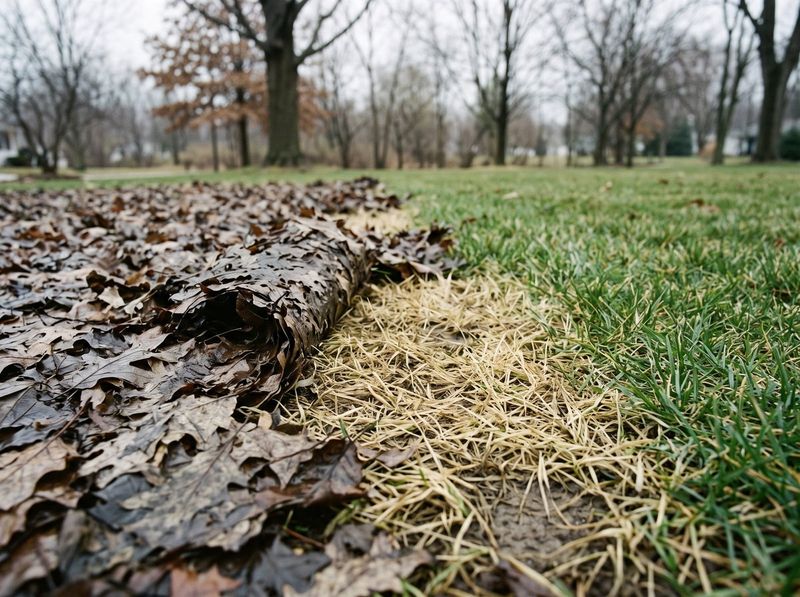
Some yards get buried. If you live under giant oaks or a row of sycamores, the leaf layer can reach several inches deep in a single week.
Mowing that much at once often overwhelms the machine. The shreds pile up, cover the grass, and can block light and air. Over a long winter, smothered patches may come back thin or patchy in spring.
Wet or frozen leaves cause trouble too. They clog the deck, clump into mats, and refuse to chop evenly. Your best move is to wait for a dry day if you can.
When the pile is just too big, rake or blow part of it away first. Move the extra to garden beds, a compost bin, or a corner leaf pile. Then mow what remains into the turf.
Another option helps a lot. Mow more often during peak leaf drop, maybe once or twice a week. Smaller batches shred faster and settle better.
I learned this the hard way with a soggy November pile. My mower choked, and I spent an hour scraping gunk off the deck. Timing turned out to be everything.
Mulching Blades Turn An Ordinary Mower Into A Leaf Shredder
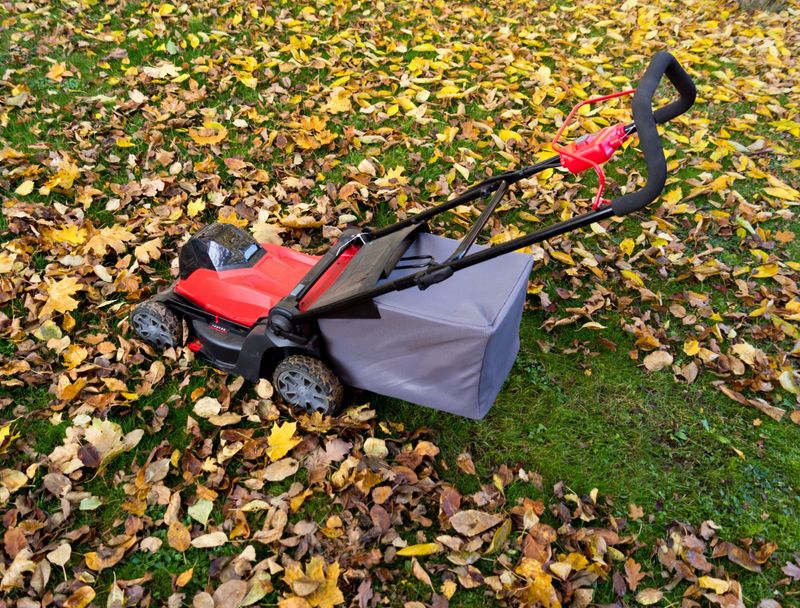
Good news for budget-minded gardeners: most rotary mowers can already chop leaves. A sharp standard blade does a decent job on light to moderate layers.
Mulching blades take it up a notch. Their curved edges and extra cutting surfaces keep leaves bouncing under the deck longer, so they get sliced into finer bits. Many mowers sold as mulching or recycling models come with these blades built in.
Sharpness counts more than brand names. A dull blade tears leaves and grass instead of cutting them cleanly. Plenty of experts suggest sharpening at least once a season, and fall leaf duty is a great reminder.
Safety first, though. Disconnect the spark plug or remove the battery before you flip the mower or touch the blade. Wear sturdy gloves because those edges bite.
Electric and battery mowers can mulch leaves well too. Just keep an eye on battery life, since thick leaf layers make the motor work harder.
Bagging attachments still have a place. If you want leaves for compost, run the bag and collect pre-shredded material. Chopped leaves break down much faster than whole ones in a pile.
Leave Some Leaves In Flower Beds For Fireflies And Overwintering Insects
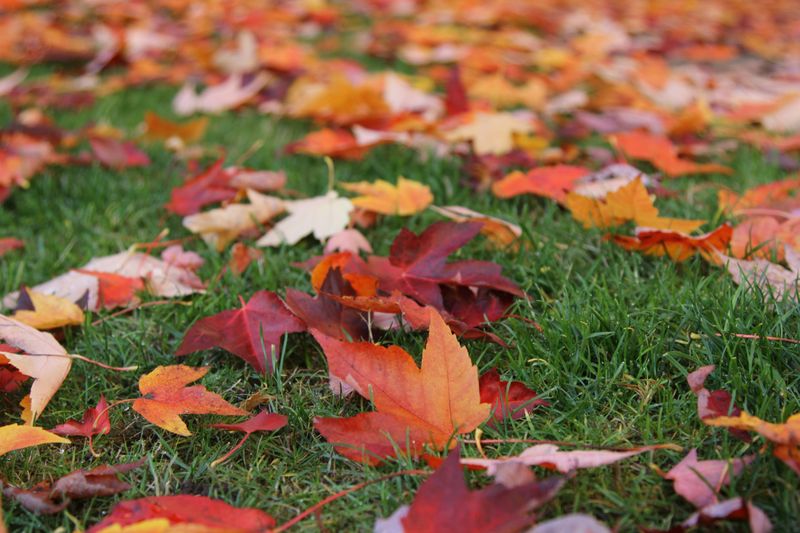
Fireflies spend part of their lives tucked in damp leaf litter. So do many moths, butterflies, beetles, and spiders that birds rely on as food.
Groups like the Xerces Society encourage gardeners to leave some leaves in place for these critters. You don’t have to turn your lawn into a jungle. Garden beds, tree bases, and shady corners make great leafy shelters.
Mulching the lawn and saving leaves elsewhere work well together. Mow the turf areas, then rake extra whole leaves under shrubs and into perennial beds. A layer around 2 to 3 inches can protect roots and hold moisture.
Keep leaves a few inches away from tree trunks and plant stems. Piling mulch tight against bark can invite rot and rodents. Think doughnut, not volcano.
Shredded leaves also make a lovely mulch for vegetable gardens in spring. They break down into crumbly material that improves the soil.
I’m a sucker for spotting fireflies in June. Since I started leaving leafy pockets in my beds, those summer evenings seem a little brighter. I can’t prove the connection in my yard, but it feels like a fair trade.
Your Rake Can Rest While Your Yard And Wallet Benefit
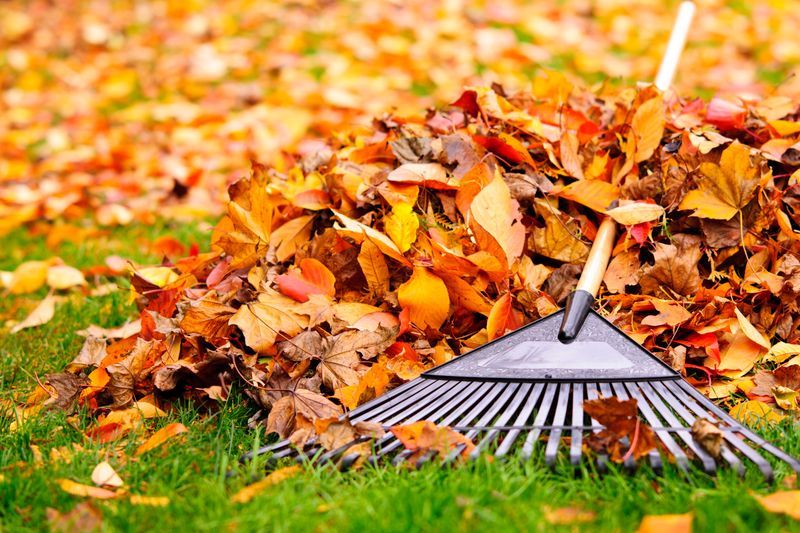
Picking the mower over the rake pays off in more ways than one. You spend less time bent over, and you buy fewer paper or plastic yard bags.
Communities benefit too. The EPA reports that yard trimmings make up millions of tons of municipal waste each year. Keeping leaves on your property reduces truck trips and lightens the load on local composting or landfill sites.
Some towns, like Scarsdale, New York, actively promote leaving leaves on lawns. Check with your city or county, since some places offer leaf pickup schedules, mulch programs, or rules about blowing leaves into streets. Leaves in gutters can clog storm drains and add nutrients to waterways.
Your fertilizer bill may shrink a bit over time. Leaf mulch adds organic matter, though a soil test is still the smartest way to know what your lawn actually needs.
So here is my takeaway. Mow regularly during leaf drop, keep the layer thin, and send the extra to beds or compost. Leave a few wild spots for insects.
Try it on one section this fall if you feel nervous. I bet the rake will spend a lot more time in the shed by next October.