Can You Pick Fruit Hanging Over Your Fence From A Neighbor’s Tree In Oregon?
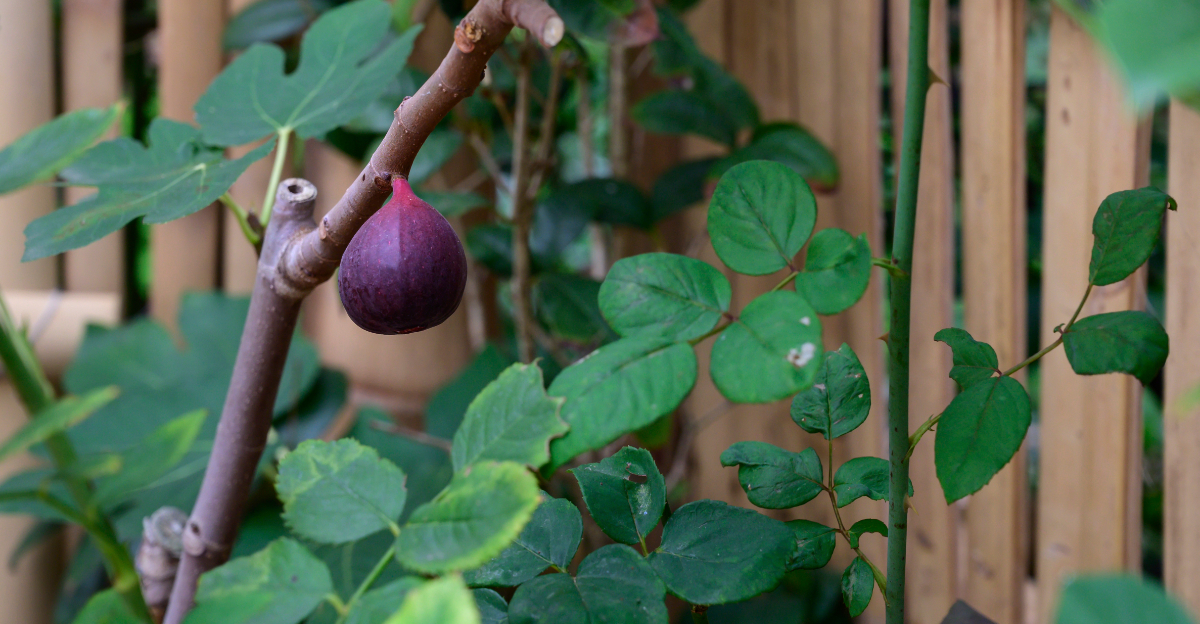
Few things test neighborly etiquette quite like a perfectly ripe piece of fruit dangling over your side of the fence.
It is right there, practically within arm’s reach, and technically the branch has crossed into your yard.
Surely grabbing one little apple, pear, plum, or cherry cannot turn into a property dispute… right?
That seemingly simple backyard moment can get surprisingly complicated once property lines, ownership, and Oregon rules enter the picture.
Trees have no interest in respecting fences, and fruit-bearing branches can stretch wherever sunlight and space allow. Homeowners, unfortunately, have slightly more paperwork involved.
The situation gets even more awkward when fruit starts dropping into your garden, landing on a patio, or hanging temptingly above a walkway.
At that point, it is natural to wonder where your rights begin and your neighbor’s rights end.
Before filling a basket with anything growing over the fence, it is worth knowing how Oregon approaches the situation.
That juicy peach may look like an easy snack, but the legal side of backyard fruit can be less obvious than it seems.
1. The Fruit May Still Belong To Your Neighbor
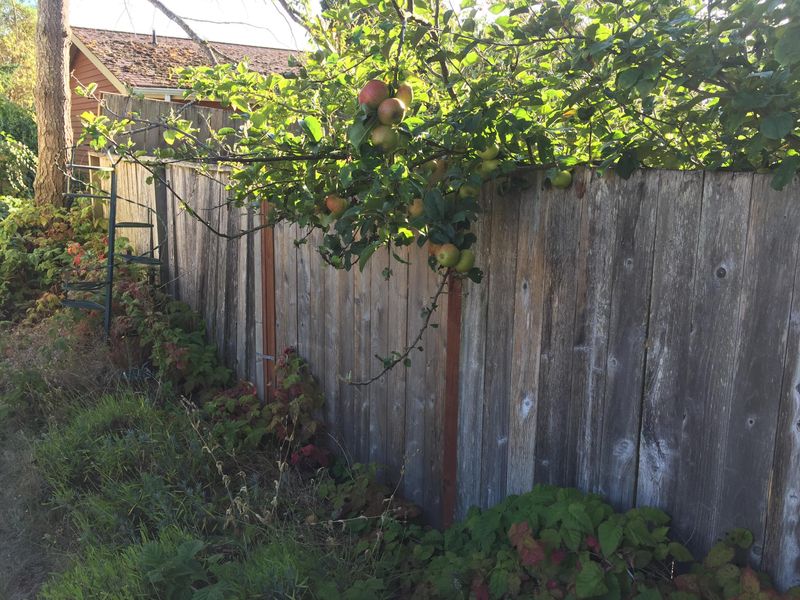
Just because a branch reaches into your yard does not mean the fruit on it belongs to you. Many people find this surprising, but it is true in most U.S. states.
The general legal rule is that fruit belongs to whoever owns the tree, not whoever owns the land the fruit hangs over.
Ownership of a tree is usually determined by where the trunk sits. If the trunk is entirely on your neighbor’s property, the tree is theirs.
That means the fruit is theirs too, even if the branches stretch far into your yard. It does not matter how close to your fence the fruit is hanging.
Think of it like this: if your neighbor left a basketball in your yard, you would not automatically own it. The fruit works the same way.
It is still their property, just temporarily located over your space. Taking it without permission could be seen as theft in some situations.
Some people feel frustrated by this rule, especially when the fruit is rotting and falling into their yard. But the law generally does not care about convenience.
It cares about ownership. The smart move is always to check before you pick.
A quick, friendly conversation with your neighbor can save a lot of trouble. Most neighbors are happy to share fruit they were not planning to pick anyway. All you have to do is ask first.
2. Crossing The Property Line Does Not Automatically Make It Yours
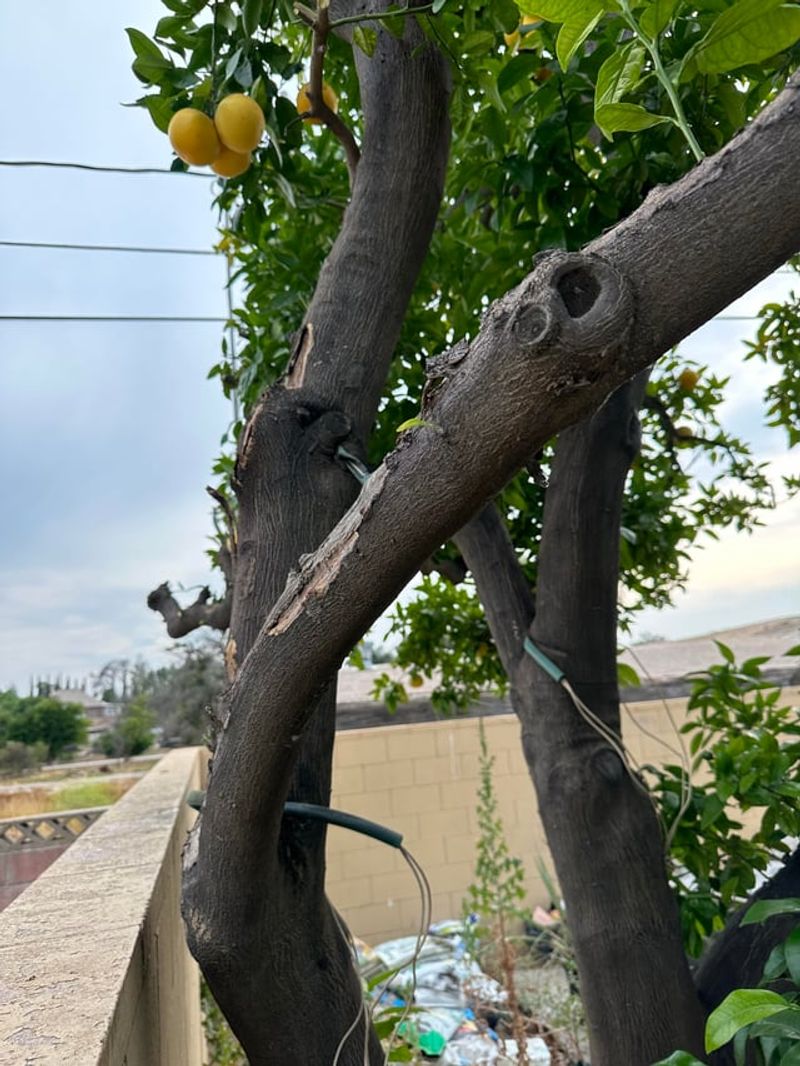
There is a common belief that anything growing over your side of the fence is yours to keep. That belief feels logical, but the law often disagrees. Property rights do not simply shift because a branch moves in a certain direction.
Courts in many states have ruled that the ownership of fruit stays with the tree’s owner. The branch crossing your property line is just a physical fact.
Your Oregon Garden Changes Every Week. Your Plan Should Too.
Gardening in Oregon changes quickly throughout the season. Every Friday you’ll receive a simple weekly plan showing exactly what to plant, prune, fertilize, harvest, and protect so you never miss the right timing.
It does not transfer legal ownership of whatever is growing on it. So even if the fruit is dangling inches above your patio table, it still legally belongs to your neighbor.
Oregon property law follows general common law principles in many cases. Those principles tend to favor the tree owner when it comes to fruit ownership.
Unless a local ordinance says otherwise, the default is that the fruit belongs to the person who owns the tree trunk.
Understanding this can help you avoid an awkward situation. Imagine picking a bag of peaches and then having your neighbor knock on your door upset about it.
That kind of conflict is easy to avoid with a little knowledge. The branch crossing into your yard gives you certain rights, like the right to trim it, but it does not give you the right to take its fruit.
Knowing the difference between what you can do and what you are allowed to do is key to being a good neighbor and staying out of trouble.
3. Picking From An Overhanging Branch Can Create A Dispute
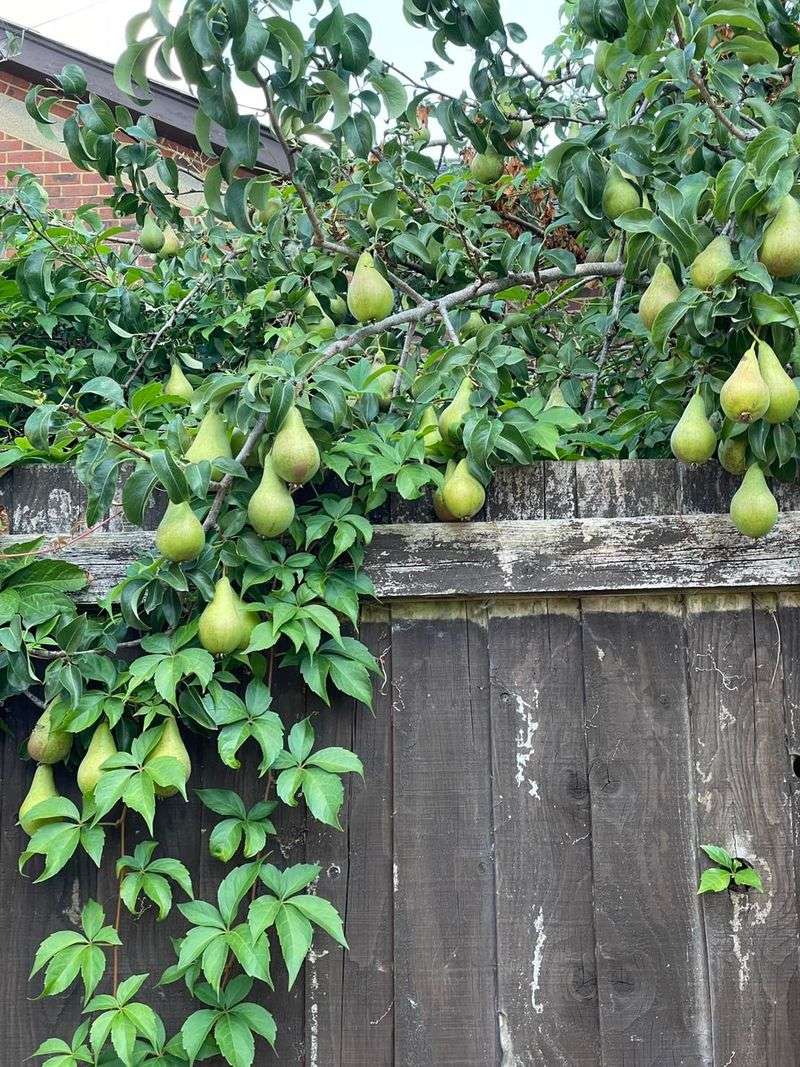
Neighbor disputes over trees and fruit are more common than you might expect. What starts as a quick grab for a ripe pear can turn into a weeks-long argument.
Nobody wants that, especially when you live next door to the person and see them every day.
Even if you believe you are in the right, picking fruit from an overhanging branch without permission can upset your neighbor. They may have been watching that fruit ripen.
They may have had plans to pick it themselves. Taking it without asking can feel disrespectful, even if it was not meant that way.
Disputes like this can escalate quickly. What starts as a small disagreement can lead to complaints, property line surveys, or even legal action in rare cases.
That is a lot of stress over a few pieces of fruit. The best way to avoid all of this is to communicate before you act.
A simple knock on the door or a friendly wave over the fence can prevent a lot of tension. Most neighbors are reasonable people. If the fruit is going to waste, they may be grateful you offered to help pick it.
But if you just take it without a word, you are making a choice that could damage your relationship with the person living right next door. Respect goes a long way in any neighborhood, and it costs nothing to ask a simple question.
4. Trimming A Branch Is Different From Taking Its Fruit
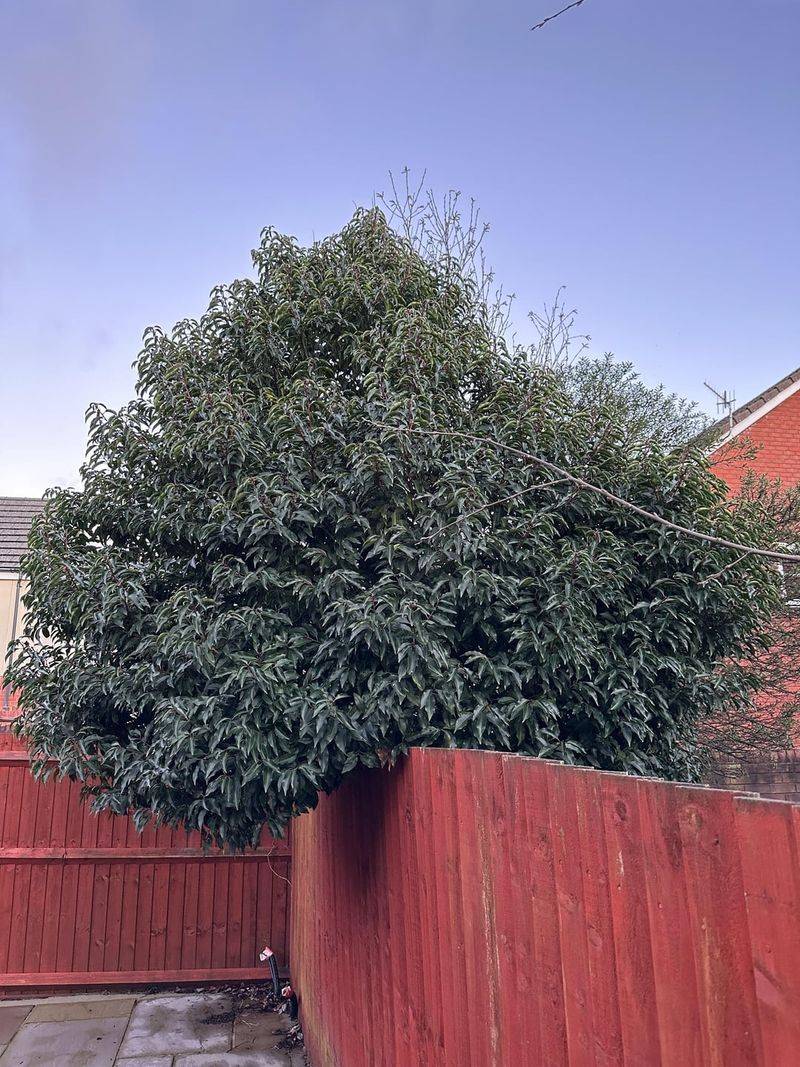
Here is something that surprises a lot of people: you generally have the legal right to trim a tree branch that hangs over your property, but that does not mean you can keep the fruit attached to it. Those are two separate rights, and mixing them up can cause problems.
Most states, including Oregon, allow property owners to cut back branches that cross onto their land. You can trim them back to the property line.
However, you are typically required to return any trimmings, including fruit, to the tree’s owner. That is the legal standard in many jurisdictions.
So if you trim an overhanging branch and a dozen apples fall off in the process, those apples technically still belong to your neighbor.
Keeping them without permission could still be considered taking something that is not yours. It sounds extreme, but the law tends to be specific about these things.
Before you start trimming, it is also worth knowing that you cannot trim in a way that harms the tree.
Cutting too aggressively can damage the tree’s health, and your neighbor could potentially hold you responsible for that damage.
The right approach is to trim only what you need to and to do it carefully. And if you want the fruit from those branches, just ask.
A neighborly conversation is always better than a legal headache. Most people are happy to share when asked the right way.
5. Do Not Reach Over The Fence Onto Their Property
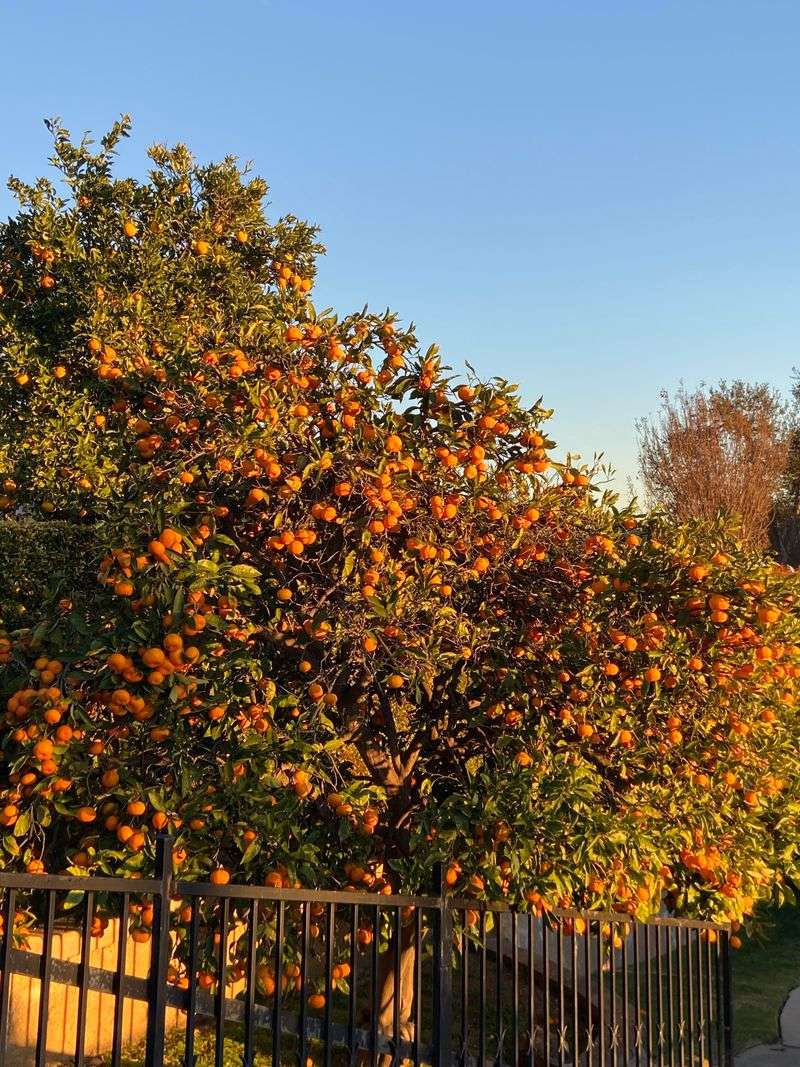
Reaching over a fence to grab fruit from your neighbor’s side is a completely different situation from picking fruit that hangs over your yard.
Crossing into their space, even just with your arm, can be considered trespassing in a legal sense. That is a line most people do not want to cross.
Your property ends at your fence or property line. Anything beyond that belongs to your neighbor.
Grabbing fruit that hangs on their side of the line, even if it is just barely on their side, is not something you are legally allowed to do. It does not matter how easy it would be to reach it.
This kind of situation can feel trivial, but it is worth taking seriously. If your neighbor sees you reaching over and is unhappy about it, they have every right to say something.
And if the situation escalates, you could find yourself on the wrong side of a trespassing complaint. That is not a position anyone wants to be in over a piece of fruit.
Staying on your side of the fence is always the right call. If you can see fruit on their side that looks ready to pick, just mention it the next time you see your neighbor.
Tell them you noticed it and offer to help pick it together. That kind of gesture builds goodwill and keeps the peace.
Good fences make good neighbors, and so does good communication.
6. Fallen Fruit Can Be A Different Question
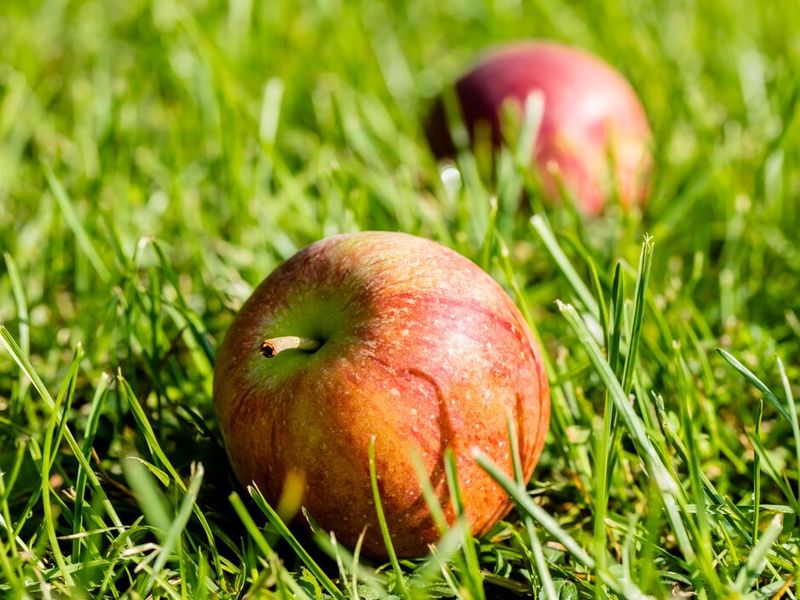
Fruit that has already fallen to the ground adds a new layer to this whole conversation. Once fruit drops, some people assume the rules change. In some places, they actually do, but not always in the way people expect.
If fruit falls from an overhanging branch and lands in your yard, the rules around ownership get a little less clear. Some legal experts argue that fallen fruit in your yard becomes yours simply because it is on your property.
Others say it still belongs to the tree owner. The answer can depend on local laws and even how the fruit got there.
In Oregon, there is no single statewide law that clearly spells out who owns fallen fruit. The general principle is that the fruit still belongs to the tree owner unless local rules say otherwise.
Some cities and counties have their own ordinances that address this more directly. Checking with your local government is a smart step if you want a clear answer.
Practically speaking, most neighbors are not going to chase down fallen fruit. If it has dropped into your yard and is sitting there rotting, most people would not care if you composted it or threw it away.
But if you want to eat it or use it, asking first is still the safest choice. A quick message or conversation keeps things friendly and avoids any misunderstanding. When in doubt, communication is always the better path forward.
7. Permission Is The Safest Answer Before You Pick
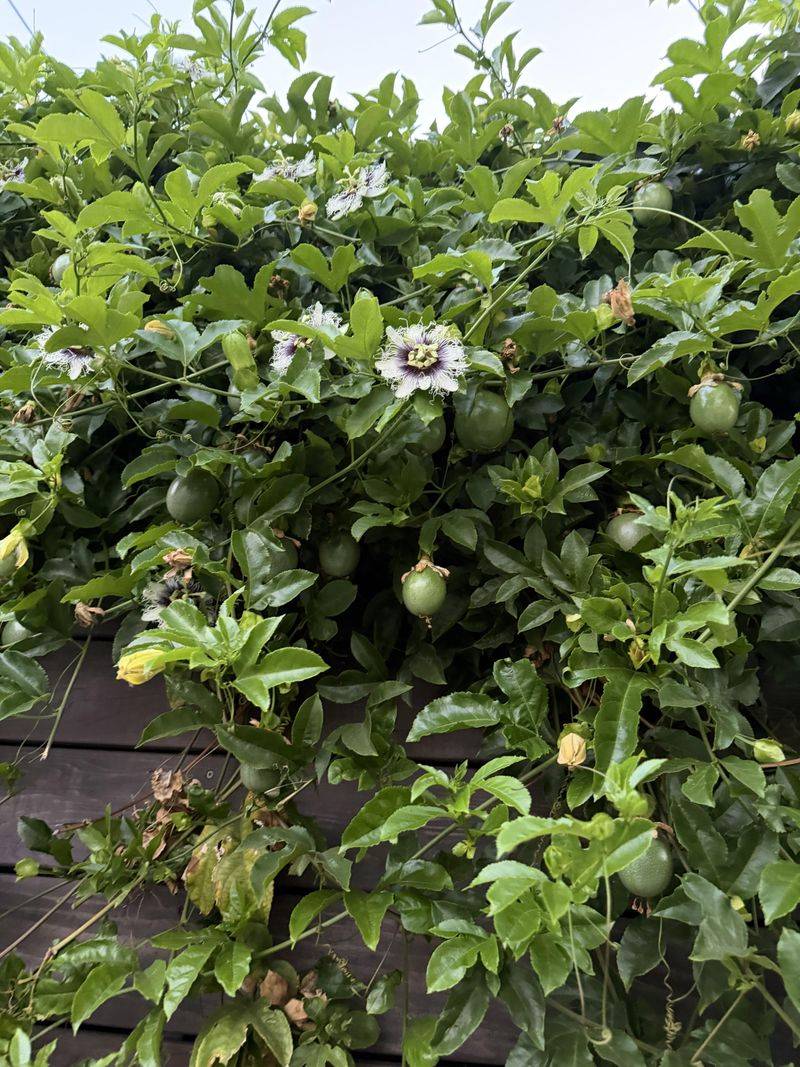
Out of everything covered in this topic, one piece of advice stands above all others: ask before you pick.
Getting permission from your neighbor is the simplest and most reliable way to avoid any legal gray area or hurt feelings. It takes about thirty seconds and can save a lot of headaches.
Most neighbors are friendly and reasonable. If you walk over and say, “Hey, your apple tree has some great fruit hanging over my side.
Would you mind if I picked a few?” the answer is usually yes. In fact, many neighbors are grateful someone is offering to use the fruit instead of letting it rot and fall into the yard.
Permission also protects you. If your neighbor says yes and you pick the fruit, nobody can later claim you took something without asking.
You have a clear agreement, even if it was just a verbal one. That kind of clarity is always helpful, especially if you plan to pick regularly throughout the season.
Building a good relationship with your neighbor around a shared tree can actually be a fun and positive experience. Some neighbors split the harvest.
Others trade fruit for baked goods or garden vegetables. What starts as a simple question can turn into a real community connection.
Treating your neighbor with respect and honesty is always the right approach. Property laws are complicated, but kindness is not.
Ask first, and you will almost never go wrong.
8. Property Lines Matter More Than Where The Fruit Hangs
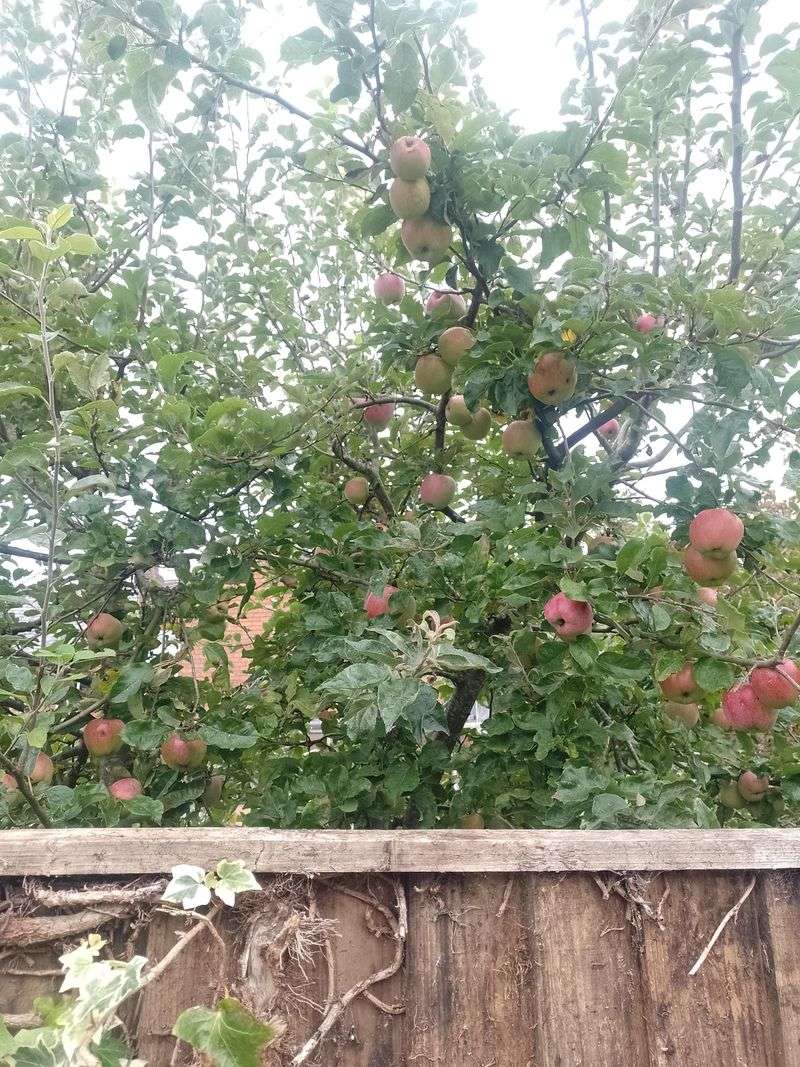
At the end of the day, property law comes back to one thing: where the line is. Property lines determine ownership, rights, and responsibilities.
They matter more than where a branch stretches or where a piece of fruit happens to be hanging at any given moment.
If you are unsure where your property line actually is, now might be a good time to find out. Many homeowners are surprised to learn their fence is not exactly on the property line.
Sometimes fences are built a foot or two inside the actual boundary. That could mean the tree you thought was clearly your neighbor’s is actually sitting right on the line, or even on your side.
A property survey can clear all of this up. Local county offices often have plat maps and records that show property boundaries.
You can also hire a licensed surveyor to give you an official measurement. Knowing your exact property line is useful for many reasons, not just fruit disputes.
Once you know where the line is, you can have a much more informed conversation with your neighbor about the tree and the fruit. You will know exactly what rights you have and what your neighbor is entitled to.
That kind of clarity makes everything easier. Trees near property boundaries are a common situation across the country, and handling them well starts with knowing the facts.
Understanding your property line is the foundation of being a responsible and respectful homeowner.