This Tennessee Fall Garden Festival Has A Carnivorous Plant Booth Worth Seeing
Something strange waits behind a table at a Tennessee festival, and it moves. You expect flowers. Instead, you find hinges, tubes, and traps built to capture insects.
Tennessee hosts this gathering every fall, drawing crowds who never expected to love unusual plants. Vendors line the aisles, yet a single booth refuses to let you leave.
Visitors crouch, stare, and whisper questions they never expected to ask about plants. Pitcher plants open wide like tiny green vessels waiting for visitors.
Sundews glisten with sticky droplets that catch anything unlucky enough to land. Curious hands hover, itching to touch, then pull back nervously.
Conversations spark between strangers who suddenly share an odd, thrilling obsession. Nobody walks past this booth without stopping, asking, or staring longer than planned.
Your weekend plans shift the moment you spot these plants. Desire builds inside you instantly. Leaving without a plant becomes impossible once you see them.
What Is The Tennessee Fall Garden Festival
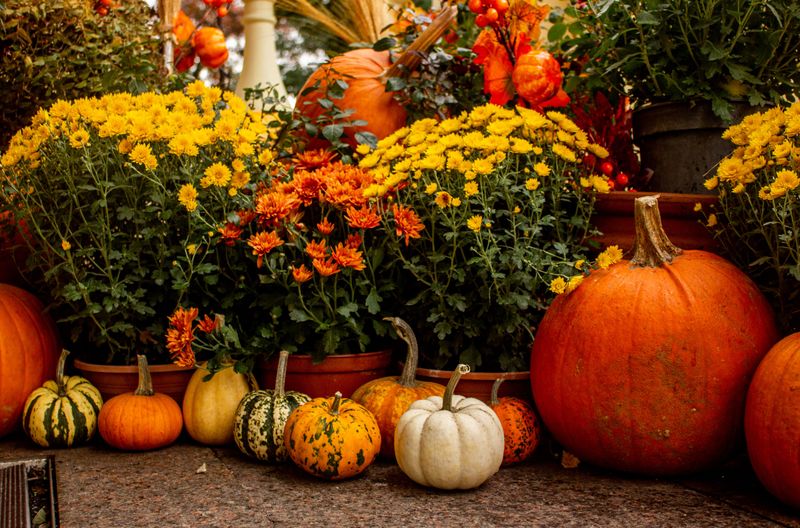
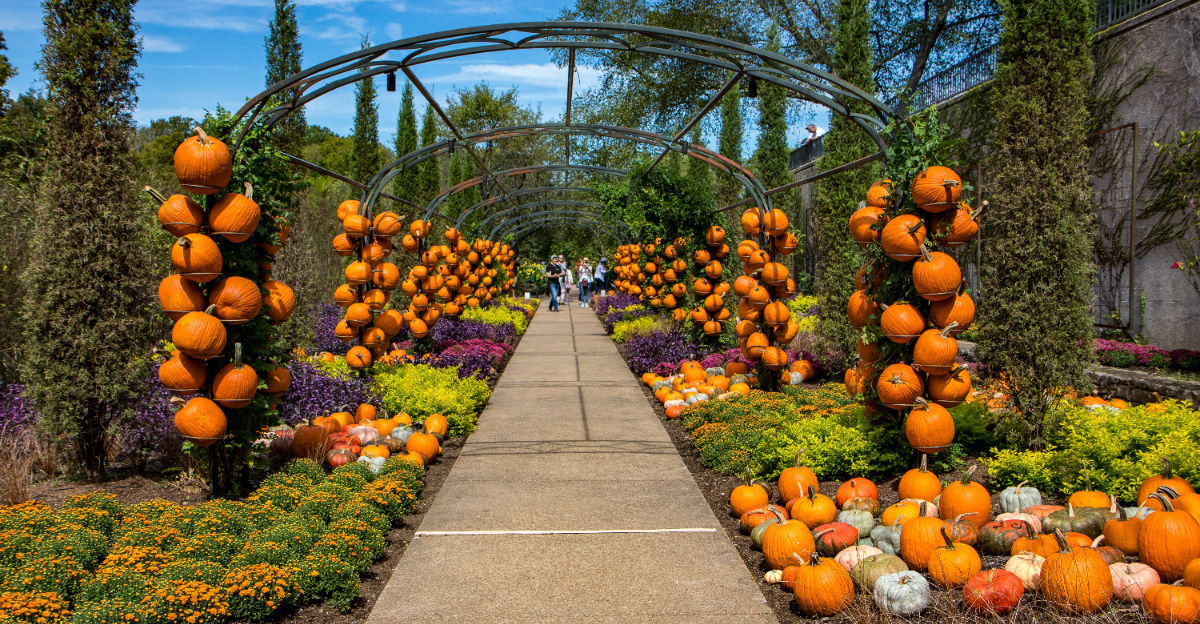
Picture this: crisp fall air, the smell of pine and chrysanthemums, and rows of vendor tents stretching as far as you can see. The Tennessee Fall Garden Festival is a well-attended seasonal plant event in the region.
Held each autumn, the festival brings together growers, hobbyists, and garden enthusiasts from across the Southeast. Vendors showcase everything from heirloom vegetables to rare tropical houseplants.
The event typically spans an entire weekend, giving attendees plenty of time to browse, chat with growers, and load up their cars with new additions to their gardens.
Workshops and demonstrations run throughout both days, making the experience educational as well as fun.
Families with kids find the atmosphere welcoming and easy to navigate. The festival grounds are usually set up in a park or fairground, with wide pathways and shaded seating areas nearby.
Local food vendors line the perimeter, so hunger is never a problem. The smell of kettle corn and hot cider drifts through the air between the plant rows.
Garden clubs from across the state often set up informational tables at the event. These groups share tips, hand out free seed packets, and connect beginners with experienced growers in their area.
The Tennessee Fall Garden Festival has grown in recent years, drawn in part by standout booths, including the popular carnivorous plant display that keeps bringing visitors back season after season.
Where To Find The Carnivorous Plant Booth
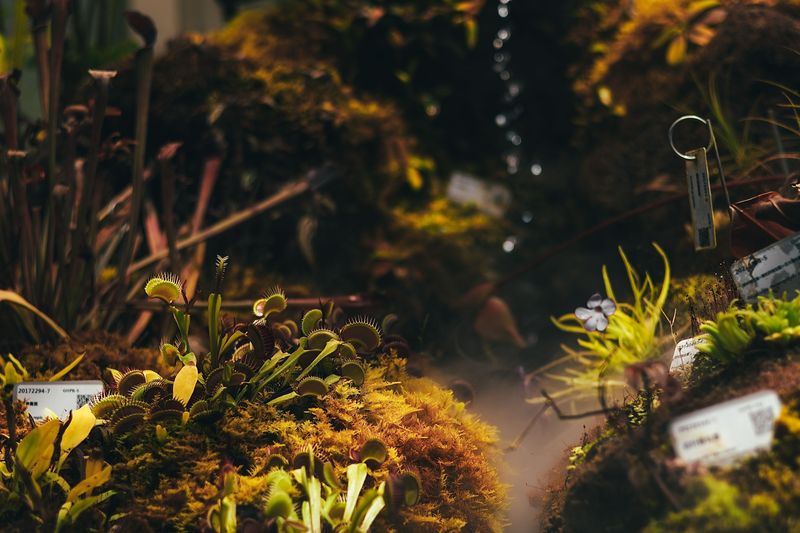
Finding the carnivorous plant booth at the festival is half the adventure. Most attendees stumble upon it by following the sound of excited gasps and pointing fingers from other visitors nearby.
The booth is typically positioned near the center of the festival grounds. Organizers place it in a high-traffic area because they know it draws a crowd that tends to linger.
Bright signage with bold plant photography marks the spot from a distance. As you get closer, you start to notice the unusual shapes and colors that set these plants apart from everything else at the event.
The setup is thoughtfully arranged so visitors can walk around the display and see plants from multiple angles. Labeled cards in front of each specimen explain the species name and where it naturally grows in the wild.
Your Tennessee Garden Changes Every Week. Your Plan Should Too.
Gardening in Tennessee changes quickly throughout the season. Every Friday you’ll receive a simple weekly plan showing exactly what to plant, prune, fertilize, harvest, and protect so you never miss the right timing.
Arrive early if you want the best experience without a crowd. By midday on Saturday, the booth typically has a cluster of curious onlookers gathered three or four people deep.
The vendors running the booth are usually stationed behind the table but always ready to engage. Ask any question and you will likely get a detailed and enthusiastic answer that lasts several minutes.
Parking near the festival entrance makes it easy to carry purchases back to your car without a long walk. Bring a reusable tote or a shallow box to keep delicate plants safe on the ride home from this memorable Tennessee festival stop.
Types Of Carnivorous Plants On Display
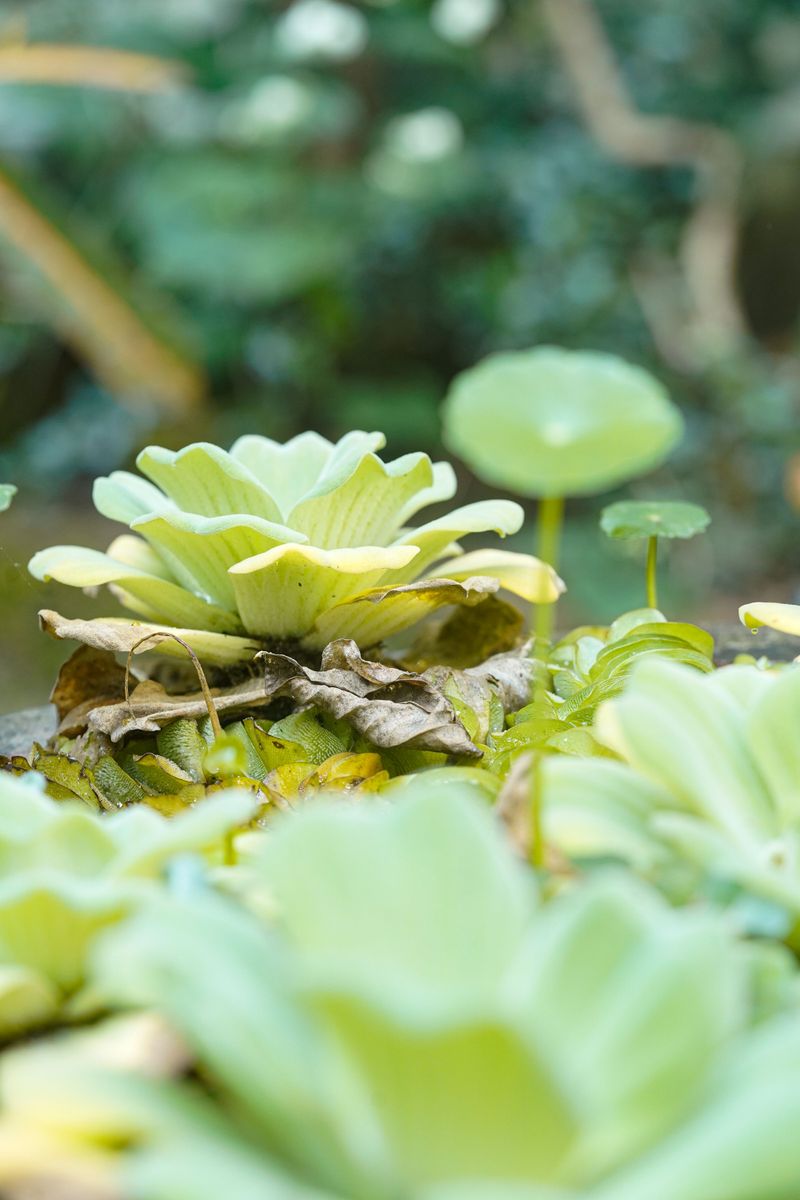
Walking up to the display feels like entering an unusual and unexpected plant exhibit. The variety of carnivorous plants on show at this festival booth is notable, even for experienced plant lovers.
Venus flytraps are always the crowd favorite and the first thing most kids spot. Their snapping jaws and bright red interiors make them look almost animated, like something straight out of a cartoon.
Pitcher plants are another highlight of the collection. These tall, tubular specimens hold pools of liquid inside that trap and digest insects unlucky enough to wander in.
Sundews are smaller but just as fascinating. Their sticky, glistening tentacles catch insects the way flypaper does, but the plant slowly curls around its meal over the course of several hours.
Butterworts look almost like regular succulents until you notice the glistening surface of their flat leaves. Tiny insects get stuck to that surface and the plant absorbs nutrients directly through contact.
Bladderworts are perhaps the most unusual species in the collection. These aquatic plants use tiny vacuum-like bladders to suck in microscopic prey at very high speed.
Cobra lilies, named for their hooded shape, are a rarer find that serious collectors get excited about. Their translucent dome confuses insects trying to escape, making them a highly effective trap.
Seeing all these species side by side at the Tennessee festival booth gives you a full picture of just how creative and varied carnivorous plant evolution has become over millions of years.
Meet The Experts And Ask Questions
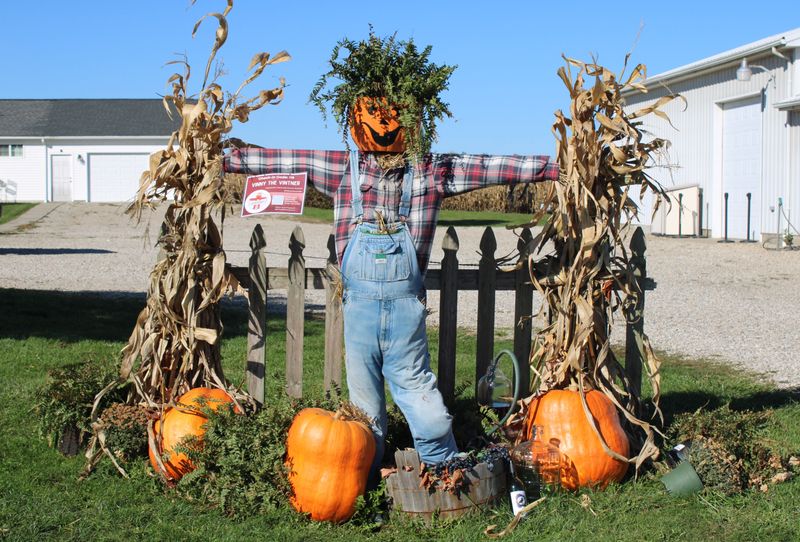
One of the best parts of any plant festival is the people behind the tables. At the carnivorous plant booth, the vendors are not just sellers, they are knowledgeable growers who have spent years studying these unusual species.
Many of them grow their collections at home in custom terrariums, bogs, or outdoor containers. They understand the quirks and needs of each plant from hands-on experience, not just textbooks.
Asking a simple question like “How do I keep this alive?” can open up a ten-minute conversation packed with useful tips. These experts enjoy teaching, and they never make beginners feel out of place for not knowing something.
Some vendors bring photo albums or tablets showing their home setups. Seeing how a collection can grow from a single plant on a windowsill to an entire bog garden is encouraging to see.
Festival workshops sometimes feature carnivorous plant specialists as guest speakers. Check the event schedule in advance so you can plan your visit around any talks or demonstrations that interest you.
Kids especially benefit from talking directly with the experts at the booth. Growers tend to have a natural gift for explaining complex biology in simple, entertaining terms that even young children can follow.
Connecting with the vendor community also opens doors to future resources. Many sellers offer newsletters, social media groups, or local club memberships that keep the learning going long after the Tennessee festival weekend wraps up.
Tips For Beginners Starting A Collection
Starting a carnivorous plant collection feels intimidating at first, but the learning curve is much gentler than most people expect. The key is understanding that these plants evolved in very specific conditions, and mimicking those conditions at home is your main job.
Most carnivorous plants need several hours of strong, direct sunlight each day, or very bright light if grown indoors. A south-facing windowsill or a spot under a grow light works well for beginners just getting started.
Watering is where new growers often make mistakes. Tap water contains minerals that can slowly harm these plants, so always use distilled or rainwater instead.
The tray method is the easiest watering approach for most species. Set your pot in a shallow dish of water and let the plant drink from the bottom, keeping the soil consistently moist but never waterlogged.
Do not feed your plants hamburger or random insects just to watch them close. Carnivorous plants in a healthy indoor environment catch enough from the air on their own, and overfeeding can actually stress them.
Soil mix matters more than most beginners realize. A blend of peat moss and perlite, with no added fertilizer, mimics the poor, acidic bog conditions these plants prefer in nature.
Starting with a Venus flytrap or a common sundew gives you a solid foundation before moving to trickier species. Both are forgiving, widely available, and make a great entry point into this rewarding hobby sparked by a visit to a Tennessee festival booth.
Buying Plants And Festival Extras

Buying a carnivorous plant at the festival is a completely different experience from ordering one online. You can inspect the plant up close, check its roots, and ask the grower exactly how old it is and where it came from.
Prices at the booth vary depending on species and size. Common Venus flytraps and sundews tend to be affordable, while rarer specimens like cobra lilies or tropical pitcher plants can cost significantly more.
Many vendors offer bundle deals that pair a plant with a small bag of the correct soil mix and a care card. These starter kits make excellent gifts for curious friends or family members who have never grown carnivorous plants before.
Beyond the plant booth, the festival has plenty of other treasures worth browsing. Handmade pottery, garden art, seed collections, and locally crafted garden tools fill dozens of nearby vendor stalls.
Food options at the festival lean heavily into fall flavors. Apple cider, pumpkin bread, and roasted nuts are common finds that make the whole outing feel like a seasonal celebration.
Bring cash in addition to cards, since some smaller vendors prefer it. A tote bag or a sturdy box in your car will protect any plants you purchase on the drive home.
The Tennessee Fall Garden Festival, especially its distinctive carnivorous plant booth, is the kind of experience that can turn a casual weekend outing into a hobby worth returning to each year.