Can You Save Your Potted Fuchsia Through An Ohio Winter?
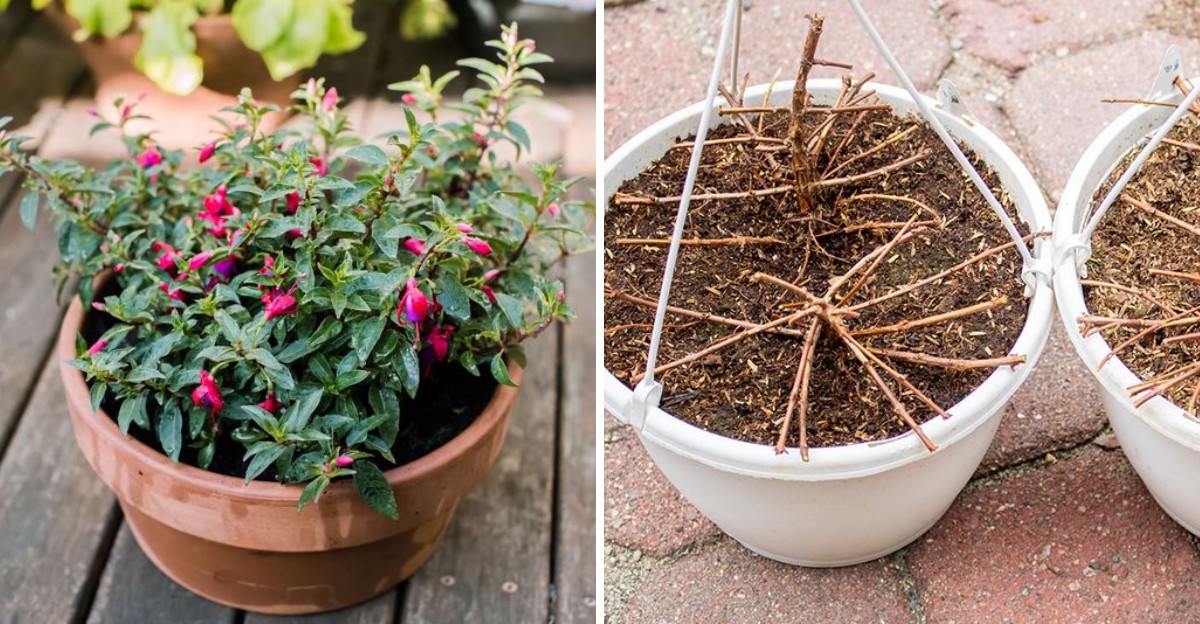
Your potted fuchsia looks beautiful in summer, but an Ohio winter is a different story. Once frost enters the picture, that lush basket of flowers can start looking pretty rough, and tossing it out might feel like the easiest option.
Hold on, though. You may not need to buy a replacement next spring.
Fuchsias can be surprisingly particular about winter care, and the biggest mistake is treating every plant the same way. Your options depend on the type of fuchsia you have, the space available indoors, and how much cold it can tolerate.
A sunny windowsill might sound like the obvious answer, but it isn’t always the best spot.
The trick is to figure out what your plant needs before Ohio’s hard freezes arrive. Get the conditions right, and that summer favorite may have another season of flowers ahead.
Wait too long to make a plan, and your choices can narrow fast.
1. Fuchsias Can’t Handle An Ohio Freeze
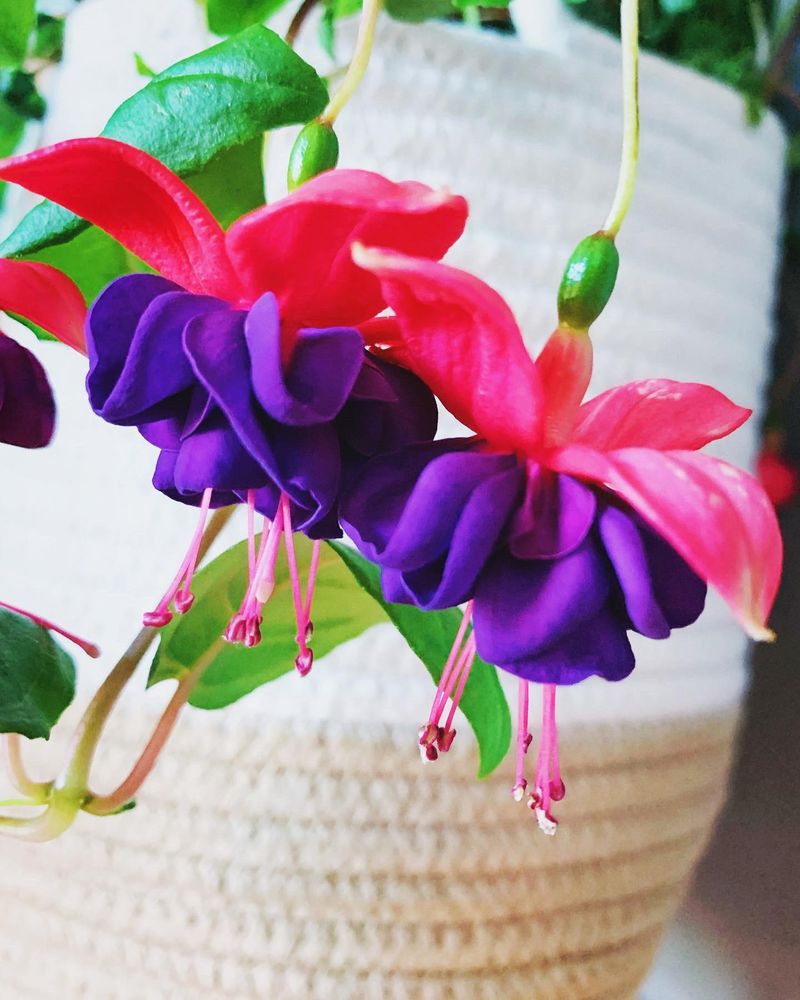
Picture a ballerina in a tutu standing in a snowbank. That is pretty much a fuchsia trying to face January in Columbus or Cleveland.
Most fuchsias come from mild mountain areas in Central and South America. They start to suffer once temperatures dip below 32°F, and Ohio sits in USDA Zones 5b to 7a.
Winter nights here can slide well below freezing for weeks at a time. Below about 20°F, very few hybrid fuchsias hang on, and none are expected to make it past 0°F.
Some tough types do exist, though. Fuchsia magellanica can handle colder weather in Zones 6 and 7 with good root protection, sometimes down to around -10°F.
Still, the frilly hanging basket from the garden center is usually a hybrid. Those are far more delicate than their hardy cousins.
Pots make things harder too. Roots in a container sit above ground, so cold air hits them from every side instead of being shielded by deep soil.
Here is a fun fact to share at dinner. The plant was named after Leonhart Fuchs, a German plant expert from the 1500s, who sadly never saw one in person.
So the short answer is yes, you can save it. You just cannot leave it outside and hope for the best.
2. Bring Pots In Before The First Frost
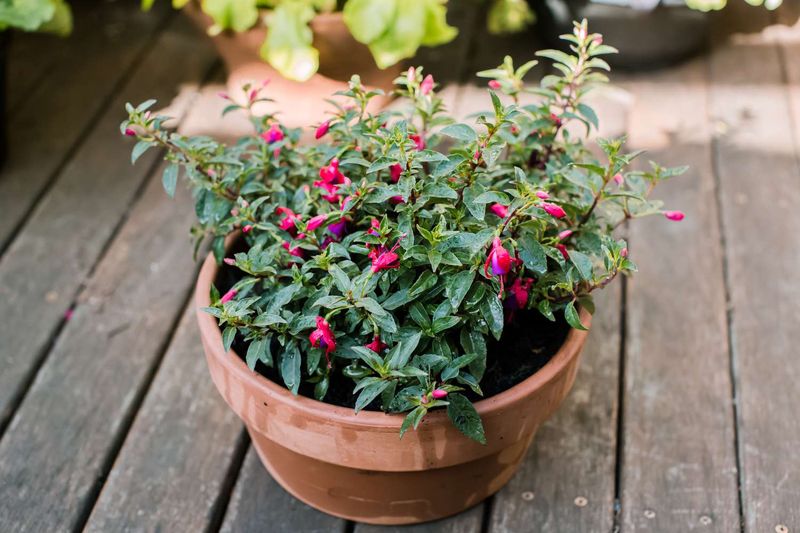
Timing is the whole game here. Wait one night too long, and a surprise frost can turn those leaves into limp brown tissue paper.
Watch your weather app starting in late September. When nighttime lows keep falling below 50°F, it is time to start packing up your plant.
In much of Ohio, the first frost tends to show up in October. Inland northern counties and higher spots may see it a bit sooner, while areas right along Lake Erie often get a little extra time, so keep an eye out.
A little prep helps the move go smoothly. Stop feeding your fuchsia with fertilizer at least two weeks before it heads indoors.
Fertilizer pushes fresh, soft growth that the plant does not need right now. You want it slowing down, not throwing a growth party.
Your Ohio Garden Changes Every Week. Your Plan Should Too.
Gardening in Ohio changes quickly throughout the season. Every Friday you’ll receive a simple weekly plan showing exactly what to plant, prune, fertilize, harvest, and protect so you never miss the right timing.
Cut back on watering in early fall as well. Doing this before nights reach 50°F gently signals that rest time is coming.
Think of it like getting a kid ready for bed. You dim the lights and quiet things down before tucking them in.
Once the plant is prepped, pick a calm day for the move. Carry the pot carefully, since fuchsia stems snap easily.
Moving early beats moving late every time.
3. Check For Whiteflies Before It Comes Inside
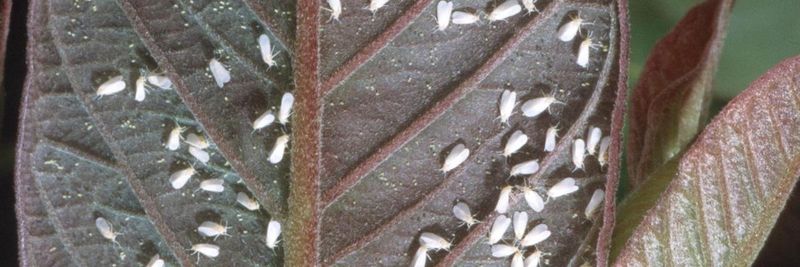
Nobody wants uninvited houseguests for the holidays. Tiny bugs riding in on your fuchsia count as exactly that kind of guest.
Whiteflies are a common pest on these plants. Give a branch a gentle shake, and if a little cloud of white specks flutters up, you have found them.
Aphids, thrips, and spider mites like fuchsias too. Flip the leaves over and look closely, since many pests hide on the undersides.
Spider mites leave very fine webbing between stems. Aphids look like small green or black dots clustered on the soft tips.
If you spot trouble, act before the pot crosses your doorway. Spray the plant with insecticidal soap or neem oil, covering both sides of every leaf.
You may need to repeat the treatment a week later. Many bugs lay eggs that hatch after the first round.
Why fuss so much? Indoor air is warm and calm, and pests can multiply fast without wind, rain, or hungry birds to slow them down.
They can also jump to your other houseplants. One quick check now can save your whole windowsill collection.
A clean plant is a happy roommate all winter long.
4. A Cool, Dim Basement Makes A Good Winter Home
Grandparents across Ohio have done this trick for generations. They tuck their fuchsias into the basement and let them snooze until spring.
Letting the plant go dormant is often the easiest path. Dormant means it rests, drops leaves, and stops growing for a while.
The best spot is dark, cool, and frost-free. A basement, an unheated garage that stays above freezing, or a chilly spare room can all work.
Aim for temperatures between 40°F and 50°F. Some growers go a bit colder, around 37°F to 46°F, and still have good results.
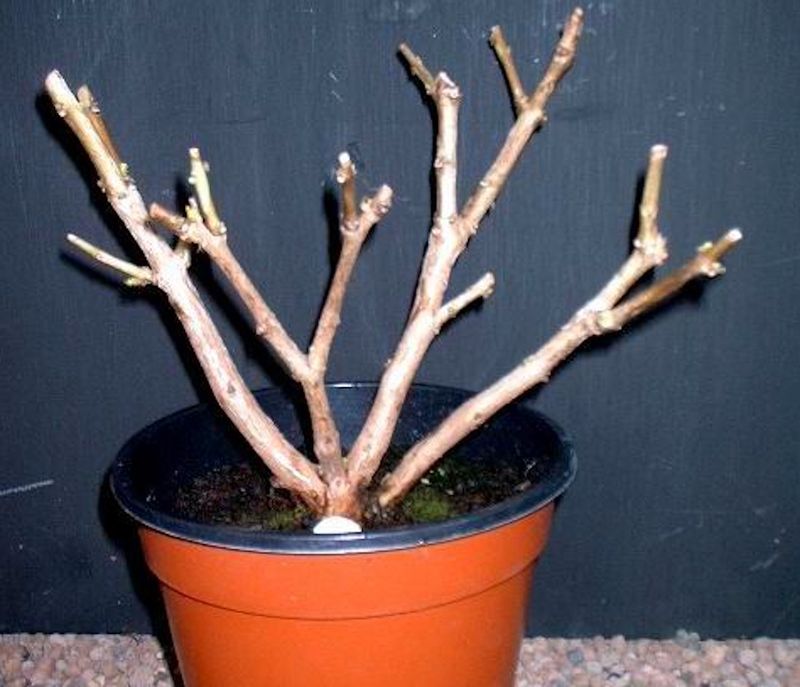
Before storing, give the plant a tidy haircut in autumn. Remove the soft green and red stems, leaving only the tan, woody parts.
Strip off the leaves too. Old leaves left on can grow mold in the dim, still air.
Speaking of air, a little circulation goes a long way. Open a door now and then, or run a small fan nearby to lower the chance of fungus.
Do not panic when your plant looks like a bundle of sticks. That bare look is normal and part of the plan.
Come spring, those woody stems will wake up and push out fresh shoots on their own.
5. Water Just Once Every 3 Or 4 Weeks
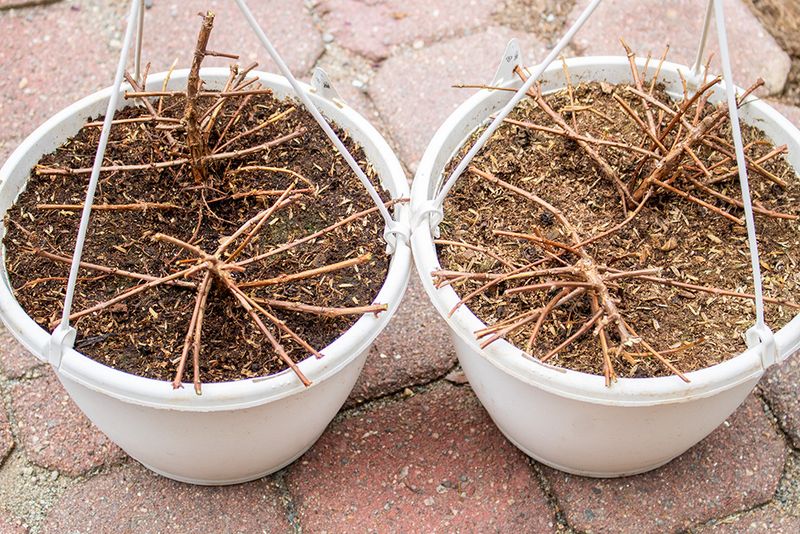
Here is the lazy gardener’s dream. A sleeping fuchsia barely wants a drink.
During dormancy, the goal is soil that stays just slightly moist. You do not want it bone dry, but you also do not want a soggy, swampy pot.
Too much water is the bigger danger. Wet soil in a cool basement can lead to root rot, which ruins a plant quietly from below.
For most pots, checking once every 3 or 4 weeks works well. Push a finger into the soil, and if it feels dusty dry, add a small splash.
Bigger containers hold moisture longer. They may only need water every 4 to 6 weeks.
Smaller pots dry out faster, so peek at them more often. Some growers say they water only twice during the whole winter rest.
A simple trick helps you remember. Mark the first day of each month on your calendar as fuchsia check day.
Pour slowly and stop before water runs out the bottom. A light drink is plenty for a plant that is not using much energy.
Think of it like a bear in a cave. It does not need a big meal while it is napping.
6. Or Keep It Growing As A Houseplant
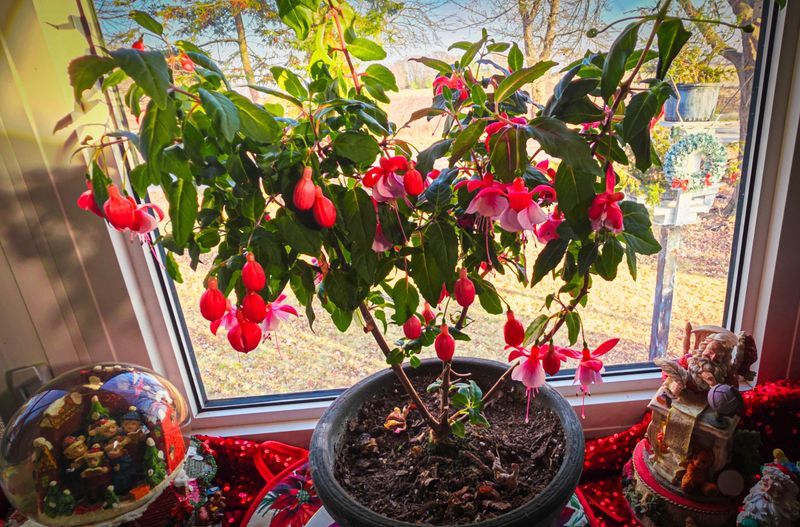
Maybe you cannot stand the idea of a bare stick plant in the basement. Good news, you can keep your fuchsia green and leafy indoors instead.
This route takes more attention, but it brightens a gray winter. Fuchsias love bright, indirect light and a bit of extra humidity.
An east-facing window with filtered light is often a great match. A bright spot without harsh direct sun can work too.
Temperature matters a lot here. These plants like it cool, somewhere between 60°F and 75°F, and a chilly room may suit them better than a warm one.
Keep the plant away from heat vents and radiators. Dry, blowing air makes leaves crispy fast.
A tray of pebbles and water under the pot adds helpful moisture to the air. Grouping plants together helps too.
Feeding is mostly on pause, so use little to no fertilizer. Water less than you did in summer, checking weekly and letting the top inch or two dry first.
One more tip before winter starts. Trim the plant back by about one-third in fall so it stays tidy and bushy.
Do not expect tons of blooms. A healthy leafy plant is a win.
7. Prune Hard In March
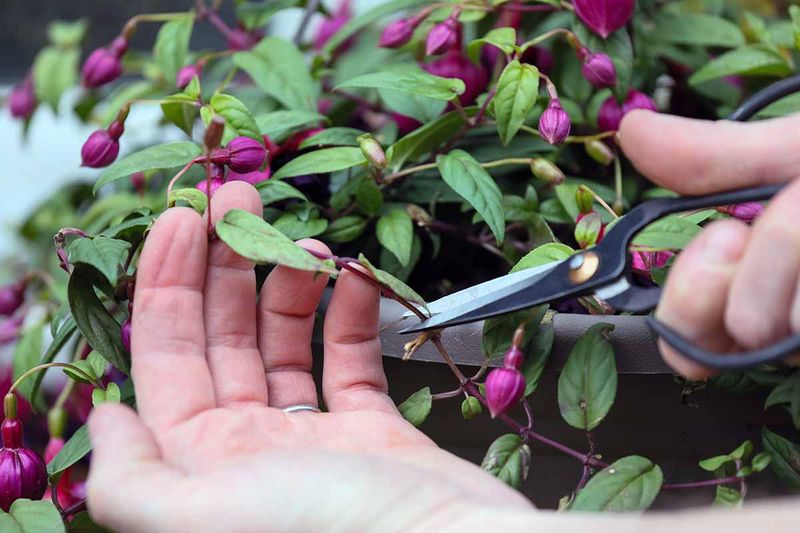
Grab your pruners and be brave. March is when your fuchsia gets its big spring makeover.
By mid to late February or March, tiny green shoots start poking out of the woody stems. That is your signal that the plant is waking up.
Now it is time to cut back hard. Trim the woody stems down to about 4 to 6 inches tall, cutting just above fresh shoots.
Another method is to cut each stem back to a pair of leaf buds. Aim for roughly 3 to 4 inches above the soil.
It may feel scary to chop so much. However, hard pruning pushes the plant to branch out, giving you a fuller shape and more flowers later.
Fuchsias bloom on new growth. More branches mean more spots for those dangling blossoms to form.
If you kept your plant growing as a houseplant, the rule shifts a little. Wait until new growth is 2 to 3 inches long, then cut back by one-half to two-thirds.
Remove any thin, weak, or crossing stems while you are at it. Clean cuts with sharp tools heal faster.
Toss the clippings, or try rooting a few in moist soil for bonus plants.
8. Move It To An East Or West Window
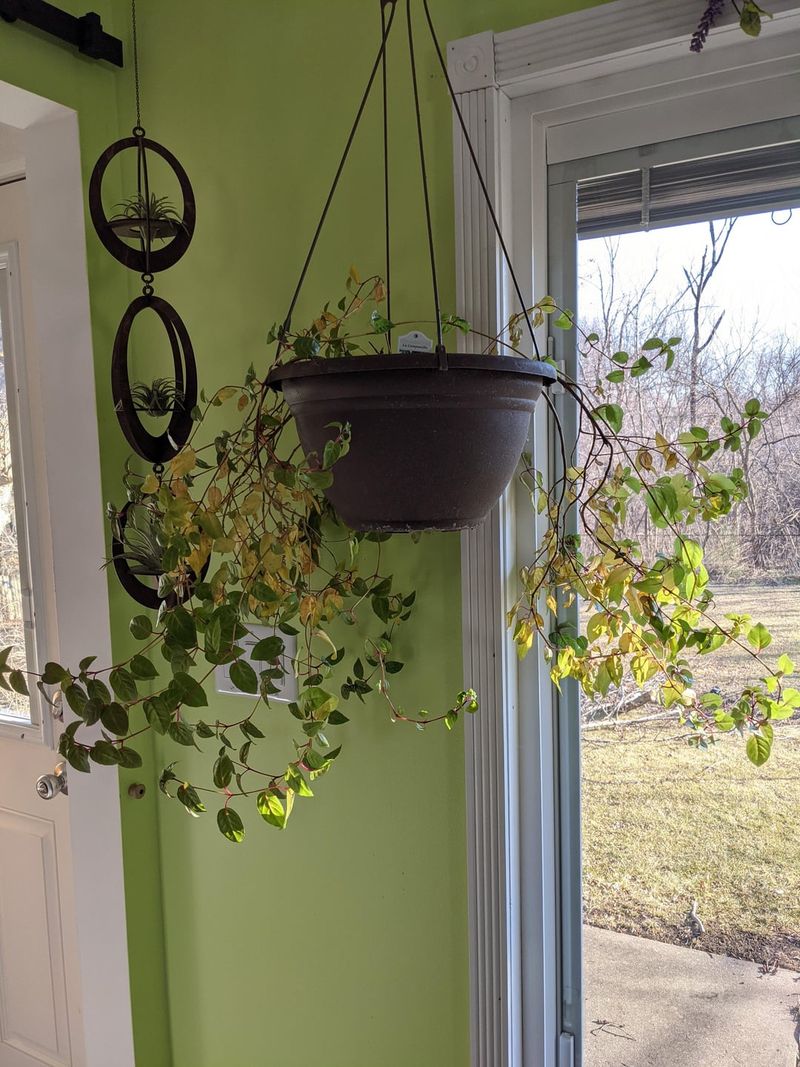
Wake up, sleepyhead. Once spring shoots appear, your fuchsia needs to leave its dim hideout.
Around February or March, carry the pot up from the basement. Set it somewhere warm and bright so new growth has energy to build on.
An east or west window is a smart choice. Morning sun from the east is gentle, while western light gives a nice afternoon glow.
Many growers prefer east windows for fuchsias. The softer light feels a lot like the dappled shade these plants enjoy outdoors.
No good windows? Grow lights work well, too, especially during cloudy Ohio stretches.
Keep them a few inches above the plant for 12 to 14 hours a day.
This is also when watering picks back up. Start with light drinks, then slowly give more as leaves fill out.
Turn the pot a quarter spin every few days. This keeps stems from leaning hard toward the glass.
You can begin feeding again once growth looks strong. A diluted, balanced fertilizer every couple of weeks gives a helpful boost.
Watching those first leaves unfold after a gray winter feels like a small celebration. Your patience is finally paying off.
9. Return It Outside In May, In The Shade First

Ohio springs love to play tricks. A sunny week in April can suddenly turn into a frosty night that catches gardeners off guard.
That is why mid-May is usually the safer move. Wait until nighttime temperatures stay above 50°F before your fuchsia heads outside for good.
Even then, do not toss it straight into bright sun. After months indoors, its leaves can scorch quickly.
Start in a shady, sheltered spot first. A covered porch or the shade under a tree makes a nice starter home.
Leave it out for a few hours, then bring it back in. Over a week or two, stretch the outdoor time until it stays out overnight.
This slow change is called hardening off. It helps the plant adjust to wind, sun, and cooler air.
Fuchsias also dislike heavy summer heat and humidity. Partial shade with protection from strong afternoon sun suits them best all season.
Dappled light through branches is ideal. Hummingbirds will likely find your blooms soon anyway, since they adore those tubular flowers.
Before long, your saved plant will be dangling bright blossoms again. That is a pretty sweet reward for a little winter care.