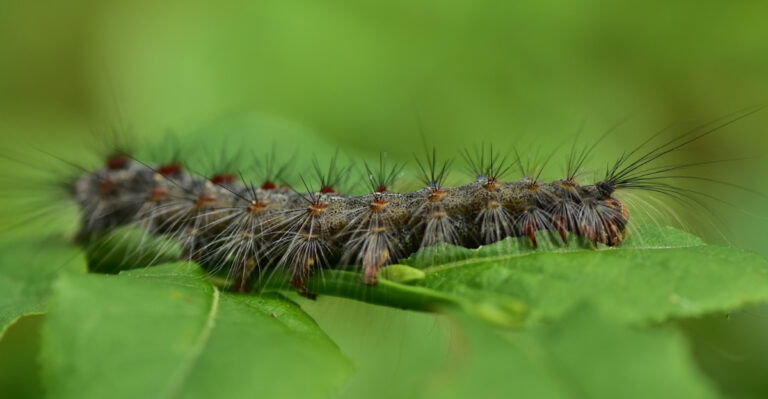
The Important Step New York Homeowners Should Take Before Bringing Plants Inside For Winter
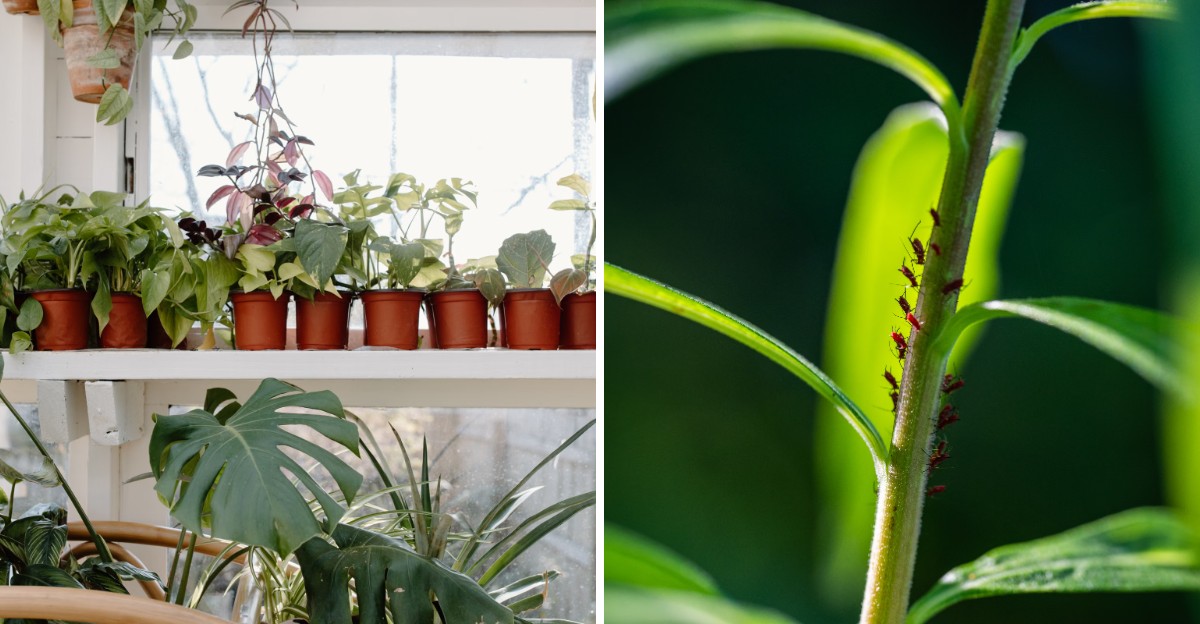
Tiny hitchhikers are riding along in your porch pots right now. Spider mites, fungus gnats, and scale insects love a warm living room.
You bring them across the threshold when you move pots indoors. Heated apartments in New York give them mild, steady days all winter.
Females lay eggs in soil, under leaves, and along stems. Populations multiply quietly beneath leaves.
Inspect each pot under bright light before chilly autumn nights settle in. Check leaf undersides for webbing, sticky residue, and clusters of pale specks.
Lift the pot and look for tiny pale larvae in the soil. Rinse foliage with lukewarm water and isolate suspects in a separate room.
Gardeners across New York learn this lesson the slow way. Quarantine newcomers for several weeks and watch closely. Spot pests early, and your houseplants stay healthy and vibrant well into spring.
A Careful Pest Check And Cleanup Before The Big Move
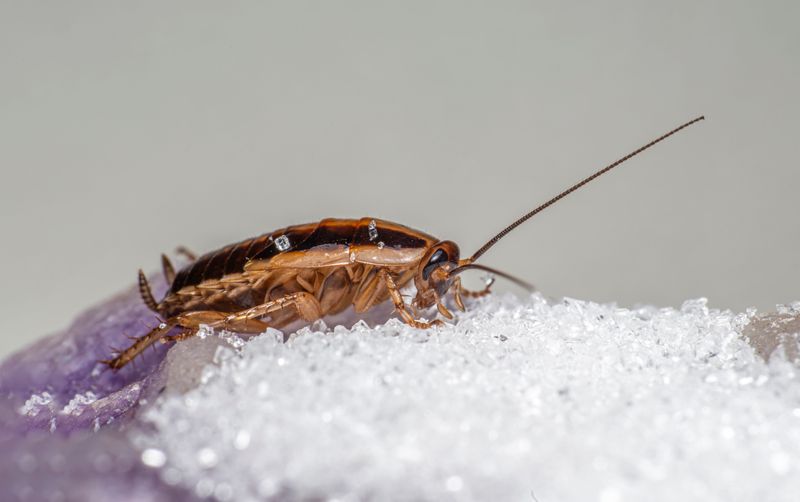
Picture a houseguest who shows up with three surprise roommates in their suitcase. Hauling porch pots indoors without a close look can work the same way.
The smart move is a full pest inspection, followed by treatment, before any pot crosses your doorway. Think of it as a checkup and a bath rolled into one afternoon chore.
Start by checking leaves, stems, and the soil surface while plants still sit outside. Bring a flashlight and a magnifying glass, since many pests are smaller than a sesame seed.
Once you know what is present, you can wash, spray, or repot as needed. Finish with a quarantine in a separate room, away from your other houseplants.
New York homes stay warm and dry in winter, thanks to radiators and forced air heat. Those cozy conditions help many pests breed quickly, with no cold snap to slow them down.
A pest outdoors faces birds, rain, wind, and helpful predator insects. Indoors, few natural controls limit it, so your spray bottle does the work.
Plan on about one to two hours for a small collection of pots. Larger groups may need a weekend, but the effort pays off for months.
Skipping this step might save time today but cost you a lot of frustration later. A clean start means greener leaves and fewer surprises in January.
Your indoor jungle deserves a fresh beginning, and so do your windowsills. One careful afternoon can protect your whole collection.
The Hidden Hitchhikers Hiding In Summer Pots
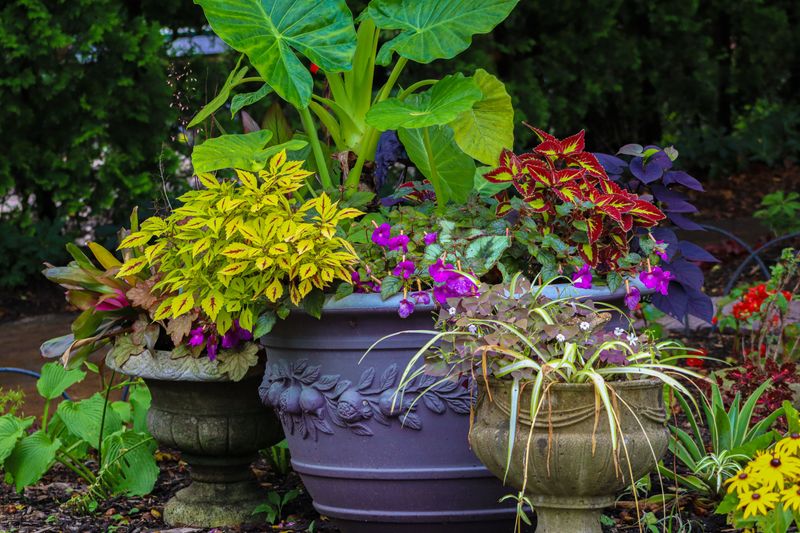
Summer on a Brooklyn stoop or a Westchester deck is peak season for insects. Your pots spent months within easy reach, and some pests settled in.
Aphids cluster on new growth and suck sap, leaving sticky residue behind. Spider mites spin fine webbing under leaves and leave tiny pale speckles.
Mealybugs look like small tufts of cotton tucked into leaf joints. Scale insects resemble little brown bumps that do not wipe off easily.
Then there is the soil, which hides a whole second world. Fungus gnat larvae, slugs, ants, and even earwigs love damp potting mix.
Your New York Garden Changes Every Week. Your Plan Should Too.
Gardening in New York changes quickly throughout the season. Every Friday you’ll receive a simple weekly plan showing exactly what to plant, prune, fertilize, harvest, and protect so you never miss the right timing.
Ever spotted a tiny black fly zipping around your kitchen in November? That pest may have come in on a pot, though fruit flies and drain flies are also common culprits.
Eggs are the trickiest part of the whole story. Many pests lay eggs on the undersides of leaves or just under the soil surface.
Many of those eggs hatch within days to two weeks, but the new population often becomes visible weeks after the move. The problem seems to appear suddenly.
Cooler October nights push some insects to seek shelter in cracks and drainage holes. A pot saucer or the gap under a rim can become a cozy hideout.
Knowing where hitchhikers hide makes the search much easier. Look high, look low, and peek into crevices before carrying anything inside.
A few extra minutes of snooping beats a winter of swatting. Your future self, sipping cocoa in peace, will thank you.
The Right Window Before The First New York Frost
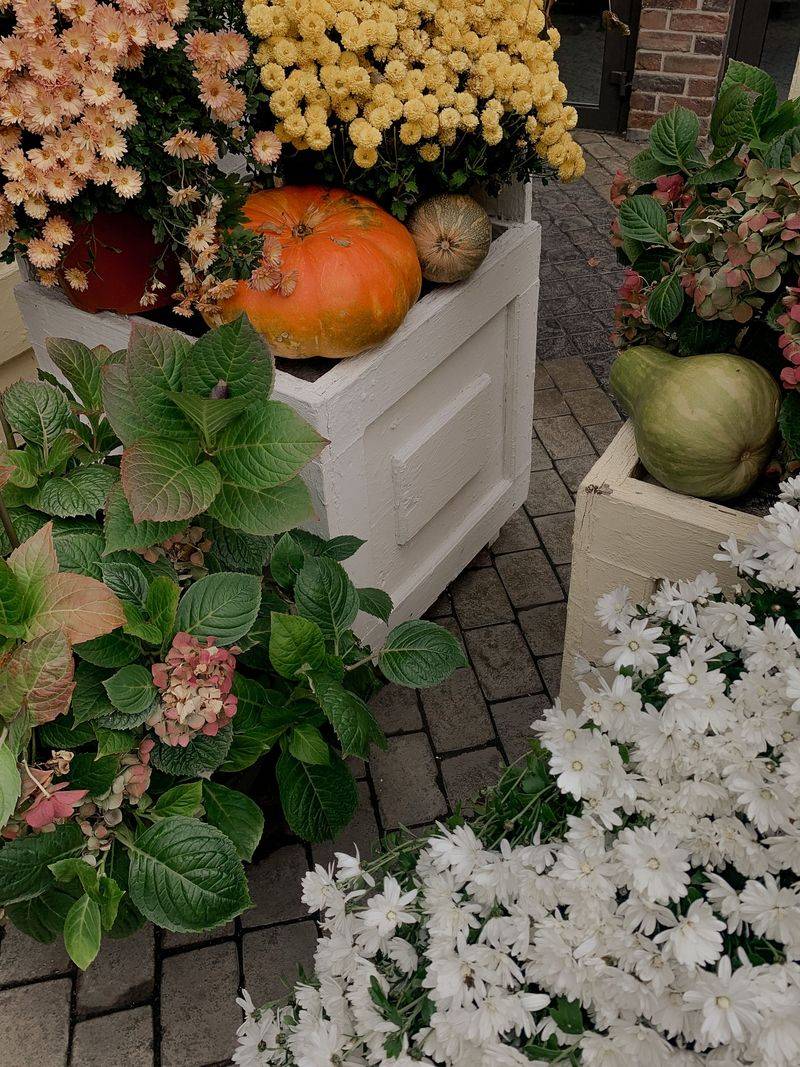
Most of New York State sees its first frost between late September and mid October. New York City and Long Island usually stay milder until late October or early November.
Tropical houseplants start to sulk once nights drop below 50 degrees Fahrenheit. That number is your real alarm clock, more than any date on the calendar.
Aim to start inspections about one to two weeks before you plan to move pots. That window gives you time to treat, wait, and check again.
Many pests need a second treatment about a week after the first one. Newly hatched eggs can slip past a single spray, so a follow-up matters.
Gardeners in the Adirondacks often need to act by mid-September. Folks in Manhattan and Queens can sometimes wait until early October without trouble.
Keep an eye on local weather forecasts every evening this month. A surprise cold snap can arrive quickly and force a rushed, careless move.
Morning hours work best for spraying and rinsing outdoors. Leaves have the whole day to dry, which helps prevent mold and leaf spots.
Avoid treating during hot afternoons or in bright direct sun. Soapy sprays can scorch foliage when the sun beats down on wet leaves.
Pick a calm, cloudy, mild day if you can find one. October in New York usually offers a few of those golden afternoons.
Mark a date on your calendar now and treat it like a dentist appointment. Few people love it, yet it feels good once it is done.
The Quick Glance That Lets Pests Slip Through
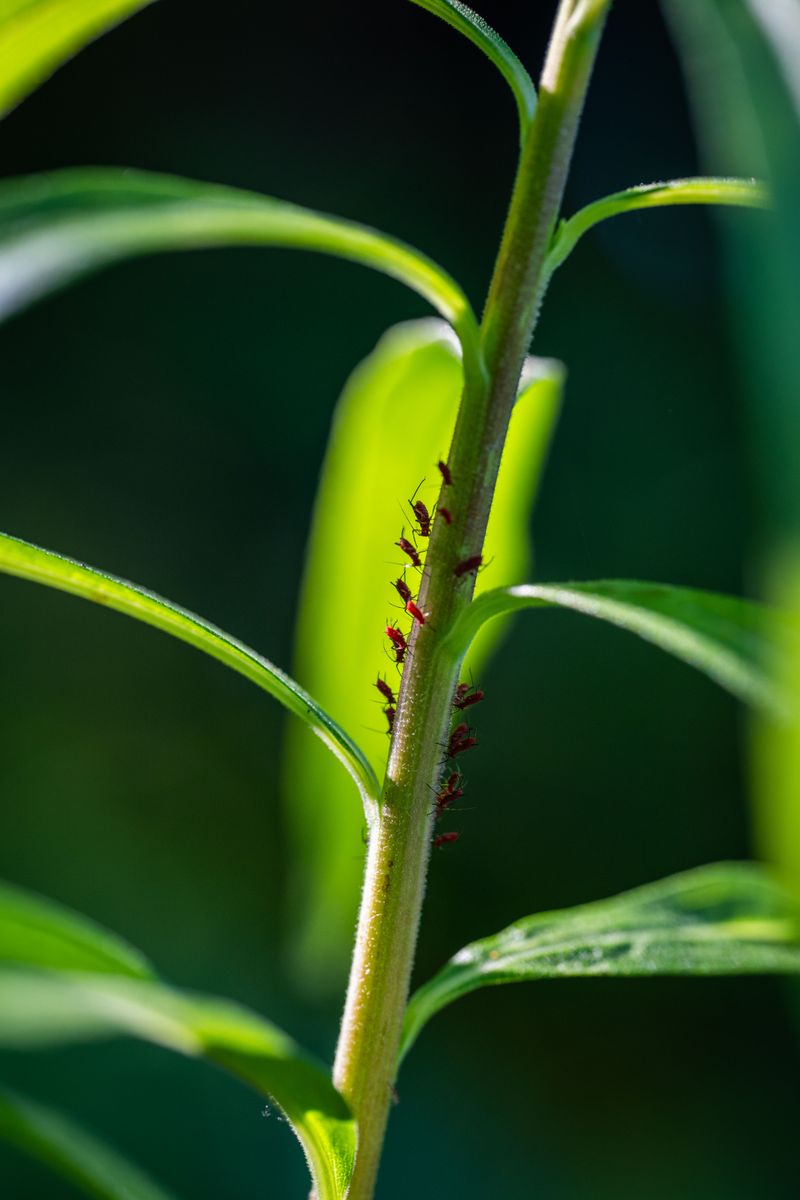
One quick glance at a fern can miss mites, and by Thanksgiving fine webbing may dust nearby curtains.
A fast once-over is a common slip each fall. Pests are tiny, and many hide in places a casual look will miss.
The undersides of leaves get ignored most often. Flip several leaves on every plant and check along the main veins.
Soil also hides plenty of trouble below the surface. Gently scratch the top inch with a spoon and watch for movement.
Drainage holes are another favorite hiding spot that people skip. Tip the pot sideways and peek underneath, or slide the plant out for a look.
Another error is bringing in one pest-covered pot alongside healthy ones. Pests spread quickly from leaf to leaf when pots sit close together.
Some people also reach for strong chemicals before trying simpler fixes. Strong outdoor sprays are not meant for indoor air where kids and pets breathe.
Forgetting the pots themselves is a sneaky mistake too. Dirty rims and saucers can shelter eggs, so give containers a scrub.
Rushing is behind many of these slip-ups. Set aside real time and work through each pot one at a time.
A slower inspection catches more pests. Even ten careful minutes per pot can change your whole winter.
Keep a notebook nearby and jot down which plants had problems. Those notes help you watch problem plants more closely all season.
A Gentle Rinse, Soap Spray, And Quarantine
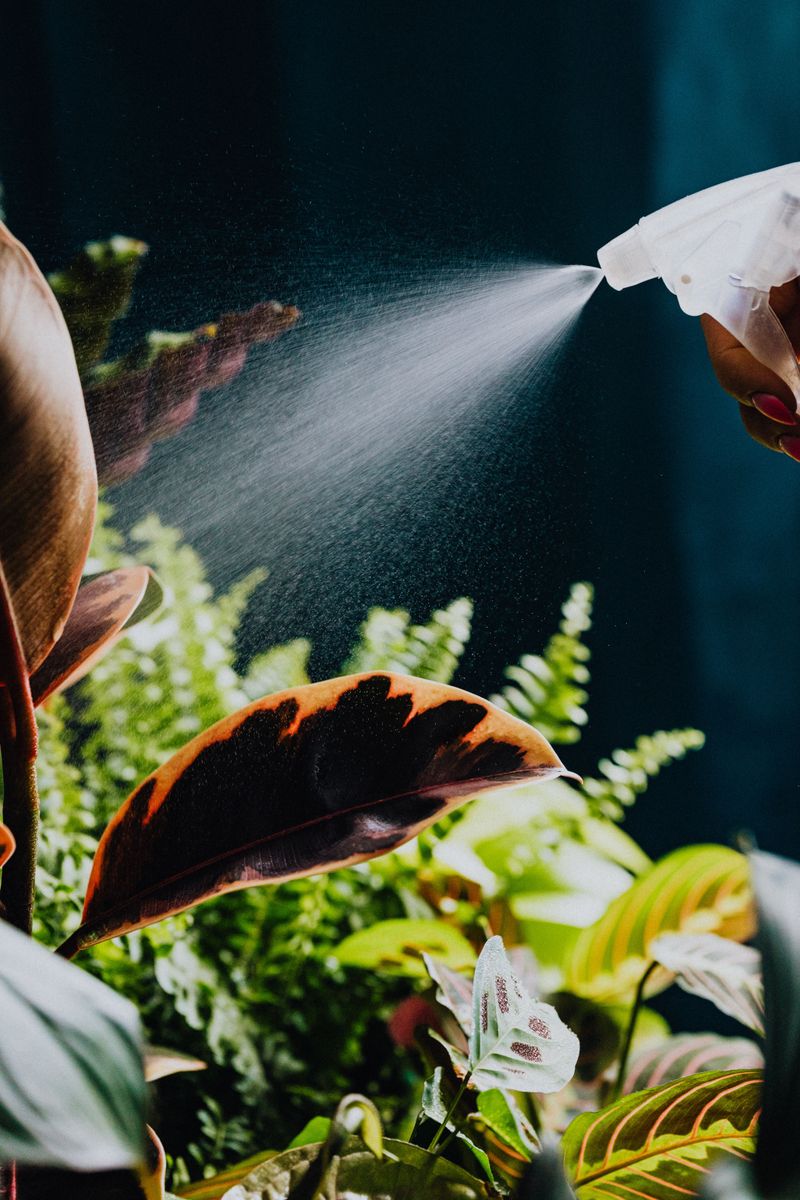
Grab your garden hose, a bucket, and a bottle of insecticidal soap or pure castile soap. Your outdoor cleanup station is ready in under five minutes.
Begin with a firm but gentle spray of water over every leaf. Aim at the undersides too, since that knocks off aphids and spider mites fast.
Next, mix about one teaspoon of pure castile soap into a quart of water. Insecticidal soap from a garden center is formulated for plants and is gentle on most foliage.
Spray the mixture on all leaf surfaces and stems until they drip lightly. Test one leaf first and wait a day to make sure nothing yellows.
Neem oil is another helpful choice for mealybugs and scale. Follow the label for dilution and keep treated plants out of direct sun.
Soil pests need their own plan. Soak the pot in a tub of lukewarm water for fifteen minutes to flush critters out. Skip this step for succulents and cacti.
Heavily infested soil might be easier to replace altogether. Repot with fresh potting mix and scrub the container with warm, soapy water.
Once inside, keep treated plants in a separate room for three to four weeks. That quarantine lets you catch any pests that survived the first round.
Repeat the soap spray after seven days to catch fresh hatchlings. Eggs are tough, but young insects are much easier to remove.
Check each plant again before it joins the rest of your collection. A clean bill of health means it can finally take its spot on the sill.
Healthy Houseplants Through The Long Gray Months
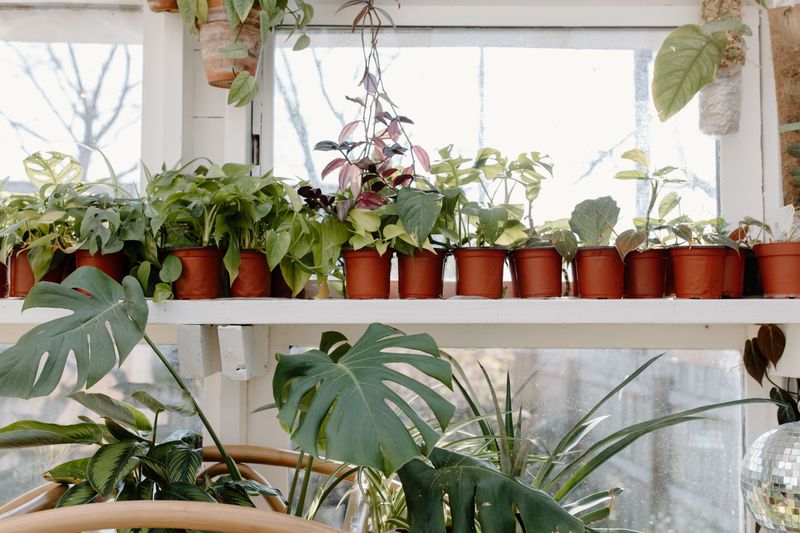
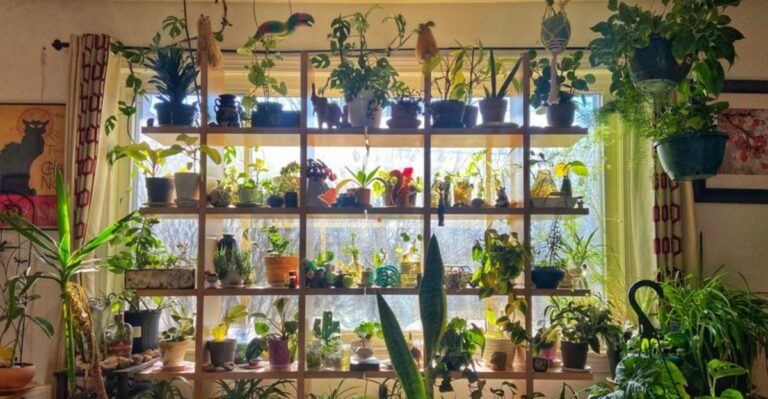
Imagine a snowy January morning with sunlight spilling across bright, glossy leaves. No sticky spots, no tiny flies, just green life glowing by the window.
That scene is the reward for a careful October inspection. Clean plants spend winter focused on growing instead of dealing with pests.
Healthy foliage also helps your home feel fresher during long indoor months. Many people find that caring for green things lifts their mood when days grow short.
Keep the good streak going with weekly mini checkups. Peek under a few leaves while watering, and wipe dust off with a damp cloth.
Yellow sticky traps placed near pots can catch fungus gnats early. Let the top inch of soil dry between waterings, since soggy mix invites trouble.
Indoor heat makes the air dry, which spider mites adore. A humidifier can raise humidity enough to discourage them, and a pebble tray adds a small boost.
Any new plant from a store or friend should get its own short quarantine. Stores sometimes sell pots with hidden pests, so a quick inspection protects your collection.
Come spring, your plants will be strong and ready to head back outdoors. Fewer pests indoors means fewer problems carried back onto the patio next summer.
Think of the whole process as a yearly habit, like changing smoke detector batteries. A little effort each fall keeps your indoor garden thriving year after year. Your plants cannot say thank you, but fresh new leaves come pretty close. Enjoy the view.