Why You Should Stop Assuming Tuesday’s Rain Will Keep Ohio Containers Hydrated
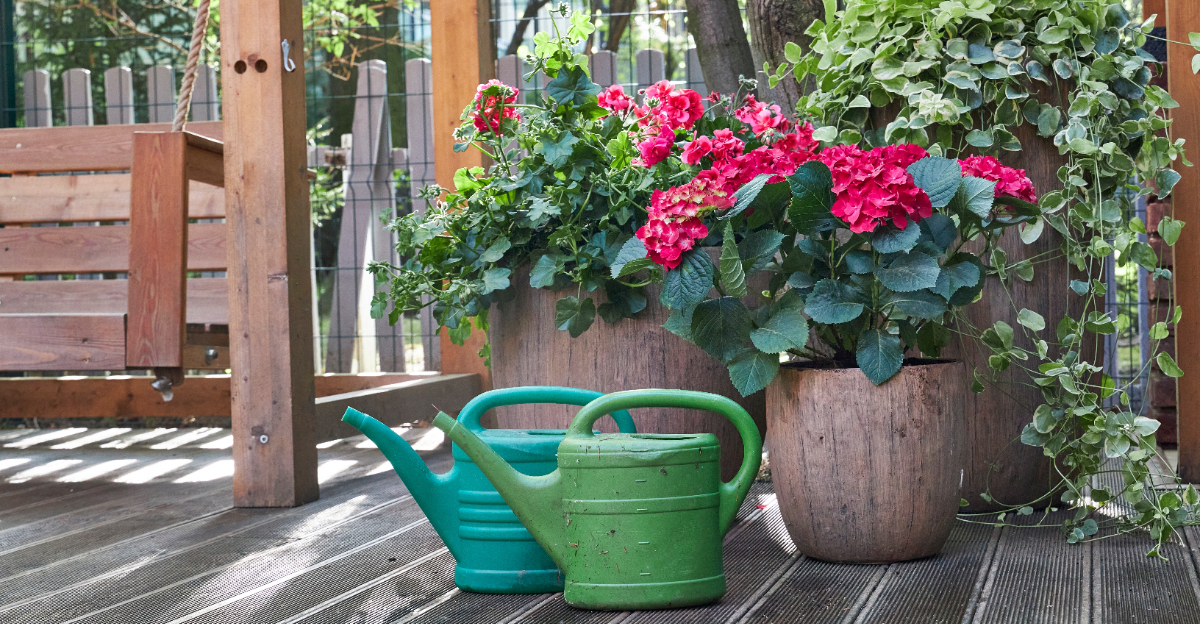
Tuesday’s rain felt substantial. The garden looked satisfied. The containers got skipped because surely they were fine after that.
They were not.
Rain and container hydration are not the same conversation in an Ohio summer, and the assumption that one handles the other is quietly stressing container plants in yards across the state every single week.
A downpour that soaks a garden bed may barely penetrate the surface of a densely rooted container before running off the sides entirely.
The plant inside has no way to flag that. It just gets thirstier while the gardener points at Tuesday’s weather and moves on.
Ohio container plants in August are operating in a microclimate that outdoor rainfall does not reliably reach. The schedule that works for the rest of the yard stops working the moment it gets applied to a pot sitting on a concrete patio in full sun.
1. Leafy Canopies Can Send Rain Over The Potting Mix
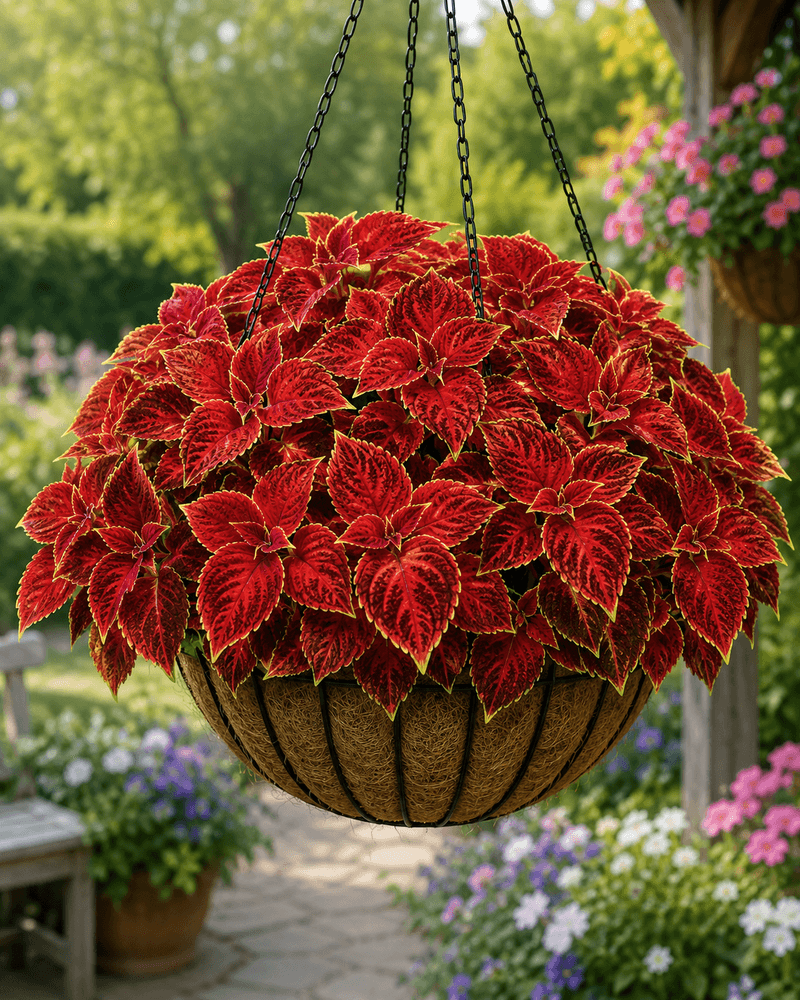
A full, bushy plant can act like an umbrella over its own pot. Dense foliage intercepts falling rain and redirects it away from the container below.
Hanging baskets stuffed with petunias or fuchsias are especially prone to this effect, since the trailing growth can cover nearly every inch of the rim.
Mature tomatoes, large-leaved squash, and full annual beds face the same challenge. Ohio rainfall that lands on leaves may run down the stems or drip off the outer edges of the canopy.
Much of that water lands on the patio surface rather than inside the pot.
Reaching rain does not guarantee that the full root ball became moist. Even a moderate storm can wet the foliage thoroughly while leaving the potting mix below surprisingly dry.
After any rainfall, press a finger two inches into the mix to check what actually happened.
If the surface feels damp but the deeper mix is dry, supplement with the watering can. Inspect pots with very full plants more carefully than open, sparsely planted ones.
Foliage coverage varies by plant and season, so the same pot may need different attention at different points in summer.
2. A Quick Shower May Wet Only The Surface
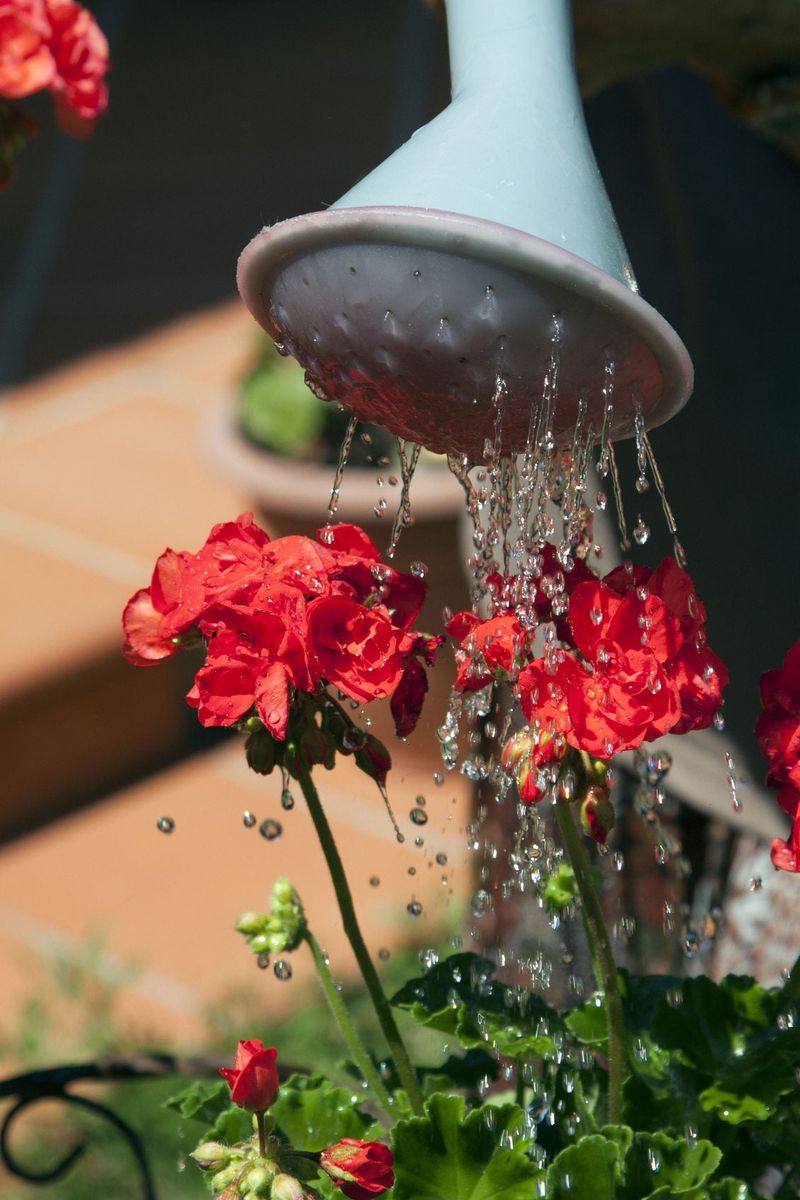
Brief summer showers in Ohio can be sneaky. A five-minute sprinkle may darken the top of the potting mix and even form small puddles on the surface.
However, that moisture often travels only a shallow distance before stopping. The visual cue of a wet surface can convince gardeners that the job is done.
Rainfall intensity matters just as much as duration. A light drizzle that falls slowly may evaporate from the surface before it penetrates deeply.
A short, heavy burst can run off a dry mix before the water has time to soak in.
Large root systems make this problem worse. Roots packed tightly throughout the pot absorb available moisture quickly near the surface, leaving the deeper zones dry.
A pot with a vigorous plant may pull surface moisture away before it travels down to the lower root ball.
Your Ohio Garden Changes Every Week. Your Plan Should Too.
Gardening in Ohio changes quickly throughout the season. Every Friday you’ll receive a simple weekly plan showing exactly what to plant, prune, fertilize, harvest, and protect so you never miss the right timing.
Checking moisture below the visible surface is the only reliable step. Push a finger or a wooden skewer two to three inches into the mix.
If it comes up dry or barely damp, the plant likely needs water regardless of how convincing the surface looked after the shower.
3. Bone Dry Potting Mix Can Shed Water Down The Sides
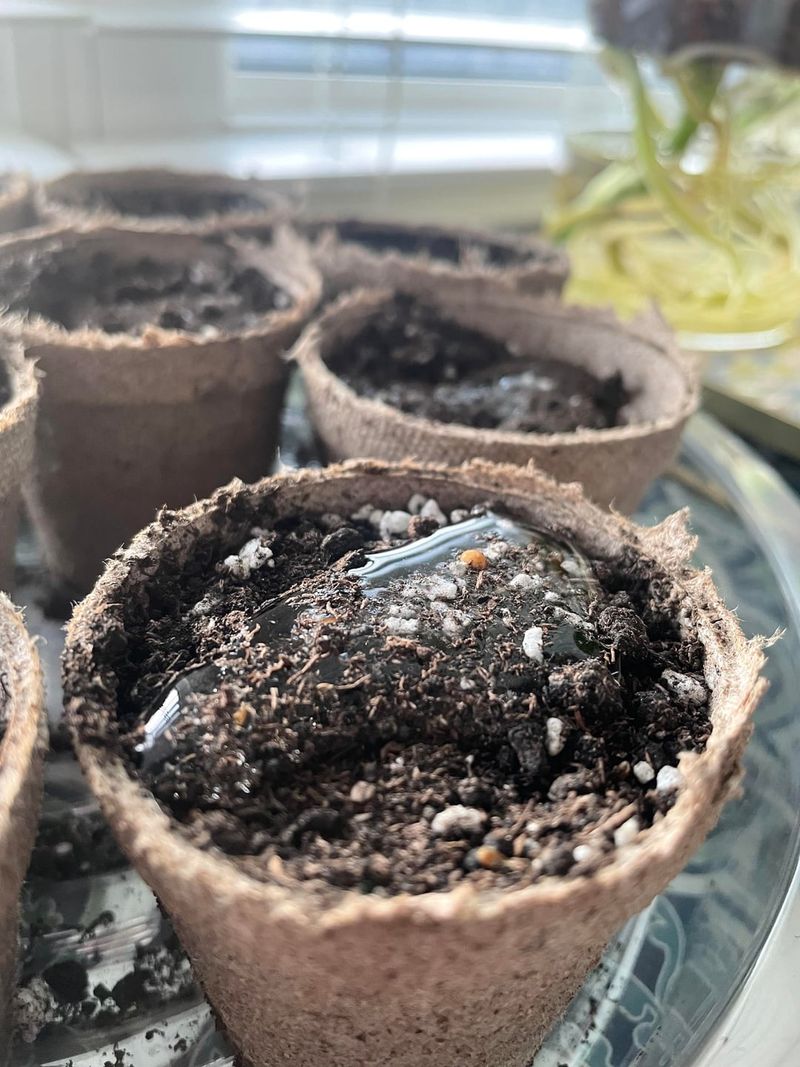
Potting mixes that contain a high percentage of peat moss can become hydrophobic when they dry out completely. Hydrophobic means the material resists absorbing water rather than soaking it up.
A mix in this state feels dusty or crumbly and pulls away from the container wall, leaving a visible gap along the edge.
Water poured onto a hydrophobic mix tends to follow the path of least resistance. It flows through the gap between the dry mix and the pot wall, drains quickly out the bottom, and leaves the root ball barely touched.
Fast drainage in this case is not a sign that the mix absorbed what it needed.
Rewetting a hydrophobic mix takes a bit of patience. Set the pot in a shallow basin of water and allow the mix to slowly absorb moisture from below.
Remove the pot once the surface feels consistently moist. Repeat watering from the top slowly, pausing to let each small amount absorb before adding more.
Checking for shrinkage along the pot wall after dry spells helps catch this problem early. Addressing it promptly keeps roots from spending extended periods in a dry environment during hot weather.
4. Drainage Holes Let Yesterday’s Moisture Disappear Fast
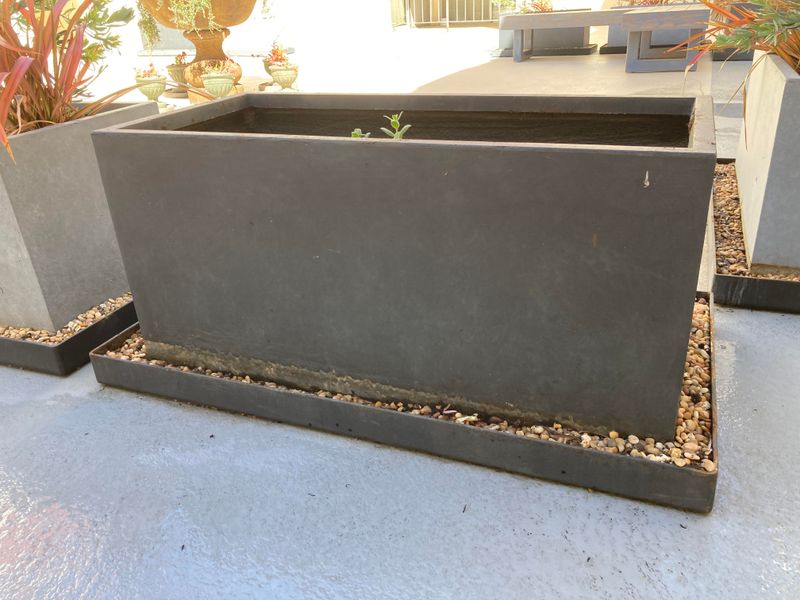
Proper drainage is genuinely good for container plants. Drainage holes prevent soggy conditions that suffocate roots and encourage rot.
No gardener should plug or remove them. What drainage holes also do, however, is limit how long a container holds onto moisture after rainfall ends.
Garden soil has a large reservoir. It holds moisture at deeper levels that stay relatively stable through a hot afternoon.
A container has a much smaller volume of potting mix, and whatever excess moisture was not absorbed drains away quickly through the holes at the bottom.
Active roots and warm August temperatures continue pulling moisture from the mix long after the rain stops. A plant in full growth can move a surprising amount of water through its system on a sunny afternoon.
The combination of active transpiration and free drainage means the moisture from Tuesday’s rain may be largely gone by Wednesday evening.
A rainy day does not automatically cover watering needs for the rest of the week. Plants in containers need moisture checked regularly based on current conditions rather than on a fixed schedule tied to when rain last fell.
5. Small Pots Hold Less Water For Hot August Days
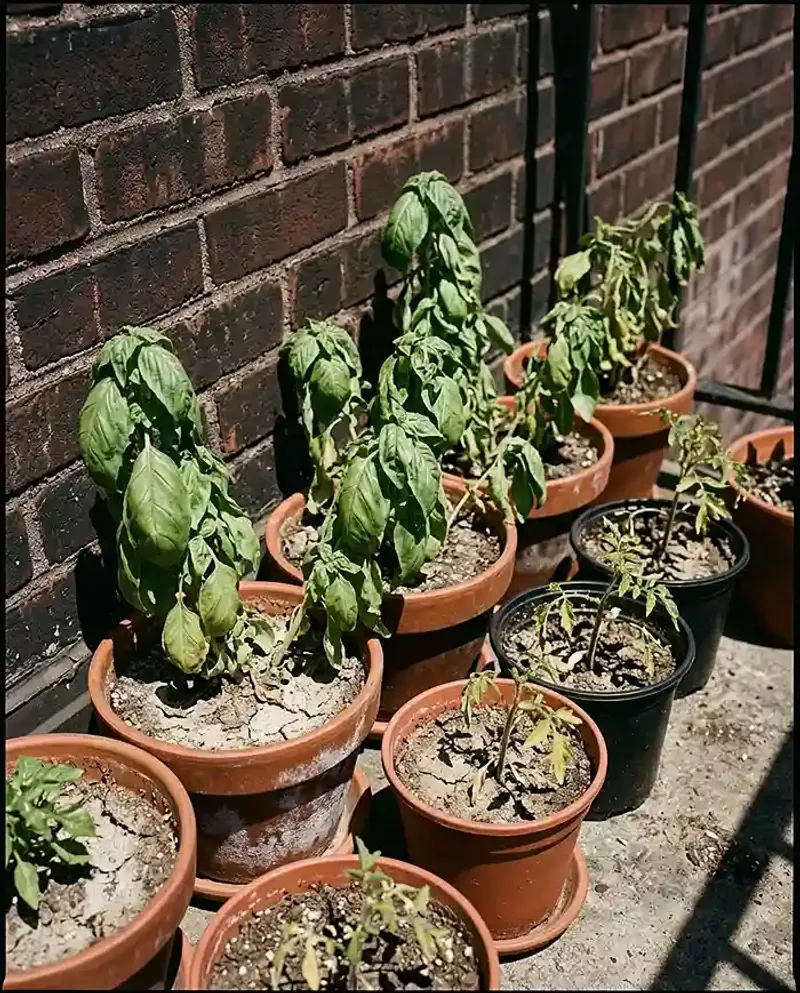
Grab a four-inch pot and a twelve-inch pot and fill both with the same potting mix. The smaller one holds a fraction of the moisture reserve.
On a hot August day, that smaller reserve disappears much faster, leaving roots stressed before the gardener even notices a change.
Window boxes and small hanging baskets face the same challenge. Their compact volume means less mix to hold moisture and often more roots competing for what little is there.
A plant that has been growing in the same pot all season may have filled the container with roots, squeezing out much of the mix that once held water.
Root-filled pots can dry out faster than pots with fresh mix because roots displace the moisture-holding material. A plant that seems thirsty all the time may have simply outgrown its container.
Repotting into a larger size during a mild, cloudy period can improve the situation more than increasing watering frequency alone.
Avoid repotting a plant that is already stressed from heat without giving it a shaded, cooler recovery spot afterward. Matching pot size to plant size from the start reduces the need for constant watering adjustments through the summer.
6. Porous Containers Lose Moisture Faster After The Storm
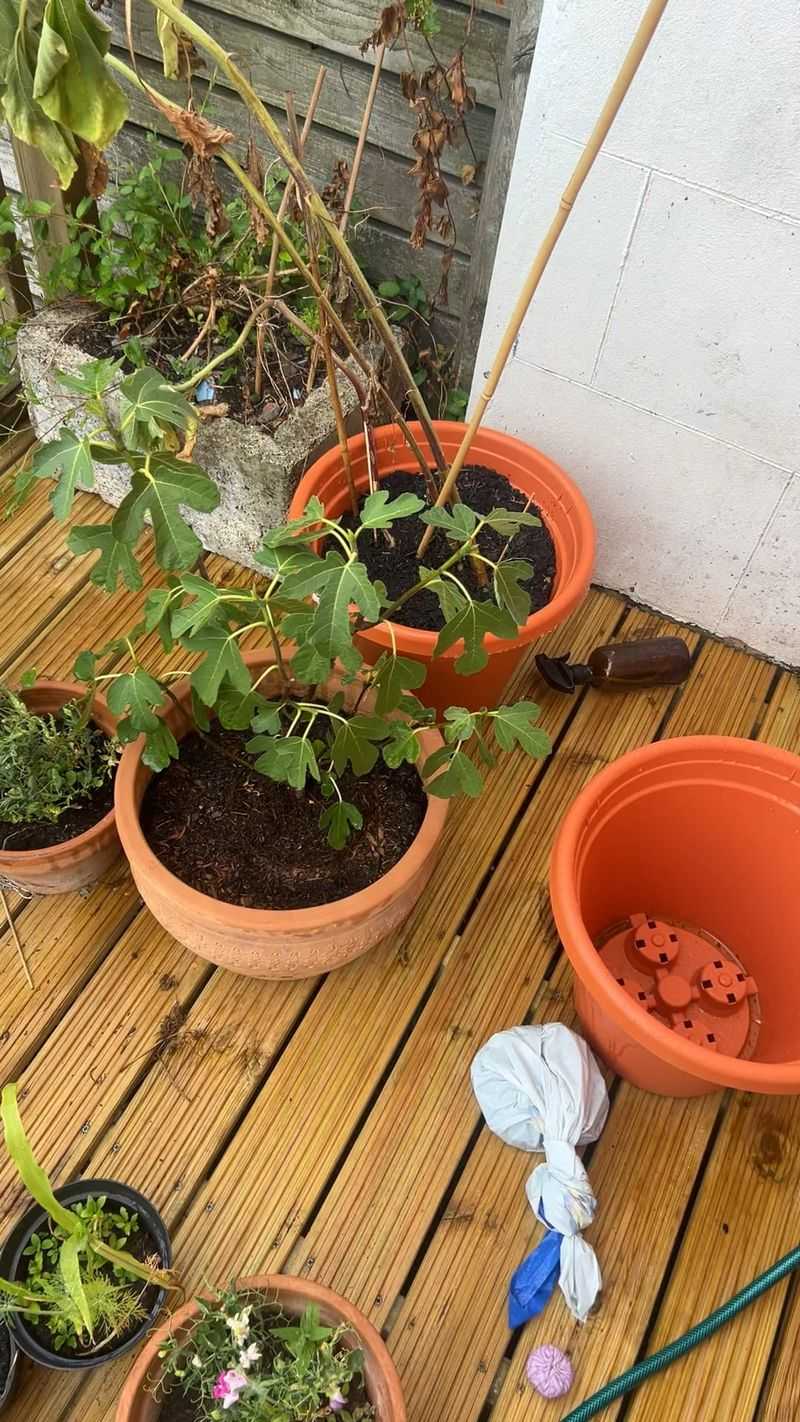
Not every container holds moisture the same way. The material a pot is made from plays a real role in how quickly moisture leaves after rainfall or watering.
Unglazed terra-cotta is one of the most breathable options available, and that breathability works in two directions.
Air and moisture move through the unglazed clay wall. This is genuinely useful for plants that prefer drier conditions between waterings, such as succulents or Mediterranean herbs.
For thirsty annuals or vegetables in the heat of August, that same porosity means the mix dries faster than it would in a plastic or glazed ceramic pot.
Plastic containers and glazed pots hold moisture longer because their walls do not allow evaporation through the sides. Neither material is universally better.
The right choice depends on the plant, the location, and how often the gardener is available to water.
A terra-cotta pot on a sunny, windy Ohio patio may need water far more frequently than a plastic pot in a sheltered spot nearby. Knowing what your containers are made of helps set realistic expectations.
Check the mix inside rather than judging by the outer appearance of the pot wall.
7. Heat And Wind Can Undo A Rainy Day Surprisingly Fast
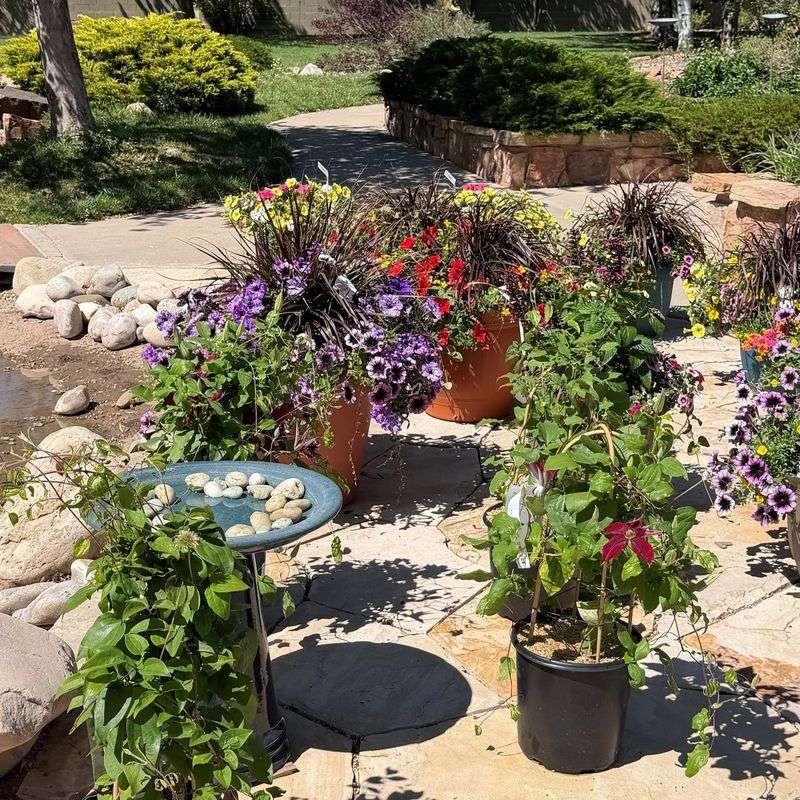
Hot summer air pulls moisture from potting mix faster than most gardeners expect. On a sunny August afternoon in Ohio, temperatures on a concrete patio or dark-colored deck surface can run significantly higher than the air temperature a few feet away.
That extra heat accelerates moisture loss from both the mix and the plant.
Plants release water vapor through their leaves in a process called transpiration. Moving air carries that vapor away from the leaf surface, prompting the plant to pull more moisture up from the roots.
A warm, breezy afternoon can move a considerable amount of water out of a container through this process alone.
Exposed balconies, driveways, south-facing decks, and areas near brick or stone walls tend to create hotter and drier microclimates than nearby garden beds. Containers in these spots can experience conditions that are noticeably more intense than what a nearby weather station records.
A rainy Tuesday followed by a bright, windy Wednesday and Thursday may leave containers far drier than expected by the weekend. The rainfall did real good, but the conditions that followed may have reversed much of the benefit.
Checking the root zone after hot and windy days is especially worthwhile.
8. Check The Root Zone Before Skipping The Watering Can
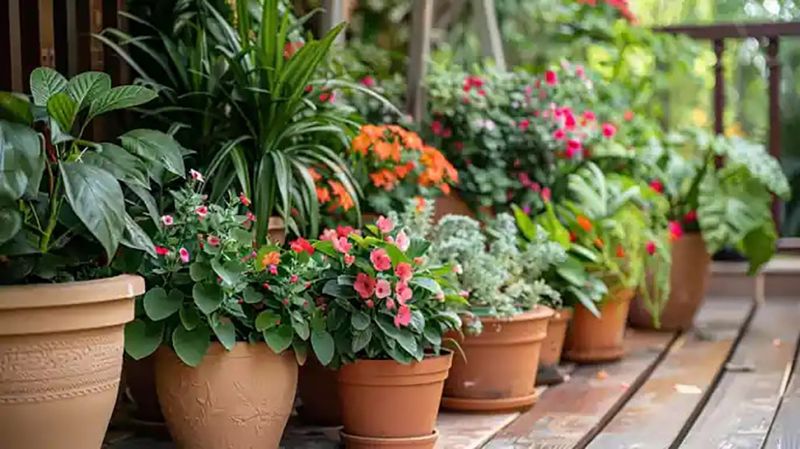
The most reliable tool for deciding whether a container needs water costs nothing. Press a finger about two inches into the potting mix and feel what is there.
If the mix feels moist and cool at that depth, the plant likely has what it needs for now. If it feels dry or barely damp, water thoroughly.
A wooden skewer works well for smaller pots where fingers feel too large. Insert it to the appropriate depth, leave it for a minute, and pull it out.
Dry mix leaves the skewer clean and dry. Adequately moist mix leaves it lightly coated or slightly damp.
Pot weight is another useful check. Lift the container right after a thorough watering and note how heavy it feels.
Lift it again the next day and the day after. A noticeably lighter pot is a reliable signal that moisture has left the root zone.
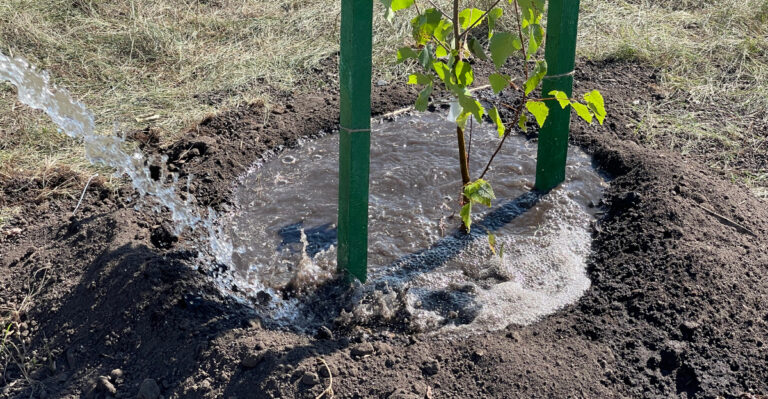
Watering thoroughly means adding water slowly until it flows from the drainage holes. Shallow splashing wets only the surface and does little for deeper roots.
Morning is a practical time to water since foliage dries before evening, but it is not the only acceptable time. What matters most is responding to what the root zone actually tells you, not to what the weather app showed on Tuesday.