What It Means When You See A Black Widow Near Your Texas Home
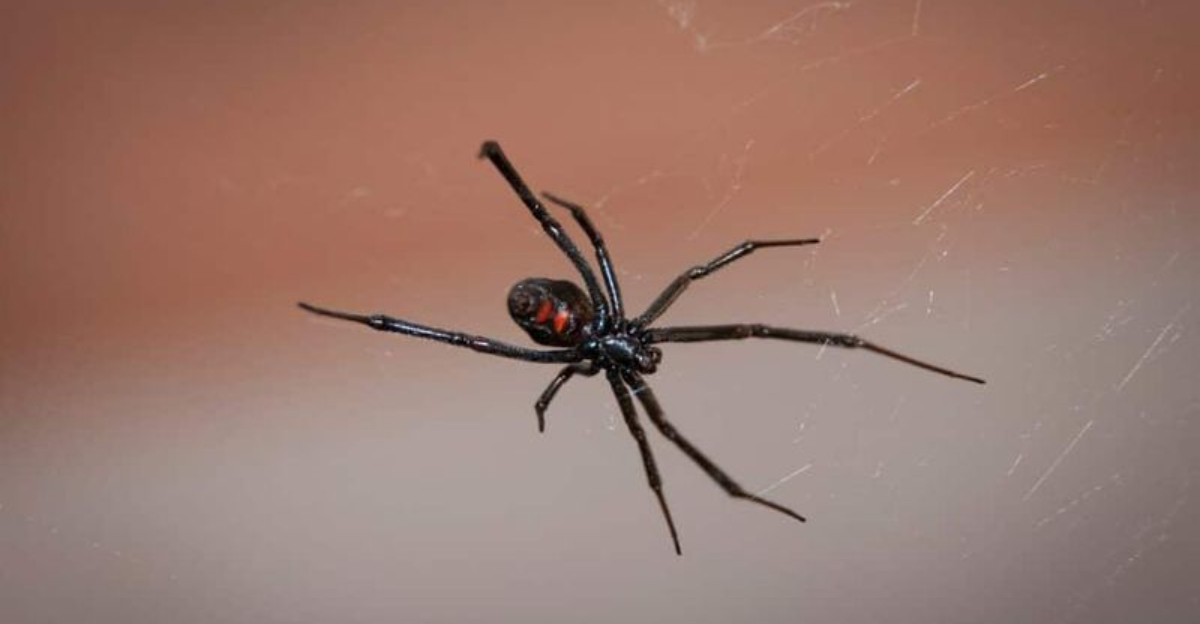
Finding a black widow near your Texas home demands immediate attention. The glossy black body, the unmistakable red hourglass, the untidy web in a dark sheltered corner.
Most people recognize one on sight. And most people feel a very specific kind of alertness the moment they do. That alertness is appropriate. But the next steps matter.
A black widow near your home is not automatically a sign of an infestation. It is, however, worth reading carefully.
These spiders choose their locations for specific reasons. Understanding what drew one to that particular spot tells you something useful about the conditions around your home and what’s likely to keep happening if nothing changes.
Here’s what a black widow near your Texas home is really telling you and exactly what to do about it.
1. Your Yard Has The Type Of Shelter They Prefer
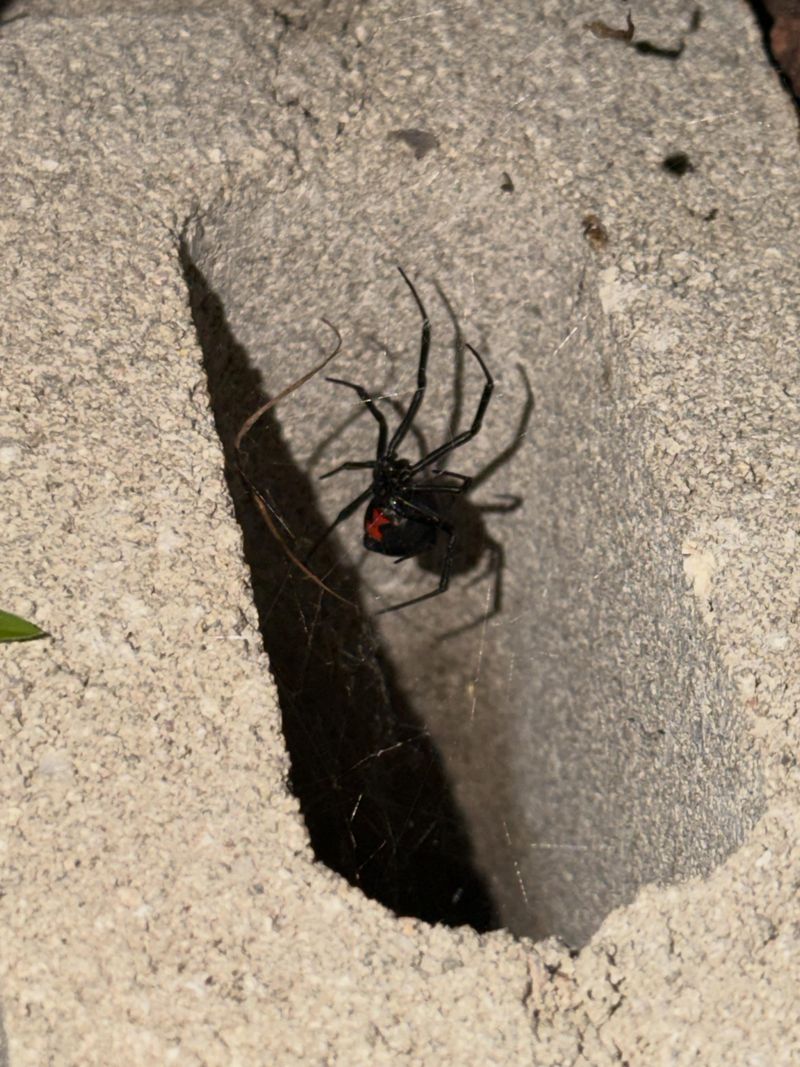
Spotting one of these spiders often points straight to your yard’s layout. They gravitate toward spots that stay dark, still, and undisturbed.
Woodpiles are a classic favorite here in Texas. Logs stacked against a fence create tiny gaps that feel cozy and safe to a spider looking for shelter.
Sheds and garages offer similar comfort. Cardboard boxes, rarely used tools, and shadowy corners give a black widow the quiet it wants.
Outdoor equipment plays a role too. Grills, lawnmowers, and patio furniture that sit for weeks can turn into surprise hiding spots.
Clutter is really the main invitation. The more piles and forgotten items you have, the more nooks a spider can claim as its own.
You can shift the odds in your favor with a little tidying. Move woodpiles a short distance from the house and lift them off the ground on a rack.
Sweep out garage corners now and then, and shake out items before storing them again. Sealed plastic bins work better than open cardboard for keeping crawlers away.
Good lighting helps as well. Bright, uncluttered spaces feel far less welcoming to a creature that prefers the shadows.
Think of your cleanup as gently encouraging spiders to look elsewhere. You are not harming them, just making your space less appealing.
Regular attention keeps things manageable over time. A quick monthly check of storage areas can catch webs before they grow.
Once you understand what draws them in, the fix feels doable. Small changes to your yard can quietly reduce how often you cross paths with these visitors.
2. There May Be A Good Supply Of Insects Nearby
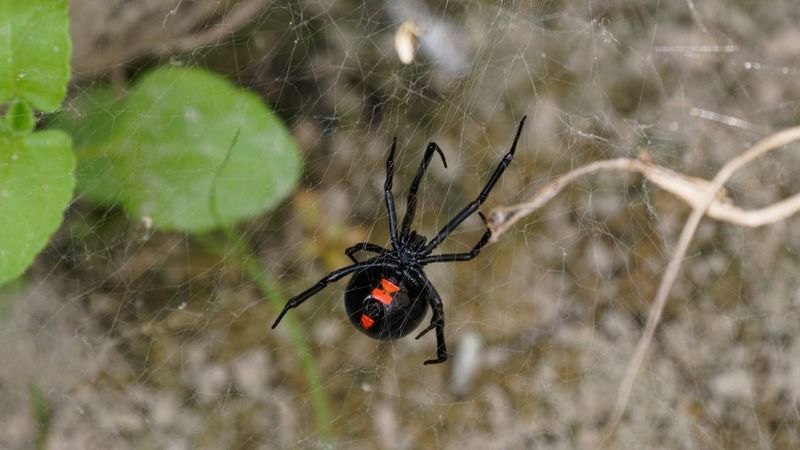
Here is a clue many folks miss. A black widow hanging around usually means there is plenty of food close by.
These spiders rely on webs to catch their meals. When bugs are abundant, a spider finds it worthwhile to settle in and stay.
Common Texas insects like beetles, crickets, and flies make up much of their diet. If your property draws these bugs, it also draws the spiders that eat them.
Outdoor lighting can be a big factor. Bright porch lights attract flying insects at night, which in turn attract hungry spiders nearby.
Your Texas Garden Changes Every Week. Your Plan Should Too.
Gardening in Texas changes quickly throughout the season. Every Friday you’ll receive a simple weekly plan showing exactly what to plant, prune, fertilize, harvest, and protect so you never miss the right timing.
Damp areas add to the appeal. Standing water and moist mulch invite bugs, creating a buffet that spiders happily set up shop around.
Seeing a black widow, then, is a bit like reading a menu. It tells you your yard is feeding a small insect population.
You can reduce that food supply with a few steps. Switch to yellow bug lights or move lights away from doors and windows.
Fixing leaky faucets and clearing standing water helps too. Fewer bugs mean less reason for a spider to linger.
Trimming plants back from your home’s walls makes another difference. Overgrown shrubs give insects cover, so keeping them tidy thins the crowd.
Think of it as managing the whole chain. Handle the bugs, and the spiders often move on to find better hunting grounds.
A cleaner, drier yard sends a clear signal. When the food runs low, these eight-legged visitors have little reason to stay around your Texas home.
3. The Spider Is Likely Avoiding You
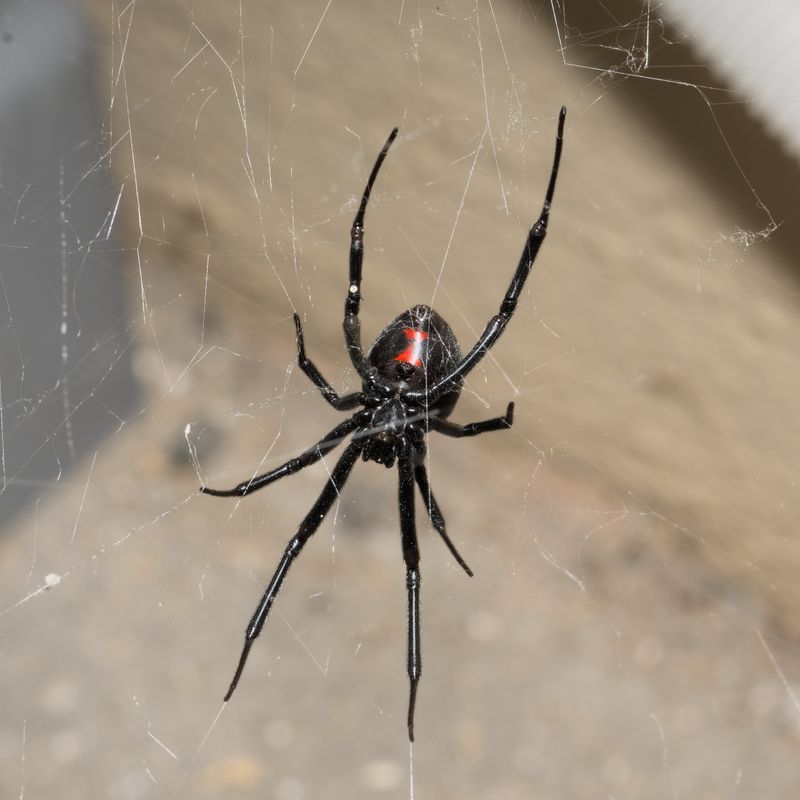
Let us clear up a common fear right away. A black widow is not out to chase you across the yard.
These spiders are naturally shy creatures. Their whole strategy is to stay hidden and wait quietly for a meal to arrive.
Given a choice, one will retreat rather than confront you. Sudden movement or vibration usually sends it scurrying deeper into cover.
Bites tend to happen only by accident. Reaching into a glove or box where a spider hides can make it feel trapped.
When cornered with no escape, a spider may bite to defend itself. That reaction is fear, not aggression, on its part.
Knowing this can ease a lot of worry. The spider you spotted would much rather you both go your separate ways.
You can respect that space with simple habits. Give any spider you see a wide berth and let it move along on its own.
Wearing gloves when digging through storage areas adds a helpful layer of protection. It keeps your hands out of surprise hiding spots.
If you must relocate a spider, use a cup and a stiff piece of paper. Gently guide it outside far from the house.
Teaching kids to look but not touch matters too. A calm, respectful approach keeps everyone comfortable.
Understanding a spider’s shy nature changes how the sighting feels. Instead of a threat, you see a cautious neighbor keeping to itself.
With a bit of care and awareness, peaceful coexistence in your Texas home becomes much easier than you might expect.
4. Late Summer And Fall Can Increase Sightings
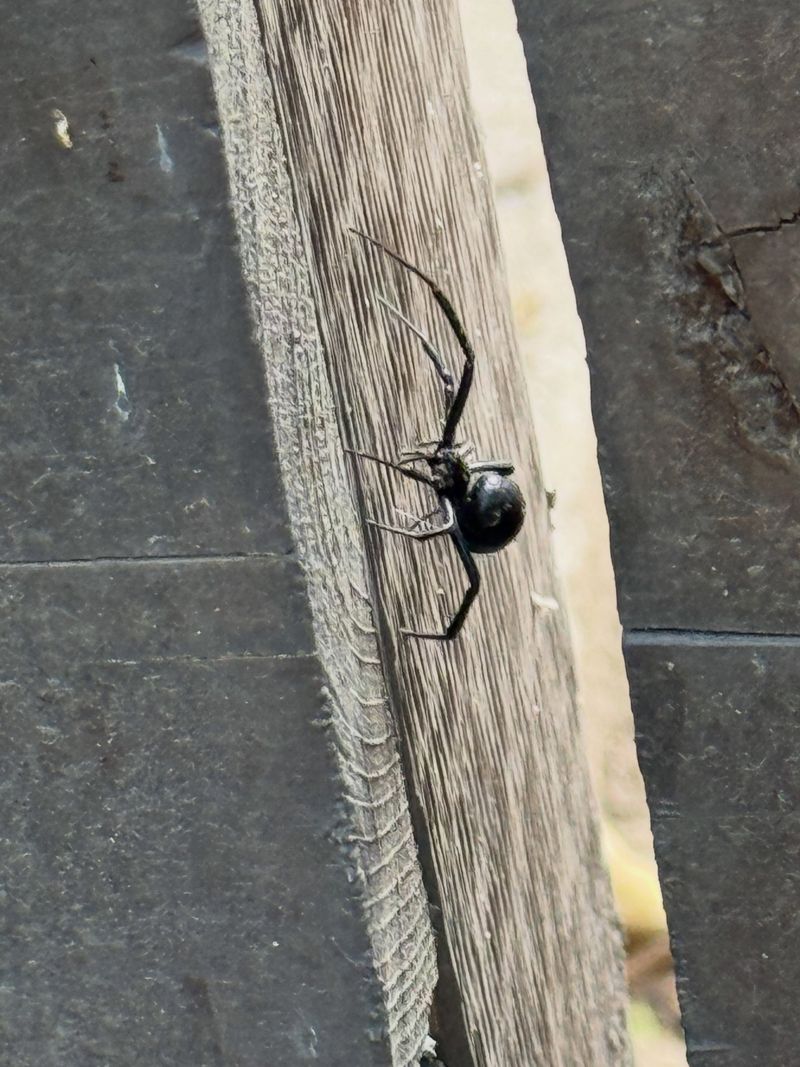
Timing plays a bigger role than you might guess. In Texas, late summer and fall often bring more spider sightings.
Warm months let spiders grow and thrive. By season’s end, many have reached full size and become easier to spot.
As temperatures begin to shift, their behavior changes too. Spiders may search for sheltered spots near warm structures.
That search sometimes leads them closer to your home. Garages, doorframes, and porch corners suddenly look inviting as nights cool down.
You might notice more webs during this stretch. Fuller webs and larger spiders simply catch the eye more often.
Texas weather stretches this active period out. Our mild autumns give spiders extra time to stay busy compared with colder states.
Knowing the calendar helps you prepare. A little extra caution during these months goes a long way.
Try scheduling a fall cleanup around your home’s exterior. Clearing leaves and debris removes cozy resting spots before spiders settle in.
Check screens, weatherstripping, and gaps around doors as the season turns. Sealing these keeps wanderers from slipping indoors.
Shaking out shoes and gloves left in the garage becomes especially smart now. Spiders may tuck into them seeking warmth or protection.
Keeping outdoor lights dimmer during fall evenings also helps. Fewer bugs means fewer reasons for spiders to gather.
Once you connect the sightings to the season, they feel less alarming. It is a natural rhythm tied to Texas weather.
A few timely habits during these months keep encounters low and let you enjoy the cooler days with peace of mind.
5. You Should Check Dark Outdoor Areas
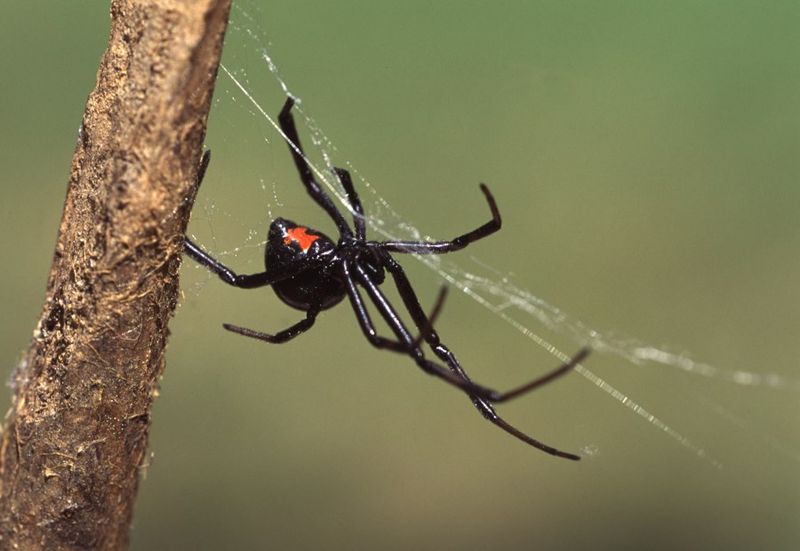
A smart response to any sighting is a careful look around. Dark outdoor areas deserve your attention first.
Gloves left in a shed are a top spot to check. Slip your hand in blindly, and you might meet an unwelcome surprise.
Storage bins call for the same caution. Lift lids slowly and peek inside before reaching down.
Furniture that sits outside offers hidden ledges too. Look beneath chairs and tables where webs can quietly form.
A flashlight becomes your best friend here. Shining light into shadowy corners reveals webs and spiders you would otherwise miss.
Sheds and garages reward a thorough scan. Check shelves, wall gaps, and the undersides of stored items.
Removing clutter makes a real difference. Fewer piles mean fewer places for a spider to build its home.
Try grouping stored items into sealed containers. Clear bins with tight lids block spiders from settling in.
Wear thick gloves whenever you handle old boxes or reach into dim spaces. That habit protects your hands from accidental bites.
Sweep away any webs you find with a broom. Doing this regularly discourages spiders from returning to the same spot.
Keep frequently used tools in easy reach and open air. Items you touch often are far less likely to attract hidden guests.
Building these checks into your routine keeps you a step ahead. A quick inspection before reaching in becomes second nature.
With steady habits and good lighting, dark corners lose their mystery. You gain confidence knowing exactly what waits in your Texas storage spaces.
6. One Spider Does Not Mean Your Home Is Infested
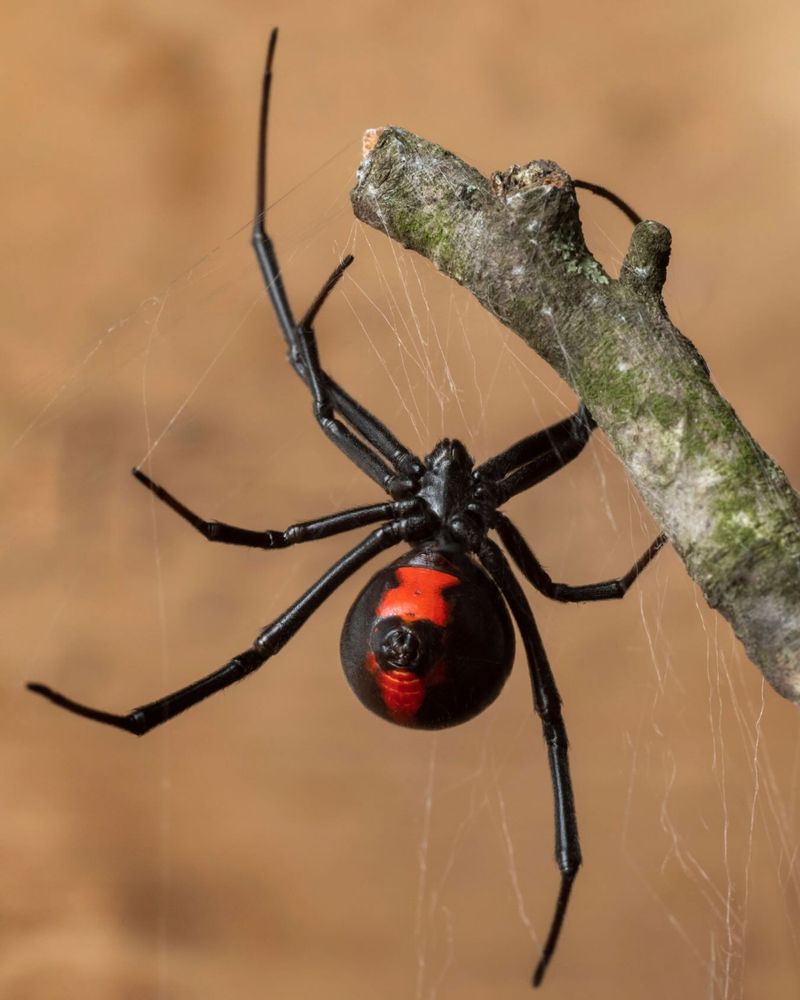
Take a deep breath before you panic. Spotting one spider rarely means your home is overrun.
Most often, a single sighting means one spider found a spot it liked. It wandered in, discovered shelter, and settled down.
Black widows are not social creatures. They prefer their own space and do not gather in large groups the way some insects do.
So one visitor usually stays just that, a single visitor. Finding it is a signal to check your habits, not a reason for alarm.
That said, a sighting is a useful nudge. It reminds you to look over your yard and storage areas.
Regular outdoor cleanup keeps the odds low. Clearing debris and tidying clutter removes the cozy spots spiders seek.
Sealing entry points matters just as much. Gaps under doors, cracks in walls, and torn screens all offer easy passage.
Caulking those openings blocks wandering spiders. It also keeps out the insects they feed on, solving two problems at once.
Trimming plants away from your walls helps too. Shrubs touching the house act like bridges for crawling creatures.
Keeping woodpiles and stored items away from the foundation adds another layer of protection. Distance discourages spiders from moving closer.
If sightings become frequent, a pest professional can assess the situation. Texas has many experts who understand local spiders well.
For a lone spider, though, simple prevention usually does the trick. A tidy, sealed home sends most visitors elsewhere.
Seeing one spider is a manageable moment, not a crisis. With steady care, your Texas home stays comfortable for you and unwelcoming to them.