Can You Still Plant Zinnias In California In September
Thinking about planting zinnias in California this September? You may still have time, especially if warm weather tends to stick around well into fall where you live.
Zinnias love heat and sunshine, so September temperatures in many parts of California can keep them growing long after summer officially ends.
Your biggest concern is how much warm weather remains before cooler nights slow growth or frost arrives.
In Southern California and other mild areas, you can often plant zinnias in September and still enjoy colorful blooms later in the season. In cooler parts of Northern California, the window can be much tighter, so timing matters more.
You will also get better results by choosing fast-growing varieties, planting in a sunny spot, and keeping the soil consistently moist while seedlings get established.
A little planning now can help you squeeze one more bright burst of color out of your California garden before colder weather settles in.
1. Warm Inland Areas Still Have Time
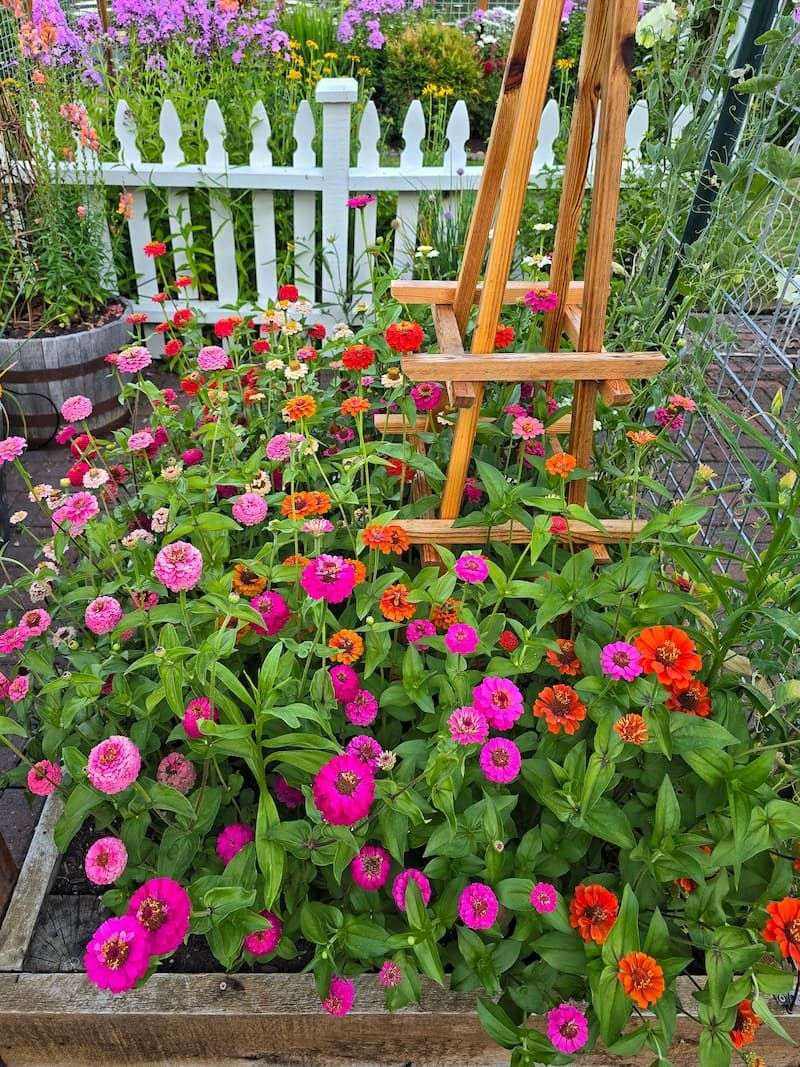
Places like the Central Valley, Sacramento, and inland Southern California stay toasty well into fall. That lingering heat is exactly what zinnias crave to sprout and grow strong.
Because inland zones often see warm days into October, seeds planted early in September have enough time to mature.
Zinnias can go from seed to flower in roughly six to eight weeks. Doing the math, a September start can mean blooms by late October or early November.
Warm soil helps seeds germinate faster, and inland dirt holds that heat nicely. You will likely notice sprouts poking up within a week if daytime temperatures stay in the eighties.
One smart move is to plant during the first two weeks of the month. This gives your flowers the longest possible stretch of warm weather before things cool down.
Keep an eye on your local forecast, since some inland spots cool quicker than others. If your area still feels like summer, you are in a great position to grow a colorful fall patch.
Gardeners in hot valleys often get a second flush of blooms this way. It feels like a bonus season, and the results can be just as vivid as spring plantings. A little heat goes a long way here.
2. Coastal Gardens Have A Longer Window
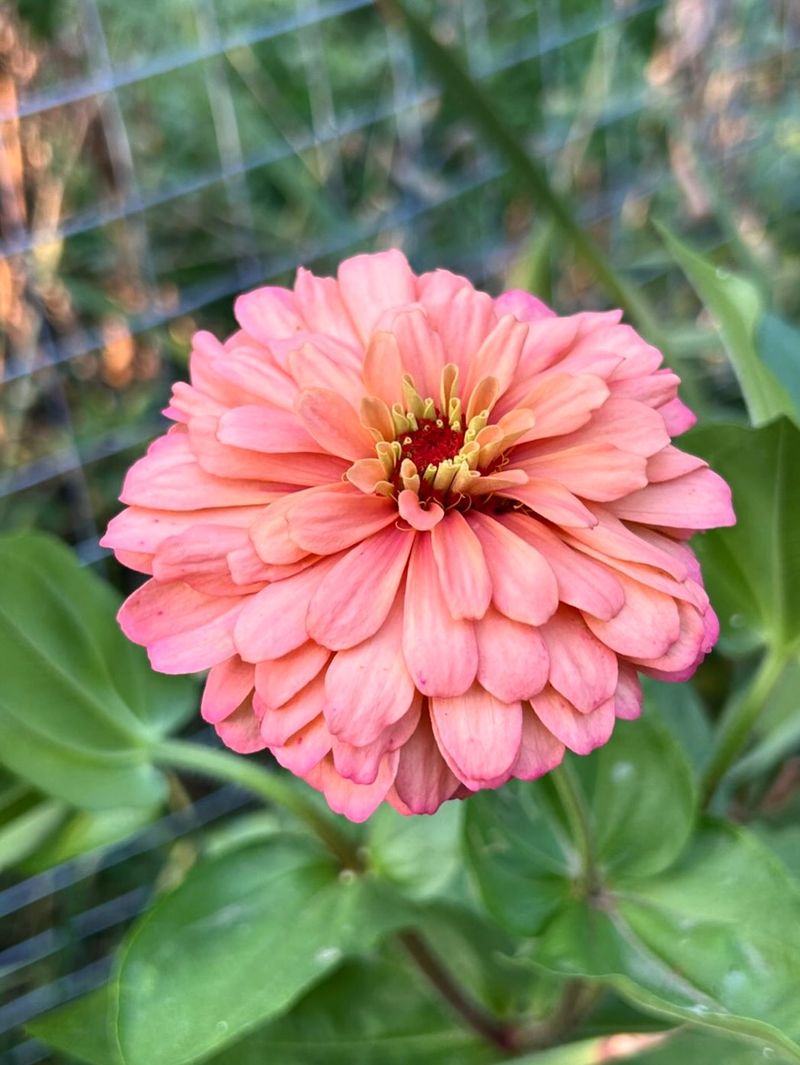
Living near the ocean comes with a gentle perk for flower fans. Coastal California enjoys mild temperatures that stretch the growing season further than you might expect.
Along the coast, summer heat arrives late and hangs around, so September and even early October can feel pleasant and warm. This mildness gives zinnias a comfortable runway to grow without harsh stress.
Fog and cooler nights are common near the water, and while these slow things a bit, they rarely stop growth. Your plants simply take a touch longer to reach full bloom.
Areas like San Diego, Los Angeles beaches, and parts of the Bay Area often skip early frost entirely. That means less worry about sudden cold cutting your flowers short.
To make the most of it, pick a sunny spot away from heavy afternoon fog. A south-facing bed usually soaks up the most warmth and light.
Your California Garden Changes Every Week. Your Plan Should Too.
Gardening in California changes quickly throughout the season. Every Friday you’ll receive a simple weekly plan showing exactly what to plant, prune, fertilize, harvest, and protect so you never miss the right timing.
Coastal gardeners can plant with confidence through mid-September and still enjoy weeks of color. The trade-off is patience, since blooms may appear a little later than inland patches.
Think of the coast as offering a relaxed, forgiving timeline. Your zinnias get more days to shine before winter finally settles in.
3. Choose Fast-Blooming Varieties

When time is short, the type of zinnia you pick really matters. Some varieties race to bloom while others take their sweet time.
Look for quick growers like Zinnia elegans in the Profusion or Zahara series. These reach flowering size faster and handle changing weather with ease.
Fast bloomers can flower in as little as six weeks from seed. That speedy timeline is perfect for a September planting when the calendar feels tight.
Dwarf and compact types also tend to bloom sooner than tall, showy giants. Their smaller size lets them focus energy on flowers instead of long stems.
Reading the seed packet helps a lot here. Check for words like early, quick, or short season, and note the days to bloom listed on the back.
Buying transplants from a nursery is another shortcut worth considering. Starter plants skip the seed stage and give you a head start on color.
Mixing a few varieties can spread out your blooms over several weeks. This way, as one batch fades, another is just getting started.
Choosing wisely at the store sets you up for success before you even touch the soil. The right pick turns a late start into a rewarding fall display full of bright petals.
4. Give Seeds Plenty Of Sun
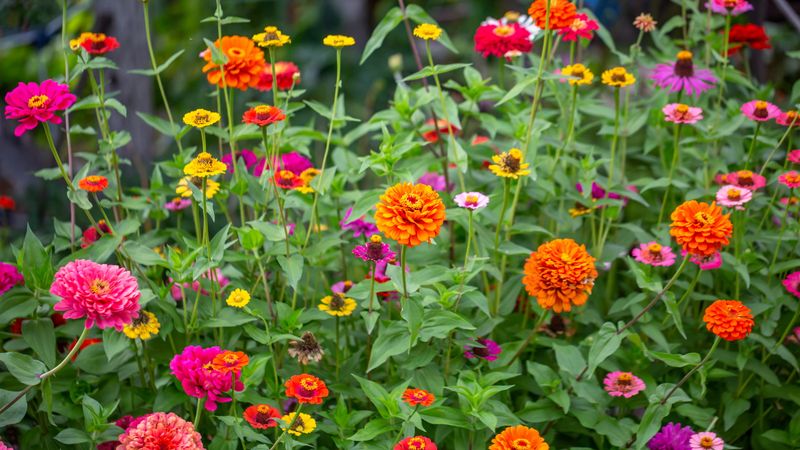
Sunshine is the fuel that powers strong, colorful zinnias. These flowers are true sun lovers and never do well in shady corners.
Aim for a spot that gets at least six to eight hours of direct light each day. More sun means more energy for growth and bigger, bolder blooms.
In September, the sun sits a little lower in the sky, so shadows stretch longer than in summer. Watch your yard throughout the day to spot the brightest areas.
Planting near a fence or tall shrub can accidentally block afternoon light. Choose an open bed or a wide container where sunlight reaches freely.
If you are growing in pots, you have the freedom to move them around. Chasing the sun by shifting containers keeps your plants soaking up every ray.
Well-lit zinnias resist disease better and produce sturdier stems. Weak light, on the other hand, leads to floppy plants with fewer flowers.
Even a slightly shady morning is fine as long as midday sun is strong. The key is avoiding constant shade that leaves plants stretching and pale.
Giving your seeds a bright home is one of the simplest ways to guarantee good results. Bright light plus fall warmth is a winning combination for late planting.
5. Keep The Soil Evenly Moist

Water is a quiet hero when it comes to sprouting seeds. Newly planted zinnias need steady moisture to wake up and push through the soil.
During the first couple of weeks, the top layer of dirt should stay damp but never soggy. Think of a wrung-out sponge as your target texture.
September heat can dry out soil quickly, especially in inland areas. Checking daily helps you catch dryness before it slows your seedlings down.
Watering gently in the morning gives plants a full day to drink up. This timing also lets leaves dry off, which helps prevent fungus.
Once your zinnias are established, they handle short dry spells well. Deep watering a few times a week beats a quick daily sprinkle for healthy roots.
A thin layer of mulch around your plants locks in moisture beautifully. It also keeps weeds from stealing water and nutrients.
Try to avoid soaking the leaves too often, since wet foliage invites powdery mildew. Aim your water at the base of each plant instead.
Finding the right balance takes just a few days of paying attention. Once you learn your garden’s rhythm, watering becomes second nature and your zinnias reward you with steady, cheerful growth.
6. Avoid Planting Before A Heat Wave
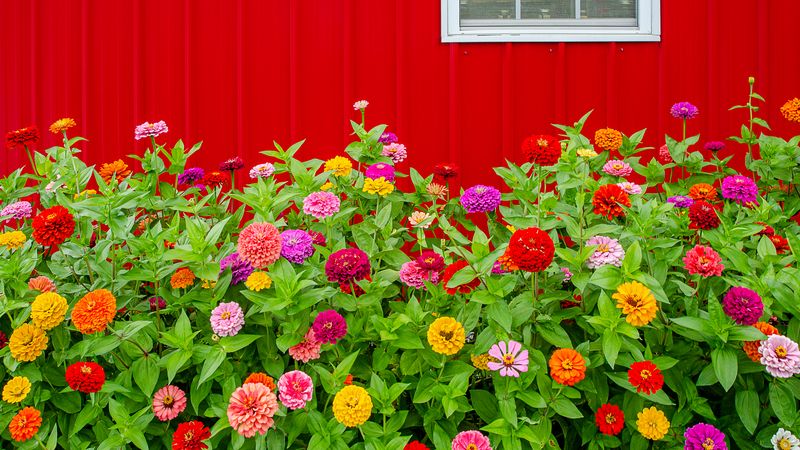
California is famous for surprise heat waves, and September is prime time for them. A sudden spike in temperature can stress tender young seedlings.
While zinnias love warmth, extreme heat over one hundred degrees is a different story. Fresh sprouts have shallow roots and cannot handle that kind of pressure.
Checking the ten-day forecast before planting is a smart habit. If a scorching stretch is coming, waiting a few days is often the wiser choice.
Seeds planted right before a heat wave may dry out before they even sprout. The soil bakes fast, leaving little moisture for germination.
If you have already planted and heat arrives, extra water and light shade can help. A shade cloth during the hottest hours protects delicate seedlings.
Established plants cope with heat far better than newcomers. So timing your start around cooler stretches gives seeds the calm they need.
Early morning planting also helps, since roots settle before the day heats up. Cool soil at planting time gives a gentler beginning.
Patience pays off when the weather is unpredictable. Waiting for a mild window rather than fighting a heat wave leads to stronger, happier plants and far less frustration for you as the gardener.
7. September Starts Can Still Produce Fall Color
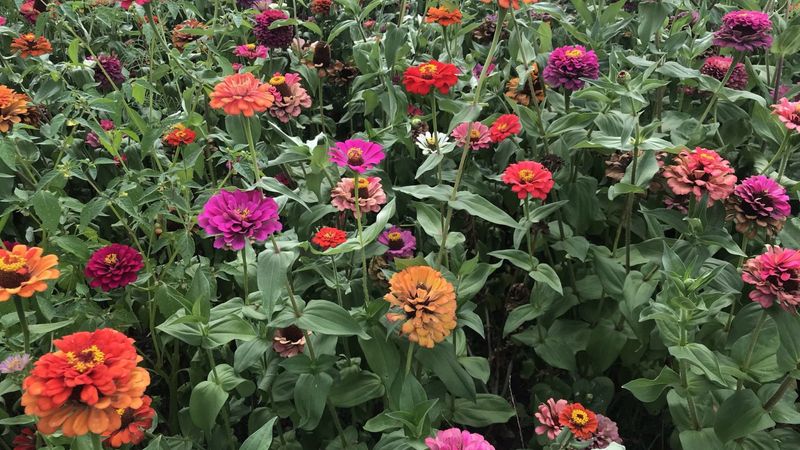
There is something magical about flowers blooming when most gardens are winding down. September-planted zinnias can deliver that surprise splash of autumn color.
Because these plants grow quickly, a timely start often rewards you with blooms in October and beyond. Their warm tones fit perfectly with fall’s cozy mood.
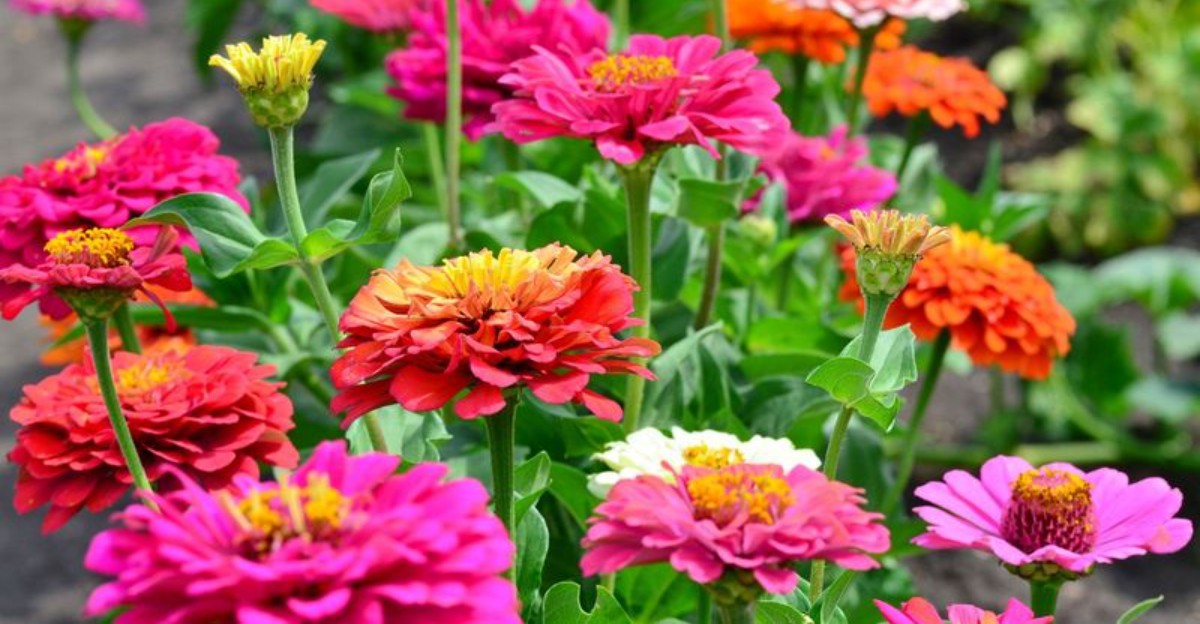
Rich reds, sunny oranges, and deep pinks pair wonderfully with pumpkins and dried leaves. Your yard gets a lively boost while neighbors’ beds fade.
Pollinators love the late nectar too, so bees and butterflies keep visiting. Watching them dance among the petals adds extra joy to the season.
Cutting a few blooms for a vase brings that cheer indoors as well. Zinnias make long-lasting cut flowers that brighten any table.
To stretch the color, snip faded blooms regularly in a practice called deadheading. This trick encourages the plant to keep making fresh flowers.
In milder California zones, this display can last until the first real chill. That gives you weeks of beauty from a single late planting.
A September patch proves that gardening seasons are more flexible than they seem. With a bit of effort, you can enjoy fresh blooms long after summer officially says goodbye and the air turns crisp.
8. Cool Nights Can Slow New Growth
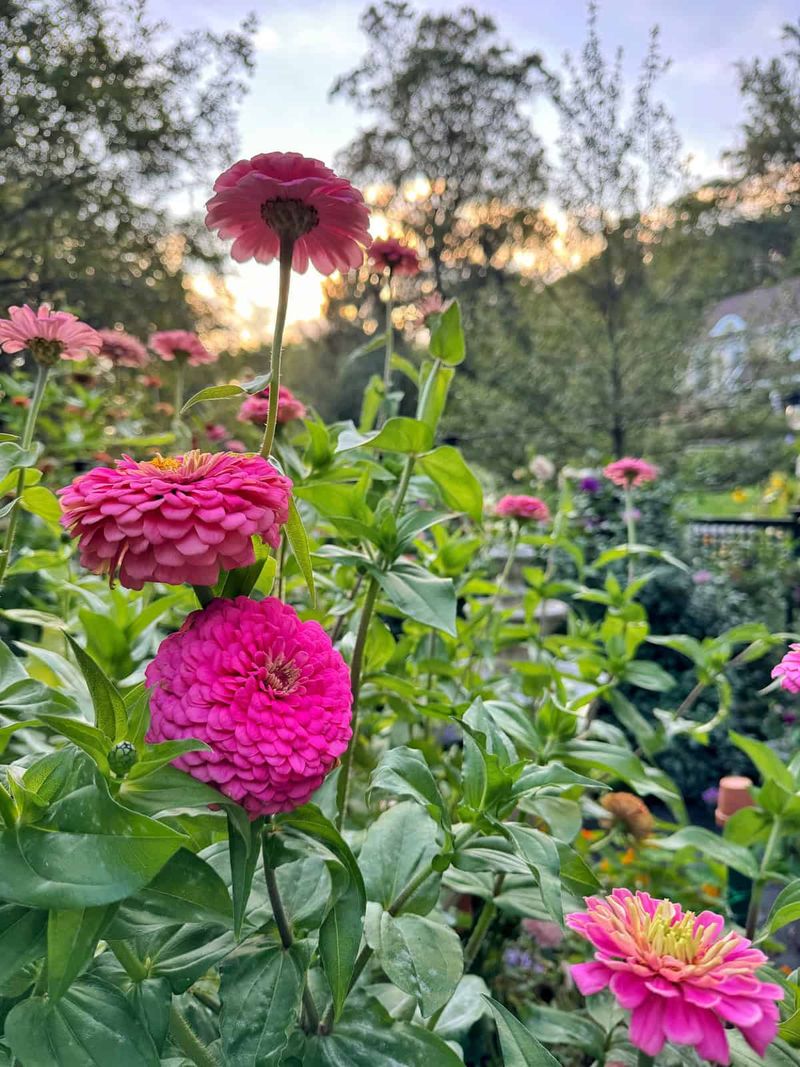
As September rolls on, the days may stay warm but the nights start cooling off. That drop in evening temperature can gently slow down your zinnias.
These flowers grow fastest when both days and nights feel toasty. When nights dip into the fifties, growth tends to relax its pace.
Cooler evenings are not harmful, but they do stretch out the timeline to bloom. A little extra patience is often all that is needed.
Seeds may take longer to sprout when the soil cools after sunset. Warming the ground with a dark mulch can help hold daytime heat overnight.
Growing in containers gives you an edge here, since you can move pots closer to a warm wall. Trapped heat from a building keeps roots cozier after dark.
Covering young plants with a light cloth on chilly nights offers gentle protection. Just remember to remove it in the morning so sunlight gets through.
Choosing a sheltered, sunny corner also buffers against cold air pooling low. Frost pockets in your yard are best avoided for late plantings.
Understanding this natural slowdown helps you set realistic expectations. Your zinnias will still grow beautifully, just on a slightly calmer schedule as the season shifts toward cooler, quieter autumn days.