Can Your Indiana Neighbor Make You Clean Up Leaves That Blew Into Their Yard?
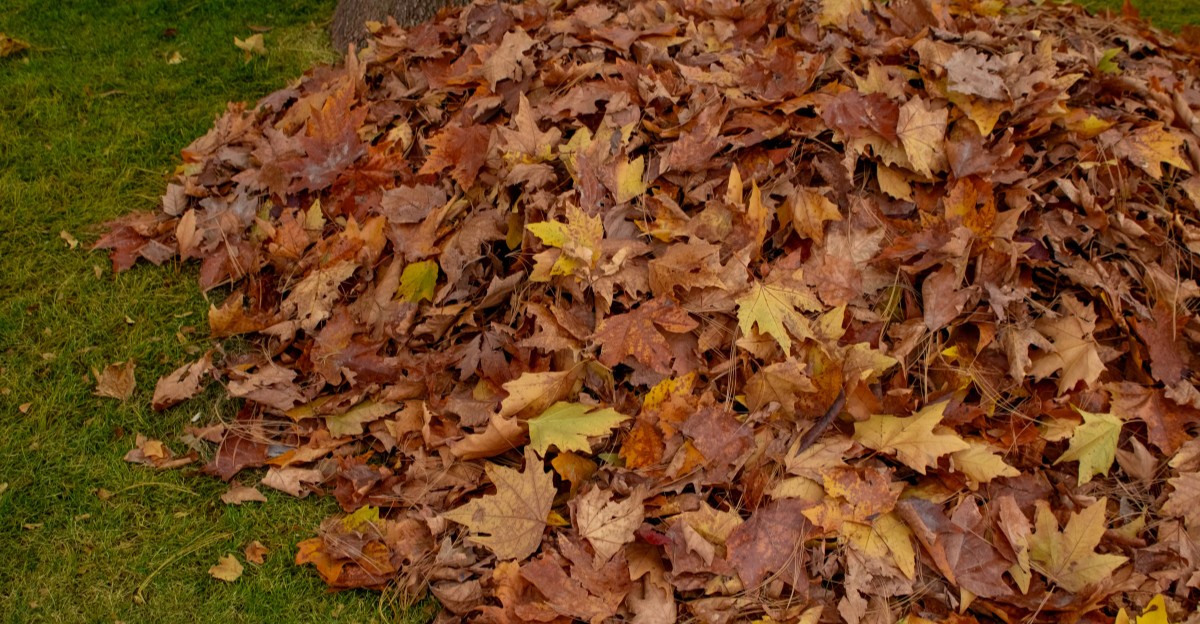
A single mature oak can drop well over 200,000 leaves in one autumn. Not one of them checks a property line before it lands.
Every fall, I watch a fresh crunchy blanket roll across my freshly raked lawn. I used to think the tree owner should own the mess, but the law in Indiana sees wind and weather a little differently. Courts tend to treat falling leaves like snow or rain, a natural event with no one to blame.
But what happens when the tables turn and your maple sheds onto the yard next door? Can that grumpy guy with the rake knock on your door and demand you fix it?
Truth is, the answer hinges on one small detail most folks overlook. It has less to do with whose tree it is and more to do with how those leaves traveled.
Wind-Blown Maple Leaves Carry a Surprising Legal Label

Wind is the quiet hero of this whole story. When a breeze carries leaves from your tree into a neighbor’s yard, most courts see that as nature doing its thing, not you doing something wrong.
Across the country, judges commonly follow a simple idea. Leaves, twigs, acorns, and seed pods that drop naturally are treated like rainfall or snowfall. Nobody gets sued because a storm dumped snow on the house next door, and leaves often get similar treatment.
In Indiana, naturally falling leaves are generally treated the same way. Once they land, cleanup generally belongs to whoever owns that patch of ground. So in most cases, your neighbor cannot make you rake leaves that the wind delivered.
I’ll admit, that felt a little unfair when I was the one doing the raking. Then I remembered that my own trees were sending plenty of leaves the other direction too.
A quick reality check matters here. No single Indiana statute spells out leaf duties for every homeowner, and local rules can differ. City codes, township ordinances, and HOA covenants sometimes add their own twists, so checking your specific community is a smart move before you assume anything.
Leaf Blowers Aimed Next Door Change Everything
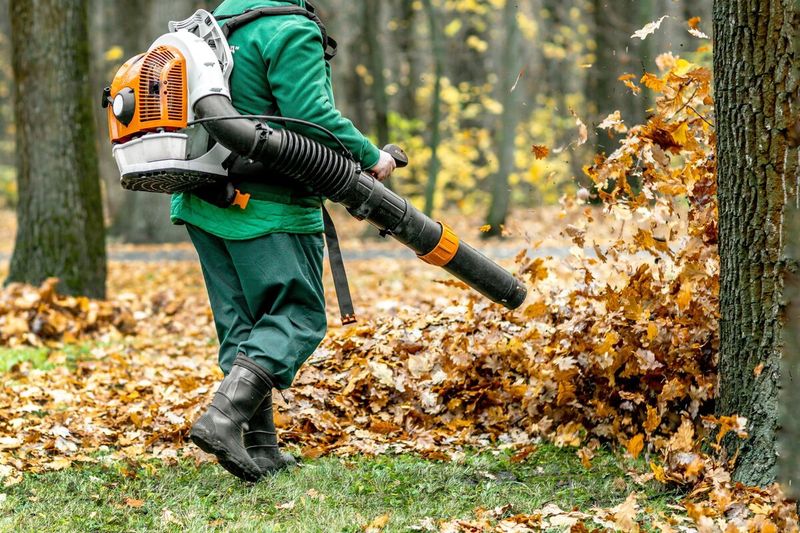
Nature gets a pass, but people usually don’t. If someone deliberately blows, rakes, or dumps leaves onto another person’s property, the situation shifts from a natural event to a human choice.
Intentionally moving debris onto land you don’t own can be treated as trespass. It may also count as a private nuisance, or break a city code or HOA rule. That’s the detail I hinted at earlier, and it’s the real dividing line in most leaf disputes.
So flip the question around. If you fire up your leaf blower and push a pile across the property line, your neighbor may have a fair complaint. They could ask you to clean it up, report it to code enforcement, or in rare cases pursue a claim.
Fair warning, leaf blowers make this easy to do by accident. A strong gust plus a powerful blower can send a cloud of leaves right over the fence.
A few habits help a lot:
Blow leaves toward the center of your yard, not the edges. Work on calm days when wind won’t carry debris away. Bag or mulch piles promptly instead of leaving them overnight near the line.
A Pile of Soggy Oak Leaves Rarely Counts as a Nuisance
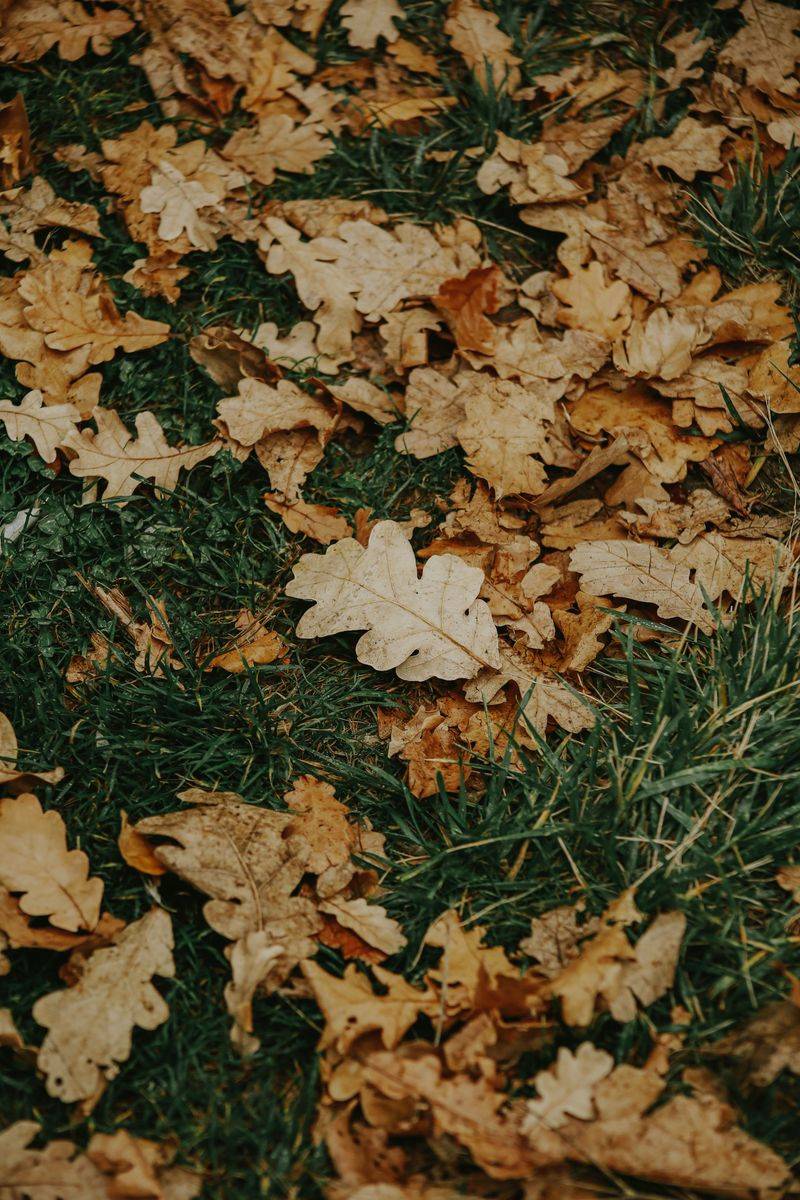
Plenty of folks reach for the word nuisance when their lawn disappears under someone else’s leaves. Indiana law does define it, and the bar is higher than most people expect.
Under Indiana Code 32-30-6-6, a nuisance is something injurious to health, indecent, offensive to the senses, or an obstruction to the free use of property. It has to interfere with the comfortable enjoyment of life or property in a real, meaningful way.
Ordinary seasonal leaf drop usually falls short of that standard. Courts tend to view a few weekends of extra raking as a normal part of living near trees. Mere annoyance, even strong annoyance, is generally not enough.
So what might cross the line? Situations involving real harm are more likely to get attention. Think of piles deliberately dumped to block a drainage path, or debris pushed in a way that causes damage.
Not going to lie, I find this oddly comforting. Nobody has to feel guilty about owning a big, beautiful shade tree that sheds every October.
If you’re unsure whether a situation qualifies, a short consultation with a local attorney beats guessing and starting a feud.
Overhanging Tree Branches Come With Their Own Rules
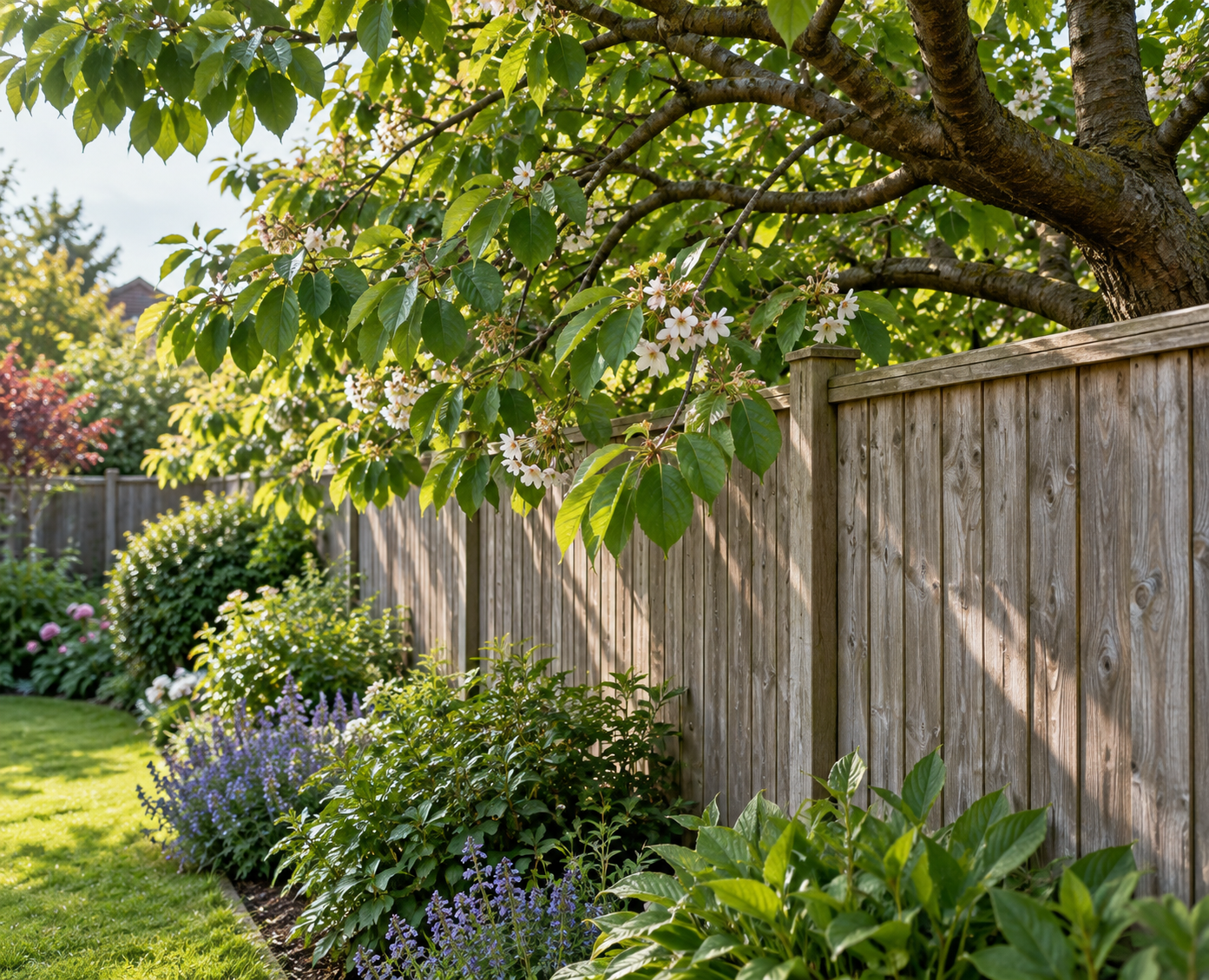
Leaves get all the drama, yet the tree itself often matters more. Branches stretching across a fence line raise questions that go beyond weekend raking.
In Indiana, as in most states, you can generally trim branches that hang over your property, up to the property line. The catch is that you must do it reasonably and avoid harming the tree’s overall health. Hacking off half the canopy or damaging the trunk could make you responsible for the loss.
Good manners help here too. Letting your neighbor know before you trim is a kind gesture, and it keeps surprises to a minimum.
Tree owners carry responsibility as well. If a tree is clearly hazardous, with obvious decay, cracks, or hanging limbs, the owner is expected to take reasonable steps. Ignoring a known risk could lead to liability if a limb crashes onto a car or roof.
I learned the hard way that late fall is a great time to look up. With leaves gone, weak branches and splits are far easier to spot.
Purdue Extension and certified arborists can help assess tree health if something looks off.
Raking Leaves Into the Street Can Cost You
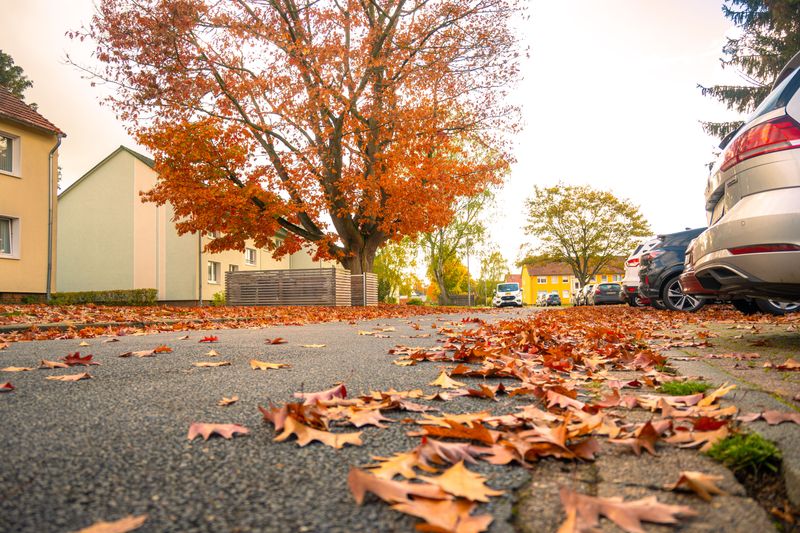
Here’s a twist many homeowners miss. Even when leaves are fully your responsibility, how you get rid of them can still land you in trouble.
Indiana bans yard waste like leaves and grass from landfills, so they shouldn’t go in your regular trash cart. Many cities require them to be bagged in paper yard waste bags or set out for a seasonal pickup program.
Raking leaves into the street is another common mistake. Piles can clog storm drains, cause flooding, and wash nutrients into streams. Some communities only allow curbside piles during scheduled leaf collection, so check your city’s calendar first.
Illegal dumping is treated seriously too. Tossing bags of leaves in a vacant lot or someone else’s property can bring fines, which vary by community.
I’m the first to admit I once pushed a pile toward the curb weeks before pickup started. A friendly city worker set me straight.
Compliant options usually include:
City or town leaf collection programs. Paper yard waste bags for curbside pickup. Local yard waste drop-off or compost sites. Backyard composting or mulching with a mower.
A Friendly Fence-Line Chat Beats a Formal Complaint

Some of the best yard advice has nothing to do with tools. A calm conversation across the fence solves more leaf problems than any letter or lawsuit.
Your neighbor may have no idea their blower is sending leaves your way. People get busy, wear ear protection, and simply don’t notice where the cloud drifts. A gentle heads-up often fixes things fast.
Timing makes a difference. Skip the moment when you’re both sweaty and tired from yard work. Choose a relaxed afternoon instead, and lead with something friendly before bringing up the leaves.
Simple compromises can go a long way:
Agree on which direction to blow leaves near the shared line. Share a cleanup weekend and split the chore. Offer to mulch both yards if you own a mulching mower.
Trust me on this one. A neighbor who feels respected is far more likely to cooperate than one who feels accused.
And if the leaves are drifting from your tree, offering a hand now and then builds a lot of goodwill. Small favors in fall can smooth over bigger issues later, like trimming disputes or fence repairs.
Dated Photos of Blown Leaf Piles Help If Talks Stall
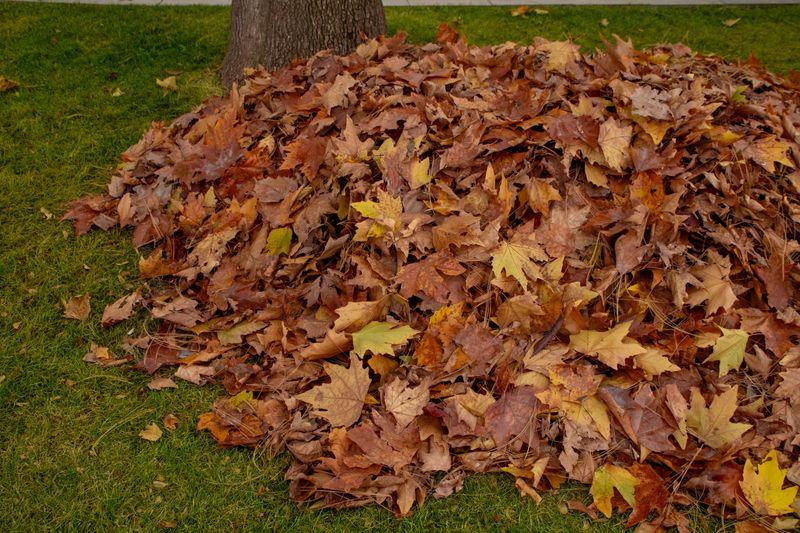
Sometimes kindness doesn’t do the trick. When a neighbor keeps deliberately blowing leaves onto your lawn after you’ve asked nicely, it’s time for a more organized approach.
Start with documentation. Take dated photos or short videos showing leaves being moved across the line and the piles that result. Keep a simple log of dates and what happened.
Next, check the rules that apply to your street. If you live in an HOA, read the covenants on yard maintenance and debris, then contact the board. Outside an HOA, your city or county code enforcement office may handle yard waste complaints.
Mediation is another underrated tool. A neutral third party helps both sides talk it through and reach an agreement, often for little or no cost through community programs.
Legal action stays on the table for intentional dumping, possibly through small claims court. Still, it can be slow, stressful, and expensive, and it rarely makes the fence line friendlier.
I get it, frustration builds. Even so, keeping records calm and factual makes every next step stronger.
Shredded Leaves Can Turn the Whole Fight Into Free Mulch
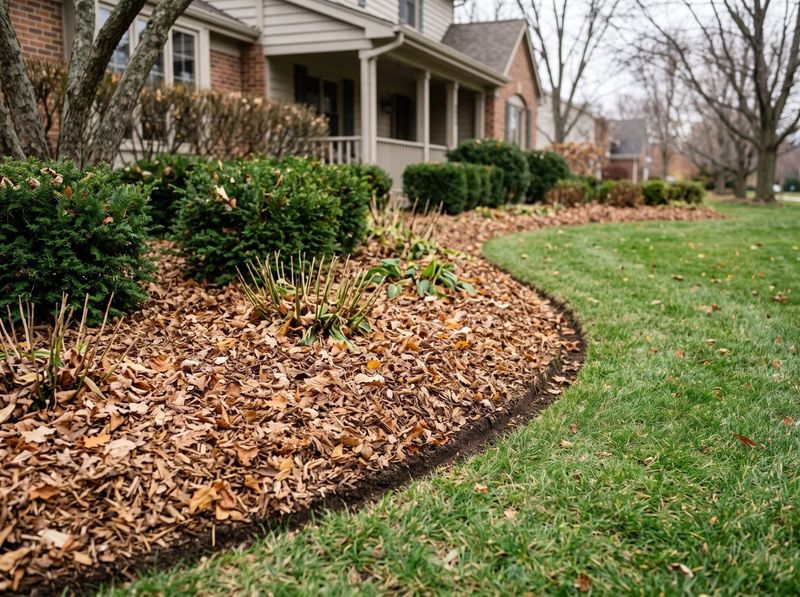
Every fall, I quietly cheer when extra leaves show up. Those crunchy piles are packed with organic matter your yard can use.
Purdue Extension and other university experts note that mowing leaves into small pieces and leaving a light layer on the lawn can feed the soil. The trick is keeping it thin enough that grass blades still peek through. Thick, matted layers can smother turf, so mow often during peak leaf drop.
Extra shredded leaves make excellent mulch for garden beds and around shrubs. They also break down nicely in a compost pile, especially when mixed with green material like grass clippings.
Some leaves are worth leaving in place too. Many insects, including some butterfly and moth caterpillars, overwinter in leaf litter under trees and in beds.
For a longer-term buffer, a fence or a row of native shrubs along the property line can catch blowing leaves. Good native picks for Indiana include American hazelnut, arrowwood viburnum, and ninebark.
Here’s my takeaway. Know the law, talk kindly, and treat those drifting leaves as a resource.