The August Lawn Care Moves Most Indiana Homeowners Miss Every Year
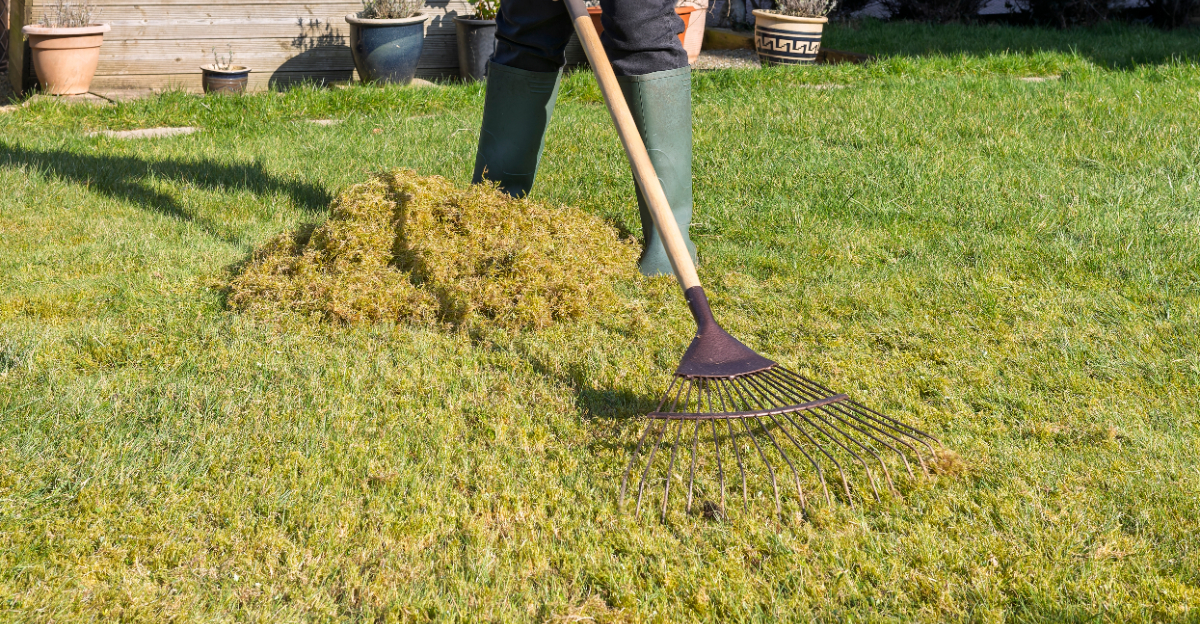
August puts quiet pressure on Indiana yards that most people never notice. The grass looks fine on the surface, but underneath, stress is piling up fast.
Most homeowners just keep mowing on autopilot. They water when it’s convenient, skip a few small tasks, and figure the lawn will bounce back on its own.
That gap between “looks okay” and “actually thriving” is exactly where late-summer damage sneaks in. A few overlooked habits this month can shape how your yard performs clear into fall.
You don’t need to spend a lot of your time or money. Just a shift in timing and attention before October rolls around.
1. Mowing Higher To Protect Grass From Heat Stress
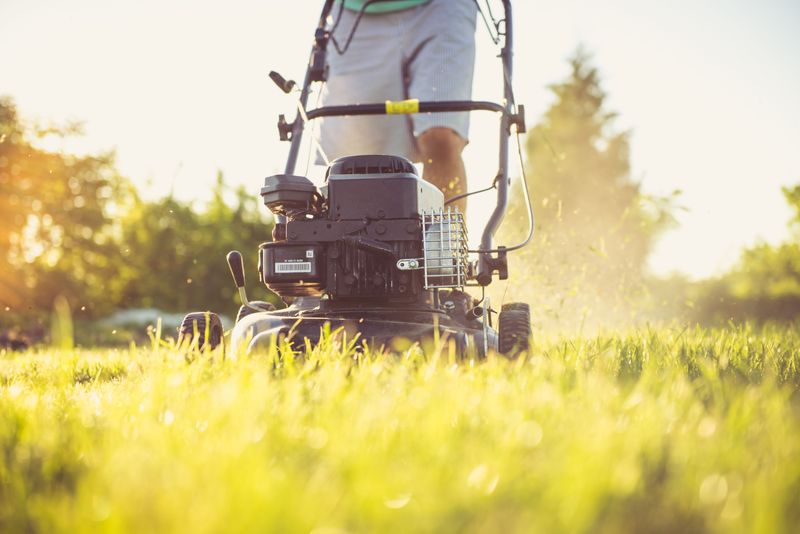
August heat is no joke for grass roots. Most homeowners keep their mower at the same height all season, and that is a costly mistake.
Cutting grass too short in summer exposes the soil to direct sun. That bakes the roots and speeds up moisture loss fast.
Raising your mower deck to about three and a half inches makes a real difference. Taller grass blades shade the soil and keep ground temperatures lower.
Shaded soil holds water longer between watering sessions. That means your grass stays green with less effort on your part.
Cool-season grasses like tall fescue, common in Indiana yards, struggle hard when cut below three inches in August. Warm-season varieties need similar breathing room too.
Think of taller grass as a natural sunscreen for your lawn. It blocks heat before it can damage what is happening below ground.
Skipping this one adjustment leads to thin, patchy turf by September. Homeowners then wonder why overseeding did not take hold the way they hoped.
A simple mower deck adjustment takes about two minutes. The payoff lasts for the rest of the growing season and sets you up for a strong fall recovery.
A mower deck adjustment this simple is easy to overlook, yet it often makes the biggest early difference. Raise the blade, protect the roots, and let your lawn breathe through the toughest weeks of summer.
2. Checking Soil Compaction Before Fall Aeration
Hard ground works against healthy grass in ways most homeowners never notice. Most people walk right over compacted soil without realizing it is cutting off what their lawn needs from below.
Compacted soil blocks water, air, and nutrients from reaching grass roots. The lawn looks tired and thin even when you water and fertilize regularly.
A simple test tells you everything you need to know. Push a screwdriver into the ground. If it goes in easily, your soil is fine. If it takes real effort, compaction is a problem.
August is the ideal time to check because summer foot traffic has had months to pack things down. Kids playing, pets running, and lawn furniture all add up over time.
Knowing your compaction level now helps you plan fall aeration perfectly. Aerating at the right time, usually late August through September in Indiana, gives grass a strong recovery window.
Your Indiana Garden Changes Every Week. Your Plan Should Too.
Gardening in Indiana changes quickly throughout the season. Every Friday you’ll receive a simple weekly plan showing exactly what to plant, prune, fertilize, harvest, and protect so you never miss the right timing.
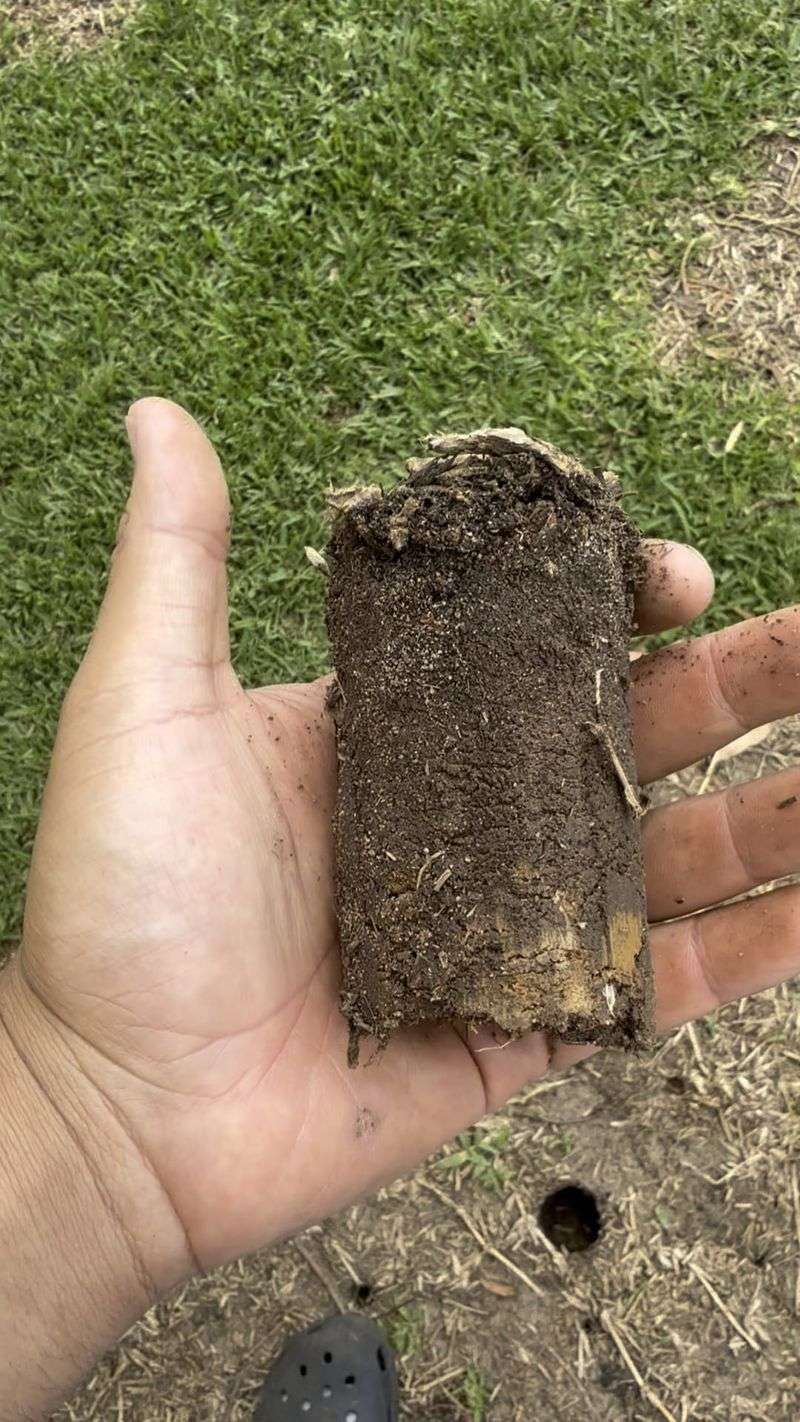
Core aeration pulls small plugs of soil from the ground. Those tiny holes let oxygen, moisture, and fertilizer sink in where they are needed most.
Skipping this check means you might aerate too late or skip it entirely. Either choice sets your lawn back heading into the cooler months.
This soil check is one homeowners skip constantly, and it costs them come fall. Take five minutes in your yard this week and push that screwdriver into the ground. What you find might surprise you and change your entire fall lawn plan.
3. Watching For White Grub Damage Underground
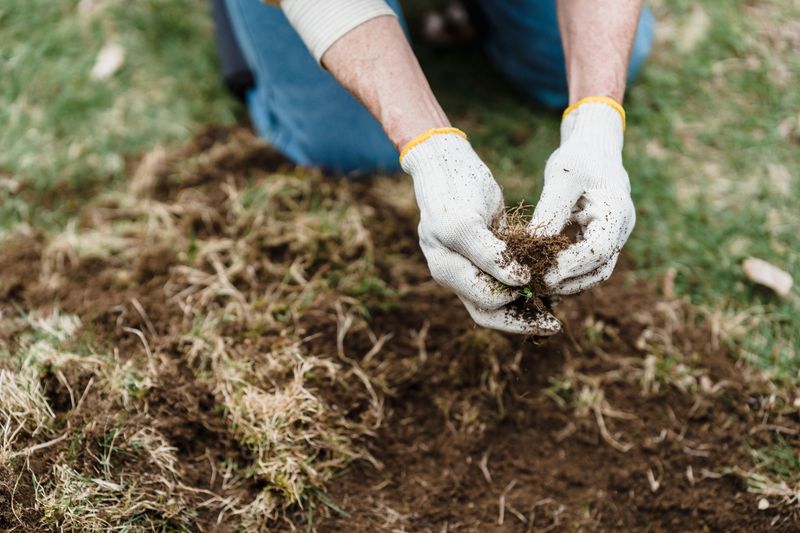
Pull back a patch of brown grass and you might find something unsettling. White grubs, the larvae of Japanese beetles and masked chafers, are common in Indiana lawns every August.
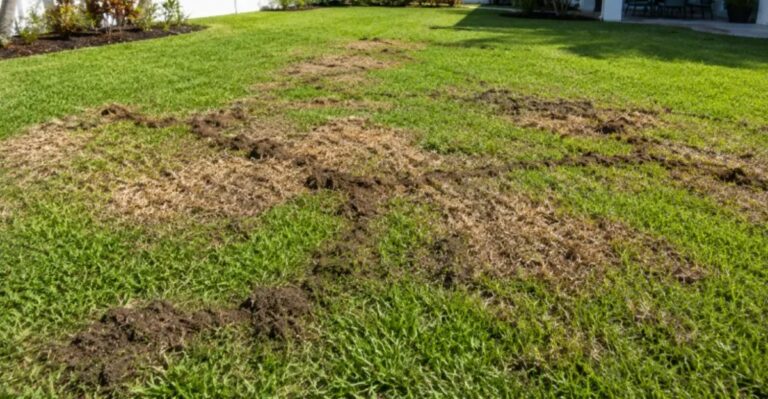
These small, C-shaped larvae feed on grass roots just below the soil surface. The damage looks like drought stress at first, which is why so many homeowners miss it entirely.
A simple tug test helps you spot the difference fast. Grab a section of brown grass and pull gently. If it peels back like loose carpet, grubs have eaten the roots underneath.
August is when grub populations are young and close to the surface. That makes this month the best window to treat before they burrow deeper in fall.
Products containing imidacloprid or trichlorfon work well when applied correctly and watered in right after. Always follow label instructions carefully for best results and safety.
Grub damage that goes untreated through August becomes a much bigger problem by October. Bare patches grow larger, and raccoons or skunks may dig up your yard searching for a meal.
Checking for grubs costs you nothing but a few minutes and a small section of turf. The peace of mind you gain is worth every second of the effort.
Catching this problem early is the kind of small habit that saves an entire lawn. A quick inspection now could save your entire lawn from a slow, invisible takeover happening just inches below your feet.
4. Stopping Weed Sprays Before Fall Overseeding
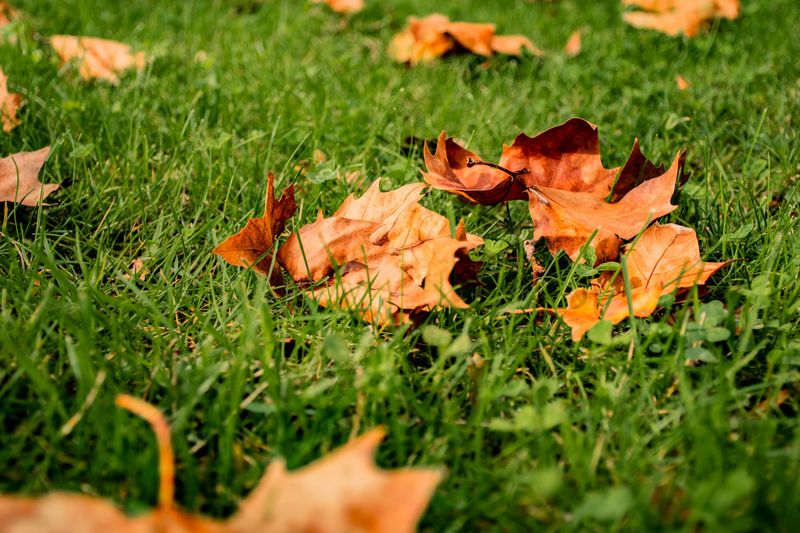
Weed sprays and grass seed are a terrible combination. Most homeowners spray for weeds in late summer, then wonder why their overseeding effort totally fails a few weeks later.
Herbicides, especially pre-emergent and post-emergent types, linger in the soil long after you spray. They do not know the difference between a weed seedling and a new grass seedling.
Many weed control products require a waiting period of six to eight weeks before seeding. Spraying in mid-August and seeding in mid-September puts you right inside that danger zone.
Read the label on every product you plan to use this summer. The waiting period is always listed, and following it is the difference between a thick lawn and a bare one.
If weeds are a serious problem, consider spot-treating specific areas instead of a full lawn spray. Targeted application gives you more control over where and when you seed afterward.
Some homeowners choose to skip chemical weed control entirely in August and pull weeds by hand. It takes more effort, but it keeps your seeding schedule wide open and flexible.
Timing is everything when it comes to fall lawn renovation. Missing this detail can set your entire overseeding project back by a full growing season.
Of all the seasonal missteps, this timing mistake stings the most. You invest in quality seed, spend a weekend spreading it, and then watch nothing grow because the soil chemistry was still working against you.
5. Watering Deeply Instead Of On A Daily Schedule

Daily watering feels responsible, but it actually trains your grass to be weak. Short, frequent watering keeps roots shallow because moisture never sinks deep enough to matter.
Deep, infrequent watering forces roots to reach downward in search of moisture. Deeper roots mean stronger grass that handles heat and drought far better through August.
Most Indiana lawns need about one inch of water per week in summer. That can come from rain or from a single long watering session that soaks six inches into the soil.
A simple trick helps you measure what you are giving your lawn. Place a tuna can or shallow dish in the yard while running your sprinkler. When it fills to one inch, you are done.
Watering early in the morning is the smart call in August. It gives grass time to absorb moisture before afternoon heat pulls it back out of the ground.
Evening watering leaves the lawn wet overnight, which invites fungal issues like lawn rust and brown patch. Both problems become serious headaches that are hard to reverse mid-season.
Cutting back to two deep waterings per week instead of daily light sprinkles changes everything. Grass grows tougher, roots go deeper, and your water bill often drops at the same time.
Daily watering feels like the caring choice, which is exactly why so many people get it wrong. Trusting less frequent but deeper sessions takes confidence, and the results prove it is worth it.
6. Spotting Early Signs Of Lawn Rust Disease
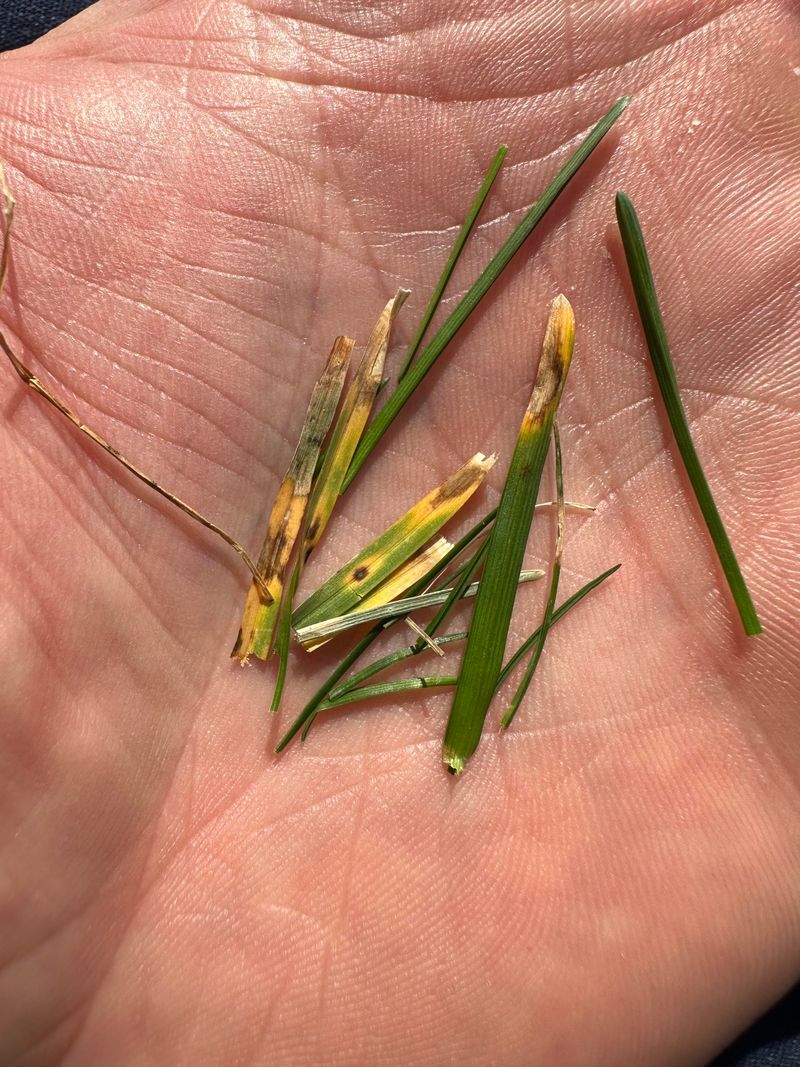
Your shoes turning orange after a walk across the yard is not a fashion problem. That orange powder is lawn rust, a fungal disease that thrives in warm, humid August conditions.
Lawn rust appears as yellow or orange pustules on individual grass blades. It spreads quickly when nights are warm, mornings are dewy, and grass stays wet for long stretches.
The fungus weakens grass by blocking photosynthesis, the process plants use to make energy from sunlight. Affected turf looks faded, thin, and stressed even when watering seems adequate.
Tall fescue and ryegrass are the most common targets in Indiana yards. Shaded areas and low-traffic spots tend to show symptoms first because airflow is limited there.
Improving air circulation by trimming nearby shrubs and trees can slow the spread. Avoiding evening watering also removes the moisture that rust needs to establish and grow.
Nitrogen fertilizer applied at the right rate helps grass outgrow mild rust infections on its own. Too much nitrogen, though, pushes lush soft growth that actually makes the problem worse.
Fungicide treatments are available for severe cases and work best when applied at the first sign of trouble. Waiting until the lawn looks fully orange means you are already playing catch-up.
Spotting rust early gets missed constantly because it looks so much like drought stress. Check your grass blades up close and act before the orange takes over your entire yard.
7. Planning Overseeding Timing For Your Region
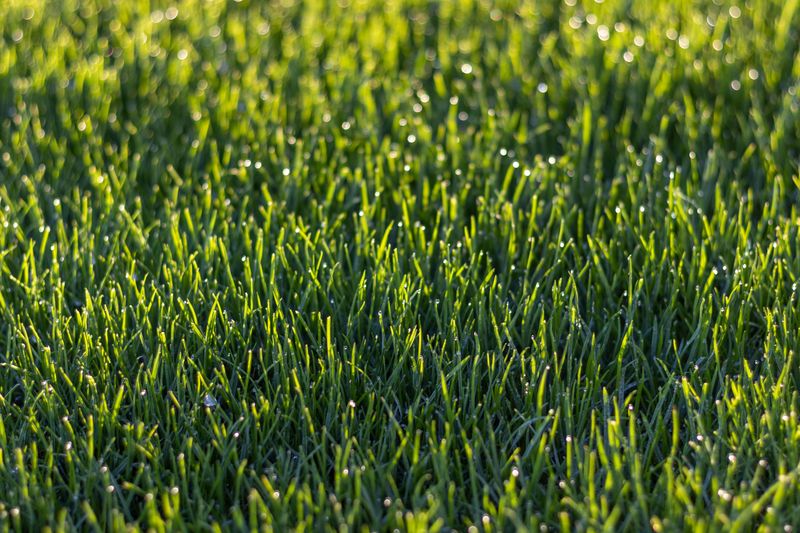
Most Indiana homeowners think overseeding is a fall job, and they are right, but the timing window is tighter than most people realize. Miss it by even two weeks and germination suffers badly.
The ideal overseeding window for northern Indiana falls between late August and mid-September. Southern parts of the state can push a bit later, but not by much before soil temps drop.
Grass seed needs soil temperatures between 50 and 65 degrees Fahrenheit to germinate well. By October, many Indiana soils have already cooled past that range, making late seeding a gamble.
Tall fescue is the most popular choice for Indiana lawns because it handles both heat and cold reasonably well. Kentucky bluegrass blends also perform well when seeded at the right moment.
Preparing the seedbed matters as much as the timing itself. Rake out dry grass, loosen the top quarter inch of soil, and make sure seed makes contact with bare ground to sprout.
Starter fertilizer applied at seeding time gives new seedlings the phosphorus boost they need. Skip it and germination rates often drop noticeably, especially in thin or depleted soils.
Keep newly seeded areas moist but not waterlogged for the first two to three weeks. Light, frequent watering is actually the right call during germination, even though it contradicts established lawn advice.
Overseeding timing slips past homeowners by just a few critical days, and that gap changes everything. Get the calendar right, and thick grass is your reward all spring.
8. Clearing Debris To Help Grass Breathe
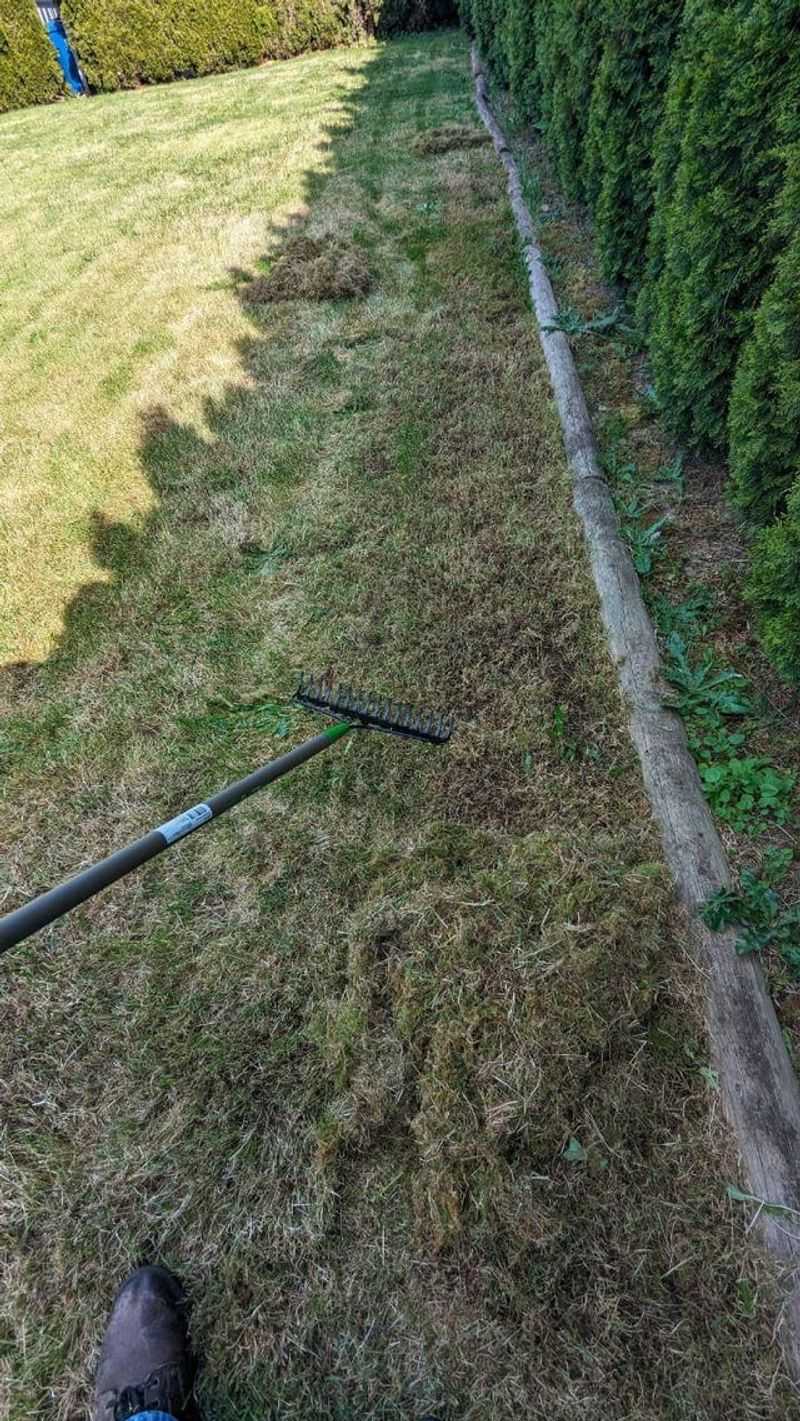
Leaves, twigs, and grass clippings that pile up in August do more harm than most homeowners expect. That layer of debris blocks sunlight and traps moisture against the grass surface below.
Blocked sunlight slows photosynthesis and weakens turf heading into the critical fall recovery period. Trapped moisture creates the perfect breeding ground for fungal diseases that are tough to reverse.
Summer storms drop branches and leaves regularly across Indiana yards in August. Letting that material sit for even a week can create bare spots that take months to fill back in.
A simple pass with a leaf rake or a blower once a week keeps debris from accumulating. It takes less than twenty minutes for most average-sized yards and pays off in visible lawn health.
Thatch, the layer of dry organic material between grass blades and soil, also builds up fast in August. A thin thatch layer is fine, but anything over half an inch blocks water and air movement.
A thatch rake or dethatching blade attachment on a mower helps you manage buildup before aeration season. Removing it now means aeration cores penetrate the soil more effectively in September.
Grass needs to breathe, absorb light, and move air through the canopy to stay strong. Piling debris on top of it is like putting a blanket over a plant and expecting it to thrive.
Clearing debris is the simplest fix on this list, and also the easiest one to forget. A clean lawn surface going into fall gives your grass the best possible foundation for a strong comeback.