10 Lesser-Known Facts About Organic Lawns In Vermont
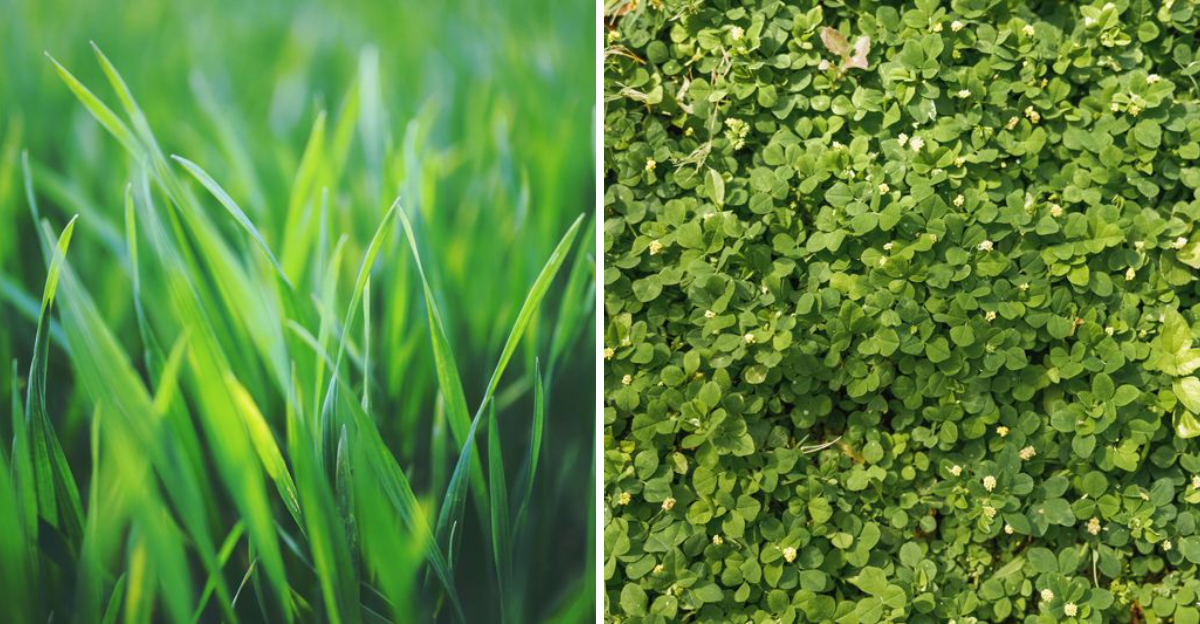
Vermont soil holds secrets most homeowners never think to ask about. A backyard in the Northeast Kingdom behaves nothing like a lawn in Chittenden County, and the difference shows up in every blade of grass you grow.
Clover isn’t a weed here, it’s a nitrogen factory working beneath your feet. Frost heaves crack the soil in ways that reshape roots before spring arrives. State law even shapes what you can spray near a shared property line.
A farmhouse newcomer in Addison County faces different challenges than someone mowing the same patch since the Reagan years. Maple litter, granite-heavy soil, short seasons, a puzzle unique to this state.
Organic lawn care in Vermont rewards patience, curiosity, and a willingness to work with the land instead of against it.
1. Clover Fixes Nitrogen And Reduces Fertilizer Needs
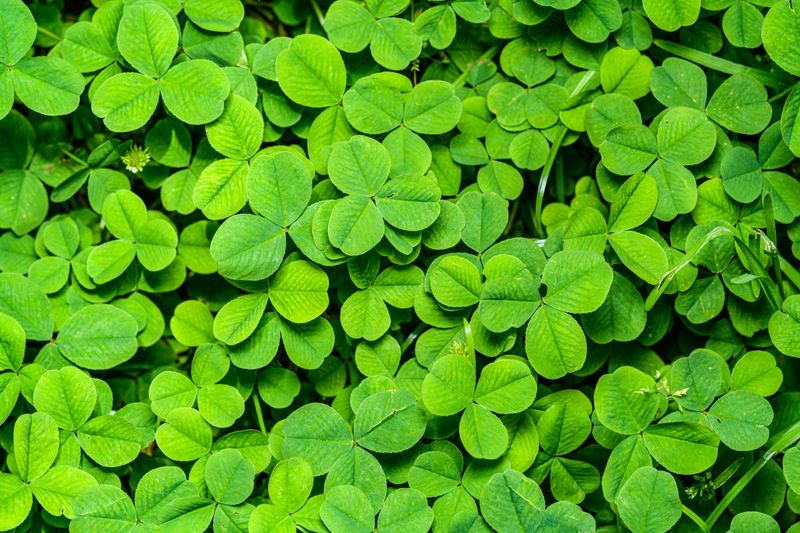
Most people yank clover out like it is a weed, but that is a costly mistake. Clover is actually one of the hardest-working plants you can have in an organic lawn.
White clover pulls nitrogen right out of the air and deposits it into the soil. That free nitrogen feeds your grass without a single bag of fertilizer.
Lawns with clover mixed in tend to look greener and fuller than grass-only yards. The clover acts like a slow-release feeding system working underground all season long.
Homeowners who embrace clover often spend noticeably less on fertilizer over a season. That is money back in your pocket while your lawn stays lush and healthy.
Clover also attracts pollinators, which benefits every garden nearby. Letting it grow is one of the smartest moves an organic lawn owner can make.
If you are managing organic lawns in Vermont, clover is your best low-cost partner. Stop fighting it and start letting it work for you.
2. Red Clover Is Vermont’s Official State Flower
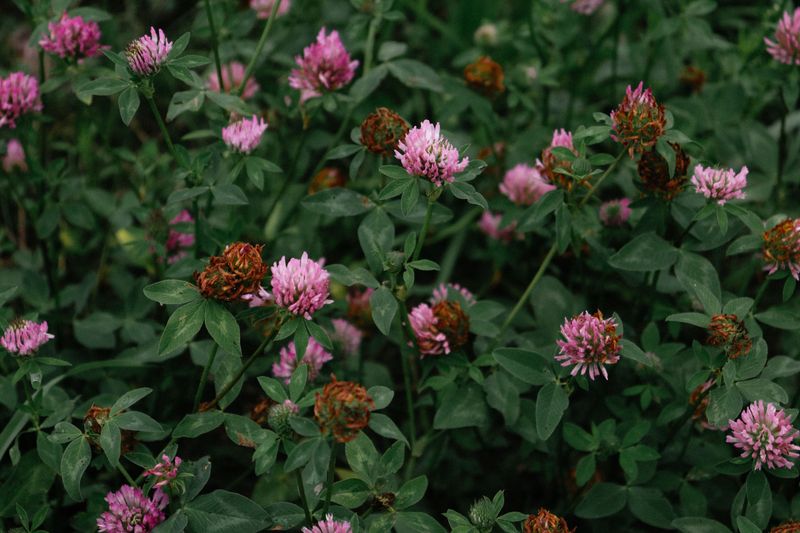
Here is something most Vermonters do not know about their own backyard. Red clover has been the official state flower since 1894.
That makes it more than just a lawn plant. It is a symbol of Vermont’s farming heritage and its deep connection to the land.
Red clover was chosen because it supported the dairy industry by enriching pasture soil. Farmers depended on it long before synthetic fertilizers were invented.
Today, red clover still earns its place in organic lawn mixes across the region. It improves soil structure and adds beauty with those rich, rosy blooms.
Bees absolutely love red clover, which makes your yard part of a bigger ecological story. A patch of red clover is practically a pollinator buffet from June through August.
Growing it in your lawn connects you to generations of Vermont stewardship. It is history you can literally walk on barefoot.
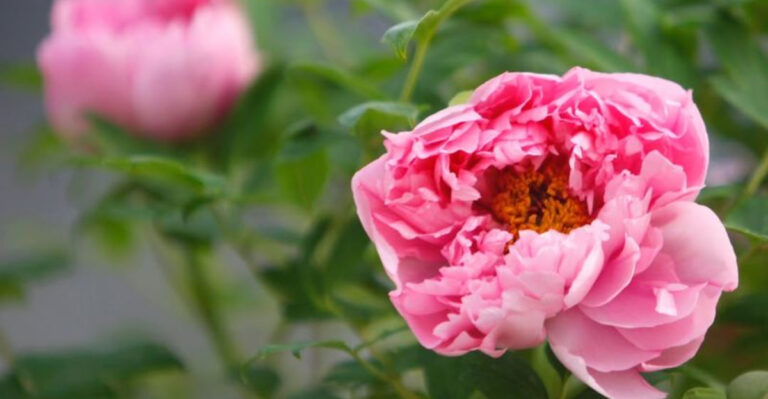
Knowing this fact changes how you see that pink cluster poking up near the fence. That is not a weed. That is a Vermont icon with deep roots in organic lawn care history.
3. Neonicotinoid Lawn Products Are Restricted Statewide
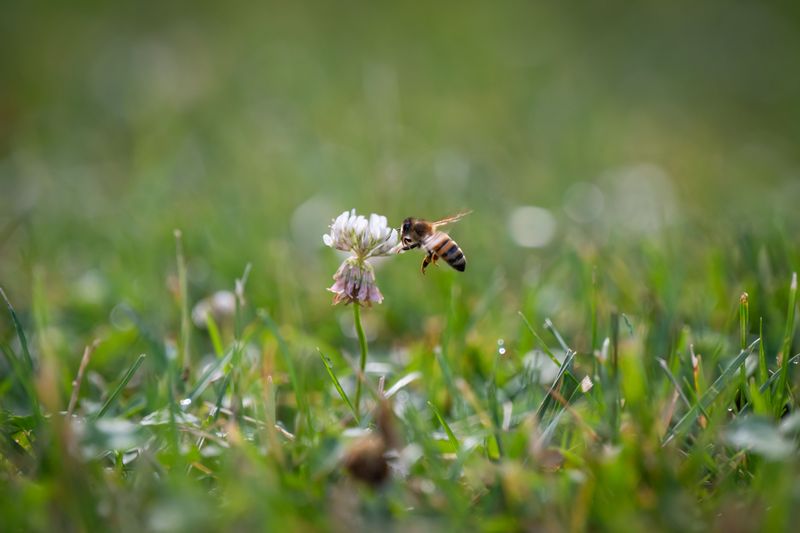
Vermont took a bold step when it restricted neonicotinoid pesticides for general lawn use. These chemicals were linked to serious harm in bee populations across the country.
Since 2025, Vermont law has limited who can apply neonicotinoids and where. Homeowners using certified organic lawn care methods benefit directly from this protection.
Neonicotinoids are absorbed into plant tissue and stay active for a long time. That means bees picking up pollen were getting dosed without anyone realizing it.
Vermont’s restriction followed similar action in New York, making it one of only a handful of states to take this step so far. It signaled that the state takes pollinator health seriously at a legislative level.
For organic lawn owners, this law backs up what you are already doing naturally. Your pesticide-free yard is now part of a statewide effort to protect the ecosystem.
Checking product labels before buying anything for your lawn is still essential. Some restricted chemicals appear under technical names that sound harmless on the packaging.
Staying informed protects your lawn, your family, and the bees your neighbors depend on. Knowledge is the most powerful organic tool you own when it comes to lawn care in Vermont.
4. Fall Fertilizing Matters More Than Spring Feeding
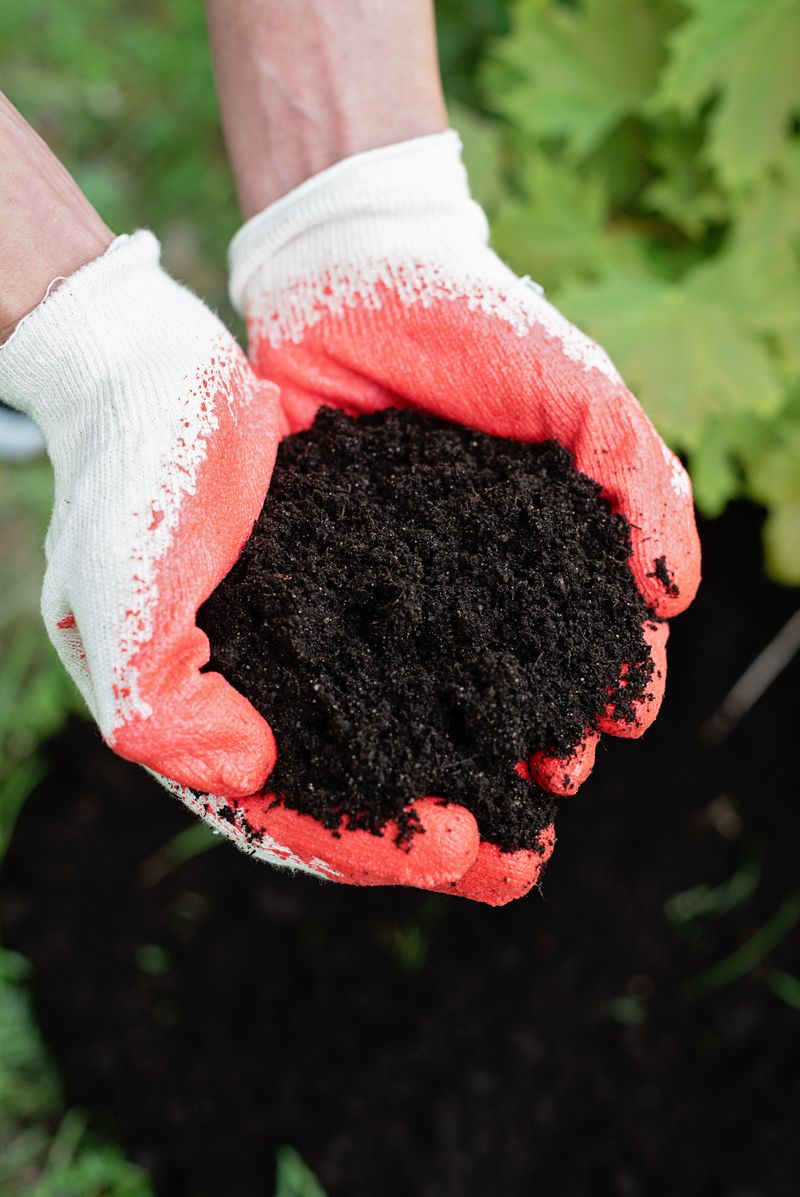
Spring gets all the glory, but fall is when your lawn actually does its most important growing. Grass roots push deep during cooler September and October temperatures.
Feeding your lawn in the fall gives those roots the fuel they need for winter survival. An organic compost top-dressing applied in September can transform how your grass looks next May.
Most homeowners skip fall feeding because the grass looks like it is slowing down. That is exactly the wrong instinct, because underground activity peaks when air temperatures drop.
Organic fertilizers like compost and bone meal release nutrients slowly through the soil. That slow release perfectly matches the pace of fall root development in cooler climates.
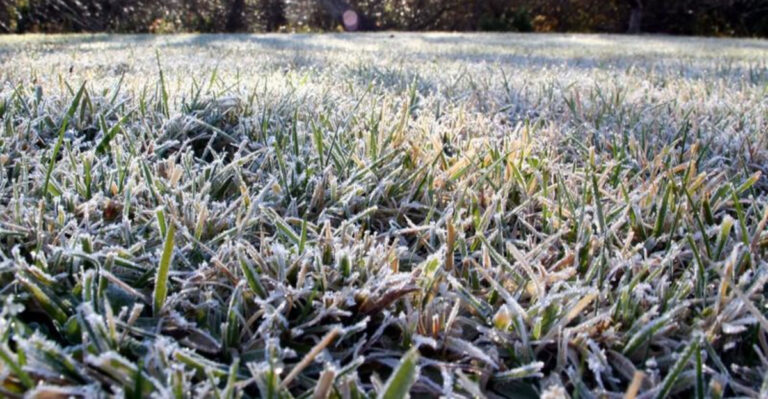
Lawns in Vermont face brutal freeze-thaw cycles that stress grass from November through March. A well-fed lawn going into winter is far more likely to bounce back clean in spring.
Skipping fall fertilization often leads to thin, patchy grass the following June. You end up spending twice as much time and money trying to fix what one fall feeding could have prevented.
Think of fall fertilizing as tucking your lawn in for a long, cold night. Organic lawns in Vermont that get this treatment consistently outperform those that do not.
5. Taller Grass Blades Build Deeper, Hardier Roots
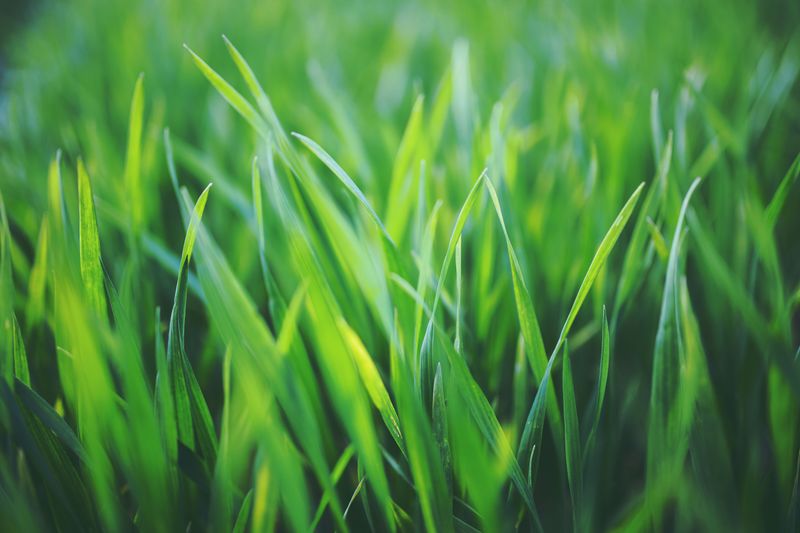
Cutting your grass short feels satisfying in the moment, but it is actually working against you. Taller blades produce more energy through photosynthesis, and that energy goes straight to root growth.
Most turf experts recommend keeping grass at three to four inches in northern climates. That height shades the soil, slows evaporation, and crowds out weeds naturally.
Scalping your lawn is one of the fastest ways to invite crabgrass and other opportunists in. Bare, stressed soil is an open invitation for anything that is not the grass you want.
Organic lawns rely on biology rather than chemistry to stay healthy. Longer grass supports the microbial activity in soil that breaks down organic matter and feeds roots.
A common myth says short grass looks more manicured and professional. In reality, a dense lawn cut at a proper height looks far more impressive than a buzzed, struggling yard.
Mowing less frequently also reduces soil compaction from heavy equipment rolling over the same path. Lighter foot traffic on healthier grass leads to a lawn that practically manages itself.
Raise your mower deck one notch higher this season and watch what happens. Deeper roots mean a stronger, more drought-resilient lawn that handles Vermont’s wild weather with ease.
6. Leaves Left On The Lawn Can Block Grass Growth
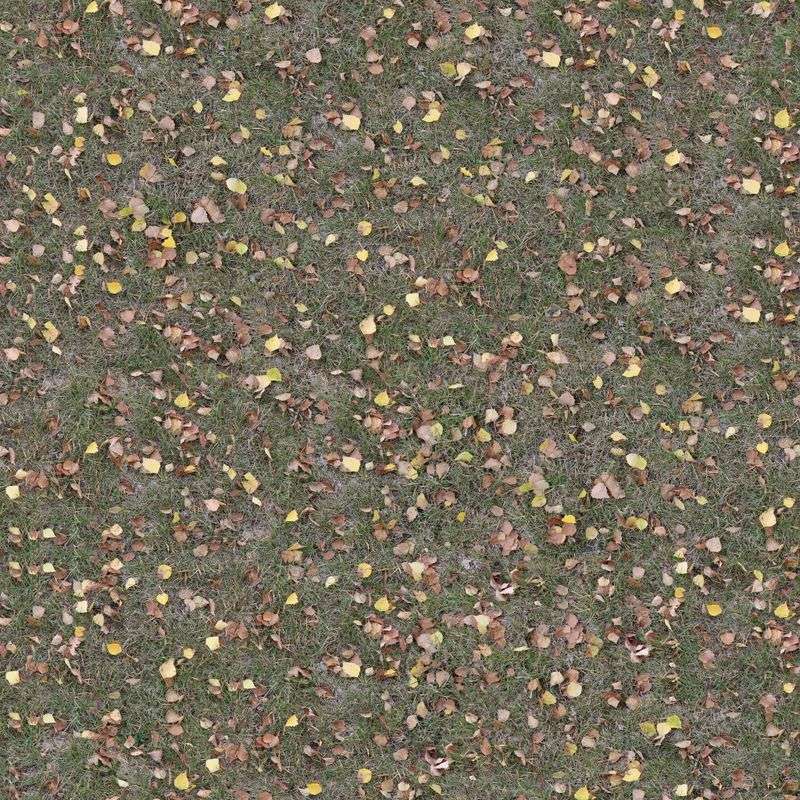
Vermont autumns are jaw-droppingly beautiful, but all those falling leaves come with a hidden cost. A thick mat of wet leaves left on your lawn can block sunlight and weaken the grass growing beneath it.
Decomposing leaves create a dense, airless layer that traps moisture and breeds fungal disease. Grass underneath can go from green to brown in just a few weeks under heavy leaf cover.
The fix is not complicated, but it does require consistency throughout the season. Mulching leaves with a mower is one of the best organic strategies available to homeowners.
Mulched leaf fragments break down quickly and add organic matter back to the soil. That improves soil texture and feeds the microbes your grass depends on all winter long.
Raking is still a solid option if your tree coverage is heavy. Moving leaves to a compost pile keeps your lawn clear and gives you rich material for spring garden beds.
Letting a thin layer of mulched leaves stay on the lawn is actually beneficial. Problems only start when leaves pile up thick enough to block light and trap moisture for extended periods.
Pay attention to your lawn through November and manage the buildup weekly. Staying ahead of leaf accumulation is a small effort that pays off enormously by the time spring arrives.
7. Overseeding Works Best Weeks Before First Frost
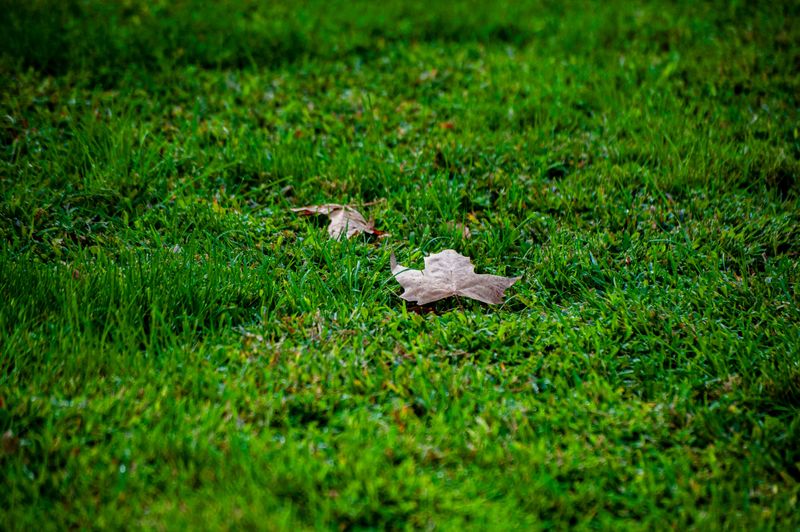
Timing is everything when it comes to overseeding a lawn in the Northeast. Seed needs enough time to germinate and establish before cold temperatures shut everything down.
The sweet spot in Vermont is typically mid-August through mid-September. Soil is still warm from summer, but air temperatures have cooled enough to reduce stress on new seedlings.
Seeding too late means the grass sprouts but never develops a strong enough root system. Those fragile seedlings usually do not survive their first hard freeze.
Organic overseeding pairs well with a light compost top-dressing applied right after spreading seed. The compost holds moisture, regulates soil temperature, and feeds the emerging grass without any synthetic inputs.
Choosing the right seed variety matters just as much as timing. Fescues and ryegrasses tend to perform best in Vermont’s climate due to their cold tolerance and shade adaptability.
Watering lightly twice a day for the first two weeks keeps the seed zone consistently moist. Once seedlings reach about two inches, you can back off and let nature handle most of the work.
A well-timed overseeding session can transform a thin, struggling lawn into a thick carpet by the following spring. Organic lawns in Vermont thrive when overseeding becomes an annual fall ritual.
8. Clover Stays Green Through Dry Summer Stretches
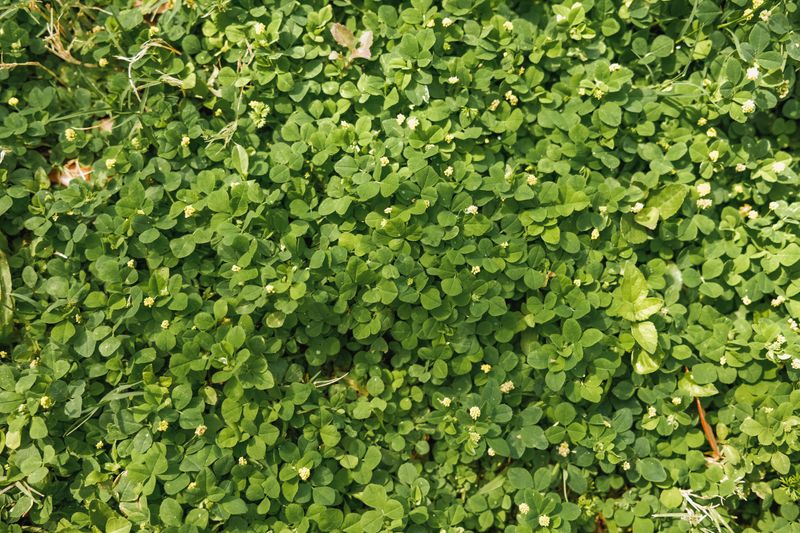
When a dry July hits and your neighbor’s lawn turns crunchy and brown, your clover patches will still look remarkably fresh. Clover has a deep taproot system that pulls moisture from lower soil layers.
Grass roots are shallow by comparison, which is why they suffer first during drought conditions. Clover simply reaches deeper and keeps on going when the top few inches of soil dry out.
That resilience makes clover a strategic asset in any organic lawn during New England summers. You are essentially building in drought insurance by allowing clover to spread naturally.
Some homeowners intentionally overseed with micro-clover, a smaller-leafed variety that blends seamlessly with turf grass. It looks tidy, stays low, and keeps the lawn green without irrigation during dry spells.
Water restrictions occasionally affect Vermont towns during hot, dry summers. A clover-rich lawn keeps its color during those periods when watering may not be allowed.
Beyond drought tolerance, clover also recovers quickly after foot traffic and play. Families with kids or pets find that clover patches bounce back faster than pure grass sections do.
Choosing to include clover is one of the most practical decisions an organic lawn owner can make. It handles summer stress so your lawn stays presentable without extra watering or effort.
9. Commercial Pesticide Use Requires Public Notification
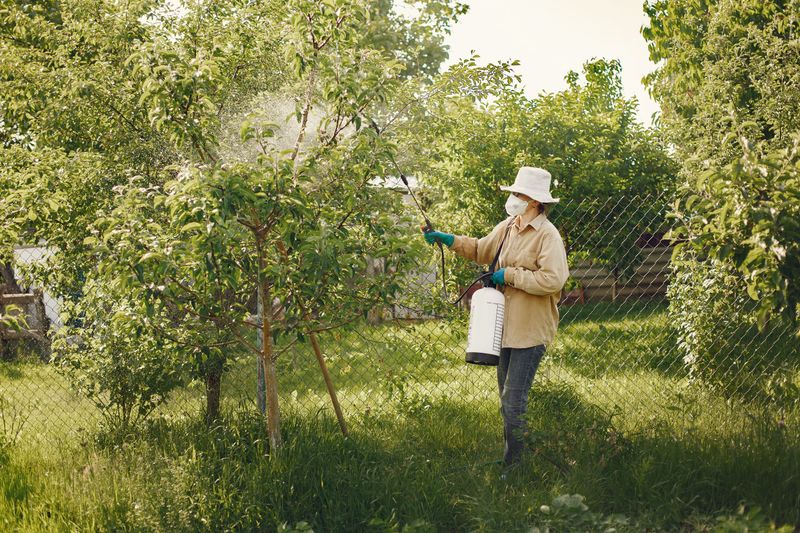
If a lawn care company applies pesticides to your property or a neighboring one, Vermont law requires public notification. This rule was designed to protect people with health sensitivities, children, and pets.
Businesses must post visible signs on treated properties for a specific period after application. Those signs must include the product name and the date of treatment.
Organic lawn care sidesteps this requirement entirely because no restricted chemicals are being used. That is one less legal obligation and one less worry for homeowners who go the natural route.
This law also gives neighbors the right to know what is being sprayed near their homes. It creates a layer of community transparency that benefits everyone on the block.
Some homeowners are not aware this notification system even exists. Knowing about it helps you ask the right questions when hiring any lawn service in your area.
If you manage your own organic lawn, you are already operating well outside the boundaries that trigger these rules. Your approach protects your household without requiring any paperwork or posted warnings.
Understanding local regulations makes you a more informed and empowered homeowner. Organic lawns in Vermont align naturally with laws designed to protect public health and environmental well-being.
10. Grass Clippings Recycle Nutrients Back Into Soil
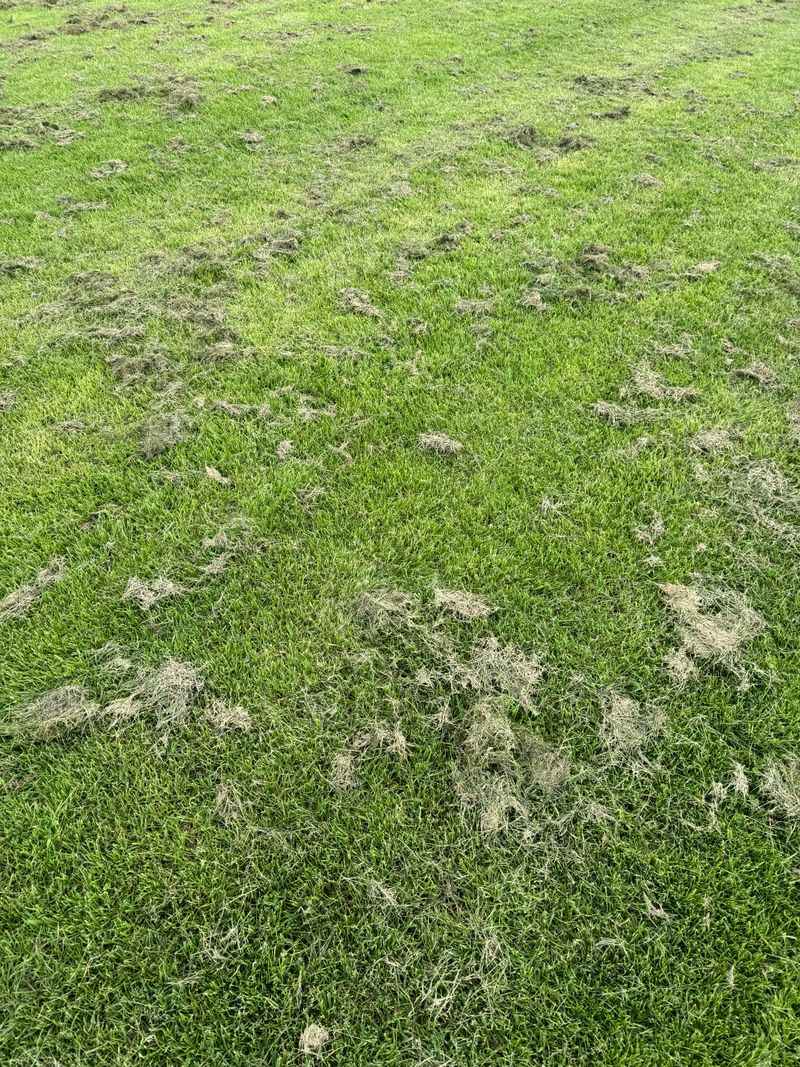
Bagging your clippings feels tidy, but you are actually hauling away free fertilizer every single time. Grass clippings contain nitrogen, potassium, and phosphorus that your lawn can reabsorb on its own.
Leaving clippings on the lawn after mowing is called grasscycling, and it is a cornerstone of organic lawn care. The clippings break down within a week and feed the soil microbes working below the surface.
A common concern is that clippings cause thatch buildup, but that is largely a myth. Thatch is made of roots and stems, not the soft, fast-decomposing leaf blades you mow off.
Grasscycling can reduce your annual fertilizer needs by up to 25 percent, according to turf research. That savings adds up fast over a full growing season, especially on larger properties.
The key is mowing frequently enough that you are only removing the top third of the blade. Clippings from that light trim break down quickly and disappear into the turf within days.
Letting clippings pile up from infrequent mowing is where problems start. Thick clumps can block sunlight and create soggy spots that attract disease, so regular mowing keeps everything balanced.
Organic lawns in Vermont thrive when every resource is kept in the loop. Grasscycling is the simplest, most effortless nutrient recycling system your lawn will ever have.