Check For This Problem Before Pulling Out Your Coneflowers
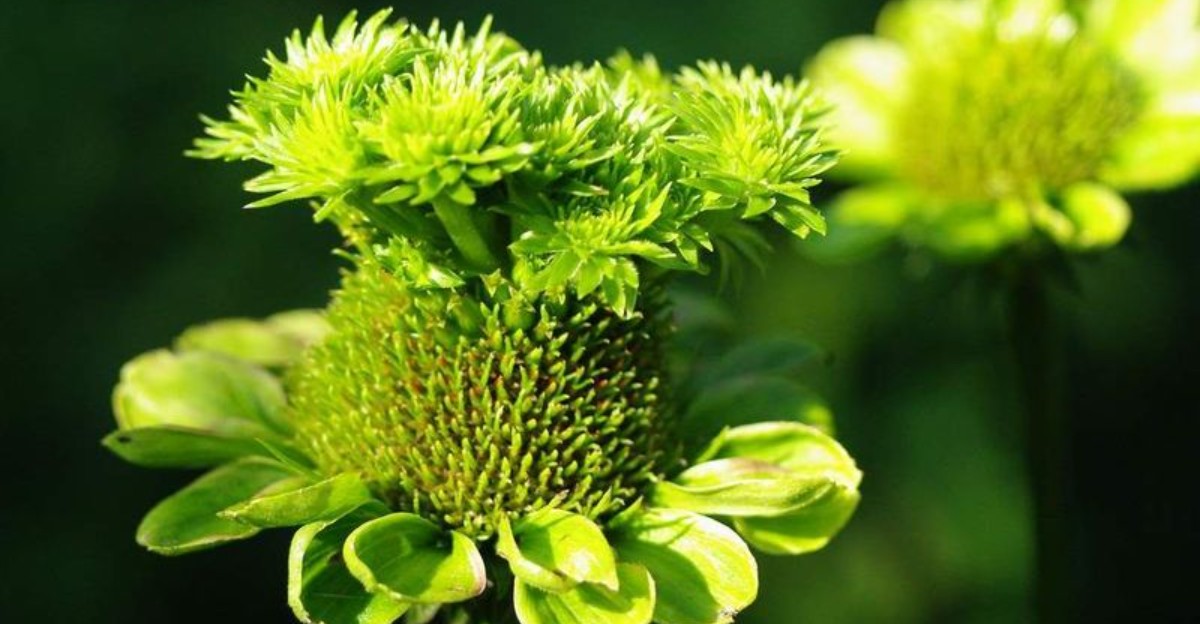
Your coneflowers look wrong this September, and you notice it fast. Petals twist oddly where blooms should stay round and calm. Green tufts push through centers like something refused to stop growing.
Small flowers stack on larger blooms, defying how coneflowers behave. Gardeners notice this pattern spread through your garden beds more than expected. Blame lands on soil, water, drainage, or fertilizer, but that misses the truth.
Something else drives this strange shape shift entirely. A specific cause explains why certain beds show this more than others. Curiosity pulls you closer, though instinct says just pull the whole plant out instead.
Patience matters more than panic when petals warp like this. Answers exist, and they can change how you treat your garden bed.
Understanding this shift protects blooms you have not planted yet. Waiting costs little, but guessing wrong costs seasons of color. This answer forces you to look closer right now.
Green Tufts Sprouting From Flower Centers
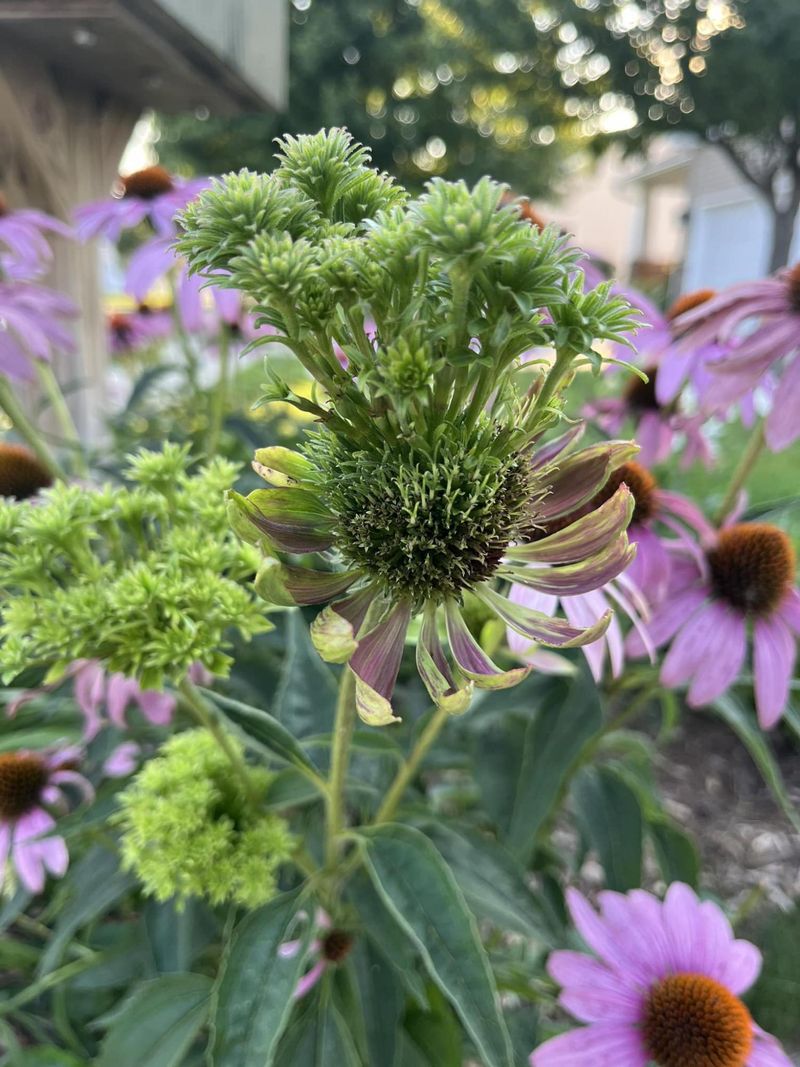
Picture a coneflower going about its business, then suddenly sprouting a leafy green mohawk right out of its spiky center. That odd tuft is the classic calling card of aster yellows.
Aster yellows is not a fungus and not an insect. It comes from a tiny bacteria-like organism called a phytoplasma that lives inside a plant’s sap-carrying tissue.
Once inside, it scrambles the plant’s instructions. Parts that should become petals get told to become leaves instead, and the result looks like unexpected leafy growth sprouting from the bloom’s center.
Gardeners often assume the plant is stressed or thirsty. Extra water and fertilizer will not smooth out those green tufts, because the confusion is happening at the cellular level.
September is prime spotting season. Blooms that opened in July have had weeks to show their strange side, so the symptoms are usually obvious by now.
Take a slow walk with a cup of coffee and look straight down into each cone. Healthy cones look bristly and uniform, with an orange or copper crown of tiny florets.
An affected cone looks lumpy, green, and a bit chaotic, almost like it forgot which part it was supposed to be. Sometimes only one stem on a clump shows it while the rest look fine.
Mark those stems with a bit of ribbon or a plant tag. You will want to know exactly which ones to deal with before the weather turns cold.
Petals That Turn Pale, Puckered, Or Strangely Small
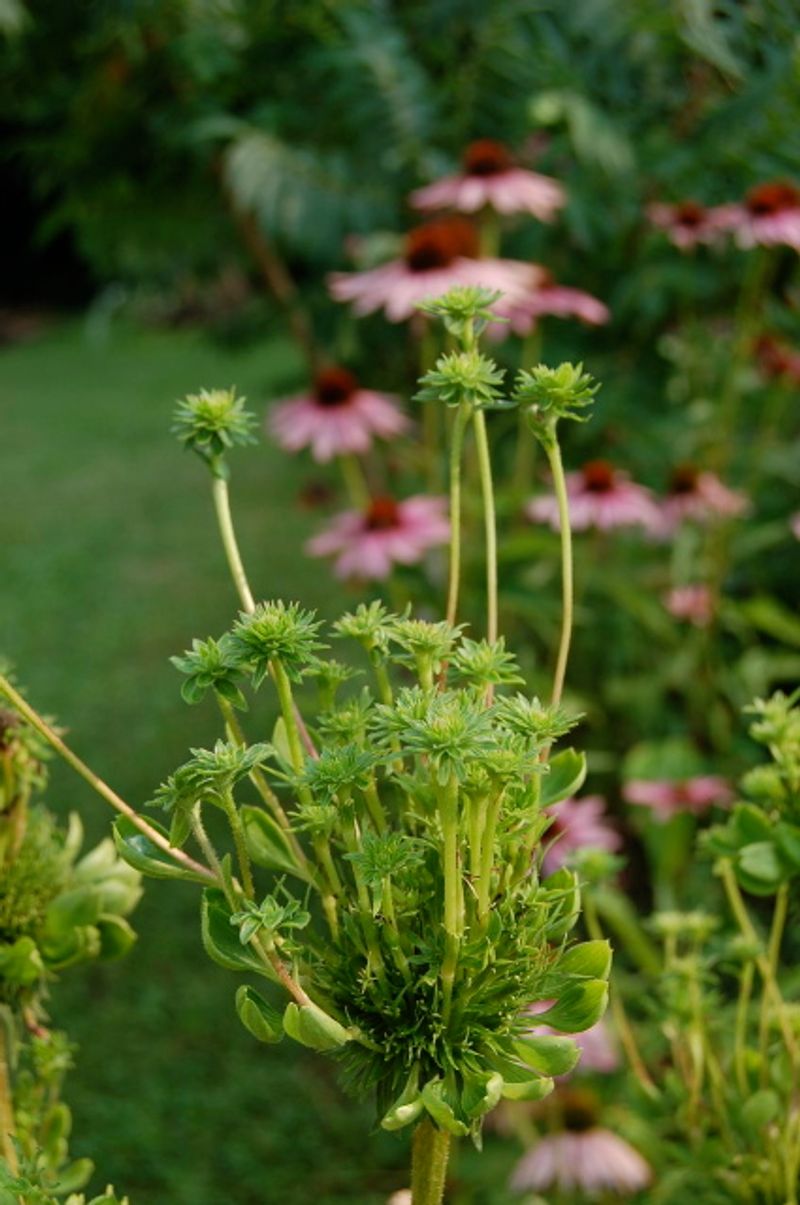
Color tells a story, and coneflower petals are usually honest storytellers. When a normally rosy bloom fades to a washed-out green or a dull straw shade, something deeper is going on.
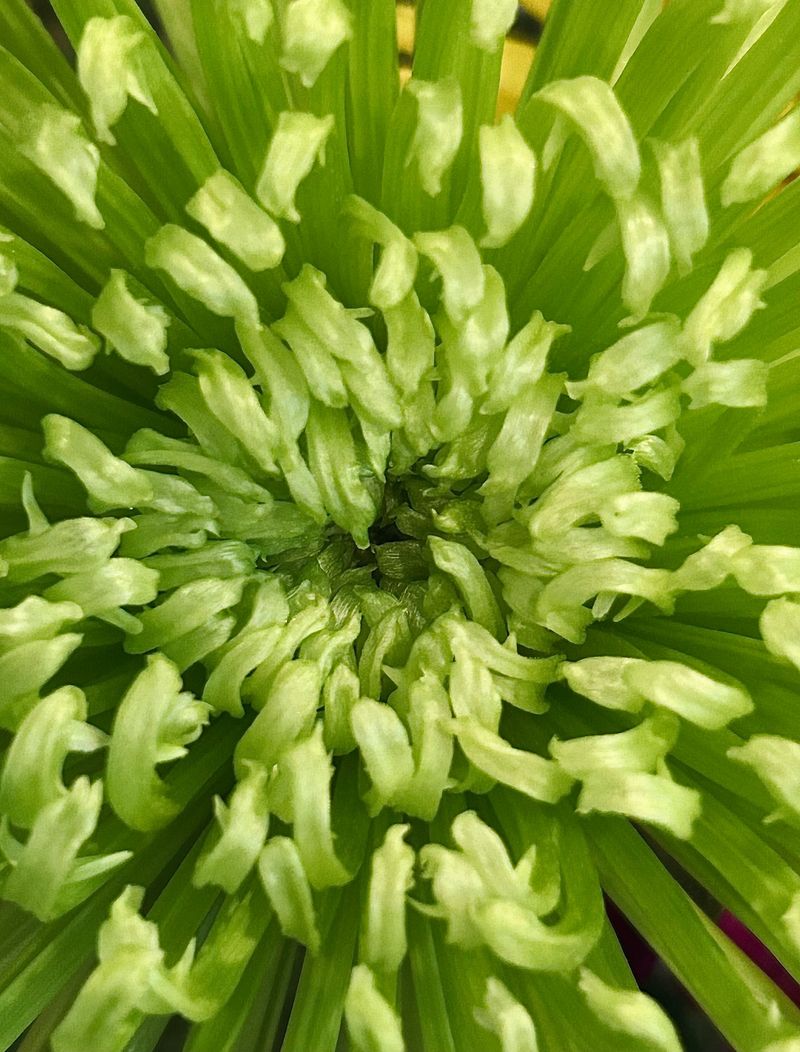
Petals affected by aster yellows often shrink, curl, or twist. Instead of that relaxed droop you expect from an echinacea, they look cramped and stiff.
Some blooms produce petals at odd angles, with a few normal ones and a few stubby green ones on the same flower head. The mismatch is a strong clue.
Drought can also fade petals, so compare. Thirsty plants fade evenly across the whole clump and perk up after a deep soak, while affected stems stay strange no matter what you do.
Another tip is to check the timing. A bloom that opened looking odd from day one points toward aster yellows, while a bloom that started normal and faded later is usually just aging.
Do not judge by petals alone. Combine this clue with the center check from the previous section, since the two together give you a much more reliable read.
Photograph anything suspicious with your phone. Comparing shots week to week helps you see whether a symptom is spreading to new stems.
If only one or two flowers look off in a big healthy clump, stay calm. Spot-checking beats panicking, and you may lose far less than you expect.
Yellowing Leaves And Witches’ Broom Growth
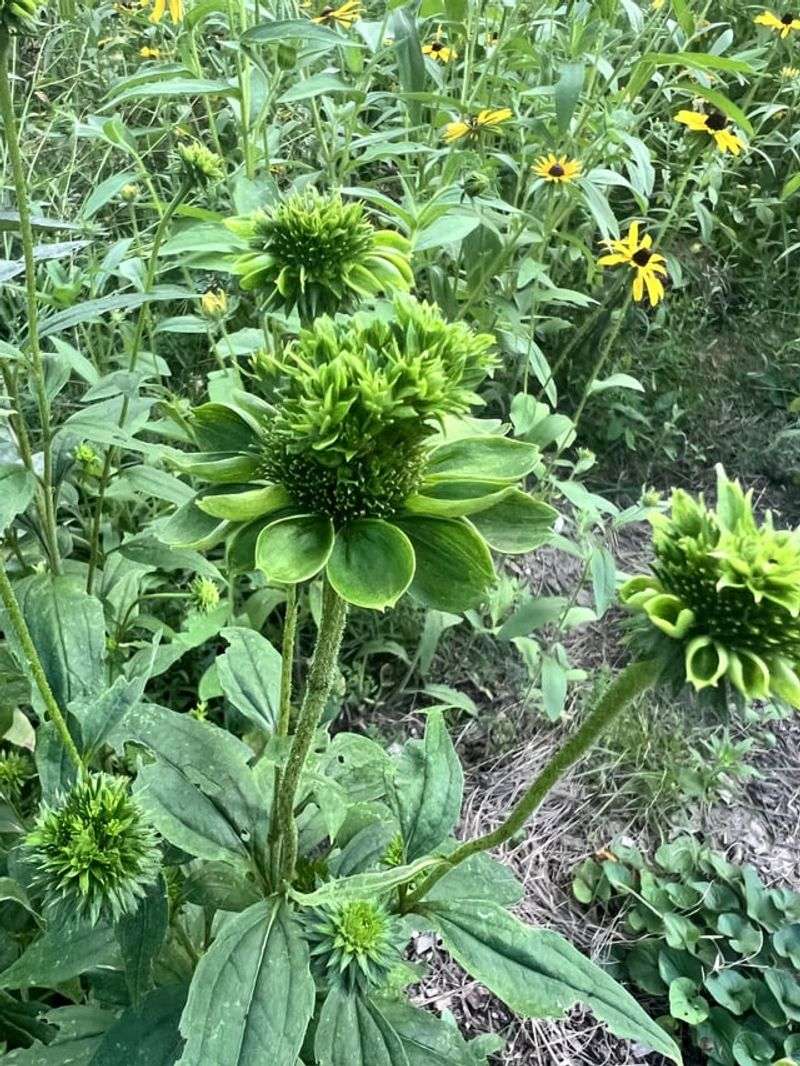
Here is where the name earns itself. Aster yellows often turns foliage a sickly yellow-green, starting with the newest growth near the top of a stem.
The yellowing has a pattern. Veins may stay lighter while the tissue between them turns pale, giving leaves a washed and faded appearance.
Then comes the odd part. Instead of a few tidy stems, the plant pushes out clusters of skinny shoots bunched together at one spot.
Gardeners call that a witches’ broom, and it looks exactly like it sounds. Dozens of thin, weak stems crowd together where two or three sturdy ones should be.
These shoots rarely flower well. When they do, the blooms are usually small, greenish, and short-lived.
Nutrient shortages can also yellow leaves, so rule that out first. A soil test or a basic balanced feeding in spring usually corrects true nutrient issues, while aster yellows symptoms stay put.
Check the base of each plant while you are down there. Brooming near the crown is a stronger signal than a bit of yellow on one upper leaf.
Also glance at neighboring plants. Marigolds, zinnias, asters, and even carrots in the vegetable bed can show similar weirdness, which helps confirm what you are dealing with.
Keeping notes matters more than people think. A quick list of which plants showed symptoms and when will guide your choices next spring.
How It Spreads Between Plants
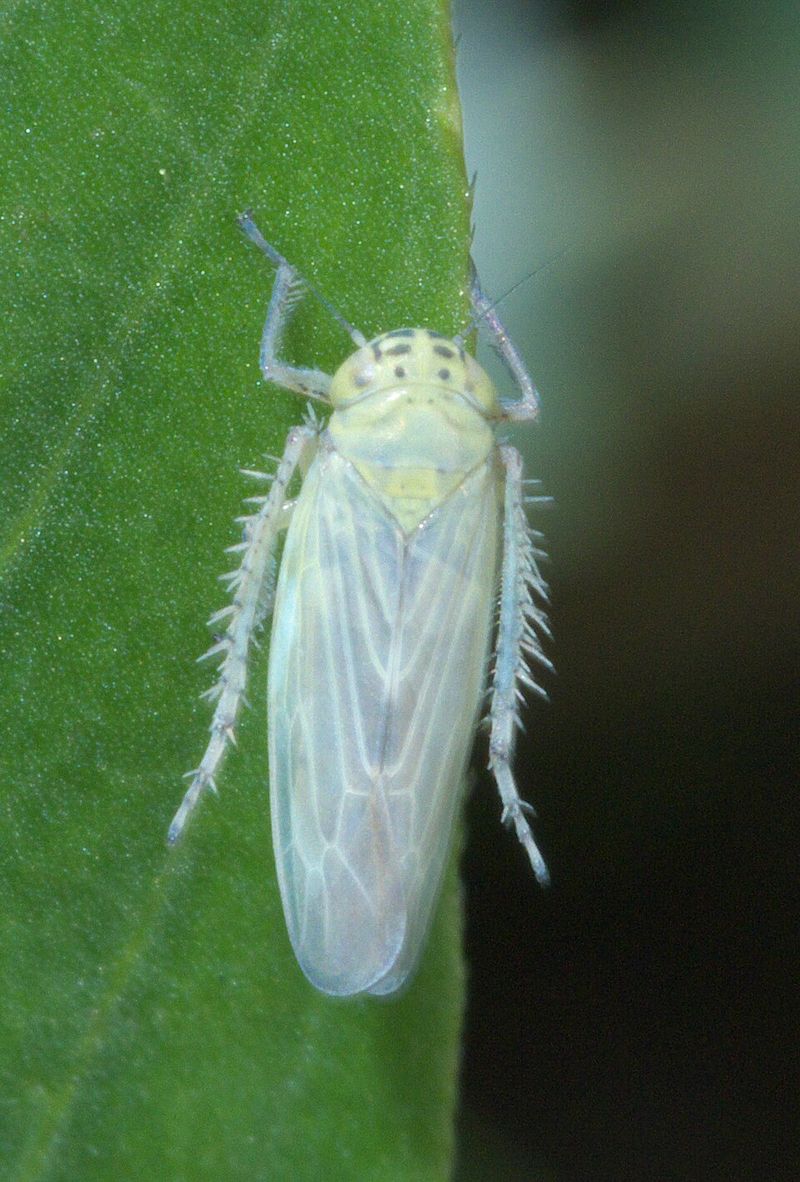
Blame the messenger, because there genuinely is one. Aster yellows travels from plant to plant inside a small wedge-shaped insect called the aster leafhopper.
Leafhoppers are a few millimeters long, ranging from pale green to yellowish-brown with faint dark markings. Brush a plant and they scatter sideways in quick little hops, which is how they got the name.
They feed by piercing leaves and sipping sap. If a leafhopper sips from an infected plant, it can carry the phytoplasma and pass it along at its next meal.
In some regions, leafhoppers ride wind currents into new areas each spring, though the timing and distance vary year to year.
Because the insect moves, the problem does not stay in one corner of the yard. A single plant showing symptoms in September may reflect a bite that happened months earlier.
Yellow sticky traps placed near your beds help you monitor populations. Seeing lots of small green hoppers stuck to the card tells you they are active.
Floating row covers work well over young transplants in spring, especially in vegetable beds. For ornamental borders, keeping weedy grasses trimmed reduces the hiding spots they love.
Most extension guidance suggests insecticides are rarely worth it for home gardeners once symptoms appear. By the time you see symptoms, the transfer already happened, and spraying will not undo it.
Encouraging spiders, lacewings, and small predatory bugs gives you steady, low-effort help all season long.
Conditions Often Mistaken For Aster Yellows
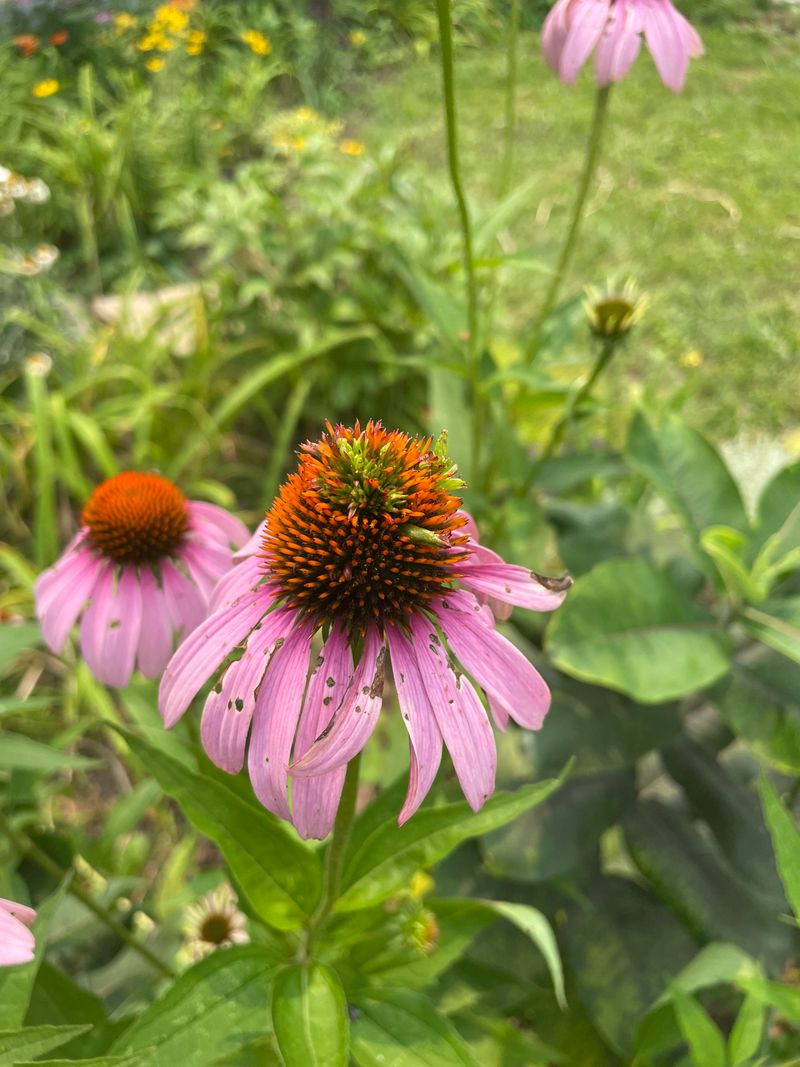
Not every strange coneflower has aster yellows, and jumping to conclusions can lead to unnecessary plant removal. Several other issues wear a similar disguise.
Eriophyid mites cause a condition often called rosette or tuft. These microscopic mites hide in the cone and trigger green growths that look remarkably close to aster yellows.
The difference is location. Mite damage tends to stay in the flower head, while aster yellows usually shows up in leaves and stems too.
Fasciation is another mimic. It creates flattened, ribbon-like stems and fused blooms, but the plant otherwise looks healthy and green.
Fasciation is harmless and sometimes rather cool looking. Plenty of gardeners leave those stems alone just for the conversation piece.
Herbicide drift also warps growth. Twisted, cupped, strap-shaped leaves after a neighbor sprayed the lawn on a breezy day point toward chemical exposure rather than any disease.
Give the plant the full inspection before deciding. Check the cone, the petals, the leaves, the stems, and the base, then weigh what you find.
Extension offices at your state university are a wonderful free resource. Many accept photos or samples and can confirm what you are seeing.
Getting a proper answer matters because the treatments differ. Mite issues can be managed by clipping affected blooms, while aster yellows calls for a firmer response. Patience here saves you from tearing out a perfectly good clump over a harmless quirk.
What To Do Once You Have Confirmed It
Once confirmed, there is no cure. Aster yellows lives throughout the plant’s system, so trimming a bloom will not clear it out.
Remove affected plants root and all. Digging the whole clump prevents it from serving as a source that leafhoppers can visit next season.
Bag the material and send it out with household waste. Compost piles rarely get hot enough to be reliable, and you do not want that material recycled into your beds.
Clean your tools afterward with rubbing alcohol or a soapy rinse. It is a small habit that pays off across your whole garden.
September is actually a convenient time for this job. Soil is still workable, the weather is pleasant, and you can replant before the ground cools too much.
Pull nearby weeds while you are at it, especially thistle, dandelion, and plantain. Those hosts harbor the phytoplasma quietly through the season.
Then replant with confidence. The soil itself is not contaminated, so a fresh coneflower or a different perennial can go right back into that spot.
Consider mixing in species that leafhoppers bother less, such as salvia, catmint, or ornamental grasses. Diversity makes your border more resilient overall.
Keep watching in following seasons, since symptoms can appear on new plants later. A quick monthly look-over keeps small problems from becoming bigger problems.