8 Reasons Your Christmas Cactus Leaves Are Turning Red Before Bloom Season
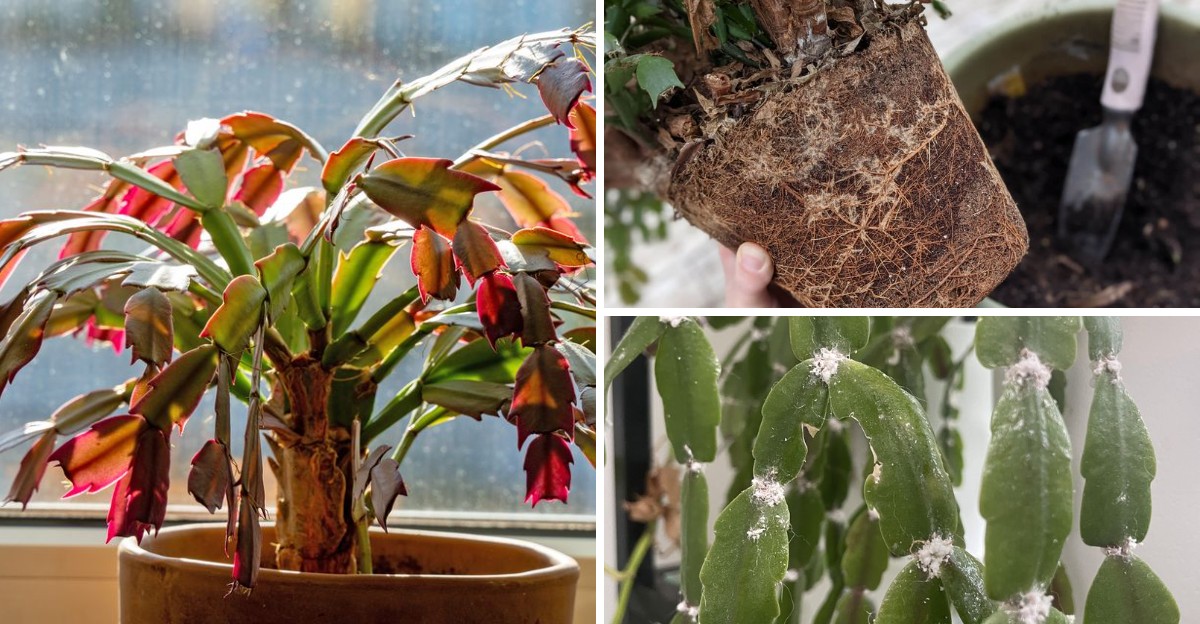
The flat green plant on my windowsill started life as a tree-dwelling native of Brazil’s misty coastal mountains. Last October its segments blushed a deep ruby red and I worried my favorite December bloomer was in trouble.
That color comes from betalains, the same family of pigments that paints beets and dragon fruit so brightly. Plants often build extra pigment when something stresses them, much like our skin reacts to a summer sunburn.
I learned that my bright window was only one suspect among several sneaky causes hiding in plain sight. Plenty of you are spotting the same rosy tint this month, right when tiny buds should start forming.
Some reddening is harmless, while other kinds quietly steal flowers from your holiday show before December arrives. So which story is your plant telling, and how many growers are misreading the very same clue?
1. Bright Afternoon Sun Is Stressing Your Christmas Cactus
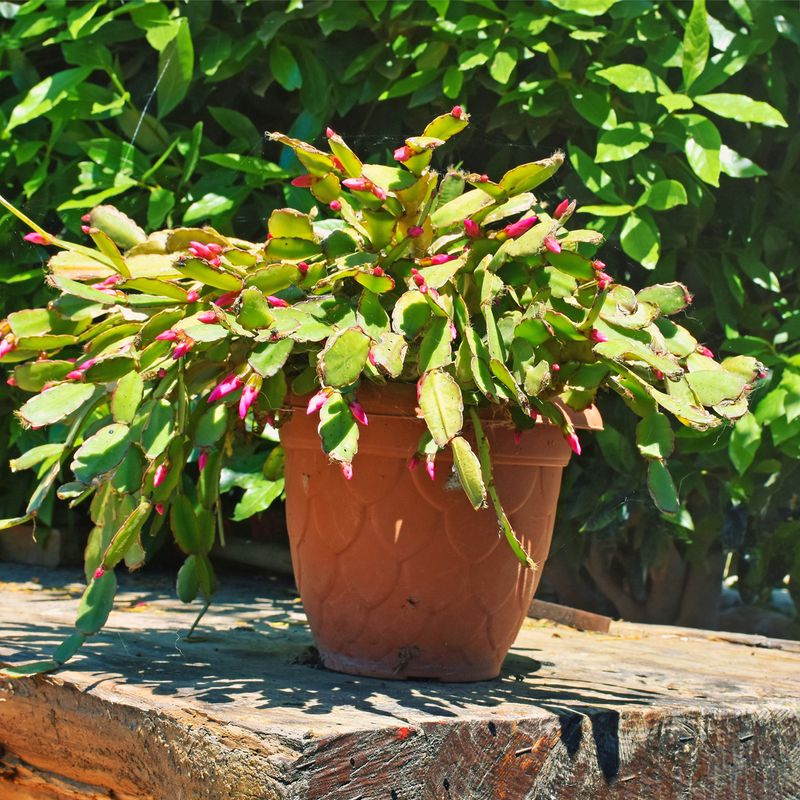
Desert cactus cousins love blazing sun, but this jungle plant prefers the dappled shade beneath a rainforest canopy. When I parked mine in a west window, the flat segments turned reddish purple within a couple weeks.
That blush works like homemade sunscreen, with red pigments shielding the green chlorophyll from too much light energy. Extension experts note that strong direct sun is among the most common reasons these plants change color.
October sun can still pack real heat, especially through glass on a south or west side. Afternoon rays can also bleach patches pale yellow if the plant sits right against the hot pane.
An east window makes a lovely home, since morning light is bright but rarely harsh enough to scorch. A sheer curtain on a sunnier window works nicely too, softening the glare without leaving the plant gloomy.
Move your plant gradually if it has been sunbathing for months, because sudden changes add their own stress. I shifted mine a few feet each day, and it settled in without dropping a single segment.
Keep bloom timing in mind, since these plants set buds when autumn nights grow long and cool. Whatever spot you choose should stay dark at night, away from porch lights and bright lamps after sunset.
Green color usually returns slowly over several weeks once the light softens, so patience pays off here. Older segments may keep a faint rosy edge, which is fine as long as new growth looks healthy.
2. Dried-Out Potting Soil Leaves Your Christmas Cactus Thirsty
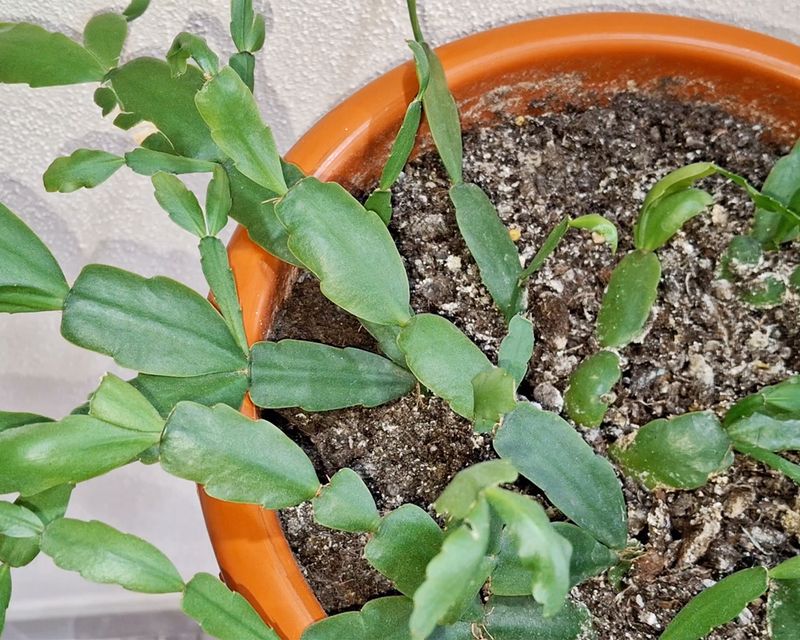
Plenty of people treat this plant like a desert cactus, letting it go weeks without a single sip. I made that mistake once, and the segments went wrinkled and reddish by the end of a hot summer.
In the wild, these epiphytes cling to tree branches where rain and mist keep their roots evenly moist. Their thin roots dislike sitting in soggy soil, yet they also dislike being parched for long stretches.
Push a finger into the mix, and water when the top inch or so feels dry to the touch. Soak the pot until water runs from the drainage holes, then empty the saucer so roots can breathe.
Wrinkled flat segments that feel soft rather than plump are a classic clue your plant needs a drink. Healthy segments feel firm, almost like a fresh snap pea, when you give them a gentle squeeze.
Fall brings a twist, because many growers ease back on watering for several weeks to encourage buds. Easing back means watering a bit less often, not letting the mix turn into crumbly dust.
Air conditioning dries soil faster than you would guess, and many homes run it well into fall. Small clay pots dry even quicker, so check those every few days instead of once a week.
A plant this thirsty usually perks up within days after a thorough soak and steady follow-up care. Some of the red may linger for a while, but plumper segments tell you the roots are happy again.
3. Chilly Window Drafts Are Harming Your Christmas Cactus
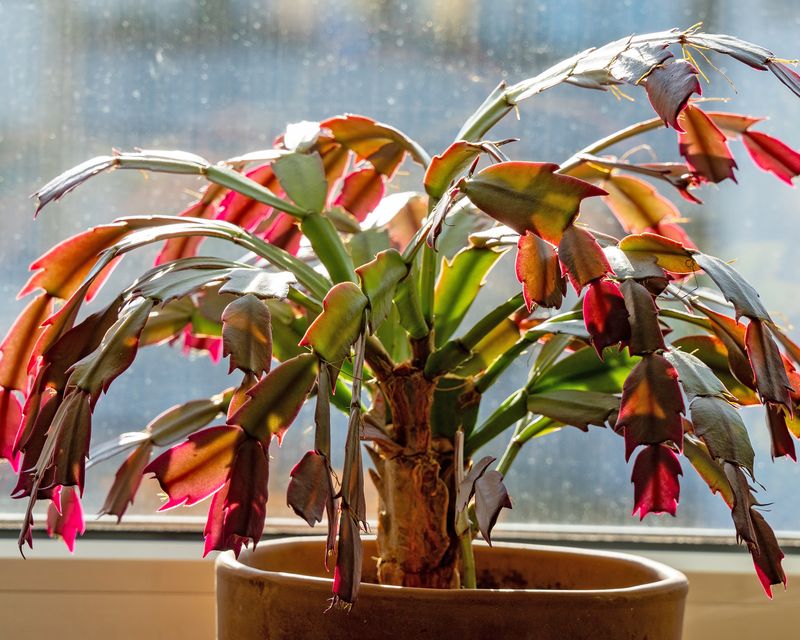
Cool nights actually help this plant set flower buds, which surprised me the first year I grew one. Trouble starts when temperatures dip below about 50 degrees Fahrenheit or cold air blasts the segments again and again.
Most care guides suggest nights around 55 to 60 degrees Fahrenheit during the fall bud-setting period. Below roughly 50 degrees, the plant struggles, and stems may flush red or purple as a stress signal.
Many of us move potted plants onto patios for summer, then forget them as autumn evenings cool down. Surprise cold fronts can arrive in October, so watch the forecast if yours still lives outside.
Bring outdoor plants inside before nights fall below about 50 degrees to avoid chilling the tender segments. A quick check for hitchhiking bugs before moving them indoors will save you headaches later this season.
Indoors, the sneakiest culprits are leaky windows and doors that open constantly to let pets or people through. Hold your hand near the glass on a cool morning, and you will feel exactly what your plant feels.
Heating vents cause trouble too, since blasts of warm dry air swing temperatures up and down all day. Those swings can lead to bud drop later, which nobody wants after weeks of careful waiting.
My fix was simple, sliding the pot a foot back from the window and away from the vent. Within a month, fresh segments came in green, and the older reddish ones slowly softened their color.
4. Soggy Roots And Root Rot Turn Christmas Cactus Segments Red
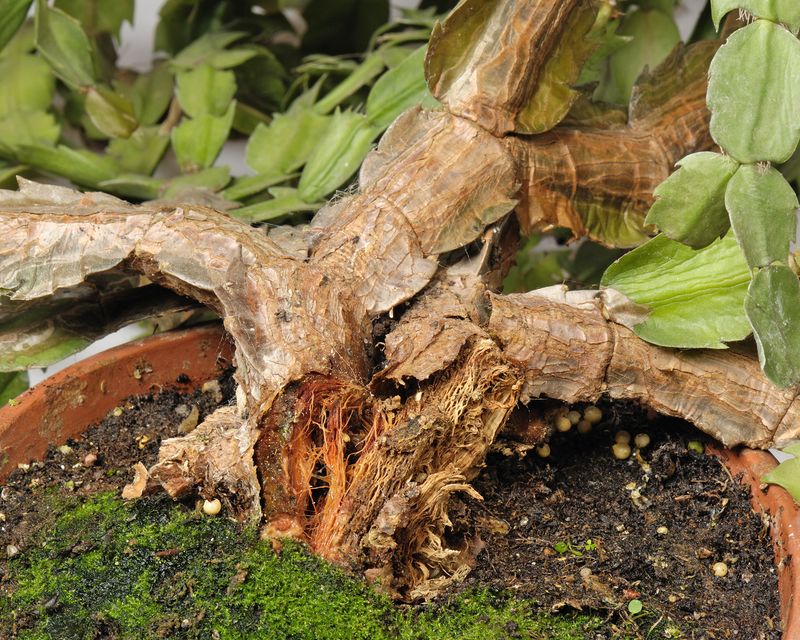
Strange as it sounds, too much water can produce the same red droopy look as too little. I learned this the hard way with a pot that had a lovely glaze and no drainage holes.
Waterlogged soil pushes out the air that roots need, and rot fungi move in quickly after that. Damaged roots stop pulling up water, so the plant looks thirsty even while sitting in a soggy pot.
Watch for a mushy base where stems meet the soil, along with a sour or musty smell from the pot. Segments may also drop off with barely a touch, which is a clue worth taking seriously.
Slide the plant out of its pot and look closely at the roots before deciding on next steps. Healthy roots look pale and firm, while rotted ones turn brown or black and feel slimy.
Trim away the soft roots with clean scissors, then repot into fresh fast-draining mix in a clean container. Wait about a week before watering again, giving the trimmed roots time to callus and settle in.
If most of the root system is mushy, take healthy cuttings of two or three segments instead. Those cuttings root easily in barely moist mix, so you can restart the plant from its best parts.
Going forward, choose pots with drainage holes and a loose blend, like potting soil mixed with perlite. Repotting in fall can disrupt buds, so only do it now when rot leaves you no other choice.
5. A Hungry Christmas Cactus May Be Low On Magnesium
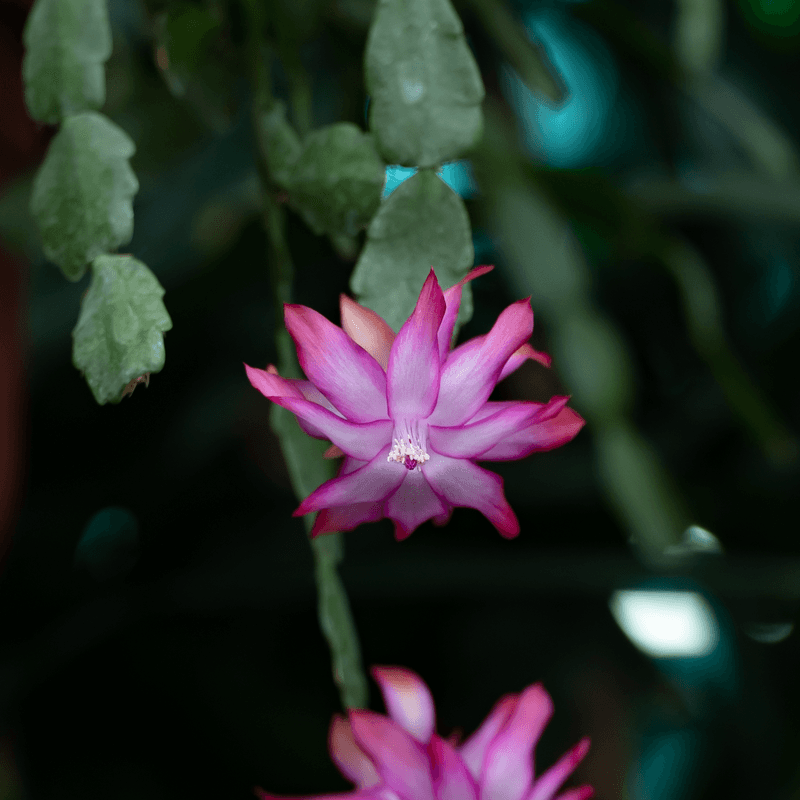
Christmas cactus has a reputation for needing a bit more magnesium than many common houseplants, which surprised me. Years of watering without feeding can slowly drain the mix, leaving segments looking pale or tinged with red.
Magnesium sits right at the center of every chlorophyll molecule, so a shortage weakens that rich green color. Low phosphorus can also cause reddish or purplish tones, since the plant struggles to move energy around.
University of Minnesota Extension suggests a monthly dose of Epsom salt during the growing season for these plants. A common recipe is one teaspoon per gallon of water, applied in a different week from regular fertilizer.
For routine meals, a balanced houseplant fertilizer at half strength works well from spring through late summer. I mark feeding days on my kitchen calendar, because otherwise I forget until the plant reminds me.
October timing matters here, since many growers stop fertilizing in early fall to help buds form. If your plant looks starved now, one light feeding is reasonable, but heavy meals can push leafy growth instead.
Overdoing fertilizer brings its own trouble, with salty crust on the soil and browned segment tips. Flush the pot with plain water every few months to rinse out built-up salts from tap water and feed.
Nutrient problems tend to show up gradually, so compare old photos if you suspect a slow change. Mine looked faded in snapshots long before I noticed anything while standing right beside it each morning.
6. Crowded Roots Are Squeezing Your Christmas Cactus Pot
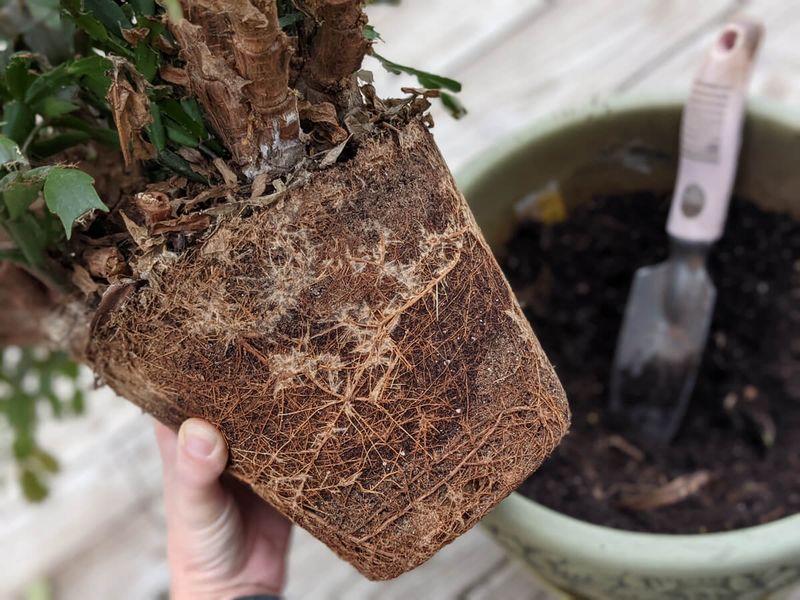
A slightly snug pot actually suits this plant, and many growers believe it encourages a better bloom show. My grandmother kept hers in the same chipped pot for years, and it flowered like clockwork each winter.
Snug is different from strangled, though, and a severely packed root ball can stress the whole plant. When roots fill every inch, water rushes past them, and segments may shrivel or blush red.
Roots poking out of drainage holes are an obvious hint that the plant has run out of room. Another clue is water pouring straight through the pot in seconds without soaking into the soil.
Gently tip the plant out, and you may find a solid web of roots circling the bottom. Very little soil left means very little stored water or food for those hardworking segments above.
Timing is tricky in October, because repotting now can upset a plant that is busy setting buds. Most experts recommend waiting until blooming finishes in late winter or early spring before moving it up.
Until then, water a little more thoroughly, letting the pot sit in a tray briefly so roots absorb moisture. Empty the tray after about twenty minutes, since leaving water there invites rot problems we covered earlier.
When repotting day arrives, choose a container only one size larger with good drainage and airy mix. A huge pot holds extra soggy soil, so a modest upgrade keeps your plant comfortable and blooming.
7. Mealybugs And Spider Mites Are Feeding On Christmas Cactus Stems
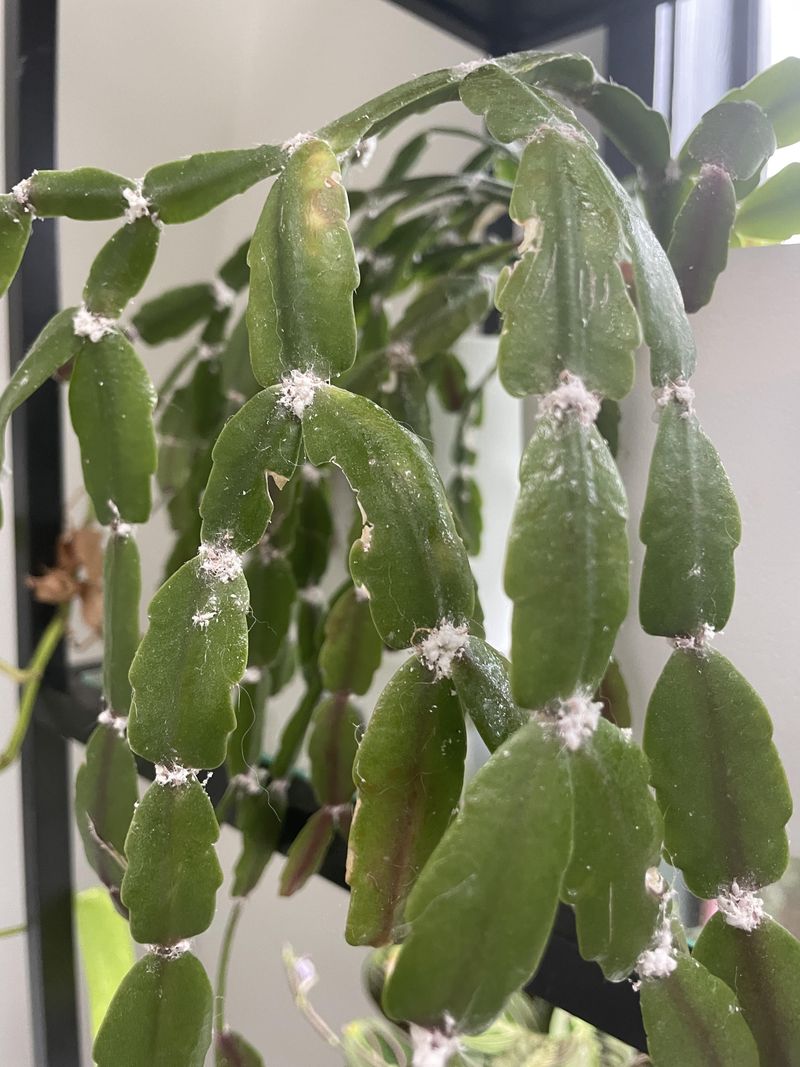
Tiny cotton puffs tucked between segments look almost cute, until you realize they are sap-sucking mealybugs. I found a colony hiding at the joints of mine, right where the segments connect like little hinges.
Feeding pests drain plant juices, and a stressed plant may respond with reddish or yellowing segments. Spider mites leave fine webbing and speckled dull patches, especially in warm and dry indoor air during fall.
October is prime time for inspections, since many plants are coming indoors after summer outside. Check the joints and the soil line closely before your plant rejoins the rest of your indoor collection.
For mealybugs, wipe each fuzzy cluster away with a damp cotton swab, checking every joint as you go. Follow up with insecticidal soap labeled for houseplants, repeating weekly since new hatchlings keep appearing for a while.
Spider mites dislike moisture, so a gentle rinse in the shower knocks many of them loose quickly. Let the pot drain well afterward, because we do not want to trade a mite problem for soggy roots.
Root mealybugs and nematodes hide underground, so a plant that declines despite good care deserves a root check. Badly infested plants are often better replaced, though healthy cuttings may let you start fresh in clean soil.
Isolating new plants for a couple weeks is my favorite habit, and it has spared me plenty of grief. A quick look every time you water catches pests early, while they are still easy to manage.
8. Pinkish New Growth On Christmas Cactus Is Often Normal
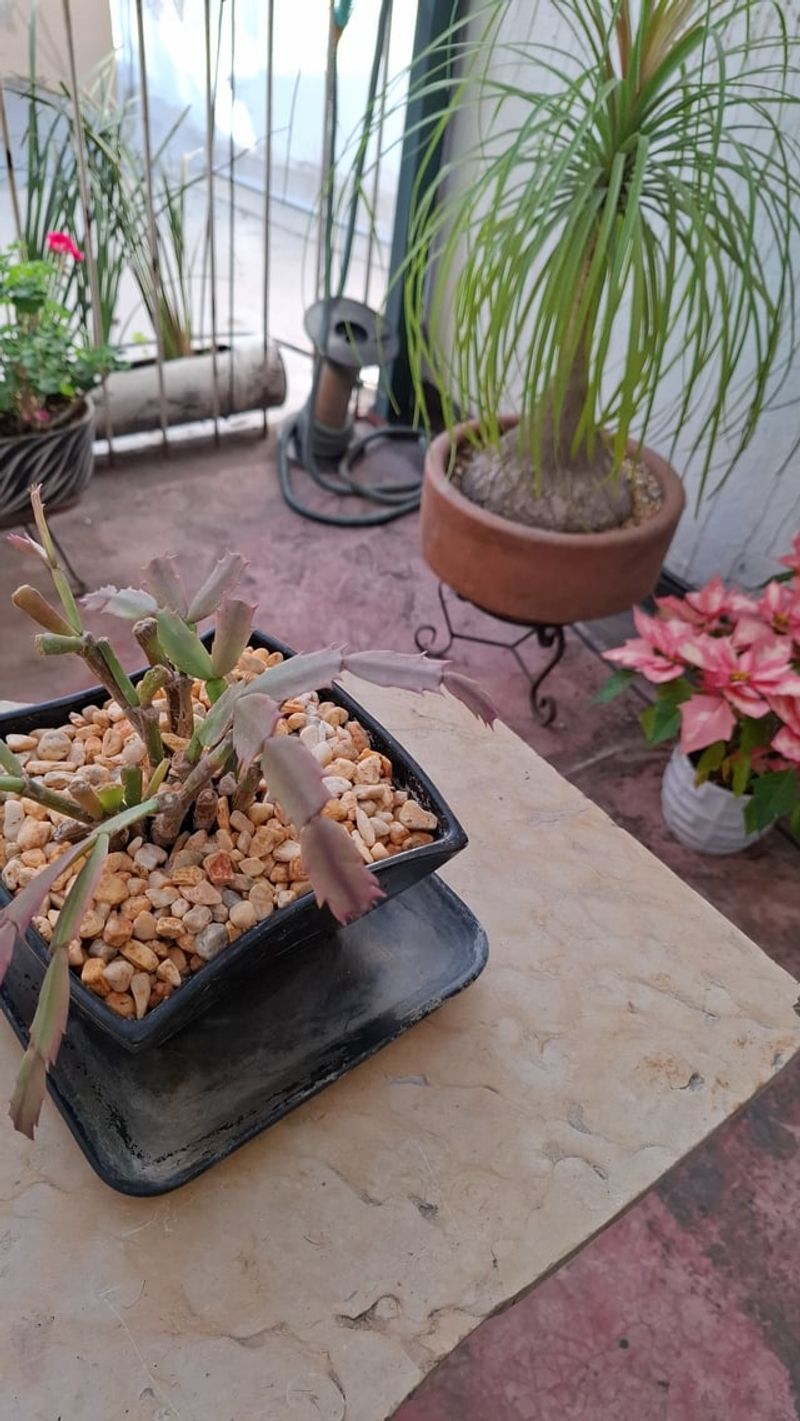
Fresh segments sometimes sprout with rosy tips, looking like the plant dipped its fingertips in strawberry jam. The first time I saw it, I panicked, then watched those same tips turn green within weeks.
Young plant tissue often carries extra red pigment, which may help protect tender cells while they mature. As segments harden and grow larger, chlorophyll builds up and the green color usually takes over.
Some cultivars naturally carry reddish or purplish edges, especially when grown in fairly bright but filtered light. A light blush along the margins can be part of the plant’s personality rather than a warning sign.
Cool fall nights can add a little color too, and those same nights trigger the buds you want. A faint tint during October bud season often means your plant is responding to the changing season.
Watch closely, though, because tiny new buds also start out pink at the tips of segments. Buds look like small round bumps, while new segments look flat and shaped like miniature versions of older ones.
To tell harmless color from trouble, compare the youngest growth with the oldest segments near the soil. If only fresh tips are pink and everything else looks plump and green, your plant is likely doing fine.
Widespread red on older segments, especially with wrinkling or mushiness, points back to the earlier causes on this list. Otherwise, sit back and enjoy the rosy show, since a festive flower display is likely right around the corner.