Why Healthy-Looking Coneflowers Suddenly Wilt And Fade

Something shifts in your garden overnight, and you feel it first. Bees crowd your blooms eagerly, then disappear within days. Gardeners notice that shift instantly, though your reason stays hidden.
Underground trouble often threatens roots long before leaves show it. Roots harbor secrets your eyes simply cannot reach. Hollow stems invite insects that quietly undermine your plant.
Stems hide pests moving steadily through those hollow chambers. Warm breezes deliver fungal spores straight into your beds. Wind carries spores you didn’t choose into your soil.
Autumn light shortens, and your plants respond in kind. Cool nights confuse you further, blurring disease with dormancy. Distinguishing real damage from routine fading takes sharper eyes.
You need clarity, not guesswork, before more stems slump. Timing matters more than your worry ever will. Patterns reveal themselves once you know exactly where to look. Your answers wait just ahead, and you cannot afford to skip them.
1. Aster Yellows Scrambles The Blooms
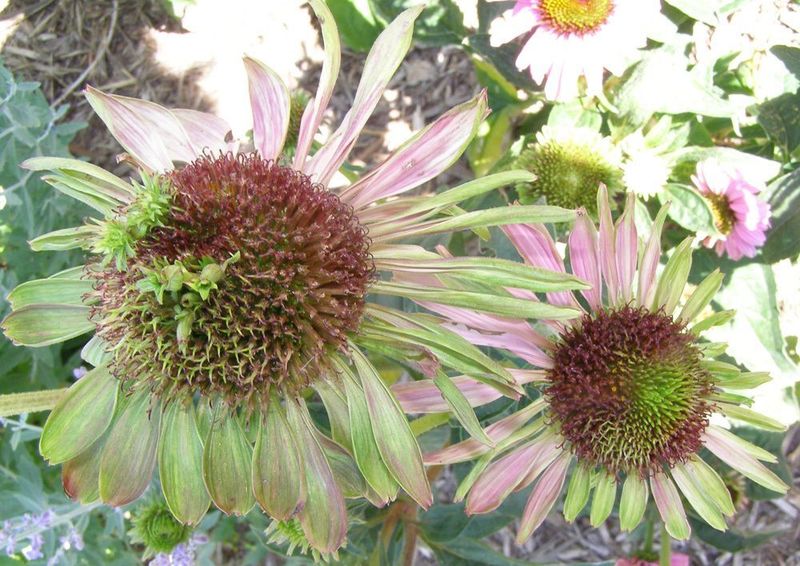
Picture a coneflower that suddenly grows a tiny green broccoli head where its petals should be. That look is the identifying symptom of aster yellows, a phytoplasma-caused disorder.
Leafhoppers carry the tiny organism from plant to plant as they feed on sap. Once it settles in, flowers twist, turn yellow-green, and lose their familiar shape.
Wilting often follows as stems weaken and leaves pale along their veins. Gardeners usually blame thirst first, then notice the warped blooms up close.
Unfortunately, no spray can undo the problem once symptoms appear. Removing the affected clump, roots and all, protects the healthy coneflowers nearby.
Bag the pulled material instead of tossing it on the compost pile. Leafhoppers can pick the trouble back up and carry it across your beds.
Weedy edges give leafhoppers a place to hide, so keep borders tidy through September. Dandelions and thistle are common hosts worth pulling.
Fun fact: aster yellows also visits carrots, lettuce, and marigolds, which explains hairy carrot roots in vegetable rows.
Check new plants at the nursery before buying, looking for warped flower centers or mustard-colored streaks. A quick inspection prevents problems later.
Healthy coneflowers usually shrug off a single leafhopper visit, so one odd plant is not a garden-wide alarm. Watch the rest of the clump for a few weeks before making bigger changes.
2. Soggy Soil Softens The Crown
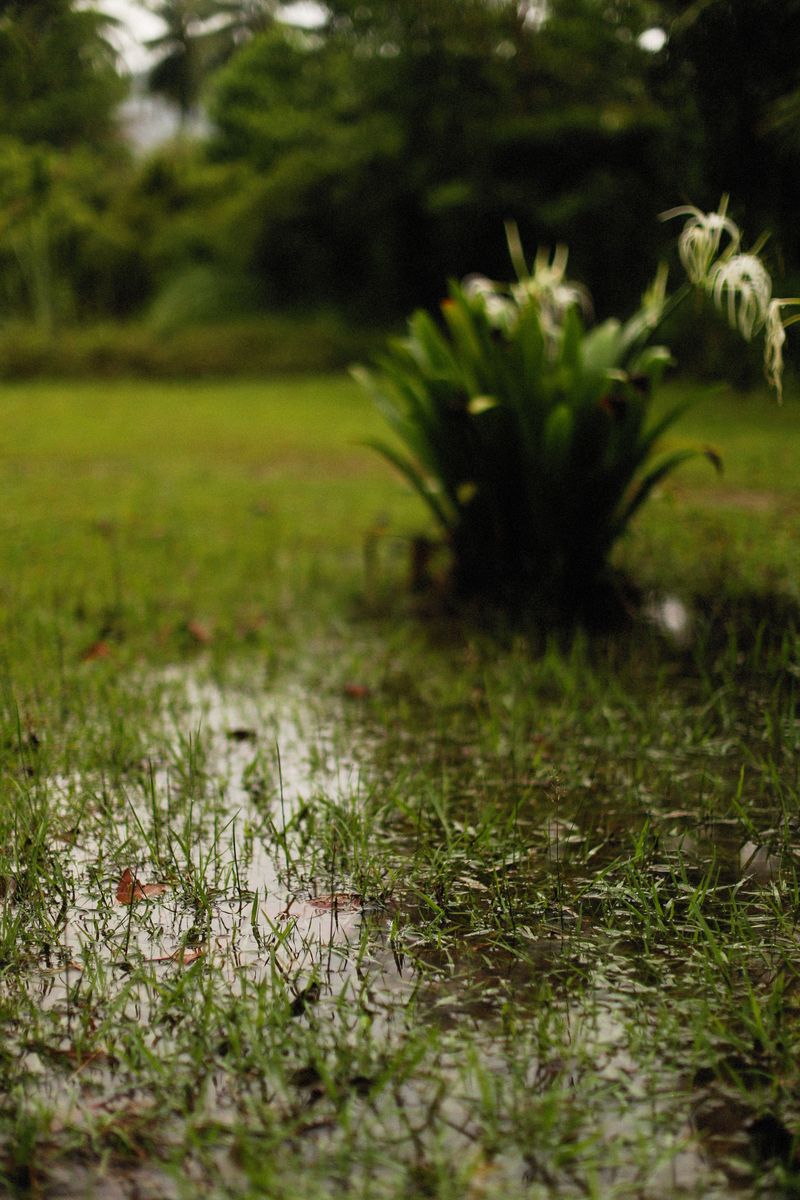
Coneflowers have prairie roots, and prairie plants dislike wet feet. A bed that stays spongy after rain can turn a sturdy clump limp within days.
Roots need air pockets in the soil just as much as they need moisture. When water fills those pockets, fine roots stop working and rot organisms move in.
The odd part is how fine the top looks right up until it flops. Stems can still be green while the crown below has gone soft and brown. Give the base a gentle tug test. A plant with rotted roots lifts far too easily and smells sour.
Heavy clay, downspout splash zones, and low spots in the lawn are usual trouble areas. Raised beds or a few shovelfuls of compost improve drainage there.
Mulch piled against the crown holds dampness like a wet sweater. Pull it back about two inches so the base can breathe.
September rain often arrives after a dry August, and that swing catches gardeners off guard. Check the soil with your finger before adding more water.
Automatic sprinklers set for thirsty lawn grass tend to oversoak perennial beds. Running them less often, with a longer soak, suits coneflowers better.
If a clump collapses, lift it, trim away mushy roots, and replant the firm pieces higher in improved soil. Many coneflowers bounce back the following season after that simple rescue.
3. Late Summer Thirst Catches Up
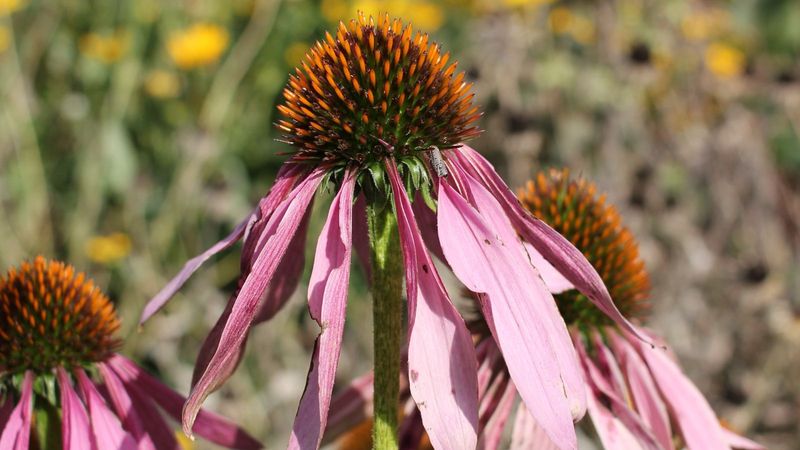
A coneflower can look sturdy in June and still wilt during a hot, rainless stretch. Late summer heat pulls moisture from leaves faster than shallow roots can replace it.
Afternoon flopping that perks up by morning is a classic thirst signal. Drooping that lingers past sunrise means the soil has gone bone dry deeper down.
First-year plants struggle fastest because their roots have not traveled far yet. Established clumps reach lower moisture and ride out dry spells more calmly.
Water slowly at the base with a hose trickle or a soaker line. One deep soak or two each week beats a quick daily sprinkle.
Two inches of shredded bark or leaf mulch keeps the ground cooler and steadier. Leave a small gap around the stems.
Plants in containers dry out several times faster than those in the ground. Pot-grown coneflowers may need a drink daily during a September heat spike.
Reflected warmth from driveways, brick walls, and stone edging raises soil temperature quite a bit. Shade cloth or a taller neighboring plant softens that blast.
Trimming a few spent blooms lowers the energy the plant spends on seed making. Leaving some seed heads still feeds goldfinches later.
Once cooler nights arrive, stressed plants often push fresh leaves low near the ground. That little rosette is a good sign the roots are recovering.
4. Stem Borers Tunnel Out Of Sight
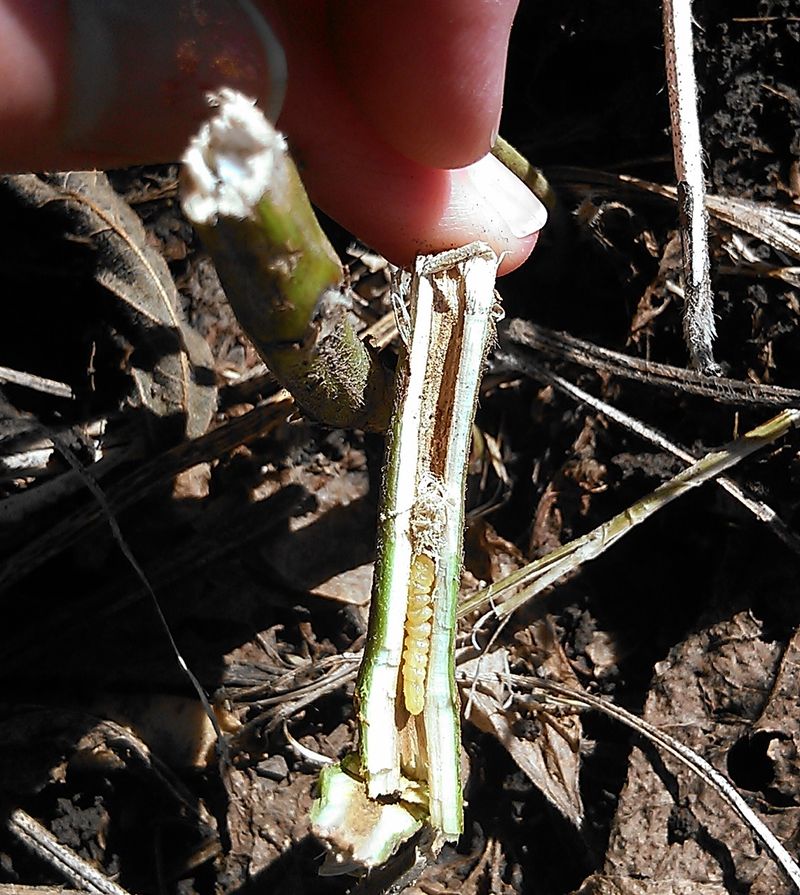
Here is a sneaky one. A single stem wilts while its neighbors stand tall, and no spots or bugs appear anywhere.
Look closely at the stem a few inches above the soil for a small hole ringed with sawdust-like crumbs. A borer caterpillar is tunneling through the middle.
That tunnel cuts the plumbing carrying water upward, so the top droops fast. Wilting starts at the tip and works its way down.
Snap the stem open and you may find a creamy larva with dark stripes. Lift it out and drop it into soapy water.
Cut affected stems well below the entry hole and put them in the trash. That one step lowers next season’s population.
Adult moths lay eggs on nearby grasses and weeds in late summer. Mowing rough edges before September helps break the cycle.
Sprays rarely reach a larva hiding inside a stem, so sanitation and timing matter far more than chemicals.
Some gardeners leave standing stems for winter interest, which is lovely for birds. If borers visited, trimming those stems is the wiser choice this year.
Coneflowers usually carry on after losing a stem or two without much fuss. The crown keeps energy stored underground and sends up replacements.
Keep a mental note of which corner of the bed had holes, then scout it first next August. Patterns repeat, and early checking pays off.
5. Beetles And Other Hungry Chewers
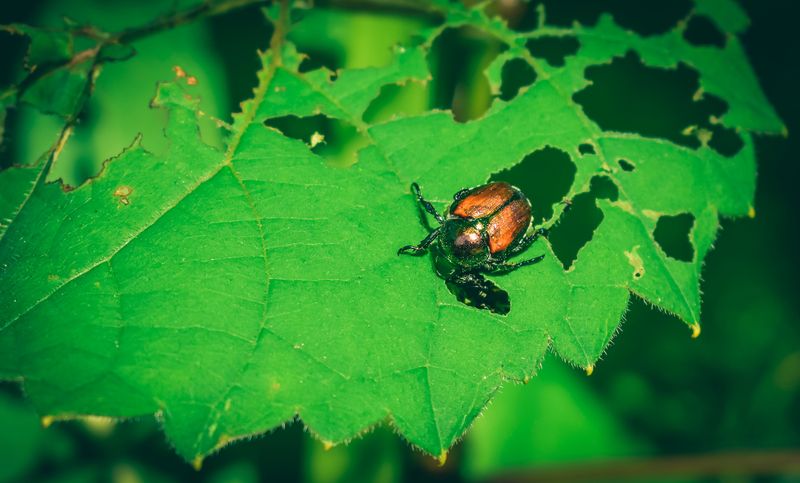
Some mornings the petals look shredded, like confetti after a party. Chewing insects have been busy overnight or during warm afternoons, though the damage often looks worse than it is.
Japanese beetles skeletonize leaves and gnaw petals, leaving lacy tissue and ragged blooms. Heavy feeding drains the plant and makes flowers fade early. These beetles often cluster together, drawing more of their kind to the same bloom.
Hand picking at dawn works well because beetles are sluggish in cool air. Tip them straight into a jar of soapy water, since they cannot climb out or fly once submerged.
Traps often pull in extra beetles from the whole neighborhood. Place them far from the flower bed, or skip them entirely.
Grasshoppers can become more active in September, especially during dry spells, and may chew stems down to stubs. Floating row cover over young plants gives short-term protection while stems are still tender.
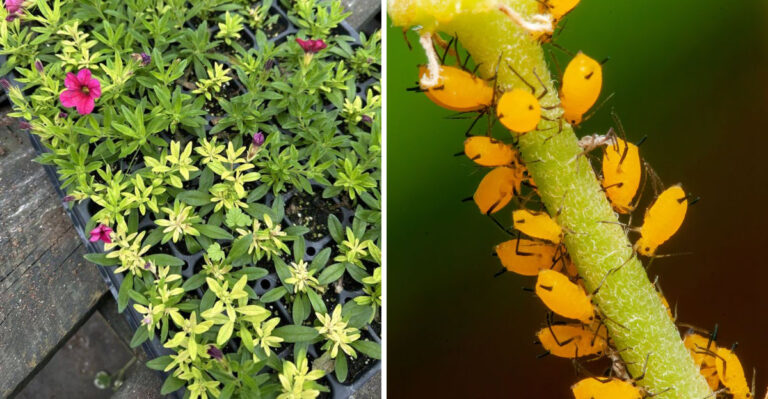
Aphids cluster on buds, and sticky honeydew follows, which invites sooty mold. A firm spray of water knocks them loose.
Earwigs hide inside blossoms during the day and nibble at night. Rolled newspaper traps set nearby catch plenty of them.
Ladybugs, lacewings, and tiny parasitic wasps handle much of this work for free. Skipping broad sprays keeps that helpful crew on duty.
Torn foliage looks rough, yet it rarely ends a plant’s season. Trim the worst stems, water steadily, and fresh growth usually follows within a couple of weeks.
6. Fungal Spots And Powdery Coatings

Muggy nights and crowded stems create favorable conditions for fungus. White dust on leaves or brown-edged spots often shows up by late summer.
Powdery mildew looks like flour sprinkled across the foliage. Leaves yellow, curl, and drop, which weakens the clump over time.
Leaf spot fungi make dark blotches that spread upward from the lowest leaves. Splashing rain carries spores from soil onto foliage.
Watering at the base instead of overhead keeps leaves drier. Morning watering also gives foliage time to dry before evening.
Air circulation matters more than folks expect. Thinning a few stems in a thick clump lets breezes move through.
Rake fallen leaves from under the plants and bag them rather than composting. Spores overwinter happily on that debris.
Sulfur or potassium bicarbonate sprays can slow mildew when applied early. Follow label directions and treat during cool conditions.
Botrytis turns faded blooms into gray fuzz during damp spells. Snipping spent flowers regularly gives it fewer places to settle.
Some newer cultivars are bred for stronger mildew resistance, so note which plants stay clean in your yard. Buying more of those is the easiest long-term fix.
Fungal trouble in fall is usually cosmetic and roots typically stay fine, though repeated infections can weaken a plant’s vigor over several seasons. Spring growth generally arrives fresh and green.
7. Crowded Clumps Run Out Of Room
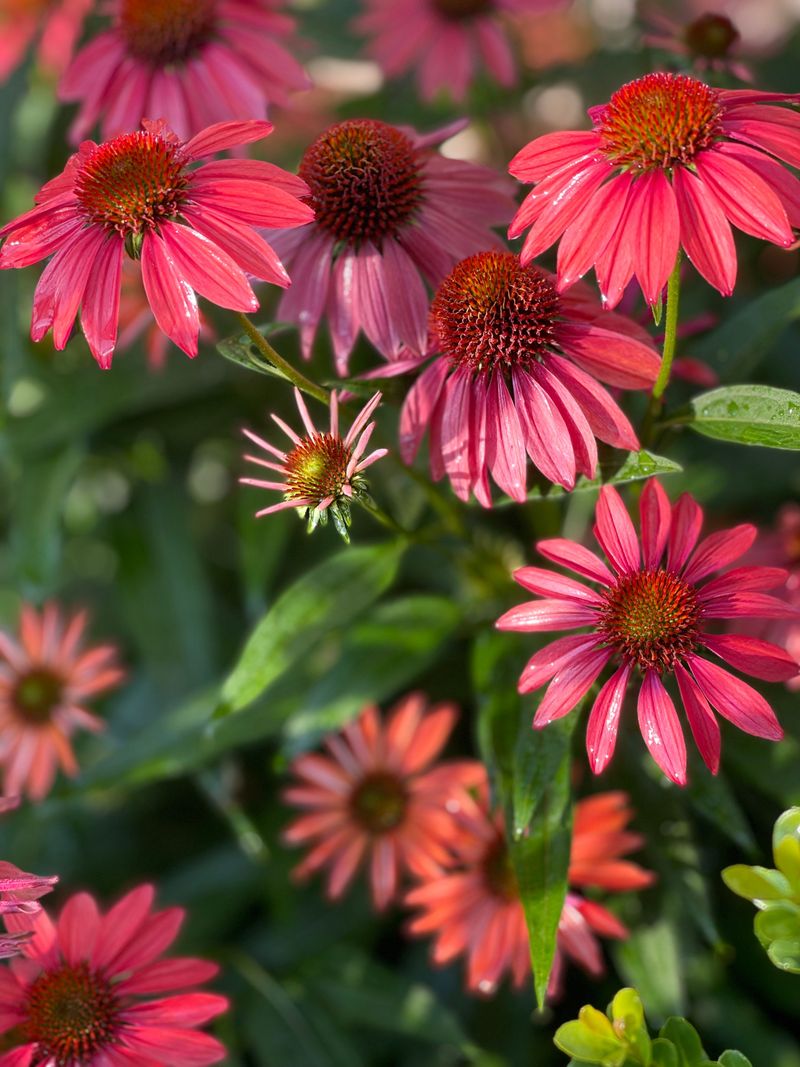
A coneflower clump becomes overcrowded after four or five years. Stems compete for water, light, and root space, and the middle often thins out.
Blooms shrink, stems flop outward, and the center looks bare. Wilting arrives faster during hot weeks because so many roots share a small patch of soil.
Division solves the crowding and refreshes the planting. Early fall, once the heat eases, is a friendly time for the job, giving roots time to settle before frost.
Water the clump the day before so the soil lifts in one piece. Use a spade to cut a wide circle around the crown, then lever the whole root ball free.
Pull the clump apart into sections holding three to five healthy shoots each. A sharp knife helps with tough, woody centers that resist gentle tugging.
Replant at the same depth, spacing pieces twelve to twenty-four inches apart depending on desired fullness. Setting the crown too deep invites rot during wet autumn weeks.
Water the new divisions steadily for a few weeks while roots settle in. Mulch lightly to hold moisture without smothering the base of each stem.
Nearby shrubs and tree roots also drink heavily, which mimics crowding even in a young bed. Moving coneflowers away from those thirsty neighbors often ends the mystery slump for good.
Extra divisions make cheerful gifts for friends down the street. Pollinators in the next yard will appreciate them too, spreading the benefit well beyond your own borders.
8. Autumn Simply Calls Time

Sometimes there is no villain at all. September light grows shorter, nights cool down, and coneflowers begin storing energy underground.
Lower leaves yellow first, then petals drop and the cones darken. That sequence is the plant closing up shop for the season, not a sign of illness.
A slow, tidy fade working from the bottom upward usually points to normal seasonal change. A sudden collapse in one spot points toward something else.
Leaving seed heads standing feeds goldfinches and chickadees through autumn. Those dark cones also look striking with frost on them.
Hold off on heavy fertilizer now, since soft new growth struggles when cold weather arrives. A thin layer of compost is plenty.
Avoid cutting foliage right down while it is still green. Those leaves are busy sending sugars to the roots.
Once stems turn brown and brittle, trim them to a few inches if you prefer a neat bed. Otherwise, wait until early spring.
Mark the spot with a small label so you do not dig into sleeping roots later. Coneflowers wake up later than many perennials.
Come spring, a low rosette of fuzzy leaves appears near the soil. That is your proof the fade was simply a seasonal rest.