9 California Herbs That Can Keep Producing As Fall Arrives
A backyard herb bed in October looks finished at first glance. Tomatoes gone, summer’s rush long over.
Look closer, though, and something else is happening.
The rosemary still smells sharp. A patch of parsley looks greener than it did back in August, as if the season actually agreed with it more than summer ever did.
Something about California’s mild fall gives certain herbs a real second wind, one strong enough that a few of them genuinely perform better once the heat finally breaks for good.
Curious which herb in your own garden is quietly having its best month yet, and why one of them actually needs the cold to taste right? The answer starts with a plant that barely notices the seasons change at all.
1. Rosemary Barely Notices The Change
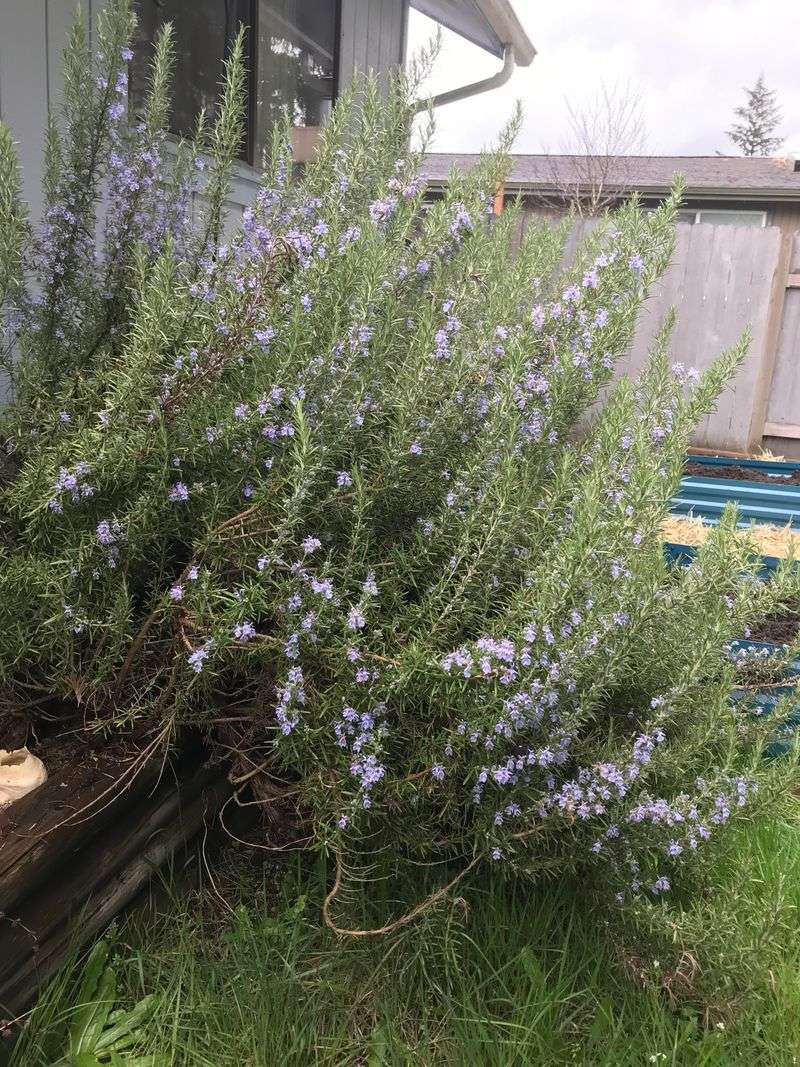
Some plants sulk when the seasons shift, but rosemary acts like nothing happened.
Its roots trace back to the dry, rocky hills around the Mediterranean Sea, where summers bake and winters turn cool and damp. California’s climate looks a lot like that, which is why this shrub feels right at home here.
Rosemary handles a wide range of temperatures.
Most varieties shrug off typical fall lows in coastal and valley gardens, and many can handle light frost once they’re established. It’s a tough, drought-tolerant plant, so cooler nights barely slow it down.
You can keep snipping sprigs all season long.
Cut the soft, green tips instead of the old woody stems, since new growth comes back fastest from younger wood. Try not to remove more than about one-third of the plant at a time.
The biggest fall mistake is too much water.
Once the rains start, rosemary usually needs little or no extra irrigation, and soggy soil can lead to root rot. Good drainage matters more than anything else you do.
In colder inland or foothill areas, a sudden hard freeze can damage tips on some varieties. Upright types like ‘Arp’ are often listed as more cold-hardy, though results vary.
For most Californians, though, rosemary will keep perfuming roast potatoes and soups right through Thanksgiving and beyond.
2. Thyme Stays Productive Into Late Fall
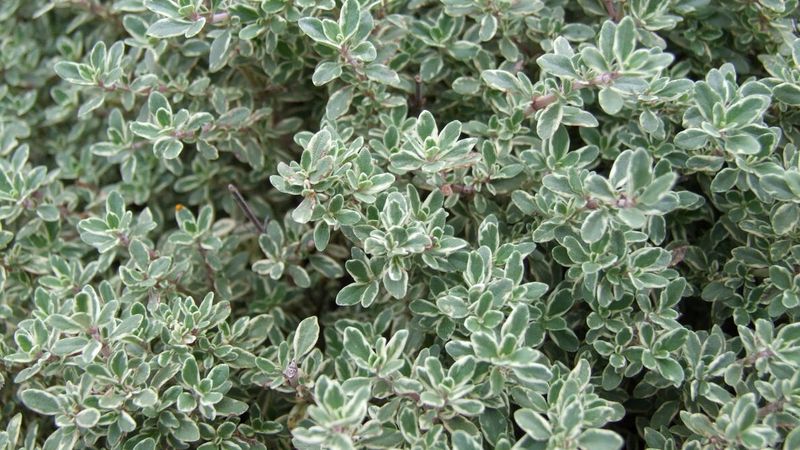
Tiny leaves, big attitude.
Thyme may look delicate, but this low, spreading herb is a Mediterranean survivor, built for sunshine, lean soil, and not much fuss. When fall cools things down in California, it simply keeps pushing out fresh little stems.
Here’s why it holds up so well.
Thyme is a woody perennial, so its tough stems and small leaves lose less water and handle temperature swings better than soft, leafy herbs. Mild fall days with plenty of sun give it just what it wants, without the scorching stress of a July heat wave.
To keep harvests coming, trim often but lightly.
Snip the top few inches of green growth, and avoid cutting into the bare, woody base, which may not sprout again. Regular picking actually keeps the plant bushy instead of leggy.
Skip the fertilizer this time of year.
Your California Garden Changes Every Week. Your Plan Should Too.
Gardening in California changes quickly throughout the season. Every Friday you’ll receive a simple weekly plan showing exactly what to plant, prune, fertilize, harvest, and protect so you never miss the right timing.
Thyme grows best in soil that is not too rich, and extra feeding can create weak, floppy growth right before winter. A sunny spot with fast-draining soil or a clay pot works beautifully.
Here’s a fun fact worth knowing. Ancient Romans burned thyme to purify rooms, and soldiers sometimes bathed in it for courage.
Pick in the morning after the dew dries, when the leaves smell strongest, and your late-fall cooking will thank you.
3. Sage Rewards Minimal Fall Care
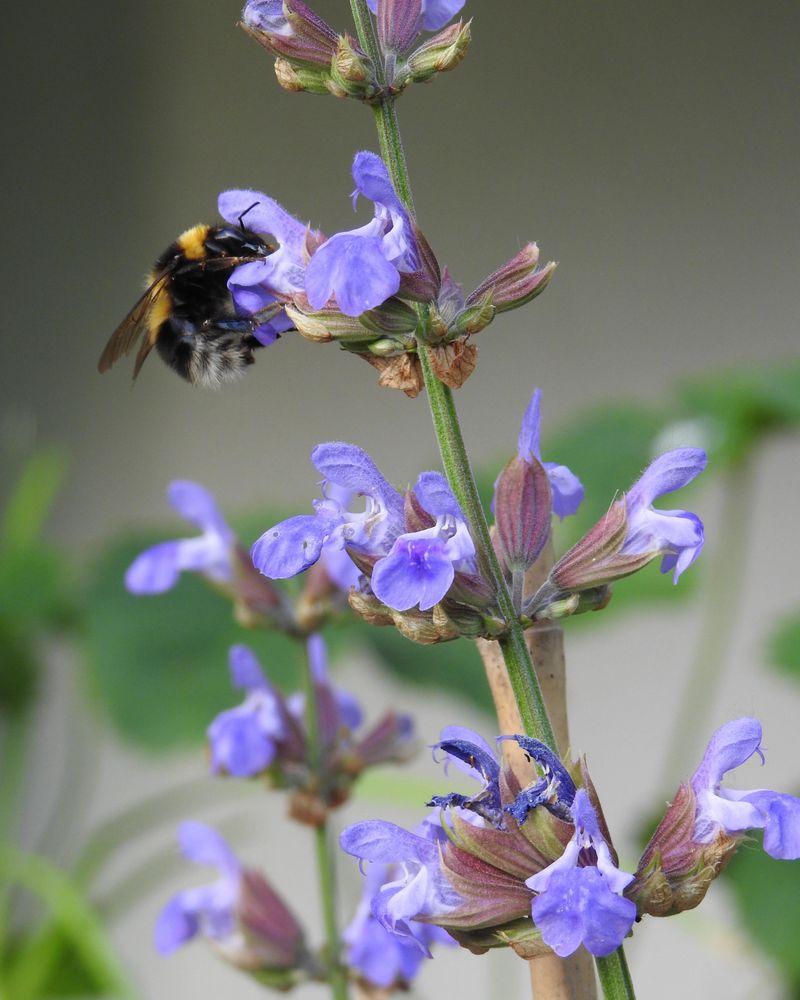
If you like plants that do their job without asking for much, garden sage might be your new favorite.
Its soft, gray-green leaves feel almost like felt, and that fuzzy coating helps the plant hold moisture. Once summer fades, sage settles into a steady, easygoing rhythm.
Like rosemary and thyme, common sage comes from the Mediterranean region and handles California’s fall temperatures with ease.
It does not need cool weather to perform well, but it does appreciate the break from intense heat. Leaves often look fuller and less stressed by October.
Fall care is mostly about holding back.
Water deeply but only when the top couple of inches of soil feel dry, and cut back even more once rain arrives. Too much moisture is a common reason sage plants suddenly wilt and fail.
Harvest leaves as you need them, but save any hard pruning for late winter or early spring.
Cutting deep into old wood in fall can leave the plant weak heading into cold nights. A light shaping, removing faded flower stalks, is plenty for now.
After three or four years, sage plants often turn woody and produce fewer leaves. That’s normal, and it’s a good reason to root a few cuttings or buy a young plant.
4. Oregano Keeps Growing As Nights Cool
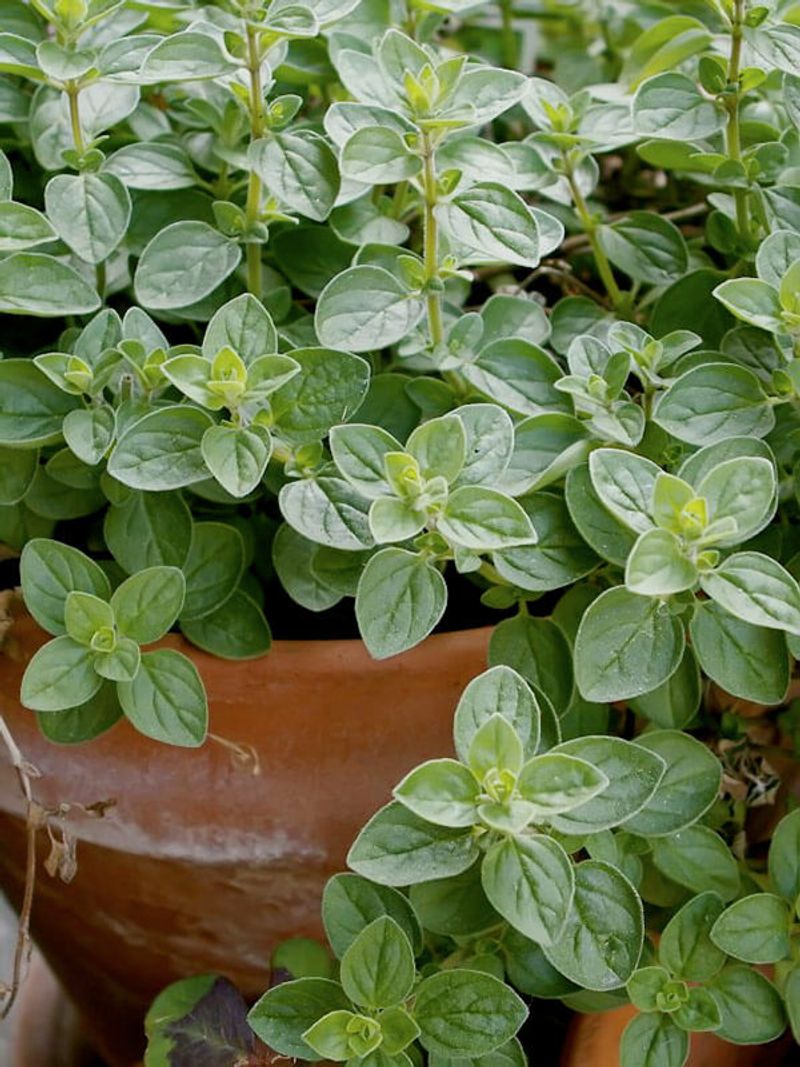
Ever notice how oregano seems to creep a little farther across the garden bed every time you look?
That spreading habit does not stop just because the nights turn cool. In most of California, oregano keeps sending up fresh shoots well into fall.
Oregano is another Mediterranean herb, and it grows well in a wide range of temperatures.
Growth may slow somewhat as days shorten, but mild coastal and valley climates rarely get cold enough to stop it. In the coldest inland spots, the top growth may go dormant in winter, while the roots stay alive and return in spring.
Summer flowers are pretty, but they can make leaves taste milder.
Cutting back the old flower stems in early fall encourages a fresh flush of leafy growth. Those new leaves often have a stronger, spicier flavor.
Give oregano full sun and soil that drains quickly.
It prefers being a bit on the dry side, so reduce watering as the weather cools. Rich soil and heavy fertilizer can actually weaken the flavor you’re growing it for.
Here’s a handy trick for extra harvests. Pick a bundle of stems, tie them together, and hang them upside down in a dry, shady spot.
After a week or two, the leaves crumble right off and store for months in a jar.
5. Chives Come Back Strong With Cooler Weather
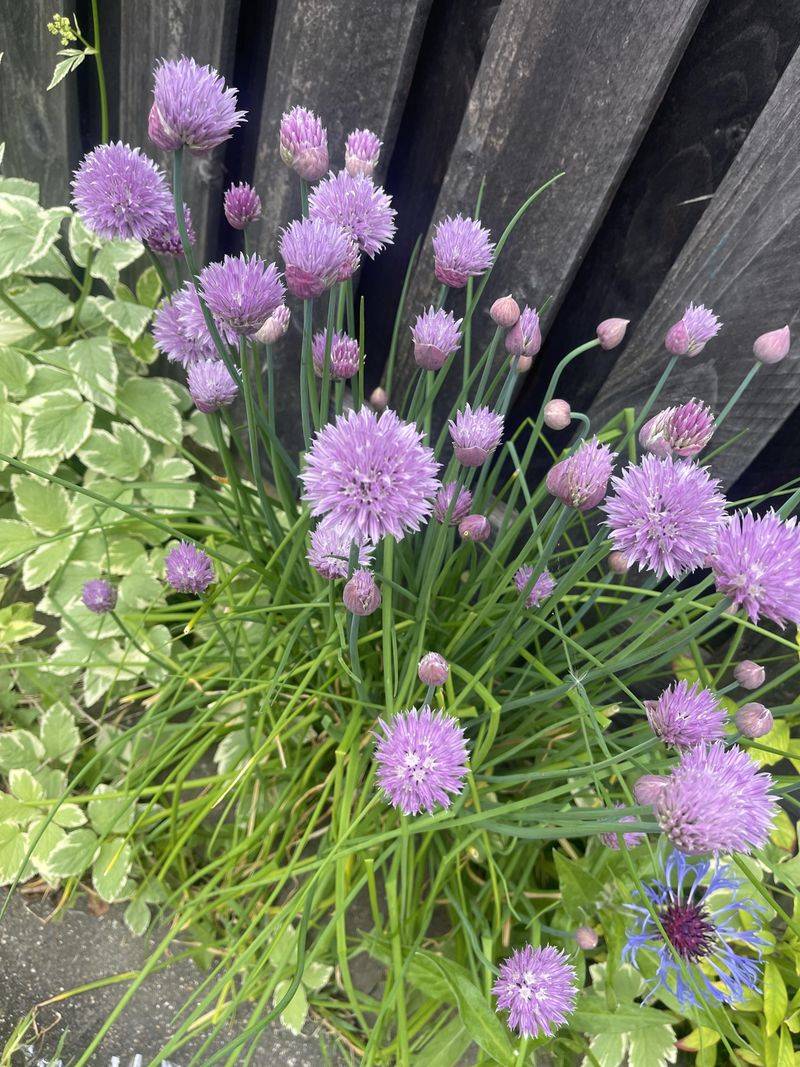
By late August, a lot of chive clumps look tired, with yellowing tips and tough, flower-topped stems.
Then the weather cools, and suddenly bright green spears start popping up again. Chives are cool-season lovers, and fall is when they get their second wind.
Unlike the woody herbs above, chives are a perennial in the onion family with grassy, hollow leaves.
Heat can stress them, but milder fall temperatures and shorter days suit them nicely. In mild parts of California, clumps often stay green through much of winter, while in colder areas they may go dormant and return in spring.
Give them a fresh start by cutting tired clumps down to about two inches above the soil.
Water regularly, since chives like evenly moist soil more than rosemary or thyme do. Within a few weeks, you should see tender new growth.
Fall is also a great time to divide older clumps.
Dig one up, gently pull it into smaller sections with a few bulbs each, and replant them a few inches apart. You end up with more plants for free.
When harvesting, snip leaves near the base instead of trimming just the tops.
Garlic chives, a flat-leaved cousin, also do well this time of year and add a mild garlic kick.
6. Parsley Prefers Fall Over Summer Heat
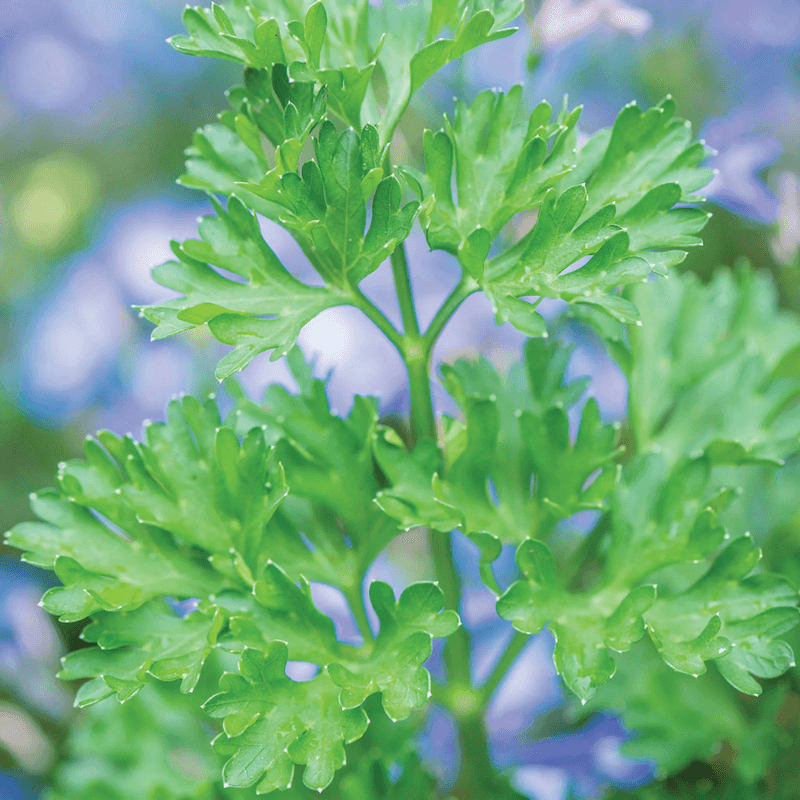
Parsley might be the most underrated fall herb in California.
Plenty of gardeners plant it in spring, watch it struggle through summer heat, and never realize it would have been happier in autumn. Fall is really its season.
Parsley is a cool-season plant, and it’s technically a biennial, which means it grows leaves the first year and flowers the second.
Long, hot days stress it, and in its second year, heat can push it to send up flower stalks. Once temperatures ease, leaves grow fuller, greener, and more tender.
Parsley ranks as a good choice for fall planting in many parts of the state.
Seeds are famously slow and can take two to four weeks to sprout, so soaking them overnight before planting may help. If you want faster results, starting with transplants from a nursery is an easy shortcut.
Place parsley in full sun near the coast or light afternoon shade in hotter inland areas during early fall.
Keep the soil evenly moist but not soggy. A light feeding with a balanced fertilizer can support steady leafy growth.
For the best harvest, pick the outer stems first, cutting them near the base.
Both curly and flat-leaf Italian parsley work, though many cooks prefer the flat type for its bolder flavor in sauces and salads.
7. Cilantro Finally Stops Bolting In Fall
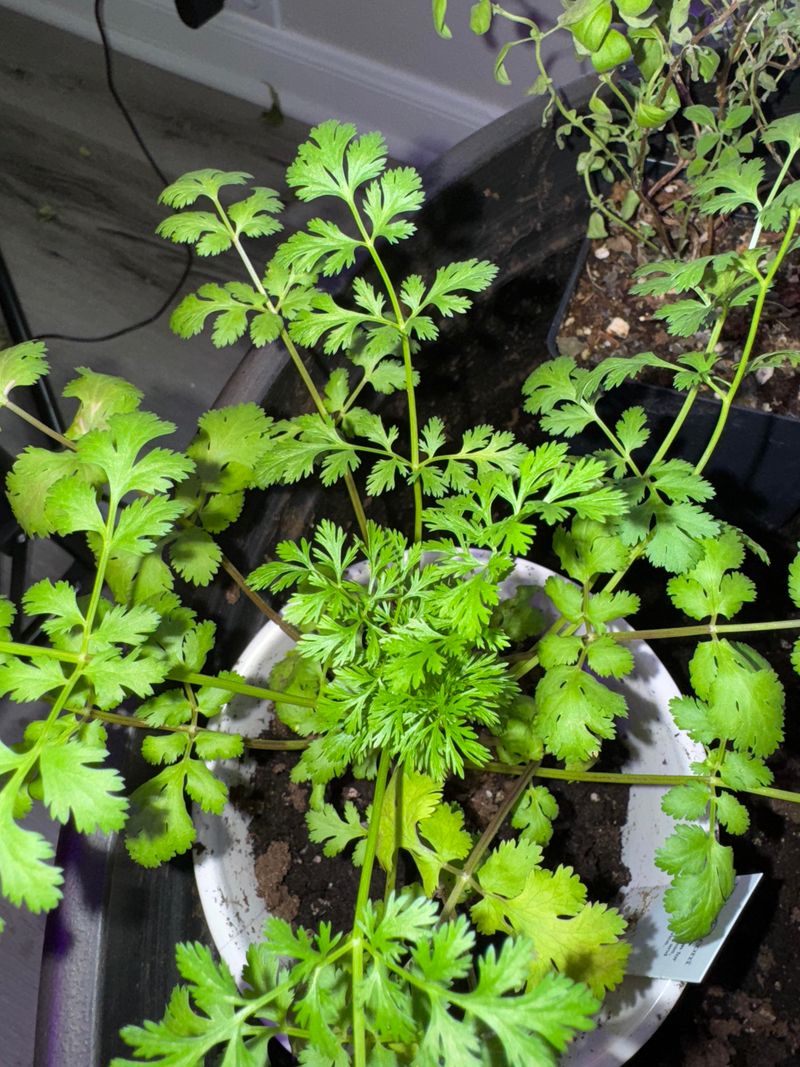
Anyone who has grown cilantro in a California summer knows the heartbreak.
One week you have lush, lacy leaves, and the next the plant shoots up a tall flower stalk and the leaves turn thin and bitter. That process is called bolting, and fall is the cure.
Cilantro bolts when it feels heat and long days.
It grows best in cool weather, which is why fall and winter are prime planting times in much of California. As days get shorter and temperatures drop, plants stay leafy much longer.
Sow seeds directly into the garden, since cilantro has a taproot and does not love being transplanted.
Plant about a quarter inch deep and keep the soil moist until sprouts appear. Sowing a new small batch every two to three weeks gives you a steady supply.
Even in fall, cilantro will eventually flower, because that’s simply its life cycle.
Some varieties are labeled slow-bolting, and they can buy you extra harvest time. If a plant does bolt, let it go to seed and collect the round seeds, which are the spice known as coriander.
Harvest outer leaves once plants reach about six inches tall.
Pair your fall cilantro with homemade salsa, soups, or tacos, and enjoy a flavor that summer heat kept stealing from you.
8. Mint Spreads Steadily Through Cooler Months
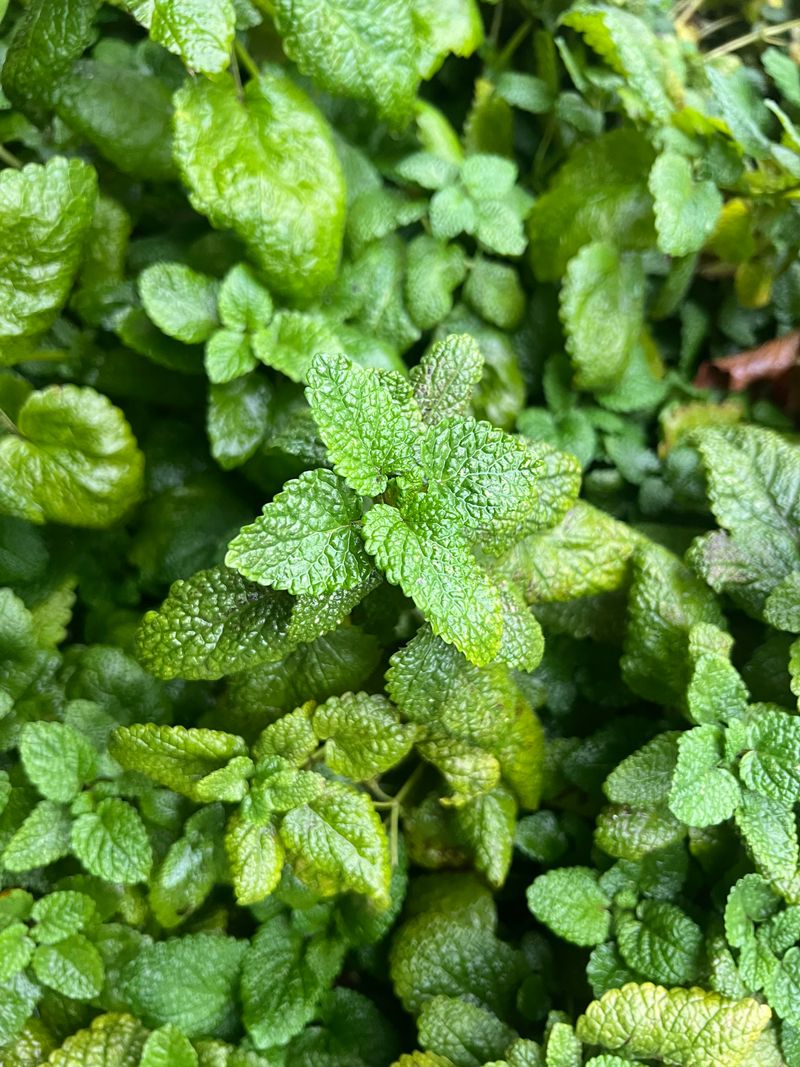
Plant one little mint sprig in the ground, and by next year you might have a mint lawn.
Gardeners joke about it, but mint really is that determined, and cooler fall weather does not slow it down much in most of California.
Mint grows happily in sun or partial shade and loves steady moisture.
In mild coastal and valley areas, it often keeps producing fresh leaves well into late fall and sometimes through winter. In colder inland spots, the tops may go dormant after a hard frost, but the roots survive and send up new shoots when spring warms up.
The real fall task is managing its spread.
Mint travels by underground runners that pop up far from the original plant, even under paths and into neighboring beds. Growing it in containers is commonly recommended to keep it under control.
A large pot with a drainage hole works well.
If you want mint in a garden bed, sink a bottomless bucket or pot into the soil with the rim sticking up an inch or two, which helps block runners.
Harvest often by pinching stems just above a pair of leaves.
Peppermint, spearmint, and chocolate mint all handle fall weather well, so pick the flavor you enjoy most for tea, lemonade, or a fruit salad.
9. Lemon Balm Perks Up As Summer Fades
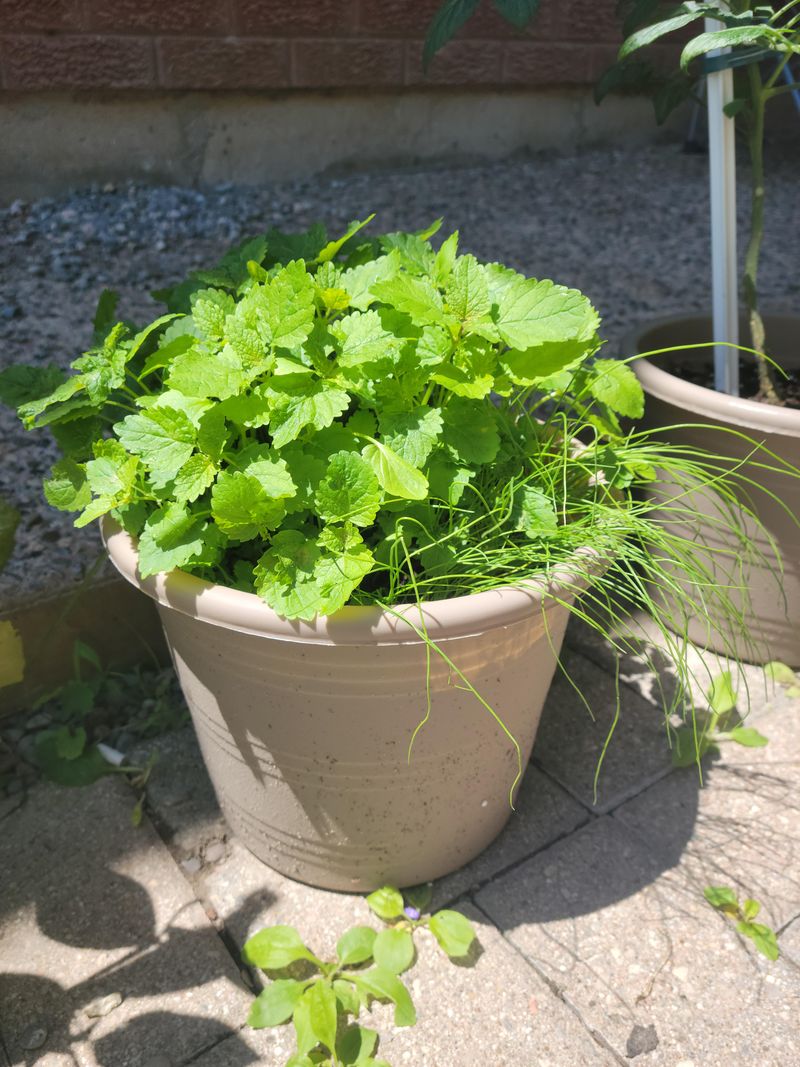
Rub a lemon balm leaf between your fingers, and you get an instant citrus scent that seems almost out of place in a fall garden.
This herb often looks tired and scraggly by late August, worn down by peak summer heat. Cooler fall weather brings it right back to life.
Lemon balm belongs to the mint family, and it shares that group’s love of moisture and its tendency to spread with enthusiasm.
It handles a wide range of conditions, though it genuinely prefers the milder temperatures fall provides over blazing summer sun.
As nights cool, the plant often pushes out a fresh flush of bright green, tender leaves.
Those new leaves carry a stronger lemon flavor than the sun-stressed growth from midsummer.
Harvest by snipping stems just above a leaf node, similar to how you’d pick mint.
Regular cutting keeps the plant bushy and encourages even more new growth through the cooler weeks ahead.
Like its mint relatives, lemon balm spreads by both seed and creeping roots, so many gardeners keep it contained in a pot rather than letting it loose in a bed.
Drainage matters here too. Soggy winter soil can invite root problems, so a spot with decent drainage works better than a low, wet corner of the yard.
Steep a few fresh leaves in hot water for a calming tea, or add chopped leaves to fruit salads and iced drinks for a bright, citrusy lift.