The Common Marigold Care Mistake Many Georgia Gardeners Make
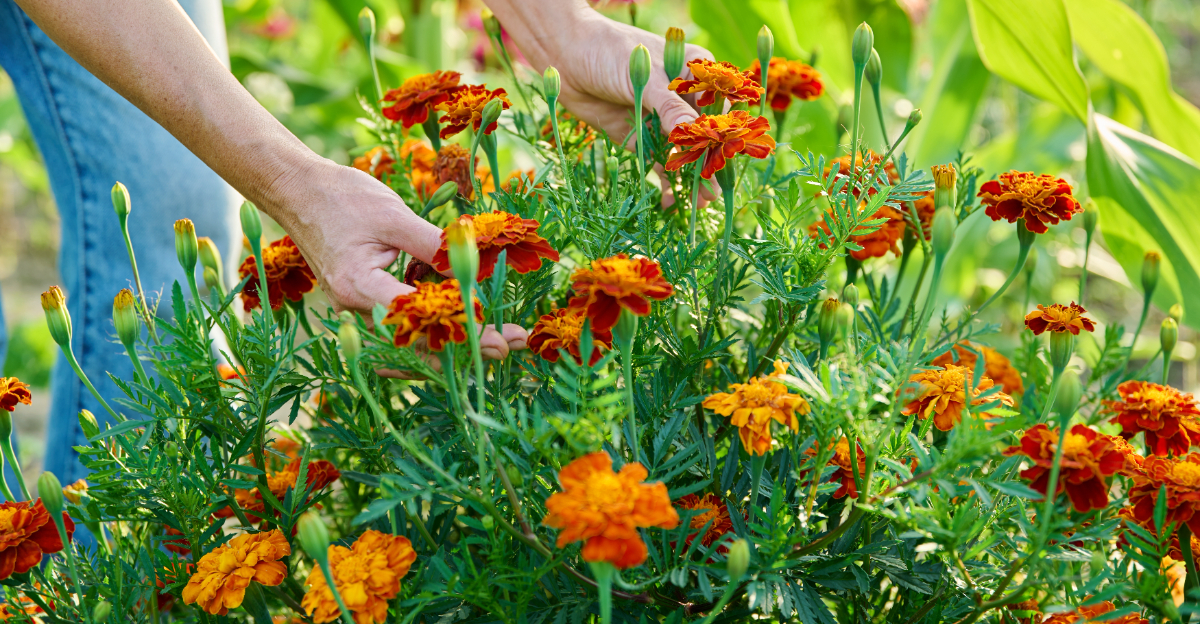
Marigolds can look perfect in Georgia gardens early in the season, then suddenly start fading much faster than expected once late spring settles in.
Flowers get smaller, stems stretch out, and the whole plant starts looking tired even though summer has barely started. One very common care mistake causes that problem in a lot of Georgia gardens.
Heat and humidity change how marigolds respond almost overnight once temperatures stay warm consistently, especially during long stretches of damp evenings and heavy afternoon sun.
Some marigolds keep blooming deep into summer while others struggle before June even fully arrives, and the difference often comes down to one simple habit most gardeners do not think twice about.
1. Leaving Spent Marigold Blooms On The Plant Too Long
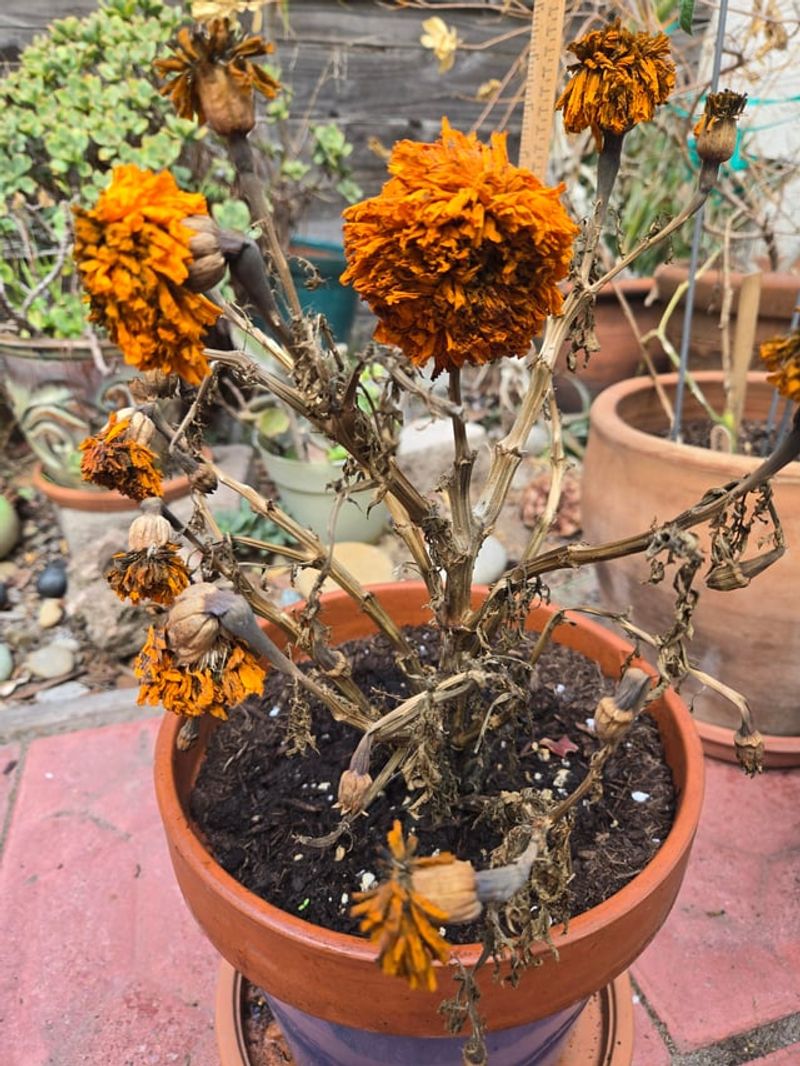
Nobody wants a garden full of brown, crispy flower heads, but that is exactly what happens when spent blooms get ignored. Leaving old marigold flowers on the plant sends a signal that the growing season is wrapping up, which slows new bud production significantly.
Georgia summers are long and hot, and marigolds have plenty of energy left to keep blooming if you give them the right push.
Spent blooms start forming seed heads, and once that process begins, the plant shifts its focus away from producing new flowers. You will notice fewer buds forming and more dried clusters sitting at the tops of stems.
Removing those faded flowers before the seed head fully develops keeps the plant in active flowering mode throughout the season.
Walk through your garden every few days and snap off any flower that has lost most of its color. It takes only a few minutes, and the results show up within a week or two.
Gardeners in Georgia who deadhead consistently tend to have marigolds that bloom well into October, long after neighbors have given up on theirs.
Pinch the stem just below the base of the spent bloom, making sure the entire flower head comes off cleanly.
2. Regular Deadheading Helps New Flowers Form Faster
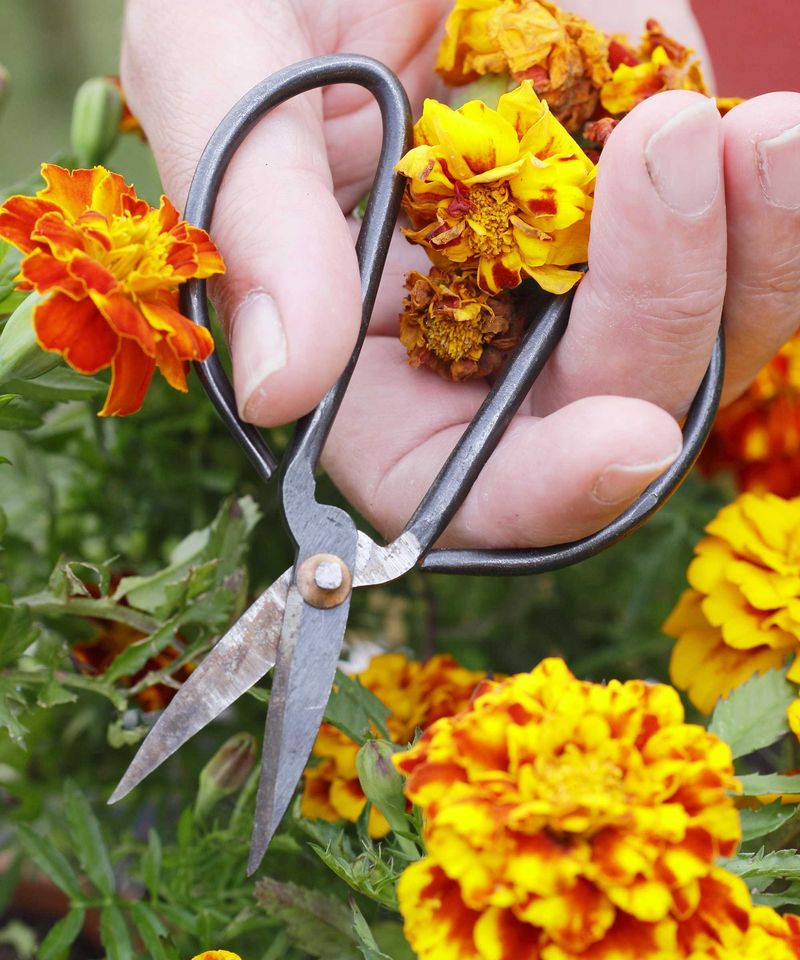
Deadheading might sound like a strange gardening term, but it is simply the act of removing old, finished flowers before they fully go to seed. When done consistently, it tricks the plant into producing more blooms because the job of making seeds never gets fully completed.
Georgia gardeners who make deadheading a weekly habit are often shocked by how much fuller and more colorful their marigold plants become.
New buds tend to emerge within seven to fourteen days after deadheading, depending on the heat and how well the plant has been watered.
During peak Georgia summer temperatures, marigolds can slow down a little, but they bounce back quickly once the hottest part of the afternoon passes.
A clean pair of small garden scissors or even your fingernails work perfectly for this task. Pinch or cut just below the base of the spent bloom, right where it meets the stem.
Avoid tearing the stem, since rough cuts can create small wounds that invite fungal problems, which Georgia humidity already makes more likely.
Your Georgia Garden Changes Every Week. Your Plan Should Too.
Gardening in Georgia changes quickly throughout the season. Every Friday you’ll receive a simple weekly plan showing exactly what to plant, prune, fertilize, harvest, and protect so you never miss the right timing.
Consistency matters far more than perfection here. Even if you miss a few blooms here and there, regular deadheading still makes a visible difference over the course of a season.
3. Full Sun Keeps Marigolds Blooming More Consistently
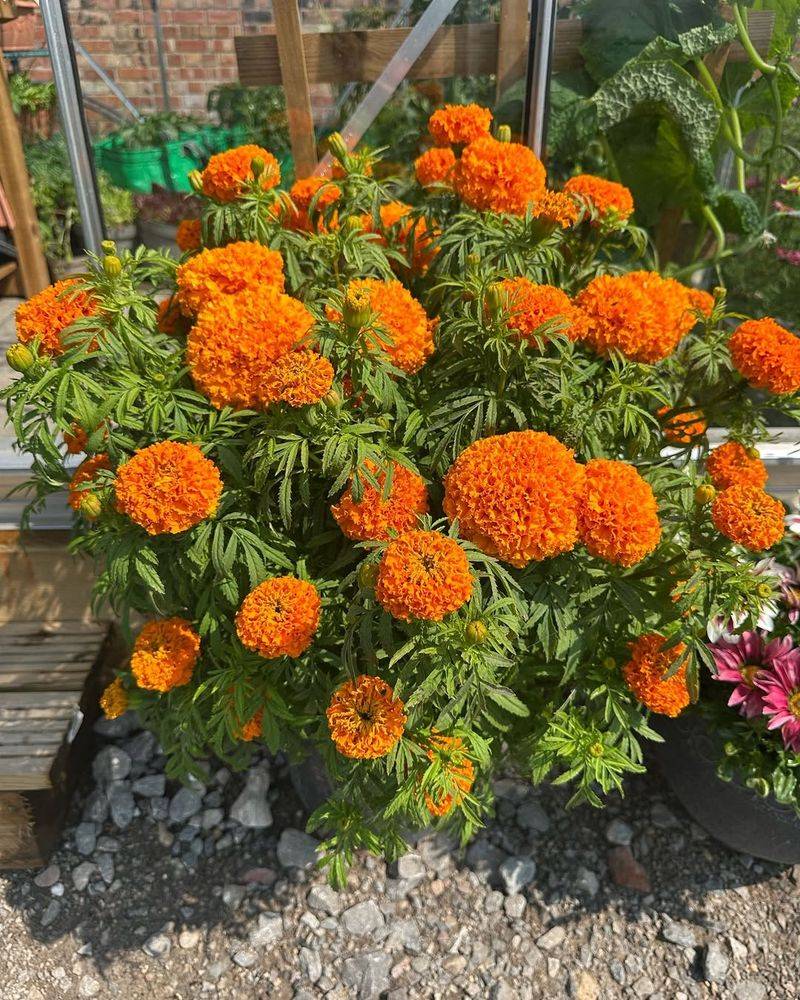
Shade is the quiet enemy of a marigold garden. Even partial shade for a few hours each day can reduce bloom production noticeably, leaving plants with more leaves than flowers.
Georgia has no shortage of sunshine, so taking advantage of that is one of the easiest ways to keep marigolds performing well all season long.
Marigolds need a minimum of six hours of direct sunlight daily to bloom at their best, and eight hours is even better. Plants that sit under a tree canopy or beside a fence that blocks afternoon sun tend to grow tall and leggy as they stretch toward the light.
That stretching weakens the stems and reduces the number of flowers that actually open.
Before planting, spend a day watching how sunlight moves across your garden beds. Some spots that look sunny in the morning fall into shade by early afternoon, which is not ideal for marigolds.
Moving plants or choosing a different planting location can make a significant difference without any other changes to your care routine.
Container-grown marigolds in Georgia have an advantage here because pots can be moved to follow the sun. If your yard has limited full-sun spots, containers placed on a sunny patio or driveway edge can give marigolds the light exposure they need.
4. Watering Near The Roots Helps Prevent Leaf Problems
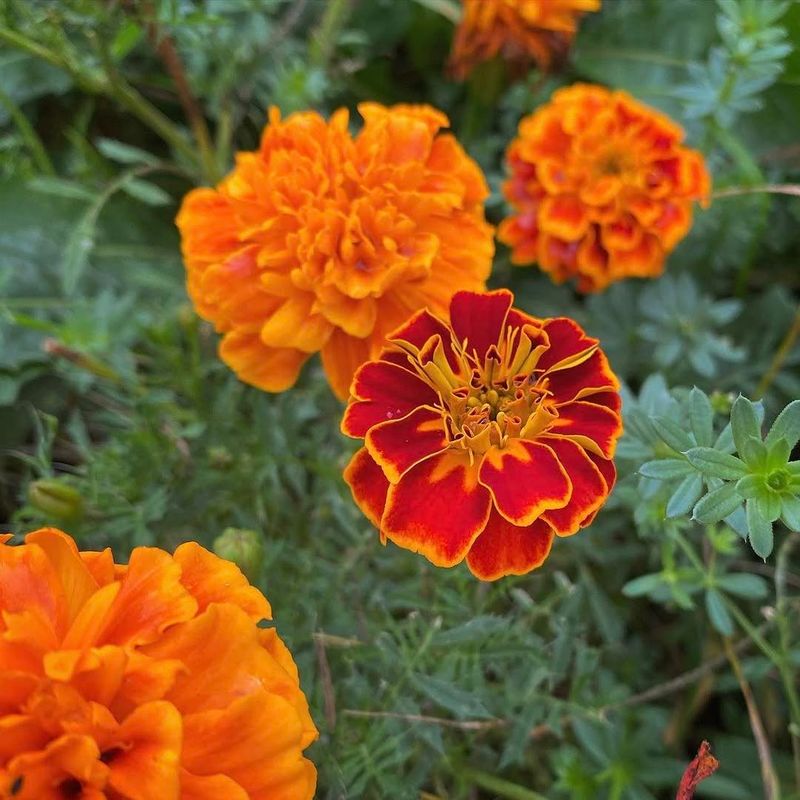
Overhead watering looks convenient, but it causes more problems for marigolds than most Georgia gardeners realize.
Wet leaves sitting in warm, humid air create the perfect conditions for powdery mildew and botrytis, both of which are common during Georgia summers.
Getting water directly to the roots instead of spraying it over the entire plant makes a real difference in long-term plant health.
Soaker hoses and drip irrigation systems are excellent options for marigold beds because they deliver moisture slowly at soil level. Hand watering with a watering can or hose with a low-flow nozzle pointed at the base of each plant works just as well.
Whichever method you choose, the goal is to keep the foliage as dry as possible while still giving the roots consistent moisture.
Morning watering is the best time to water if overhead watering is unavoidable. Any moisture that lands on leaves has time to evaporate before evening, reducing the chance of fungal problems developing overnight.
Evening watering, on the other hand, leaves wet foliage sitting in cooler, humid night air, which is a common setup for leaf spotting and mold.
Sandy soil in parts of Georgia drains quickly, which means marigolds may need watering every other day during hot stretches. Clay-heavy soil holds moisture longer but can stay too wet if overwatered.
5. Trimming Leggy Growth Encourages Bushier Plants
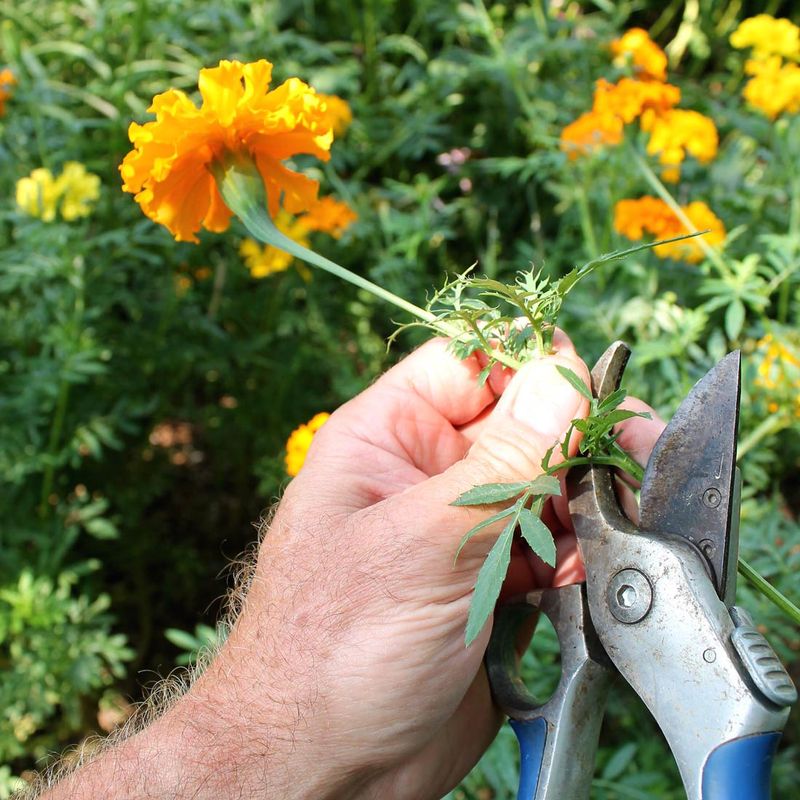
Leggy marigolds are a familiar sight in Georgia gardens by midsummer. Tall, thin stems with sparse foliage and a single bloom at the top usually mean the plant has been stretching for light or has not been trimmed back since it was planted.
Cutting those long stems down by about one-third encourages side shoots to form, which creates a fuller, more compact plant with far more blooming points.
Pruning marigolds is not complicated, but many gardeners hesitate because cutting into a flowering plant feels counterintuitive. Removing a few inches from each long stem actually stimulates the plant to branch outward rather than continuing to grow straight up.
Within a couple of weeks, new growth appears along the sides of the trimmed stems, and each of those new shoots can produce its own flower bud.
Mid-June through early July is a good window for a hard trim on marigolds that have gotten out of control in Georgia gardens. Temperatures are high but the season is far from over, giving plants plenty of time to recover and rebloom before fall.
Waiting too long into August reduces recovery time, so earlier is generally better if the plant looks stretched or uneven.
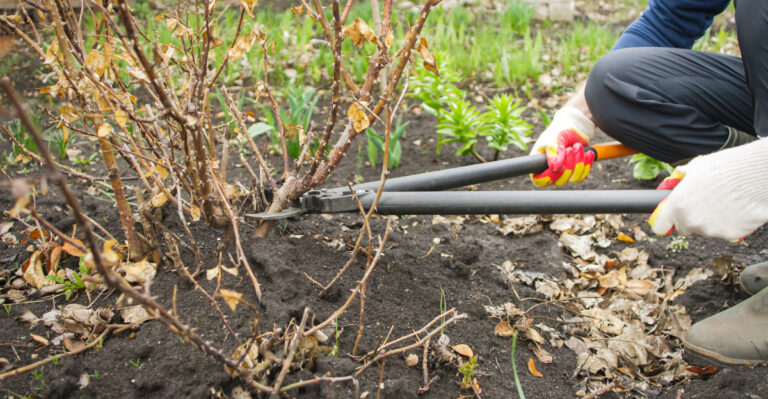
Use clean, sharp scissors or pruning shears to avoid crushing the stems.
6. Better Airflow Helps Marigolds Handle Humid Weather
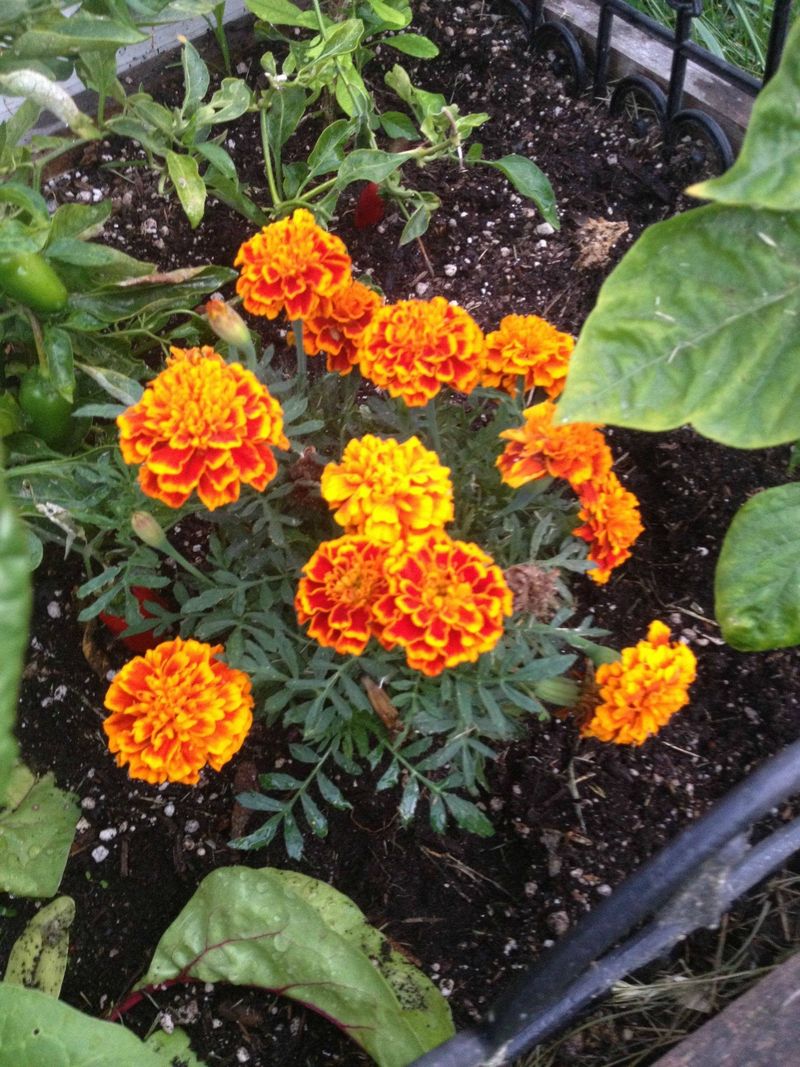
Georgia humidity is relentless from late spring through early fall, and marigolds planted too close together pay the price. Crowded plants trap moisture between their stems and leaves, creating a warm and humid microclimate that is ideal for fungal diseases.
Giving each plant enough room to breathe is one of the simplest ways to avoid the leaf spotting and stem rot that cut Georgia marigold seasons short.
Standard marigold varieties do well with about ten to twelve inches of space between plants, while larger African marigold types may need up to eighteen inches.
Spacing feels wasteful at planting time when seedlings look small, but those gaps fill in quickly once summer growth kicks in.
Resist the urge to plant tightly, even when the bed looks sparse in April or May.
Thinning out the inner stems of established plants also improves airflow without requiring more garden space. Removing a few of the oldest, most crowded stems from the center of each plant allows air to move through more freely.
It takes only a few minutes per plant and can noticeably reduce the amount of leaf spotting that shows up during Georgia’s sticky summer months.
Raised beds naturally offer better drainage and slightly better airflow than in-ground planting, which is one reason marigolds often perform better in them across Georgia.
7. Light Feeding Supports Stronger Summer Blooms
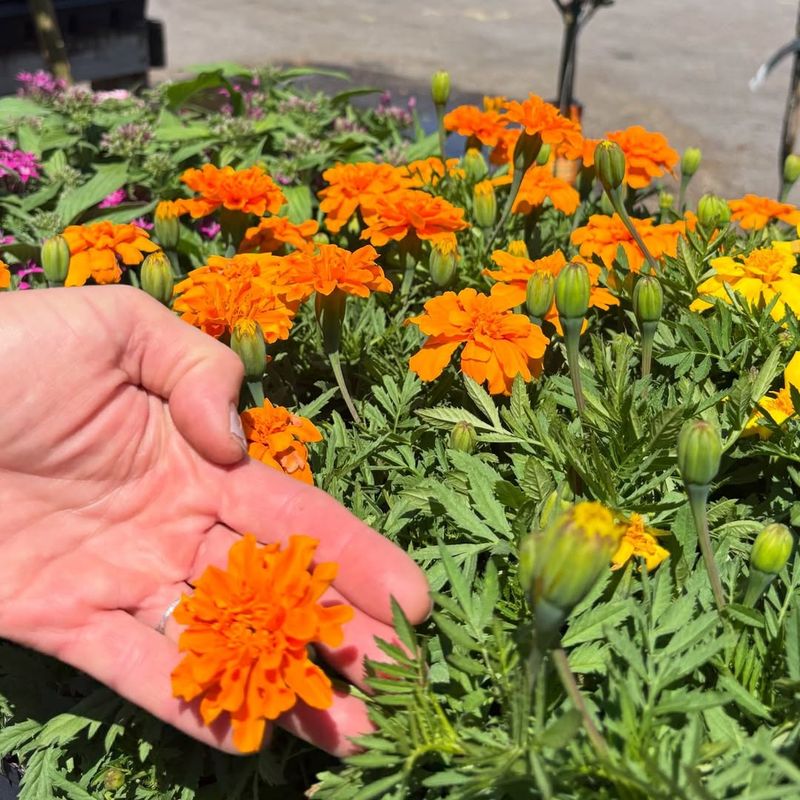
Fertilizer and marigolds have a complicated relationship that catches a lot of Georgia gardeners off guard. Too much nitrogen pushes the plant to produce lush, dark green foliage at the expense of flowers.
A light feeding schedule with a balanced or low-nitrogen fertilizer keeps plants healthy without redirecting their energy away from blooming.
A slow-release granular fertilizer applied once at planting and again in midsummer is usually enough for most Georgia garden beds. Liquid fertilizers work faster but require more careful application since overfeeding is easier to do with liquid products.
If your marigolds are producing plenty of dark green leaves but very few flowers, excess nitrogen is likely the cause.
Phosphorus is the nutrient most directly linked to flower production, so a fertilizer labeled for blooming plants or one with a higher middle number in the N-P-K ratio is a smart choice for marigolds.
Products with ratios like 5-10-5 or 4-8-4 support root development and flowering without overloading the plant with nitrogen.
Look for these at any garden center across Georgia.
Poor soil is a real factor in many Georgia gardens, particularly in areas with sandy or heavily clay-based ground. Adding compost at planting time improves soil structure and provides a slow, gentle source of nutrients that marigolds use well throughout the season.