Colorful Migrating Songbirds Are Passing Through Georgia Yards This Month
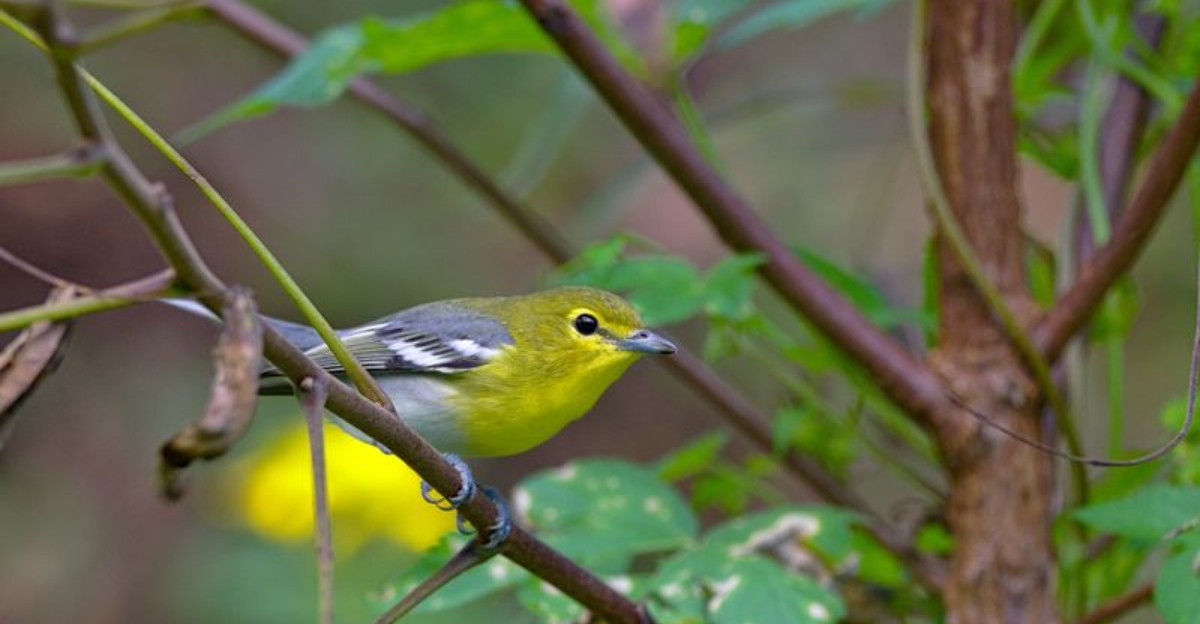
Something odd happens in Georgia yards every September, usually right around your second cup of coffee. The dogwood shakes hard, a flash of burnt orange darts past your ear, and then silence falls.
So you stand on the back steps, squinting at leaves that flatly refuse to explain themselves. Whatever that was moved fast, ate something small, and clearly had somewhere important to be tonight.
Mornings smell different now, cooler and greener, with a restless energy that August could not manage. Thin chirps drift down long after dark from a sky that looks perfectly empty overhead.
Half of this state is hosting overnight guests, and almost nobody has bothered to notice. Your backyard oak, meanwhile, has been running a very busy hotel without asking anyone’s permission.
The Autumn Rush Through Georgia’s Backyard Trees
Cool fronts sweep down from the Appalachians, and Georgia suddenly fills with feathered travelers. Most of them nested far up north and are heading toward Central and South America.
Georgia sits along a broad flyway that funnels birds toward the Gulf Coast. Backyards, parks, and greenways become rest stops where hungry migrants refuel for days.
Migration happens mostly at night, when the air is calmer and predators are fewer. At sunrise the birds drop into treetops and start hunting insects immediately.
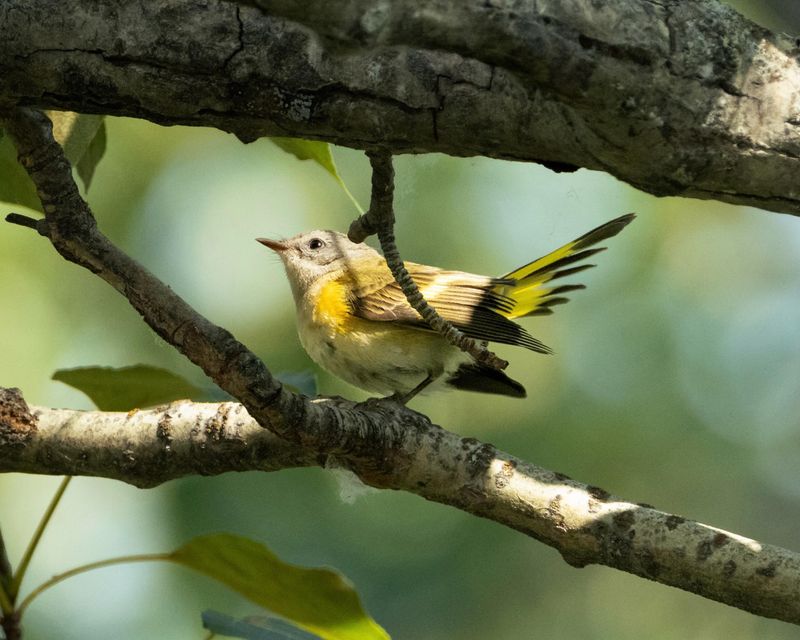
Scarlet tanagers, American redstarts, and rose-breasted grosbeaks show up in ordinary neighborhoods. Their fall feathers look duller than spring plumage, so many people miss them.
That is why your dogwood or oak matters far more than you might think. A single tree can feed dozens of warblers during one busy morning.
Ruby-throated hummingbirds also stream through, fattening up before crossing the Gulf of Mexico. Some nearly double their body weight on nectar and tiny insects first.
Weather drives everything about these visits, especially north winds behind a passing cold front. Birds ride those tailwinds south, then pile up wherever food and cover wait.
Birders in Atlanta, Macon, and Savannah report different species on the same morning. Your yard’s list depends on nearby habitat, water, and plain old luck.
Fall movement is bigger than most Georgians realize. Millions of birds can cross the state in one night.
Most stay only a day or two before slipping away in darkness. Watching closely now gives you a front row seat to one of nature’s great journeys.
September Timing And The Peak Weeks Ahead
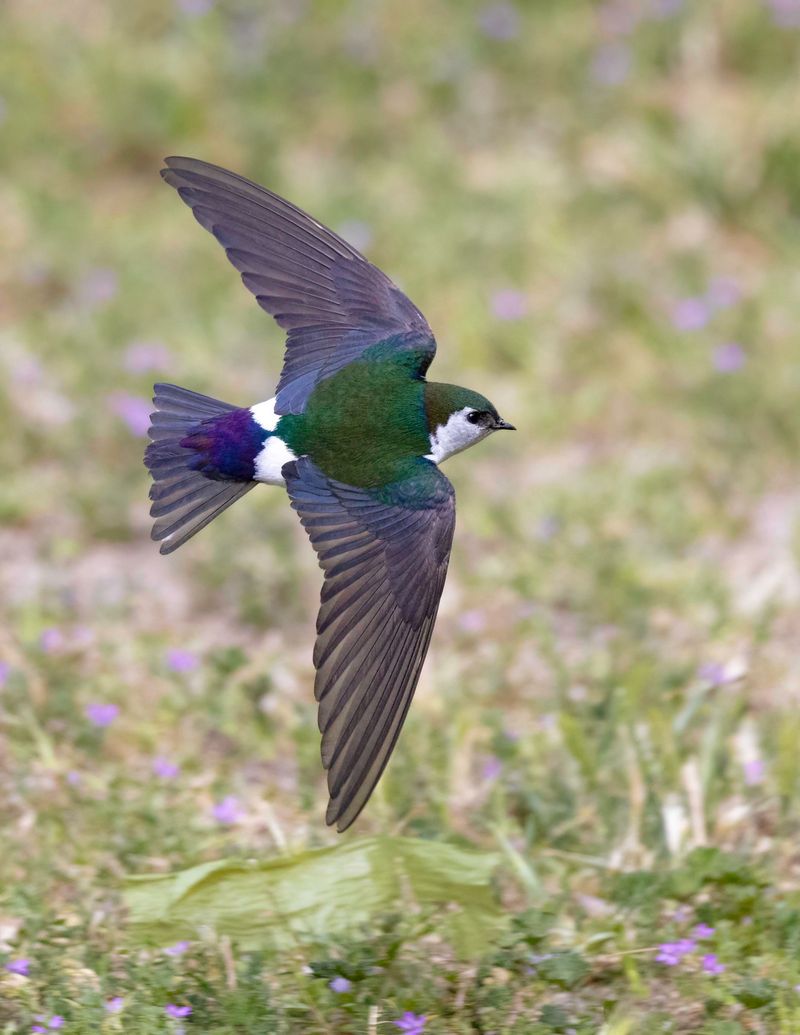
Early September belongs to the first wave, mostly flycatchers, vireos, and swallows. By mid month warblers arrive in real numbers across most of the state.
Check your yard between sunrise and about ten in the morning. Insects warm up then, and hungry birds move through low branches searching for them.
Late September brings thrushes, tanagers, and the last big push of hummingbirds. Early October adds sparrows, kinglets, and yellow-rumped warblers that linger all winter.
Watch the forecast for a cold front followed by clear north winds. The next morning often delivers the busiest birding of the whole month.
Radar tools like BirdCast show nightly migration forecasts for Georgia counties. Checking one before bed helps you decide whether to set an early alarm.
Your Georgia Garden Changes Every Week. Your Plan Should Too.
Gardening in Georgia changes quickly throughout the season. Every Friday you’ll receive a simple weekly plan showing exactly what to plant, prune, fertilize, harvest, and protect so you never miss the right timing.
North Georgia mountain ridges see big movements slightly earlier than the coastal plain. Coastal spots such as Jekyll Island stay busy well into late October.
Rainy mornings can be surprisingly good, since birds drop from the sky quickly. Puddles and wet leaves attract insects, and insects attract warblers.
Evening hours matter too, especially around dusk when birds gather to roost. Listen for soft chip notes drifting from hedges and low shrubs.
Keep a small notebook by the window and jot down each arrival. Patterns show up fast, and next September you will know what to expect.
Timing beats fancy gear during fall migration in a Georgia yard. Ten quiet minutes at the right hour can beat an afternoon of searching.
Tidy Yard Habits That Turn Visitors Away
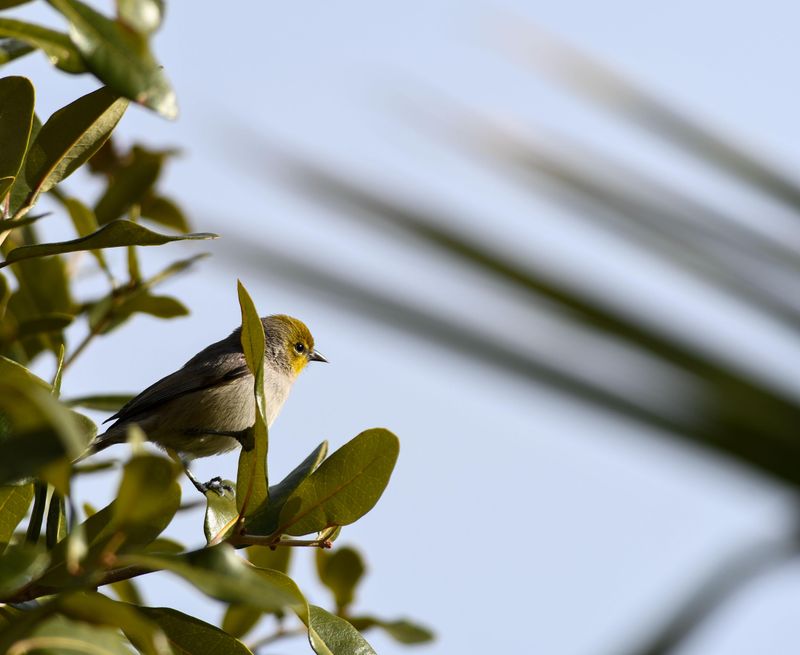
A spotless lawn looks great to neighbors and pretty boring to a tired warbler. Bare grass offers no bugs, no berries, and nowhere safe to hide.
Blowing away every leaf removes the insects that ground feeding thrushes depend on. Those leaves are basically a buffet hidden under a blanket.
Heavy pesticide use in September wipes out caterpillars and small flying insects. Migrants need that protein, since seed alone cannot fuel a long flight.
Cutting back shrubs and vines right now strips away cover and fruit. Pokeweed, beautyberry, and dogwood berries are exactly what travelers are hunting for.
Sugar water spoils quickly, so refresh it every two or three days. Sugar water ferments quickly, so refresh it every two or three days.
Bright floodlights left on overnight can confuse birds navigating by stars. Many homeowners aim lights upward without realizing the effect on migration.
Free roaming house cats remain one of the largest backyard hazards for songbirds. Keeping them indoors during peak weeks makes a measurable difference.
Neat mulch beds and clipped hedges also reduce the messy edges birds love. Wild corners hold spiders, moths, and seed heads that visitors search out.
Try leaving one section unmanicured this month and watch what shows up. The results are often more noticeable than expected.
None of these habits require money to fix, only a little patience. Doing less yard work in fall is honestly the easiest win available.
Native Berries, Bugs, And Fresh Water Fixes
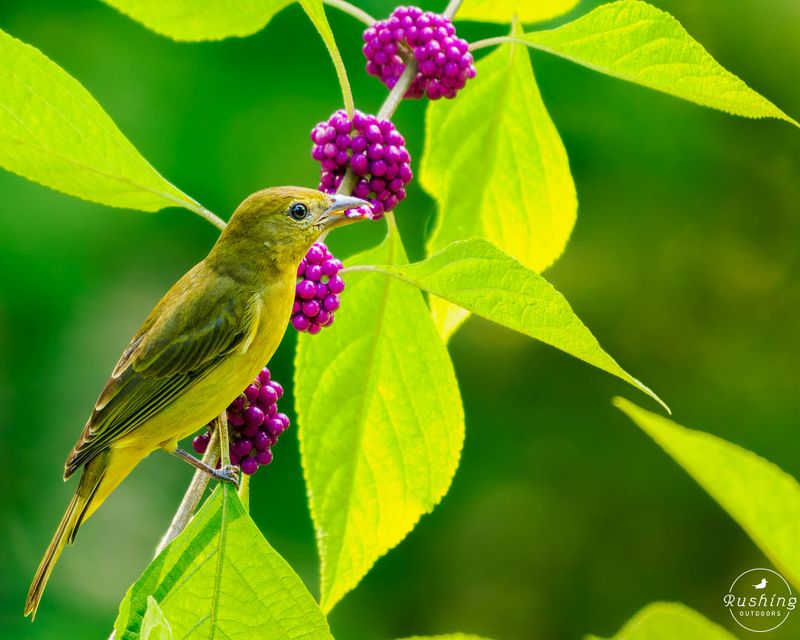
Native plants beat any feeder when it comes to attracting fall migrants. Dogwood, black gum, spicebush, and beautyberry produce fatty berries birds crave.
Fruit with high fat content converts into flight fuel faster than sugary berries. Native shrubs evolved alongside these birds, so the timing lines up perfectly.
Oaks deserve special credit because they host hundreds of caterpillar species. Warblers work oak leaves like shoppers scanning shelves for the best snack.
Moving water is the strongest magnet you can add to a yard. A simple dripper or small bubbler pulls in species that ignore feeders.
Keep birdbaths shallow, around two inches deep, with a rough bottom for grip. Scrub them twice weekly, since warm September water grows algae fast.
Layered plantings help most, with tall trees, midsize shrubs, and low ground cover. Birds use each level differently while feeding and resting.
Skip invasive fruit like privet and nandina, which offer poor nutrition. Native alternatives fill the same space and support far more insect life.
Even a patio can work with potted natives and a plugged in fountain. Small spaces count, especially in dense Atlanta neighborhoods with few big trees.
Autumn is the ideal planting season in Georgia, since roots settle before summer heat. Nurseries often discount native shrubs in September too.
Start with one shrub and one water source this fall. Add more next year, and your yard becomes a regular stop on the route.
Window Glass, Outdoor Lights, And Roaming Cats
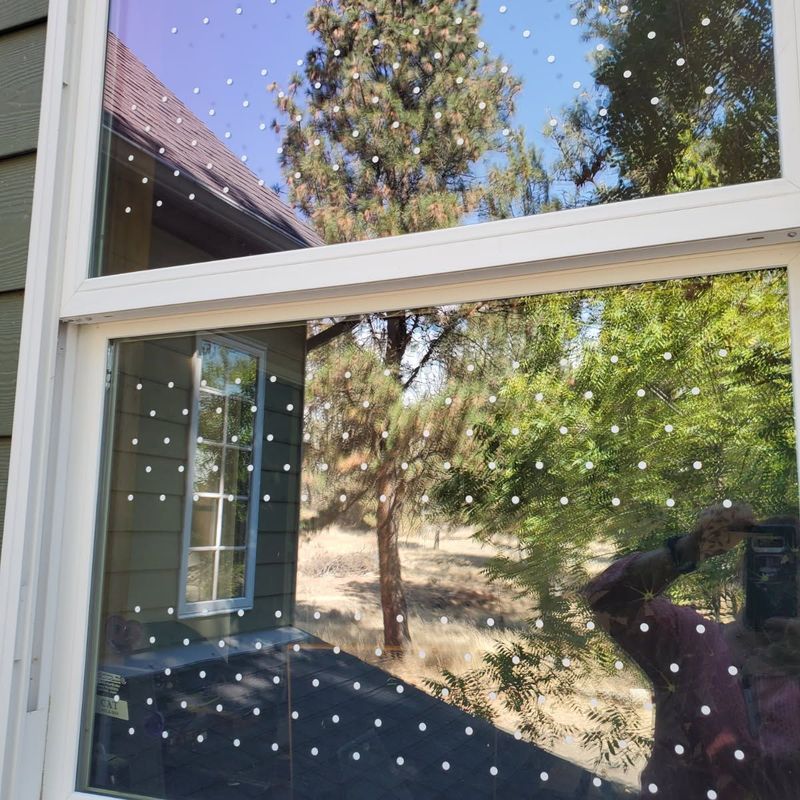
Glass fools birds because it mirrors nearby trees and open sky right back at them. Hundreds of millions of window strikes happen across North America each year.
Screens, cords, or painted dot patterns spaced two inches apart break up those reflections. Stickers placed on the outside surface work far better than inside decals.
Feeders should sit either within three feet of glass or beyond thirty feet. That distance range reduces the speed of any accidental impact.
Turning off decorative lights between eleven at night and dawn helps migrants overhead. Cities including Atlanta promote Lights Out programs during the busiest migration weeks.
Warm, downward facing bulbs with shields keep light where you actually need it. Motion sensors handle security just fine without glowing all night long.
Indoor cats stay healthier and leave stopover birds alone during migration. A screened catio offers fresh air without any hunting opportunities.
Check for stunned birds under windows during morning walks around the house. Many recover inside a quiet, ventilated cardboard box placed in the shade for about an hour.
Report window strikes through apps and local Audubon chapters if you can. Data from yards like yours guides real building policy statewide.
Reflective glass railings and glass breezeways cause trouble homeowners rarely suspect. Tempera paint or soap patterns give a cheap temporary test.
One afternoon of small adjustments protects birds for many autumns ahead. Your windows will look slightly decorated, which visitors tend to find charming.
A Stopover Yard That Pays Off Every Season
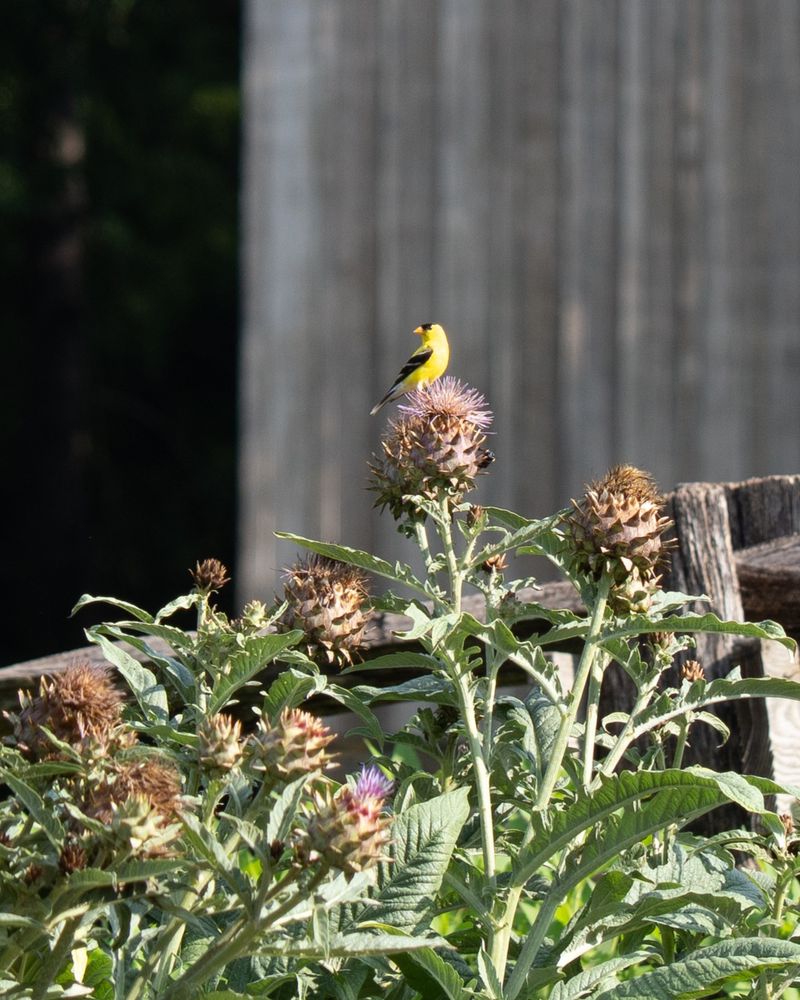
Neighbors who build bird friendly yards often notice something unexpected by October. Fewer pest problems, more butterflies, and a soundtrack that beats any playlist.
Birds that trust your yard in fall frequently return during spring migration. Some species follow nearly identical routes year after year.
Insect eating visitors handle caterpillars, beetles, and mosquitoes at no charge. That natural pest control continues quietly long after the last migrant leaves.
Property value gets a quiet boost from mature native trees and shade. Shade also trims summer cooling bills in Georgia’s brutal July heat.
Kids who spot a redstart flicking its tail often want to look for more. Backyard birding costs almost nothing and builds patience better than most hobbies.
Your observations also help science through eBird and Project FeederWatch checklists. Researchers use those records to track population trends across the Southeast.
Each stopover yard connects with others nearby to form one long green corridor. Together they stretch across Georgia, linking neighborhoods that birds can travel safely.
Autumn cleanup can wait until spring, which saves weekends and feeds ground feeders. Seed heads from coneflowers keep finches busy through winter months.
Georgia hosts more than four hundred bird species across the year. A well planted yard can log eighty species or more without much effort.
The habit builds slowly, one shrub and one saucer of water at a time. By next September, your yard will feel like a well known roadside diner.