These Ornamental Grasses Grow Better Than Lavender In Oregon
Lavender may get all the dreamy driveway and cottage-garden attention, but Oregon does not always make life easy for it.
Too much winter wet, heavy clay, shade, or soggy roots can turn that fragrant favorite into a sulky little disappointment.
Ornamental grasses, though? Many of them handle Oregon’s mood swings with far more grace.
They bring movement, texture, winter interest, and that effortless “yes, the wind styled my garden” look without needing perfect Mediterranean conditions.
Some soften borders, some glow in low evening light, and others make rain-soaked beds feel intentional instead of tired.
They can also pair beautifully with perennials, shrubs, boulders, paths, and modern front-yard plantings.
For gardeners who love lavender’s low-maintenance vibe but need something tougher, ornamental grasses might be the breezy upgrade their Oregon landscape has been waiting for.
1. Tufted Hairgrass
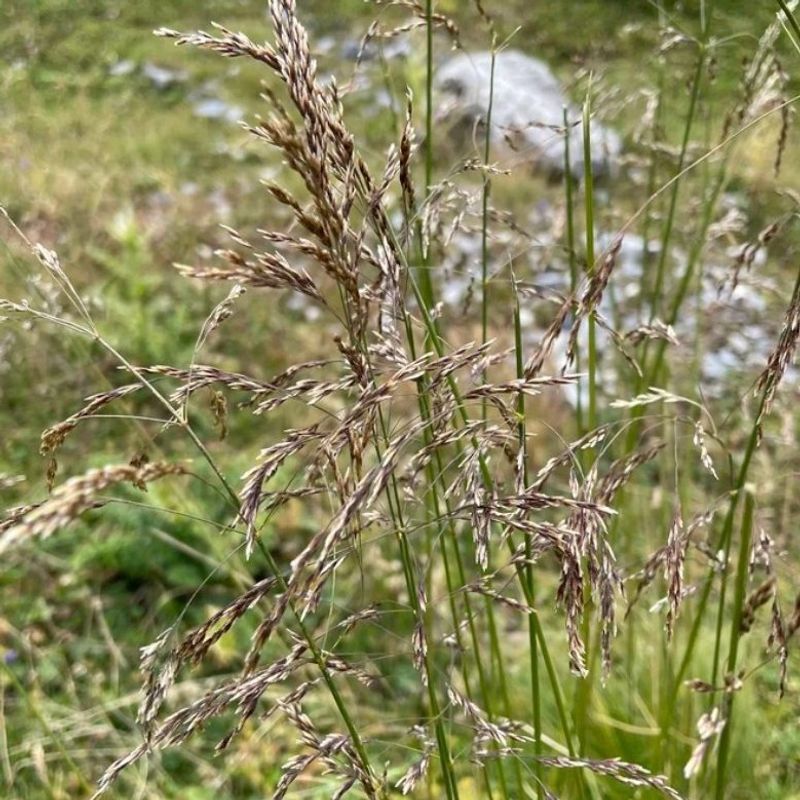
Few grasses handle Oregon’s rainy winters quite like Tufted Hairgrass. Native to the Pacific Northwest, this clump-forming grass feels right at home in the cool, moist conditions that often make lavender struggle.
It grows in tight, tidy mounds of fine green blades, then sends up feathery seed heads in summer that catch the light beautifully.
Tufted Hairgrass is a great choice for rain gardens, wet meadows, or low spots in the yard where water tends to collect. It tolerates both heavy clay soil and part shade, two very common challenges for Oregon gardeners.
You can find it growing naturally along stream banks and mountain meadows throughout the state.
Plant it in fall or early spring for best results. It pairs well with native wildflowers like camas and red columbine.
Once established, it needs very little care. Just cut it back in late winter before new growth begins.
It works beautifully along pathways, in borders, or massed together for a natural, meadow-style look. Oregon gardeners who have struggled with lavender often find Tufted Hairgrass to be a refreshing, easy-to-grow alternative that rewards patience with graceful, year-round beauty.
2. Roemer’s Fescue
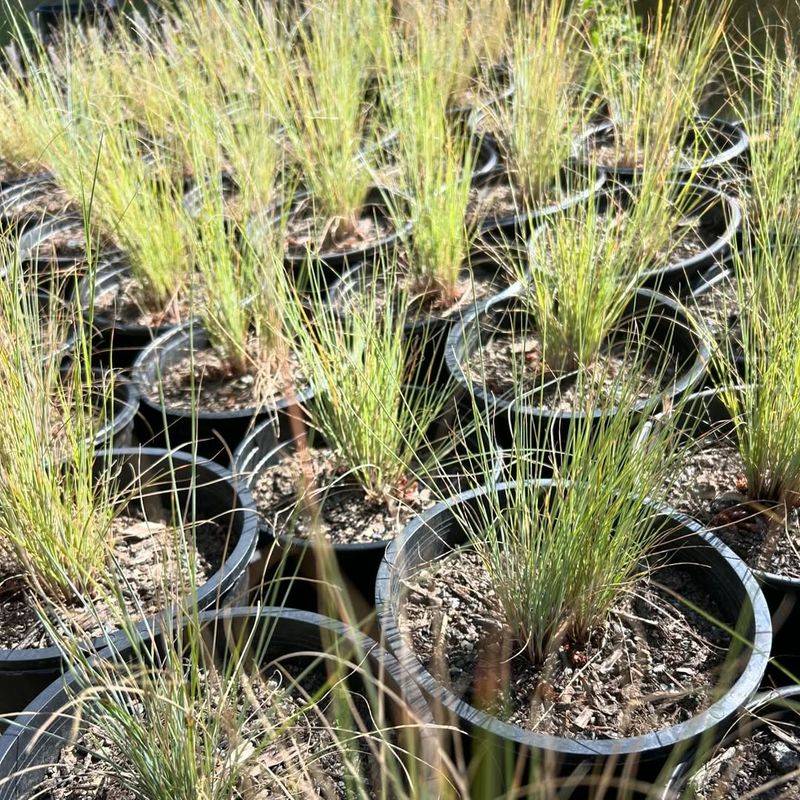
Named after a German botanist, Roemer’s Fescue has deep roots in the Pacific Northwest. It is one of the most underused native grasses in Oregon, which is a shame because it performs incredibly well across a wide range of conditions.
Compared to lavender, which often rots out in wet Oregon winters, this fescue stays green and healthy with almost no fuss.
Roemer’s Fescue forms soft, fine-textured clumps of blue-green foliage that look tidy in any garden setting. It thrives in well-drained to moderately moist soils and handles both sun and light shade.
That kind of flexibility is rare and makes it ideal for Oregon’s varied microclimates, from the Willamette Valley to the coast.
This grass is also a winner for wildlife. Birds love the seeds, and it provides great ground cover for small insects and native pollinators.
It stays relatively short, usually under two feet, making it perfect for borders, rock gardens, or naturalized areas. Gardeners in Oregon who want a low-water, low-maintenance option after the summer dry season will appreciate how well it holds up.
Your Oregon Garden Changes Every Week. Your Plan Should Too.
Gardening in Oregon changes quickly throughout the season. Every Friday you’ll receive a simple weekly plan showing exactly what to plant, prune, fertilize, harvest, and protect so you never miss the right timing.
Plant it alongside native shrubs for a truly Oregon-inspired landscape that feels both wild and well-designed.
3. California Fescue
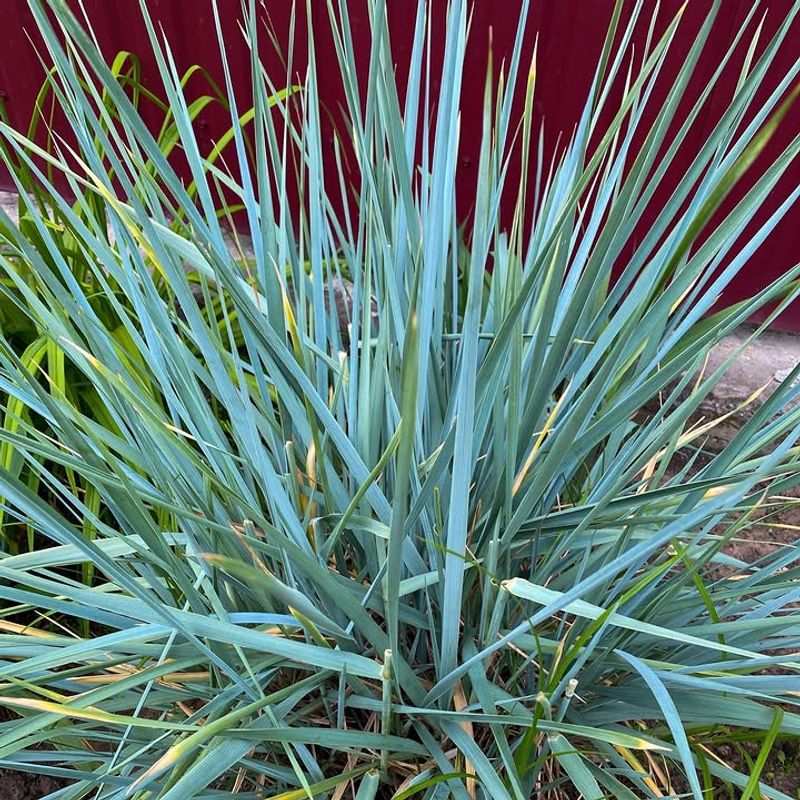
Big, bold, and surprisingly shade-tolerant, California Fescue is a standout ornamental grass for Oregon gardens. Unlike lavender, which demands full sun and excellent drainage, California Fescue actually prefers some shade and can handle the kind of dry summer conditions that many west-side Oregon gardens experience under tree canopies.
The leaves are broad compared to most fescues, giving it a lush, almost tropical look. Clumps can reach two to three feet tall and wide, creating a real presence in the landscape.
In late spring, tall flowering stalks rise above the foliage, adding vertical interest before going to seed. The whole plant has a graceful, arching form that looks great year-round.
California Fescue is native to the coastal ranges and foothills of the West Coast, so it is naturally adapted to Oregon’s climate patterns. It handles the long, dry summers on the west side with ease once established, and it does not mind heavy clay soils.
Gardeners in Eugene, Corvallis, and the greater Willamette Valley will find this grass especially rewarding. Pair it with sword ferns, salal, or Oregon grape for a layered native planting that looks beautiful in every season without much upkeep at all.
4. Idaho Fescue
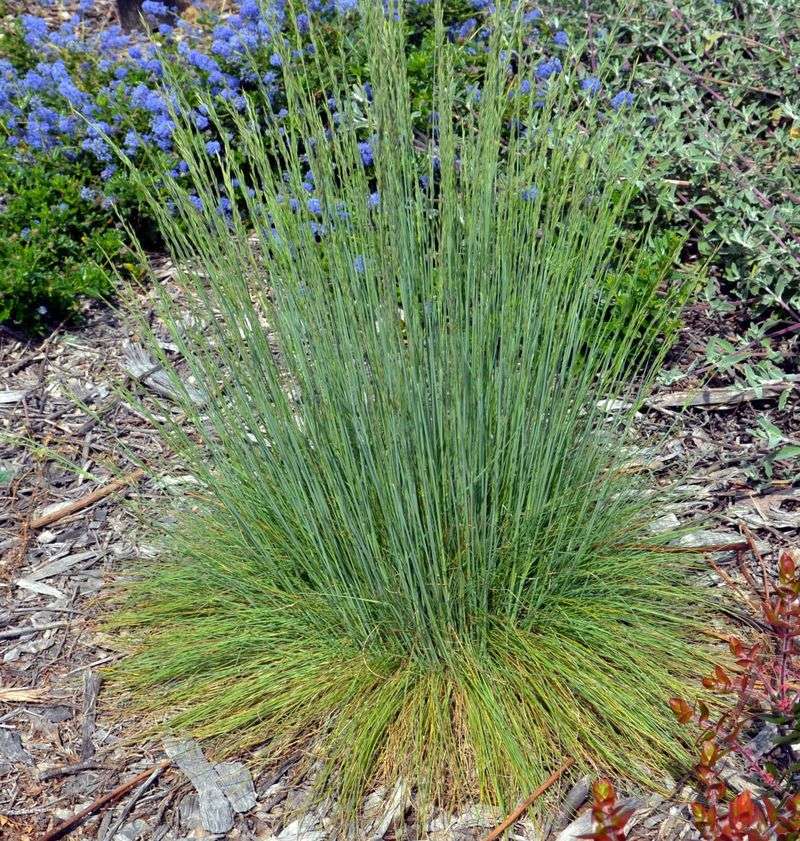
Tough, compact, and strikingly blue, Idaho Fescue is one of the hardest-working native grasses you can grow in Oregon. It is found naturally across the eastern part of the state, thriving in dry, rocky soils where lavender would not last a single season.
The silvery blue-gray foliage makes a strong visual statement in the garden even without flowers.
This grass stays small, usually under 18 inches, which makes it perfect for edging paths, filling rock gardens, or creating a low-maintenance ground cover. It is extremely drought-tolerant once established, which is a huge plus for gardeners in central and eastern Oregon where summer rainfall is nearly nonexistent.
It also handles cold winters without any protection needed.
Idaho Fescue pairs beautifully with other dry-land plants like yarrow, penstemons, and sagebrush. In western Oregon, it works well in raised beds or areas with excellent drainage.
Gardeners who love the color that lavender brings but struggle with keeping it alive through Oregon’s wet season will find Idaho Fescue a worthy substitute. The blue tones hold up all year, providing consistent color even in the depths of winter.
It is a plant that earns its place in the garden without asking for much in return.
5. Junegrass
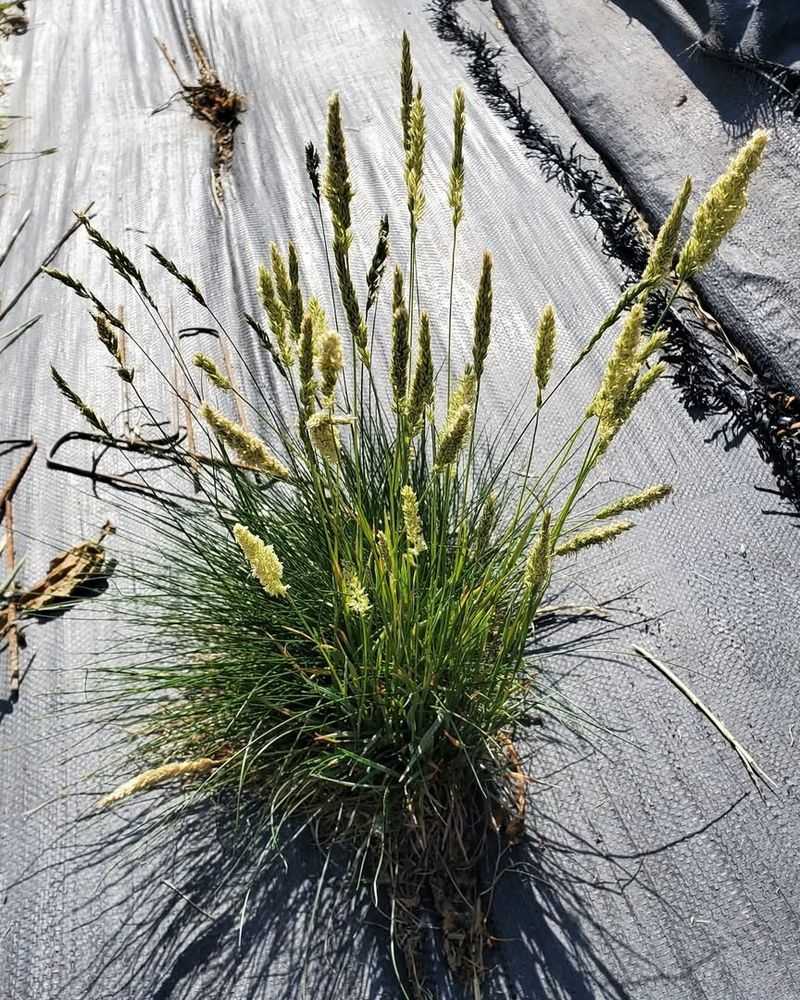
There is something almost magical about watching Junegrass in full bloom. In late spring and early summer, the seed heads catch the light and shimmer like tiny golden threads.
It is one of the earliest native grasses to flower in Oregon, which makes it especially valuable for early-season pollinators looking for food sources after a long winter.
Junegrass is native to dry grasslands and open slopes throughout Oregon, and it handles the state’s varied conditions with ease. It prefers well-drained soils and full sun, making it a natural fit for the drier parts of the state like the Columbia River Gorge and the high desert regions east of the Cascades.
On the wetter west side, it performs best in raised beds or slopes where water drains away quickly.
The plant stays fairly compact, usually one to two feet tall, and forms neat clumps that look tidy in formal or informal garden settings. It is a cool-season grass, meaning it grows actively in spring and fall, then goes semi-dormant in summer heat.
Pair it with blue-eyed grass, lupine, or prairie smoke for a wildflower-inspired planting. For Oregon gardeners wanting native charm and seasonal interest, Junegrass delivers in a way that lavender simply cannot match in most parts of the state.
6. Prairie Dropseed
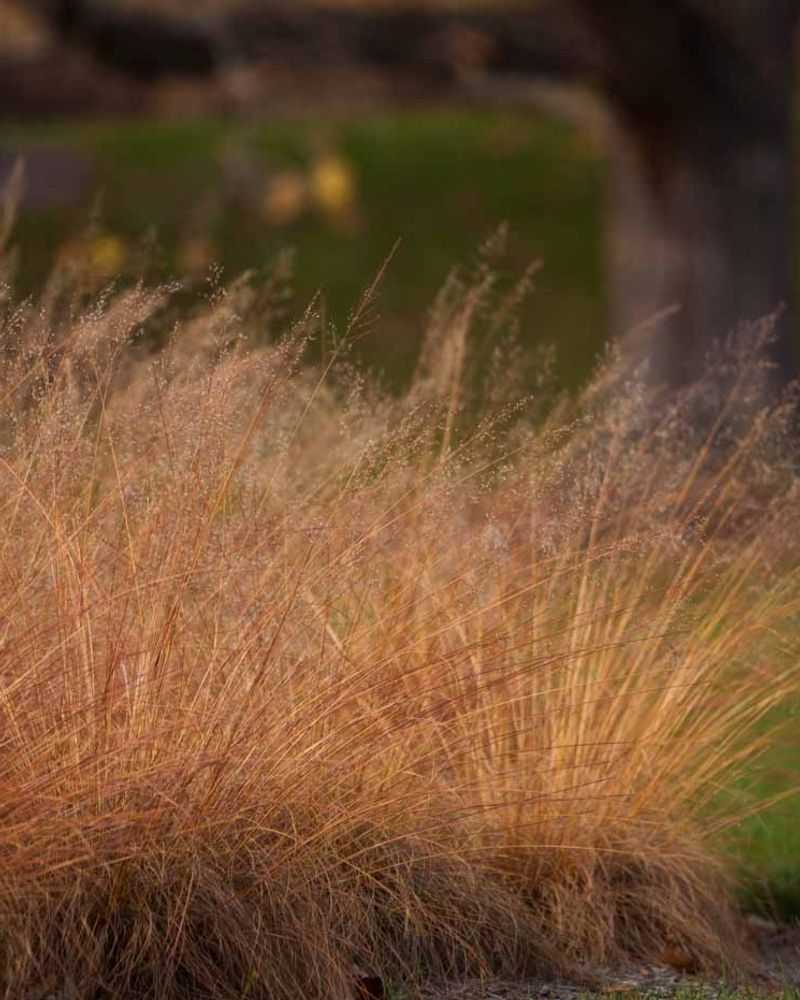
Ask any prairie plant enthusiast and they will tell you that Prairie Dropseed is one of the most elegant grasses in North America. The foliage is incredibly fine-textured and arches outward in a fountain shape that looks almost too perfect to be real.
In late summer, it produces tiny, fragrant flowers that some people say smell faintly of cilantro or popcorn.
While it is native to the tallgrass prairies of the Midwest, Prairie Dropseed adapts well to Oregon gardens, especially in the drier, sunnier areas of the Willamette Valley and eastern Oregon. It thrives in full sun and well-drained soils and is highly drought-tolerant once established.
That drought tolerance makes it far more reliable in Oregon’s dry summers than lavender, which can collapse under heat and poor drainage.
Prairie Dropseed also turns a beautiful golden-orange in fall, adding warm color to the garden right when most other plants are fading. It is a slow starter but once it gets going, it is long-lived and nearly indestructible.
Plant it in masses for the best visual effect, or use it as an accent plant near boulders or along pathways. Oregon gardeners looking for something refined, reliable, and genuinely beautiful will not be disappointed by this remarkable grass.
7. Purple Moor Grass
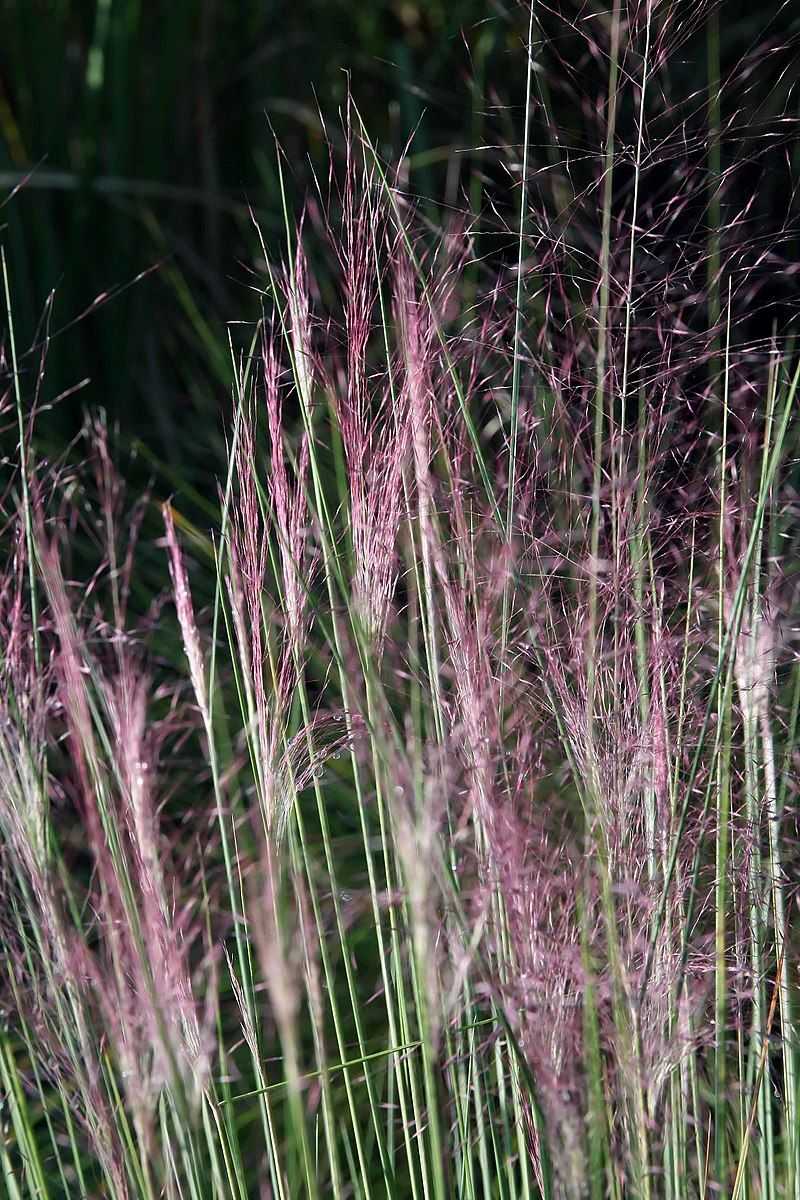
Purple Moor Grass brings a moody, dramatic energy to the garden that few other plants can match. Native to Europe and western Asia, it has found a very happy home in Oregon’s cool, moist climate.
The name gives it away: it loves the kind of wet, boggy conditions that are common in western Oregon, where lavender simply cannot survive.
The foliage is a rich green that takes on warm golden tones in fall, and the flowering stalks rise tall and airy in summer, often showing hints of purple before fading to tan. The variety ‘Moorhexe’ stays compact and upright, while ‘Transparent’ grows taller with wispy, see-through seed heads that look stunning backlit by the sun.
This grass does best in consistently moist or even wet soils, making it perfect for rain gardens, pond edges, or low-lying areas in Oregon yards. It handles part shade well, which is useful in the Pacific Northwest where trees often dominate the landscape.
Purple Moor Grass pairs beautifully with astilbe, ligularia, and moisture-loving ferns. Gardeners in the Portland metro area, the Oregon coast, and the rainy foothills of the Cascades will find it thrives with almost no extra care, season after season.
8. Japanese Forest Grass
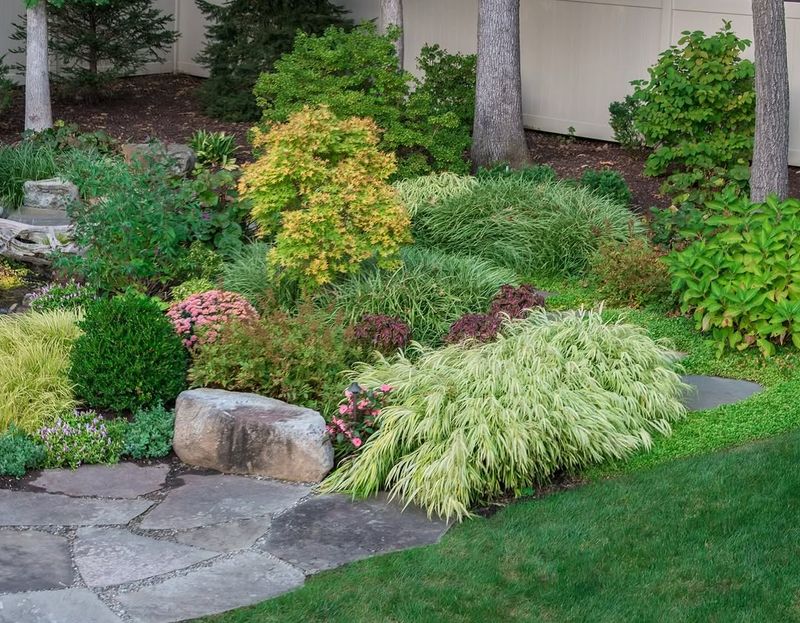
If you have ever walked through a shaded Japanese garden and noticed a glowing, golden-green grass cascading over a stone path, you have probably seen Japanese Forest Grass. Known botanically as Hakonechloa macra, it is one of the most beloved ornamental grasses in the world, and Oregon’s cool, shady gardens are practically made for it.
The foliage is soft and bamboo-like, arching gracefully in a way that adds movement even on a still day. The golden variety ‘Aureola’ is especially popular, with bright yellow-and-green striped leaves that light up shaded spots like a small lantern.
In fall, the whole plant shifts to warm shades of copper and rose, making it a four-season performer that lavender could never compete with in similar growing conditions.
Japanese Forest Grass thrives in moist, well-drained, humus-rich soil and prefers part shade to full shade. Those are conditions found all over the west side of Oregon, especially in the Portland area, the coast range, and shaded suburban yards.
It is slow to spread but never invasive, making it a tidy and trustworthy choice. Use it to edge shaded borders, soften the base of large trees, or fill containers on a covered porch.
It is a true garden gem for Oregon.