7 Common Garden Plants And Trees That Weaken Pepper Growth
Something is quietly undermining your pepper plants, and it isn’t the weather. Neighbors matter more than soil quality in this ongoing contest.
Certain plants quietly release chemicals that weaken pepper roots slowly. Others hoard nitrogen your peppers desperately need to thrive.
Gardeners across Georgia lose entire harvests to this exact small mistake every season. Trees can be just as dangerous as smaller plants nearby.
Some neighbors block sunlight your peppers depend on daily. Many attract pests that spread fast between crops. Diseases jump easily between plants sharing the same family.
Humidity in Georgia makes these underground conflicts even more intense. Success depends entirely on strategic placement, never blind luck. Every fresh pairing either builds real strength or invites quiet setbacks.
Nothing about companion planting ever happens purely by accident. This decision now determines whether your entire harvest thrives or struggles.
1. Fennel
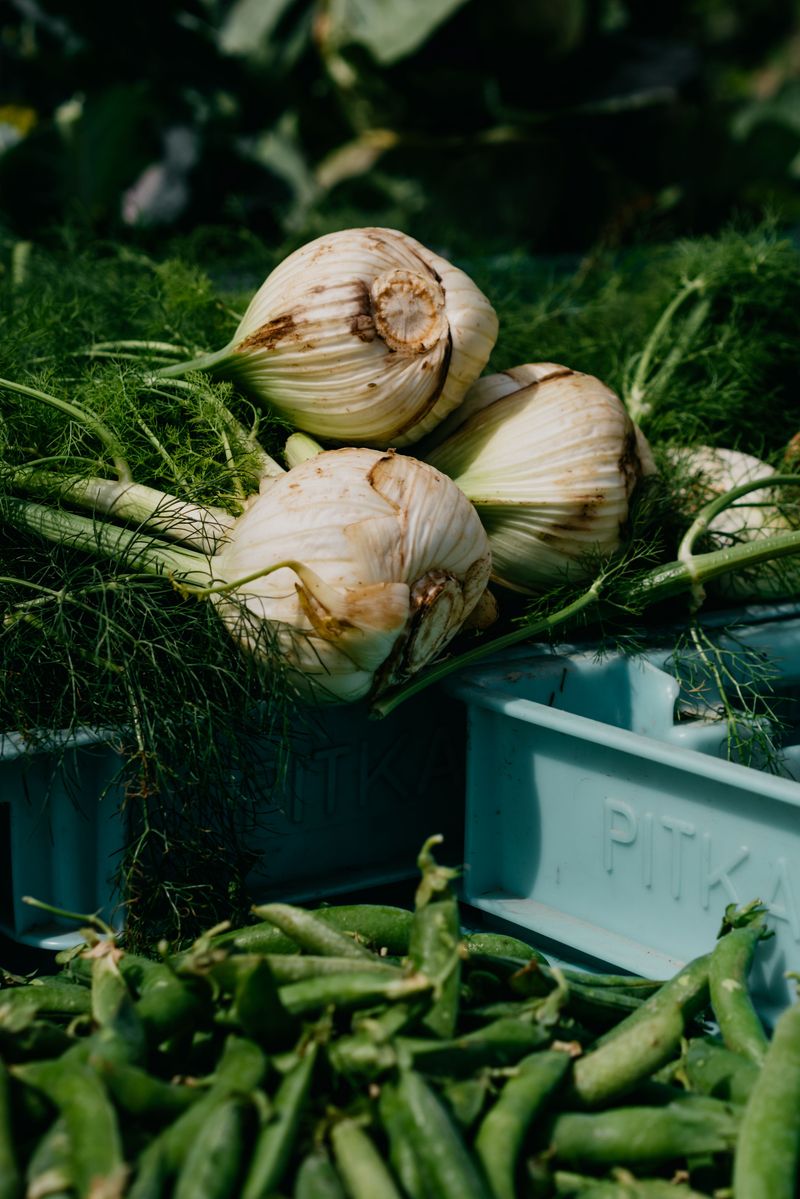
Fennel is one of those herbs that looks innocent but grows aggressively in the garden bed. Most vegetables simply do not get along with fennel, and peppers are no exception to this pattern.
Fennel releases chemicals from its roots that suppress the growth of nearby plants significantly.
This process is called allelopathy, and fennel is one of the strongest examples in the plant world. The chemicals it releases interfere with seed germination and root development in surrounding vegetables.
Pepper plants growing close to fennel often end up stunted, weak, and largely unproductive over time.
Beyond this chemical competition, fennel also attracts specific insects that can migrate directly to your pepper plants nearby.
Aphids and other soft-bodied pests love fennel and will happily move next door once established. Once they find your peppers, the damage can spread quickly through the entire bed.
Fennel also competes aggressively for soil nutrients and available water throughout the growing season. Its root system is strong, deep, and wide-reaching, pulling resources away from neighboring plants constantly.
Peppers need consistent moisture and steady nutrition to produce well, and fennel makes that considerably harder to achieve.
The good news is that fennel grows beautifully on its own in a container or an isolated garden bed far away. Keep it separated from your vegetable garden entirely, and it will still thrive without issue.
You get the fresh herb without sacrificing any part of your pepper harvest. Fennel deserves a spot in your garden, just not anywhere near your peppers or other vegetables. Give it its own corner, and everyone in the garden wins.
Keeping these two apart remains one of the easiest, most effective companion planting fixes any gardener can make.
2. Apricot Trees
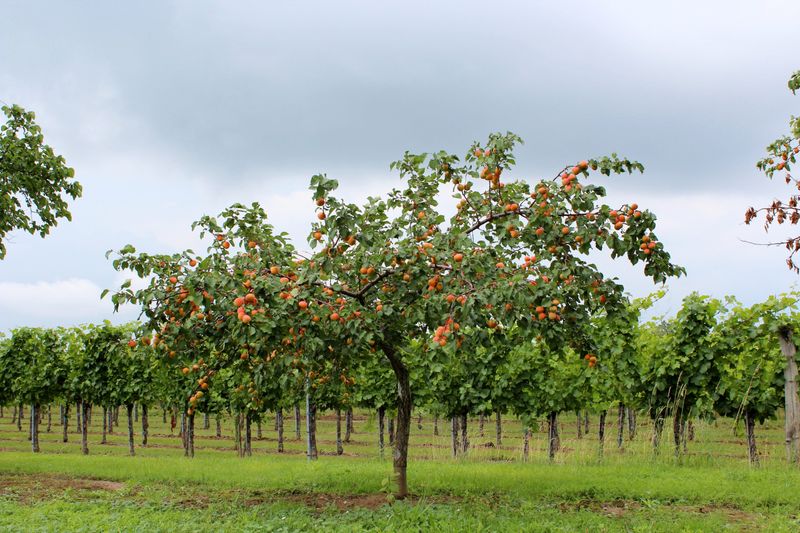
Planting peppers under or near an apricot tree seems like smart use of space, but it can cause problems. Apricot trees belong to the Prunus family, which contains natural compounds in its leaves and roots.
Research on how strongly these compounds affect neighboring plants is more limited than research on black walnut.
Apricots contain a compound called prunasin in their leaves and roots. As leaves decompose, some of this compound can enter the surrounding soil.
Some gardeners report reduced growth in sensitive plants nearby, though the effect is less documented than juglone. The canopy of an apricot tree creates another challenge.
Peppers planted beneath it receive far less direct sunlight than they need. Reduced sun exposure leads to weaker stems, fewer flowers, and a much smaller harvest than you would expect.
Moisture competition is a real issue too. Apricot tree roots spread wide and deep, soaking up water before it reaches shallow-rooted pepper plants.
During dry summer months, this competition becomes even more intense. Your peppers may look thirsty even right after watering.
Fungal diseases common to apricot trees can also splash onto pepper plants during rain or irrigation. Pepper plants are already prone to certain fungal issues, and extra exposure may add unnecessary disease pressure.
Keeping distance between the two reduces this cross-contamination risk significantly. Apricot trees are wonderful additions to a yard, but peppers need their own open, sunny space.
Choose a planting spot well away from any fruit trees in the Prunus family. Your peppers will reward that thoughtfulness with a much better harvest.
3. Brassicas (Cabbage, Broccoli, Cauliflower, Kohlrabi)
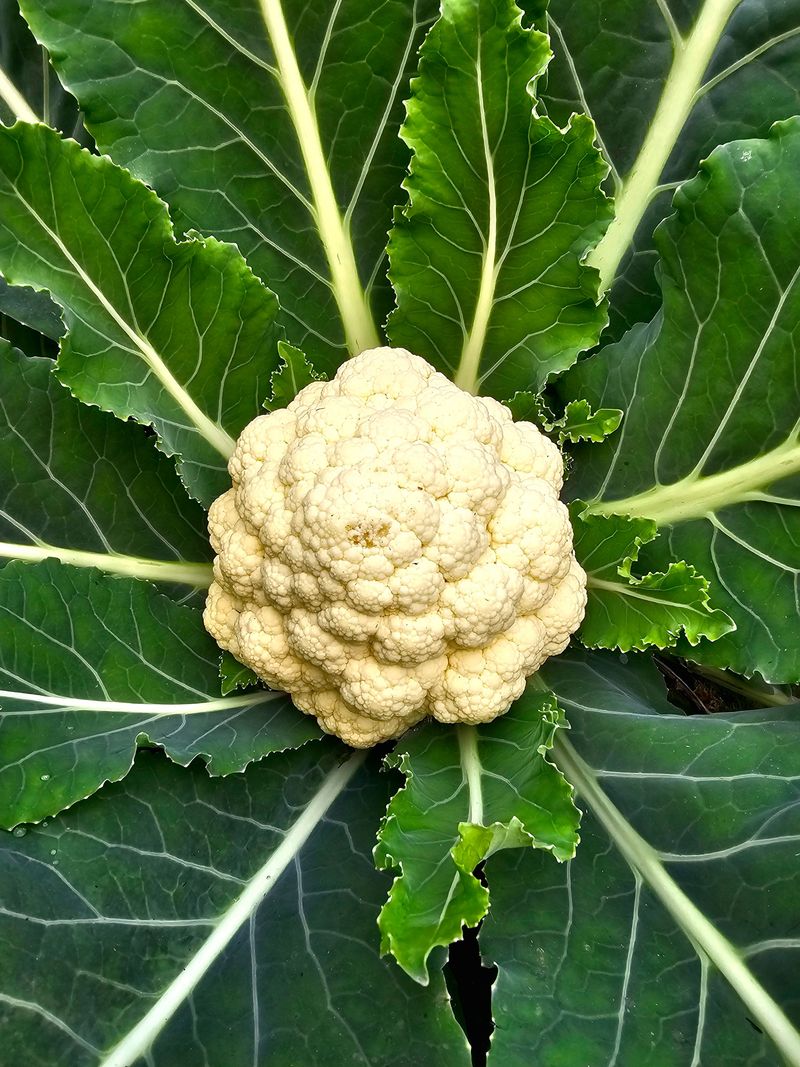
Brassicas are vigorous growers in the vegetable world, and they do not play well with others. Cabbage, broccoli, cauliflower, and kohlrabi all belong to this powerhouse family.
When planted near peppers, they create a competition peppers almost always lose. The biggest issue is nutrient rivalry between these two plant groups.
Brassicas are heavy feeders that pull enormous amounts of nitrogen and other minerals from the soil.
Peppers need those same nutrients to develop strong roots and produce fruit. When brassicas dominate the soil, peppers end up malnourished and visibly weaker.
Brassicas also tend to grow large and leafy, casting shade over smaller neighboring plants. Peppers need full sun to thrive, usually at least six to eight hours daily.
A big cabbage head blocking that light can seriously reduce your pepper yield. There is also a persistent pest problem to consider here. Brassicas attract cabbage worms, aphids, and flea beetles in fairly large numbers.
These insects do not stay put on brassica leaves for long. They wander over to nearby peppers and cause noticeable damage there too.
Watering habits also clash between these two plant families. Brassicas prefer cooler, consistently moist conditions, while peppers like warm soil with moderate, steady water.
Trying to satisfy both in the same bed often means one plant struggles. Usually, it is the pepper that loses out.
Keeping your brassica family in its own raised bed makes garden management simpler. Your peppers will grow stronger with more sun and fewer pests. Separation remains the smartest strategy here.
4. Potatoes
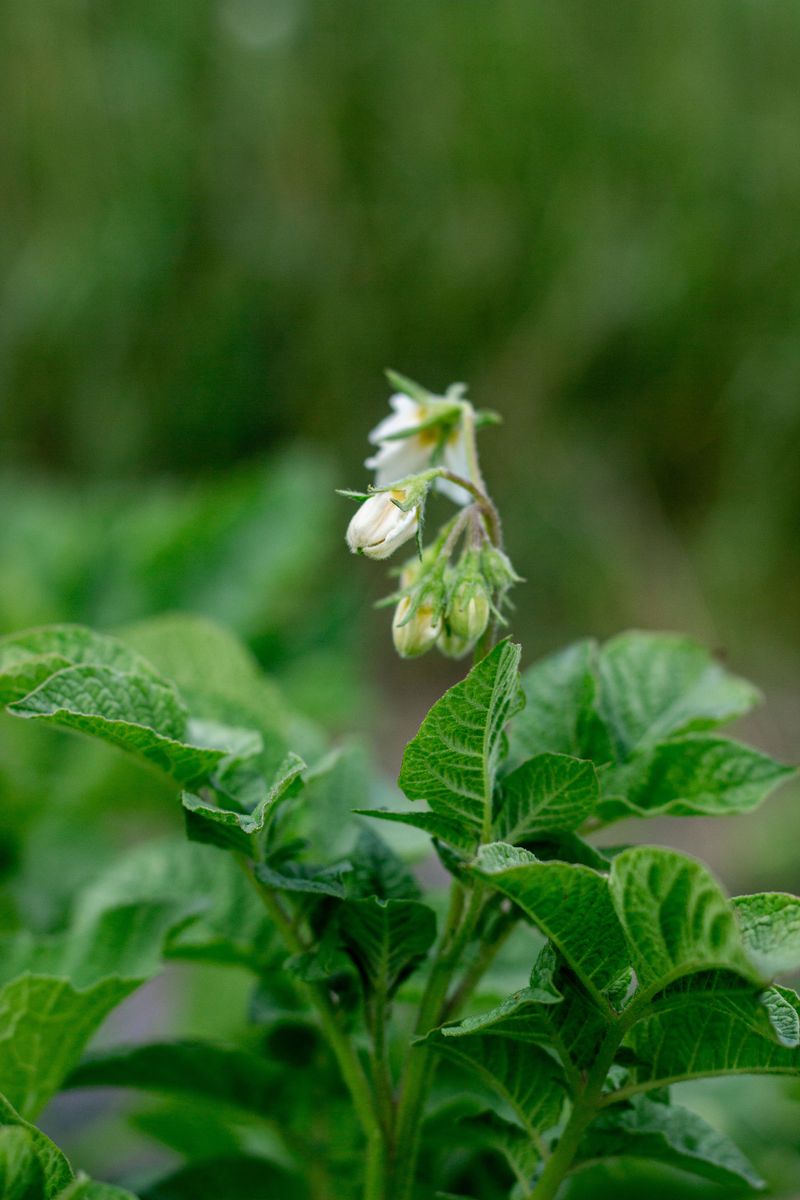
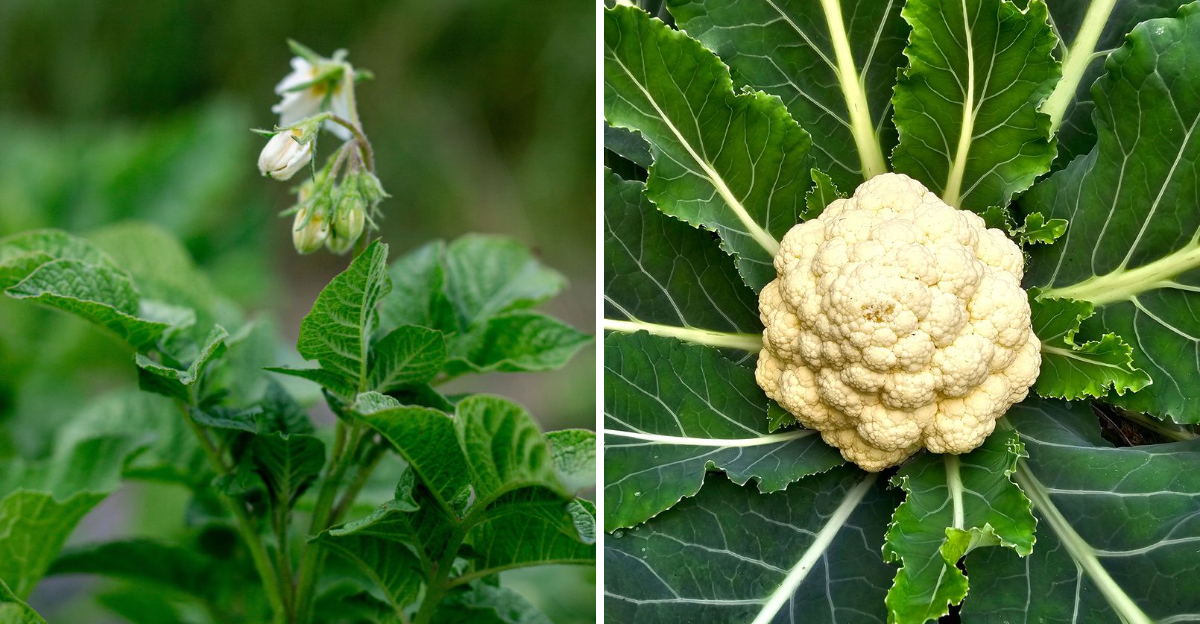
Potatoes and peppers might seem like natural garden neighbors since they both love warm weather, but they are actually a risky pairing.
Both belong to the nightshade family, which sounds like it should make them compatible. In reality, that shared family tree is exactly the problem.
Plants in the same family often share the same diseases and pests. Planting potatoes near peppers creates a concentrated zone of vulnerability. If one plant gets infected, the other is almost certain to follow quickly.
Blight is a real concern here. Potatoes are highly susceptible to Phytophthora infestans (late blight), and peppers face related Phytophthora diseases that can spread under similar damp conditions.
Planting them close together raises the risk of disease spreading between them. Aphids and spider mites can feed on both crops, and Colorado potato beetles occasionally move onto peppers as well, though they prefer potatoes.
A pest outbreak in your potato patch can still spread stress to nearby pepper plants. Proximity makes it nearly impossible to contain the damage once it starts.
Soil nutrient competition adds another layer of conflict. Potatoes are heavy feeders that deplete the ground of potassium and other key minerals.
Peppers need those same nutrients to produce well-formed, flavorful fruit. One plant will inevitably come up short in this competition. Rotating these crops in separate beds each season is a smart long-term strategy.
Keeping peppers away from potatoes reduces disease pressure and gives both plants a better shot at thriving. Smart spacing now saves a lot of heartbreak later in the season.
5. Sunflowers
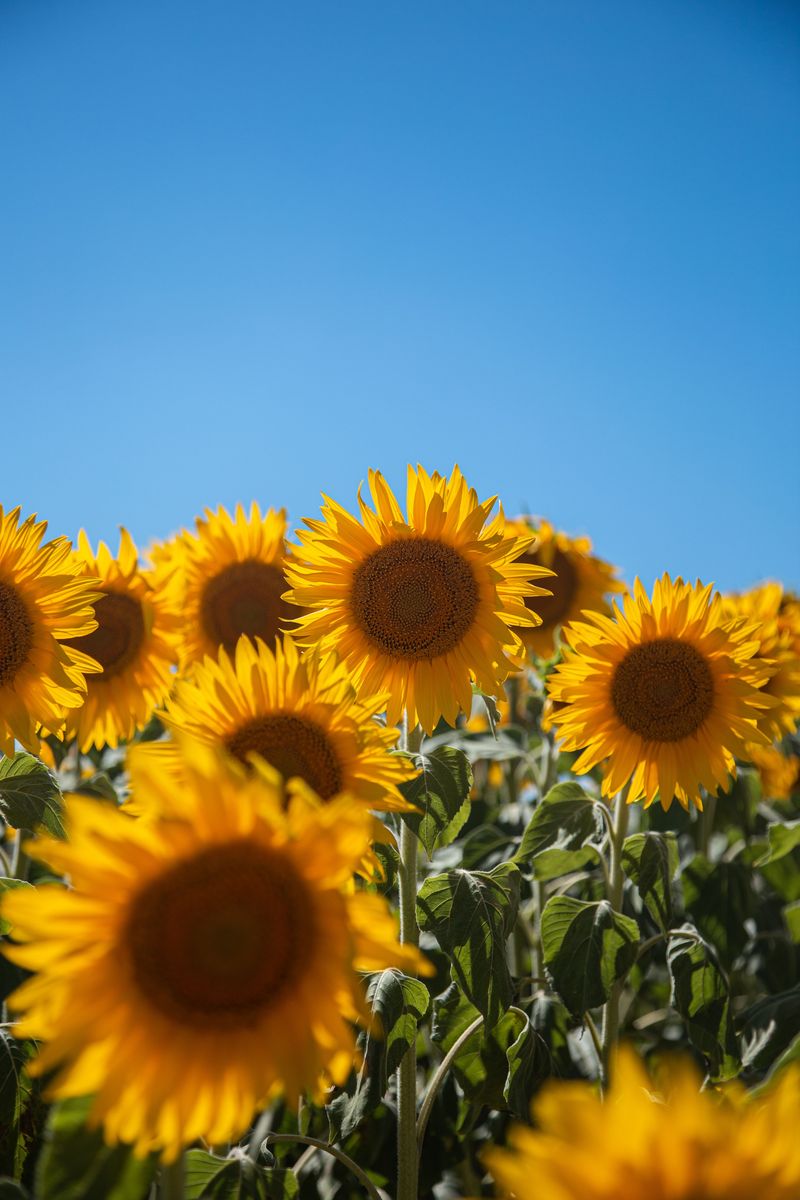
Sunflowers are cheerful, stunning, and one of the most popular garden additions in America. They also happen to be surprisingly problematic neighbors for pepper plants.
The trouble starts with their impressive height and ends with their roots below. A mature sunflower can easily reach six to twelve feet tall.
That towering height creates significant shade that blocks sunlight from reaching shorter pepper plants nearby.
Peppers deprived of full sun produce fewer flowers, which means far less fruit at harvest time.
Sunflowers also practice allelopathy, releasing chemicals from their roots and decaying plant material into the soil. These natural compounds inhibit the germination and growth of nearby plants over time.
Research has shown that sunflower root exudates can slow pepper plant development quite noticeably.
Water competition is another serious factor to consider here. Sunflowers have thick, thirsty root systems that pull moisture from the surrounding soil aggressively and consistently.
During hot summer stretches, this leaves pepper plants struggling to find enough water to thrive. Consistent moisture remains non-negotiable for good pepper production throughout the season.
Sunflowers also attract certain insects, including some that feed directly on pepper plants. Stink bugs are a prime example, often moving between sunflowers and nearby vegetable crops.
Once stink bugs find your peppers, they cause serious cosmetic and structural damage to the fruit itself.
None of this means you should give up on growing sunflowers entirely in your yard. Plant them along a fence line or in a bed well away from your pepper patch instead.
Distance solves most of these problems, and both plants can flourish beautifully on their own separate terms.
6. Corn
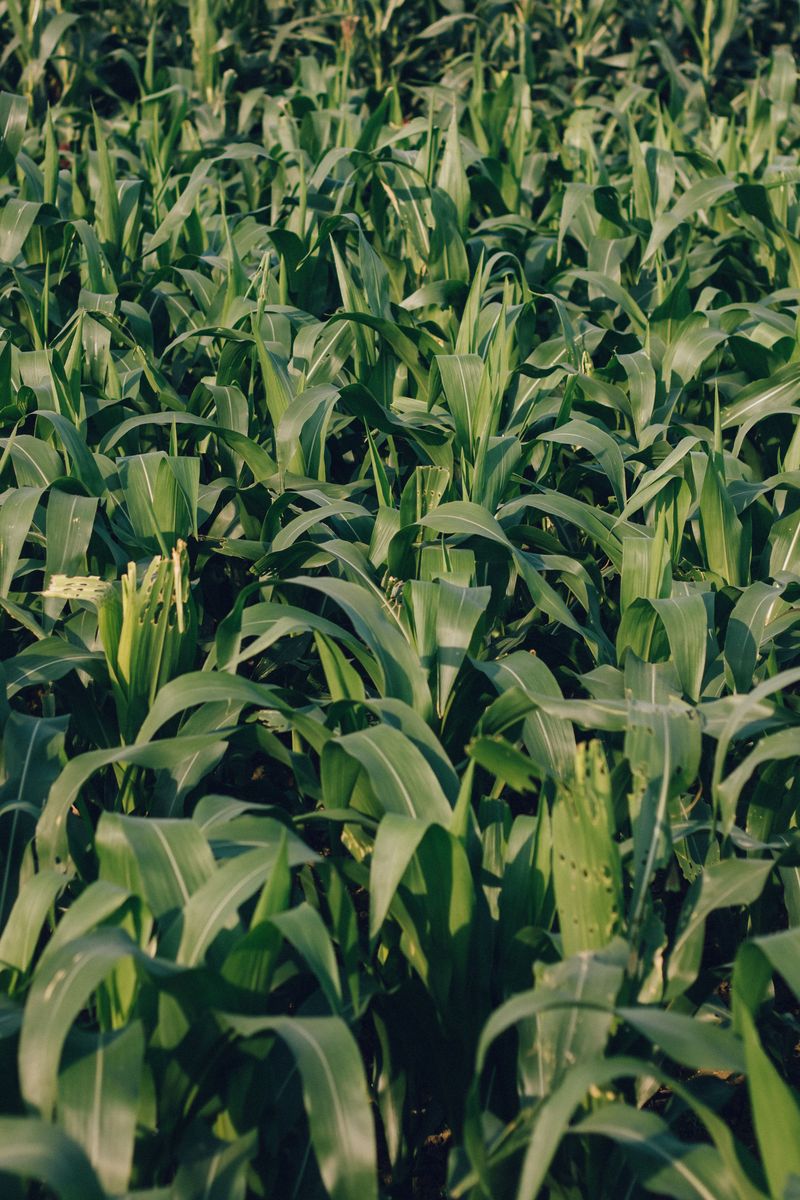
Corn is a garden staple that many growers try to squeeze into every available space, but planting it near peppers creates more problems than most people expect.
The classic Three Sisters planting method pairs corn with beans and squash, not peppers. There is a good reason for that traditional wisdom.
Corn grows tall and fast, quickly overshadowing shorter crops like peppers. Peppers planted in the shadow of corn rows receive less sunlight than they need to produce well.
Even a few hours of lost sun per day can noticeably reduce your pepper harvest. Corn is also an extremely heavy nitrogen feeder. It pulls this critical nutrient from the soil at a rapid rate.
Peppers need a steady nitrogen supply to support leaf growth and fruit development, and corn can deplete that supply before peppers get their share.
Both crops attract corn borers, a common garden pest that damages stems and tunnels into fruit. When corn and peppers share the same bed, corn borer populations can grow large enough to affect both crops simultaneously.
Managing this pest becomes much harder when its two favorite hosts are planted side by side.
Irrigation needs also differ between corn and peppers. Corn requires deep, infrequent watering to develop strong root systems.
Peppers prefer more regular, moderate moisture at the root zone. Watering one crop correctly often means watering the other incorrectly in the same bed.
Giving peppers their own dedicated space away from corn leads to stronger plants and a more rewarding harvest.
These two crops each deserve room to shine without competing for the same sun, water, and soil. Keep them separated, and both will perform at their best.
7. Black Walnut Trees
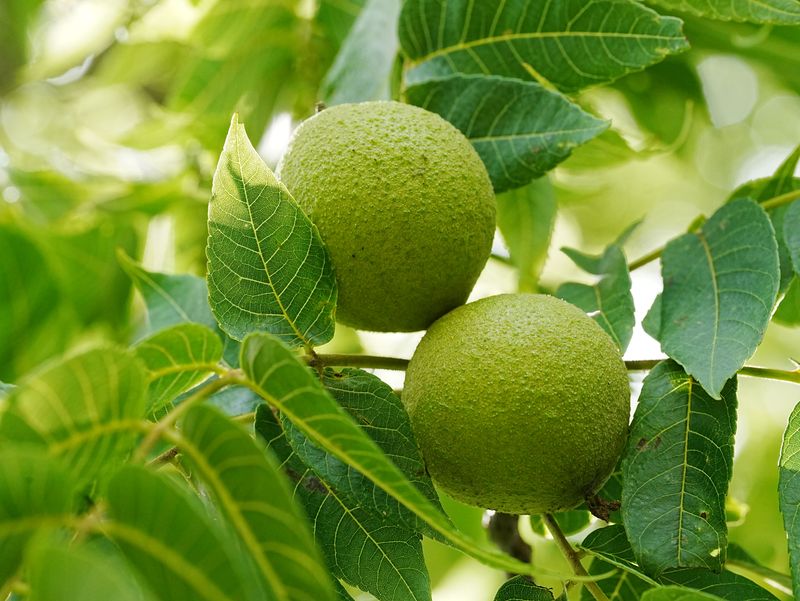
Some garden problems come from underground, and black walnut trees are among the most overlooked culprits.
These trees release a natural chemical called juglone directly into the soil. Peppers planted nearby absorb this toxin and begin to struggle fast, often within just a few weeks.
Juglone is produced in the roots, leaves, husks, and even the fallen nuts of black walnut trees. It spreads through the soil in a wide radius, sometimes reaching fifty to eighty feet from the trunk.
That is a massive danger zone for any unsuspecting pepper plant. Even peppers planted at what seems like a safe distance can still suffer measurable damage.
Peppers exposed to juglone show wilting, yellowing leaves, and noticeably stunted growth despite proper watering.
Many gardeners mistake these symptoms for a watering problem or a simple nutrient deficiency. The real issue is hiding right beneath the surface of the soil, invisible until damage is already done.
Even removing a black walnut tree does not instantly fix the underlying problem. Juglone can linger in the soil for several years after the tree is gone. Roots left behind continue releasing the chemical slowly as they decompose underground.
If your yard has a black walnut tree, plan your pepper beds far away from its root zone. Raised beds filled with fresh, uncontaminated soil can offer a safer option.
Always test your soil if you suspect juglone contamination before planting anything sensitive. Black walnut trees are beautiful and produce genuinely tasty nuts, but they remain terrible garden neighbors for peppers.
Give your pepper plants plenty of distance from these large trees that release growth-inhibiting compounds.