The Shade Tree Some Arizona Neighborhoods Are Quietly Adding For Natural Cooling
Some neighborhoods seem a little more comfortable once summer settles in. The streets feel calmer, front yards look greener, and spending a few extra minutes outside does not seem quite as unpleasant.
It is not always because the homes are different or the lots are larger. Sometimes the biggest change comes from a single tree growing in exactly the right place.
A mature shade tree does much more than fill an empty space in the landscape. It can change the way a yard feels throughout the day and make outdoor areas far more enjoyable during long stretches of hot weather.
Over time, those benefits become hard to ignore, especially when nearby yards seem noticeably cooler.
That is one reason a particular shade tree has been appearing in more Arizona neighborhoods.
It has earned a reputation for handling the climate while providing welcome shade through the hottest months of the year.
More homeowners are taking notice, and it is easy to understand why this tree is becoming such a popular choice.
1. Velvet Mesquite Thrives As A Low-Water Shade Tree
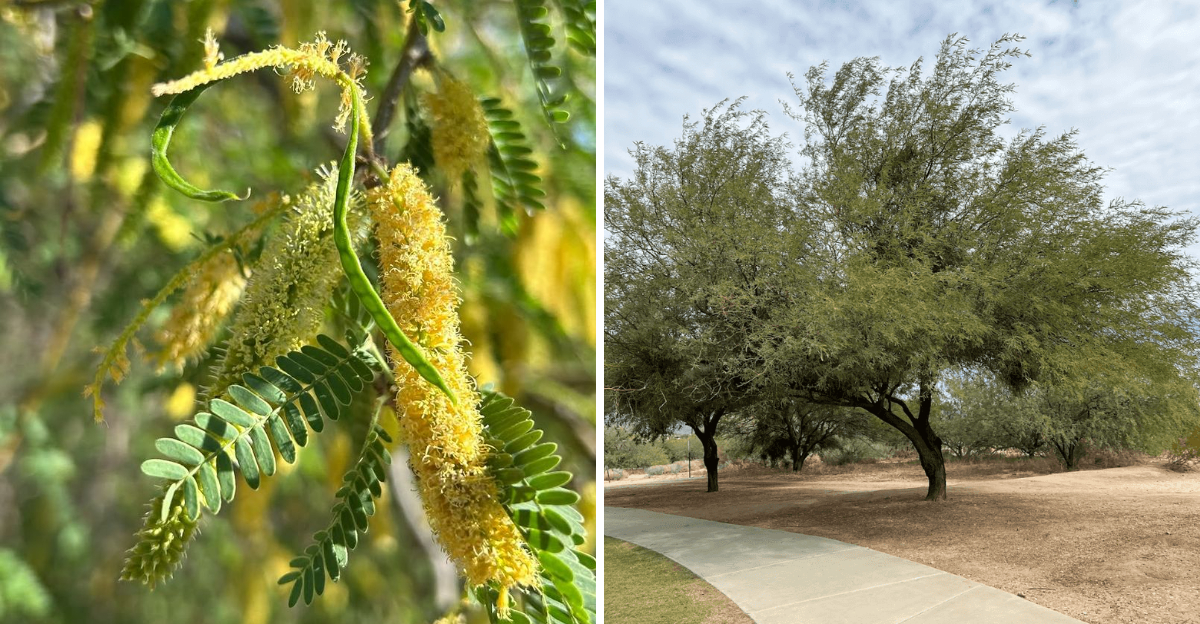
Not every tree can handle full desert heat and still look good doing it. Velvet mesquite pulls that off without complaint.
Native to the Sonoran Desert, it has spent thousands of years adapting to dry soil, brutal sun, and long stretches without rain.
Once established, it survives on rainfall alone in many parts of the region. That is a serious advantage when water bills are climbing and drought restrictions are tightening.
Homeowners do not need to babysit it through summer.
The canopy spreads wide and low, sometimes reaching 40 feet across. That kind of spread creates real shade on patios, driveways, and outdoor seating areas.
Surface temperatures underneath can drop noticeably compared to open concrete nearby.
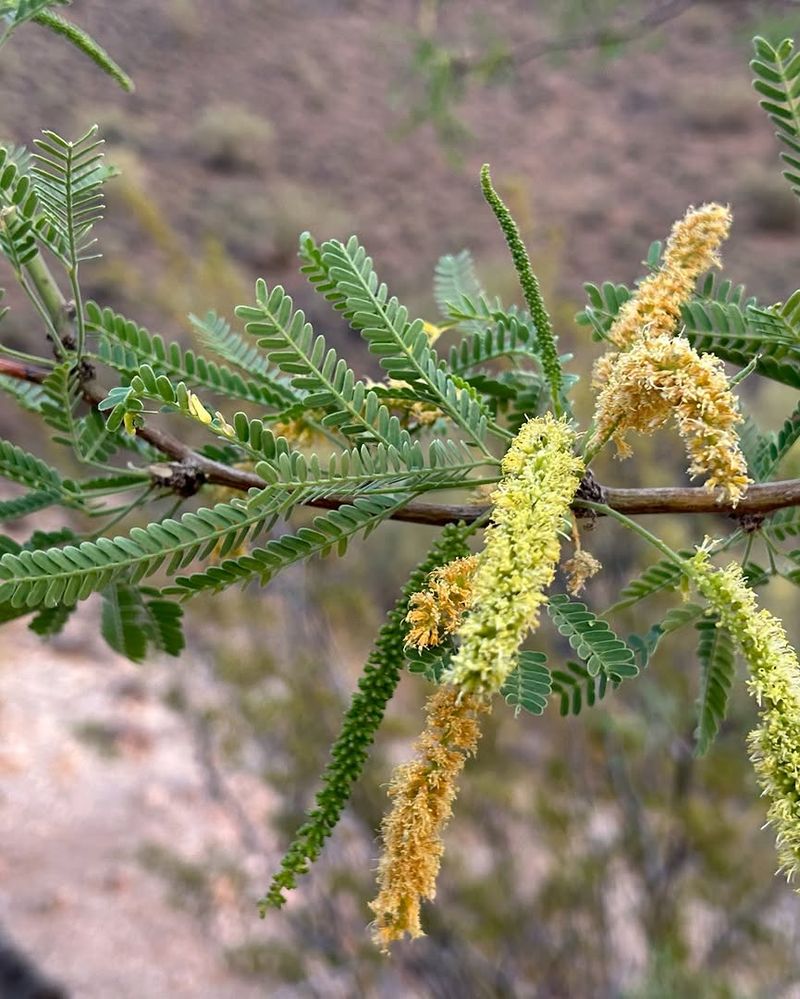
Velvet mesquite also supports local wildlife. Birds nest in its branches, and native bees feed on its flowers in spring.
Planting one adds life to a yard, not just shade.
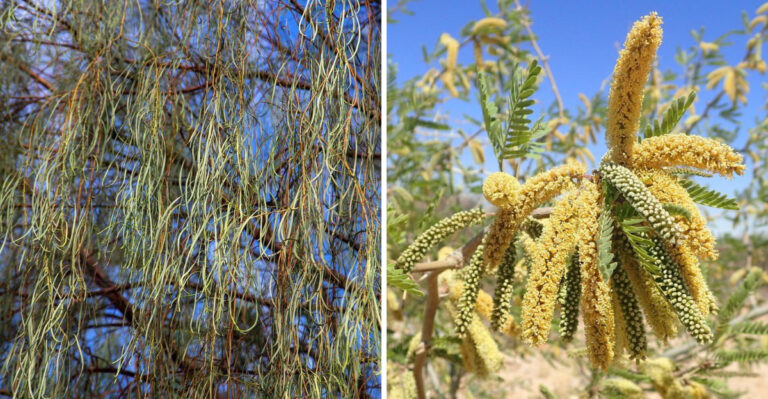
The leaves are small and feathery, which means they filter light instead of blocking it completely. That soft, dappled shade feels comfortable rather than gloomy.
It also means the tree handles wind better than broad-leafed alternatives.
2. Plant It In Full Sun From The Very Beginning
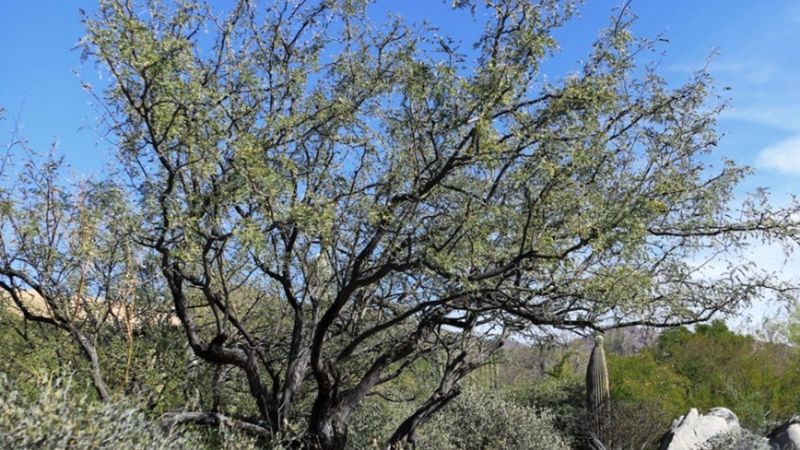
Planting location makes or breaks a mesquite’s long-term growth. Full sun is non-negotiable.
Shaded spots slow its development and weaken its structure over time.
Pick a spot that gets at least eight hours of direct sunlight daily. South-facing or west-facing areas in a yard tend to work best.
Avoid placing it near walls that block afternoon light, even partially.
Soil drainage matters just as much as sun exposure. Velvet mesquite struggles in spots where water pools after rain.
Raised areas or slopes with good natural drainage give roots the best start.
Keep it away from underground utilities and irrigation lines. Roots spread aggressively as the tree matures.
Planting too close to pipes or foundations creates problems that are costly to fix later.
Distance from the house also matters for safety and airflow. A minimum of 20 feet from any structure gives the canopy room to grow without crowding rooflines or gutters.
Your Arizona Garden Changes Every Week. Your Plan Should Too.
Gardening in Arizona changes quickly throughout the season. Every Friday you’ll receive a simple weekly plan showing exactly what to plant, prune, fertilize, harvest, and protect so you never miss the right timing.
Closer planting leads to pruning conflicts down the road.
Think ahead when choosing the spot. A tree planted in the right place today will reward you with decades of reliable shade.
A tree planted in the wrong spot creates ongoing headaches instead.
Neighborhoods across the Sonoran Desert region have learned this lesson through experience.
3. Leave Plenty Of Space For The Canopy To Spread
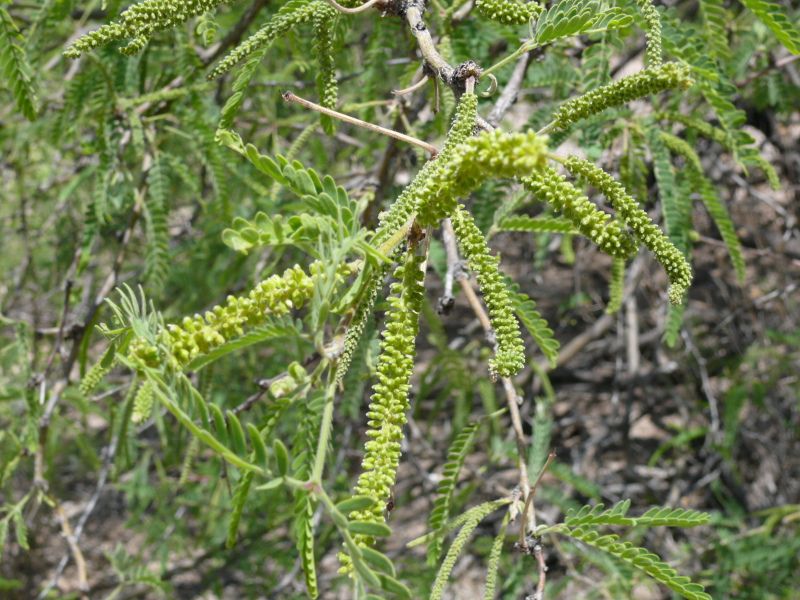
A velvet mesquite’s canopy is its greatest asset. Crowding it shortchanges the very feature that makes it worth planting.
Wide, open space lets it grow into its full potential.
Mature canopies commonly reach 30 to 40 feet wide. That is a large footprint that needs to be planned for at planting time.
Most homeowners underestimate how much horizontal space this tree eventually occupies.
Spacing from other trees matters too. Planting multiple mesquites too close together creates competition for light and water.
Canopies that overlap tend to grow unevenly and require constant corrective pruning.
Sidewalks and driveways need clearance as well. Roots can lift concrete over time if planting happens too close to hardscape.
A buffer of at least eight to ten feet from paved surfaces is a practical minimum.
Power lines are another concern worth addressing early. A spreading canopy that grows into utility lines creates safety risks and forces aggressive trimming by utility crews.
Avoid planting under or near overhead lines entirely.
Giving the tree room is not just about avoiding problems. It also allows the canopy to develop its natural umbrella shape, which is what produces the deep, even shade that makes outdoor spaces comfortable in summer.
4. Prune Young Branches To Shape A Strong Structure
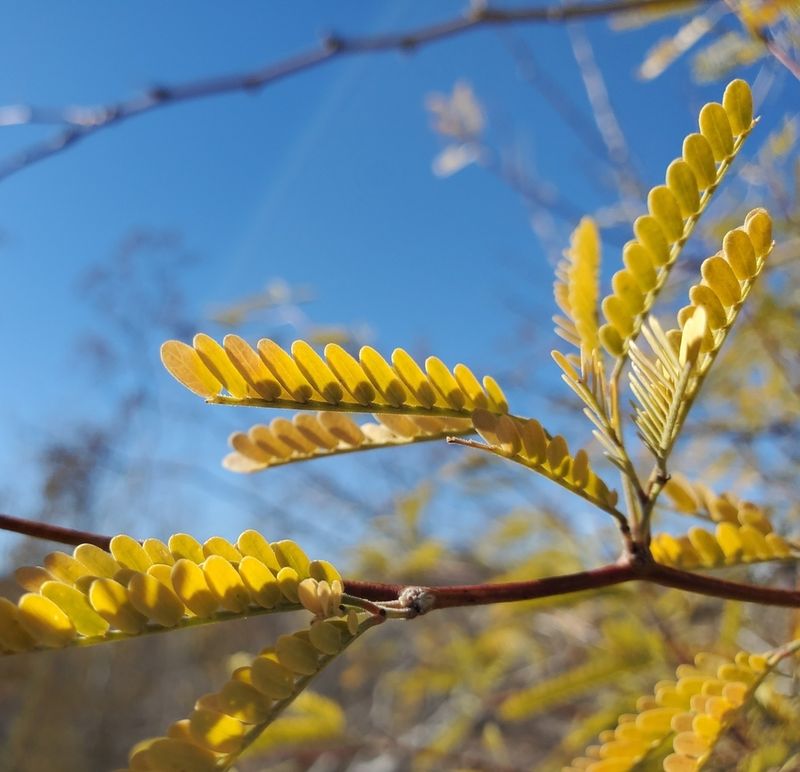
Pruning a young mesquite might feel counterintuitive when you want it to grow fast. Done right, it actually speeds up the development of a strong, functional canopy.
Start shaping in the first and second year. Remove any branches that cross each other or grow back toward the trunk.
Crossing branches rub together over time and create wounds that invite pests.
Raise the canopy gradually. Remove the lowest branches in stages to create clearance for walking underneath.
Aim for six to eight feet of clearance at maturity for comfortable use of the shaded space below.
Never remove more than one-third of the canopy at once. Taking too much off at one time stresses the tree and slows recovery.
Small, consistent cuts over multiple seasons build the structure you want.
Avoid topping the tree. Cutting the main leader or central branches produces weak, bushy regrowth that looks poor and breaks easily in wind.
Shape by selectively removing branches, not by cutting the top flat.
Use clean, sharp tools for every cut. Dull blades crush tissue instead of cutting cleanly.
Clean tools also reduce the chance of spreading fungal issues from one cut to another.
5. Water Deeply Until Strong Roots Take Hold
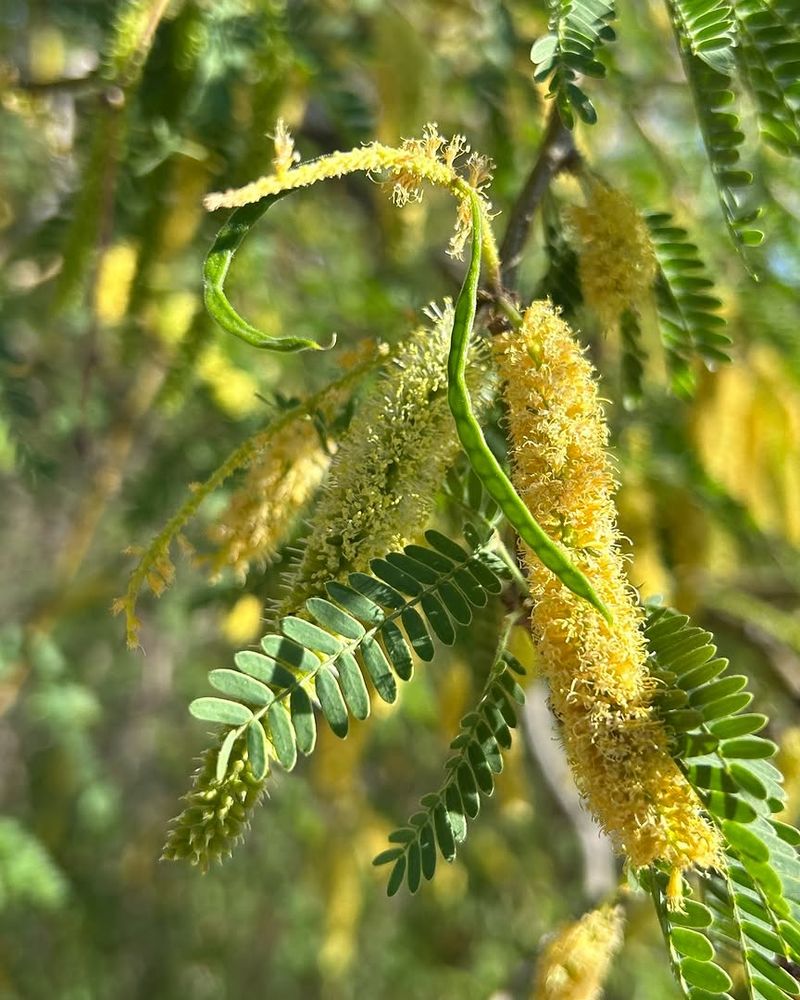
Young mesquite trees need help before they can fend for themselves. Deep watering during the first two years builds the root system that makes them drought-tolerant later.
Shallow watering is a common mistake. It encourages roots to stay near the surface, where heat and dryness stress them out.
Deep, slow watering pushes roots downward where soil stays cooler and moisture lasts longer.
Water slowly at the drip line, not right at the trunk. The drip line is the outer edge of the canopy where feeder roots are actively growing.
Watering there encourages outward and downward root expansion.
During the first summer, water every one to two weeks depending on heat intensity. Cut back frequency in fall and winter when temperatures drop and the tree’s water needs decrease naturally.
A simple check helps gauge when to water. Push a screwdriver six inches into the soil near the drip line.
If it goes in easily, moisture is still present. If the soil feels hard and dry, it is time to water.
After two to three years of proper deep watering, most velvet mesquites in the low desert can transition to rainfall-only hydration. That transition point is worth the patience it takes to get there.
6. Avoid Frequent Shallow Watering In Summer
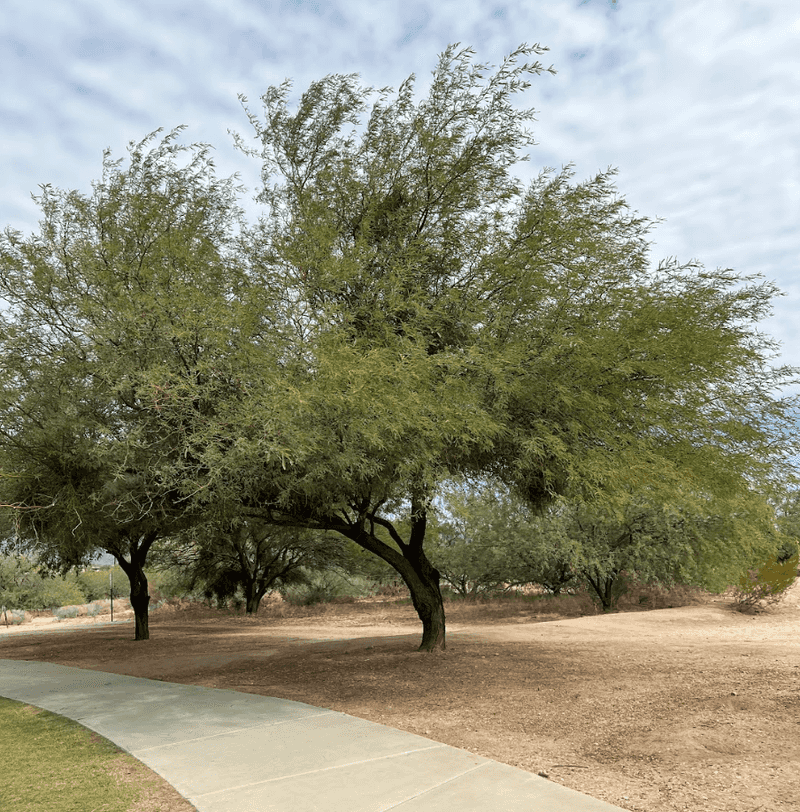
Frequent light watering is one of the most common mistakes desert tree owners make. It feels helpful but actually creates problems that undermine long-term tree health.
Surface moisture evaporates fast in summer heat. Roots chasing that moisture stay shallow, making the tree more vulnerable to heat stress and wind instability.
A shallow root system cannot anchor a large canopy reliably.
Automatic irrigation systems set to run daily or every other day at low volume are a frequent culprit. Convenient as they are, they train roots to stay near the top inch or two of soil.
Switching to deep, infrequent watering changes root behavior over time. Roots follow moisture downward, building a deeper and more stable anchor.
Deep roots also access soil moisture that persists long after surface soil dries out.
Turn off automatic drip emitters once the tree reaches two years old and is showing healthy new growth. Hand-water deeply every two to four weeks during summer instead, depending on conditions and rainfall.
Rainfall during the monsoon season can supplement or replace supplemental irrigation entirely in some years. Pay attention to actual precipitation before automatically watering on a fixed schedule.
7. Surround It With Other Low-Water Desert Plants
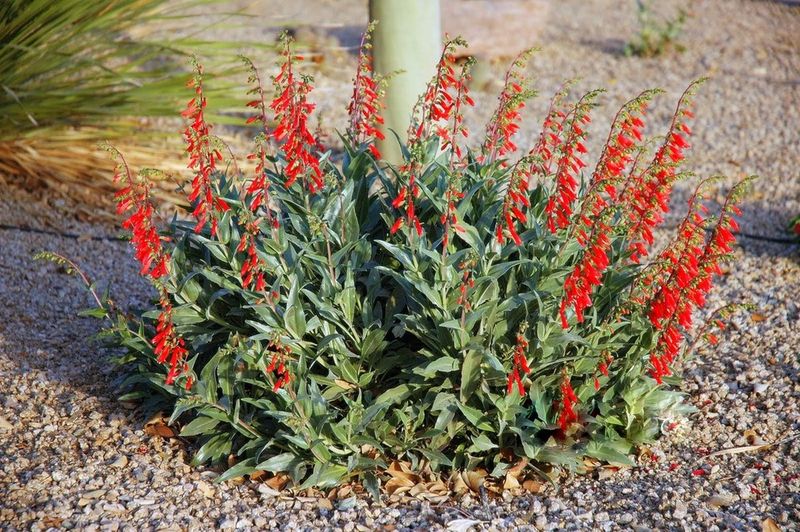
A mesquite tree rarely looks its best standing alone in bare gravel. Pairing it with the right companion plants creates a cohesive, natural-looking landscape that also functions well ecologically.
Native groundcovers and shrubs planted beneath the canopy fill space that would otherwise invite weeds. Plants like brittlebush, desert marigold, and blackfoot daisy thrive in the dappled shade a mature mesquite provides.
Companion plants with similar water needs make irrigation management simpler. Grouping low-water plants together means one watering schedule works for the whole area.
Mixing high-water and low-water plants in the same zone creates conflicts.
Cacti work well at the outer edges of the canopy where light is stronger. Saguaro and prickly pear prefer full sun and should not be planted directly under dense shade.
Positioning matters for each plant’s success.
Palo verde trees make good neighbors at a safe distance. Both are native to the Sonoran Desert and share similar soil and water preferences.
They also bloom at different times, which extends seasonal color across the yard.
Decomposed granite mulch around the base of the mesquite helps retain soil moisture and keeps the planting area tidy. Avoid piling mulch directly against the trunk, which can cause bark moisture issues over time.