9 Reasons Your Lawn Stays Patchy Even After Reseeding
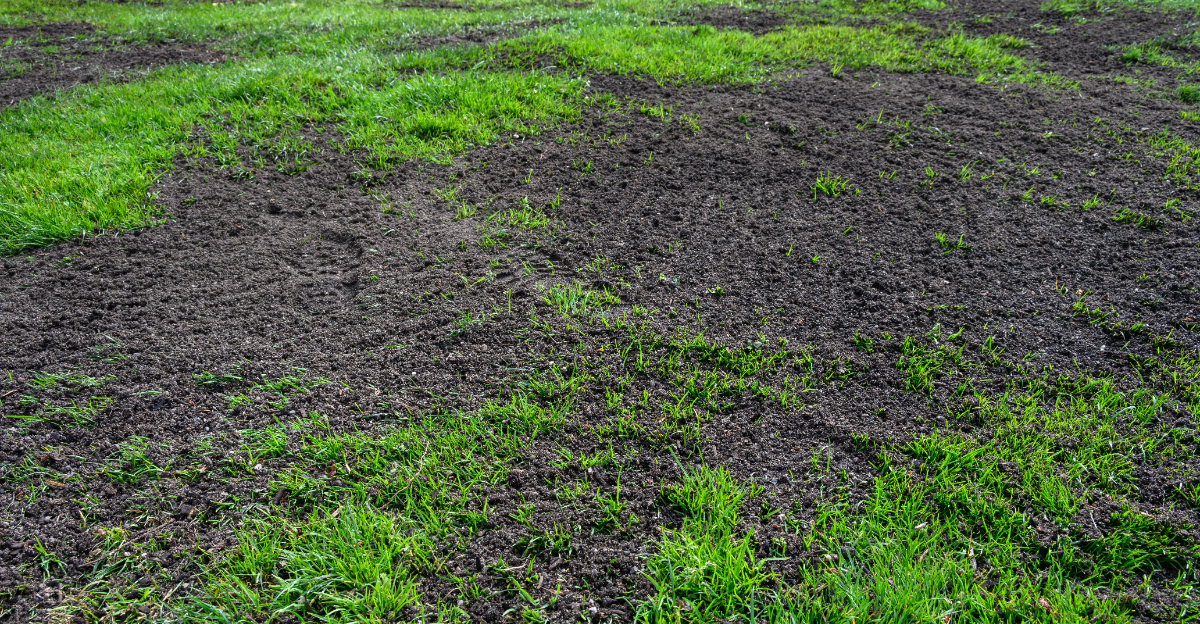
Seed went down, water followed, and you waited with quiet confidence. Weeks later, your yard tells a different story, thick in some spots, bare in others, like it can’t make up its mind.
That checkerboard effect isn’t random. Something in the process nudged certain patches toward success while leaving neighbors behind.
Most homeowners assume they did something drastically wrong. In reality, the culprit is usually small, easy to miss, and even easier to correct once you know where to look.
Stick around, because the fix is simpler than the frustration suggests, and your lawn’s uneven start doesn’t have to define how it finishes.
1. Soil Contact Issues Prevent Seeds From Rooting
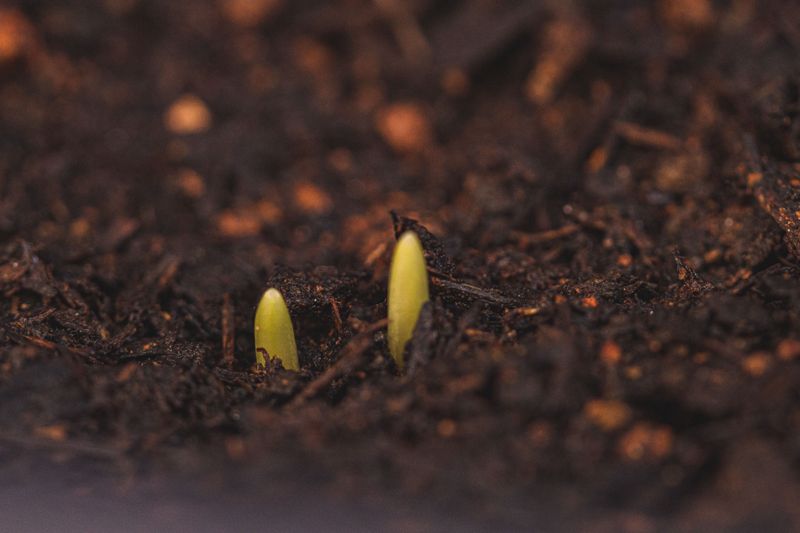
Seeds need to touch soil to grow. Without that direct contact, they just sit on the surface and dry out fast.
Grass seeds do not germinate in midair. They need to nestle into the top layer of soil where moisture, warmth, and nutrients can reach them.
A lot of homeowners spread seed and call it done. But if the ground beneath is lumpy, crusted, or covered in thatch, the seed never gets that critical connection.
Raking the soil lightly before seeding makes a real difference. A simple garden rake can open the surface enough for seeds to settle in properly.
After spreading seed, go back over the area with the back of a rake. This presses seeds gently into the soil without burying them too deep.
Rolling the area with a lawn roller is another great trick. A little pressure goes a long way toward improving germination rates.
Thatch buildup is a sneaky culprit here. If your existing lawn has a thick mat of dry grass, seeds land on that layer instead of soil.
Dethatching before reseeding gives your new grass a fighting chance. You can rent a dethatching machine at most hardware stores for a reasonable price.
Poor seed-to-soil contact is one of the top reasons patchy lawns persist after reseeding. Fix the foundation first, and the seeds will do the rest.
2. Watering Inconsistently During The Germination Window
Grass seeds are drama queens when it comes to moisture. Miss a few watering sessions during germination and the whole batch can suffer.
The germination window is usually the first seven to twenty-one days after seeding. During that stretch, the top inch of soil must stay consistently damp.
Letting it dry out repeatedly can stop germination in its tracks. Seeds that have just cracked open are the most vulnerable stage of the whole process.
Most people water heavily on day one and then forget about it. That burst of moisture gives false hope, but dry days that follow can undo everything.
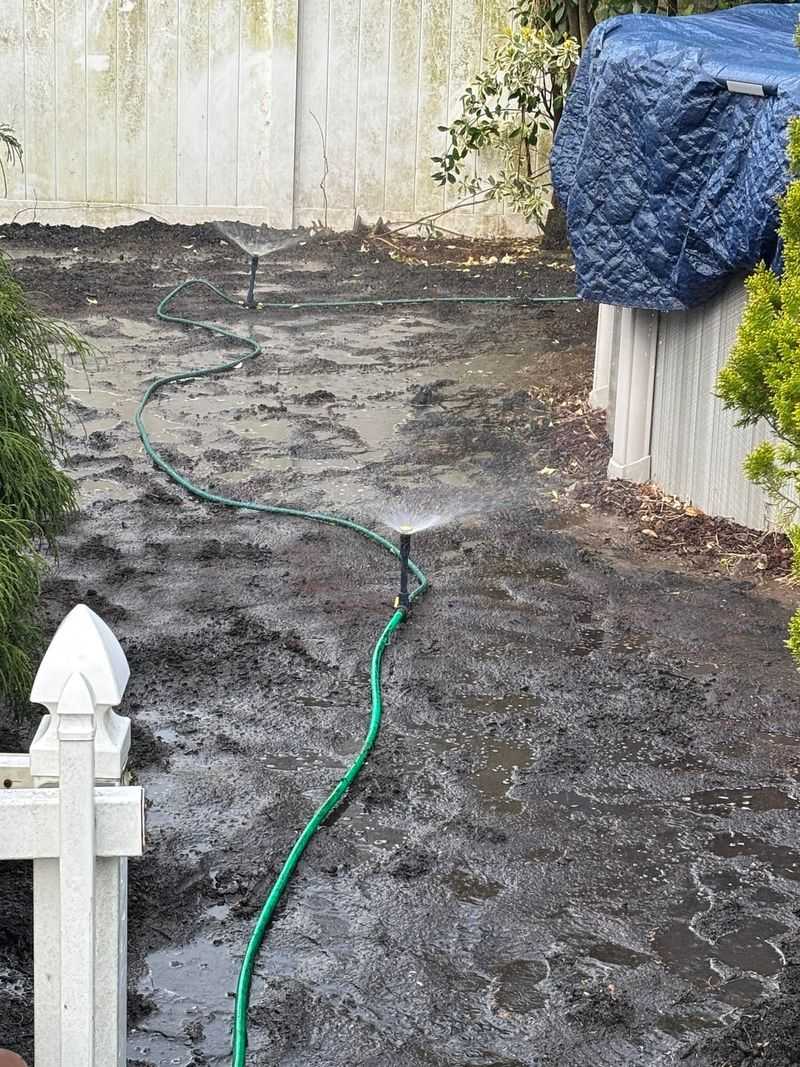
Light, frequent watering works better than deep, infrequent soaking during this phase. You want moist soil, not a soggy swamp or a desert.
Aim for two to three short watering sessions per day in warm weather. Early morning and late afternoon are the best windows to avoid evaporation.
A timer-controlled sprinkler system takes the guesswork out entirely. Set it and forget it, and your seeds will thank you with steady growth.
Once seedlings reach about an inch tall, you can shift to deeper, less frequent watering. That transition encourages roots to push down into the soil.
Patchy lawns often stay patchy simply because watering wasn’t consistent eno
3. Existing Weeds Are Outcompeting New Grass
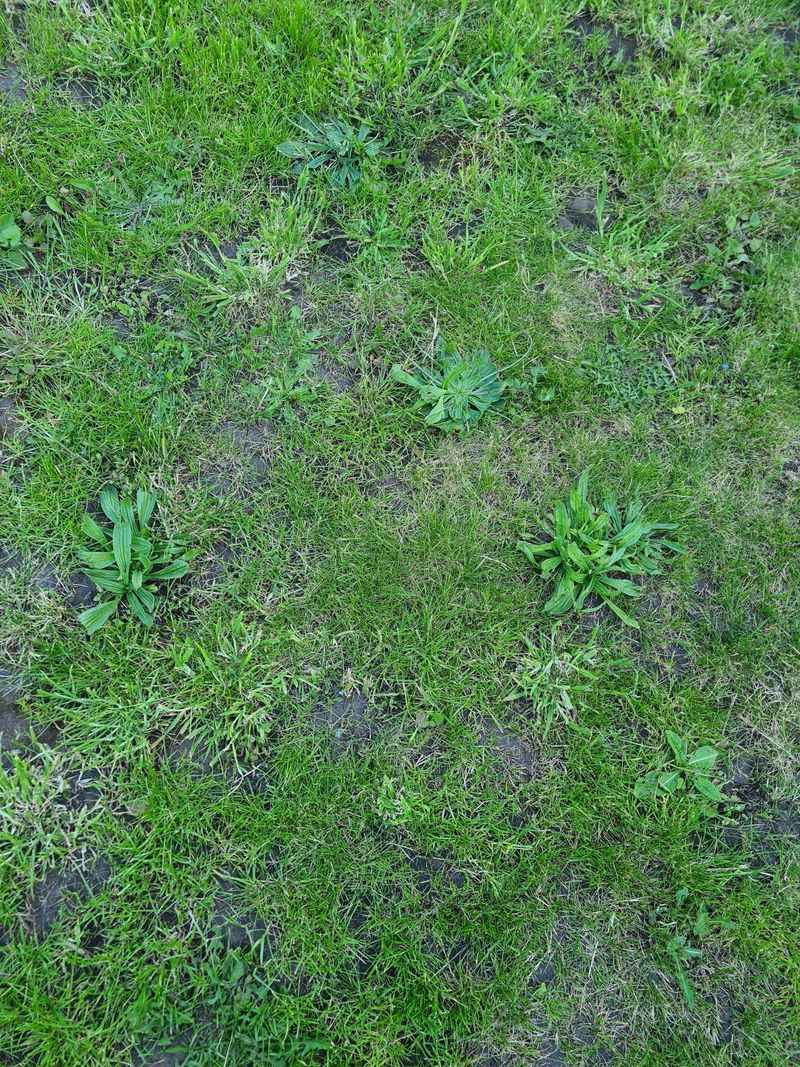
Weeds are not polite. They move fast, grab nutrients, and crowd out new grass before it ever gets a foothold.
When you reseed over an existing weed problem, you are basically starting a race where the weeds already have a head start. New grass seedlings are fragile and slow compared to established weeds.
Crabgrass, dandelions, and clover are common offenders. They spread aggressively and steal the water and sunlight your new grass desperately needs.
Pulling weeds by hand before reseeding is tedious but effective. Getting the roots out fully prevents them from bouncing back during the germination period.
Pre-emergent herbicides are another option, but timing matters. Most pre-emergents also block grass seed germination, so read labels carefully before using them.
Post-emergent spot treatments can help after your new grass is established. Waiting until seedlings are mature enough reduces the risk of chemical damage.
Overseeding at a higher density can also help new grass compete. A thick stand of young grass leaves less room for weeds to sneak in.
Keeping the lawn fed with the right fertilizer after germination builds strength fast. Strong, dense turf is naturally more resistant to weed invasion.
Patchy lawns often stay patchy because weeds usually win the resource competition. Address the weed problem first, and your reseeding effort will finally stick.
4. Compacted Soil Blocks Root Development
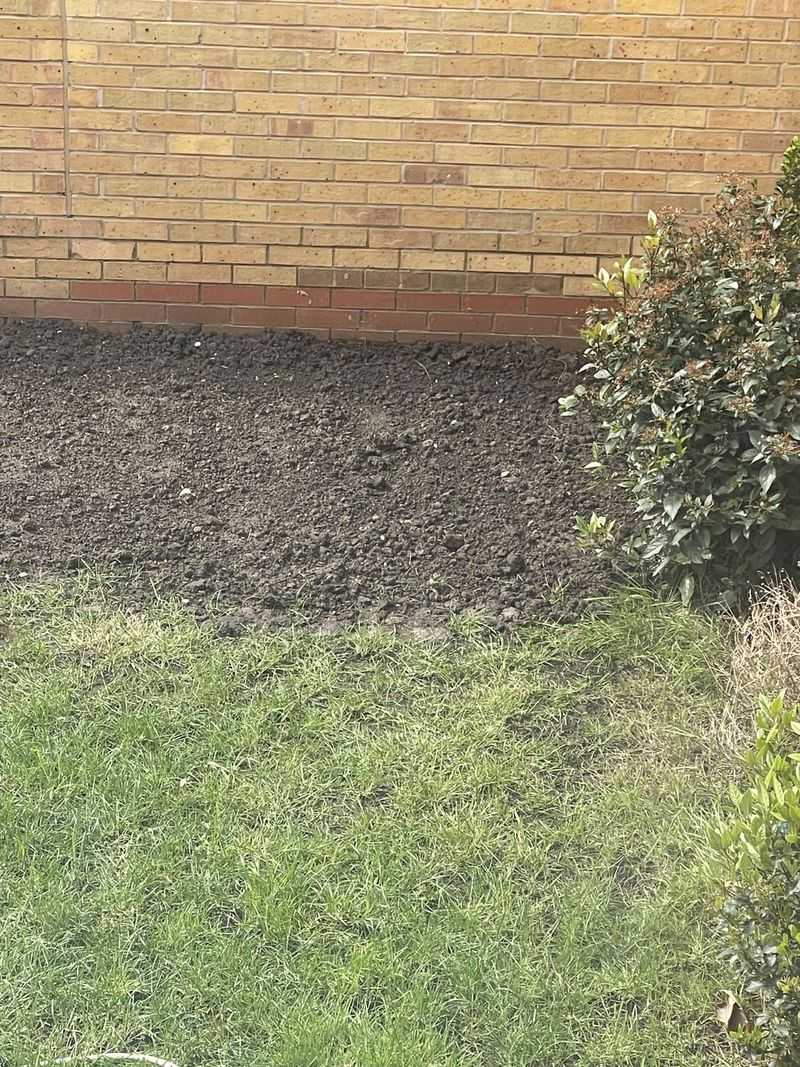
Hard soil is like a locked door for grass roots. Even the best seed struggles when roots can’t push through compacted ground.
Soil compaction happens when foot traffic, heavy equipment, or even rainfall pounds the ground over time. The particles get pressed so tightly together that air and water cannot move through.
Grass roots need loose, aerated soil to spread and anchor properly. Without that, seedlings sprout briefly, then struggle and thin out quickly.
Clay-heavy soils are especially prone to compaction. If your lawn feels like concrete underfoot, that is a strong sign you need to aerate before reseeding.
Core aeration is the most effective fix. A machine punches small holes throughout the lawn, loosening the soil and improving both drainage and oxygen flow.
You can rent an aerator from most home improvement stores. Running it over your lawn before spreading seed dramatically improves germination success rates.
Adding compost after aeration gives the soil a nutrient boost. Raking a thin layer over the surface fills those holes and feeds new roots as they grow.
Sandy soils can also be tricky in a different way. They drain too fast, leaving roots without enough moisture to develop fully.
Amending your soil type before reseeding is one of the smartest investments you can make. Healthy, loose soil is the foundation of every lush, envy-worthy lawn.
5. Mowing Too Soon After Seeds Sprout
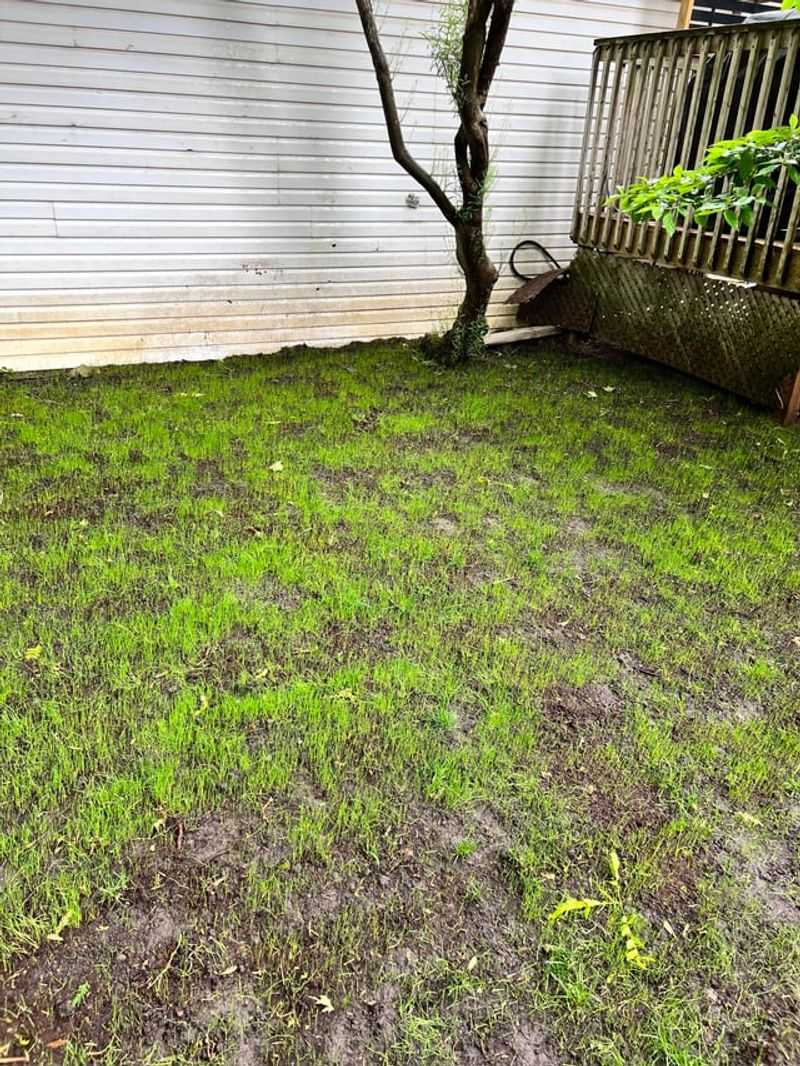
Patience is hard when you see green coming in. But grabbing the mower too early is one of the fastest ways to wreck a reseeding job.
New seedlings have shallow, fragile roots for the first few weeks. Running a mower over them can uproot them entirely or shred them before they stabilize.
Most grass varieties need to reach three to four inches tall before the first mow. That height signals that roots have anchored well enough to handle the stress.
Even a sharp blade causes trauma to immature grass. The vibration and suction of a mower can pull seedlings right out of soft, freshly worked soil.
Walk-behind mowers are gentler than riding mowers on new growth. If you must mow early, use the lightest option available and keep the blade high.
Setting your mower to the highest deck position for the first few cuts is a smart habit. Avoid removing more than one-third of the blade length at once.
Mowing stimulates lateral growth in grass once it is mature enough. Cutting at the right time actually encourages thickness and helps fill in bare spots naturally.
Foot traffic during this stage is also damaging. Keep pets, kids, and lawn equipment off the reseeded areas until the grass is firmly rooted.
Rushing the mowing schedule is a common and costly mistake. Give new grass the time it needs, and it will reward you with solid, even coverage.
6. Choosing The Wrong Grass Type For Your Conditions
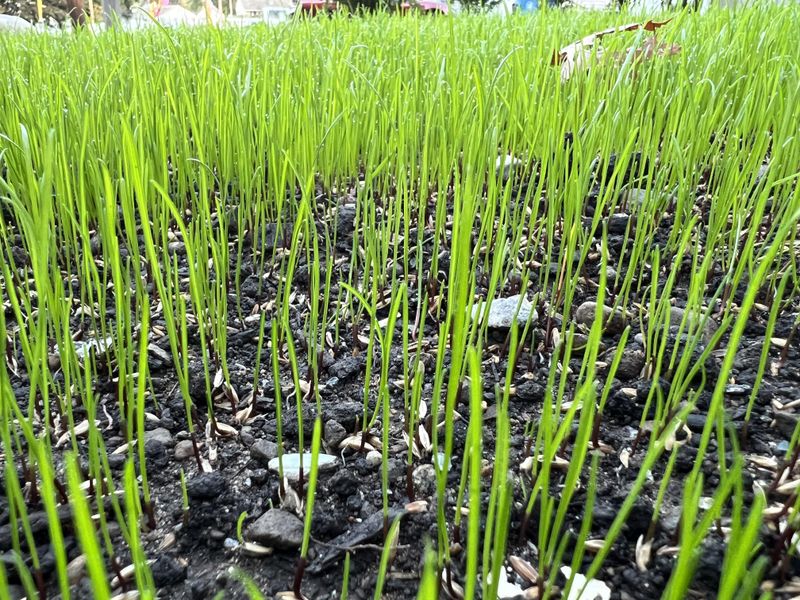
Not all grass is created equal. Planting a cool-season variety in a hot southern climate is basically setting your lawn up to struggle from day one.
Grass falls into two broad categories: cool-season and warm-season. Each type thrives in specific temperature ranges and fades fast outside of them.
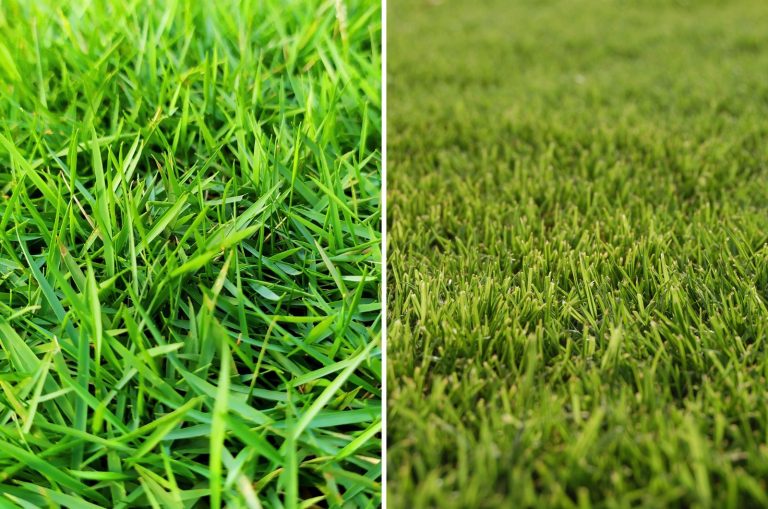
Cool-season grasses like fescue and bluegrass do best in northern states with cold winters. Warm-season grasses like Bermuda and Zoysia love the heat of southern summers.
Planting the wrong type means your grass may sprout briefly but then fade as temperatures shift. You end up with the same patchy mess you started with.
Soil type also plays a role in which grass performs well. Some varieties handle sandy soil better, while others thrive in clay or loam conditions.
Shade tolerance is another factor worth checking. If your yard has heavy tree coverage, you need a shade-tolerant variety like fine fescue.
Reading the seed bag label carefully before buying saves a lot of headaches. Look for information on climate zone, soil preference, and sun requirements.
Talking to your local garden center is a genuinely helpful move. Staff there know exactly which varieties perform best in your specific region.
Patchy lawns often result from a mismatch between seed choice and actual growing conditions. Pick the right grass for your yard, and reseeding finally starts working the way it should.
7. Birds And Wildlife Disturbing Freshly Spread Seed
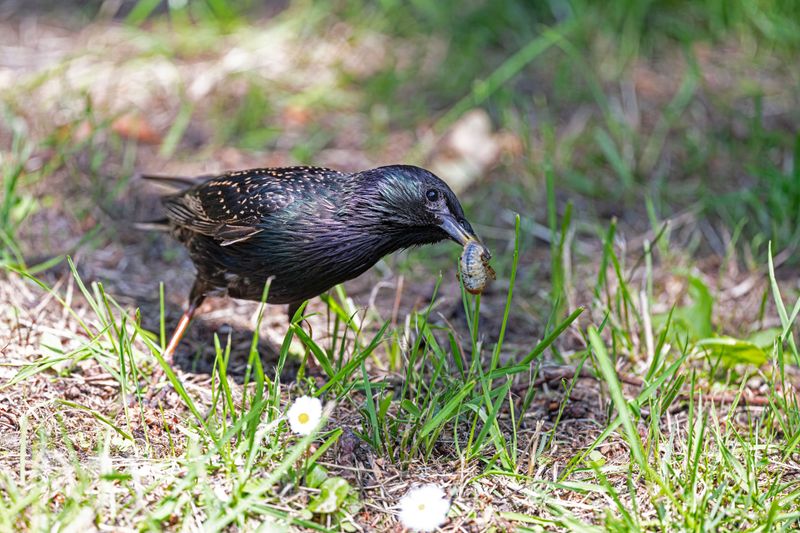
Scatter seed on bare ground and you have basically set up a free buffet. Birds especially love freshly spread grass seed and will clean it up fast.
Robins, sparrows, and starlings are common visitors to reseeded lawns. They can consume a surprising amount of seed before germination even begins.
Squirrels and other small mammals also dig up seed in search of food. Even a couple of determined squirrels can create new bare patches overnight.
The simplest defense is straw mulch spread lightly over the seeded area. It hides the seed from view and also helps retain moisture during germination.
Erosion control blankets are another effective option. These biodegradable mats hold seed in place while still allowing sunlight and water to reach the ground.
Shiny reflective tape strung near the lawn can deter birds. Motion-activated sprinklers are another option that scares away wildlife without harming them.
Fake owls or predator decoys placed near the lawn work for a short time. Moving them every few days keeps birds from figuring out the trick.
Covering small seeded areas with burlap fabric is a low-cost solution. The loose weave lets in light and rain while keeping birds from landing directly on the seed.
Wildlife pressure is an underestimated reason why patchy lawns refuse to fill in. A simple barrier strategy can protect your investment and let germination happen undisturbed.
8. Uneven Sunlight Slowing Growth In Shaded Spots
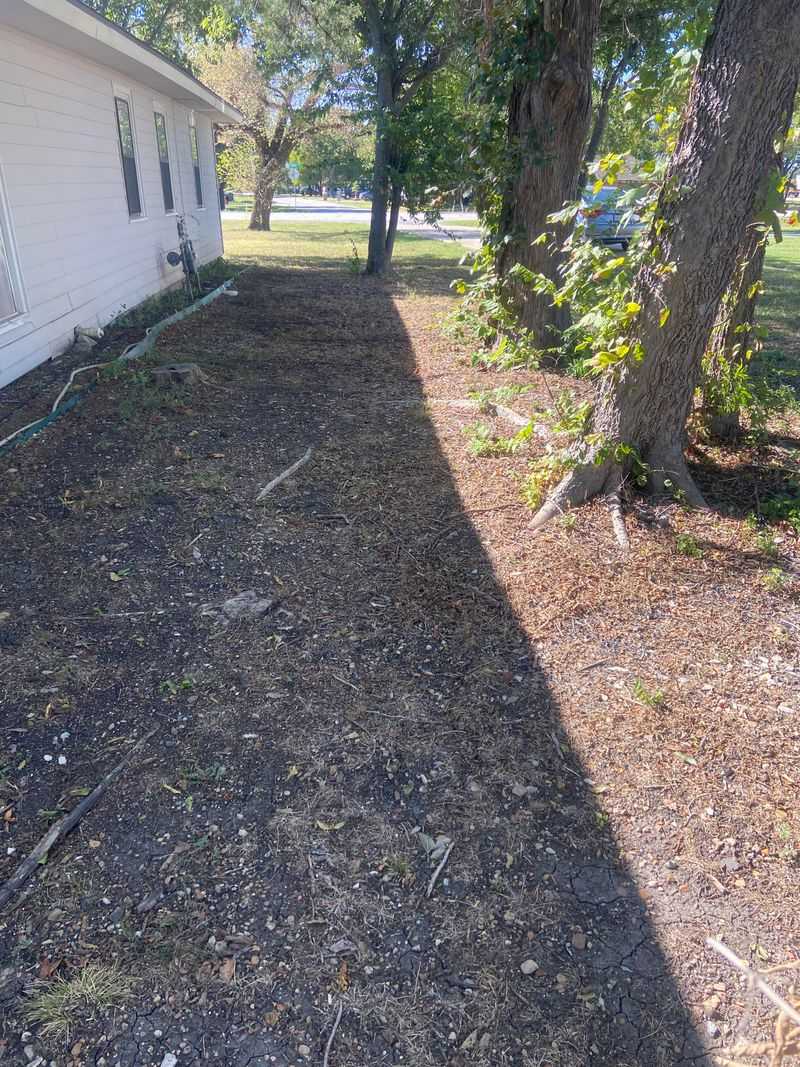
Shade is sneaky. A spot that looks fine in the morning can be deeply shaded by afternoon, and grass planted there will always struggle.
Sunlight drives photosynthesis, which is how grass produces the energy it needs to grow. Less light means less energy, slower growth, and thinner coverage over time.
Areas under large trees or near tall fences often get only one to two hours of direct sun daily. Most grass varieties need at least four to six hours to thrive.
If you have reseeded the same shaded spot multiple times with poor results, the seed type is likely the issue. Standard grass mixes are not designed for low-light conditions.
Fine fescue blends are specifically bred to handle shade better than other varieties. Switching to a shade mix can transform a stubbornly bare spot into actual green grass.
Trimming lower tree branches to let in more light is another effective solution. Even an extra hour of sun per day can noticeably improve grass density.
Thinning out dense shrubs near problem areas also helps. More open space around the lawn means better air circulation and more scattered light reaching the ground.
In deeply shaded spots where nothing grows, consider ground cover plants instead. Hostas, ferns, and creeping phlox thrive where grass simply cannot compete.
Uneven sunlight is one of the most stubborn causes of a patchy lawn. Matching the right plant to the right light condition is the most reliable long-term fix.
9. Old Seed That Lost Its Ability To Germinate
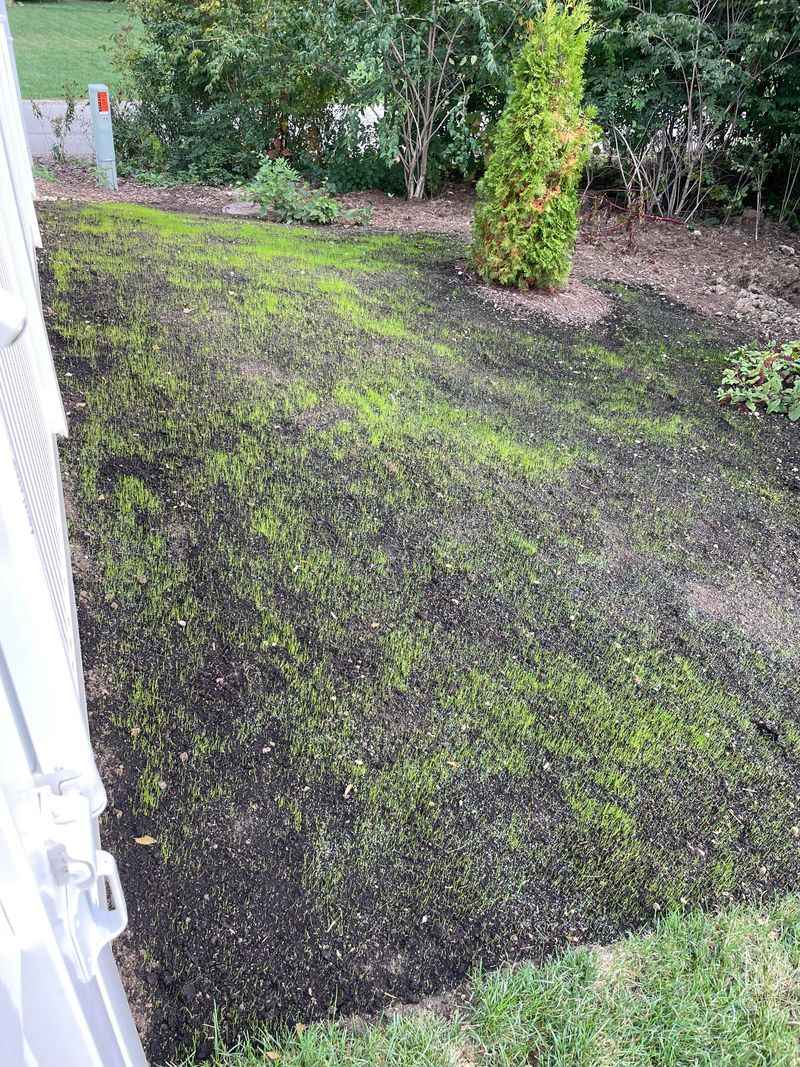
Seed has an expiration date, and it is not just a suggestion. Using old, degraded seed is one of the most common reasons reseeding fails completely.
Grass seed loses viability over time, especially when stored in warm, humid conditions. A bag left in the garage through a hot summer may be largely useless by fall.
Most grass seed maintains strong germination rates for one to two years when stored properly. After that, the percentage of viable seeds drops off significantly.
A simple germination test can save you from wasting time and effort. Place ten seeds on a damp paper towel, fold it over, and wait a week.
If fewer than seven of those seeds sprout, the batch has poor viability. Buying fresh seed at that point is the smarter and cheaper choice long term.
Proper storage extends seed life considerably. Keep it in a sealed container in a cool, dry location away from direct sunlight and temperature swings.
A basement shelf or climate-controlled space works well. Avoid sheds or garages where heat and humidity fluctuate dramatically between seasons.
Buying seed from a reputable source also matters. Cheap bulk seed from discount bins often has lower germination rates right out of the bag.
Patchy lawns after reseeding sometimes trace back to seed that never had a real chance. Fresh, high-quality seed stored correctly is the foundation of every successful lawn project.