These Are The Oregon Plants Deer Avoid No Matter How Hungry They Get
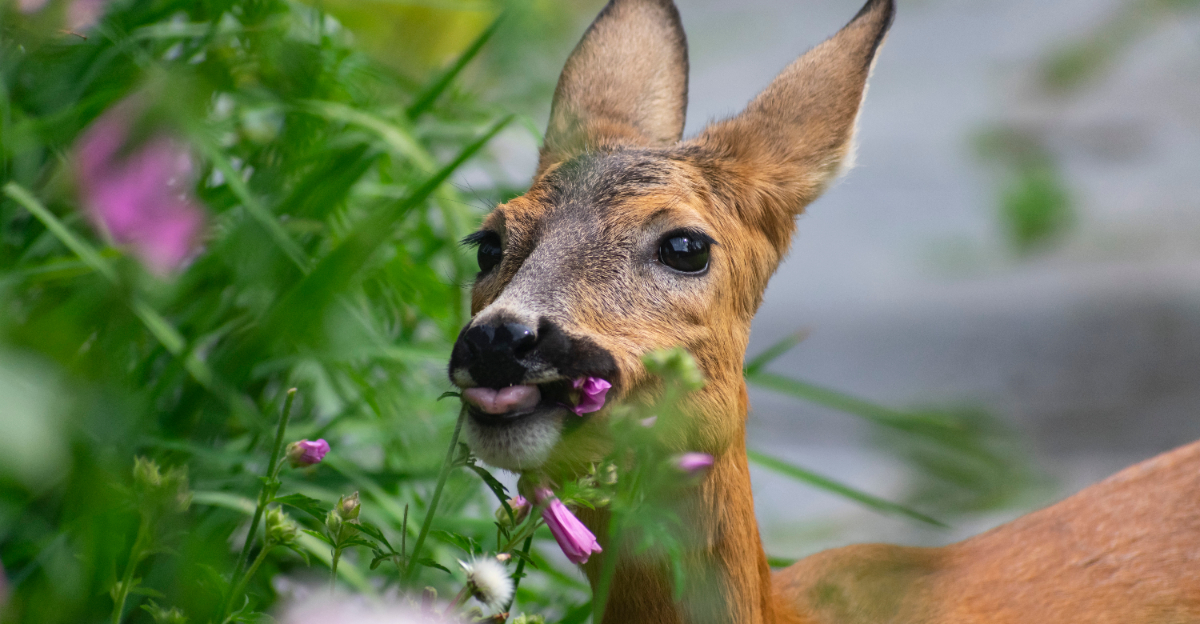
Deer can make a garden feel like an all-night buffet, especially when tender leaves show up at just the wrong time. One day a plant looks perfect.
The next, it has been chewed down like a snack. So what actually stands a chance? Some Oregon plants have strong scents, rough leaves, bitter sap, or textures deer usually skip when easier food is nearby.
That does not make any plant completely safe, because hungry deer can be surprisingly bold.
Still, choosing plants they tend to avoid can make a big difference. It can also save a lot of frustration after all that planting work.
The goal is not to outsmart every deer forever. It is to build a garden that gives them fewer reasons to stop and browse.
1. Foxglove
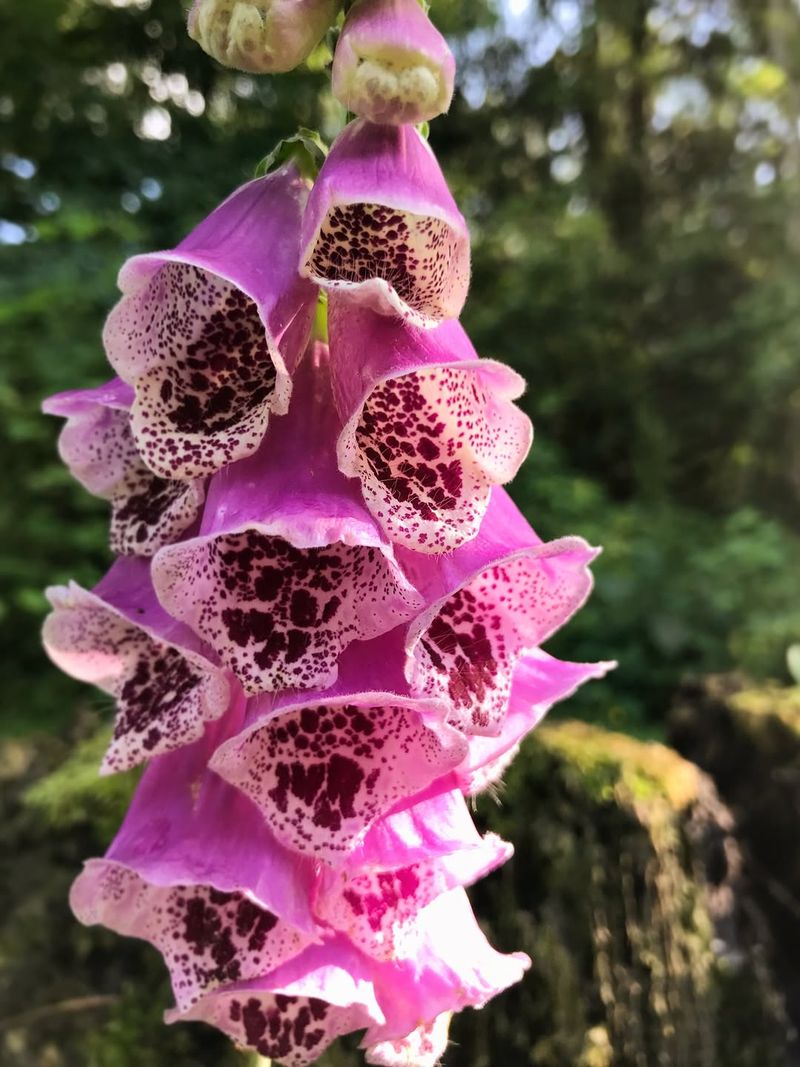
Few plants are as striking and reliable in an Oregon garden as foxglove. Those tall spikes covered in tubular, bell-shaped flowers in shades of purple, pink, and white are hard to miss.
Deer, however, want nothing to do with them.
Foxglove contains compounds called cardiac glycosides. These naturally occurring chemicals make the plant extremely bitter and harmful to most animals, including deer.
A deer’s instincts tell it to stay far away, no matter how hungry it gets.
In Oregon, foxglove grows beautifully along roadsides, woodland edges, and in home gardens across the state. It thrives in the mild, rainy climate of western Oregon especially well.
You’ll often spot it growing wild near Eugene, Salem, and along the coast.
Foxglove is a biennial, meaning it grows leaves in its first year and flowers in its second. Once established, it self-seeds easily, so you’ll get new plants every year without much effort.
That makes it a low-maintenance choice for busy gardeners.
Plant foxglove in partial shade or full sun with well-drained soil. It pairs beautifully with ferns and hostas for a lush, layered look.
Just keep it away from children and pets, as all parts of the plant are toxic if eaten by humans or animals.
2. Daffodil
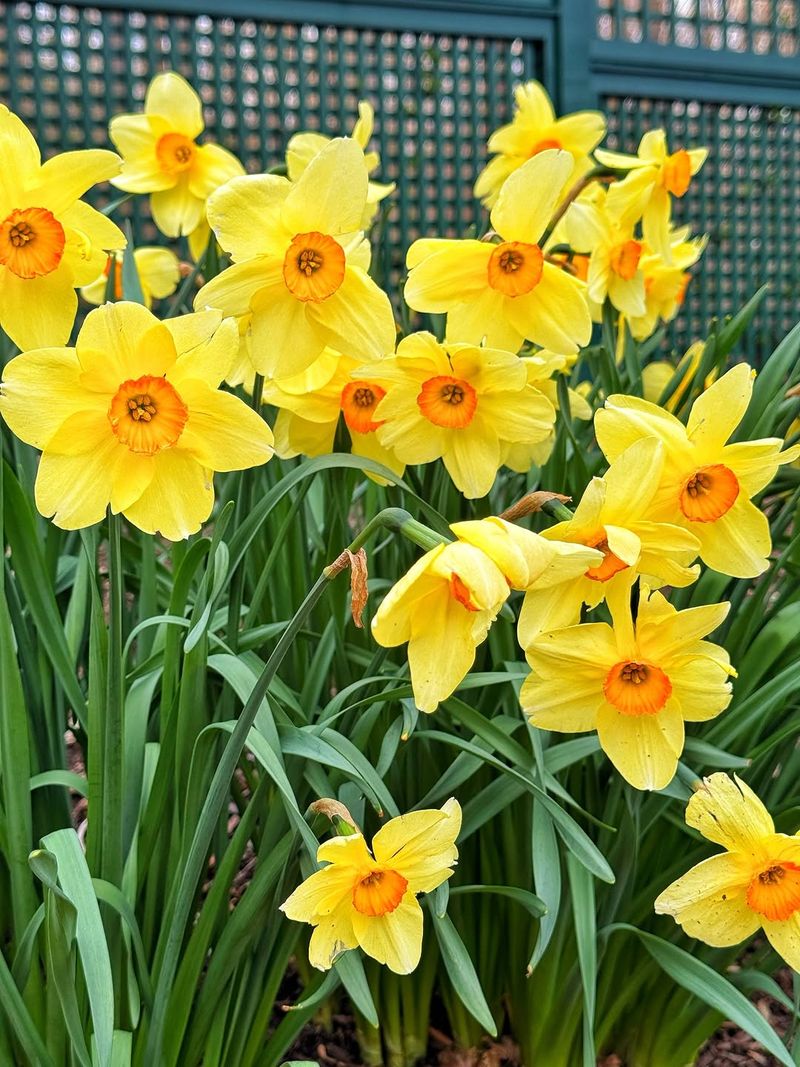
There is something cheerful and hopeful about a yard full of daffodils in early spring. These bright yellow flowers are one of the first signs that winter is fading.
But beyond their beauty, daffodils hold a secret weapon against deer.
Every part of the daffodil plant contains lycorine, a toxic alkaloid that causes nausea and discomfort in animals that eat it. Deer have learned over generations to avoid these flowers completely.
Even when deep snow covers most of Oregon and food is scarce, deer will step around a patch of daffodils without a second glance.
Gardeners across Oregon, from Portland suburbs to the rural areas of southern Oregon, have discovered that planting daffodil bulbs is one of the smartest moves they can make. They come back year after year with almost no effort required.
Daffodils do best when planted in fall, about six inches deep in well-drained soil. They love full sun but can handle partial shade too.
Once the blooms fade, let the leaves die back naturally so the bulb can store energy for next year.
Your Oregon Garden Changes Every Week. Your Plan Should Too.
Gardening in Oregon changes quickly throughout the season. Every Friday you’ll receive a simple weekly plan showing exactly what to plant, prune, fertilize, harvest, and protect so you never miss the right timing.
You can mix daffodils with other deer-resistant plants like lavender or hellebore for a colorful and protected garden bed. They are also great for naturalizing in lawns or along Oregon’s scenic hillsides.
3. Monkshood
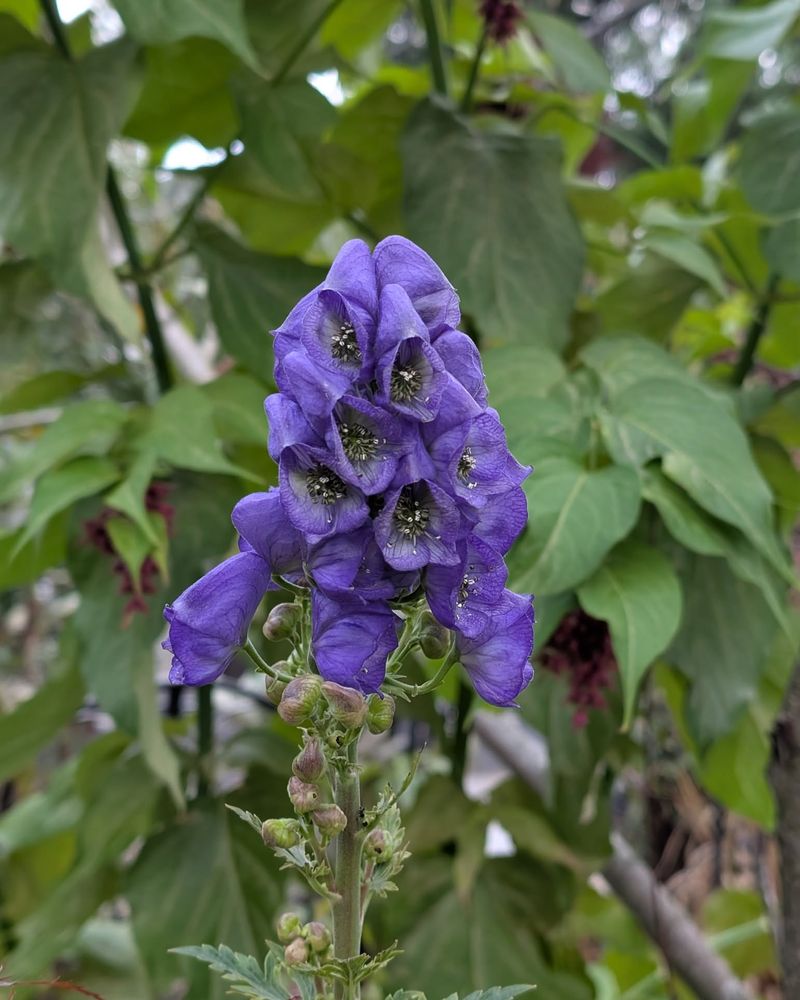
Monkshood has a mysterious, almost gothic charm to it. The deep blue-purple flowers shaped like little hoods sit atop tall, elegant stems.
It looks like something from a fairy tale, and in a way, it is, because deer treat it like a plant to avoid at all costs.
The reason is simple: monkshood is one of the most powerfully toxic plants in the Northern Hemisphere. It contains aconitine, a compound so potent that animals instinctively avoid it.
Deer in Oregon’s forests and meadows have learned this lesson well. You will never find a deer grazing on monkshood, no matter how bare the landscape gets in winter.
In Oregon, monkshood grows naturally in moist mountain meadows and along stream banks. It thrives in the cool, shaded conditions found throughout the Cascades and the Coast Range.
Home gardeners can grow it successfully in partially shaded beds with consistently moist soil.
Monkshood blooms in late summer and fall, which is great because it adds color to the garden when many other plants have finished flowering. It grows up to four feet tall, making it a bold statement plant in any landscape design.
Always wear gloves when handling monkshood. Even skin contact can cause irritation.
But as a deer deterrent in your Oregon garden, it is absolutely outstanding and reliable season after season.
4. Oregon Myrtle
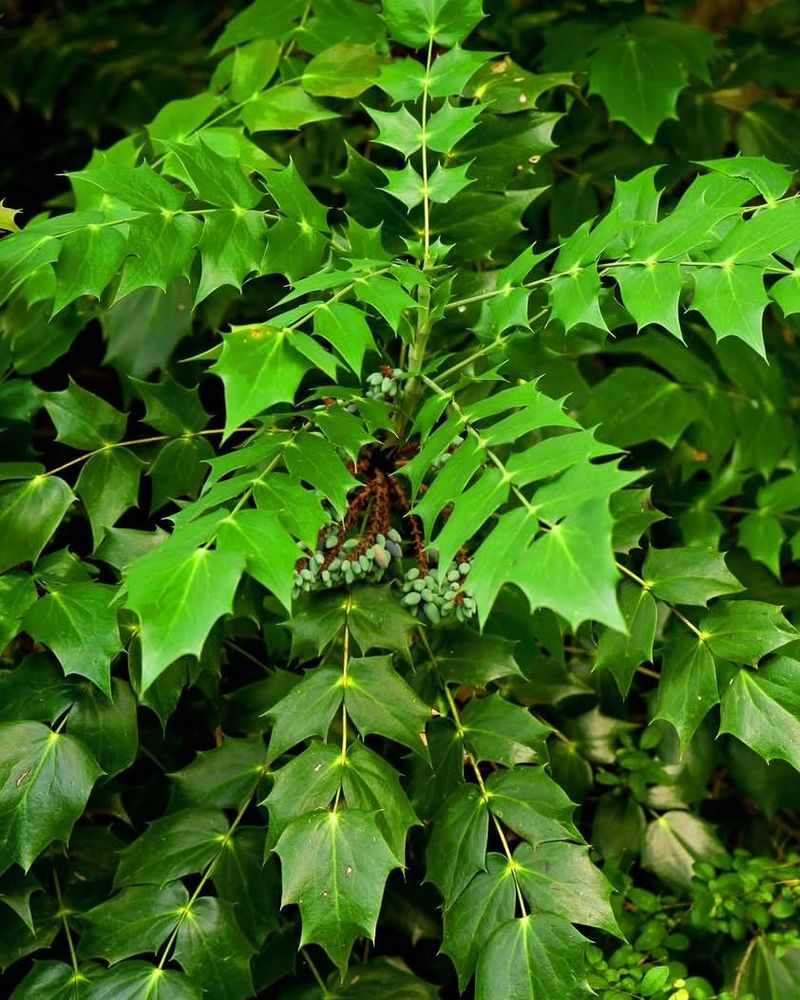
Oregon Myrtle is one of the most iconic trees in the state. Also known as the California bay laurel, this evergreen tree is beloved for its glossy leaves and the intense, spicy aroma they release when crushed.
That scent, so pleasant to humans, is exactly what keeps deer away.
Deer rely heavily on their sense of smell to find food. Strong aromatic plants tend to confuse or repel them.
Oregon Myrtle’s powerful fragrance signals to deer that this is not a plant worth eating. They move on quickly and look elsewhere for a meal.
This tree grows naturally along the Oregon Coast and in the Siskiyou Mountains. It is especially common in Curry County and around the Coos Bay area.
Oregon Myrtle wood is also famous for being used in beautiful handcrafted goods, from bowls to jewelry, making it a tree valued both in nature and in craft.
In a home garden, Oregon Myrtle can be grown as a large shrub or trained into a tree. It prefers well-drained soil and a spot with full sun to partial shade.
It is drought-tolerant once established, which makes it a smart choice for Oregon’s dry summer months.
Adding Oregon Myrtle to your landscape gives you a deer-resistant plant with deep local roots and year-round beauty. It is a true Oregon original that pulls double duty as both a garden feature and a natural deer deterrent.
5. Bleeding Heart
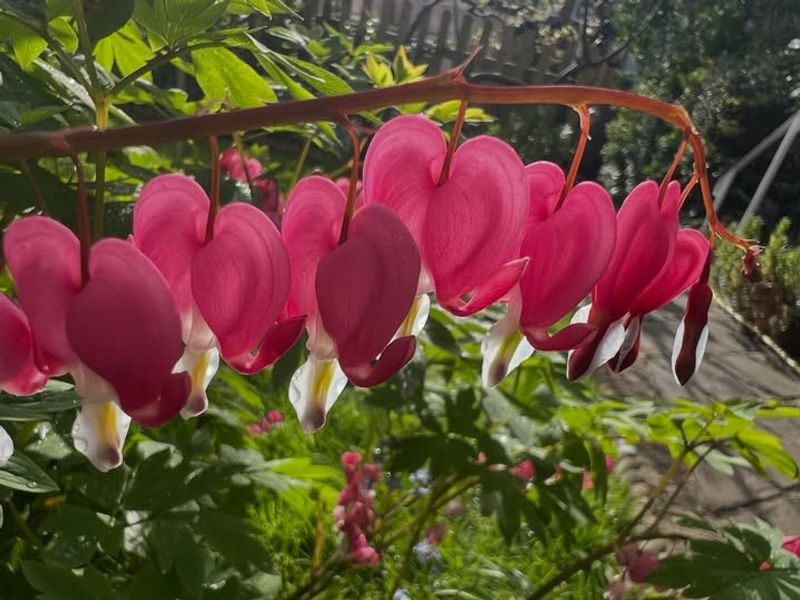
Bleeding heart is the kind of plant that stops people in their tracks. Those delicate, heart-shaped flowers dangling from arching stems look almost too pretty to be real.
Romantic and soft in appearance, this plant is actually quite tough when it comes to keeping deer away.
The plant contains isoquinoline alkaloids, which are natural compounds that make it unpalatable and harmful to grazing animals. Deer in Oregon seem to know this instinctively.
Even in lean times when food is hard to find, they consistently skip over bleeding heart and look for something else.
Bleeding heart loves the cool, moist conditions found throughout much of western Oregon. It thrives under the canopy of trees, making it an ideal plant for shaded garden spots under Douglas firs or big leaf maples.
The Willamette Valley’s climate is particularly well-suited for growing it.
This plant blooms in spring and early summer, adding a soft pop of pink, red, or white to shady garden corners. After blooming, the foliage may fade back in summer heat, so pairing it with ferns or hostas helps fill in those gaps.
Bleeding heart is easy to grow from transplants or seeds. It spreads slowly over time, gradually filling in a garden bed.
For Oregon gardeners dealing with regular deer pressure, it is a beautiful and dependable choice that delivers season after season.
6. Hellebore
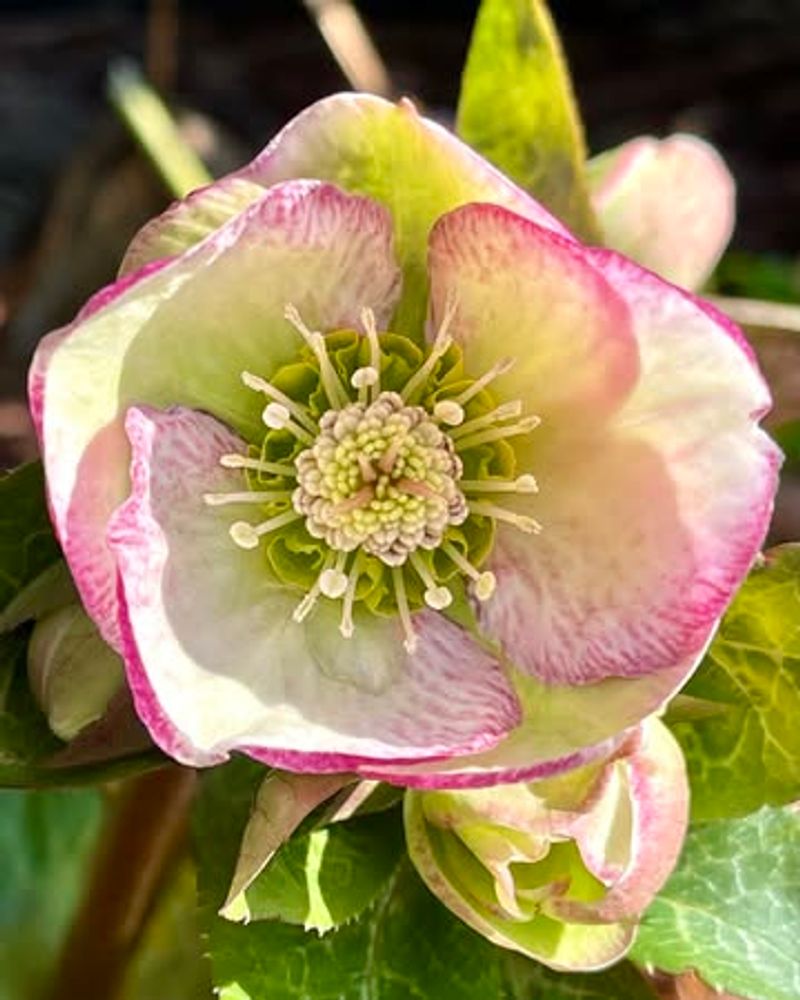
When most Oregon gardens look bare and bleak in January and February, hellebore is quietly putting on a show. These tough, evergreen perennials bloom in the coldest months of the year, offering color when almost nothing else will.
And deer? They want absolutely nothing to do with them.
Hellebores contain toxic compounds including glycosides and saponins that make them extremely bitter and harmful to animals. Deer seem to recognize this and avoid hellebore plants even when grazing pressure is at its highest in winter.
That is actually the best time to appreciate hellebore’s reliability, since deer are most desperate for food during those cold Oregon months.
These plants thrive in the shaded, moist conditions that are common throughout the Pacific Northwest. They grow well under trees, along north-facing slopes, and in garden beds that receive little direct sunlight.
Portland, Eugene, and Corvallis gardeners have long favored hellebore for its toughness and low maintenance.
Hellebore comes in a stunning range of colors including deep plum, white, soft pink, and nearly black. The nodding flowers have a quiet elegance that suits woodland garden styles beautifully.
They also mix well with snowdrops and early-blooming bulbs.
Once planted, hellebore is remarkably self-sufficient. It needs little watering once established and rarely requires fertilizing.
For any Oregon gardener looking for winter interest and reliable deer resistance, hellebore is close to perfect.
7. Western Sword Fern
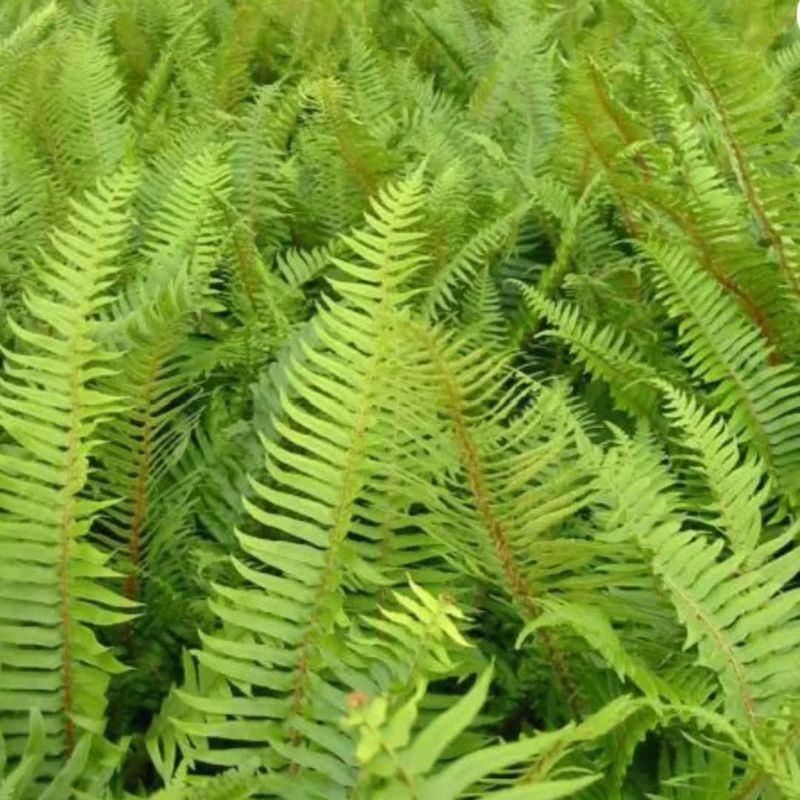
Walk through almost any forest in western Oregon and you will find Western Sword Fern growing in thick, lush clumps along the forest floor. This native plant is one of the most common ferns in the Pacific Northwest, and it has a remarkable quality that gardeners love: deer leave it alone.
Sword ferns are not particularly tasty to deer. The tough, leathery fronds do not appeal to them, and the plant does not offer the nutrition deer look for when foraging.
As a result, sword ferns tend to stay untouched even in areas with heavy deer populations, such as the Coast Range foothills and the western slopes of the Cascades.
For Oregon home gardeners, Western Sword Fern is a dream plant. It is native, so it is perfectly adapted to the local climate and soil.
It handles shade beautifully, making it ideal for spots under large trees where other plants struggle to grow.
Sword fern is also drought-tolerant once established, which is a big plus during Oregon’s dry summers. It stays green year-round, providing structure and texture to the garden even in the dullest winter months.
Deer-resistant and evergreen? That combination is hard to beat.
Pair it with bleeding heart, Oregon grape, or trillium for a stunning native plant garden that celebrates Oregon’s natural beauty while keeping deer at bay without any chemical sprays or fencing needed.
8. Lavender
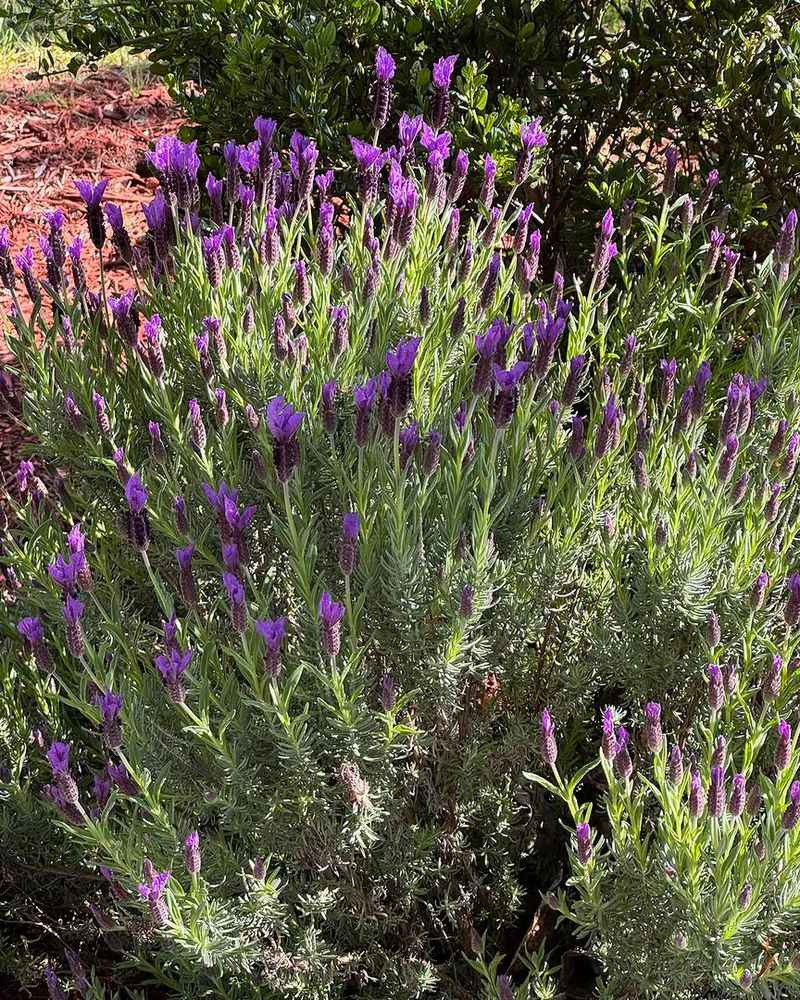
Few plants smell as amazing as lavender in full bloom. That rich, floral fragrance is calming to humans but works like a natural repellent for deer.
The same oils that make lavender so appealing to people make it completely unappealing to hungry deer across Oregon.
Deer rely on their noses to find food they want to eat. Lavender’s strong essential oils overwhelm their senses and signal that this plant is not worth trying.
Gardeners in dry, sunny parts of Oregon, including the Rogue Valley, the Columbia Gorge, and eastern Oregon, have had tremendous success growing lavender as both a beautiful and deer-proof plant.
Lavender thrives in full sun and well-drained, even sandy soil. It does not like wet feet, which means it pairs nicely with Oregon’s dry summer conditions.
Once established, it is extremely drought-tolerant and requires very little care beyond an occasional trim after blooming.
Beyond deer resistance, lavender attracts pollinators like bees and butterflies, making it a great choice for gardeners who want to support local wildlife. The flowers can also be harvested and dried for sachets, teas, or home decor.
Lavender comes in many varieties, from compact dwarf types to tall, bushy English lavender. All of them share that signature scent deer cannot stand.
Planting a border of lavender around more vulnerable plants is a smart and fragrant way to protect your Oregon garden all season long.
9. Spurge (Euphorbia)
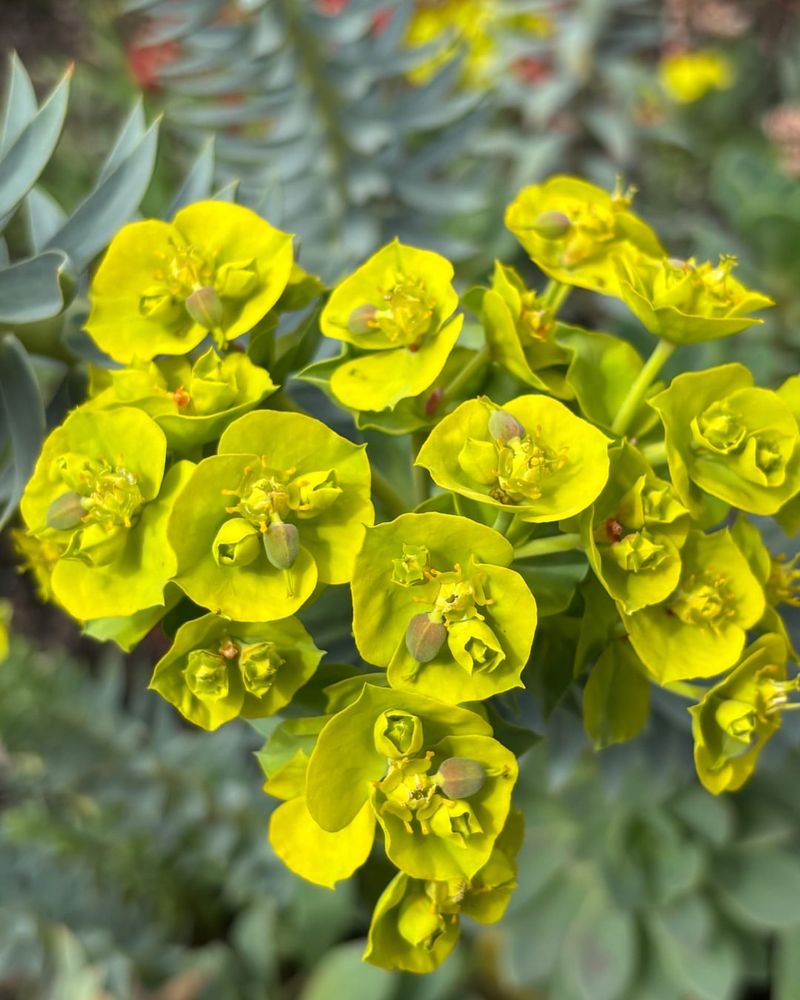
Spurge, also known by its scientific name Euphorbia, is one of those plants that looks cheerful and harmless but has a serious secret. When its stems or leaves are broken, they release a thick, milky white sap.
That sap is extremely irritating and bitter, and deer want no part of it.
The sap contains compounds that cause burning and discomfort in the mouths of animals that try to eat it. After one unfortunate taste test, deer learn quickly to walk around Euphorbia plants entirely.
Oregon gardeners who have dealt with persistent deer pressure often swear by spurge as one of their most reliable defenses.
There are many types of Euphorbia suited to Oregon gardens. Cushion spurge is a popular low-growing variety with brilliant yellow-green flower bracts that brighten up garden borders in spring.
Wood spurge grows taller and does well in shaded spots under trees. Both are tough, adaptable, and deer-resistant.
Spurge grows well in a variety of soil types and handles both sun and partial shade depending on the variety. It is also quite drought-tolerant, making it a practical choice for gardeners in drier parts of Oregon like Medford or Bend.
Always wear gloves when pruning or handling Euphorbia, as the sap can irritate human skin too. But as a garden plant that deer consistently avoid, it earns its place in any Oregon landscape with minimal fuss and maximum impact.
10. Douglas Spirea
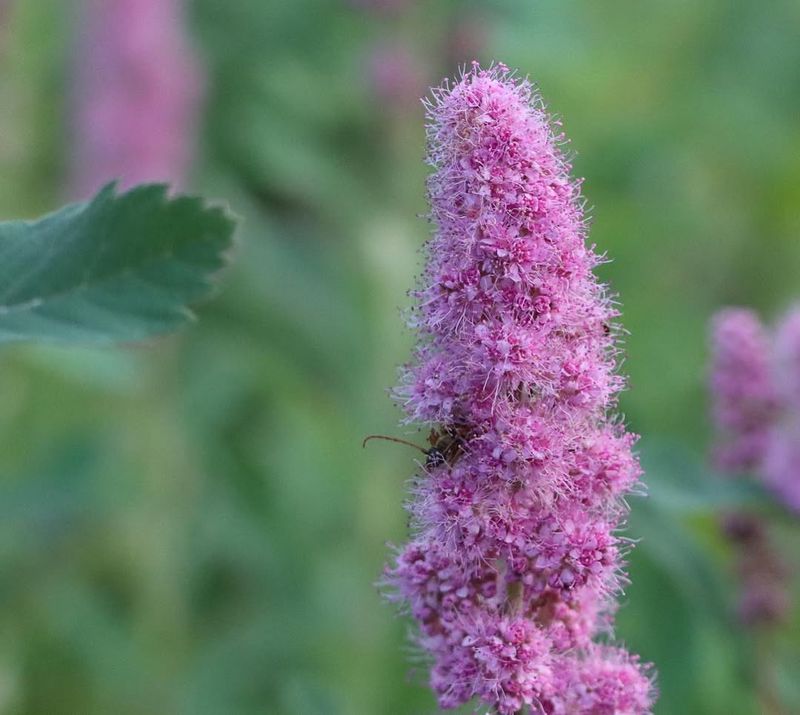
Also called hardhack, this tough little shrub produces beautiful, fuzzy pink flower clusters in summer that attract pollinators from miles around. And as a bonus, deer tend to avoid it consistently.
Unlike many ornamental plants, Douglas Spirea evolved right here in the Pacific Northwest. It grows naturally along streams, in wet meadows, and in moist lowland areas throughout western Oregon.
Because it developed alongside local wildlife, deer have had plenty of time to decide they are not interested in eating it. The plant’s texture and taste simply do not appeal to them.
For Oregon gardeners with wet or boggy areas in their yard, Douglas Spirea is a fantastic solution. Most plants struggle in consistently moist soil, but this shrub thrives in those conditions.
It is perfect for planting along rain garden edges, pond margins, or low-lying areas that collect water after Oregon’s heavy winter rains.
Douglas Spirea grows four to six feet tall and spreads gradually, forming dense thickets that also provide habitat for birds and small wildlife. It is deciduous, meaning it loses its leaves in winter, but the upright stems add structure to the garden even then.
Choosing native plants like Douglas Spirea supports Oregon’s local ecosystems while keeping deer from browsing your garden. It is a win for your yard and a win for the environment at the same time.