5 Things Oregon Gardeners Should Compost And 3 Things They Shouldn’t
Composting feels like one of those things you either do obsessively or think about starting every single spring and never quite get around to.
But for Oregon gardeners, it’s genuinely one of the highest-return habits in the entire gardening toolkit.
The Pacific Northwest’s damp climate and rich organic matter make compost that transforms soil in ways store-bought amendments can’t fully match. The catch? Not everything belongs in the pile. A bad compost bin doesn’t just fail to help your garden.
It attracts pests, creates genuinely unpleasant smells, spreads plant diseases, and turns a simple backyard system into a problem you have to deal with.
The line between what improves a compost pile and what quietly ruins it is not always obvious, and some of the most common composting mistakes involve things people assume are perfectly fine to throw in.
Getting both sides of that equation right is what turns a mediocre pile into something your garden soil will actually thank you for.
1. Fallen Leaves
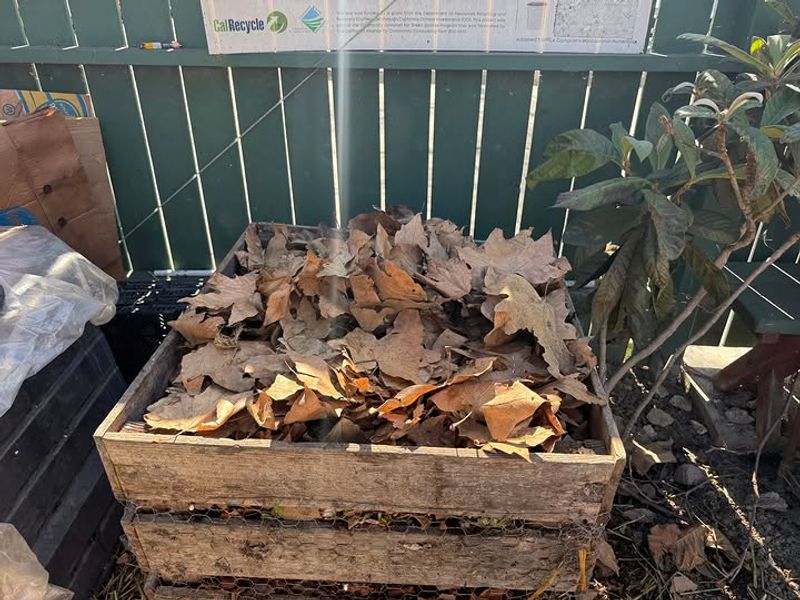
Every fall, Oregon yards get buried under piles of leaves from maples, oaks, and alders. Instead of bagging them up for the curb, toss them into your compost bin because they are a fantastic source of carbon.
Leaves break down slowly on their own, but when mixed with nitrogen-rich materials like grass clippings or food scraps, they decompose much faster. Shredding them first with a lawn mower speeds things up even more.
Smaller pieces mean more surface area for microbes to work their magic.
In Oregon, fallen leaves are especially plentiful in October and November. Stockpiling them in a separate pile or bin gives you a steady supply of carbon material to balance your compost throughout the year.
Think of them as free, natural compost gold waiting to be used. Your garden beds will thank you come spring when you mix in that finished compost.
2. Grass Clippings
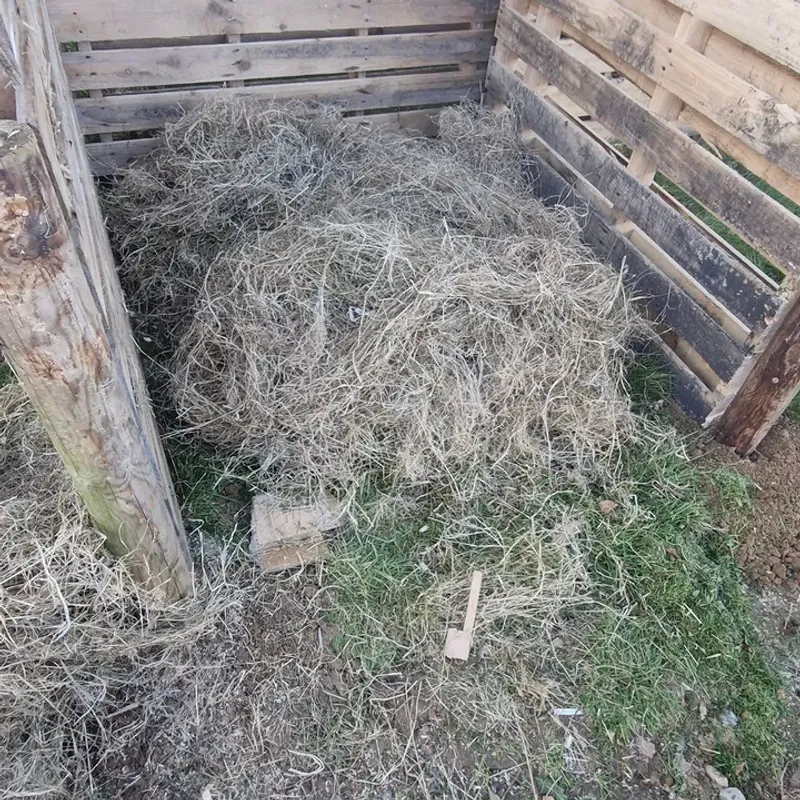
Grass clippings are one of the most nitrogen-packed materials you can add to a compost pile. If you mow your lawn regularly here in Oregon, you have a steady supply of this green gold all spring and summer long.
The trick is not to dump too many clippings in at once. A thick layer of grass can mat together and block airflow, which slows down the whole composting process.
Instead, add thin layers and mix them with dry brown materials like leaves or cardboard.
Grass clippings from Oregon lawns break down surprisingly fast, sometimes within just a few weeks during warm weather. If your lawn has been treated with herbicides or pesticides, wait at least a few mowing cycles before adding those clippings to your compost.
This helps protect your garden plants from any chemical residue. Used correctly, grass clippings are one of the easiest and most effective materials to fuel a hot, active compost pile.
3. Vegetable Scraps
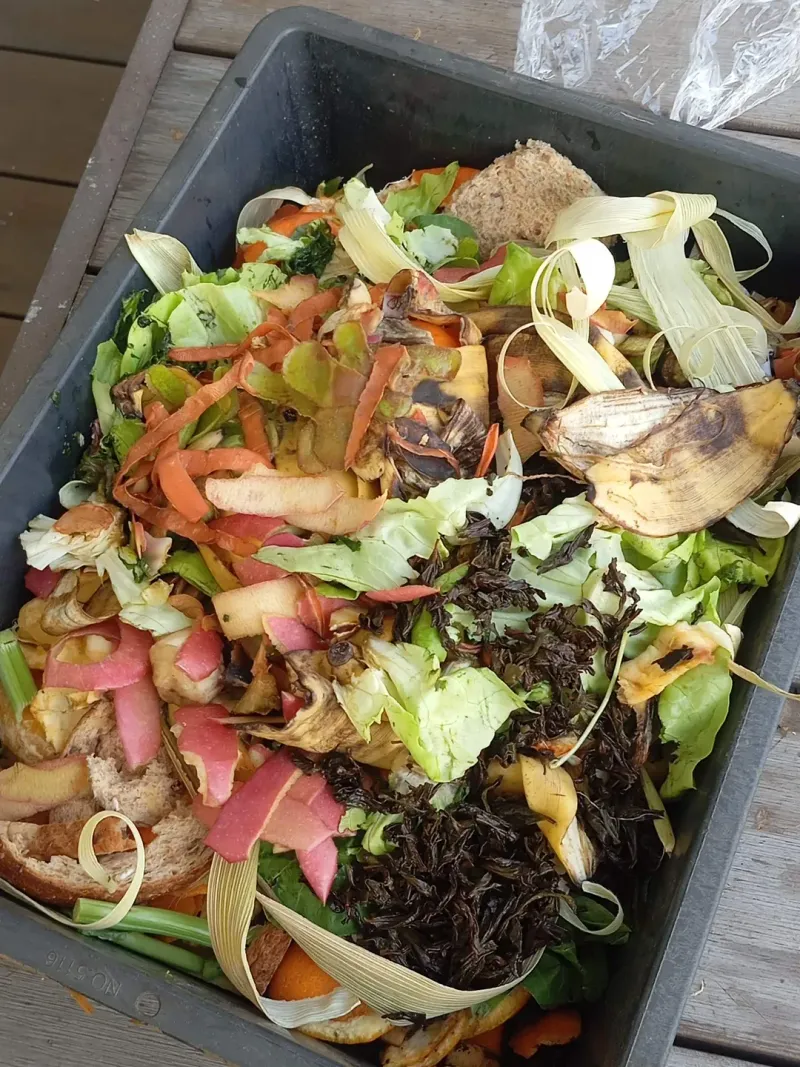
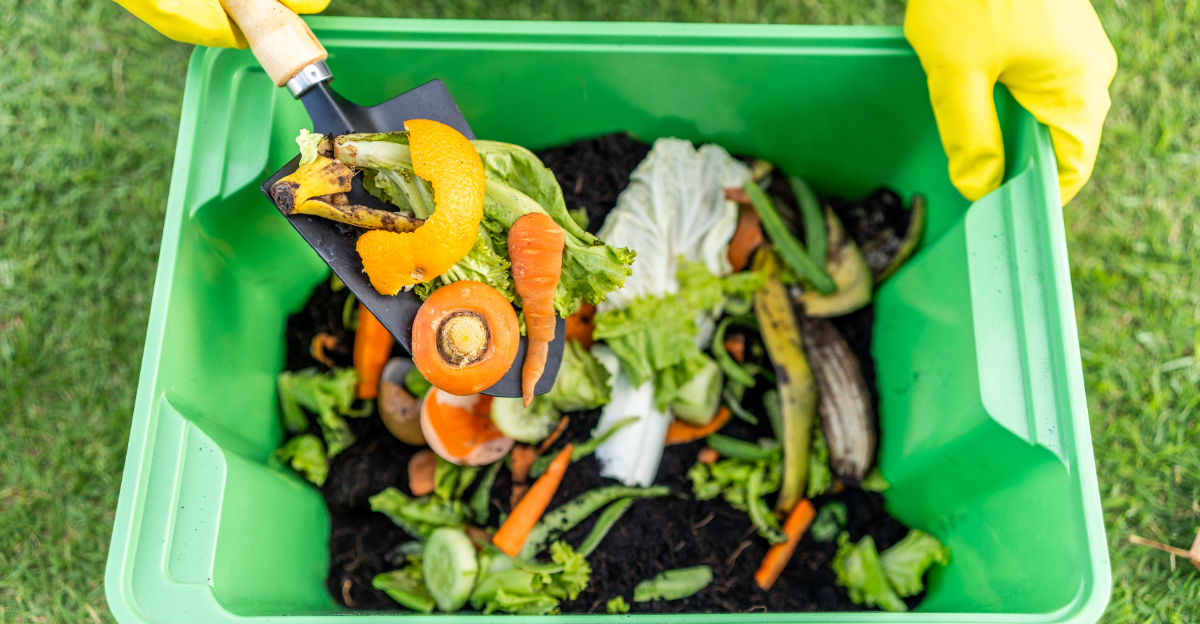
Vegetable scraps from the kitchen are composting staples. Carrot tops, onion skins, lettuce leaves, pepper seeds, and potato peels are all fair game.
Your Oregon Garden Changes Every Week. Your Plan Should Too.
Gardening in Oregon changes quickly throughout the season. Every Friday you’ll receive a simple weekly plan showing exactly what to plant, prune, fertilize, harvest, and protect so you never miss the right timing.
They break down quickly and add important nutrients back into the soil.
Oregon gardeners who grow their own vegetables end up with tons of scraps throughout the season. Rather than sending those to the landfill, tossing them into the compost bin keeps the nutrient cycle going strong.
It is a simple habit that makes a big difference over time.
One helpful tip is to keep a small countertop container in your kitchen for collecting scraps throughout the day. Empty it into your outdoor compost bin every couple of days.
In Oregon’s cool, moist climate, scraps break down quickly, especially when buried under a layer of dry leaves or straw. Avoid adding scraps that have gone moldy from storage, since they can sometimes introduce unwanted bacteria.
Fresh or slightly aged vegetable scraps are best for a healthy, productive compost pile.
4. Coffee Grounds
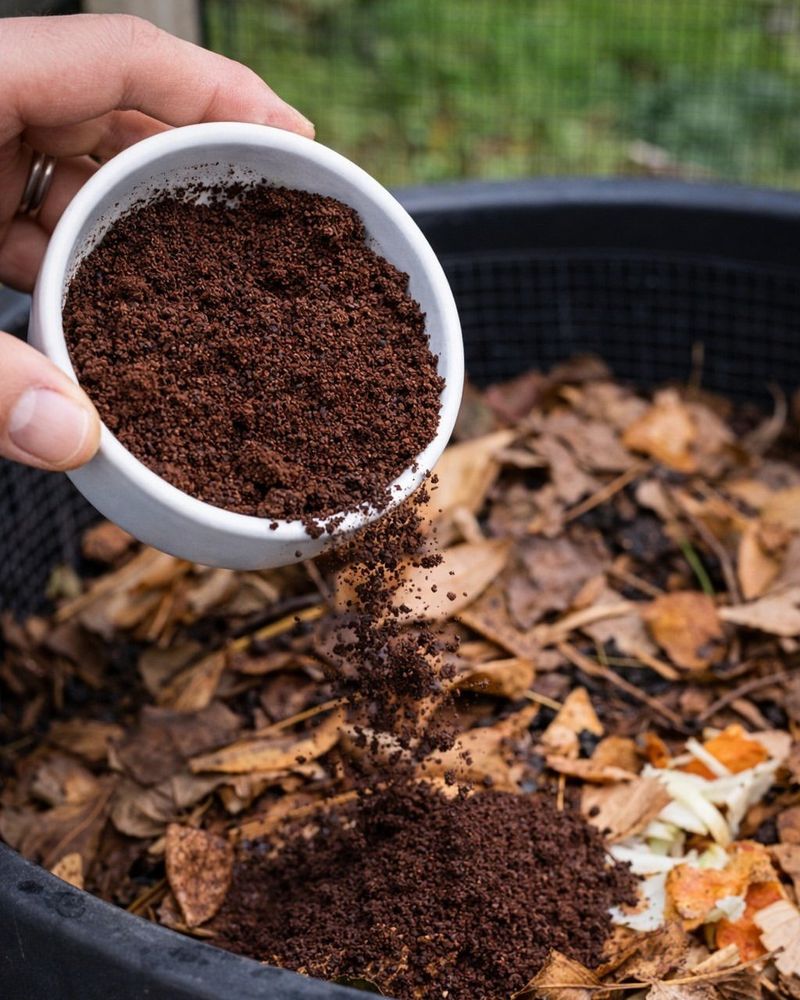
Oregon is a coffee-loving state, and all those used coffee grounds are composting treasure. Coffee grounds are rich in nitrogen, which helps heat up a compost pile and speeds up decomposition significantly.
You can add coffee grounds directly to your compost bin along with the paper filter if you use one. Filters are made of paper and break down easily alongside the grounds.
Many Oregon coffee shops also give away used grounds for free, so even non-coffee drinkers can take advantage of this resource.
A common myth is that coffee grounds make soil too acidic. In reality, used grounds are nearly pH neutral after brewing.
They are safe for most garden plants, including vegetables, herbs, and flowers. Worms also love coffee grounds, which is great news for Oregon gardeners who use worm bins or want to attract earthworms to their compost.
Just do not go overboard. Keeping coffee grounds to about 20 percent of your total compost volume helps maintain a healthy balance of materials.
5. Spent Garden Plants
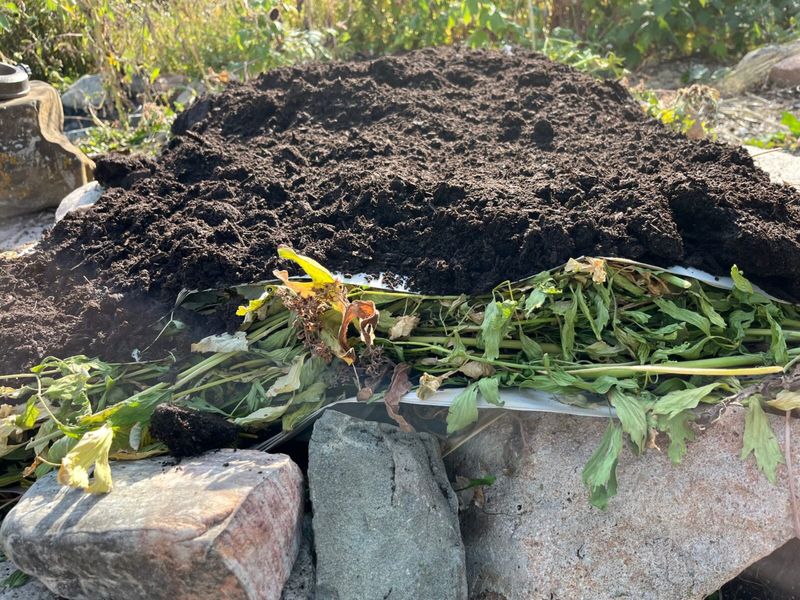
At the end of the growing season, Oregon gardens are full of spent plants that have finished producing. Bean stalks, tomato vines, squash leaves, and pea plants can all go straight into the compost bin.
These materials are packed with organic matter and nutrients that your soil will love. Chopping or breaking them into smaller pieces before adding them to the pile helps them break down faster.
This is especially useful with thicker stems like sunflower stalks or kale trunks.
One thing to watch for is any sign of disease on your plants. Healthy spent plants are excellent compost material, but any plant showing signs of blight, mold, or rot should be handled differently, which is covered in the next section.
In Oregon, the wet fall weather can sometimes encourage mold on garden plants near the end of the season. Get in the habit of checking plants before tossing them in the bin.
Healthy material breaks down beautifully and returns valuable nutrients to your Oregon garden beds, setting you up for a strong growing season next year.
6. Diseased Plant Material
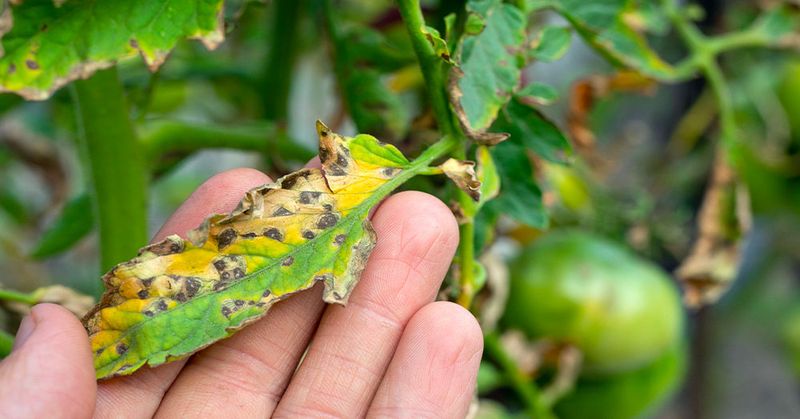
Spotting a sick plant in your garden is frustrating, but tossing it in the compost bin can make things much worse. Many common plant diseases in Oregon, including tomato blight and powdery mildew, can survive in a compost pile and spread to healthy plants later.
Most home compost piles do not get hot enough to destroy disease-causing pathogens. Even if your pile heats up nicely, there are usually cooler spots around the edges where pathogens can hide and survive.
That infected compost can then reintroduce the disease to your garden beds.
The safest option is to bag diseased plant material and put it in your yard waste bin for municipal composting. Oregon cities like Portland and Eugene have industrial composting facilities that reach much higher temperatures, which can break down pathogens safely.
You can also burn diseased material if local regulations allow. Recognizing the signs of disease early, like yellowing leaves, black spots, or white powdery coating, helps you act quickly.
Protecting your compost from diseased material is one of the easiest ways to keep your Oregon garden healthy for years to come.
7. Weed Seeds
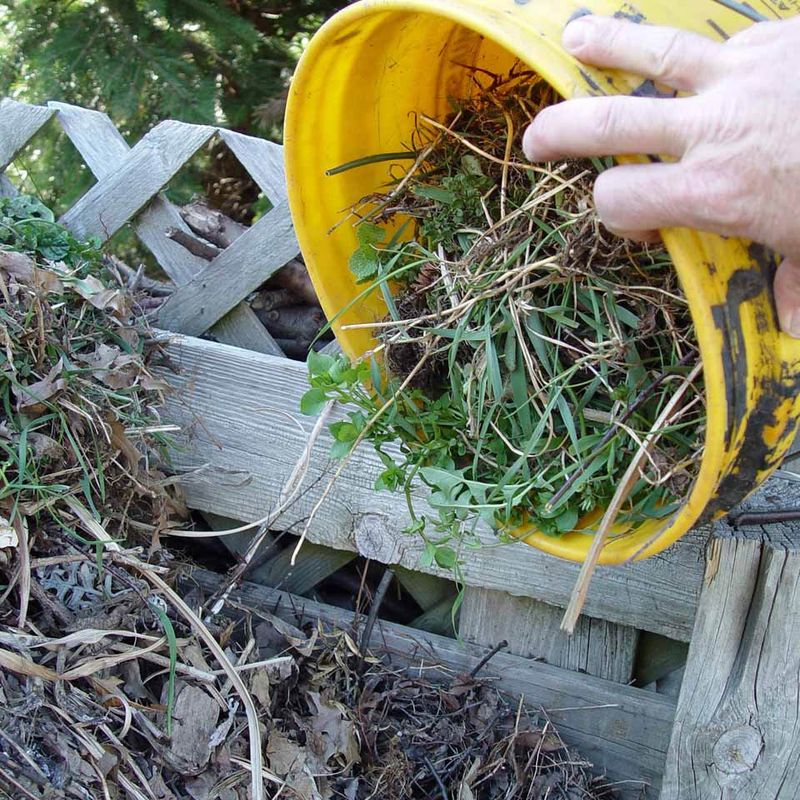
Weeds are a constant battle for Oregon gardeners, and composting them sounds like a great solution. The problem is that weed seeds can survive in a compost pile and sprout all over your garden when you spread that compost later.
Common Oregon weeds like blackberries, bindweed, and thistle produce seeds that are incredibly tough. They can stay viable for months or even years in a compost pile that does not get hot enough to destroy them.
Spreading that compost is basically planting a new crop of weeds.
If you want to compost weeds safely, you need a hot compost pile that consistently reaches at least 140 to 160 degrees Fahrenheit in the center. That level of heat will destroy most weed seeds.
For most home gardeners, maintaining those temperatures is tricky. The easier solution is to toss seedy weeds into your yard waste bin and let the municipal composting system handle them.
Young weeds pulled before they go to seed are generally safe to compost. Staying on top of weeding before plants flower helps reduce the risk of accidentally spreading seeds throughout your Oregon garden.
8. Meat, Dairy, And Greasy Foods
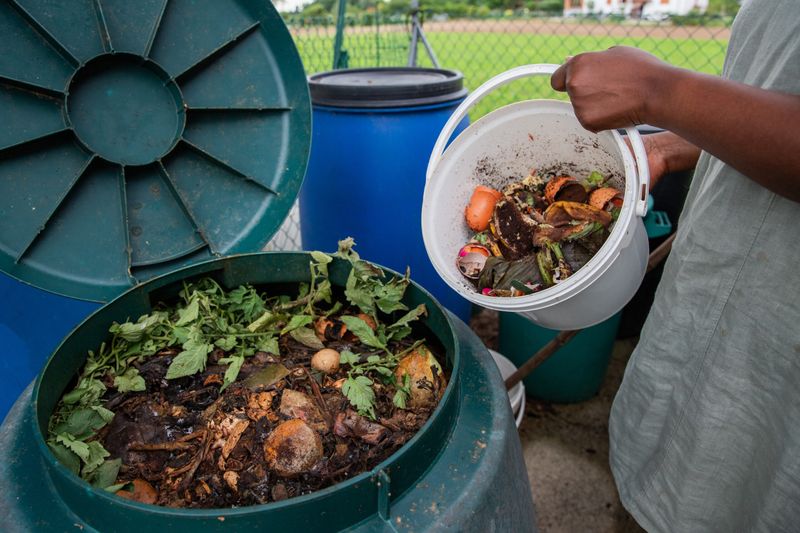
Meat, dairy products, and greasy foods are a big no in the home compost bin. These materials break down very slowly, create powerful odors, and attract animals like raccoons, rats, and opossums, which are all common visitors in Oregon yards.
The smell alone can become a serious problem for you and your neighbors. Greasy foods coat other organic materials in the pile, which slows down airflow and makes it harder for beneficial microbes to do their job.
The result is a smelly, slimy mess instead of rich, crumbly compost.
Oregon gardeners who want to reduce food waste from meat and dairy have a couple of options. Some municipalities in the state accept these materials in their yard waste programs, so check with your local waste management service.
Bokashi composting is another option, a fermentation-based system that can handle meat and dairy safely in a sealed container. For traditional backyard compost bins, stick to plant-based kitchen scraps and yard materials.
Keeping your bin free of meat and greasy foods protects your garden, keeps pests away, and makes the whole composting process much more pleasant and successful.