8 Compact Trees With Standout Fall Color For Small Yards
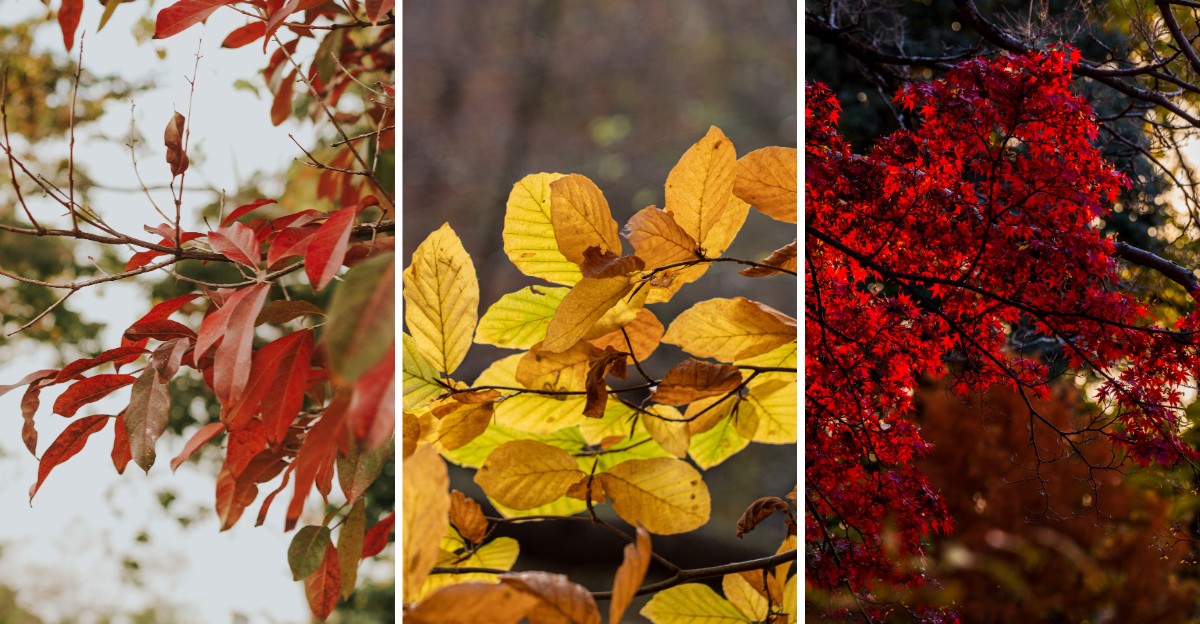
Why does color look so effortless in other gardens while yours stays flat green? Choose the right tree, and your small plot glows.
Japanese maples like Crimson Queen cascade in glossy red on a modest footprint. Serviceberry glows orange, while dogwood turns deep burgundy.
Smoke tree adds plum, coral, and scarlet shades. Pick a variety sized for your space, and upkeep stays straightforward.
Imagine that corner becoming the brightest spot you own. Check the sun needs for your pick, because light shapes color.
Place one near a window, and you watch the display from your sofa. Select a spot where low afternoon light reaches the branches.
Anthocyanins form in leaves when sugars linger, so bright days matter. Cool nights deepen those reds and oranges. Mature height varies, so check the tag before you buy. Visitors may pause at your gate.
1. Japanese Maple Brings Vivid Red Leaves
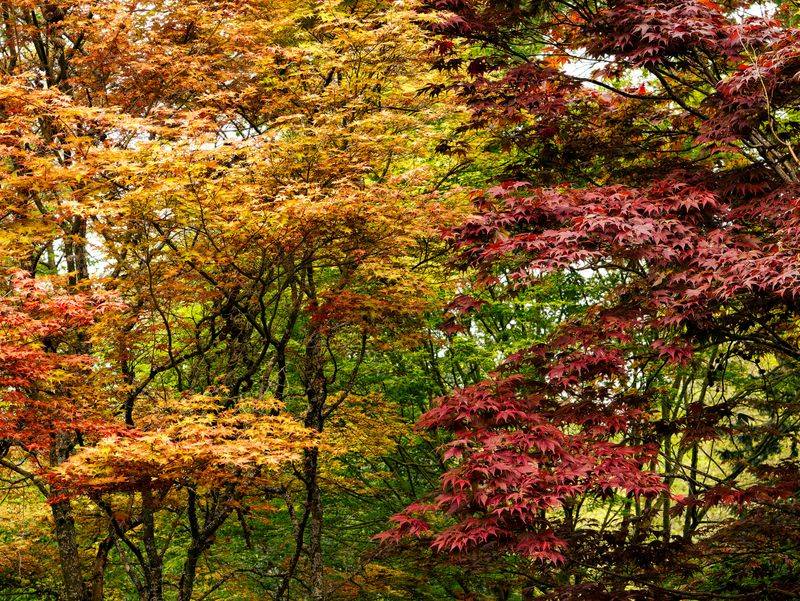
Some trees hint at fall, but a Japanese maple announces it clearly. Its lacy leaves flip from green to a vivid red that looks lit from inside.
Dwarf types stay between 6 and 10 feet tall, so they fit into narrow corners. Weeping kinds like Crimson Queen often stay near 8 feet for many years.
Plant yours where it gets morning sun and some afternoon shade. Strong afternoon sun can damage delicate leaves and leave dry brown edges.
Soil should drain well but stay slightly moist, a bit like a wrung-out sponge. A layer of mulch around the base helps hold water and keeps roots cool.
Bloodgood is a popular pick because it holds deep red through summer and turns crimson in fall. Others, like Sango-kaku, turn buttery yellow and show off coral red bark in winter.
Pruning is simple because these maples grow slowly and naturally form a graceful shape. Snip only crossing or broken branches in late winter while the tree rests.
Pots work great too, which helps if you rent or have a tiny patio. Pick a container with drainage holes and move it near a wall in cold snaps.
Water young trees deeply once a week during dry summers to help roots settle in. After two or three years, they handle short dry spells much better.
Gardeners in Japan have grown these trees for hundreds of years and treated them like living art. Give one a spot near a window, and you get seasonal color each fall.
2. Serviceberry Glows In Orange
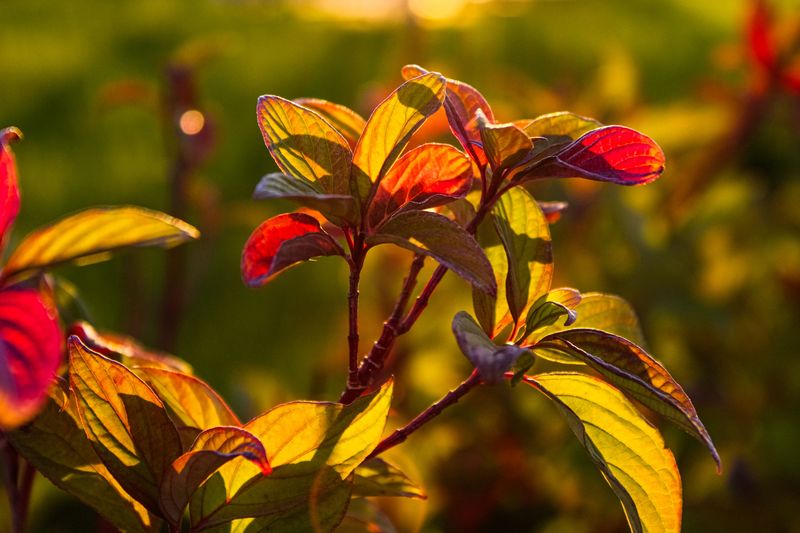
Imagine a tree that offers interest across several seasons and welcomes birds. Serviceberry blooms white in spring, makes sweet berries in summer, and glows orange in fall.
Its autumn leaves mix tangerine, apricot, and red, like a sunset caught in the branches. Few small trees offer this much color with modest care.
Many kinds grow 15 to 25 feet tall with one trunk or several. Autumn Brilliance is a favorite variety known for especially vivid fall color.
The berries look like blueberries and taste a little like cherries with a nutty seed. You can eat them fresh, bake them into muffins, or share them with robins.
Fair warning, birds often get there first. Cedar waxwings can clear a tree of fruit within hours.
Serviceberries handle full sun or part shade and adapt to many soil types. They are native to North America, so local wildlife already knows how to use them.
Water new trees often during the first summer while roots spread out. Once settled, they tolerate cold winters and need modest care.
Plant one near a patio so you can watch the seasons change up close. Leave room for its wide, airy crown, about 15 feet across.
The name likely traces to the European service tree, which settlers compared it to. A popular folk story links it to spring church services, though that origin is uncertain.
Pruning needs are light, mostly removing suckers that pop up at the base. Do that in late winter, and the tree keeps a tidy shape.
3. Flowering Dogwood Turns Deep Burgundy
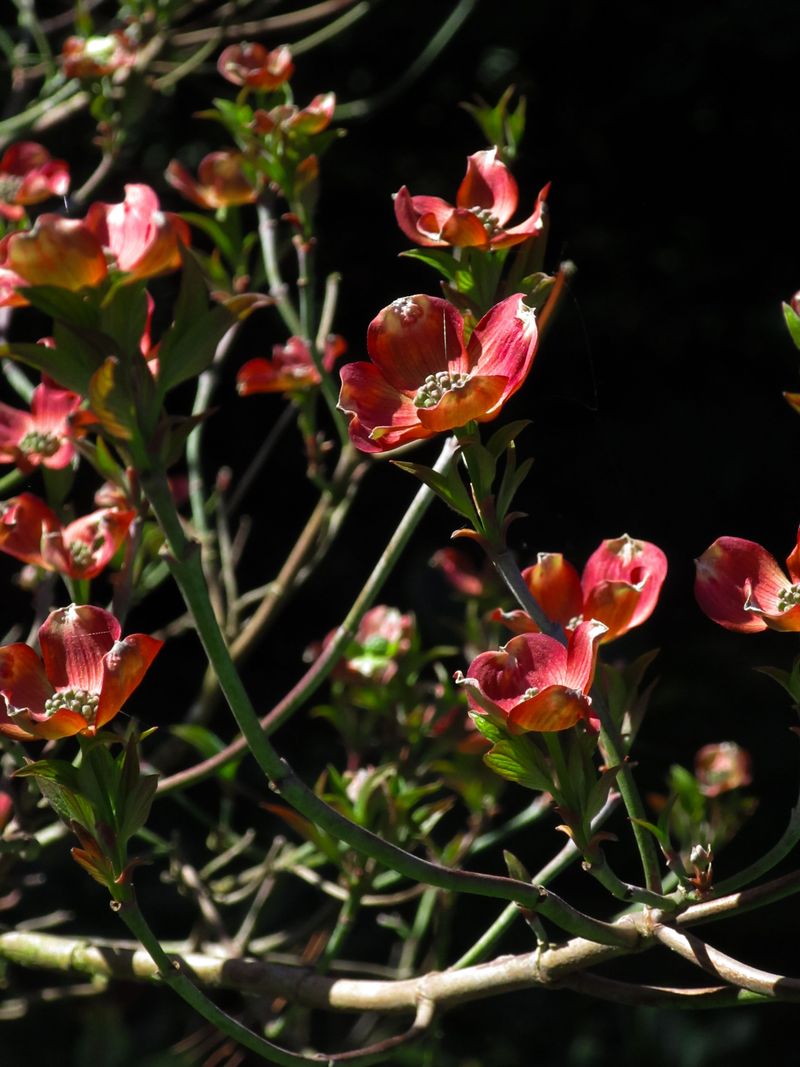
Many gardeners remember a dogwood from a childhood yard. Flowering dogwood often appears in old family photos each spring.
Fall is when it takes center stage again. Its leaves turn a deep burgundy red, and shiny scarlet berries cluster at the branch tips.
Mature trees reach about 15 to 30 feet tall with layered branches that spread sideways. That flat, tiered shape looks lovely near a porch or front walk.
Dogwoods grow wild at the edges of forests, so they like a little shade. Morning sun with afternoon shade keeps leaves from getting stressed in hot summers.
Rich soil that drains well makes them happiest. Add compost when planting, and spread mulch out to the drip line, but keep it off the trunk.
Birds love those red berries, especially robins, bluebirds, and cardinals. Watching them feast on a chilly November morning is pure cozy entertainment.
Some dogwoods can catch a leaf disease called anthracnose in damp, crowded spots. Good airflow and picking resistant types like Appalachian Spring help a lot.
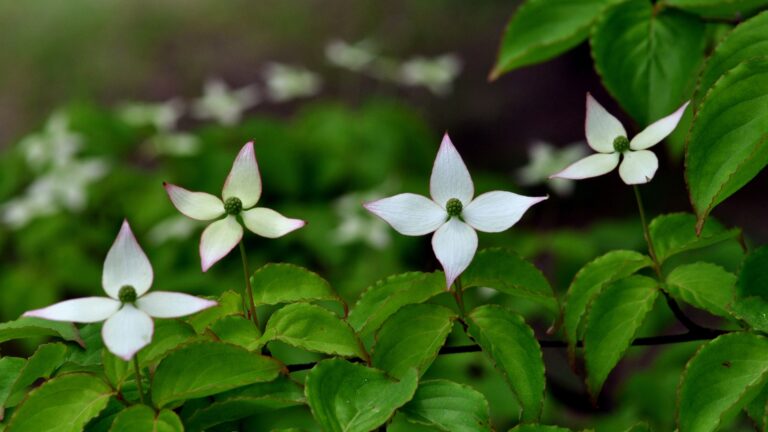
Kousa dogwood is another option if your area runs hot or humid. It blooms a bit later and its fall leaves turn red to purple.
Water during dry spells, since dogwood roots sit close to the surface. A slow soak once a week beats a quick daily sprinkle.
Plant one this year, and someday it might star in your own family photos. Some traditions are worth passing down, one branch at a time.
4. Sourwood Turns Scarlet Each Autumn
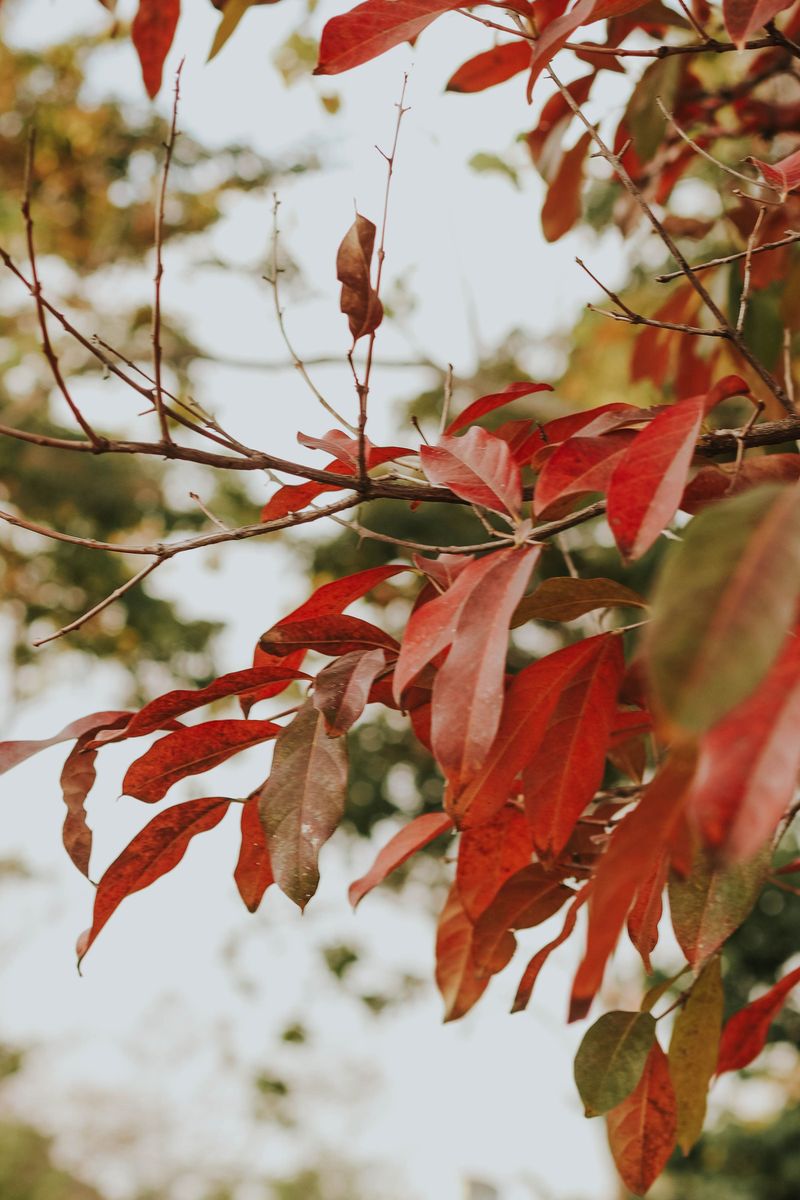
Meet a tree with a sour name and a surprisingly sweet personality. Sourwood leaves taste tangy if you chew one, which is how it earned the name.
In fall, those same leaves turn brilliant scarlet, sometimes mixed with purple and orange. It is often listed among the best fall color trees in the eastern United States.
Sourwood grows slowly, reaching about 20 to 30 feet over many years. Its narrow, oval shape fits nicely along a fence or beside a driveway.
In summer, drooping sprays of white flowers dangle like tiny strings of pearls. Bees go wild for them, and sourwood honey is a prized treat in Appalachia.
Seed pods stay on the branches into fall, looking silvery against the red leaves. That contrast makes the tree look decorated for a holiday.
Soil matters a lot with this one. Sourwood prefers acidic, well-drained soil, the same kind azaleas and blueberries enjoy.
Avoid spots with heavy clay or poorly drained ground, because the roots dislike constantly wet soil. Full sun brings out the richest reds, though light shade works too.
It does not love city pollution or compacted soil, so suburban yards suit it better. Give it room away from busy streets and salty winter runoff.
Patience pays off with this tree. Plant a young one now, and its fall color builds as the tree matures.
Visitors may ask what it is, and you get to say sourwood with a grin. Few names start a better conversation.
5. Paperbark Maple Shows Crimson And Orange
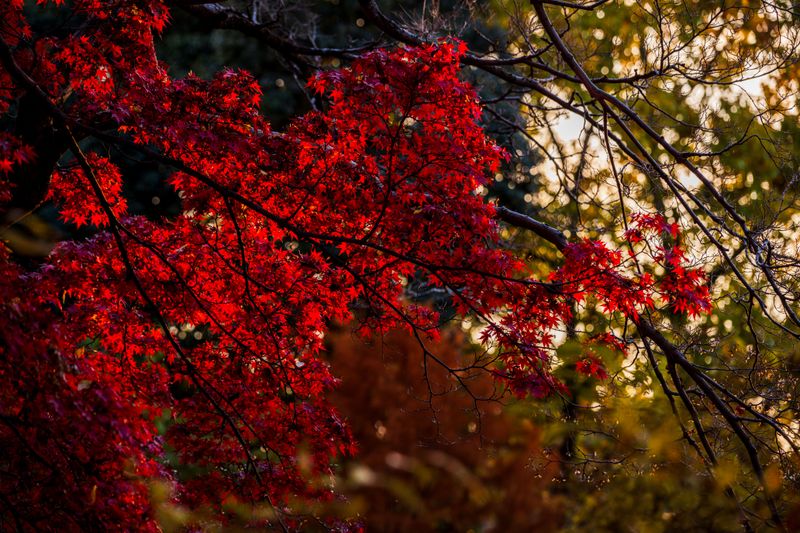
Peeling bark might sound like a problem, but on this tree it is the main attraction. Paperbark maple sheds curls of cinnamon-colored bark that glow in low sunlight.
Come autumn, its three-part leaves turn bright crimson and orange-red. The color often holds late into the season, after other trees have gone bare.
Growth is slow and steady, topping out around 20 to 30 feet. That makes it a well-mannered choice near houses, patios, and small lawns.
Originally from central China, it arrived in Western gardens in the early 1900s. Plant hunter Ernest Wilson brought seeds back, and gardeners have admired it since.
Pick a spot with full sun or light shade for the best fall show. Moist, well-drained soil keeps it healthy, and it handles clay better than many maples.
Pests and diseases seldom bother this tree much. That means less spraying, less worry, and more time enjoying your yard.
Place it where you can see the trunk from a window during winter. Snow against that coppery bark looks like something from a greeting card.
Young trees benefit from regular watering for the first two summers. A ring of mulch helps, but keep it a few inches from the trunk.
Prices can run higher because it grows slowly in nurseries and seeds are tricky to sprout. Think of it as an investment that pays you back each season.
Light pruning in late winter keeps branches tidy and shows off the bark. Remove lower limbs gradually if you want more trunk on display.
6. Smoke Tree Shifts To Red, Orange, And Plum
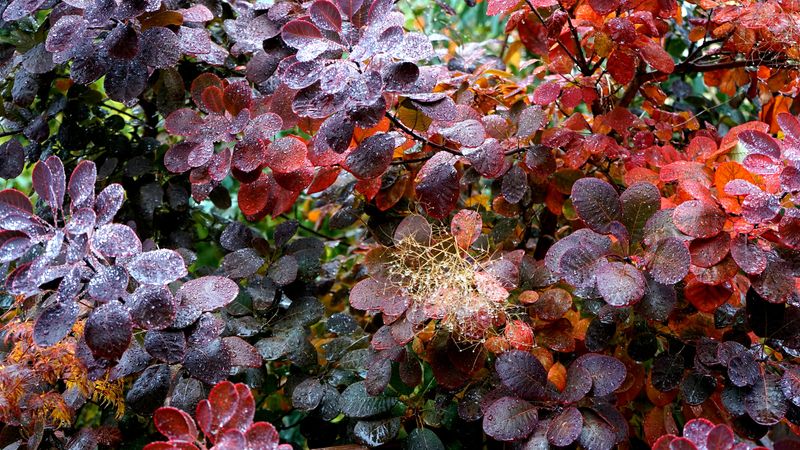
Fluffy pink plumes in summer make the tree look covered in cotton candy. That smoky haze is how smoke tree got its playful name.
Fall brings a whole new outfit. Purple-leaf types like Royal Purple and Grace turn glowing shades of red, orange, and plum.
Smoke trees stay around 10 to 15 feet tall, often growing as a large multi-stem shrub. You can also train one into a small single-trunk tree.
Hardy is a fitting word for this plant. It handles dry spells, poor soil, and hot sun better than many fussy ornamentals.
Full sun gives the deepest leaf color and the fluffiest summer plumes. Shade makes the purple fade to dull green, so pick a bright spot.
Golden Spirit is a fun choice with lime-yellow leaves that turn coral and orange in autumn. Mixing a purple and a gold one creates a bold color duo.
Some gardeners cut their smoke tree back hard every late winter. That trick skips the summer plumes but produces larger, more vivid leaves.
Soil should drain well, because constantly wet roots cause trouble. Once established, it needs water only during long dry spells.
Native relatives grow wild in parts of Texas and the Ozarks, including the American smoke tree. That native kind can turn an even brighter orange red in fall.
Plant one near a sidewalk and watch people slow down to stare. Kids especially love touching the soft, feathery plumes. Wear gloves when pruning, since the sap can irritate sensitive skin.
7. Persian Ironwood Wears Multicolored Leaves
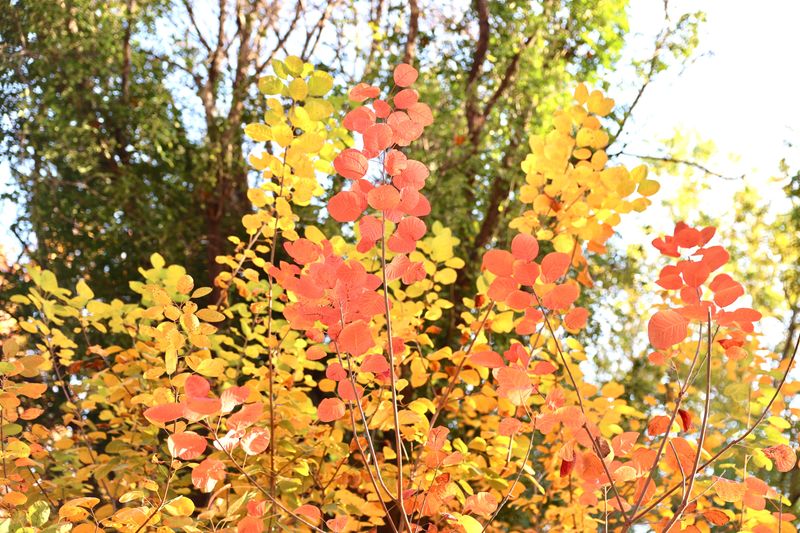
Ever seen one tree wear yellow, orange, red, and purple all at once? Persian ironwood does exactly that, and the effect resembles a blend of sunset shades.
Each leaf changes at its own pace, so the whole crown looks speckled with color. The show can last for weeks, which gives you plenty of time to enjoy it.
Native to northern Iran and the Caucasus, it belongs to the witch hazel family. Its wood is so hard and dense that it earned the ironwood name.
Trees often reach 20 to 40 feet tall with a wide, rounded shape. Ruby Vase is an upright variety that stays narrow, ideal for slim side yards.
Winter has a bonus feature too. Older trunks peel in patches of gray, green, and tan, a bit like camouflage.
Tiny red flowers appear in late winter before the leaves open. They are small, but spotting them on a gray February day feels like a secret reward.
Full sun brings the most dramatic colors, though it tolerates some shade. It grows in many soil types and handles city conditions surprisingly well.
Bugs and leaf problems seldom trouble it, which makes it a low-stress choice for beginners. Water it during dry summers while it gets established.
Some nurseries carry it, but you may need to ask or order online. The hunt is worth it once you see that first patchwork autumn.
Prune lightly in early spring to shape the branches. Leave lower limbs if you like the wide, cozy look.
8. Witch Hazel Turns Golden Yellow
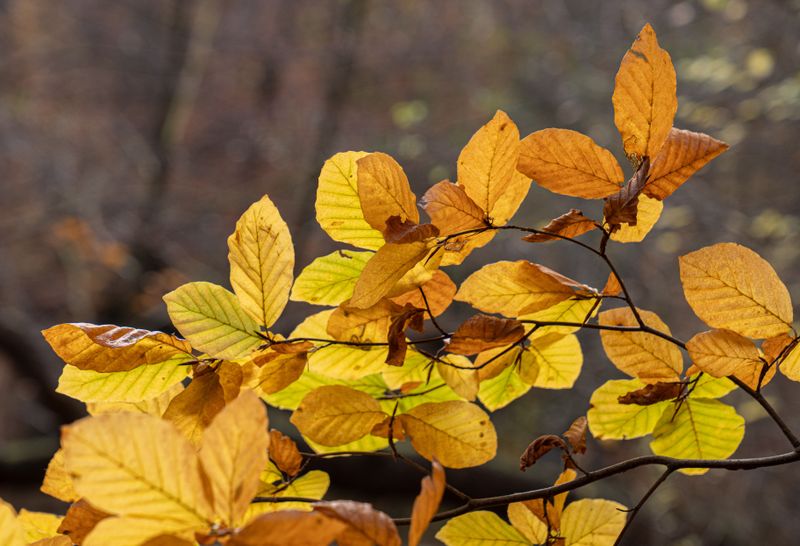
Just when you think the garden is done for the year, witch hazel brings a final surprise. Its leaves turn rich golden yellow, warm as melted butter on toast.
Common witch hazel, native to eastern North America, grows about 15 to 25 feet tall. Its loose, open shape fits nicely at a yard edge or under bigger trees.
Then comes the odd part. Spidery yellow flowers bloom in late fall, sometimes while the golden leaves are still hanging on.
The blooms smell lightly spicy and can handle frost without trouble. On a chilly afternoon, that scent feels like a little gift from the garden.
Hybrid kinds, like Arnold Promise and Jelena, bloom in late winter instead. Jelena has coppery orange flowers and fall leaves in orange and red.
Witch hazel grows well in sun or part shade and likes moist, slightly acidic soil. It can handle clay, which makes it handy for tricky yards.
Native Americans used the bark to soothe skin, and that tradition lives on today. The witch hazel bottle in many medicine cabinets comes from this very plant.
Seed pods pop open in fall and can fling seeds up to 30 feet away. Stand nearby on a quiet day, and you might hear a tiny snap.
Pruning needs are light, just removing suckers at the base and any rubbing branches. Do it right after flowering so you keep next year’s blooms.
Plant one by a path you walk often in autumn. Golden leaves and spicy blossoms make each trip outside feel a little brighter.