Connecticut Yellowjackets Are At Their Most Persistent Right Now
Late summer in Connecticut arrives with a soundtrack of crickets, distant mowers, and ice clinking in a tall glass on the deck. The air smells like cut grass, charcoal smoke, and apples going soft in the orchard rows.
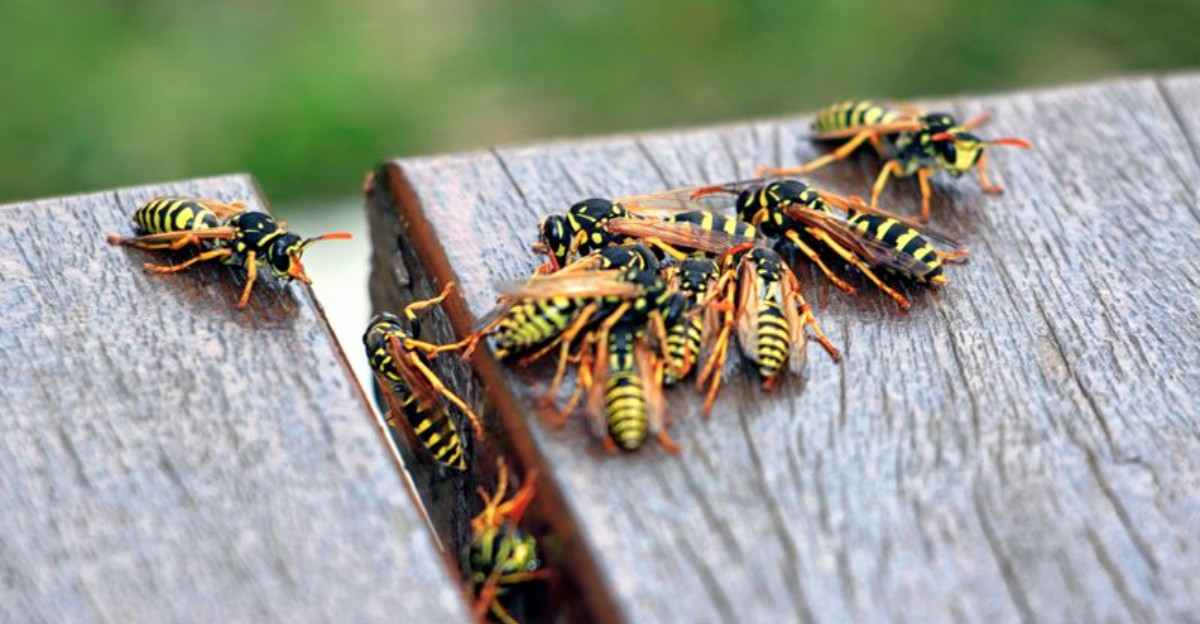
Then something small and striped decides your paper plate belongs to it now. You wave a hand, it loops back around, and the whole table watches one very determined visitor claim the potato salad.
A shift happens in the yard each September, and neighbors from Greenwich to Storrs notice it during the same few weeks. The timing is not random at all, and the pattern repeats faithfully year after year.
By the third weekend in a row, the tablecloth had been abandoned altogether, and the napkins stayed folded in a drawer instead. Somewhere between the second and third cookout, patience simply ran out.
Colonies At Peak Size And Hungry For Sugar
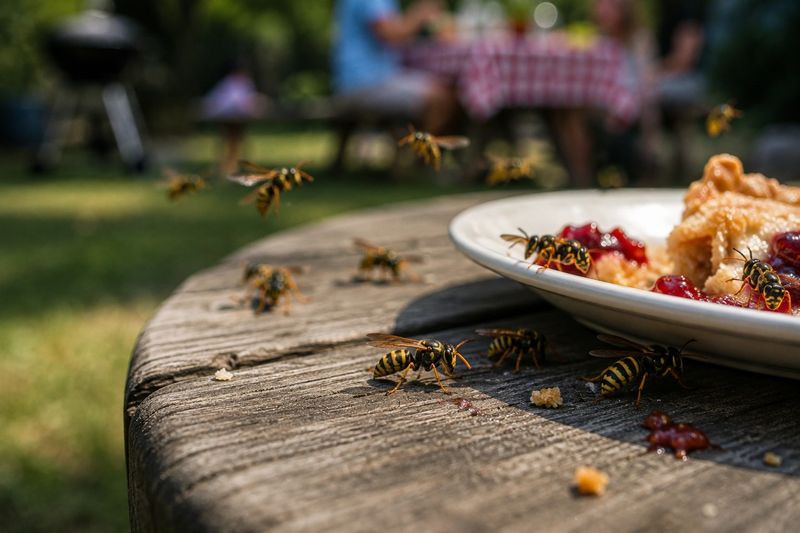
Picture a nest that began in May with a single queen and a handful of papery cells. By late August, that same Connecticut nest can shelter a few thousand busy workers.
Peak population is the simple answer to the sudden pushiness. More mouths means more foraging trips, and the yard feels crowded fast.
There is a diet twist involved too. Early in the season, workers hunt caterpillars and flies to feed the grubs back home.
By September, the queen slows her egg laying, so fewer grubs remain to trade sweet droplets for protein. Workers lose their usual sugar paycheck and start looking elsewhere.
Elsewhere means your lemonade, your grapes, and your open soda can. Fallen apples and grape vines across Litchfield and Hartford counties turn into busy fueling stations.
Warm, dry stretches in early fall push activity even higher. Cool mornings slow things down, but a sunny 70-degree afternoon brings a rush of traffic.
Understanding the calendar takes the mystery out of the behavior. They are not angrier by nature, they are simply crowded, hungry, and running short on time.
Connecticut’s growing season stretches this pressure into October in shoreline towns like Old Saybrook. Inland hill towns cool sooner, which shortens the pushy stretch by a week or two.
The surge does have a firm end date. Once hard frosts settle in, the colony winds down on its own.
Knowing that helps you plan instead of panic. A few smart changes now can carry you through the noisy weeks.
Inside The Colony’s Final Growth Spurt
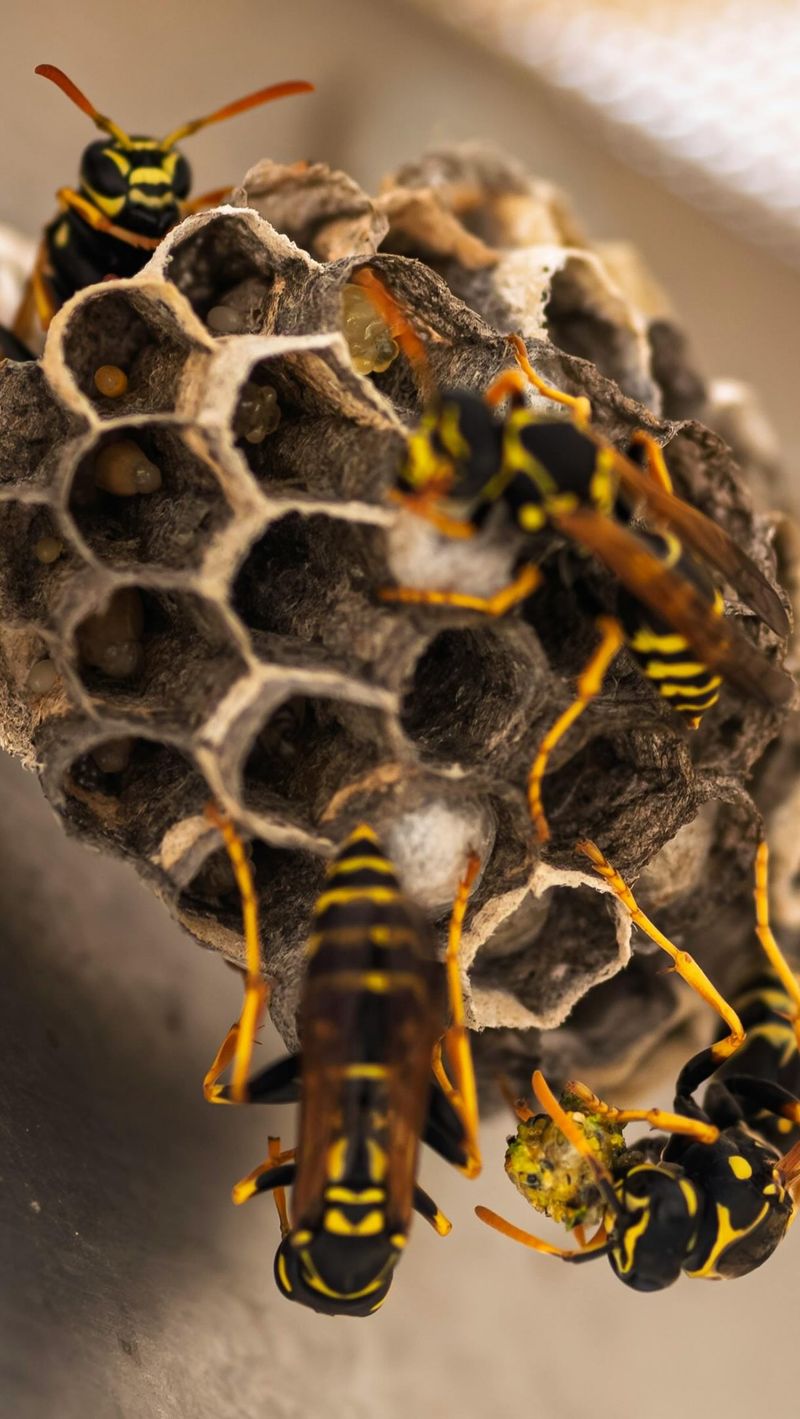
Every spring, a lone queen who overwintered under bark or in a wall void starts fresh. She builds a small comb, lays the first eggs, and raises her daughters alone.
Those first workers take over the chores, and the queen becomes a full-time egg layer. From there, growth follows a curve that bends sharply upward by midsummer.
A German yellowjacket nest tucked inside a Connecticut wall can pass 3,000 workers. Eastern yellowjackets nesting in the ground often reach similar numbers in a good year.
Late in the cycle, the colony switches goals. Instead of more workers, it raises new queens and males that will leave to mate.
Your Connecticut Garden Changes Every Week. Your Plan Should Too.
Gardening in Connecticut changes quickly throughout the season. Every Friday you’ll receive a simple weekly plan showing exactly what to plant, prune, fertilize, harvest, and protect so you never miss the right timing.
Raising those big reproductives burns enormous fuel, so foragers push farther from the nest. A worker may travel several hundred yards toward a promising smell.
That is when your deck rail becomes part of their map. Once a food source proves reliable, scouts return again and again.
Their memory for a good spot is surprisingly sharp. Removing one spilled soda cup does not erase the visits right away.
Give it a few days of empty tables and the traffic drops. Persistence fades when the payoff disappears.
The growth spurt also explains the buzz you hear around dusk. Foragers stream home late, and the nest entrance hums with returning traffic.
Homeowners in Fairfield County often notice that hum before they ever spot the entrance. A quiet evening on the patio suddenly comes with a soundtrack.
Recognizing the pattern gives you a head start. You can adjust habits before the busiest weeks arrive.
The Calendar Window That Turns Them Pushy
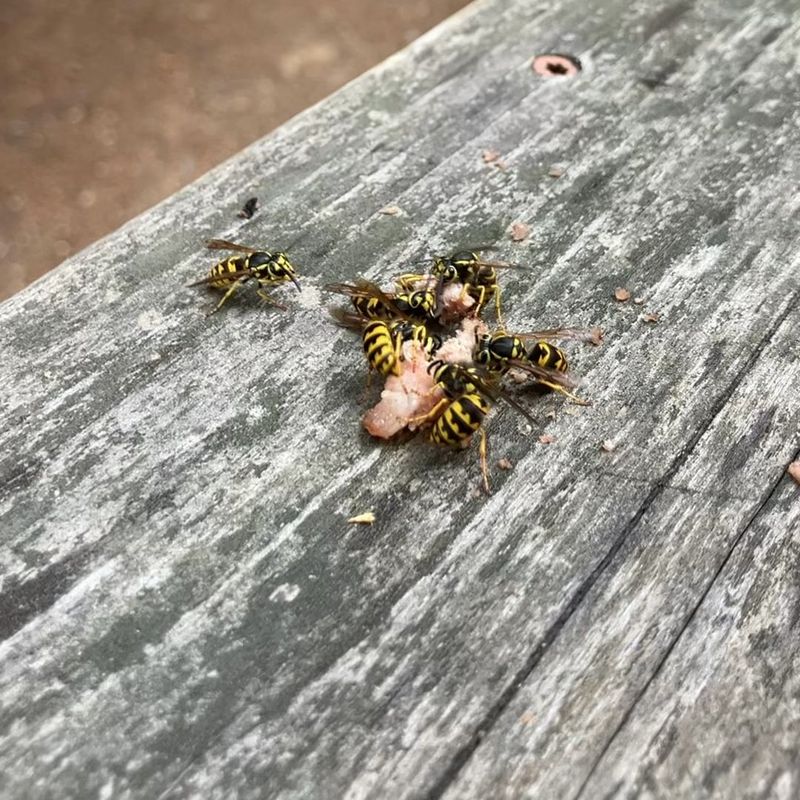
Mid-August through the first hard frost is the stretch Connecticut folks feel most. Some years that window stays open until early November near Long Island Sound.
Labor Day weekend tends to be the tipping point. Cookouts, cider, and ripe fruit line up perfectly with the colony’s hungriest weeks.
Weather matters more than the date on the wall. A run of warm, rainless afternoons keeps foragers out longer and makes them bolder.
Cool, damp weeks do the opposite. Workers stay closer to home, and fewer of them land on your plate.
Time of day shapes encounters too. Activity climbs through late morning, peaks in the afternoon, and eases after sundown.
Morning gardeners have a real advantage. Chores near a ground nest go smoother before the yard warms up.
Fall yard work adds its own risk. Mowing, leaf blowing, and hedge trimming send vibrations that a nest reads as a threat.
Walk the property first and watch for steady traffic at one spot in the lawn. Two minutes of looking can save you a rough afternoon.
Apple orchards in the Farmington Valley see this pattern every autumn. Drop fruit softens and turns sweet in the sun, and the smell draws a crowd.
Marking the window on your own calendar helps more than you would expect. You will know exactly which weeks call for extra care outdoors.
By Thanksgiving, most Connecticut yards have gone quiet again. The change is dramatic, and it arrives fast.
Favorite Nesting Spots Around Connecticut Yards
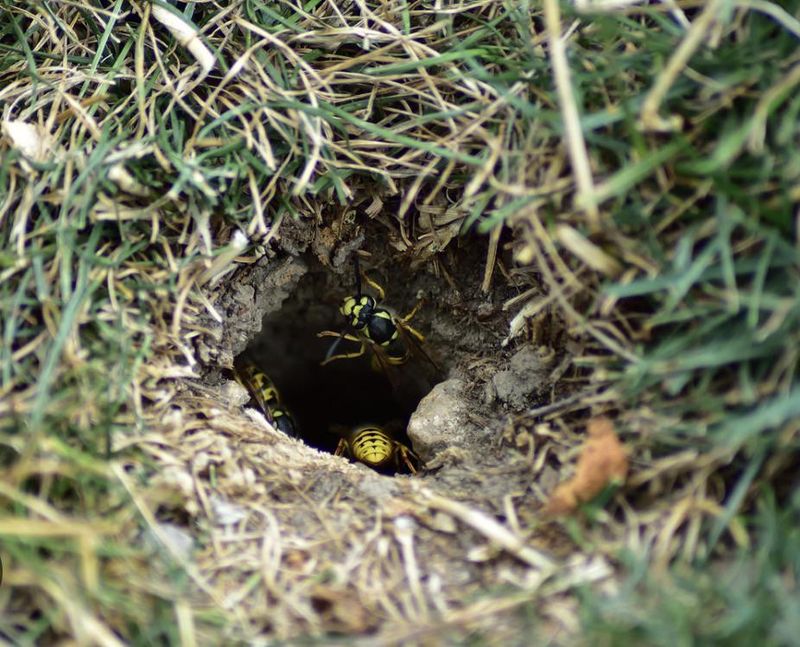
Old chipmunk burrows, mulch beds, and the loose soil under a stone wall all make fine real estate. Eastern yellowjackets love an abandoned rodent tunnel with one small opening.
The entrance is often no wider than a quarter. You will spot it by the steady stream of insects zipping in and out along a straight line.
Aerial types choose different addresses. Soffits, shed rafters, attic vents, and forgotten grill covers all offer shelter from rain.
German yellowjackets slip into wall voids through gaps around pipes and siding seams. From inside the house, you may hear a faint scratching behind the drywall.
Compost bins and recycling containers pull constant traffic. Sticky rinse water in the bottom of a can is a magnet on a warm afternoon.
Check the underside of deck railings and playsets each week. Small gray paper cones are far easier to handle before they grow.
Stone walls along old Connecticut farm fields are classic sites. The gaps between stones stay dry, dark, and hidden.
Do not poke or flood a suspected entrance. Water tends to bring an unhappy colony straight to the surface.
Mark the location with a stake placed several feet away instead. A visible marker keeps kids and mowers at a respectful distance.
Nests in high-traffic spots deserve a call to a licensed professional. Ones tucked far from walkways can often be left alone until frost handles them.
The Backyard Mistakes That Invite Trouble
Swatting is the classic misstep. A quick hand motion reads as a threat and can release an alarm scent that calls in more workers.
Standing still or walking away slowly works far better. Most encounters end with nothing more than a sniff at your sandwich.
Open drink containers are the second big one. A can left on the picnic table gives a forager a private hiding spot you cannot see.
Cups with lids and straws solve that instantly. Pour drinks into covered tumblers before you head outside.
Uncovered trash barrels near the patio act like a dinner bell. Tight lids and a weekly rinse cut the crowd noticeably.
Perfume, scented sunscreen, and bright floral prints add to the confusion. Neutral clothing and unscented lotion keep you far less interesting.
Tackling a large ground nest with a hardware store spray at noon is risky. Any disturbance in daylight meets the full workforce at once.
Sweet foods left sitting out during a party pull traffic all afternoon. Serve, cover, and clear as you go.
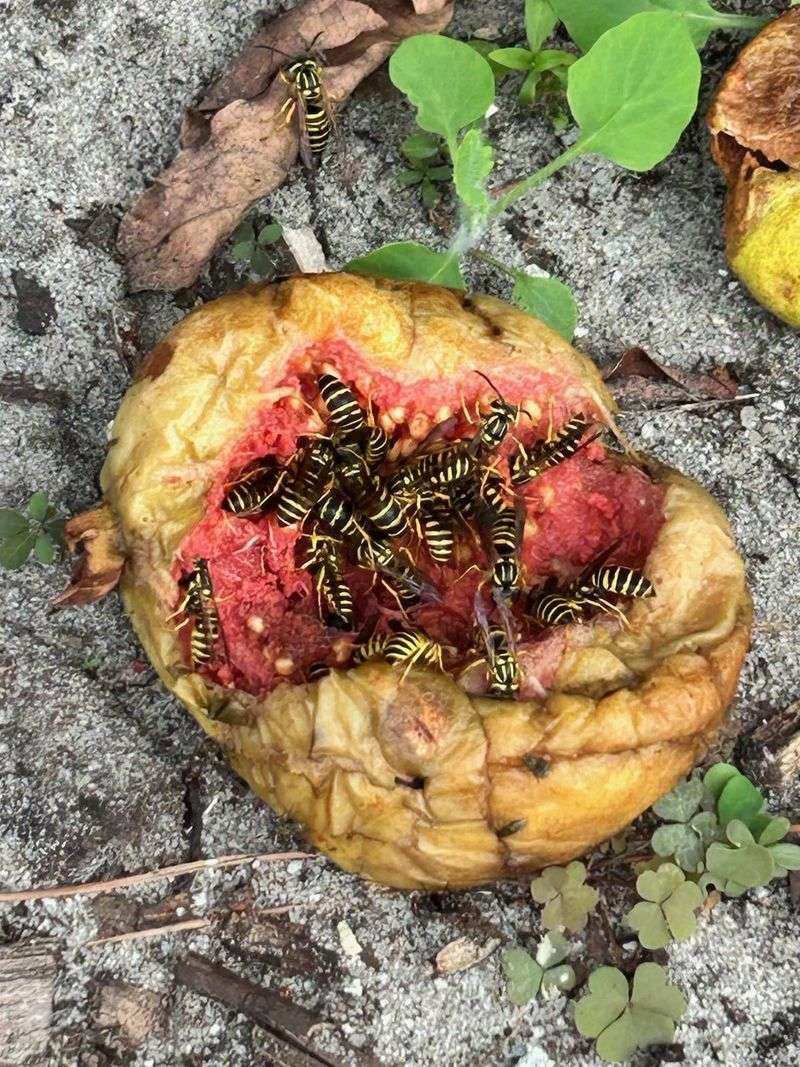
Fallen fruit under apple and pear trees deserves a weekly pickup. Ten minutes with a bucket makes a genuine difference.
Small habits stack up quickly in your favor. A tidy yard is the least exciting restaurant in the neighborhood.
Guests bring their own mistakes, so mention the rules early. A quick heads-up beats a frantic scene near the grill.
Smarter Ways To Reclaim Your Picnic Table
Start with a decoy station placed about forty feet from where people gather. A plate of overripe fruit or a splash of soda pulls foragers away from your food.
Move that station a little farther out each day. Foragers follow the reward and settle into a new routine.
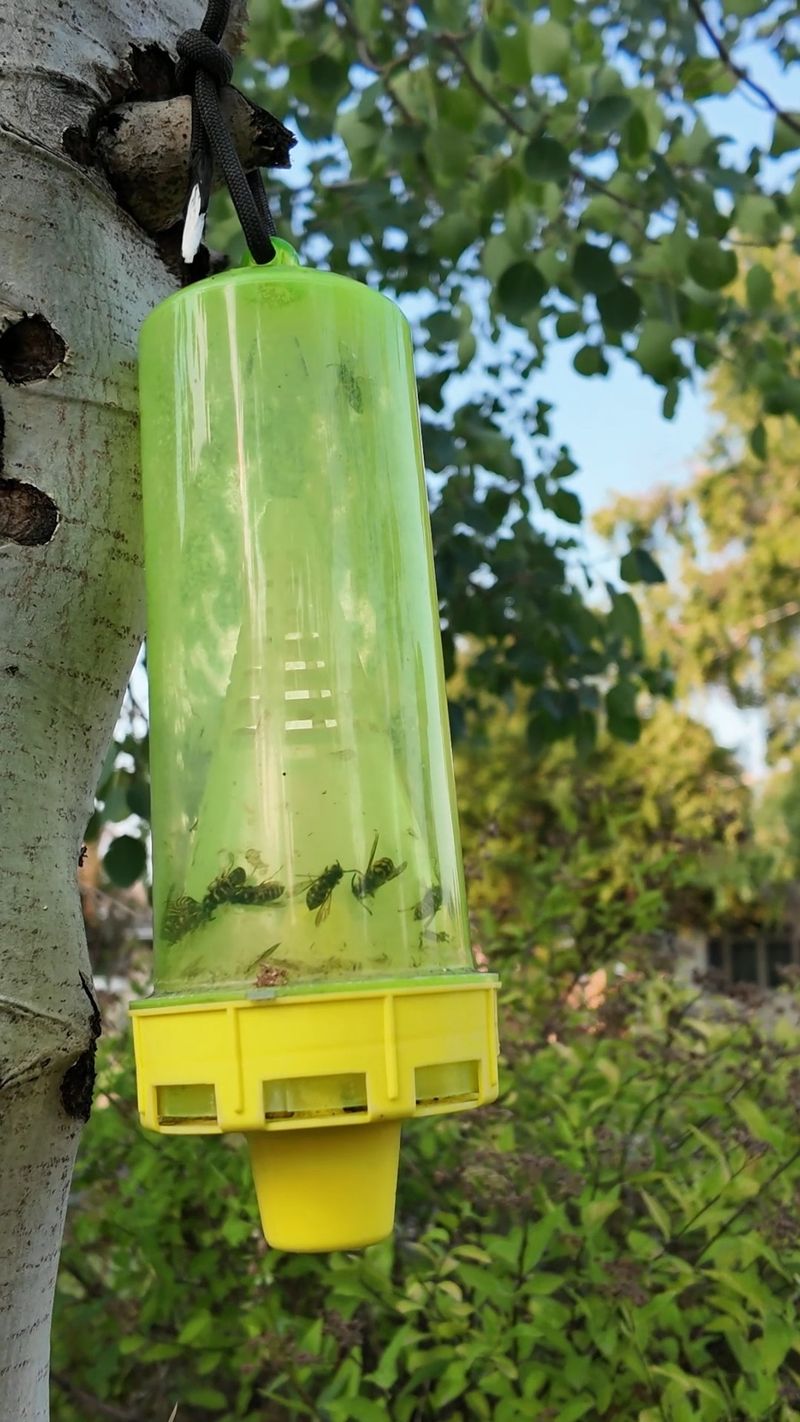
Baited traps work best when hung early and placed along the property edge. Hanging one right beside the table only brings traffic closer, which defeats the purpose.
Meat-based bait suits late summer, since protein interest drops off in fall. Sugary bait usually pulls better once September rolls around.
Cover serving dishes with mesh domes and keep the grill lid down between flips. Simple barriers beat any spray during a party.
Wipe tables with soapy water before guests sit down. Residue from last night’s dinner is an open invitation.
For a nest that truly must go, evening is the right time. Foragers are home, temperatures drop, and activity slows way down.
Even then, a licensed pest professional is the safer call for ground and wall nests. Connecticut companies handle these jobs constantly through autumn.
Anyone with a known sting allergy should skip the do-it-yourself route. Keep prescribed medication nearby during outdoor events.
A calm plan beats a spray can and a burst of courage. Your patio can feel pleasant again within about a week.