Container Gardening Vs In-Ground Planting In North Carolina Heat And Which Uses Less Water
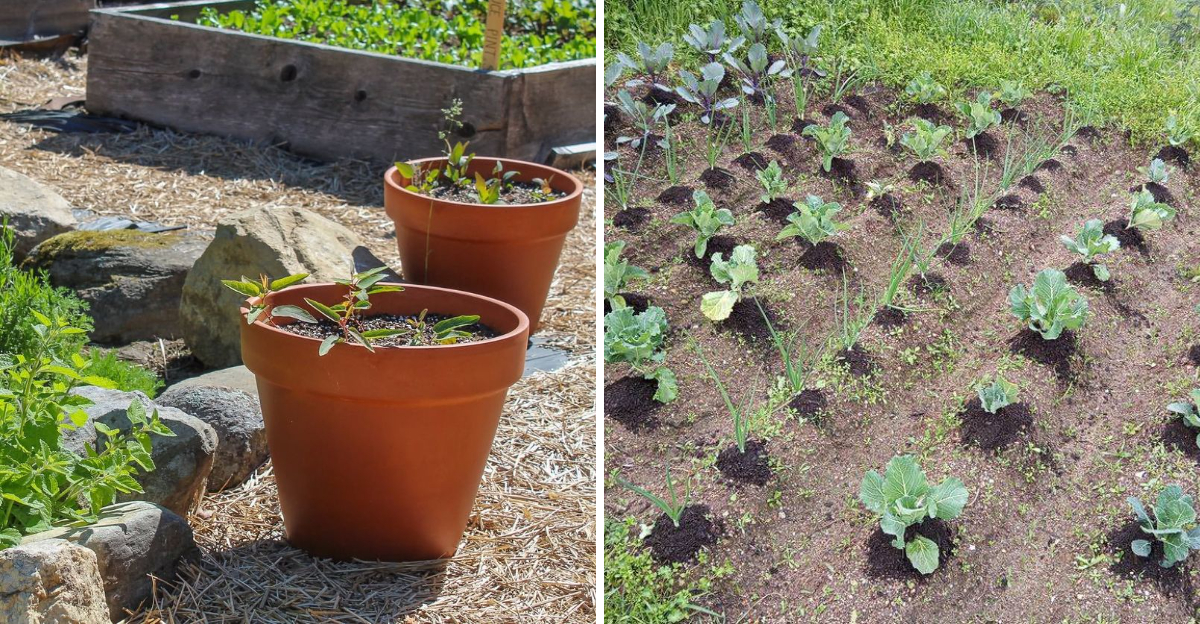
The water efficiency debate between containers and in-ground planting sounds straightforward until a North Carolina July makes both sides of the argument considerably more complicated.
Containers dry out fast in summer heat, requiring frequent intervention that in-ground beds with established root systems rarely need at the same intensity.
In-ground planting has its own water demands in North Carolina’s clay-heavy soils, where drainage inconsistency creates both drought stress and waterlogging in the same bed within days of each other during a typical summer rain pattern.
The honest answer depends on several factors specific to each gardening situation, and getting those factors right determines which approach actually saves water rather than just appearing to on the surface.
1. Start With The Real Water Answer
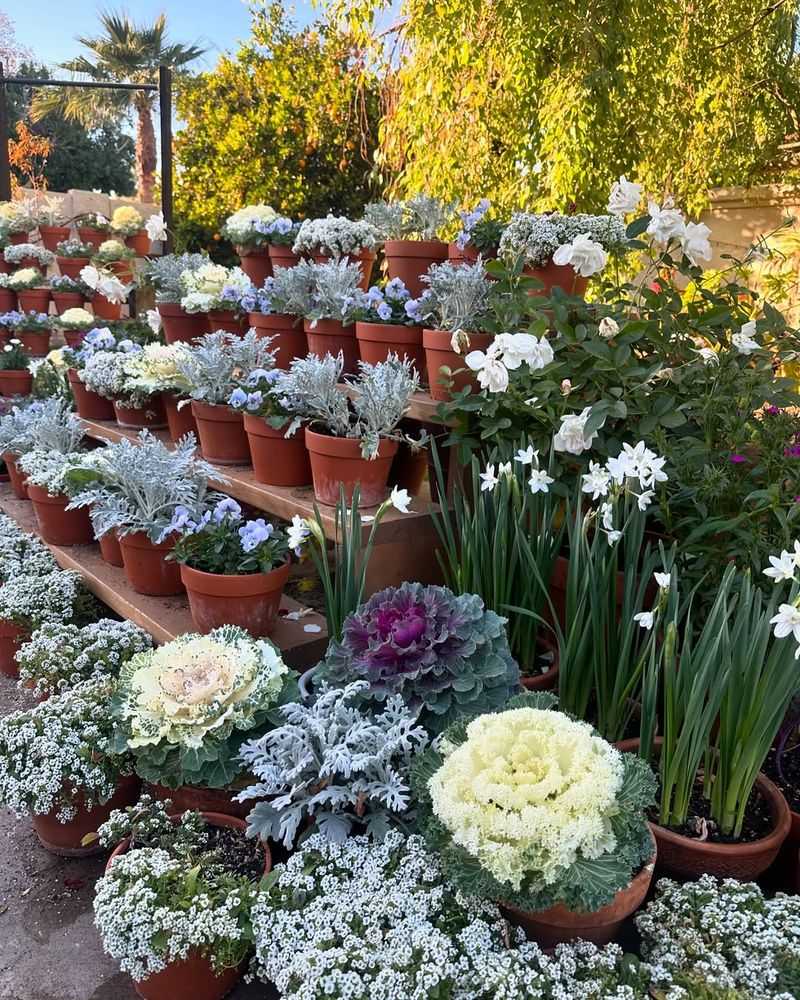
Most gardeners in North Carolina are surprised to find out that in-ground beds usually need less frequent watering than containers when growing similar plants. The reason comes down to simple science.
Soil in the ground holds a much larger volume of moisture, and roots can reach deeper to find water even when the surface looks dry.
Container plants are working with a limited amount of growing mix, and that mix can dry out surprisingly fast during hot weather.
A plant in a five-gallon pot might need water every single day in July, while the same plant in a garden bed might only need watering two or three times a week. That difference adds up quickly over an entire summer season.
In-ground soil also stays cooler at deeper levels, which slows down evaporation and keeps roots comfortable for longer stretches.
Containers, on the other hand, heat up from all sides when sitting in direct sun, which speeds up moisture loss from the growing mix.
For North Carolina gardeners who want to use less water overall, in-ground planting tends to be the more efficient choice during the hottest months.
Containers still have plenty of advantages, especially for small spaces or plants that need special soil, but water savings generally favor the ground.
2. Compare How Fast Containers Dry Out
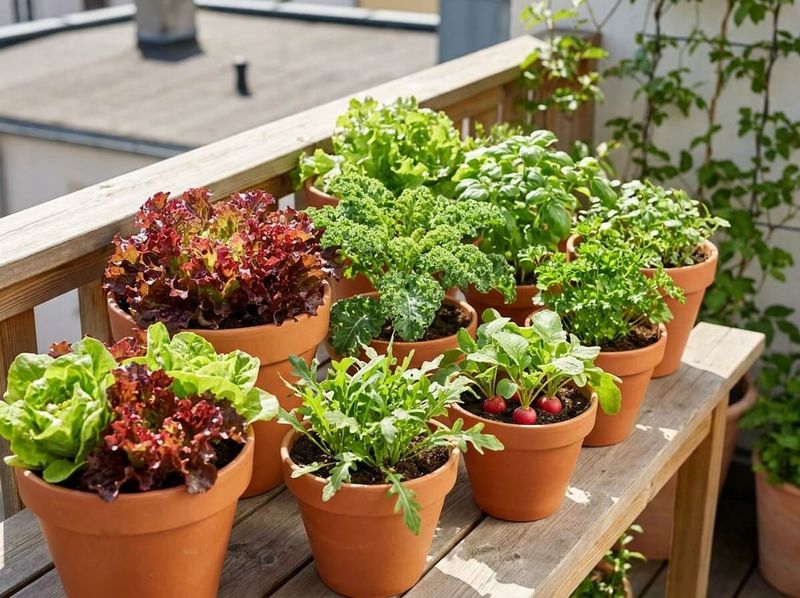
Picture this: it is two in the afternoon, the sun is blazing, and your potted tomato on the patio looks like it needs a drink already, even though you watered it this morning.
That is a very common situation for container gardeners in North Carolina, and there are several reasons why it happens so fast.
Small pots hold less growing mix, which means less total moisture available to the plant. Dark-colored pots absorb more heat from the sun, which warms the soil inside and causes water to evaporate faster.
Containers sitting on exposed patios or balconies also deal with wind, which pulls moisture away from the soil surface and through the leaves even on days that feel mild.
Full afternoon sun is especially tough on containers in the Piedmont and Coastal Plain regions of North Carolina, where summer temperatures regularly climb above 90 degrees Fahrenheit.
A plant growing in the ground benefits from surrounding soil that buffers temperature swings, but a pot has no such protection.
Your North Carolina Garden Changes Every Week. Your Plan Should Too.
Gardening in North Carolina changes quickly throughout the season. Every Friday you’ll receive a simple weekly plan showing exactly what to plant, prune, fertilize, harvest, and protect so you never miss the right timing.
The growing mix inside can heat up dramatically, stressing the roots and speeding up moisture loss at the same time.
Moving containers to spots with afternoon shade, grouping them together, or placing them on surfaces that reflect less heat can all help slow down how quickly they dry out during the hottest parts of the day.
3. Choose Larger Containers To Save Water
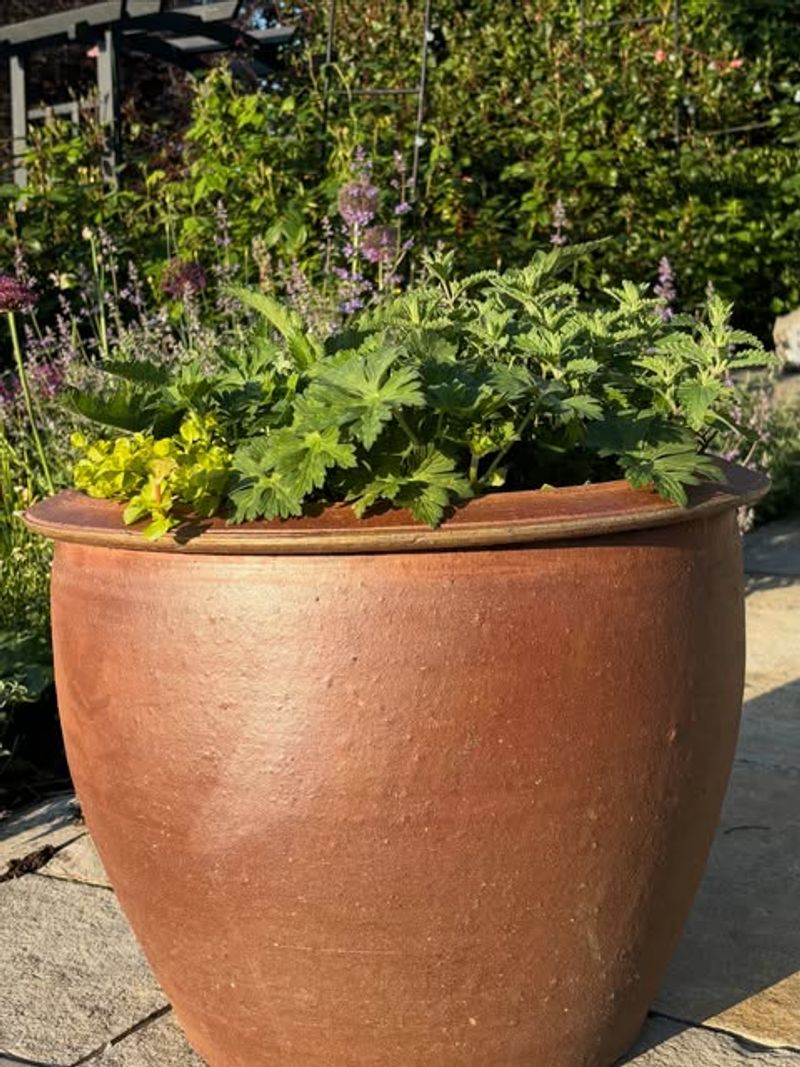
One of the simplest upgrades any container gardener can make is switching from small pots to larger ones. Bigger containers hold more growing mix, which means more moisture is available to your plants between watering sessions.
For anyone gardening on a porch or patio in North Carolina, this single change can cut down on how often you need to reach for the hose.
A plant growing in a ten-gallon container will almost always stay hydrated longer than the same plant squeezed into a three-gallon pot.
Larger pots also give roots more room to spread out and access moisture from a wider area of growing mix.
This matters a lot during heat waves when every bit of stored moisture counts for keeping plants healthy and productive.
Bigger containers are also more forgiving if you miss a watering day. Smaller pots can go from moist to bone dry within hours on a hot North Carolina afternoon, leaving plants stressed before you even realize what happened.
Fabric grow bags in larger sizes are another great option because they allow air to reach roots while still holding a good volume of growing mix.
As a general guideline, vegetables like tomatoes, peppers, and squash do best in containers that hold at least five gallons, with ten gallons being even better for plants that stay in the same pot all season long.
Going bigger is almost always the smarter move for water savings in container gardening.
4. Pay Attention To Pot Material And Color
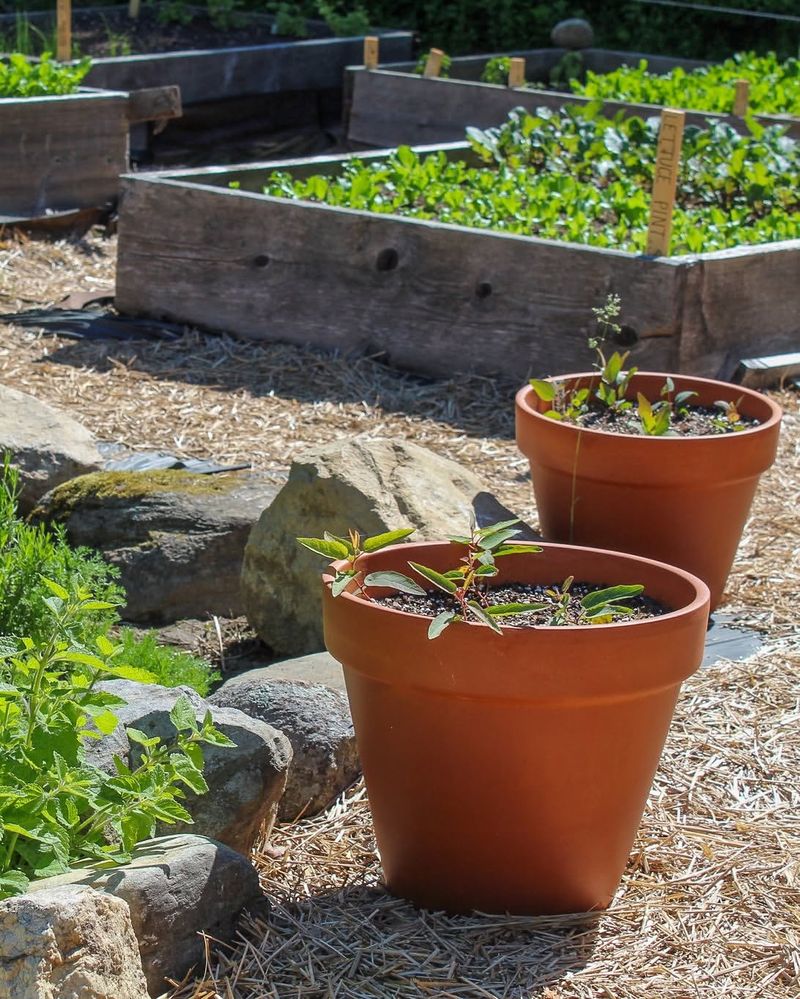
Not all pots are created equal when it comes to holding moisture, and the material your container is made from can make a real difference in how often you water.
Unglazed terracotta pots are beautiful and breathable, but that breathability works against you in hot weather because moisture escapes through the walls of the pot in addition to evaporating from the top.
Wood containers behave similarly and can dry out faster than you might expect during a North Carolina heat wave.
Plastic, fiberglass, and glazed ceramic pots hold moisture much longer because they do not allow water to pass through their walls.
Metal containers can work well too, but they need a layer of protection between the metal and the roots since metal heats up fast and can stress plants if the growing mix gets too warm.
Adding a liner or thick layer of growing mix helps protect roots in metal planters during summer.
Color matters more than most gardeners realize. Dark-colored containers absorb more sunlight and heat up faster, which speeds up evaporation inside the pot.
Light-colored or white containers reflect sunlight and stay cooler, which helps the growing mix hold onto moisture longer.
In North Carolina where summer afternoons can be brutally sunny, choosing a light-colored plastic or glazed pot over a small dark terracotta one can genuinely reduce how often you need to water.
Small tweaks in pot choice add up to big savings in time and effort across a long, hot growing season.
5. Use Mulch To Help In-Ground Beds Hold Moisture
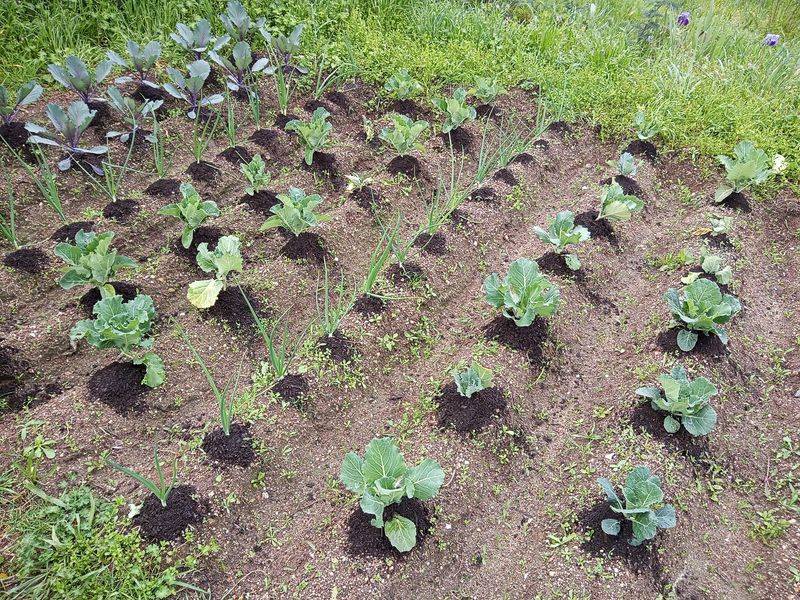
Mulch might be the most underrated tool in a North Carolina gardener’s supply shed.
Spreading a two to three inch layer of organic mulch over your in-ground garden beds can dramatically reduce how much water you need to apply throughout the summer.
Mulch works by slowing down evaporation from the soil surface, keeping the ground cooler, and reducing the number of weeds that compete with your plants for moisture.
Straw is one of the most popular mulch choices for vegetable gardens because it is lightweight, easy to apply, and breaks down gradually to feed the soil. Shredded leaves, compost, and wood bark chips all work well too.
The key is to apply mulch after the soil has warmed up in spring so you are locking in warmth along with moisture, not trapping cold soil temperatures that would slow plant growth early in the season.
Once summer heat arrives, mulched beds can stay moist for several extra days compared to bare soil. That means fewer trips to the garden with a hose or watering can, which is a genuine relief when temperatures climb into the upper 90s.
North Carolina summers can bring stretches of dry weather between rain events, and mulch acts like a buffer that helps plants stay comfortable during those dry spells.
Pairing mulch with deep, infrequent watering rather than shallow daily watering encourages roots to grow deeper into the soil where moisture stays available longer even during hot, dry weather.
6. Water The Soil Instead Of The Leaves
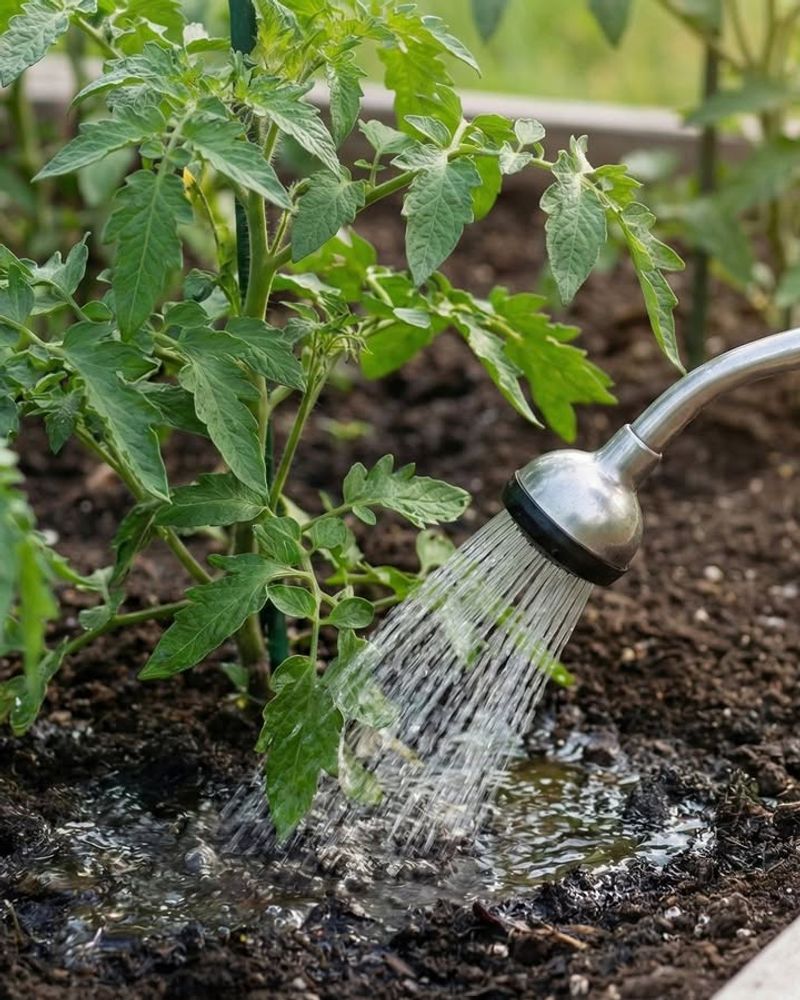
There is a common habit among new gardeners of spraying water all over the plant, leaves and all, because it feels thorough and satisfying.
The truth is that watering the leaves wastes water and can actually cause problems for your plants, especially in the warm, humid conditions that North Carolina summers are known for.
Wet foliage combined with high humidity creates a perfect environment for fungal diseases like powdery mildew, early blight, and leaf spot.
Watering at soil level gets moisture directly to the root zone where plants can actually use it. A watering wand, drip line, or soaker hose all make it easy to direct water at the base of plants without splashing leaves.
This approach is more efficient because less water is lost to evaporation from wet foliage, and the moisture goes where it is needed most.
Morning is the best time to water in North Carolina gardens, whether you are working with containers or in-ground beds. Watering early gives any moisture that does land on leaves time to dry before the heat of the day, reducing disease pressure.
Evening watering is the least ideal option because leaves and soil surfaces stay damp overnight, which encourages fungal growth.
For containers, watering until you see a little water drain from the bottom holes confirms that the growing mix is thoroughly moistened rather than just wet on top.
Targeting the soil instead of the whole plant is a simple habit change that protects plant health and saves water at the same time.
7. Use Drip Irrigation For The Most Efficient Setup
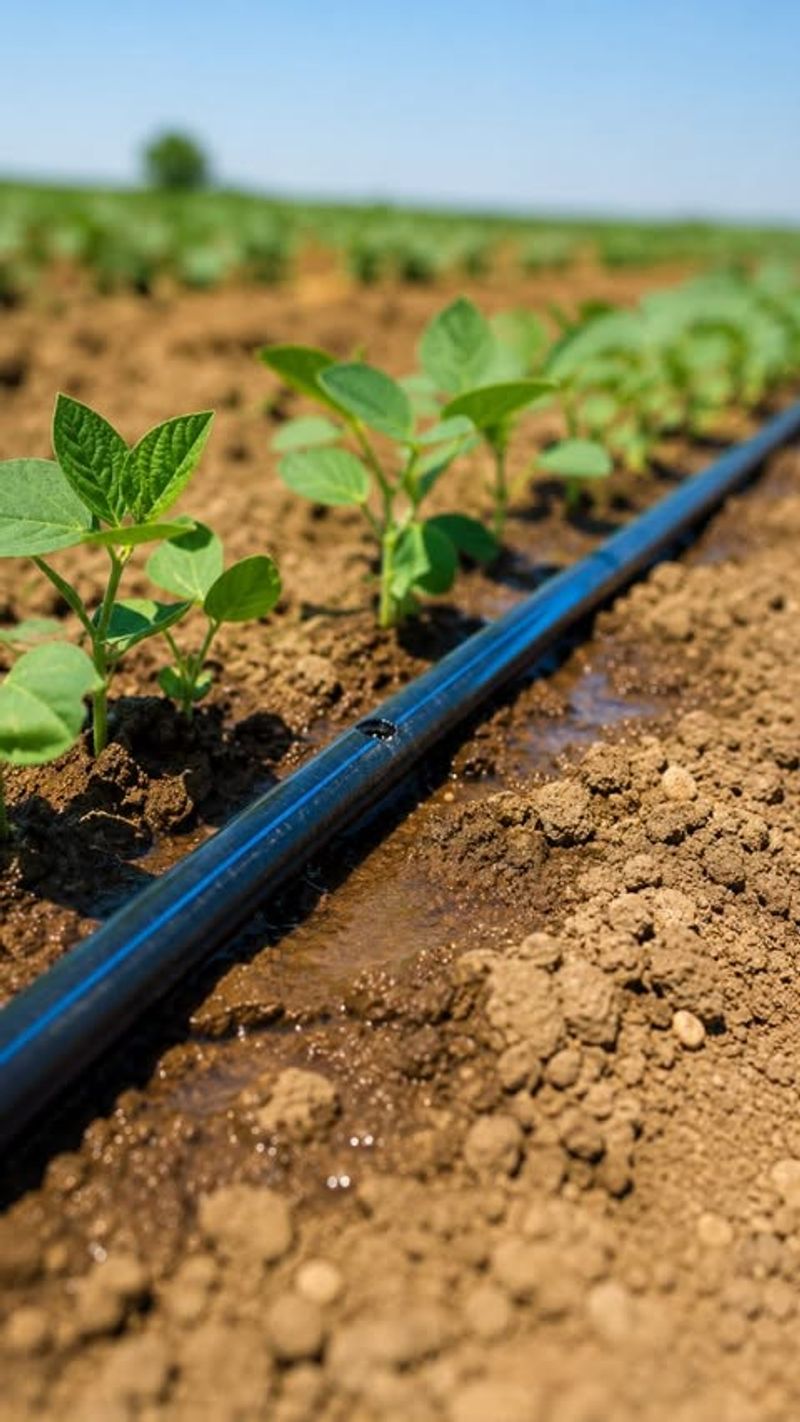
Drip irrigation is one of the most effective investments a North Carolina gardener can make for saving water and reducing daily garden maintenance.
Instead of flooding the surface of your soil or spraying water into the air, drip systems deliver water slowly and steadily right near the root zone.
This means less runoff, less evaporation, and more of every drop going exactly where plants need it.
Soaker hoses work on a similar principle and are a budget-friendly option for in-ground beds. You simply lay them along the row of plants, connect them to a timer, and let them do the work.
For container gardens, small drip emitters attached to a central line can be threaded into individual pots, making it easy to water several containers at once without standing there with a hose for twenty minutes.
Pairing drip irrigation with mulch in your in-ground beds creates an extremely efficient system. The drip line keeps moisture near the roots while the mulch prevents that moisture from evaporating off the soil surface.
During North Carolina heat waves when temperatures stay high even overnight, this combination gives plants a steady supply of water without the stress of boom-and-bust watering cycles.
Adding a simple timer to your drip system means watering happens automatically in the early morning hours when evaporation rates are lowest.
You save water, your plants stay consistently hydrated, and you get to enjoy your mornings without spending them dragging hoses around the yard.
8. Check Soil Depth Before Adding More Water
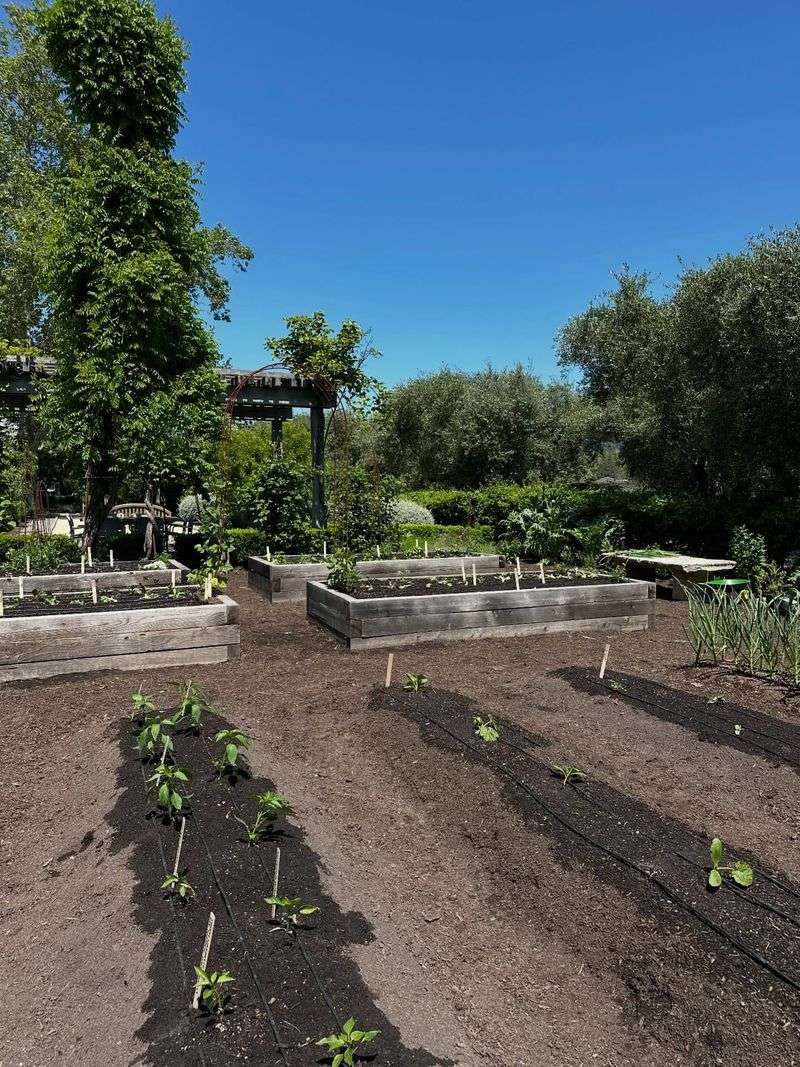
One of the most common watering mistakes gardeners make is adding water based on how the surface looks rather than what is happening a few inches down.
The top inch of soil can look and feel dry while the soil several inches below is still holding plenty of moisture.
Watering before the soil actually needs it wastes water and can cause root problems over time, especially in in-ground beds where drainage is slower than in containers.
For in-ground garden beds, press a finger or a small stick about three to four inches into the soil. If it feels moist at that depth, the plants are fine and do not need water yet.
If it feels dry all the way down, that is when to water deeply and thoroughly so moisture reaches the full root zone rather than just the top layer.
Containers need more frequent checking because they dry out faster than in-ground beds, especially during hot stretches. Lift the pot if it is small enough since a dry pot feels noticeably lighter than a well-watered one.
For larger containers, the finger test works well too, pushing down two to three inches into the growing mix.
Smart watering also means adjusting your schedule based on recent rainfall, how hot it has been, how big your plants are, and what type of soil or growing mix you are using.
A little extra attention to soil moisture levels means you water only when needed, which saves water and keeps plants healthier all summer long.