The Reasons To Plant Spicebush In Your Texas Yard And How To Get One Started This Fall
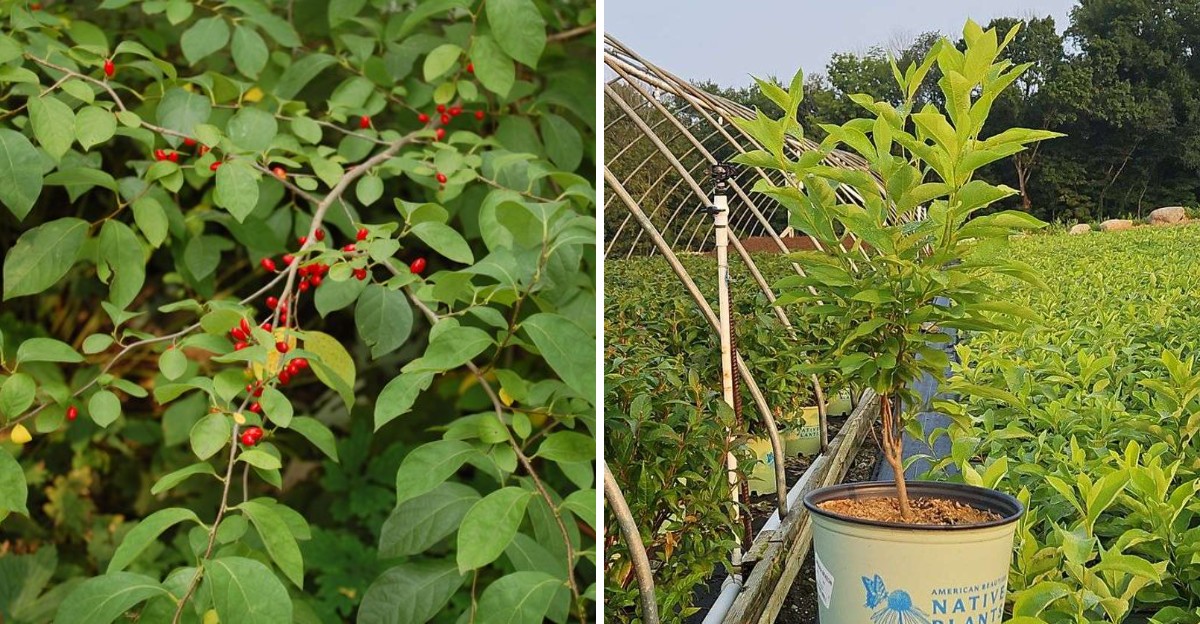
Spicebush is one of those native plants that earns genuine enthusiasm from every gardener who discovers it, and quiet puzzlement from everyone who hasn’t encountered it yet.
It’s not a flashy plant in the way that most garden center staples are flashy.
But what it delivers across the full growing year, for wildlife, for the garden ecosystem, and for the homeowner willing to look closely, puts most more celebrated shrubs to shame.
In Texas, where the right native plant can make a real difference in how a yard functions through heat, drought, and everything the climate delivers, spicebush earns its place several times over.
Fall is one of the best times to get one established. Here’s exactly why spicebush belongs in your Texas yard and how to plant one this season.
1. It Feeds The Beautiful Spicebush Swallowtail Butterfly
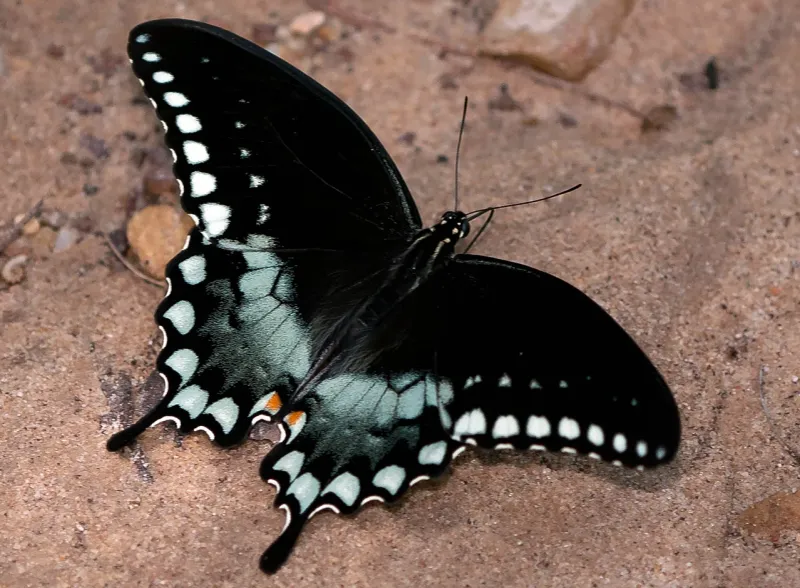
Picture a caterpillar with big fake eyespots that make it look like a tiny snake. That clever little creature is the spicebush swallowtail, and it depends on this shrub for survival.
The plant is a host for these butterflies, meaning the mother lays her eggs right on the leaves.
When the caterpillars hatch, they fold a leaf around themselves like a sleeping bag and munch away in safety. Without spicebush and a few related plants, these butterflies would have nowhere to raise their young.
By adding one to your yard, you become part of the story. You give these insects a place to grow, and in return you get to watch the whole process up close.
Kids especially love spotting the funny-looking caterpillars hiding inside curled leaves.
The adult butterflies are just as stunning. They wear velvety black wings with shimmering blue and orange spots that catch the sunlight.
Once they emerge, they float around your flowers and add movement and color to the garden.
Texas gardeners who care about pollinators find spicebush an easy win. It supports a native species that struggles when its favorite plants disappear from the landscape. Every shrub you plant makes a real difference for the local butterfly population.
Plant it in a shady or partly sunny spot where the butterflies can find it easily. Over time, you may notice more of these graceful visitors returning year after year.
That connection between your yard and these winged travelers feels rewarding, and it turns an ordinary shrub into a living butterfly nursery worth protecting.
2. Fragrant Leaves And Twigs That Smell Wonderful
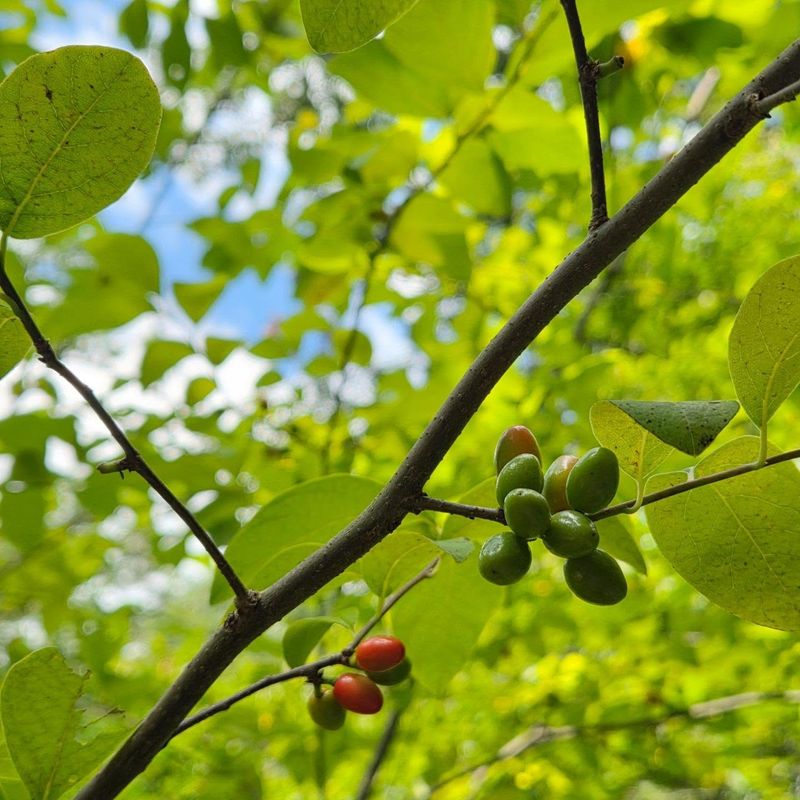
Snap a twig or crush a leaf, and you get a burst of spicy, citrusy scent that fills the air. That smell is where the plant gets its name, and it is one of the best surprises this shrub offers.
The fragrance comes from natural oils tucked inside the leaves, stems, and berries.
Rub a leaf between your fingers on a warm afternoon and you will catch notes that remind some people of allspice or a hint of lemon. It is the kind of scent that makes you want to keep sniffing.
Your Texas Garden Changes Every Week. Your Plan Should Too.
Gardening in Texas changes quickly throughout the season. Every Friday you’ll receive a simple weekly plan showing exactly what to plant, prune, fertilize, harvest, and protect so you never miss the right timing.
People have used spicebush for a long time in fun ways. Early settlers dried the berries and ground them into a spice for cooking. Some folks brewed the twigs into a warm, tea-like drink during the cooler months.
Having a fragrant plant near a walkway or patio brings a little extra joy to daily life. As you brush past it, you release that pleasant aroma without even trying. Guests often stop and ask what smells so good.
The scent also seems to bother certain nibbling pests, so the plant tends to stay fairly untouched. That means you spend less time worrying about damage and more time enjoying the greenery.
For a sensory garden, spicebush is a natural pick. It gives you something to smell, something to look at, and something to talk about with visitors.
Plant it somewhere you pass often, like beside a gate or bench, so you can enjoy that spicy freshness whenever you walk by throughout the growing season.
3. Bright Golden Fall Color That Lights Up The Yard
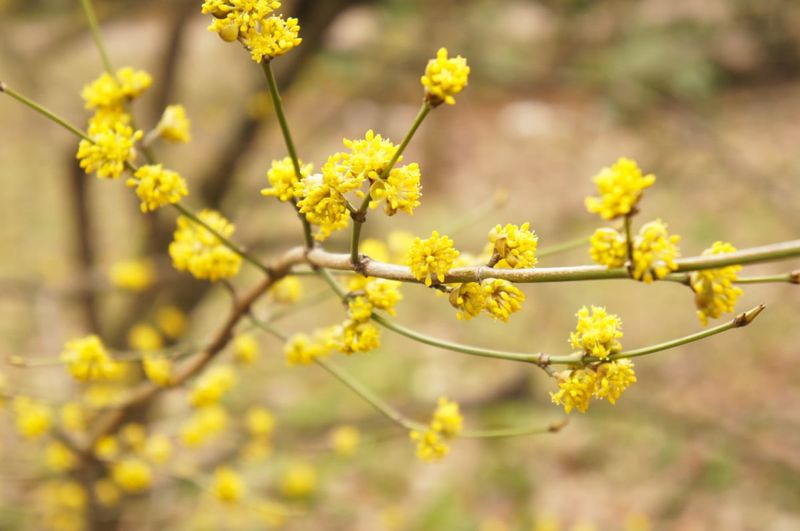
When autumn arrives, spicebush puts on a quiet show. Its leaves turn a warm, glowing yellow that seems to light up shady corners of the yard.
Many people think of maples when they picture fall color, but this native shrub holds its own.
The golden tones look especially rich against a backdrop of green pines or a wooden fence. On a bright day, the whole plant can look like it is catching sunshine.
Texas does not always give us dramatic fall foliage, so a reliable pop of color feels like a real treat. Spicebush delivers that seasonal change without any fuss. You do not have to fertilize heavily or prune carefully to enjoy it.
The timing works out nicely too. As other flowers fade, this shrub steps up and keeps your landscape interesting into the cooler months. It gives your yard a fresh look right when things start to feel bare.
Because the color shows best in dappled light, spicebush fits well under taller trees. That makes it a smart choice for those tricky shady spots where many plants struggle to shine. You get beauty in a place that might otherwise feel dull.
Pair it with other native plants that bloom or turn color at different times, and you create a yard that stays lively all year. A cluster of spicebush shrubs can turn a plain border into a golden ribbon each fall.
Once you see that yellow glow up close, you will understand why gardeners keep this shrub around. It brings a gentle seasonal spark that never gets old.
4. Red Berries That Bring Birds To Your Garden
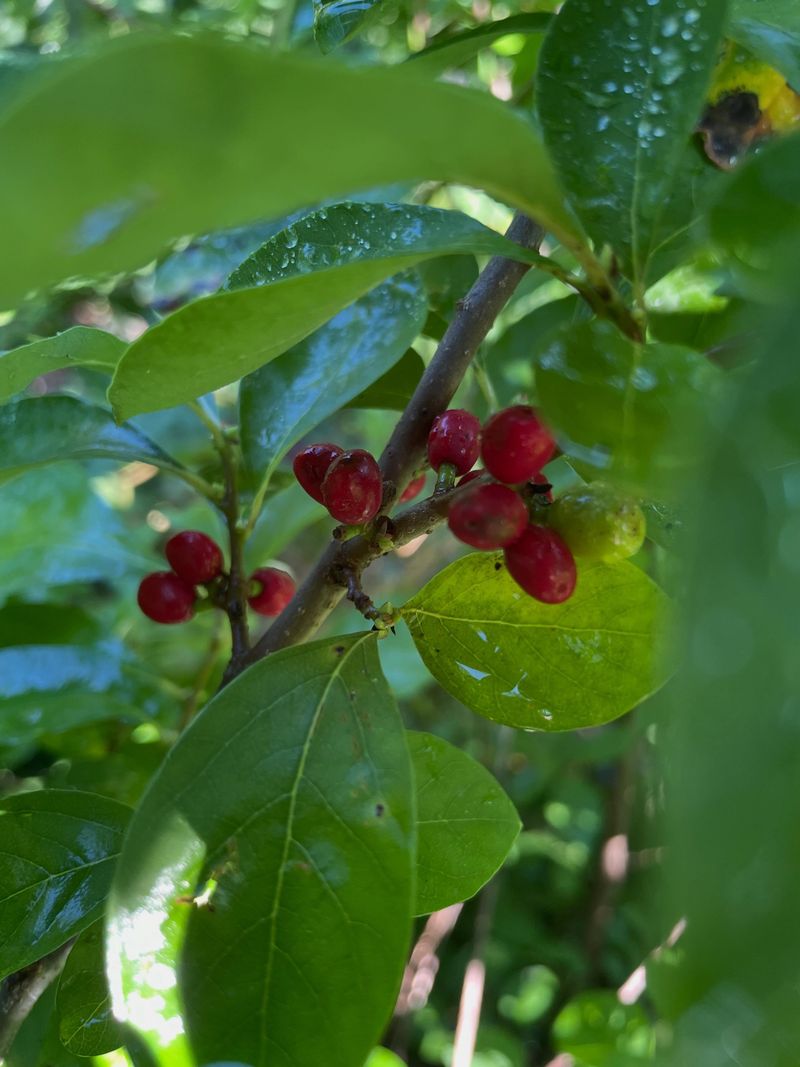
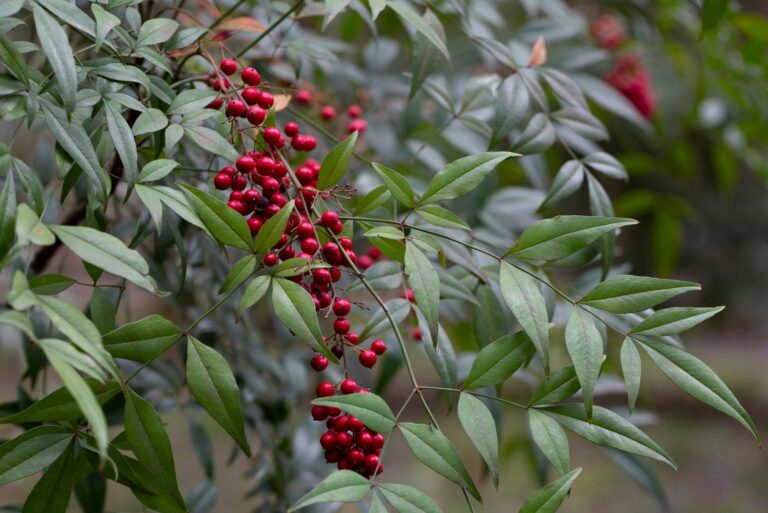
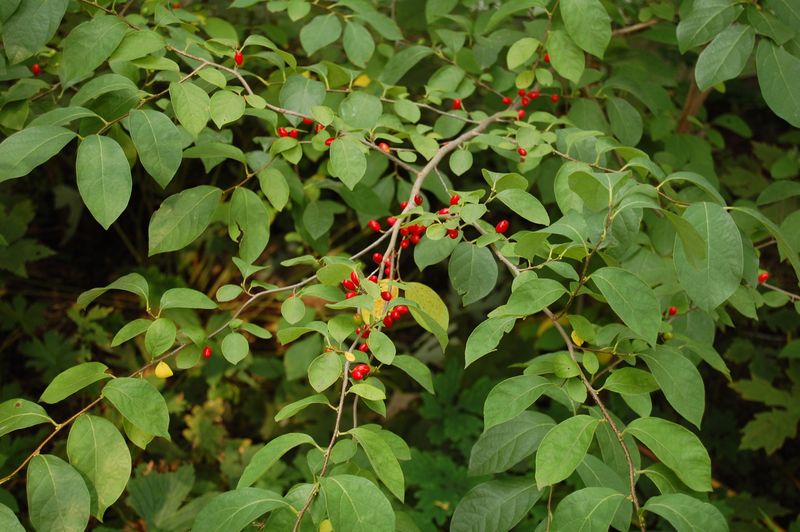
Late in the season, female spicebush plants produce shiny red berries that look like tiny jewels along the branches. Birds absolutely love them.
Robins, thrushes, and other songbirds seek out these fruits as a rich food source before and during migration.
The berries are packed with fats that help birds fuel their long journeys. By planting spicebush, you set up a natural snack bar right in your backyard.
Watching birds visit the berries is one of the simple pleasures of gardening. You might grab a cup of coffee, sit by the window, and enjoy the show as feathered visitors hop from branch to branch. It never really gets boring.
To get berries, you usually need both a male and a female plant nearby, since spicebush comes in separate sexes.
Planting two or three together improves your chances of a good fruit crop. The extra shrubs also create a fuller, more natural-looking cluster.
The berries add another layer of color, too. Bright red against green and later golden leaves makes for a lovely fall scene. It is like getting decorations for free.
Feeding birds naturally beats relying only on store-bought seed. When you plant native fruit like this, you support the local food web the way nature intended. That helps birds stay healthy and keeps your yard buzzing with life.
If you enjoy birdwatching, spicebush is a smart addition. Combine it with a birdbath or a few other berry plants, and you will likely notice more visitors stopping by. Your garden becomes a welcoming rest stop for wildlife passing through Texas.
5. A Tough Native Plant That Handles Texas Conditions
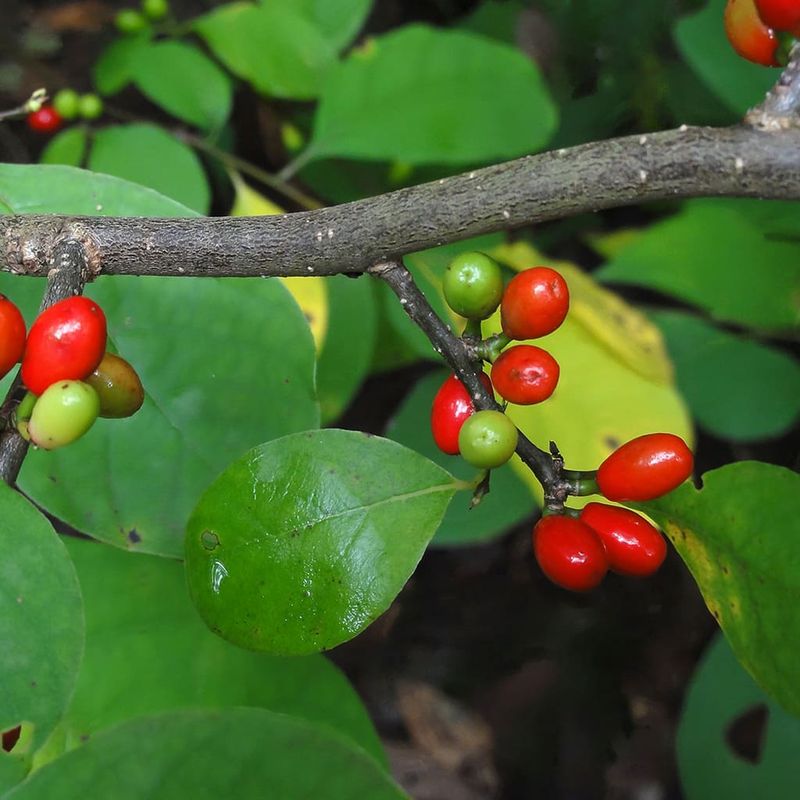
Some plants sulk the moment things get tricky. Spicebush is not one of them. As a plant native to parts of the eastern and central United States, it is used to real weather and messy soil.
It handles the kind of shade that leaves other shrubs looking sad and stretched out. Under trees, along a north-facing wall, or in a woodland corner, it settles in comfortably. That makes it a lifesaver for gardeners with lots of shady space.
The plant also tolerates soil that stays a little damp, which is handy near low spots or downspouts. It does not need perfect drainage to be happy. Once its roots are established, it becomes surprisingly independent.
Pests and diseases mostly leave it alone, partly thanks to those fragrant oils in its leaves. That means less spraying and less worry for you. A low-maintenance shrub is a gift for busy families.
Because it belongs in North American landscapes, spicebush plays nicely with other native plants. It fits into a natural garden without taking over or acting invasive. You get a well-behaved neighbor that supports the local ecosystem.
Texas summers can be brutal, but a shaded spicebush with a good layer of mulch usually stays comfortable.
Give it a drink during long dry spells and it bounces right back. Over time it asks for very little attention.
For anyone wanting a dependable shrub that does not demand constant babysitting, this one delivers.
It is proof that native choices often make gardening easier, not harder, while still looking great throughout the year.
6. Great Cover And Shelter For Backyard Wildlife
Beyond feeding butterflies and birds, spicebush offers something else animals crave: a safe place to hide. Its branching, leafy form creates natural cover for all sorts of creatures.
Small birds duck into its branches to escape hawks or bad weather. Toads, lizards, and helpful insects find shelter in the cool shade beneath it. A single shrub can act like a tiny apartment building for backyard wildlife.
When you plant a few together, you build a mini thicket. That kind of dense growth gives animals places to nest, rest, and feel secure. Your yard starts to feel more alive as more visitors move in.
Wildlife-friendly yards are growing in popularity, and shrubs like this make the goal easy to reach. Instead of a plain lawn, you get a layered habitat that mixes food, water, and shelter. Nature responds quickly to that kind of setup.
The plant grows in a loose, natural shape, so it does not look stiff or overly trimmed. That relaxed form blends beautifully into casual, cottage-style, or woodland gardens. You can let it do its own thing without much shaping.
Because it teams up with other native plants, spicebush strengthens the whole habitat you create.
Add some native grasses and wildflowers around it, and you round out a welcoming space for pollinators and songbirds alike.
Providing shelter matters just as much as providing food. A hungry animal needs somewhere safe to rest between meals.
With spicebush in your yard, you offer both, turning ordinary garden space into a busy, protected corner that critters return to season after season.
7. How To Get One Started In Your Yard This Fall
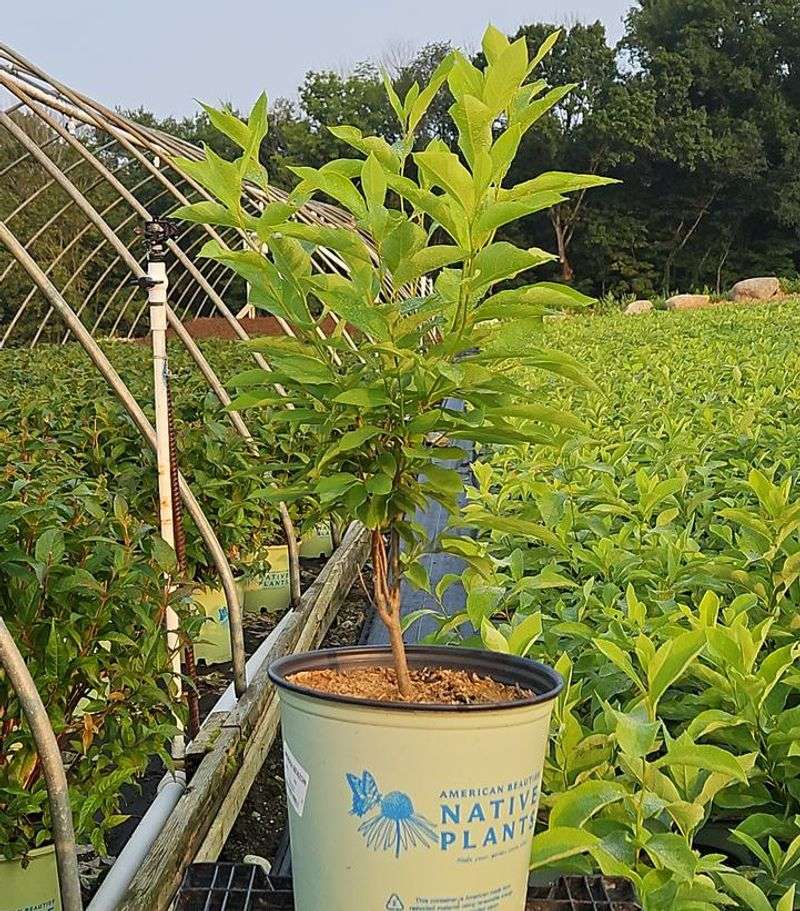
Ready to plant? Fall is the sweet spot for getting spicebush into the ground in Texas. Cooler air and steady moisture help the roots settle in before summer heat returns.
Start by picking a spot with part shade to full shade, ideally with soil that holds a little moisture.
Near a fence, under a tree, or along a shady border all work well. Give the plant room to spread, since it can reach six to twelve feet over time.
Dig a hole about twice as wide as the root ball but just as deep. Set the plant in gently, backfill with the same soil you removed, and press it down to remove air pockets. Water it thoroughly right after planting.
Spread a two to three inch layer of mulch around the base, keeping it a few inches away from the stems. Mulch locks in moisture and keeps roots cool. Reapply it once a year to keep things healthy.
For the first season, water deeply once or twice a week if rain is scarce. Once established, spicebush needs far less attention. Skip heavy fertilizer, since native plants usually do fine in ordinary soil.
If you want berries, plant at least one male and one female shrub together. Buying from a native plant nursery gives you healthy, region-friendly stock and helpful advice. Local plant sales in autumn are a great place to look.
Give it a little patience during that first year. Before long, you will have a thriving shrub that rewards you with fragrance, color, and plenty of wildlife visitors for many seasons to come.