Coral-Pink Berry Clusters On Missouri Shrubs Feed Birds Through Winter
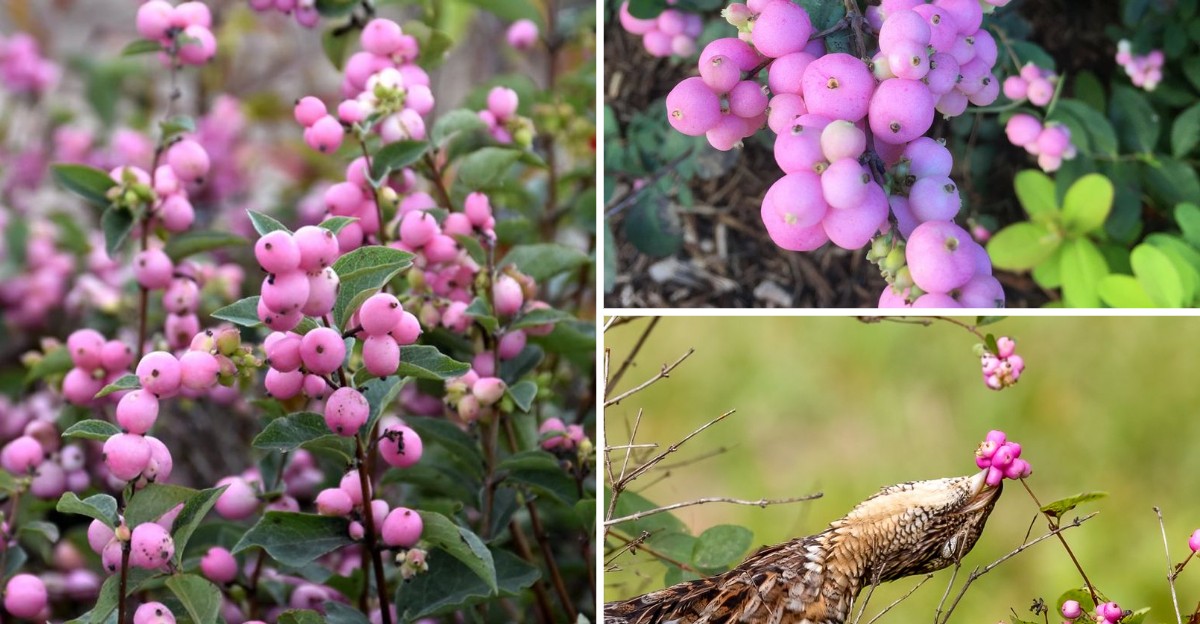
On a gray October morning, the garden looks tired, yet something bright still glows near the fence. Tiny rosy beads hang in tight bunches, catching the eye of every passing bird.
Across Missouri, a native shrub holds these berries on its stems long after the leaves drift away. Cardinals, robins, and bluebirds may visit them, even when most gardeners walk right past.
The plant asks for very little, which makes it a useful pick for shady, forgotten corners. It handles dry soil, rocky slopes, and tree roots that often leave fancier flowers struggling all season.
Early fall is a smart time to learn about it, since the berries are colorful right now. Cool nights and softer sunlight make planting easier, giving roots several calm weeks before the ground chills.
Grab a warm mug of cocoa, find a comfy seat, and look out at the backyard. The birds out there may already be eyeing that fence line.
The Winter Food Supply Hanging On Bare Stems
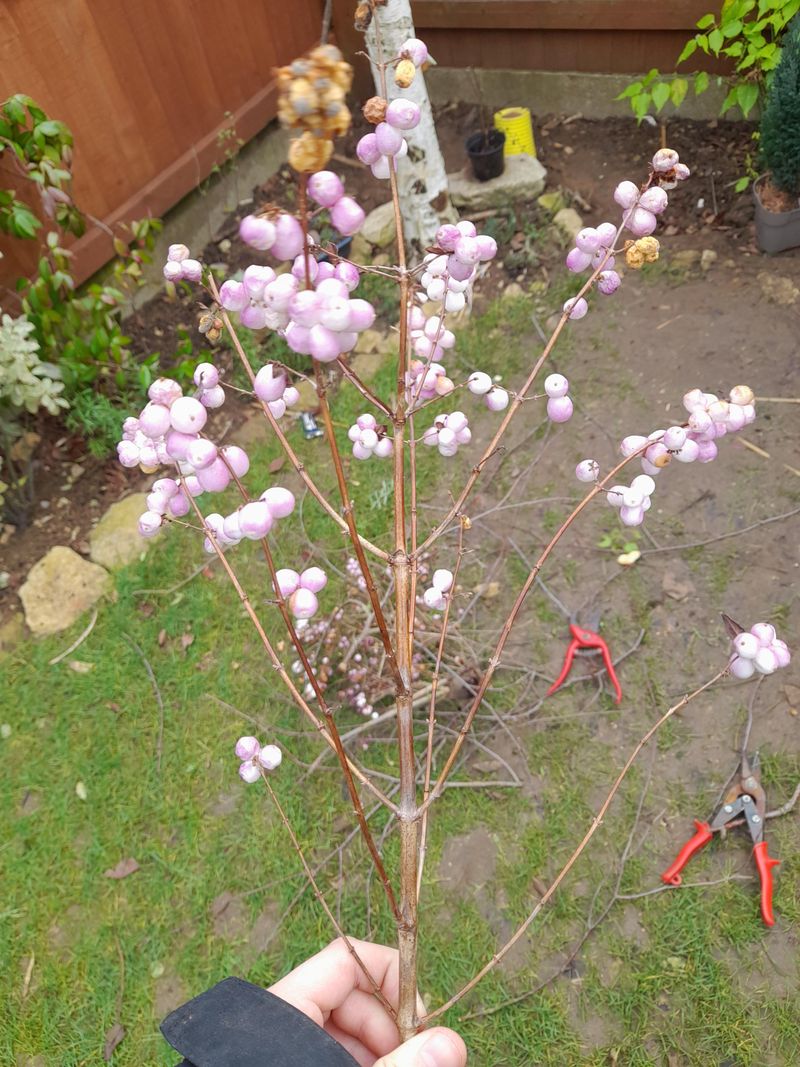
Long after maples drop their leaves, coralberry stems still hold their pink berries. Those berries can cling to the branches from October into February, when other wild food runs short.
Coralberry, known to scientists as Symphoricarpos orbiculatus, grows wild across most of Missouri and many nearby states. Old-timers sometimes call it buckbrush or Indian currant, names you may still hear at rural feed stores.
The fruit is not the first choice for most birds, and that slow appeal is actually its secret strength. Birds tend to eat juicier berries first, then return to coralberry once the tastier options are gone.
That pattern turns the shrub into a backup pantry during late winter, the hungriest stretch of the year. Snow and ice often bury seeds on the ground, but berries held up high stay easy to reach.
Small mammals may benefit too, since rabbits and white-tailed deer nibble the twigs during cold months. A single patch can support a surprising web of wildlife that many homeowners rarely notice from the window.
For practical use, leave the stems standing this fall rather than trimming them back for a tidy look. Trimming removes food that birds may need when January winds sweep across the open yard.
Think of each pink cluster as a small grocery shelf, stocked now and opened later by hungry neighbors. Patience pays off, and the reward is a lively yard filled with wings during the quiet season.
Pink Clusters That Ripen Along Arching Branches
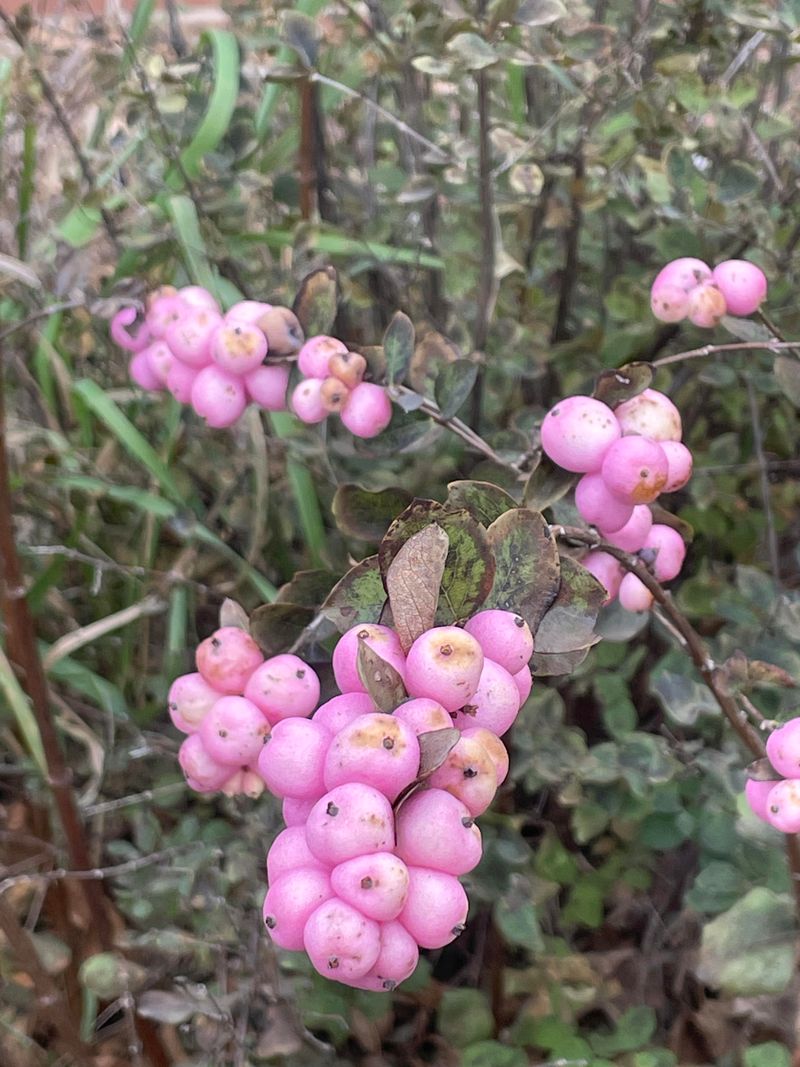
Have you ever spotted a shrub that looks like someone strung tiny pink pearls along every bending twig? Coralberry pulls off that trick each fall, and early October is when the show really starts to warm up.
Tiny greenish-white flowers appear in midsummer, tucked so close to the leaves that most people miss them. Bees find them easily, though, and those quiet blooms slowly swell into the round berries you see now.
Each berry is about the size of a small pea, and the color shifts from pale blush to coral. Some patches lean toward deep rose or purplish red, depending on sunlight, soil, and the plant’s own genetics.
Your Missouri Garden Changes Every Week. Your Plan Should Too.
Gardening in Missouri changes quickly throughout the season. Every Friday you’ll receive a simple weekly plan showing exactly what to plant, prune, fertilize, harvest, and protect so you never miss the right timing.
The clusters form tight knots where leaves meet the stem, lining up along the branch like beads on string. Because the branches arch outward, the heavy fruit often makes them dip gracefully toward the ground below.
Fun fact: the leaves can take on a purplish tint in fall, so berries and foliage share the stage for a few weeks. Once leaves drop in November, the bare stems put every pink cluster on display like a holiday garland.
Gardeners can snip a few berry-covered stems for indoor arrangements, since they hold their shape surprisingly well. Just leave most branches outdoors, and keep the berries away from small children because they are not edible.
Walk past a patch on a frosty morning, and you may notice ice crystals sparkling on the pink fruit. It is a small sight, but it can brighten a gray day more than you might expect.
Songbirds That Visit The Berries After Frost
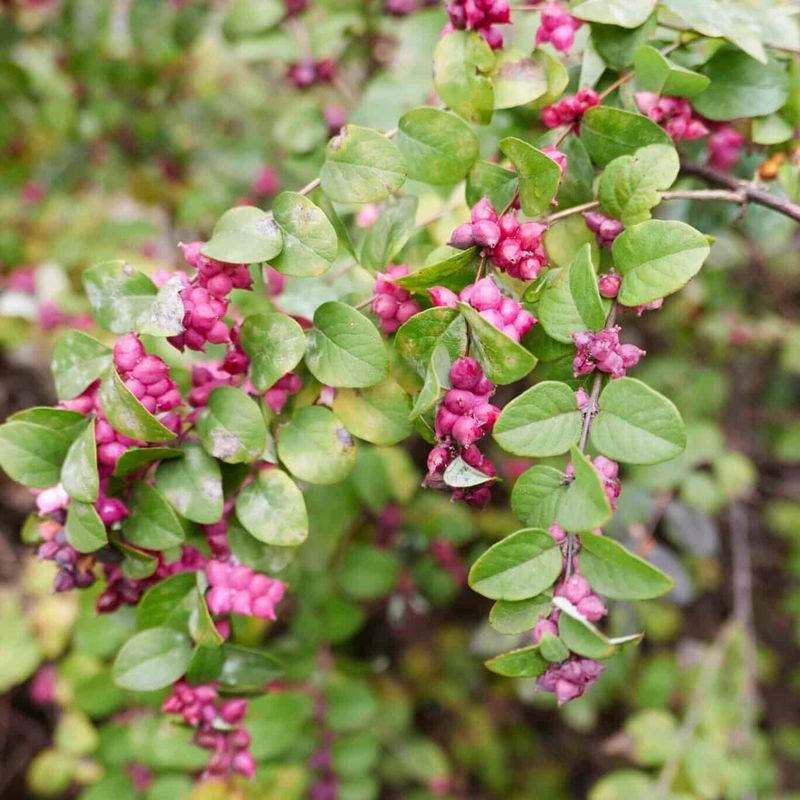
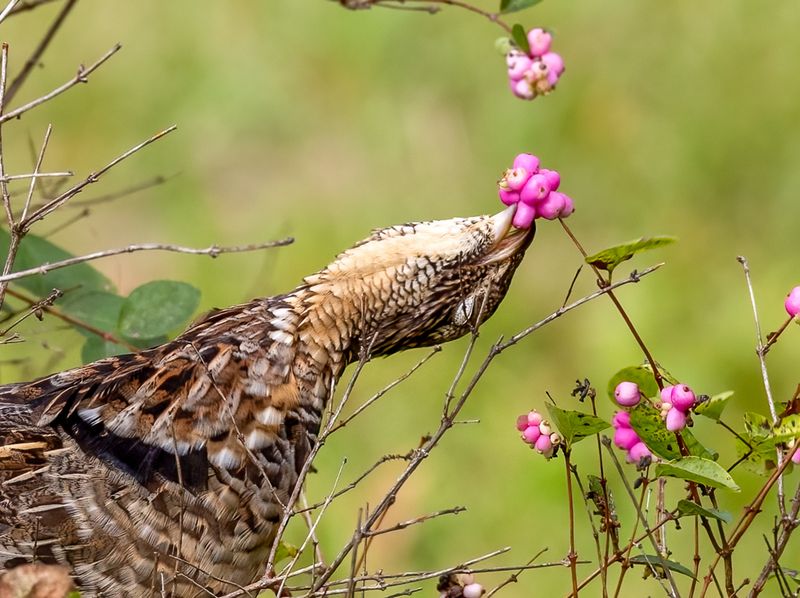
Coralberry works like the leftovers drawer of the winter woods. Few birds rush to it in fall, yet by February the shrub can attract steady visitors. Few birds rush to it in fall, yet by February the shrub can attract steady visitors.
Northern cardinals may visit, perching on the low branches to feed. American robins that linger through winter may also eat the fruit, often arriving in small flocks.
Eastern bluebirds, cedar waxwings, and hermit thrushes may sample the clusters too, especially after a hard frost softens them. Some birders believe freezing and thawing make the berries mellower, so birds seem more interested later in winter.
Ground-feeding birds love the shrub for another reason, because its tangled stems make a safe hiding place. White-throated sparrows, juncos, and towhees scratch beneath it, staying close to cover.
Northern bobwhite quail may also eat fallen berries, which makes the plant useful in rural areas. Conservation groups in Missouri suggest coralberry for field edges where ground-dwelling birds need food and shelter.
To enjoy the parade, plant a patch within view of a kitchen or living room window this fall. Add a shallow water dish nearby, and you may spot more species than your feeder alone attracts.
Keep binoculars and a simple bird guide by the window, since winter visitors can change from week to week. Kids especially enjoy tallying who shows up, turning a quiet shrub into a lively backyard science lesson.
The Suckering Habit That Forms Dense Colonies
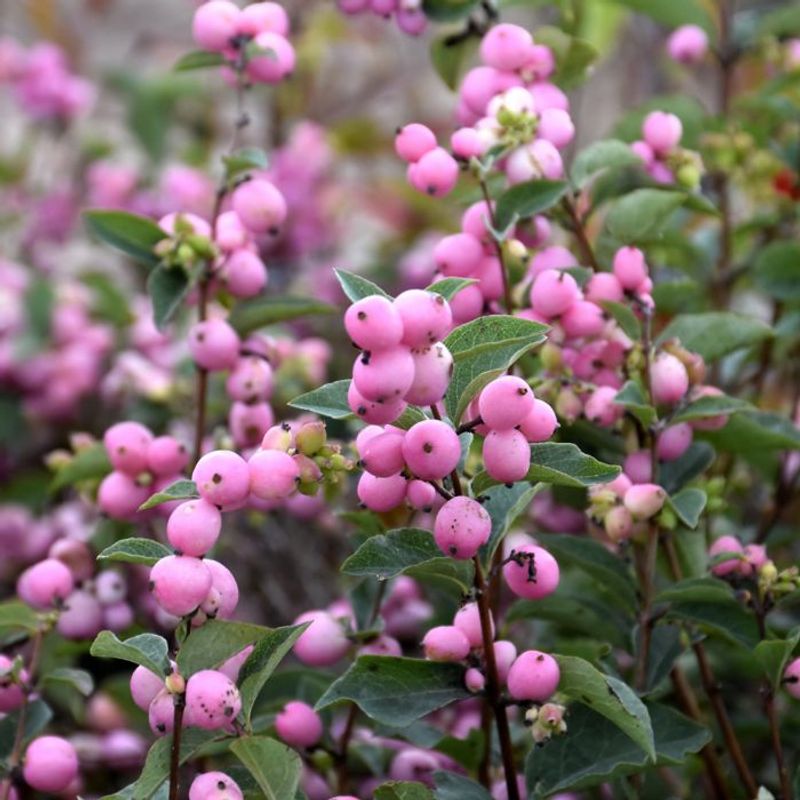
Plant one coralberry, wait a few years, and you might find a small crowd where a single shrub stood. That spread comes from underground runners and arching stems that root wherever they touch the soil.
Botanists call those new shoots suckers, and they pop up a foot or two away from the parent plant. Over time the patch thickens into a knee-high to waist-high thicket that can stretch several feet wide.
For wildlife, a dense colony offers cover and food in one spot. Small birds roost inside on cold nights, and rabbits tuck beneath the branches to stay out of sight.
The tangled roots also grip loose soil, which makes coralberry a strong choice for slopes and stream banks. Heavy fall rains can wash bare ground away, but a rooted patch helps hold the soil in place.
Of course, not every gardener wants a shrub wandering across the lawn or into a tidy flower bed. Managing the spread is simple, since unwanted suckers can be dug up or mowed short along the edges.
A buried edging strip about eight inches deep can also slow the runners from creeping where they are unwelcome. Extra suckers make great gifts, so pot them up this October and share them with neighbors or schools.
Give the colony room in a back corner, along a fence, or under trees where grass struggles anyway. In a few seasons, that spreading habit can turn a bare patch into a busy wildlife hideout.
Tolerance For Dry Shade Across Missouri
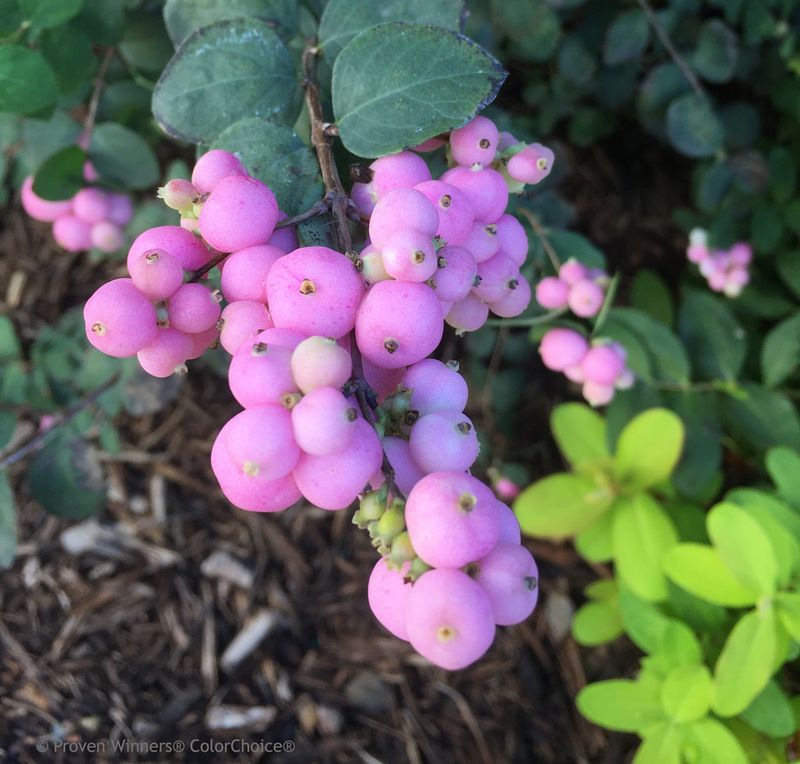
Dry shade ranks among the toughest growing spots in any yard, and many Missouri gardeners know that frustration well. Big oaks and maples soak up moisture and block sunlight, leaving bare dirt where grass once grew thickly.
Coralberry handles those conditions with grace, which explains why it thrives along wooded hillsides from Kansas City to Cape Girardeau. In the wild, it often grows beneath oak and hickory trees where few other shrubs can manage.
The plant also shrugs off heavy clay, rocky Ozark soils, and thin ground that turns hard in drought. Once established, it rarely needs extra watering, which saves time and lowers the water bill each summer.
Partial shade usually gives the best berry crop, since a few hours of sun help the fruit develop. Deep shade still works, though the shrub may produce fewer clusters and grow a bit more open.
Cold winters are no trouble either, because coralberry is hardy in USDA zones two through seven. Missouri, from the northern prairies to the southern bootheel, falls well within that range.
Deer browse the stems lightly, yet the shrub usually bounces back thanks to its sturdy root system. Powdery mildew sometimes dusts the leaves in humid weather, but it rarely causes serious harm to the plant.
If a shady strip under your trees looks bare this October, coralberry is a good plant to try there. Few plants add color and food to such a tricky spot with so little fuss.
Planting Tips For A Bird-Friendly Yard
Early October offers some of the best planting weather of the year, with warm soil and cool, comfortable air. Roots keep growing underground for weeks, so a coralberry planted now gets a head start before spring arrives.
Start by buying plants from a native nursery or a Missouri Department of Conservation seedling sale when available. Local sources usually offer plants adapted to regional weather, which helps them settle in faster and fruit reliably.
Dig a hole twice as wide as the root ball but no deeper, then loosen any circling roots gently. Backfill with the same native soil, since rich compost may discourage roots from spreading into surrounding ground.
Space plants about three to four feet apart, and they will knit together into a cozy thicket over time. Water deeply once a week until the ground freezes, then let winter rain and snow handle the rest.
Spread two inches of shredded leaf mulch around the base, keeping it a few inches away from the stems. Fallen leaves from your own trees work beautifully, and they shelter insects that birds search for in spring.
Pair coralberry with other natives like gray dogwood, American beautyberry, or eastern red cedar for layered food. Mixing plants that fruit at different times keeps birds visiting from early fall through the last cold weeks.
Skip pesticides around the planting, because birds rely on insects as well as berries for a balanced diet. With a little care this fall, your yard can become a dependable winter stop for feathered travelers.