Is Your Potting Mix Setting Up Root Rot? Here Are 8 Additions Missouri Gardeners Can Mix In Before Winter
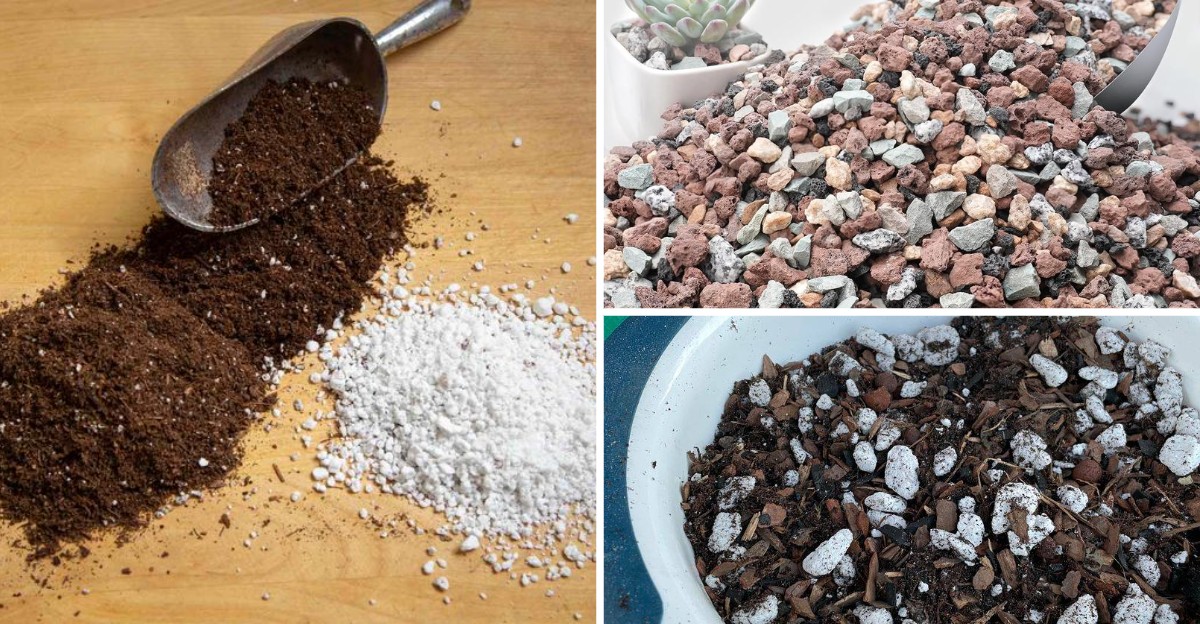
Roots need oxygen to breathe, and a soggy pot can starve them in just a few short days. Water molds like Pythium then move into those weak roots and turn them brown and mushy.
Fall in Missouri brings cooler nights, shorter days, and slower plant growth for most potted favorites. Slow roots drink less water, so a mix that stays wet can turn into a cold swamp.
A rosemary pot on my porch looked healthy on top all October long, but the roots underneath told a very different story. You’re in for a big surprise when you tip out a pot and smell sour soil.
Missouri gardeners can fix most heavy mixes with a few simple materials from the garden center. So which ones actually help your potted plants breathe easier through the long gray winter months ahead?
1. Perlite For Extra Air Pockets
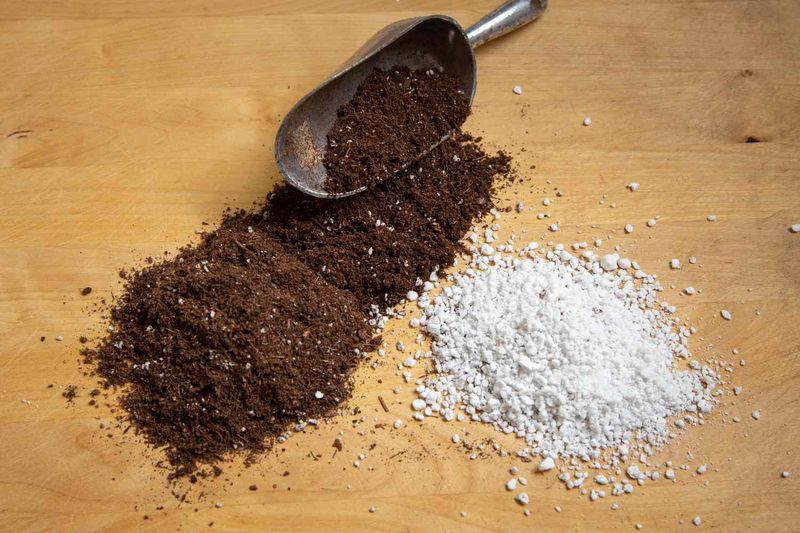
Those tiny white specks in bagged potting soil are perlite, a volcanic glass heated until it pops like popcorn. The puffed pieces are full of sealed air pockets, so they weigh almost nothing in your hand.
Mixed into soil, perlite props open small gaps between particles where water drains out and fresh air moves in. Roots grab oxygen from those gaps, which keeps them firm, white, and much less inviting to rot organisms.
Many extension guides suggest adding one part perlite to two or three parts potting mix for most houseplants. Succulents and cacti often prefer an even split, since they handle dry soil far better than wet soil.
Missouri gardeners bringing patio plants indoors this October can work perlite into the top few inches gently. For badly packed pots, a full repot with fresh, airy mix usually gives roots a better winter start.
Perlite does have one quirk that bugs plenty of people, because it floats to the surface after watering. A light layer of mix on top helps hold it down and keeps the pot looking tidy.
Dry perlite also makes fine dust, so wet it slightly before pouring and consider wearing a simple mask. Coarse grades create bigger air spaces than fine grades, which makes them the smarter pick for drainage.
I like how cheap and easy perlite is to find at nearly every hardware store or nursery. One big bag can refresh a whole windowsill of pots before the first hard freeze arrives outside.
2. Pumice For Drainage That Lasts
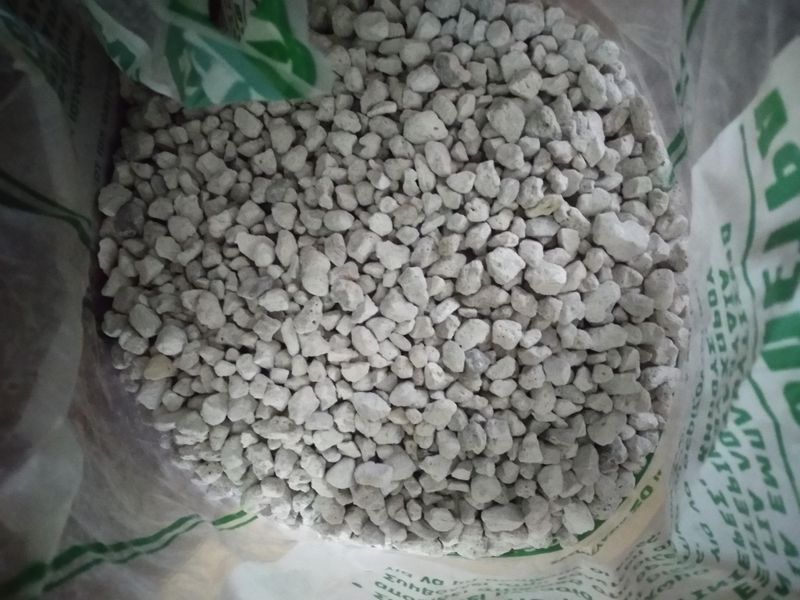
Gardeners who grow bonsai and succulents swear by pumice, and once you handle it the reason feels obvious. This light, gray volcanic rock is riddled with tiny holes that hold air and a little bit of water.
Unlike perlite, pumice is heavy enough to stay put, so it rarely floats up after a deep soak. It also resists crushing, which means the air spaces it creates hold steady for years instead of months.
Peat and bark slowly break down over time, and that breakdown makes many potting mixes dense and soggy. Pumice does not decompose, so it keeps working long after the organic parts of the mix have settled.
Your Missouri Garden Changes Every Week. Your Plan Should Too.
Gardening in Missouri changes quickly throughout the season. Every Friday you’ll receive a simple weekly plan showing exactly what to plant, prune, fertilize, harvest, and protect so you never miss the right timing.
Try blending about one quarter to one third pumice into regular mix for houseplants that hate wet feet. Cacti, jade plants, and aloes can handle half pumice or even more in a sunny Missouri window.
Look for pieces around one eighth to one quarter inch across, since fine powder can clog drainage spaces. A quick rinse in a kitchen strainer washes away dust and leaves clean, gritty chunks behind for potting.
Pumice can be harder to find locally, so many people order it online or check bonsai supply shops. Some farm stores sell it as a livestock stall product, though you should confirm it contains only pumice.
I believe pumice is worth the extra hunt for plants you plan to keep for many winters. It feels like setting up a sturdy foundation once instead of patching a soggy mix every single fall.
3. Orchid Bark For A Chunkier Texture
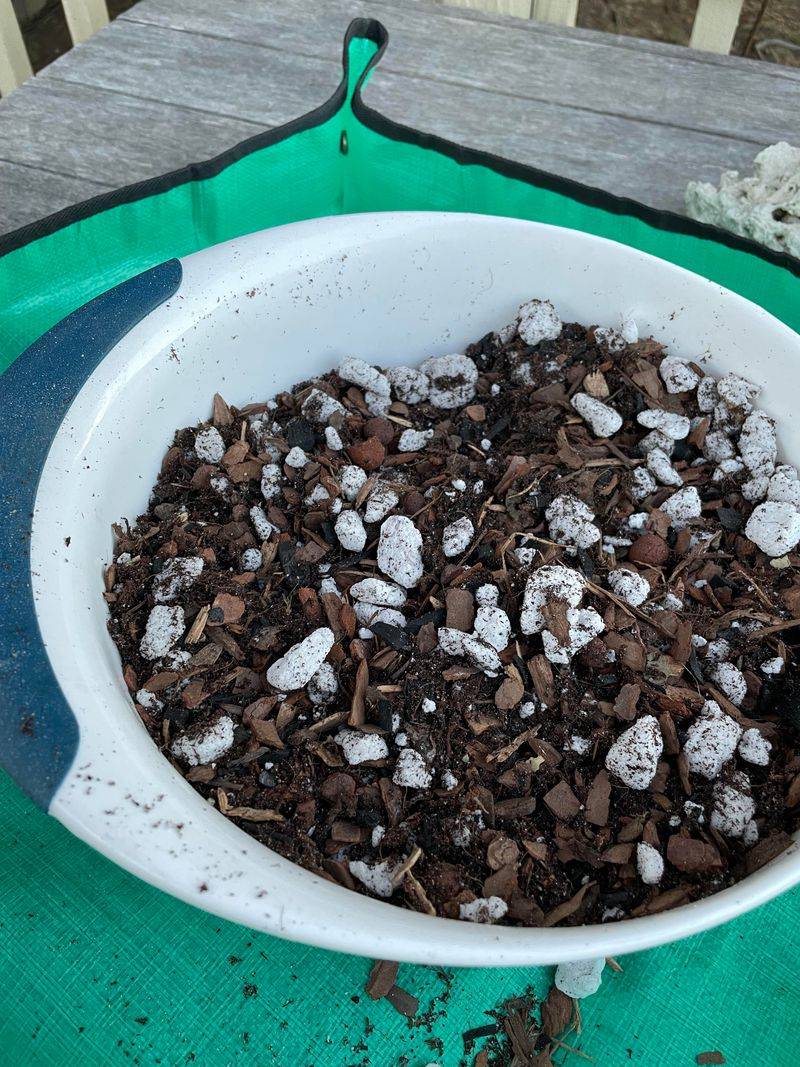
Many orchids in the wild cling to tree branches, with their roots dangling in open air and rain. That lifestyle explains why orchid growers pot them in chunky fir or pine bark instead of regular soil.
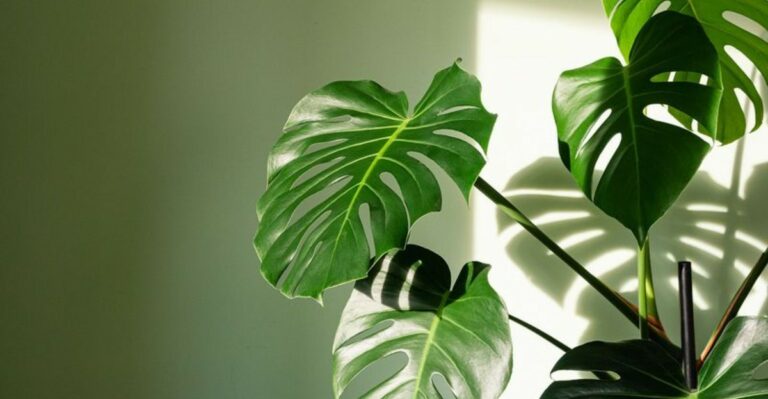
Those same chunks can help plenty of other houseplants, especially aroids like monstera, pothos, and philodendron. Bark pieces create big, irregular gaps in the pot, so water rushes through and roots get breathing room.
A popular homemade blend uses roughly equal parts potting mix, orchid bark, and perlite for climbing aroids. Your monstera will likely reward you with thicker roots that wrap happily around the rough, woody bits.
Bark does break down slowly, usually over a couple of years, so it eventually needs replacing with fresh pieces. Older bark turns soft and spongy, which slowly cancels out the airy structure you worked to build.
Dry bark can also repel water at first, so soak it in a bucket overnight before mixing. That simple step helps the chunks absorb moisture evenly and keeps fresh mix from drying into crusty patches.
Missouri homes often run dry furnace heat in winter, so bark mixes may need slightly more frequent checks. Poke a finger two inches down, and water only when that spot feels dry rather than cool and damp.
Small grade bark suits pots under eight inches, while medium chunks work better in big floor planters. Honestly, few things feel as satisfying as running your fingers through a loose, earthy, bark-filled mix.
4. Coarse Horticultural Grit For Heavier Stable Pots
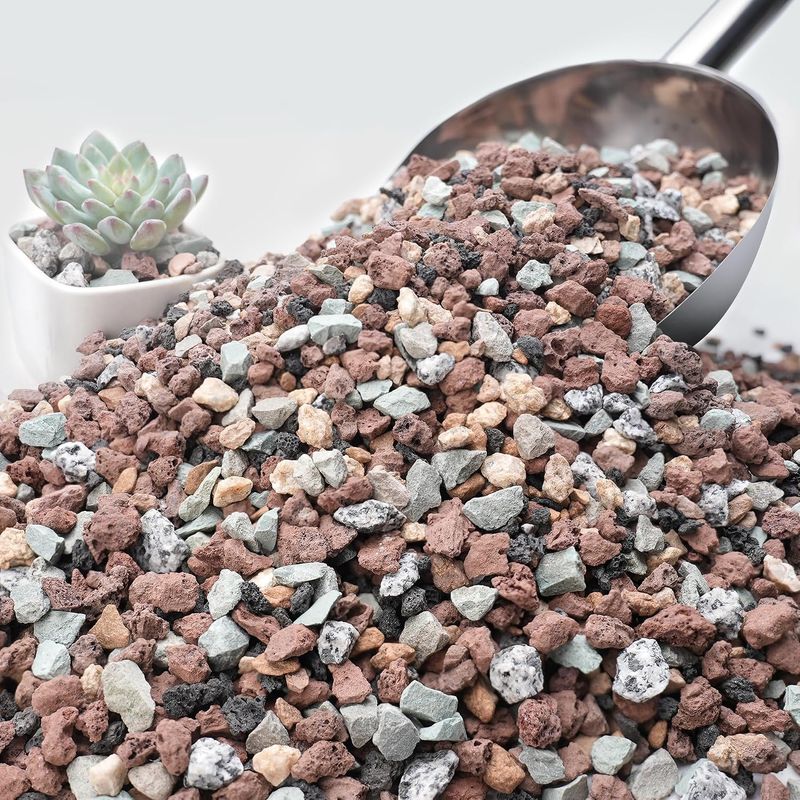
Tall snake plants love to tip over in lightweight pots, especially after a curious cat brushes past them. Coarse horticultural grit solves that wobble while also opening up the mix for better drainage and air.
Grit usually means small crushed stone, such as granite chips, poultry grit, or washed quartz gravel pieces. The sharp, angular edges keep particles from packing flat, which leaves channels for extra water to escape.
Skip fine play sand, because tiny grains can fill pore spaces and actually make drainage worse, not better. Extension experts warn about this mistake often, since sand plus fine soil can behave a lot like concrete.
Look for granite grit about the size of a lentil, which farm stores across Missouri often sell for chickens. Avoid oyster shell grit for most houseplants, since it adds calcium and can slowly raise the soil pH.
A blend of one part grit to three parts mix works nicely for snake plants, ZZ plants, and herbs. Cacti and other desert plants can take a much higher share, sometimes close to half the pot volume.
Rinse the grit before using it, because dusty stone can coat the roots and slow down drainage. Keep in mind that heavier pots are harder to move, so plan where they will sit all winter.
I can’t imagine potting a top-heavy plant without grit anymore, after cleaning up too many spilled pots. Extra weight at the base keeps the whole pot steady, which means fewer tipped pots and less disturbance for the roots.
5. Coco Chips For Moisture Without Sogginess
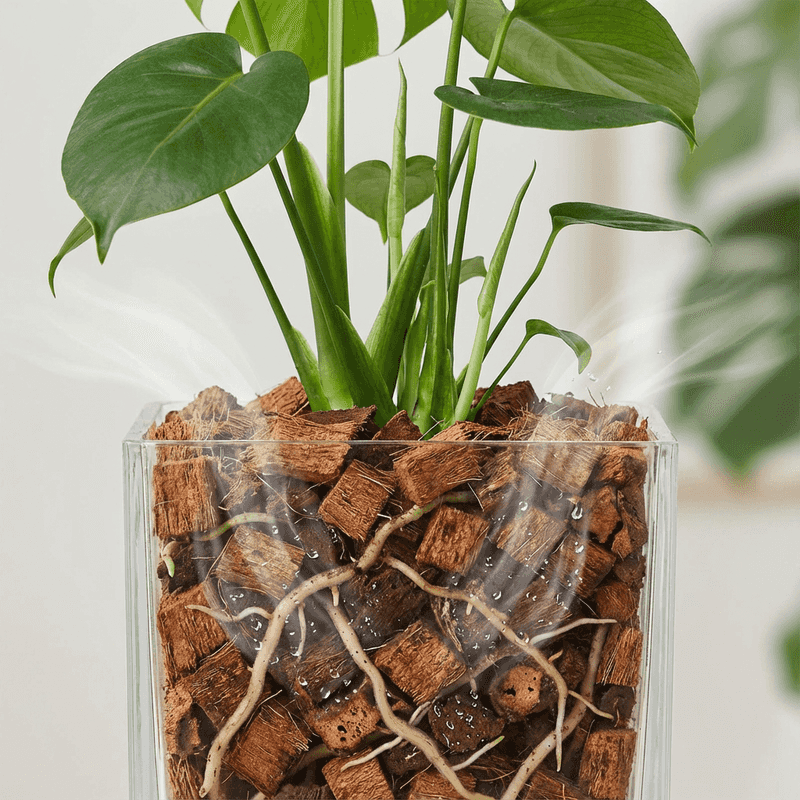
Coconut husks once ended up as farm waste, but now they show up in garden centers across the country. Coco chips are small chunks of that husk, and they bring a springy, open texture to potting mixes.
Each chip soaks up some water inside its fibers while leaving plenty of air between neighboring pieces. Roots get a steady sip of moisture without sitting in the wet, heavy muck that invites rot.
Coco also breaks down more slowly than peat, so the chunky structure tends to hold up longer. Many growers see it as a renewable option, since coconut husks come from an existing food crop.
You need to rinse coco chips well before using them, because some batches carry extra salts from processing. Look for bags labeled washed or buffered, which means the supplier has already reduced those salts for you.
Compressed bricks need a soak in warm water, and they swell into a fluffy pile within minutes. Kids love watching that part, so this can become a fun project on a chilly October afternoon.
Try mixing about one part chips into three parts potting soil for aroids, hoyas, and many tropical houseplants. Coco holds less natural nutrition than compost, so a light dose of balanced fertilizer helps in active growth.
Personally, I reach for coco chips when a plant wants moisture but sulks in a soggy pot. That balance feels tricky with plain soil, yet these little brown chunks handle it with surprising ease.
6. Parboiled Rice Hulls As A Lightweight Perlite Swap
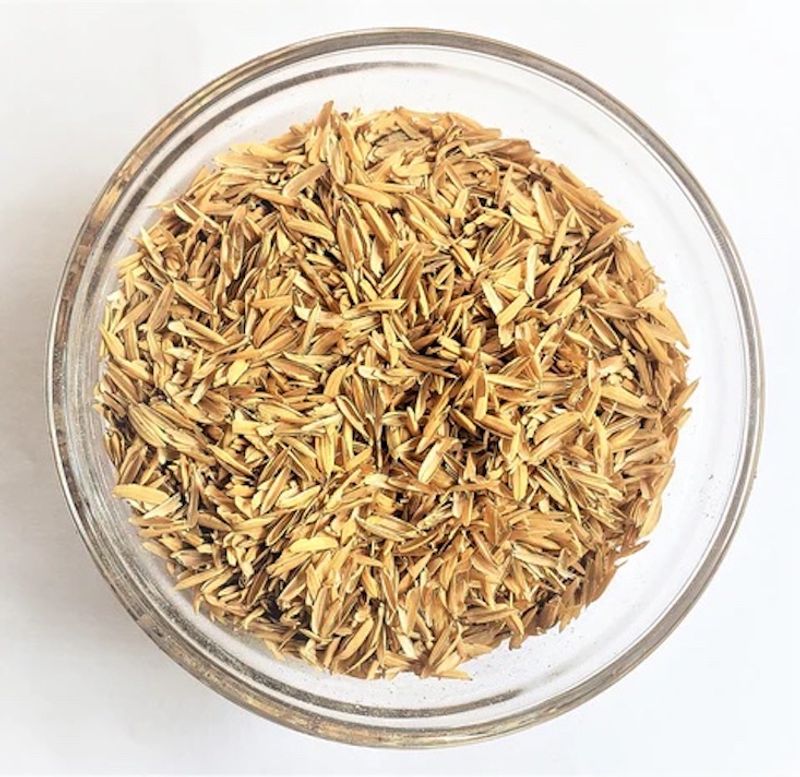
Rice farms leave behind mountains of papery hulls after harvest, and growers found a clever second job for them. Parboiled rice hulls are steamed to reduce weed seeds and germs, making them a handy perlite substitute.
Research from university greenhouse programs found hulls can improve drainage and air space much like perlite does. They weigh very little, so hanging baskets and big containers stay easy to lift and move indoors.
Missouri sits right next to Arkansas, the top rice producing state, so hulls are a fairly local product. Southeast Missouri grows plenty of rice too, which makes this swap feel even more like a hometown choice.
Hulls do break down over time, often lasting at least one growing season before they start to soften. That makes them a better fit for annual containers or plants you repot often, rather than long-term pots.
Use them at roughly the same rate as perlite, swapping in hulls for about a quarter of the mix. Because they hold slightly more water, you may need to water a bit less often than before.
One perk wins over many gardeners, since hulls make very little dust when you pour them from the bag. Like perlite, they can drift toward the surface after heavy watering, so a thin layer of mix on top helps hold them down.
It feels great to turn a farm leftover into something useful for my porch planters each fall. Ask local nurseries about bagged hulls, or search online for brands sold specifically for horticulture use.
7. Horticultural Charcoal For An Airy Structure
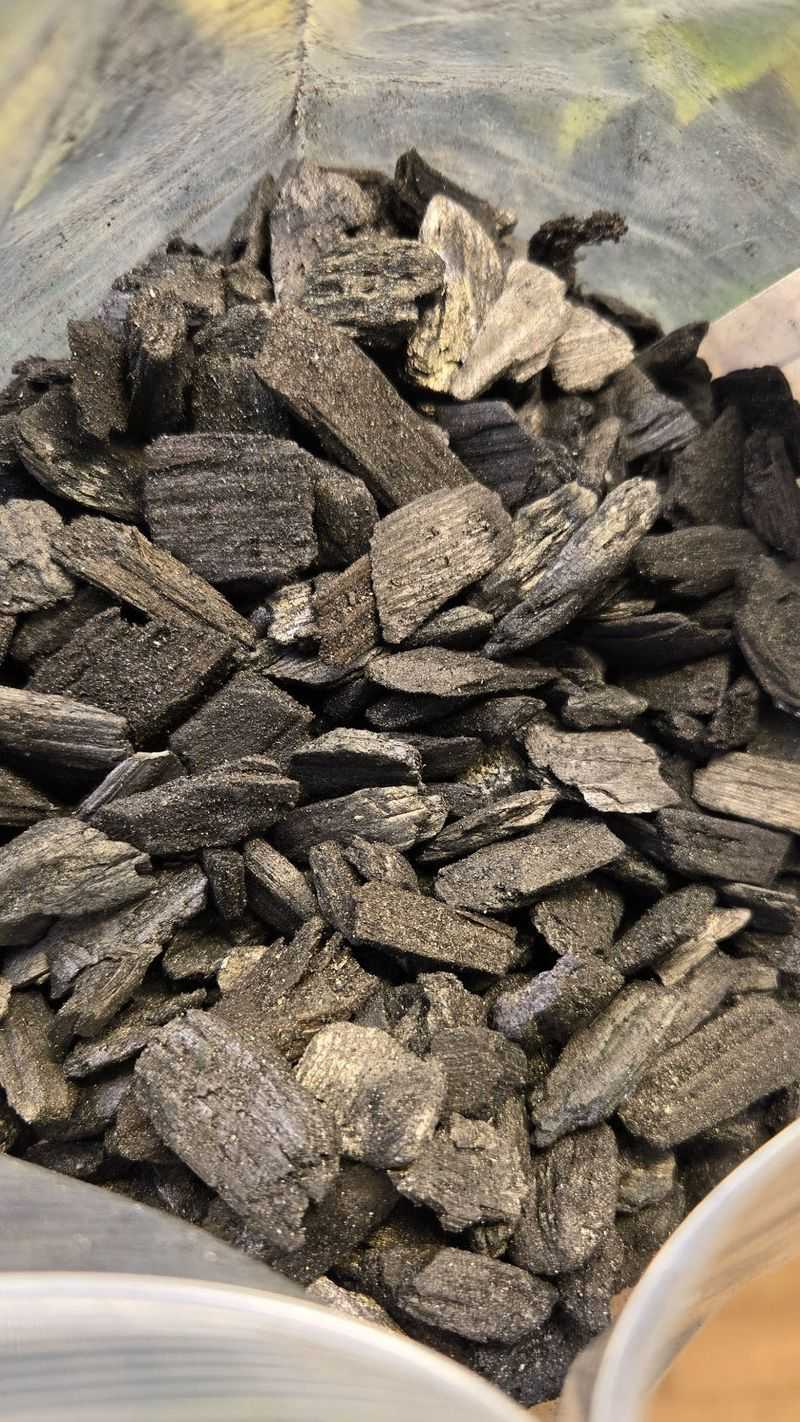
Old gardening books often claim charcoal sweetens soil, but the science behind that idea is still fairly thin. What charcoal does offer for sure is a chunky, porous texture that keeps potting mix light and airy.
Horticultural charcoal is wood heated with little oxygen, leaving behind black, lightweight pieces full of tiny pores. Those pores trap air and some moisture, while the irregular shapes stop soil from packing down tightly.
Some growers believe charcoal helps reduce odors or impurities, and it may help a little in closed terrariums. Still, extension specialists point out that structure and smart watering matter far more than any special powers.
Use only charcoal sold for plants, since grill briquettes contain binders and additives that roots should not touch. Activated charcoal from aquarium aisles also works, though it usually costs more for the same airy effect.
A modest scoop, around one tenth of the total mix, gives most houseplants a nice boost in texture. Orchid and aroid growers often add a bit more, pairing charcoal with bark for a loose, chunky blend.
Charcoal can be messy, so wear gloves and rinse the pieces outside before bringing them to the potting bench. October afternoons in the Midwest still offer plenty of mild hours for messy chores like this on the back porch.
Think of charcoal as a helpful supporting player rather than a miracle cure for every soggy pot. Paired with good drainage holes and careful watering, it can make winter care feel a lot less stressful.
8. LECA Clay Pebbles For Fast Drainage
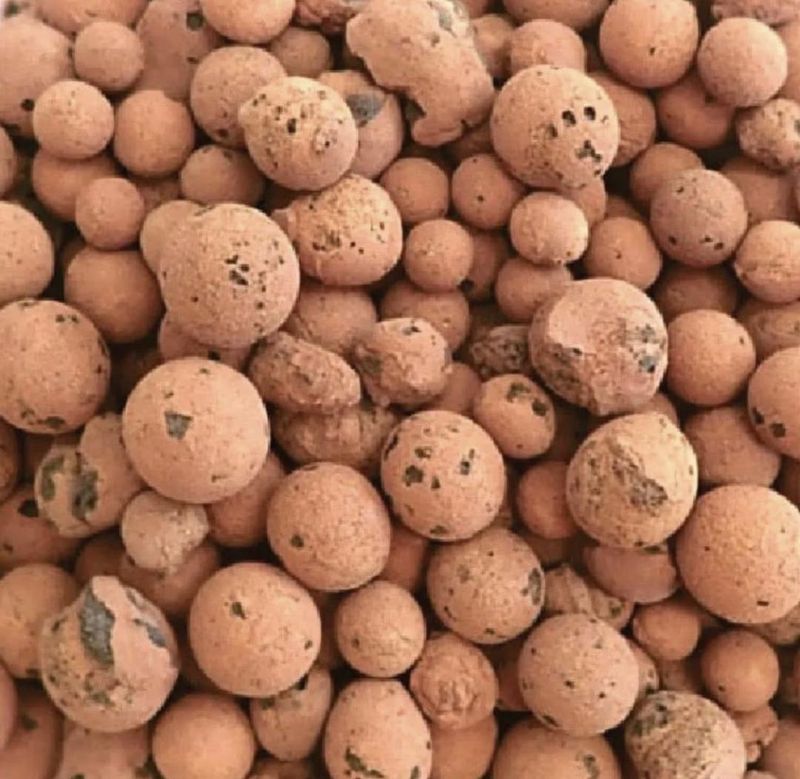
Those round, reddish brown balls in trendy plant shops are LECA, short for lightweight expanded clay aggregate. Clay gets fired in a hot kiln until it puffs up, creating hard pebbles packed with tiny air pockets.
Mixed into potting soil, LECA creates large gaps that let extra water rush straight out the drainage holes. The pebbles hold a small amount of moisture inside, then release it slowly as the surrounding mix dries.
A blend with about one quarter LECA suits peace lilies, calatheas, and other plants that struggle when soggy. Some people grow plants in pure LECA with water at the bottom, but that method takes careful transitioning.
One popular myth says a layer of pebbles at the pot bottom improves drainage for the soil above. Research shared by extension services shows that layer actually raises the wet zone, so mix LECA throughout instead.
Rinse new pebbles well, since the bag often holds red clay dust that can cloud water and clog gaps. LECA is reusable, so old pebbles can be scrubbed, soaked, and dried for another round of potting.
Missouri winters bring short days and cool windowsills, which slow water use and raise the risk of rot. Faster drainage from LECA gives you a little more wiggle room if you water a bit too much.
The pebbles cost more than perlite, but their long life helps balance out that higher price tag. Plus, a scattering of those warm, rusty orange balls makes any plain pot look a little more cheerful.