The Most Underrated Compost Ingredient North Carolina Gardeners Are Using This August
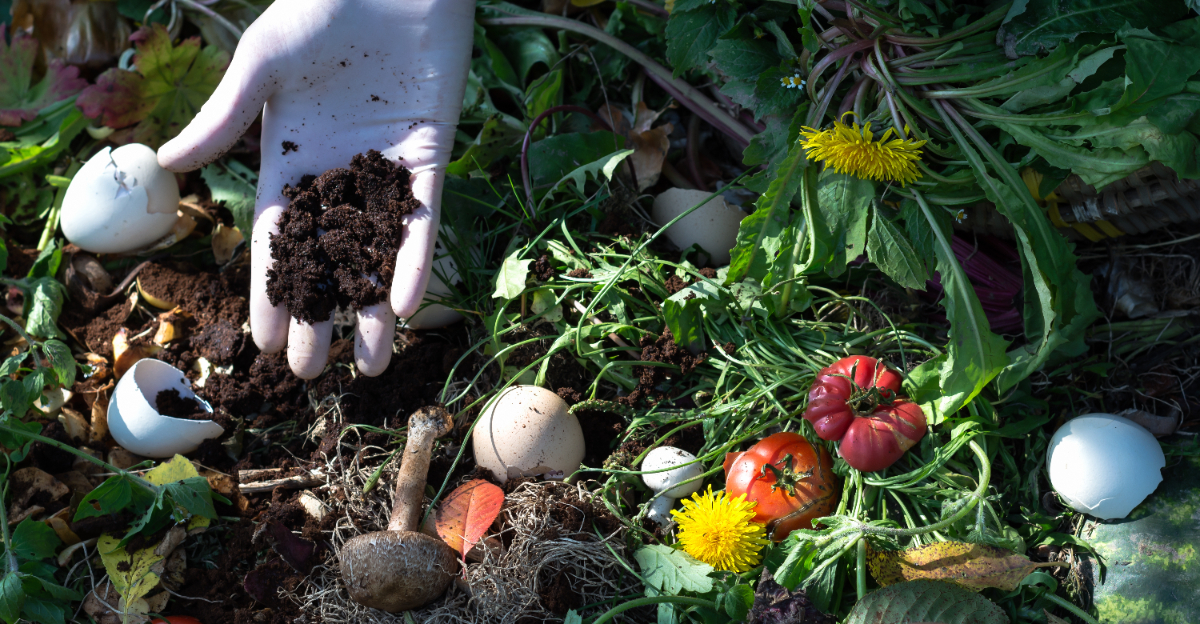
Something is stirring in backyard gardens across the state this August, and it starts with a habit already sitting in your kitchen sink. North Carolina gardeners are noticing their soil turn darker and richer almost overnight, long before autumn even arrives.
Tomatoes are fuller this season, peppers are heavier, and raised beds seem to breathe again. Neighbors are comparing notes over fences, all pointing to the same unlikely source.
This ingredient has been sitting on kitchen counters for generations, rinsed away without a second glance. Now it’s quietly becoming the difference between an average harvest and a standout one.
If your compost bin has been missing this addition, your entire gardening routine is about to shift for good. The change costs nothing extra and starts with something you already do every morning.
This Everyday Kitchen Scrap Is Doing More Than You Think
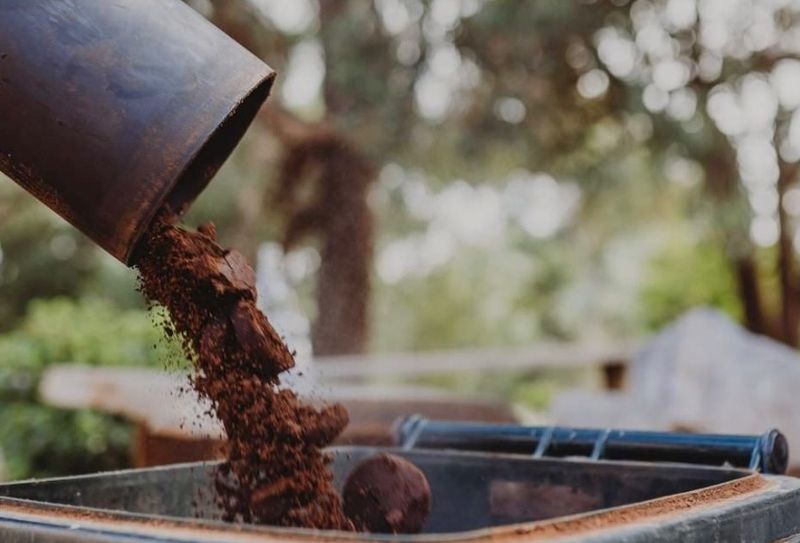
Your coffee maker quietly produces something your garden is craving every single day. That daily ritual is doing more for your soil than you might realize.
Used coffee grounds are one of the easiest wins for home gardeners looking to boost their compost pile. They are free, they are plentiful, and most people toss them without a second thought.
Grounds add organic matter to your compost pile fast. Organic matter is the backbone of healthy, living soil.
When you drop grounds into your bin, microbes get to work almost immediately. Those tiny organisms break everything down into nutrients plants can absorb.
August heat in the South speeds up that decomposition process even more. Your pile can turn into finished compost faster than you might expect.
Coffee grounds also have a slightly gritty texture that improves aeration inside the pile. Better airflow means a more active, efficient breakdown of all your materials.
Many North Carolina gardeners started experimenting with grounds after noticing their soil was compacted and lifeless. A few weeks of adding grounds changed the texture noticeably.
The results surprised even skeptical gardeners who had composted for years. Darker, crumblier, richer soil became the reward for this simple habit.
You do not need fancy equipment or special knowledge to get started. A simple bin, your daily grounds, and a little patience are all it takes.
This kitchen scrap deserves a permanent spot in your composting routine. Your plants will show you the difference by the end of the season.
Coffee Grounds Add A Fast Nitrogen Boost
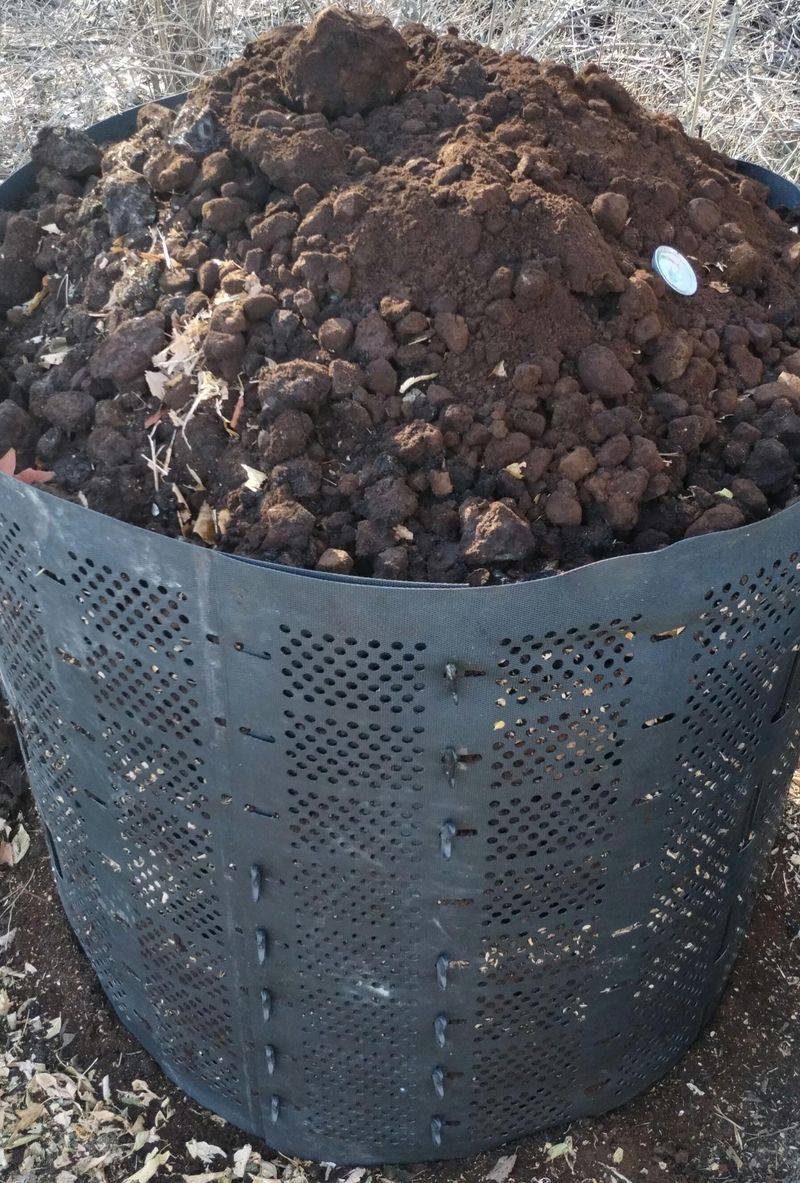
Nitrogen is the nutrient that makes plants grow fast and green. Without enough of it, your North Carolina garden looks tired and pale.
Coffee grounds are roughly 2 percent nitrogen by weight, which makes them a solid green material for any compost pile. That percentage might sound small, but it adds up quickly when you add grounds daily.
Green materials in composting are the nitrogen-rich inputs that feed microbial activity. Microbes need nitrogen to multiply and do their decomposing work.
More microbial activity means your pile heats up faster. A hot pile breaks down materials in weeks instead of months.
Your North Carolina Garden Changes Every Week. Your Plan Should Too.
Gardening in North Carolina changes quickly throughout the season. Every Friday you’ll receive a simple weekly plan showing exactly what to plant, prune, fertilize, harvest, and protect so you never miss the right timing.
August is actually a great time to add nitrogen-rich inputs because the ambient heat already supports faster decomposition. Grounds plus summer warmth is a powerful combination for your bin.
Gardeners growing heavy-feeding crops like corn, squash, and tomatoes benefit the most from nitrogen-boosted compost. Those plants pull nutrients from soil aggressively all season long.
Spreading finished compost made with coffee grounds around plant bases gives roots direct access to slow-release nitrogen. It feeds plants steadily rather than all at once.
Synthetic fertilizers can overwhelm plants with too much nitrogen too fast. Compost made with grounds delivers it gently and consistently over time.
This kitchen scrap also happens to be one of the most reliable nitrogen sources you can find for free. Brew your cup, save the grounds, and feed your garden something it will genuinely love.
They Help Keep Slugs And Snails Away
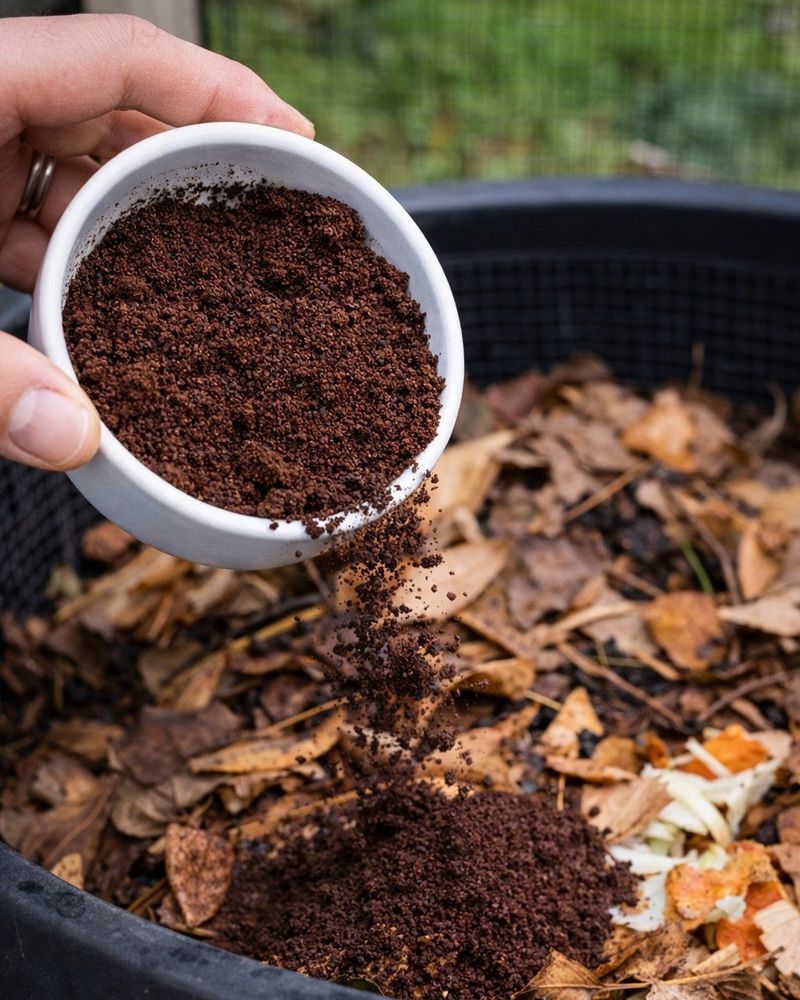
Slugs are sneaky. They come out at night and chew holes through your best leaves before you even know they are there.
Gardeners have noticed that a ring of coffee grounds around vulnerable plants seems to slow slugs down. The coarse, acidic texture appears to irritate their soft bodies.
While scientific research on this is still mixed, many experienced gardeners swear by it as a low-cost deterrent. Trying it costs you nothing extra if you are already composting grounds.
Snails behave similarly to slugs and seem equally put off by the gritty barrier. Placing a thin ring of grounds around seedlings creates a simple barrier.
Hostas, lettuce, and basil are especially attractive to slugs in humid summer gardens. These plants are worth protecting with every tool available to you.
August rain and warmth create peak slug conditions across the region. That makes this the exact right time to put grounds to work as a barrier.
Reapply the grounds after heavy rain since water washes them away quickly. Keeping the barrier fresh is key to maintaining any protective effect.
Combining grounds with other organic deterrents like crushed eggshells can strengthen the barrier further. Layering strategies tends to work better than relying on just one approach.
Even if the slug-deterrent effect is partial, you are still adding organic matter to your garden beds. Every handful of grounds does double duty when placed thoughtfully around your plants.
Balance Grounds With Carbon-Rich Materials Like Leaves
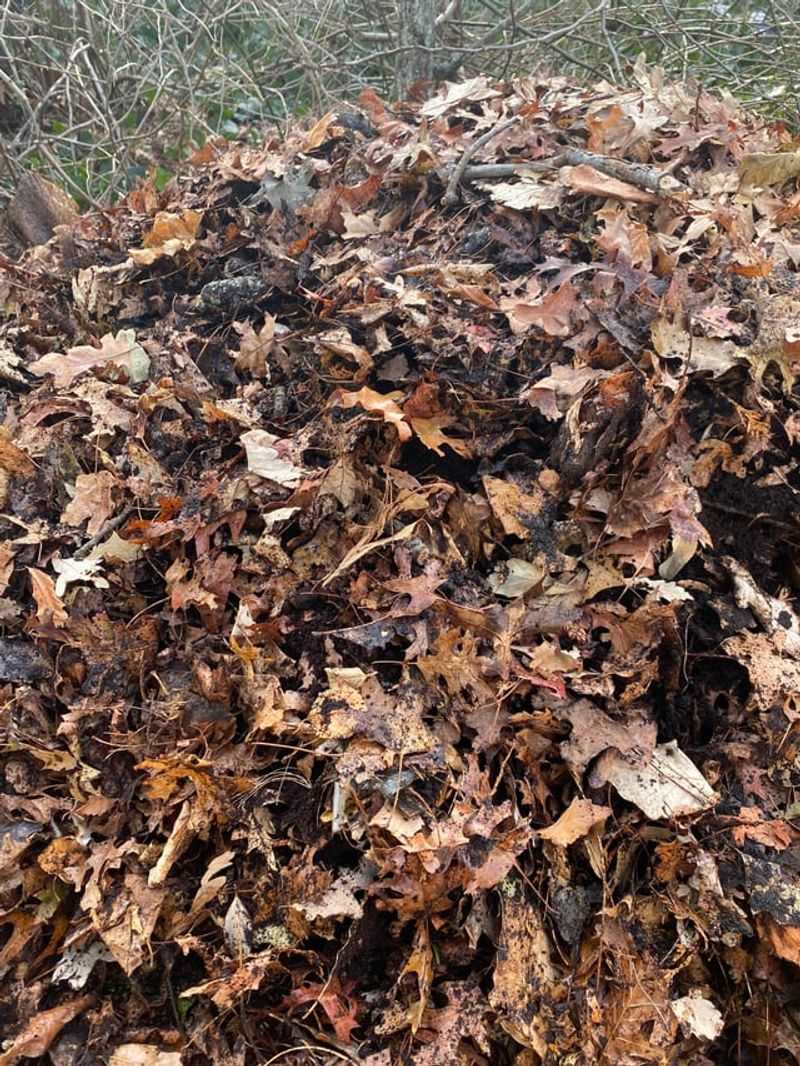
Too much of a good thing can still cause problems. Coffee grounds are no exception to that composting rule.
Adding too many grounds without balancing them can make your pile clump together and turn slimy. Clumped materials block airflow and slow decomposition dramatically.
Every compost pile needs a balance of green materials and brown materials. Grounds count as green, so they need brown partners to work properly.
Brown materials are carbon-rich inputs like dry leaves, cardboard, straw, and wood chips. Carbon feeds a different set of microbes that keep the pile airy and balanced.
A good starting ratio is roughly one part grounds to three parts brown material. Adjust based on how your pile looks and smells as you go.
August in the South means dry leaves may be harder to find than they are in fall. Saving a bag or two from last autumn gives you a ready supply all summer long.
Shredded cardboard boxes or torn paper bags work as excellent carbon sources when leaves are scarce. Break them into smaller pieces so they integrate into the pile more easily.
A well-balanced pile smells earthy, not sour or rotten. If your bin starts smelling off, add more brown material right away.
This everyday scrap only reaches its full potential when paired with the right balance of carbon. Getting that ratio right is the difference between a struggling pile and a thriving one.
Avoid These Common Coffee Grounds Mistakes
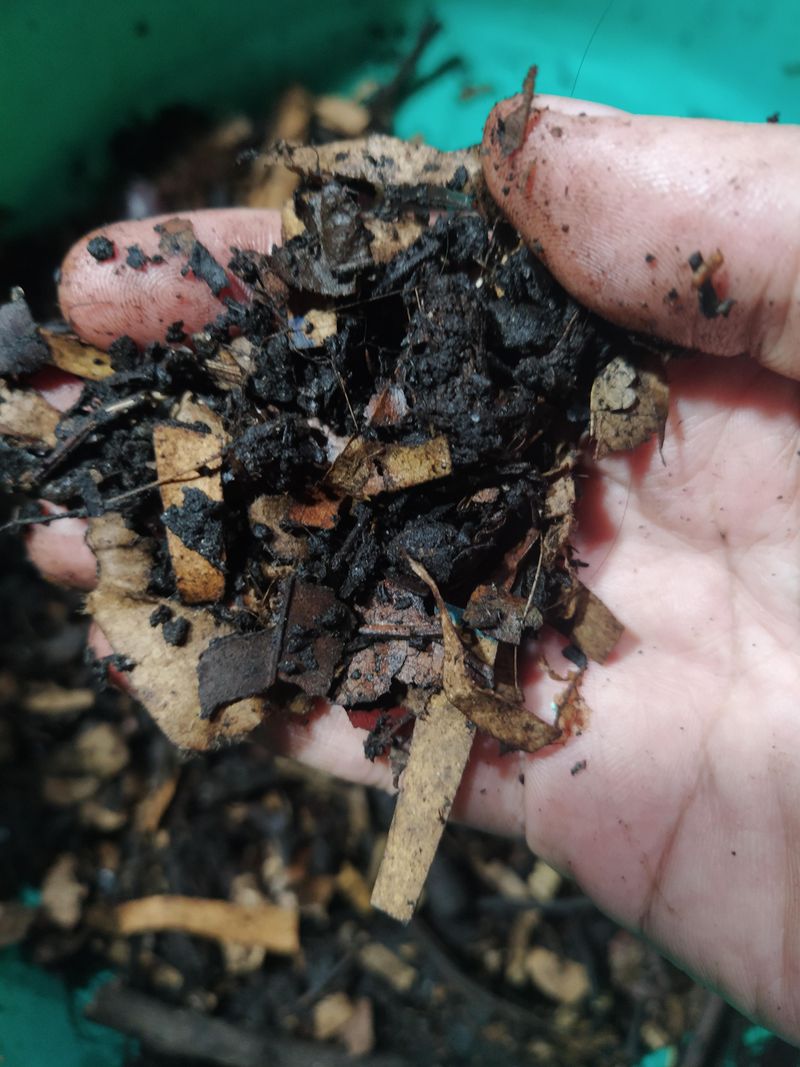
Enthusiasm is great, but a few easy mistakes can turn your composting efforts into a smelly, soggy mess. A little know-how goes a long way toward avoiding them.
One of the biggest errors is dumping a week’s worth of grounds all at once. Large clumps of grounds mat together and create anaerobic pockets that smell terrible.
Add grounds in small amounts every day rather than saving them up for one big addition. Frequent, small inputs integrate more smoothly into the pile.
Another mistake is assuming grounds are acidic enough to significantly lower soil pH on their own. Fresh grounds are mildly acidic, but composted grounds become nearly neutral over time.
Do not skip the turning step just because you added grounds. Turning the pile every few days keeps oxygen moving through all layers of material.
Some gardeners make the mistake of adding grounds directly to garden beds without composting them first. Raw grounds can irritate young roots and slow germination if they sit too close to seedlings.
Compost grounds fully before applying them directly around plant roots. Patience here protects your plants from nutrient deficiencies during the breakdown period.
Avoid using grounds from flavored coffees that contain added oils or artificial ingredients. Stick with plain, unflavored grounds to keep your compost clean and effective.
Composting is forgiving, but avoiding these pitfalls makes the whole process smoother. A few small adjustments keep your bin healthy and your North Carolina garden thriving all season.
A Simple Way To Start Collecting Them Today
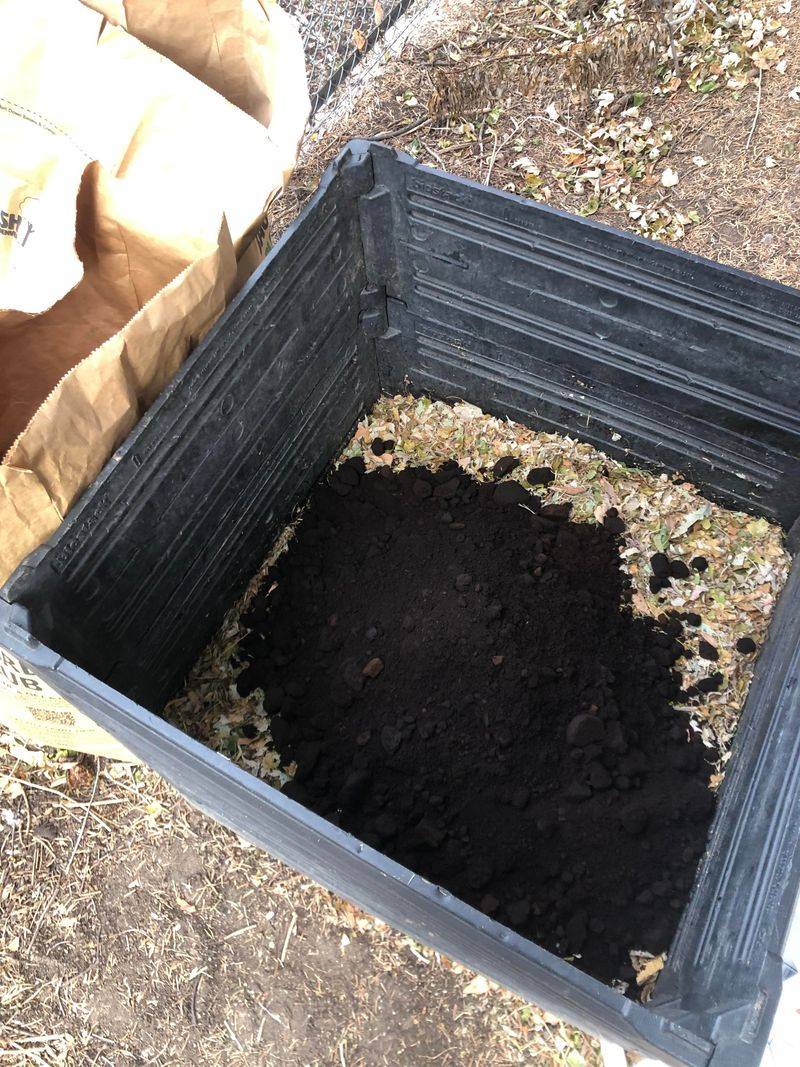
Starting a new habit does not have to be complicated. The simpler the system, the more likely you are to actually stick with it.
Place a small container right next to your coffee maker today. A bowl, a jar, or even a cleaned yogurt container works perfectly for collecting daily grounds.
Every morning after brewing, scrape the grounds directly into the container. When it fills up, carry it out to your compost bin and empty it in.
This two-step routine takes less than one minute and costs you nothing extra. Small habits like this add up to big results in the garden over time.
Ask friends, coworkers, or neighbors who drink coffee if they want to contribute their grounds. Many people are happy to hand them over when they know someone can put them to good use.
Local coffee shops are another excellent source for large quantities of grounds. Many shops bag up their used grounds and give them away free to anyone who asks.
Label your collection container so family members know what it is for. Getting everyone involved makes the habit easier to maintain consistently throughout the week.
Keep a tight lid on outdoor bins to prevent pests from being attracted to fresh grounds. A secure bin keeps your composting system clean and manageable.
This simple kitchen habit is already sitting right next to your coffee maker every single day. Start collecting it today, and your North Carolina garden will thank you long before summer ends.