The Best Crops To Plant After Radishes Finish In Oregon
Radishes are the speedy little overachievers of the Oregon garden. You plant them, blink a few times, and suddenly there is an empty patch of soil asking for its next job.
That open space is too useful to waste, especially in spring and early summer when the season still has plenty of growing time left.
The fun part is that radishes often leave behind a bed that is easy to replant fast. Their short season gives gardeners a chance to sneak in another harvest without starting a whole new garden project. But not every crop is a smart follow up.
Some will love the timing, while others may struggle once warmer weather starts pushing in.
Oregon gardeners can get more food out of the same bed by choosing the next crop with care.
A finished row of radishes is not the end of the story. It is more like the garden handing you a bonus round.
1. Arugula Keeps The Harvest Moving Quickly
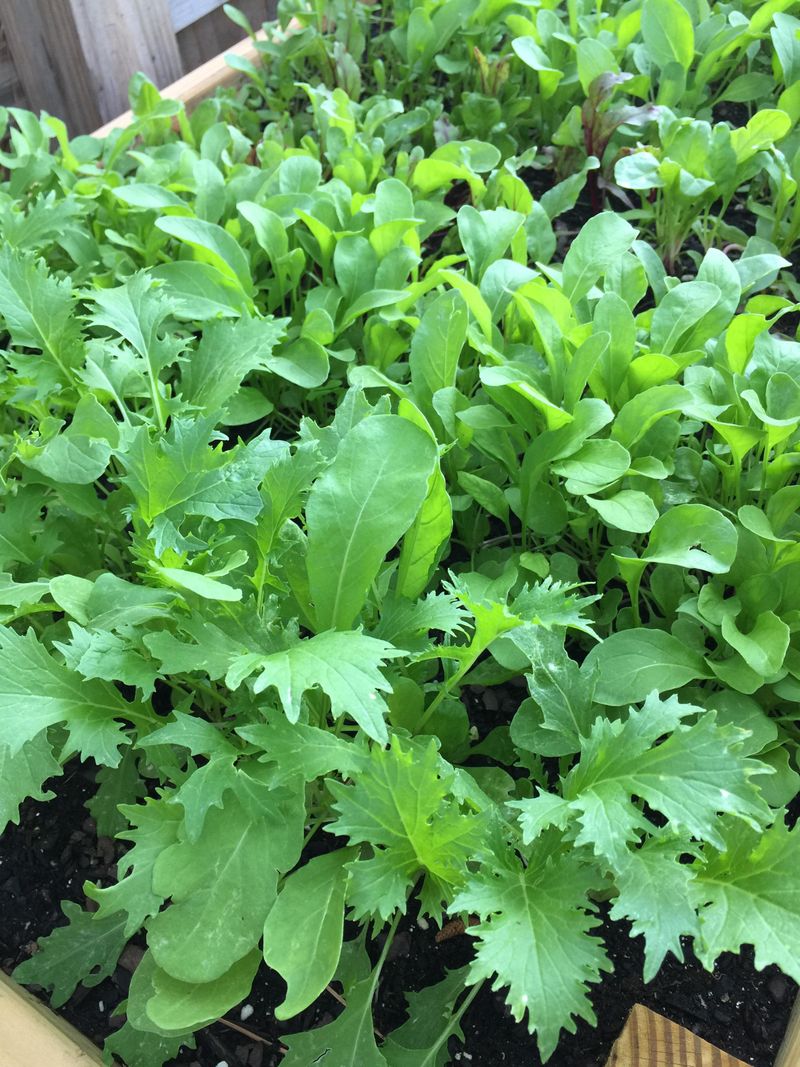
Few crops can match arugula when it comes to speed. From seed to salad bowl, this peppery green can be ready in as little as 21 days.
That makes it one of the smartest choices to follow radishes when you want to keep the harvest going without a long wait.
Arugula loves cool weather, which lines up perfectly with the conditions you get in this state after a spring radish harvest.
It handles light frost without much trouble, so even if temperatures dip unexpectedly, your plants will likely bounce back. The loose soil left by radishes also gives arugula roots an easy path to grow.
You can direct sow arugula seeds right into the same bed where your radishes were growing.
No transplanting is needed. Just rake the soil lightly, scatter the seeds, and water them in. Thin the seedlings to about four inches apart once they sprout.
Arugula does best in partial shade during warmer spells. If summer heat arrives early in your area, a shade cloth can extend your harvest by a few extra weeks before the leaves turn too bitter.
Succession planting every two weeks gives you a steady supply all season long. Harvest outer leaves first to encourage the plant to keep producing.
It has a bold, slightly spicy flavor that works great in salads, on sandwiches, or tossed into pasta dishes right before serving.
2. Bush Beans Make Great Use Of Warmed Soil
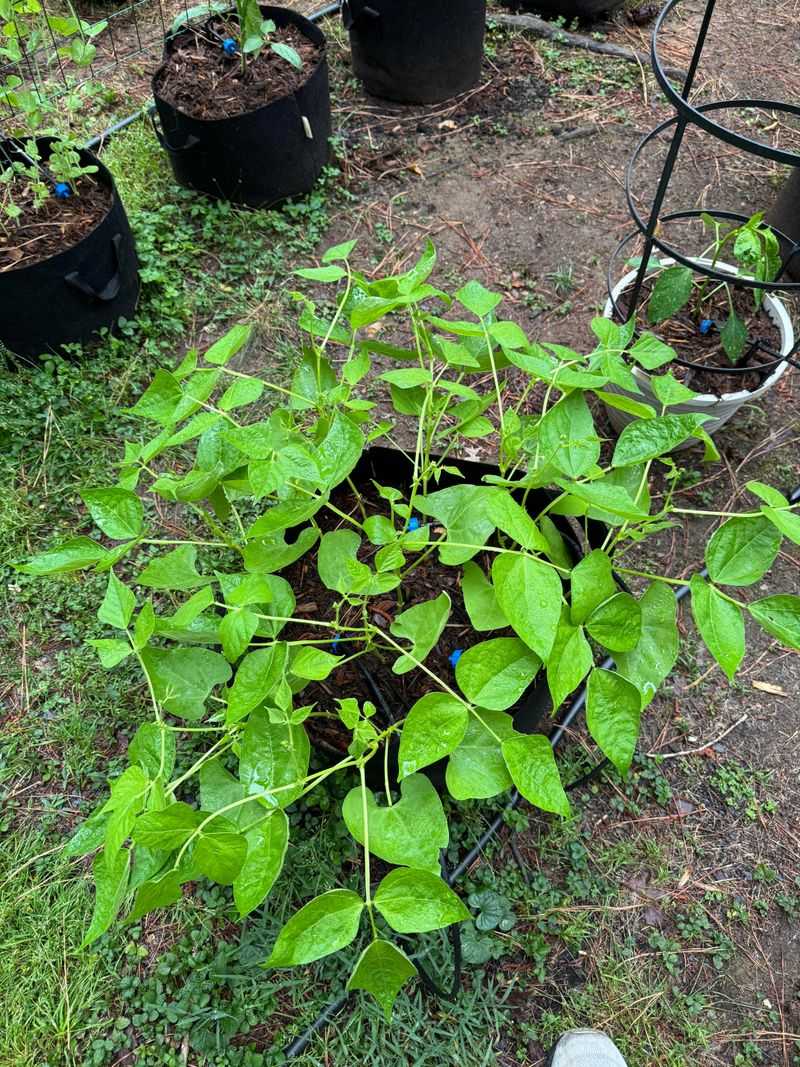
By the time your radishes finish in late spring or early summer, the soil temperature in most parts of this state has climbed to a range that bush beans absolutely love.
Bush beans need soil temps of at least 60 degrees Fahrenheit to germinate well, and that is usually right where things land after a full radish season.
Unlike pole beans, bush varieties do not need a trellis or support structure. They grow in a compact, low mound shape and tend to produce their entire harvest within a few weeks. That predictable timeline makes them easy to plan around in a garden rotation.
Your Oregon Garden Changes Every Week. Your Plan Should Too.
Gardening in Oregon changes quickly throughout the season. Every Friday you’ll receive a simple weekly plan showing exactly what to plant, prune, fertilize, harvest, and protect so you never miss the right timing.
Planting is simple. Sow seeds about one inch deep and four to six inches apart in rows. Bush beans prefer full sun and consistent moisture.
They are not heavy feeders, so the soil left after radishes is usually fertile enough without adding much extra compost.
One thing to keep in mind is that beans fix nitrogen in the soil through their roots. That means planting them after radishes actually helps build soil health for whatever you grow next.
It is a natural way to improve your garden bed over time without reaching for fertilizer. Expect your first harvest around 50 to 60 days after planting.
Pick pods when they are firm and snap cleanly. Regular picking encourages more production and keeps plants from putting all their energy into seed development too early.
3. Beets Give You Roots And Greens
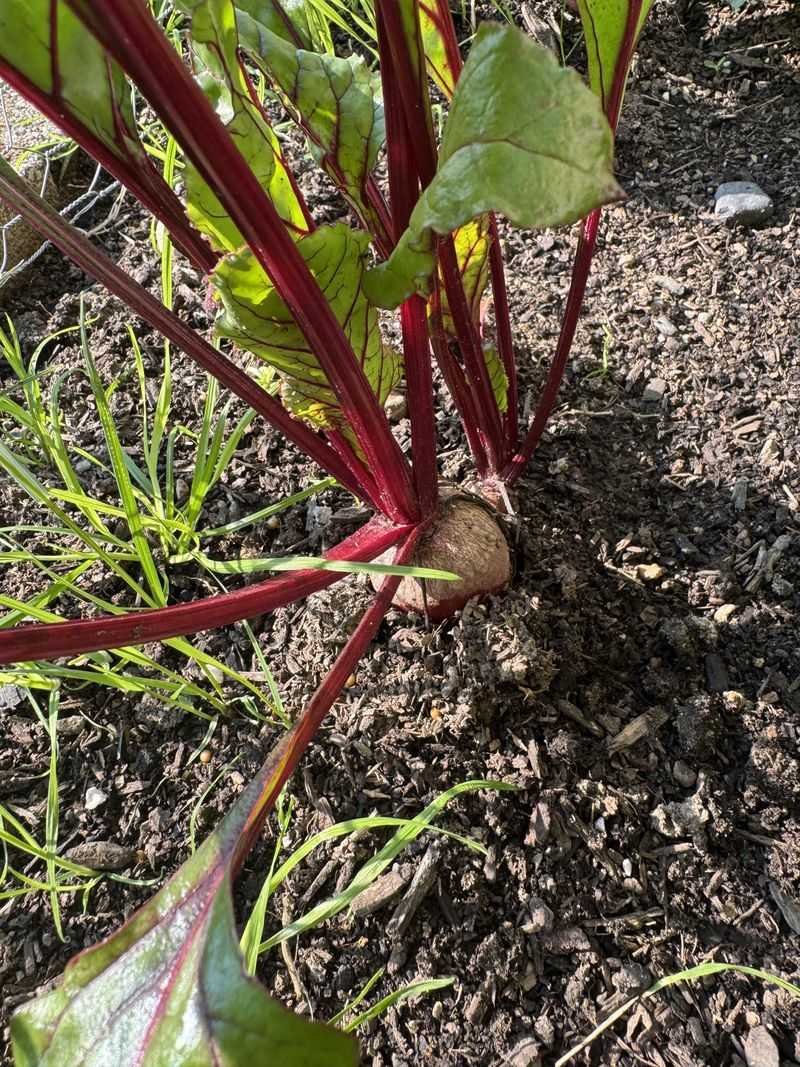
There is something genuinely satisfying about a crop that gives you two harvests in one. Beets do exactly that.
You get the sweet, earthy roots underground and a steady supply of tender greens above ground, all from the same plant and the same garden space.
After radishes finish, beet seeds can go right into the ground. They prefer cool to mild temperatures, which makes them a natural fit for spring or early fall planting in this state.
The loose, well-drained soil that radishes leave behind helps beet roots develop evenly without cracking or forking.
Sow beet seeds about half an inch deep and two inches apart. Once seedlings reach a few inches tall, thin them to about three to four inches of spacing. The thinnings are edible and taste great sauteed with a little olive oil and garlic.
Beets take roughly 55 to 70 days to mature depending on the variety. Golden beets tend to be milder and sweeter, while red varieties like Detroit Dark Red are classic and reliable.
Chioggia beets have a beautiful striped interior and hold their color well when roasted. Water consistently to avoid the roots splitting.
Mulching around the plants helps retain moisture and keeps the soil temperature stable during warm stretches.
Beet greens can be harvested at any point during the growing season without hurting root development, as long as you leave a few leaves on each plant.
4. Carrots Slide Into Loose Radish Soil
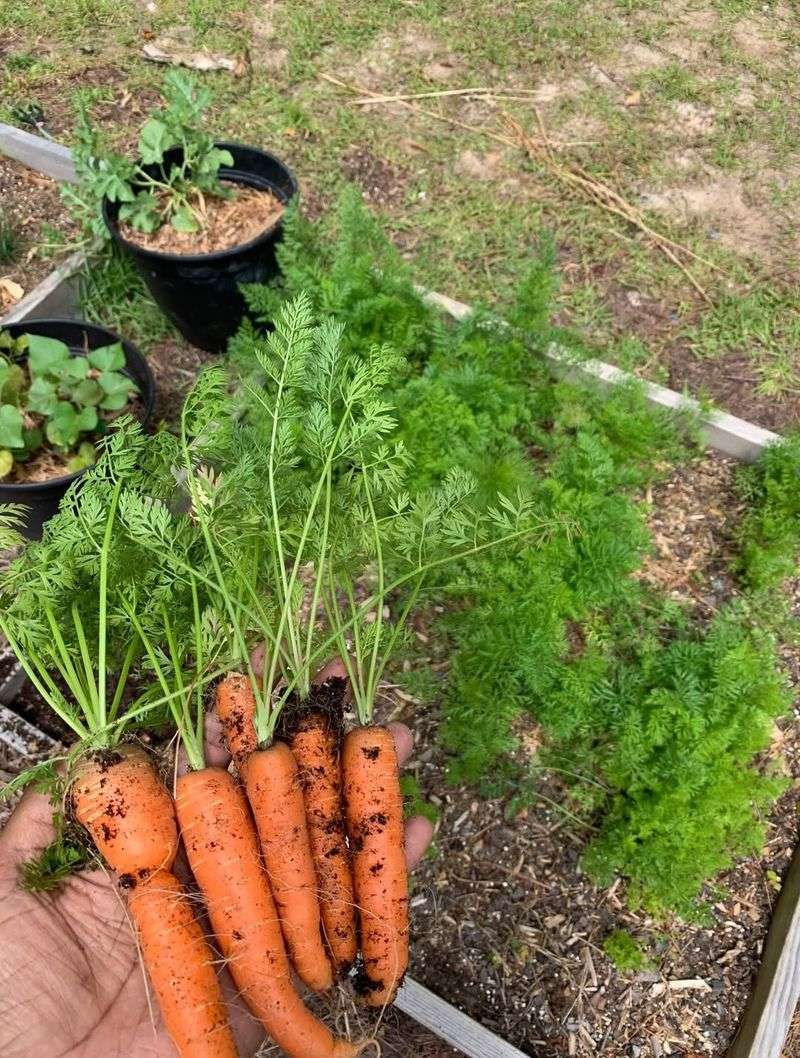
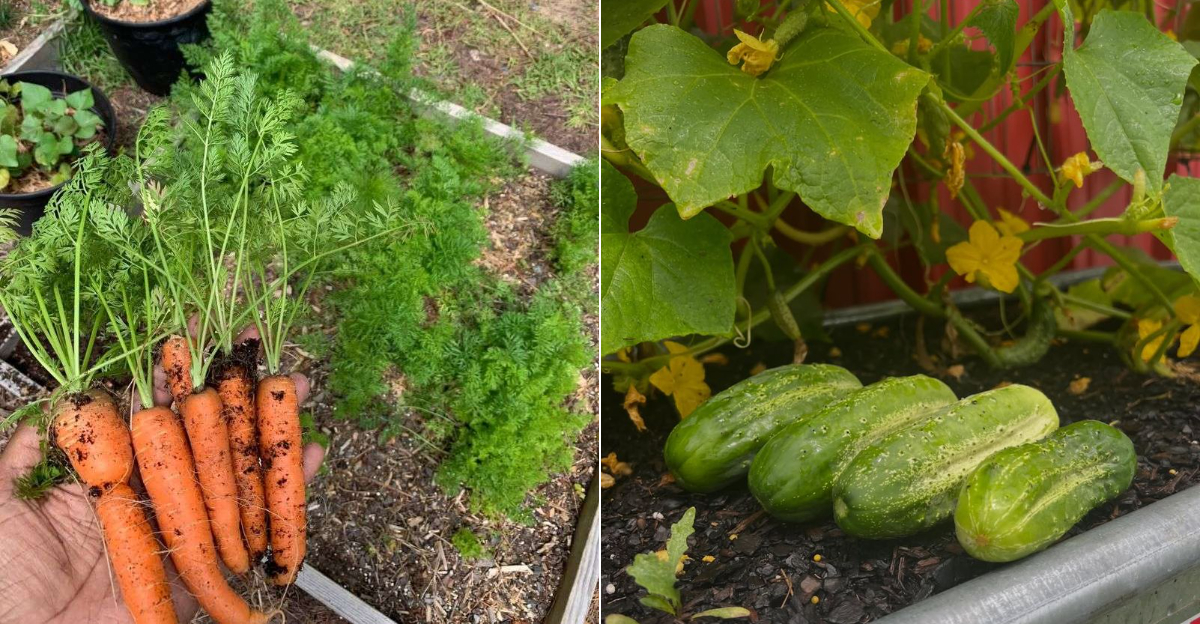
Carrots and radishes have a long history together in the garden world. Many gardeners actually plant them side by side because radishes break up the soil as they grow, making it easier for carrot roots to push downward without resistance.
Once the radishes are pulled, that same loose soil becomes an ideal planting bed for carrots. Compact, well-aerated soil is exactly what carrots need to grow straight and smooth. Hard or rocky ground causes them to fork, twist, or stunt.
The loosened texture left behind by a radish harvest removes that problem almost entirely, giving you a head start without any extra prep work.
Sow carrot seeds directly into the bed about a quarter inch deep. Because the seeds are so small, mixing them with a little sand before sowing can help spread them more evenly.
Keep the soil surface consistently moist until germination, which usually takes one to three weeks.
Thin seedlings to about two inches apart once they are established. Crowded carrots compete for space and often grow poorly shaped roots. Thinning feels a little wasteful, but it makes a real difference in your final harvest.
Most carrot varieties take 70 to 80 days to mature. Shorter varieties like Danvers or Nantes work especially well in this state where soils vary from sandy to clay-heavy depending on your region.
A light frost actually improves carrot flavor by converting starches into sugars, so fall-planted carrots often taste better than spring ones.
5. Green Onions Fit Into Small Open Spaces
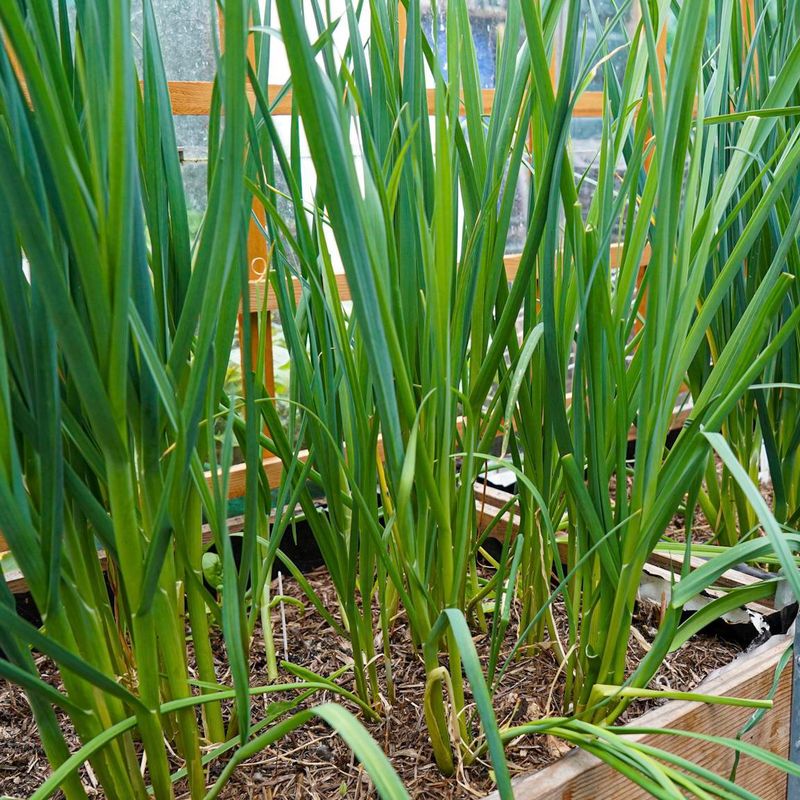
Not every garden has wide open rows to fill after radishes finish. Sometimes you have narrow strips, corner spots, or the edges of raised beds with just a little room to spare.
Green onions, also called scallions, are perfectly designed for exactly those kinds of tight spaces.
They grow upright with almost no spread, which means you can tuck them into spots where other crops would crowd each other out.
Spacing them about two inches apart in a row gives each plant enough room to develop well without competing. That compact growth habit makes them one of the most space-efficient crops you can add to a post-radish bed.
Sow seeds about a quarter inch deep or plant sets if you want a faster start. Green onions prefer full sun but will tolerate partial shade better than most vegetables.
They grow well in the mild, moist conditions common across much of this state, especially in spring and fall.
Most varieties are ready to harvest in about 60 days from seed or as few as 30 days from sets.
You can harvest the whole plant or just snip the tops and let them regrow. That cut-and-come-again method works really well for extending your supply without replanting.
Green onions are low-maintenance and rarely need fertilizing if your soil is reasonably healthy.
They also have a mild pest profile, which means less time managing problems and more time enjoying a steady, reliable harvest throughout the growing season.
6. Swiss Chard Keeps Producing For Months
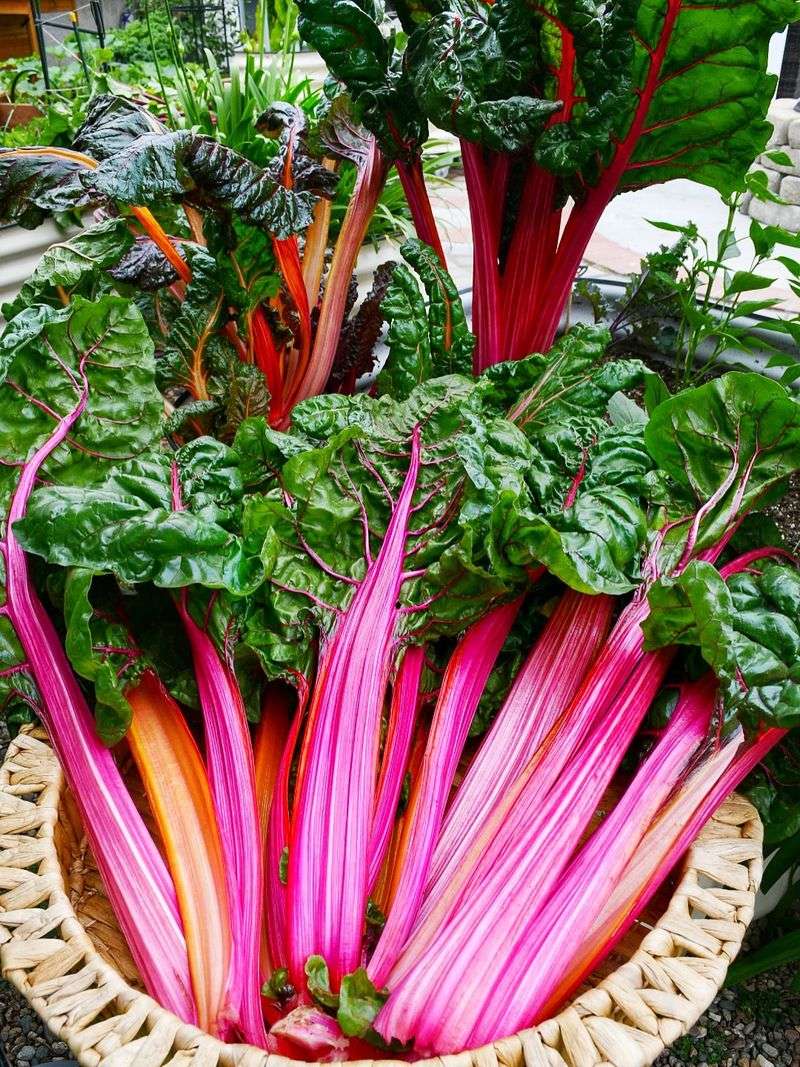
Once you plant Swiss chard, it tends to stick around and keep giving. Unlike many vegetables that offer a single harvest window, Swiss chard produces continuously for months when managed well.
That long production period makes it one of the most valuable crops you can put in after radishes.
It handles a wide range of temperatures, from cool spring weather all the way through the heat of summer and back into fall.
That flexibility is a big advantage in this state, where weather can shift unexpectedly depending on your region and elevation. Swiss chard rarely complains about the conditions the way more sensitive crops do.
Plant seeds about half an inch deep and six inches apart. You can also transplant starts if you want a quicker setup.
Swiss chard prefers full sun but grows decently in partial shade, making it a flexible option for beds that do not get all-day light.
Harvest outer leaves once they reach about six to eight inches tall. Leave the inner leaves and the central growing point intact so the plant can keep producing.
Regular harvesting actually encourages more leaf growth rather than slowing the plant down.
The colorful stems of varieties like Rainbow Chard or Bright Lights add a visual pop to your garden that most vegetables simply cannot match.
Beyond looks, Swiss chard is packed with vitamins and minerals. It works well sauteed, added to soups, or used fresh in grain bowls and wraps.
7. Kale Works Well For A Second Cool-Season Crop
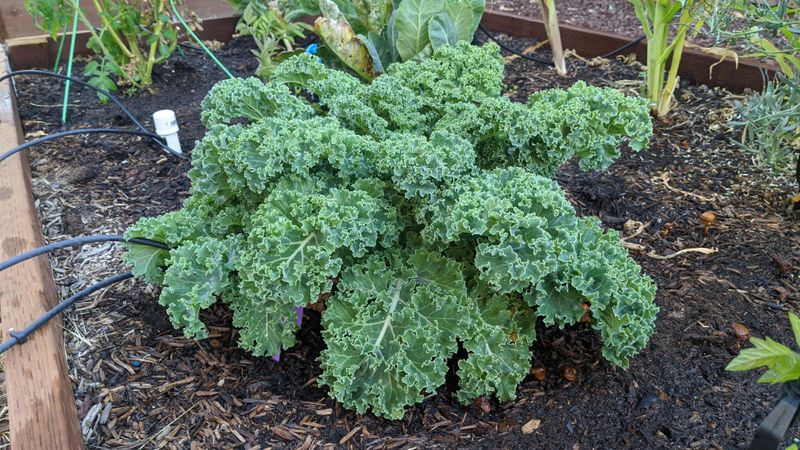
Kale has built a strong reputation in Pacific Northwest gardens for good reason. It is cold-hardy, highly nutritious, and capable of producing well into the winter months in many lower-elevation parts of this state.
Planting it after radishes finish in late spring or early summer sets it up perfectly for a long fall and winter harvest.
The timing works out nicely. Radishes wrap up in mid-to-late spring in most areas, and kale transplants or direct-sown seeds can go in right after.
By the time cooler fall temperatures arrive, your kale plants will be well established and ready to deliver a steady supply of leaves for months.
Kale does best with full sun and consistent watering. Space plants about 18 inches apart to give each one room to develop fully.
Crowded kale tends to produce smaller leaves and is more prone to pest pressure, especially from aphids and caterpillars.
Lacinato kale, also called Dinosaur kale, is a popular choice for this state because of its strong cold tolerance and rich, slightly nutty flavor.
Curly kale varieties are also reliable and tend to hold up well through wet winters. Both work great in soups, roasted dishes, or massaged raw into salads.
A light frost actually sweetens kale leaves by breaking down some of the bitterness. Many gardeners consider fall and winter kale to taste significantly better than summer harvests. That improved flavor is one of the most rewarding surprises this crop has to offer.
8. Cilantro Gives A Quick Herb Harvest Before Heat Builds
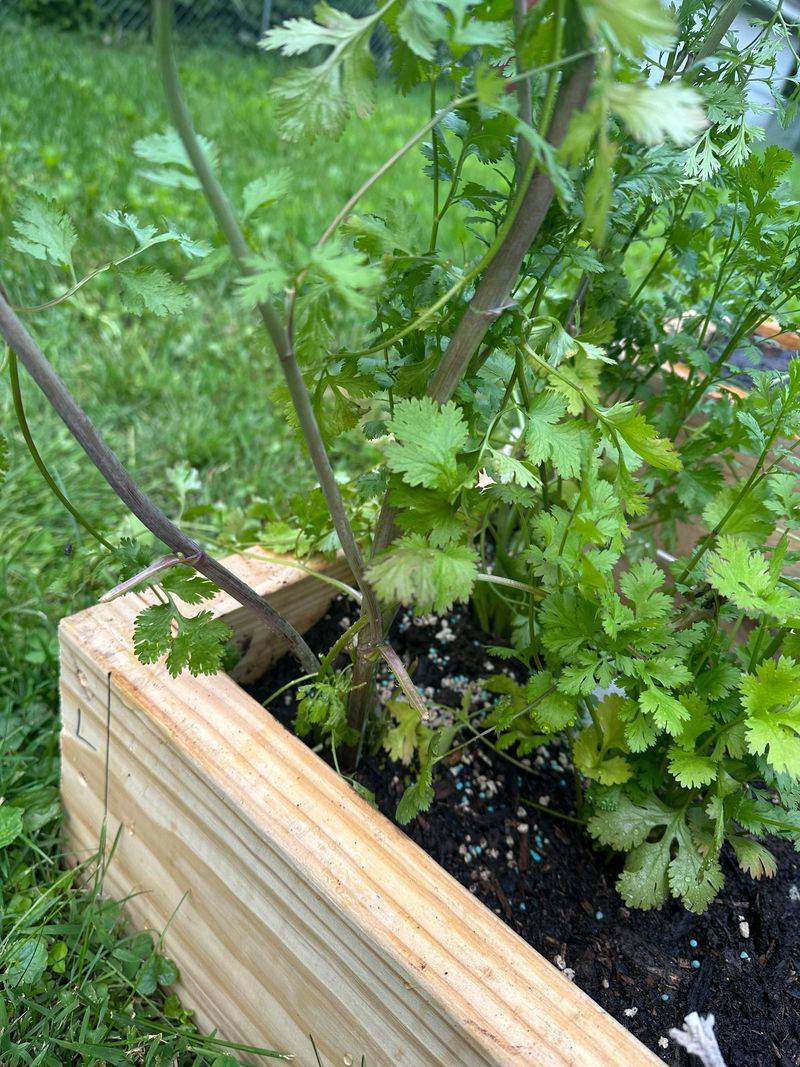
Cilantro is a sprinter in the herb garden. It germinates fast, grows quickly, and reaches harvest size in as little as three to four weeks.
That speed makes it a natural fit for the window between your last radish pull and the arrival of summer heat, which causes cilantro to bolt and go to seed rapidly.
Cool, moist spring conditions are exactly what cilantro thrives in, and those conditions are common across much of this state from late March through May.
Planting it right after radishes finish takes advantage of that window before temperatures push too high for the herb to perform well.
Scatter seeds directly onto the bed surface and press them lightly into the soil. Cilantro does not transplant well, so direct sowing is the best approach. Keep the soil consistently moist during germination, which usually takes seven to ten days.
Thin seedlings to about four to six inches apart once they are up. Crowded plants tend to bolt faster than those with good air circulation and space. Providing a bit of afternoon shade can also help delay bolting during warmer spells.
Harvest leaves regularly from the outer stems to slow the plant’s rush toward flowering. Once it does bolt, the white flowers attract beneficial insects to your garden.
Even better, the seeds that form after flowering are coriander, another useful spice you can collect and use in cooking or save for replanting later in the season.
9. Cucumbers Can Take Over Once Radishes Are Gone
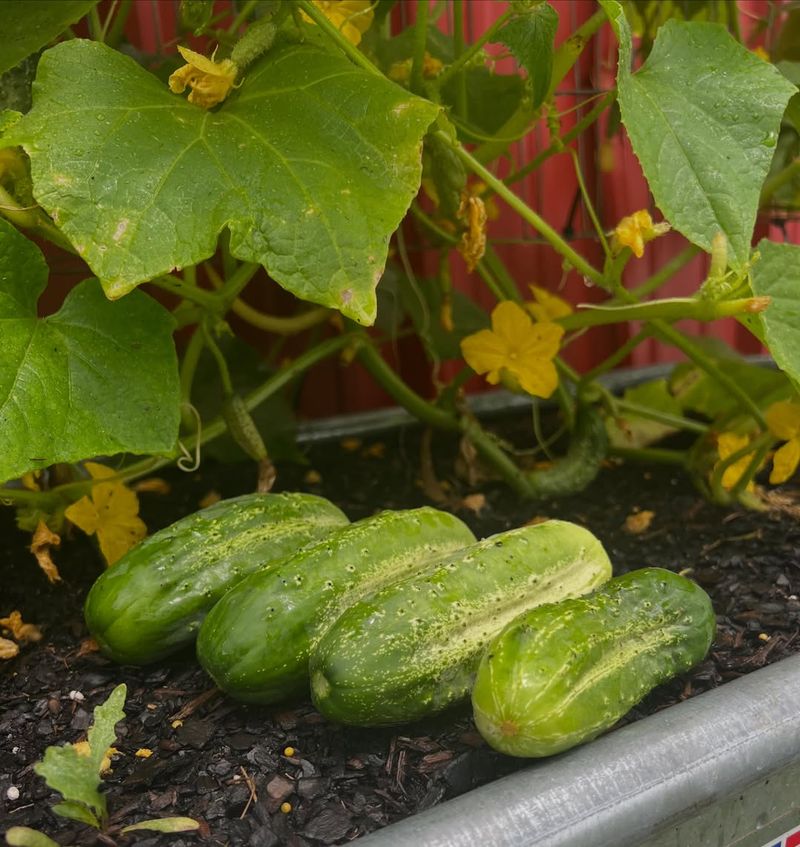
Cucumbers are warm-season crops that need space, sun, and heat to really take off. Planting them after radishes finish in late spring lines up almost perfectly with the warming soil temperatures and longer days that cucumbers crave.
It is one of the most natural handoffs you can make in a garden rotation. The soil that radishes leave behind tends to be loose and workable, which gives cucumber roots a good start.
Adding a layer of compost before planting helps boost fertility, since cucumbers are heavier feeders than radishes and need more nutrients to support their fast-growing vines.
Plant seeds or transplants after your last expected frost date has passed. In the Willamette Valley and other inland areas of this state, that typically falls in mid-to-late April. In cooler coastal or higher elevation zones, waiting until May is usually the safer bet.
Training vines up a trellis saves ground space and improves air circulation around the leaves.
Better airflow reduces the risk of powdery mildew, which is a common issue during the warm, sometimes humid summers this region experiences. Vertical growing also makes harvesting easier and keeps fruit from sitting on damp soil.
Pick cucumbers regularly once they reach harvest size. Leaving overripe fruit on the vine signals the plant to slow production.
Consistent harvesting keeps the plant focused on producing new cucumbers throughout the season, giving you a generous supply from midsummer all the way into early fall.