8 Creative Ways Pennsylvanians Can Use Rosemary This Fall
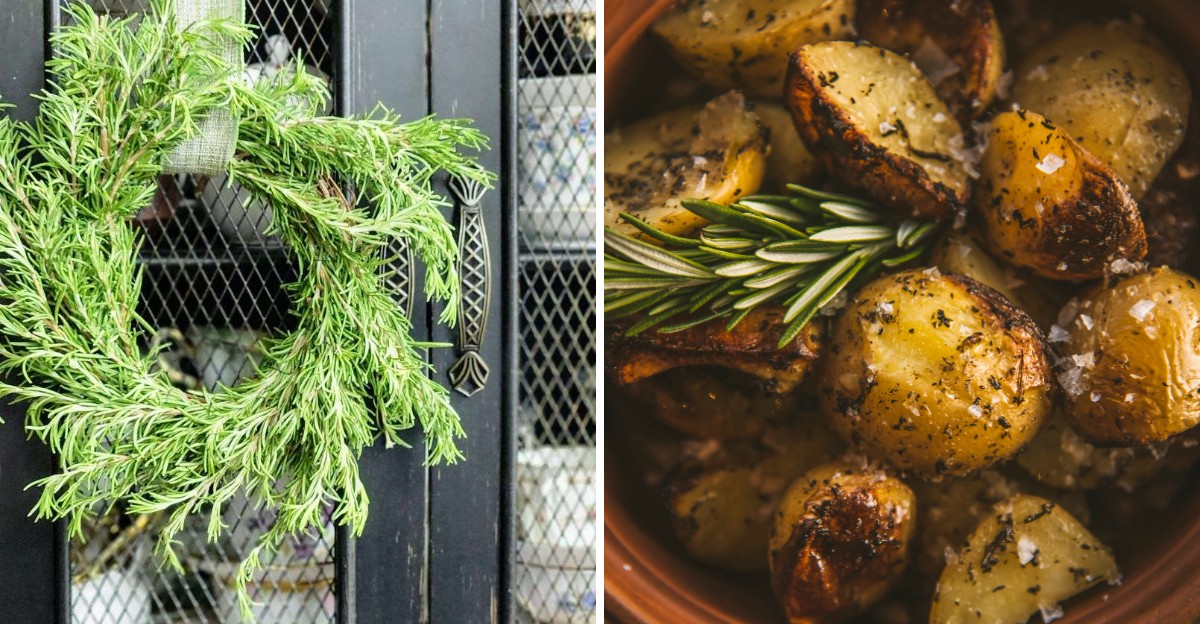
Why does rosemary hold secrets that roast chicken cannot reveal? You grow it in pots across Pennsylvania, from Erie porches to Philly row homes.
Crush a leaf and your fingers carry that resinous, piney perfume for hours. Toss sprigs onto glowing fire pit coals and you release fragrant smoke.
Simmer needles into maple syrup and you create a fragrant infusion. Hang bundles by your front door to welcome guests with fresh aroma.
Spritz a cooled rosemary rinse lightly onto your scalp after you shampoo. October chills push you toward warm kitchen experiments across Pennsylvania.
Neighbors will sniff your mailbox like confused beagles. Bruise the needles gently to unlock stronger oils.
Pair it with lemon peel and your kitchen smells like a bakery. Dry sprigs on a rack so you can stock jars for winter. Experiment boldly, since you control flavor.
1. Adding Rosemary To Thanksgiving Turkey Brine

A simple trick for a juicier holiday bird in Lancaster County might sit on your windowsill. A few woody sprigs tossed into the brine bucket add a noticeable piney note.
Brining means soaking the turkey in salty water overnight before roasting. The salt helps the meat hold onto moisture, so slices stay tender.
Adding rosemary lends a subtle piney aroma, while the salt and water keep the meat juicy. Some cooks pair it with orange peel, garlic, and a spoonful of brown sugar.
Fresh sprigs work best, but dried leaves will do in a pinch. Use about two tablespoons of dried rosemary for every gallon of brine.
Start by heating about a gallon of water with one cup of Diamond Crystal kosher salt, or two thirds of a cup of Morton. Stir until the salt melts, then drop in four or five fresh sprigs.
Let the mixture cool down to fridge temperature before the turkey goes in. Warm brine can let bacteria grow, which nobody wants on their holiday table.
Soak a whole bird for eight to twelve hours in a fridge or iced cooler below 40 degrees. Rinse it briefly, wipe down the sink, and pat the skin dry. Skip brining turkeys labeled pre-brined or enhanced, since they already contain salt.
Some Pennsylvania farm stands sell fresh turkeys in late fall, so ask about ordering in October. Planning your brine now leaves time to test a small chicken first.
Save a couple of extra sprigs to tuck inside the cavity. Your kitchen will smell like a cozy cabin in the Poconos by dinnertime.
2. Brewing A Rosemary Rinse For Your Hair Care Routine
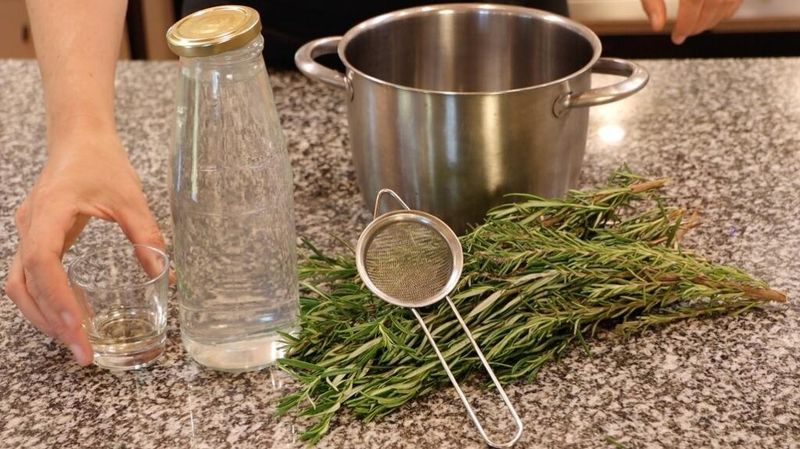
Some people say a homemade rosemary rinse leaves their hair feeling fresh and soft. The recipe is a simple rinse brewed right on the stove.
One small trial found rosemary oil comparable to minoxidil, but it tested concentrated oil, not a homemade rinse. Scientists still want more research, and the early results are limited.
To make a rinse, boil two cups of water and add a handful of fresh sprigs. Turn off the heat and let it steep for about thirty minutes.
Your Pennsylvania Garden Changes Every Week. Your Plan Should Too.
Gardening in Pennsylvania changes quickly throughout the season. Every Friday you’ll receive a simple weekly plan showing exactly what to plant, prune, fertilize, harvest, and protect so you never miss the right timing.
Strain out the leaves and pour the cooled liquid into a clean spray bottle. Keep it in the fridge, where it stays fresh for about a week.
After shampooing, spray the rinse over your scalp and gently massage it in with your fingertips. You can leave it in or rinse lightly with cool water.
Fall weather in Pennsylvania brings dry indoor heat, which can leave scalps itchy and flaky. A cool herbal spritz feels soothing when the furnace starts running.
Folks with sensitive skin should test a small patch on their arm first. If redness or itching shows up, skip the rinse and talk to a doctor.
Some people report a slight tint on light hair from strong batches. Start with a weaker brew and fewer sprigs.
Best of all, the rinse costs almost nothing if you grow your own plant. Your bathroom will smell like a spa tucked inside a pine grove.
3. Tossing Rosemary Bundles On Backyard Fire Pits
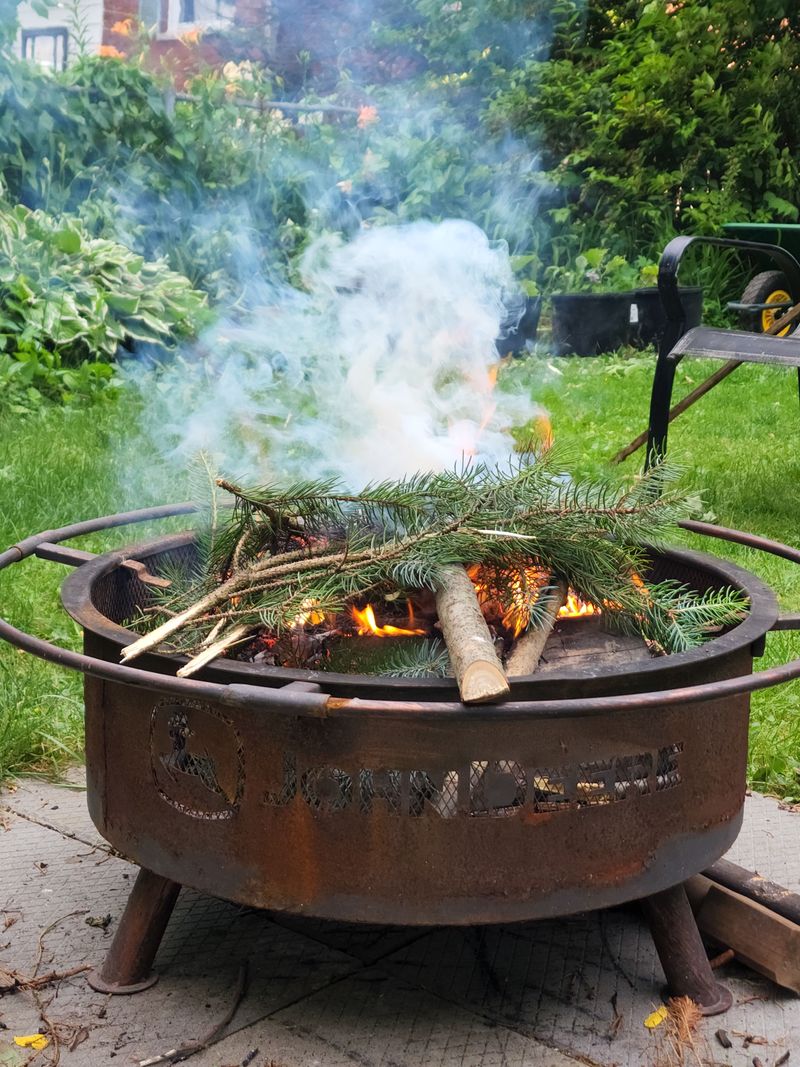
Mosquitoes in Pennsylvania do not pack their bags just because the calendar says October. Warm afternoons can still bring buzzing guests to your backyard bonfire.
Some campers toss a bundle of rosemary onto the hot coals. The fragrant smoke may help shoo away bugs while smelling like a fancy restaurant.
Rosemary contains natural oils like camphor and cineole, which can deter some insects. Burning the stems releases some of those aromas into the air around your seating area.
Gather a handful of woody stems that have dried for a few days. Tie them together with plain cotton string so they burn slowly and evenly.
Wait until the flames calm down and the coals glow orange before adding your bundle. Big flames burn the herb too fast, and the smoke disappears in seconds.
Sit upwind if possible, since thick smoke can sting your eyes. Check local burn rules and bans before lighting a fire. Kids love helping with this job, but an adult should handle anything near the fire.
The smoke will not work like a bug spray, so keep expectations realistic. Think of it as a bonus helper rather than a full force field.
Fall bonfires are a big tradition across rural Pennsylvania, from hayrides to harvest parties. Adding herbs to the flames turns an ordinary evening into a memorable one.
Toss in a few sage leaves too for an even richer smell. Roasted marshmallows with a hint of herb smoke taste surprisingly fancy.
Light harvesting in early fall gives you free stems for this trick, but skip heavy pruning before frost. Your plant stays healthy, and your fire gets an upgrade.
4. Bringing Potted Rosemary Indoors Before Frost
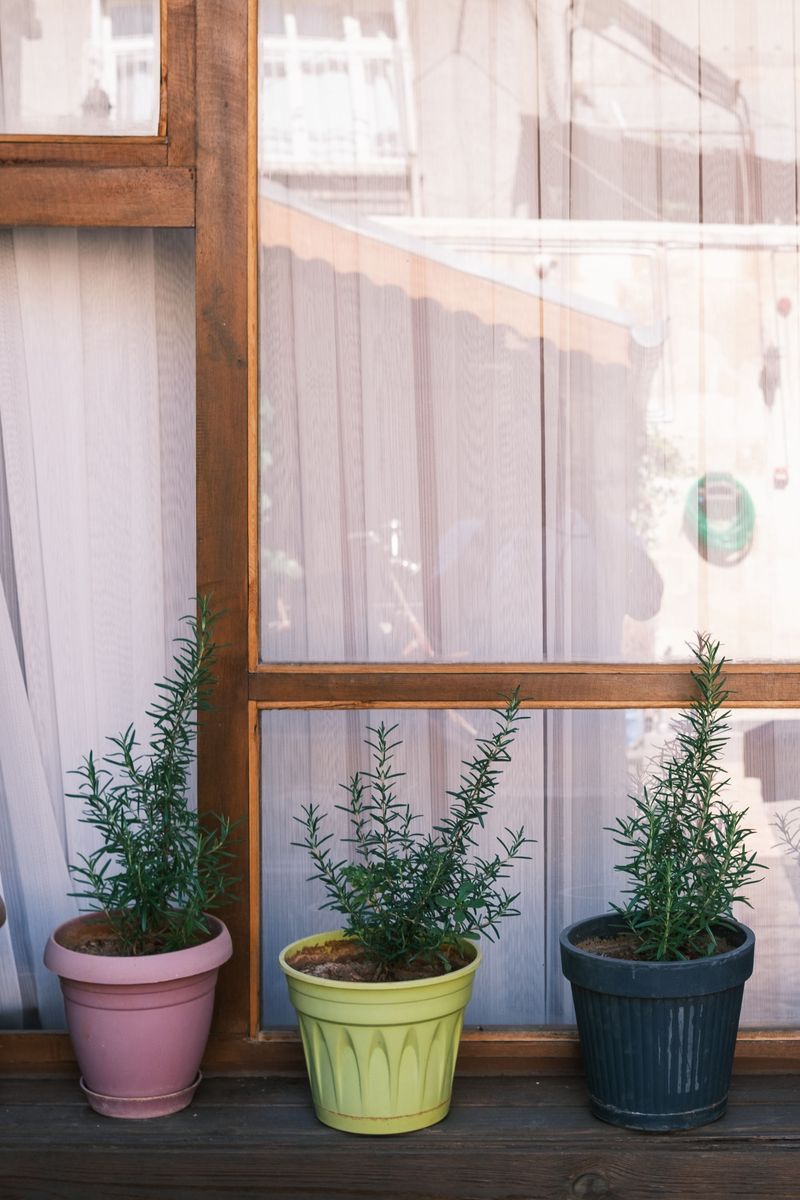
In Pennsylvania, the first frost typically arrives between late September and early November, depending on where you live. Rosemary comes from the warm Mediterranean, so freezing nights can damage it.
Many gardeners dig up their plants or move the pots indoors before nighttime temperatures approach thirty degrees. Some varieties, like Arp, handle cold better, but potted plants still need protection.
Pick a sturdy pot with drainage holes and a loose, sandy potting mix. Soggy roots tend to cause more indoor trouble than chilly air.
A south-facing window is the best spot, since the plant craves six or more hours of light. Grow lights work well if your home feels dim in winter.
Water only when the top inch of soil feels dry to your finger. Overwatering is a common mistake, and it can turn needles brown.
Rosemary prefers dry air, so keep the pot where air can circulate. Crowding it with other plants can invite powdery mildew.
Snip sprigs for cooking all winter, but take no more than one third at once. Gentle trimming encourages bushy new growth by spring.
Once May arrives and frost danger passes, move the pot back outside slowly over a week. Your plant will thank you with a burst of fresh, fragrant growth.
With steady light and careful watering, a potted rosemary can thrive for many years. Some gardeners keep the same plant going for years.
5. Simmering Rosemary On The Stove For A Cozy Home
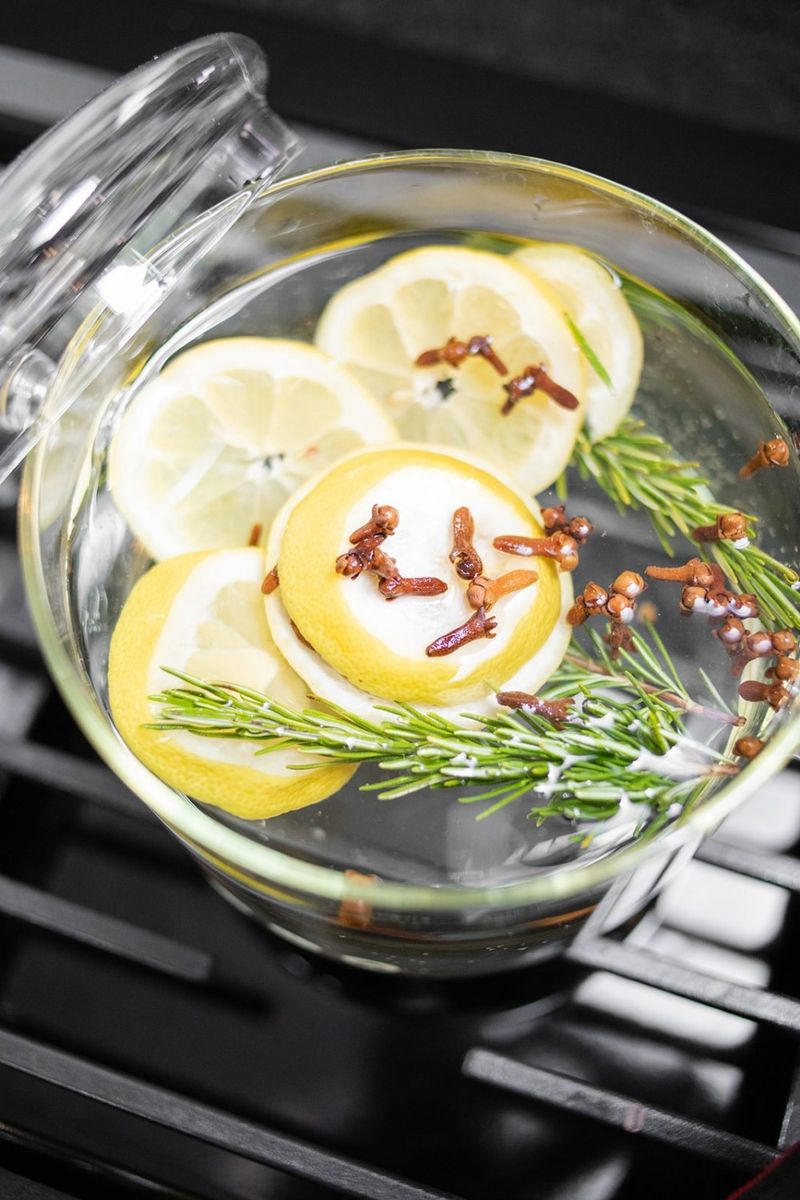
Walk into a farmhouse kitchen in Bucks County this month, and you might smell spiced apples bubbling. A simmer pot could be scenting the whole house.
A simmer pot is just a saucepan of water filled with fruit, spices, and herbs. It warms on low heat and fills the house with natural fragrance.
Rosemary adds a fresh, woodsy note that balances sweet ingredients like apples and cinnamon. Pennsylvania orchards are bursting with apples in October, so the timing works nicely.
Try slicing one apple and one orange into a pot of water. Add three rosemary sprigs, two cinnamon sticks, and a sprinkle of whole cloves.
Bring everything to a gentle boil, then lower the heat to a soft simmer. Check the water level every half hour and top it off as needed.
Unlike candles or plug-in air fresheners, this method relies on simple kitchen ingredients. Spices and herbs can still bother sensitive noses, so start with a small batch.
Do not leave the stove on when you go out or head to bed. A slow cooker with the lid off is a safer choice for all-day scent.
You can reuse the same mixture for a day or two by storing it in the fridge overnight. Toss it in the compost once the fruit turns mushy.
Simmer pots also make sweet gifts for teachers and neighbors. Pack dried orange slices, cinnamon, and dried rosemary in a mason jar with a handwritten tag.
Guests may ask what candle you lit. Telling them it came from your kitchen feels pretty great.
6. Crafting Rosemary Wreaths For Fall Front Doors
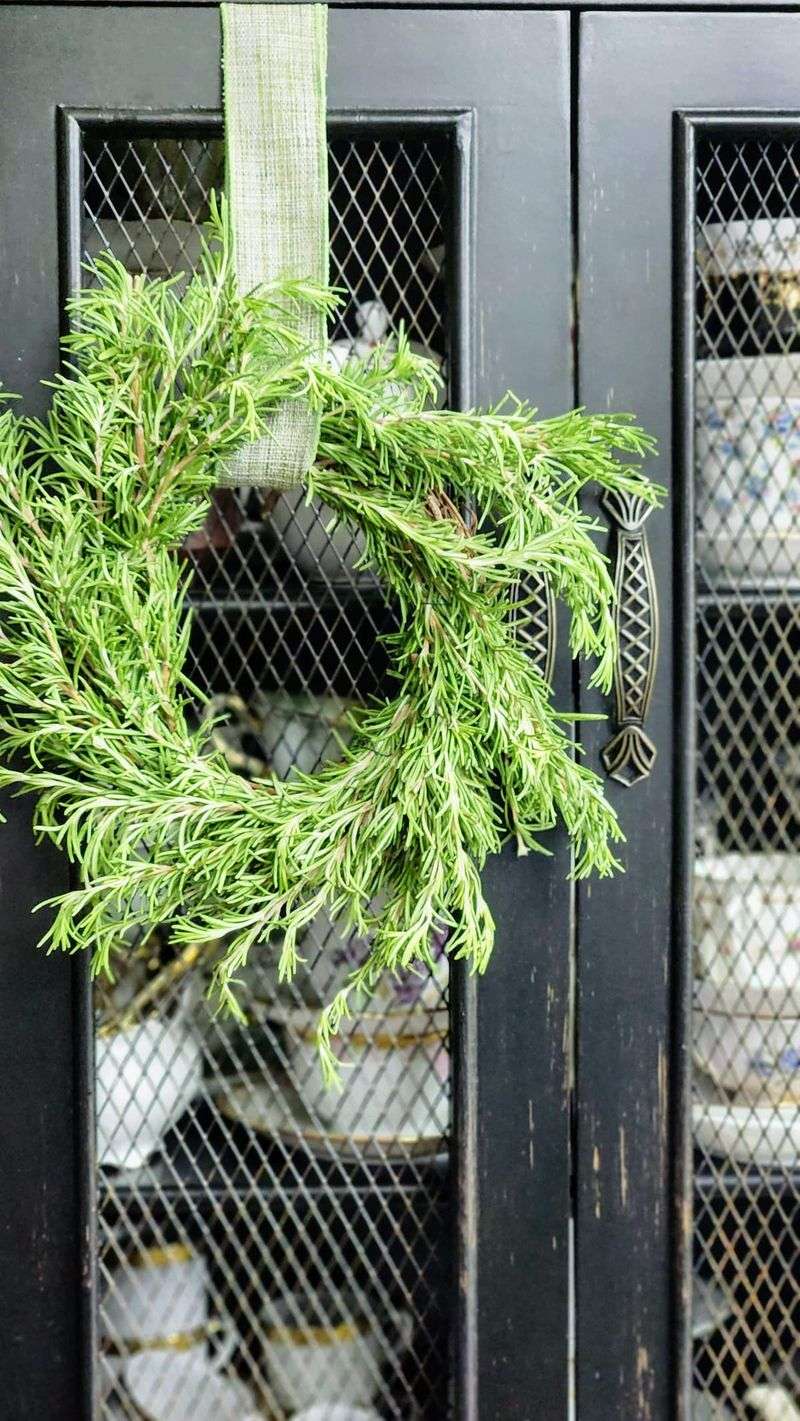
Long before store-bought decorations, many European households hung herbs by their doors for luck and good cheer. Some Pennsylvania German households carried similar customs into their farmhouses.
Rosemary has stood for remembrance and loyalty for centuries in European folklore. A fresh wreath on your front door gives that old meaning a modern, autumn twist.
Start with a simple grapevine or wire wreath form from any craft store. Cut long, flexible sprigs about six to eight inches in length.
Bundle three or four sprigs together and wrap the ends with thin floral wire. Attach each bundle to the form, overlapping them so the stems stay hidden.
For a fall look, tuck in dried orange slices, small pinecones, or native American bittersweet berries, not invasive Oriental ones. Mini gourds from a local farm market add a cheerful harvest touch.
Fresh rosemary dries well on a wreath and keeps its shape for weeks. Brush the leaves as you pass to release the scent.
Hang it out of direct sun to keep the green color from fading. A covered porch or a door with an overhang works best.
Smaller versions make lovely napkin rings for a Thanksgiving table. Just twist one sprig into a circle and secure it with twine.
Once the wreath gets brittle, snip off leaves for cooking or toss them in a fire. Little goes to waste, which would make any thrifty gardener proud.
Craft nights with friends are a fun way to make several at once. Bring snacks, play music, and swap decorating ideas around the kitchen table.
7. Infusing Rosemary Into Pennsylvania Maple Syrup

Did you know Pennsylvania ranks sixth in the country for maple syrup production? Potter County even hosts a maple festival each spring celebrating the sticky treat.
Some local foodies have started infusing that syrup with rosemary for a surprising twist. The result tastes sweet, earthy, and a little bit fancy.
Making it at home takes only two ingredients and about thirty minutes, including steeping. Pour one cup of real maple syrup into a small saucepan over low heat.
Add two fresh sprigs and warm the syrup until small bubbles form around the edges. Keep the heat gentle, since boiling can make the syrup too thick.
Remove the pan from the stove and let the herbs steep for about twenty minutes. Strain the syrup into a clean glass jar and store it in the fridge.
Drizzle it over pancakes, waffles, or a bowl of warm oatmeal on chilly mornings. It also tastes good brushed on roasted carrots or sweet potatoes.
Grown-ups enjoy stirring a spoonful into hot tea or apple cider. Kids often like it poured over vanilla ice cream with crushed pecans.
Honey can be infused too, but use dried rosemary to limit moisture, and never give honey to infants. Pennsylvania beekeepers sell wildflower honey at many fall farm markets.
Wash and dry the sprigs well before using them in any infusion. Trapped water can cause mold, which spoils the whole batch quickly.
A small jar tied with a ribbon makes a thoughtful holiday gift. Label it with the date and a note to keep it refrigerated for a few weeks.
8. Roasting Rosemary With Pennsylvania Potatoes And Apples
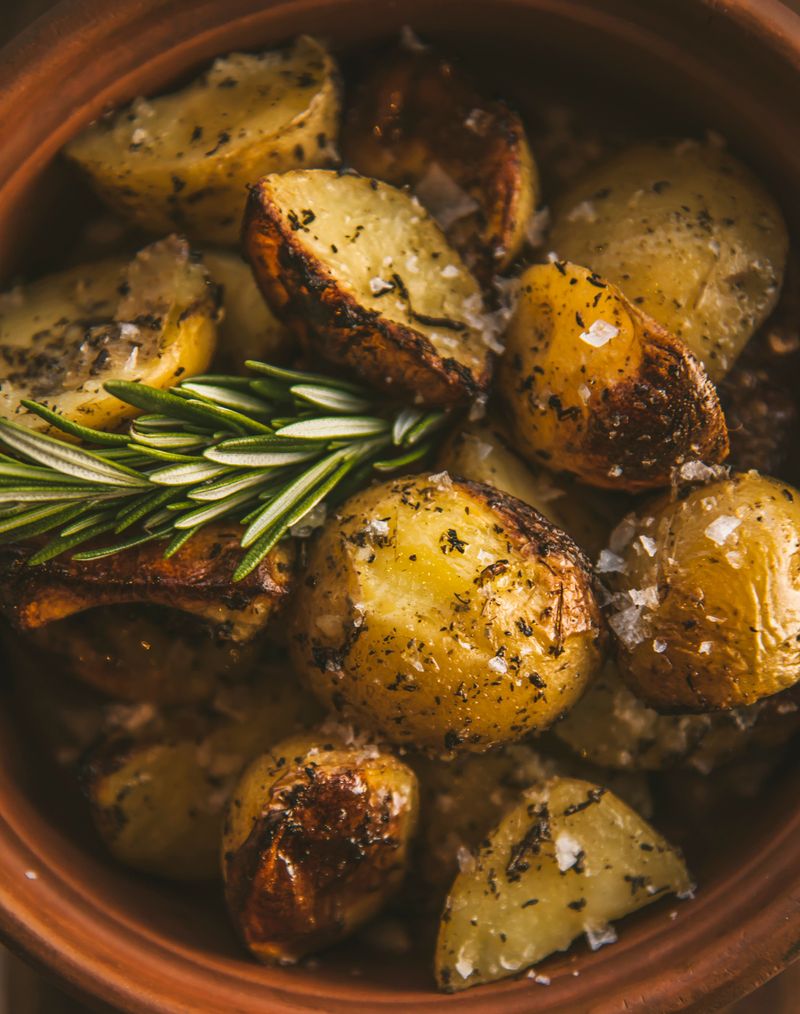
Pennsylvania grows more than just apples and pumpkins, and potatoes are a quiet star of fall harvests. Farmers across the state dig up tons of spuds every autumn.
Roasting them with rosemary is classic, but locals add a sweet surprise. Tart apple chunks join the pan for a side dish that tastes like October.
Cut two pounds of potatoes and two firm apples into bite-sized pieces. Honeycrisp, Stayman, or York apples hold their shape well in a hot oven.
Toss the potatoes with olive oil, salt, pepper, and two tablespoons of chopped fresh rosemary, and coat the apples separately with a little oil.
Spread the potatoes in a single layer on a baking sheet, holding the apples back. Crowding the pan steams the food instead of giving it crispy, golden edges.
Roast at 425 degrees for about twenty minutes, then add the apples for fifteen more. Potatoes are ready when a fork slides in easily.
Some families add sliced onions or chunks of kielbasa to turn it into a full meal. Pittsburgh kitchens love pairing it with pierogies for a hearty twist.
Chopping rosemary finely helps, since whole needles can feel tough and prickly in your mouth. Strip the leaves by pulling backward along the stem with your fingers.
Leftovers reheat nicely in a skillet the next morning with a fried egg on top. One pan of veggies can easily stretch into two delicious meals.
Kids can help by tossing the ingredients in a big bowl. Cooking together on cool fall evenings creates memories that last longer than the leftovers.