Creeping Charlie Keeps Coming Back in Your Michigan Yard? This Fall Fix Can Help
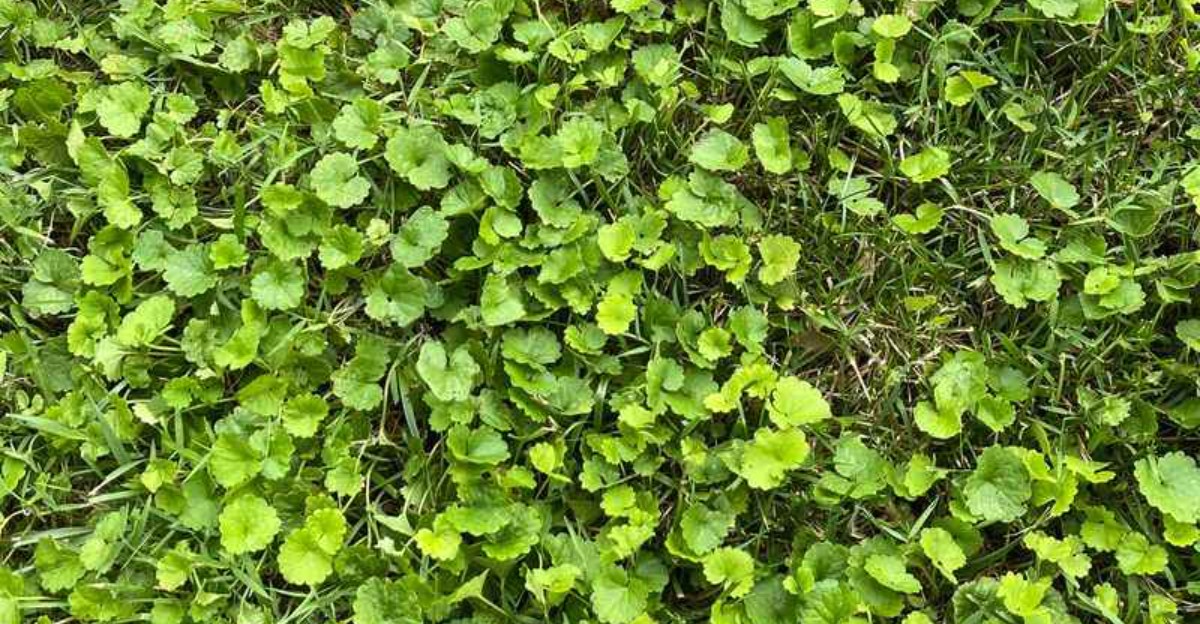
Crush one leaf of this lawn invader and your fingers will smell like mint. That scent is a clue, because the plant belongs to the mint family.
Early European settlers brought it to North America on purpose, using it in teas and even to flavor beer before hops took over.
The trouble is how it travels. Its square stems creep along the ground and send down roots at the leaf joints. Leave one tiny scrap behind after weeding, and it can sprout a fresh patch.
I know how frustrating it can be when you pull and pull, and the purple-flowered carpet returns by June. Plenty of Michigan gardeners feel stuck in that loop every year.
There’s actually a good reason spring and summer efforts fall short. The plant has a seasonal habit that leaves it open to attack once the leaves start turning.
1. That Minty Ground Ivy Has a Hidden Root Advantage
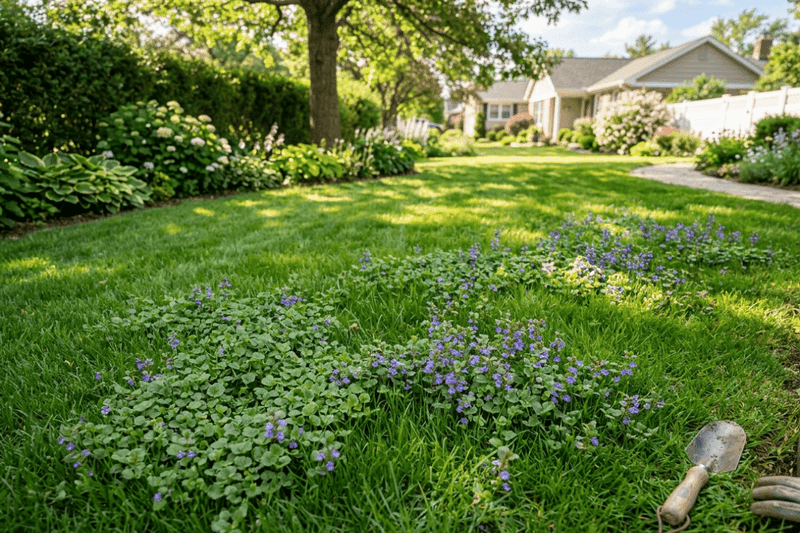
Lift a strand of ground ivy and you will see something sneaky. Tiny white roots dangle from the nodes all along the stem, each one ready to start a new plant.
Creeping Charlie, known to scientists as Glechoma hederacea, spreads mostly through these creeping stems called stolons.
It also makes seed, but the stem network does most of the heavy lifting. Over a season, a single plant can knit a dense mat that pushes grass aside.
The leaves are easy to spot once you know them. They are round to kidney-shaped with scalloped edges, and they grow in pairs along square stems. In spring, small purple-blue funnel flowers appear.
So why does it keep coming back? Hand pulling usually snaps the stems, leaving rooted bits in the soil. Mowing just trims the tops while the runners stay low and safe.
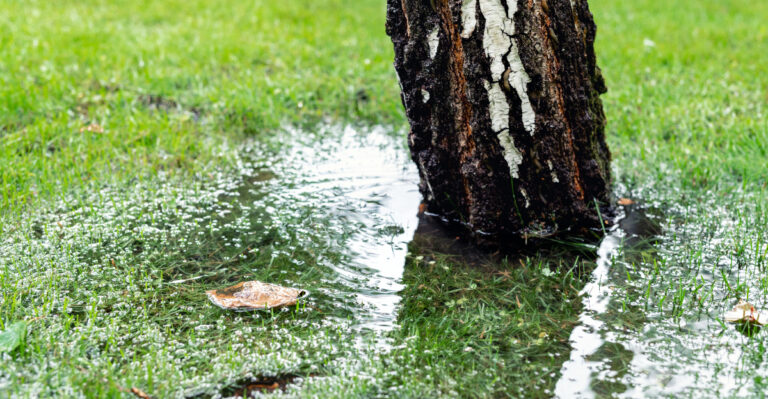
Michigan State University Extension notes that this plant loves moist, shady spots where turfgrass struggles. Think north sides of houses, areas under maples, and low corners that stay damp after rain.
That combination of hidden roots and a favorite habitat is what makes it so stubborn. Once you understand that the real target sits below ground, the fall approach starts to make a lot more sense.
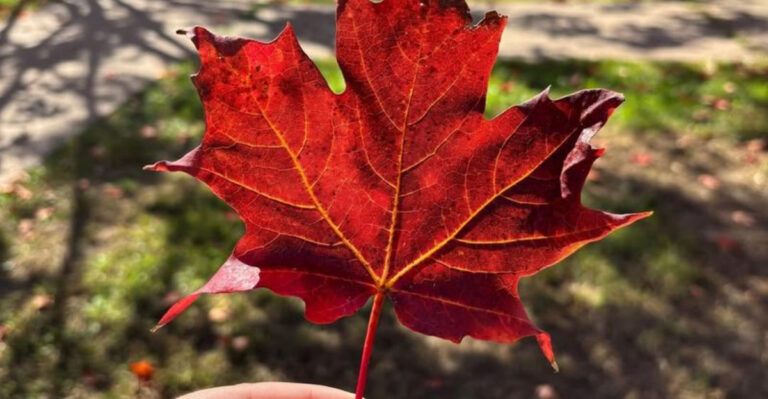
2. Autumn Leaves Signal the Best Time to Treat Creeping Charlie
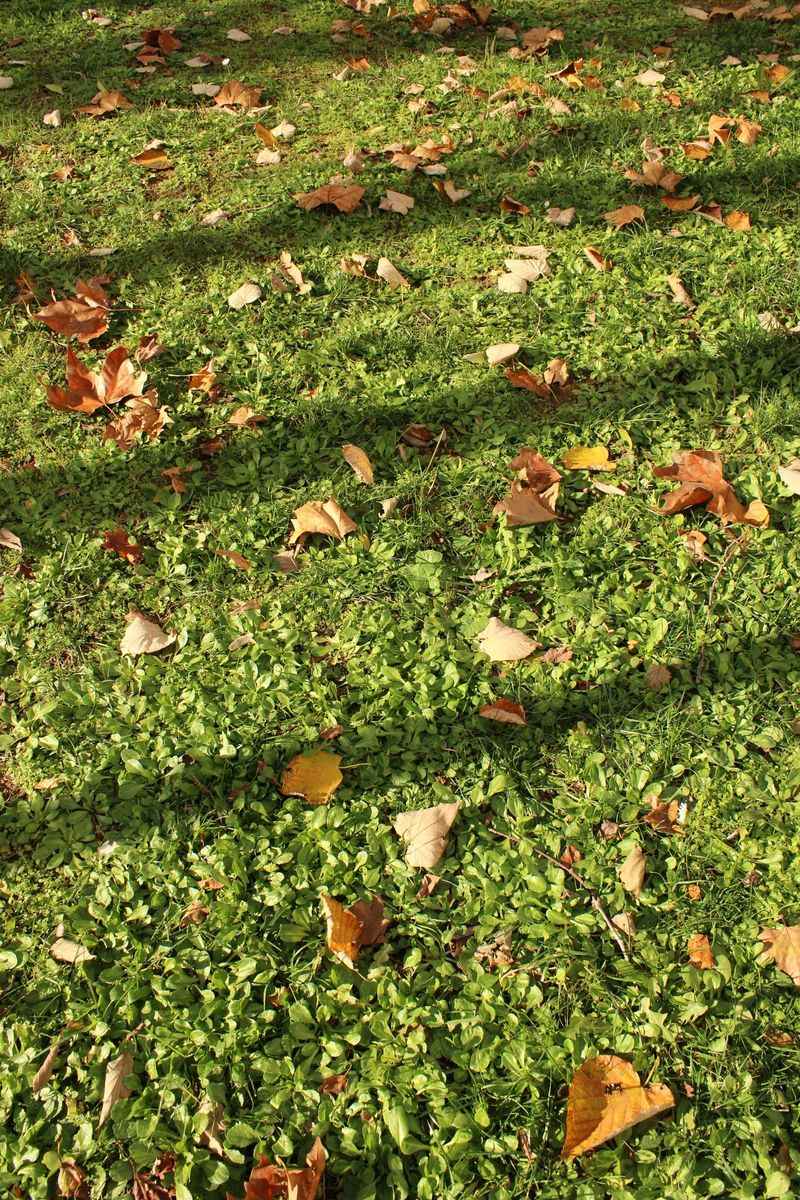
Fall is when ground ivy gets busy packing its suitcase for winter. As days shorten, the plant moves sugars down from its leaves into its roots and stems.
I love how this natural habit works in your favor. A systemic weed control product rides along with those sugars, traveling deep into the root system. In spring, the flow mostly runs the other way, upward into new leaves, so treatments often stay near the surface.
University extension services across the Midwest, including Michigan State and the University of Minnesota, point to fall as the most effective time to treat. Many recommend applying after the first light frost, while the plant is still green and growing.
In most of Michigan, that window often falls from late September through October. The Upper Peninsula and northern Lower Peninsula usually reach it earlier than the southern counties near Ohio and Indiana.
Your lawn benefits too. Cool fall weather is easier on grass than summer heat, so turf handles treatment with less stress.
A frost may seem like a strange signal to start weeding, but it is a helpful cue. When you see that first silvery morning on the grass, it is time to get your plan ready.
3. Triclopyr Is the Ingredient to Look for on the Weed Herbicide Label
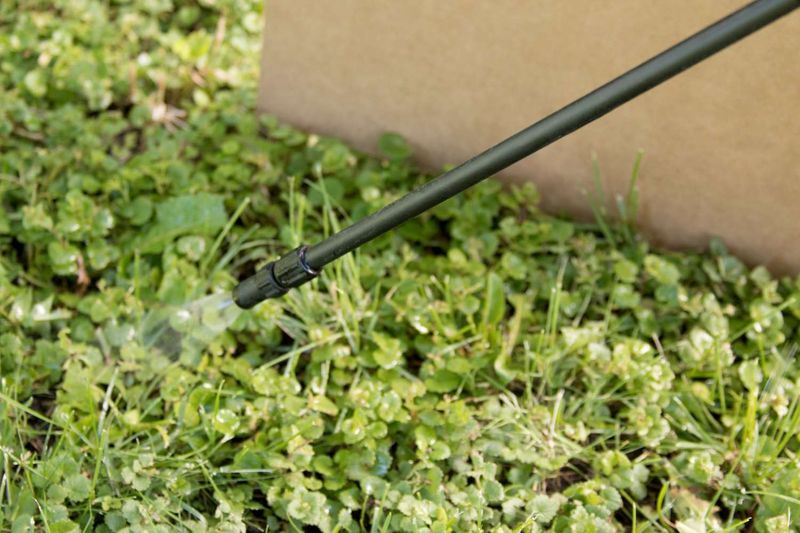
Standing in the garden center aisle can feel overwhelming. Dozens of bottles promise weed-free lawns, but only a few work well on this minty pest.
Research from Midwest universities points to triclopyr as one of the most reliable active ingredients for ground ivy.
You will often find it in products labeled for violets, clover, and ground ivy. Some combine triclopyr with other broadleaf ingredients for wider coverage.
Three-way products are another choice. These mix 2,4-D, dicamba, and mecoprop, often listed as MCPP. They can help, though results vary more than with triclopyr.
On its own, 2,4-D rarely gives long-term control of creeping Charlie. Plants may curl and brown, then bounce back the next spring.
Selective broadleaf products are designed to target weeds while sparing most lawn grasses. Still, read every word of the label. Check that it is safe for your grass type, especially if you are seeding soon.
Follow mixing rates exactly, wear the gloves and clothing the label calls for, and keep kids and pets off treated areas until it dries.
Store leftovers in the original container. A careful product choice now saves you from wasting money on something that only slows the weed down.
4. A Calm Fall Day Makes Spraying Ground Ivy Work Better
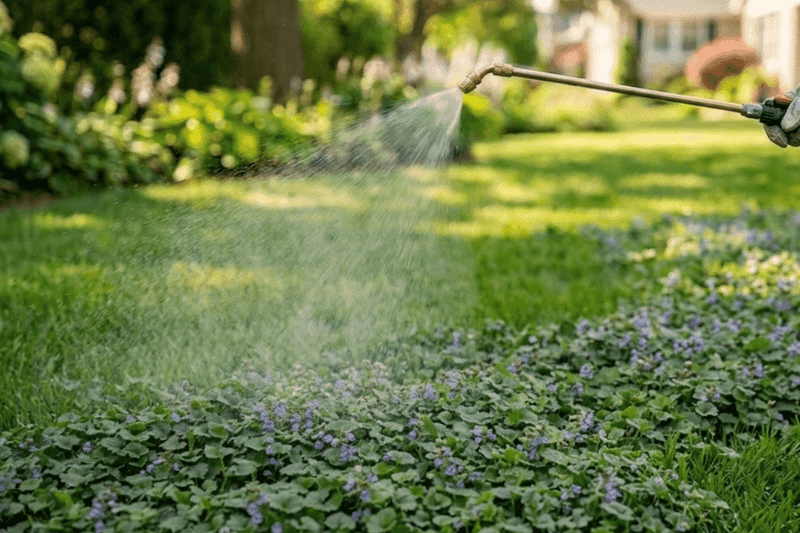
Good timing goes beyond the calendar. Weather on spray day can decide whether your effort pays off. Pick a calm day with little wind so the product lands on the weeds, not your flower beds.
Mild temperatures help the plant stay active. Many labels suggest roughly 60 to 85 degrees Fahrenheit, though fall days on the cooler end can still work if the ivy is green.
Check the forecast for rain. Most products need the leaves to stay dry for several hours, and some labels ask for 24 hours or more.
Mowing matters too. Skip it for two or three days before treating so there is plenty of leaf surface to absorb the product. Then wait a few days afterward so the treatment can move into the roots.
Spot spraying patches works well for smaller infestations and uses less product. For a large lawn, a broadcast application may make sense.
Expect to see slow progress. Leaves may twist and fade over a couple of weeks. A second application two to four weeks later, if the label allows, often catches survivors. Patience here really does lead to fewer surprises in spring.
5. That Borax Trick for Creeping Charlie Can Backfire on Your Grass
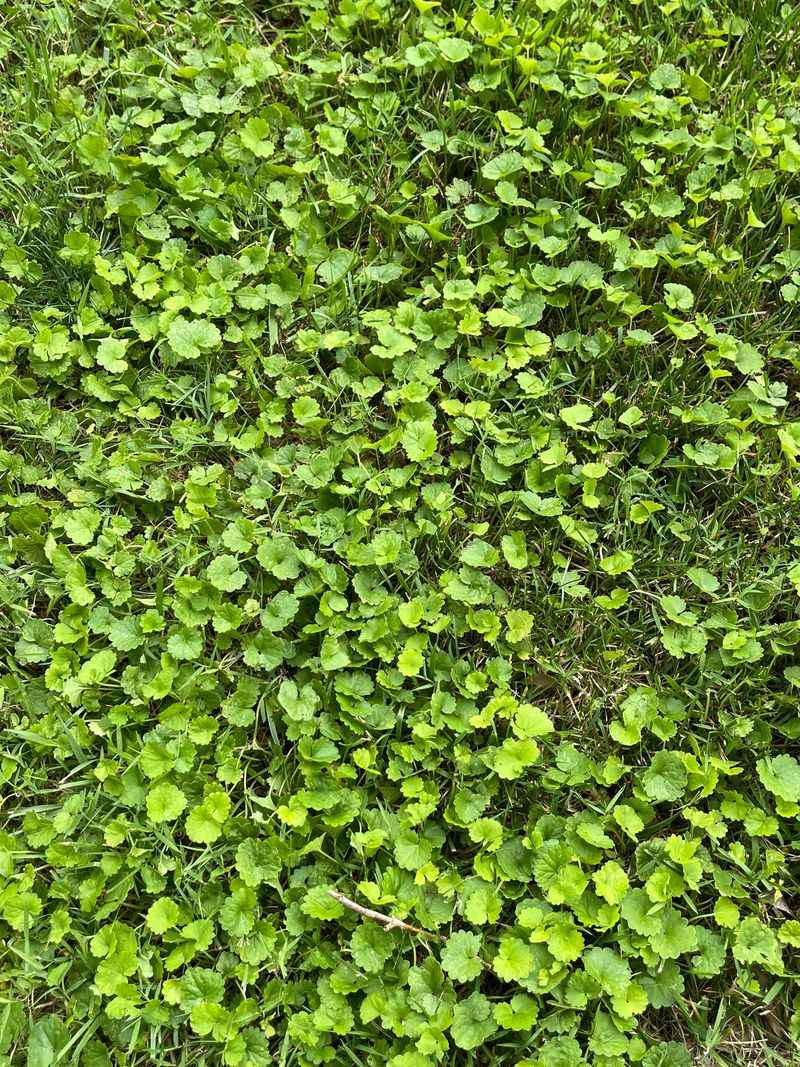
Grandma swore by it, and the internet loves it. Sprinkle borax mixed with water, and the creeping Charlie fades away. Sounds easy, right?
Borax contains boron, a nutrient plants need only in tiny amounts. Ground ivy is a bit more sensitive to it than grass, which is why the idea took off decades ago.
The problem is the narrow gap between a dose that hurts the weed and one that harms your lawn and garden. Iowa State University research found mixed results, and many extension services, including Michigan State University, advise against it.
Boron also lingers in soil. Repeated use can build up to levels that cause yellowing, stunting, and bare spots where little will grow. Trees, shrubs, and vegetable beds nearby can struggle too.
Vinegar is another popular home remedy. It burns the leaves, but it does not reach the roots, so regrowth is likely. It also browns any grass it touches.
I get the appeal of a kitchen cabinet fix. Yet a properly labeled lawn product, used as directed, is usually safer for your soil than guessing at homemade recipes. Save the borax for laundry day.
6. Thick Grass Is the Best Defense Against Creeping Charlie
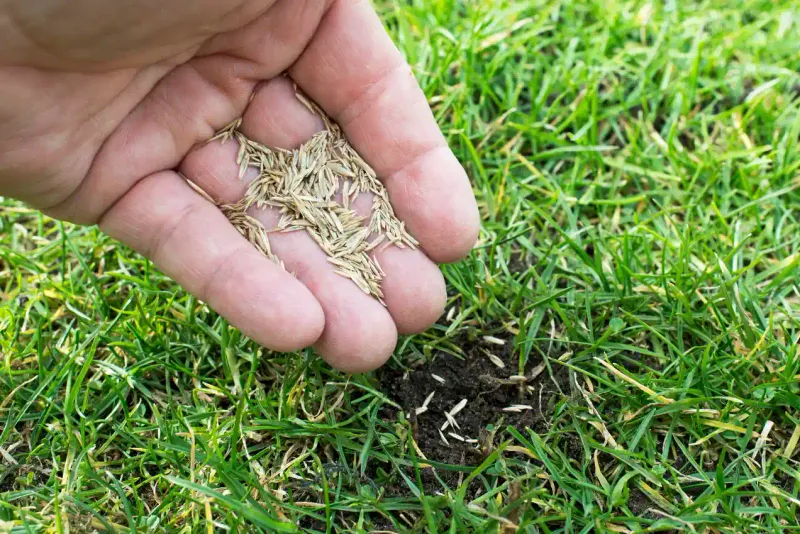
Weeds move in where grass gives up. Creeping Charlie is especially good at filling those thin, tired spots.
One easy change is your mower height. Setting the deck to 3 to 4 inches lets grass grow deeper roots and shade the soil. Taller turf makes it harder for ground ivy runners to find light and open space.
Fertilizing in fall also strengthens cool-season grasses like Kentucky bluegrass and fine fescue, which are common across Michigan. MSU Extension often suggests a fall feeding to help turf store energy and thicken up.
Core aeration helps compacted soil breathe and drain. That matters, since ground ivy loves damp, packed ground that grass dislikes.
After your treatment has had time to work, rake out the faded weeds and overseed bare patches.
Check the herbicide label first, because many ask you to wait a few weeks before seeding. Early fall is ideal for seed, so plan treatment and seeding with that timing in mind.
Keep new seed lightly moist until it sprouts. By spring, those once-empty spots can be crowded with healthy blades instead of minty runners creeping back in.
7. Shady Spots Under Maple Trees Might Need a Different Plan
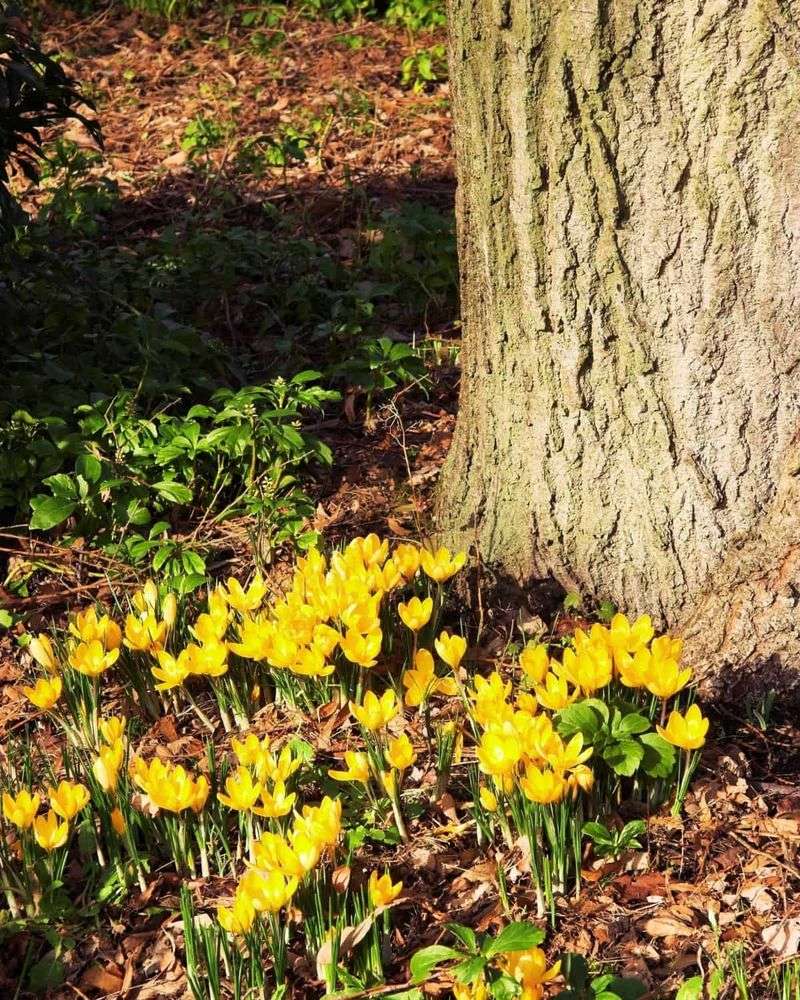
Some corners of the yard just will not grow good grass. Deep shade under big trees is a classic example, and ground ivy is happy to take over.
Start by letting in more light. Thinning a few lower tree branches can brighten the area enough for shade-tolerant fine fescues to grow. For large trees, hiring a certified arborist is a smart move.
Fixing drainage helps too. If water sits in a low spot after storms, consider adding soil to level it or redirecting downspouts.
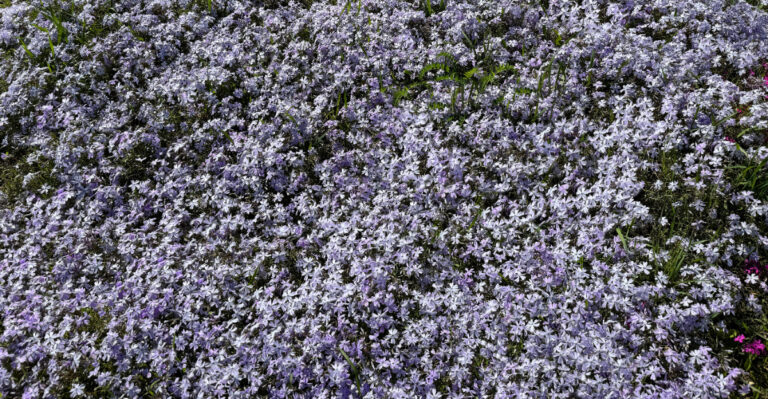
Sometimes, though, grass is simply the wrong choice. I tend to think a shady bed can look far better than a patchy lawn. Native groundcovers like wild ginger, Pennsylvania sedge, and woodland phlox handle shade well in Michigan and support local pollinators.
Add a layer of shredded bark mulch between plants to slow ground ivy runners. Pull any stray stems you spot before they root.
Avoid planting English ivy, vinca, or other aggressive groundcovers as replacements. Several can escape into nearby woods and cause new problems. Choosing natives gives you a pretty, low-mowing space that works with the shade instead of fighting it.
8. Watch for Those Purple Ground Ivy Flowers Next Spring
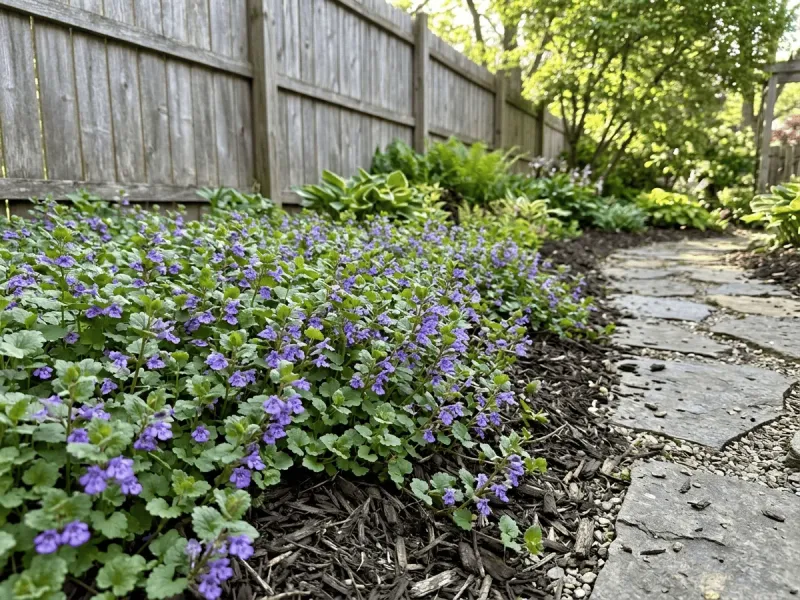
Spring will tell you how well your fall work paid off. Around April and May, any surviving ground ivy shows off small purple flowers, making it easy to spot.
Walk the yard and mark the patches that remain. Small clumps are perfect for careful hand pulling after a rain, when the soil is soft. Try to lift the whole runner, roots and all.
Spring treatment can help in a pinch, especially while plants are flowering. Most experts still view it as a backup, with fall as the main event.
Plan on repeating your fall routine for a couple of years. Heavy infestations rarely clear up in one season. Each round shrinks the patches and gives your grass more room.
Honestly, a few leaves here and there are not a disaster. Bees visit the early flowers, and a perfect lawn is not the only goal. Many Michigan gardeners settle for good control rather than total removal.
Keep a simple note on your calendar for late September. Mow high, feed in fall, fix shady trouble spots, and treat after that first frost. Steady habits beat frantic weekend weeding every time.