The Long-Lived Perennial That Belongs In A Container On A Michigan Porch All Summer
A Michigan porch does not need another annual that looks spectacular in May and exhausted by Labor Day.
One oversized pot carries a stronger presence.
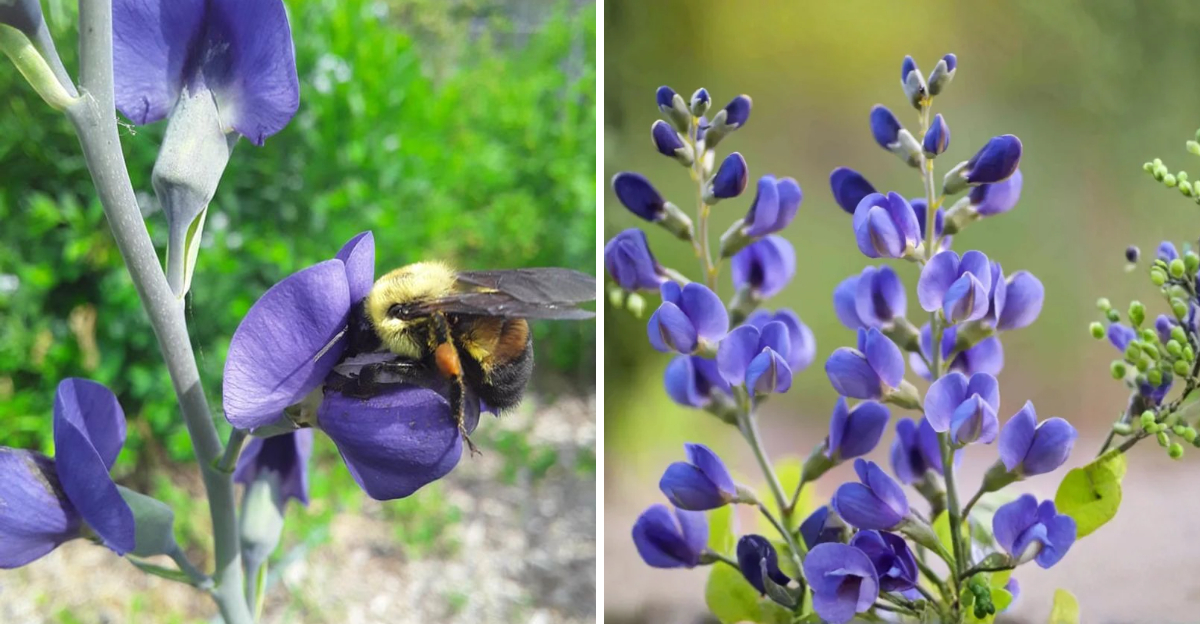
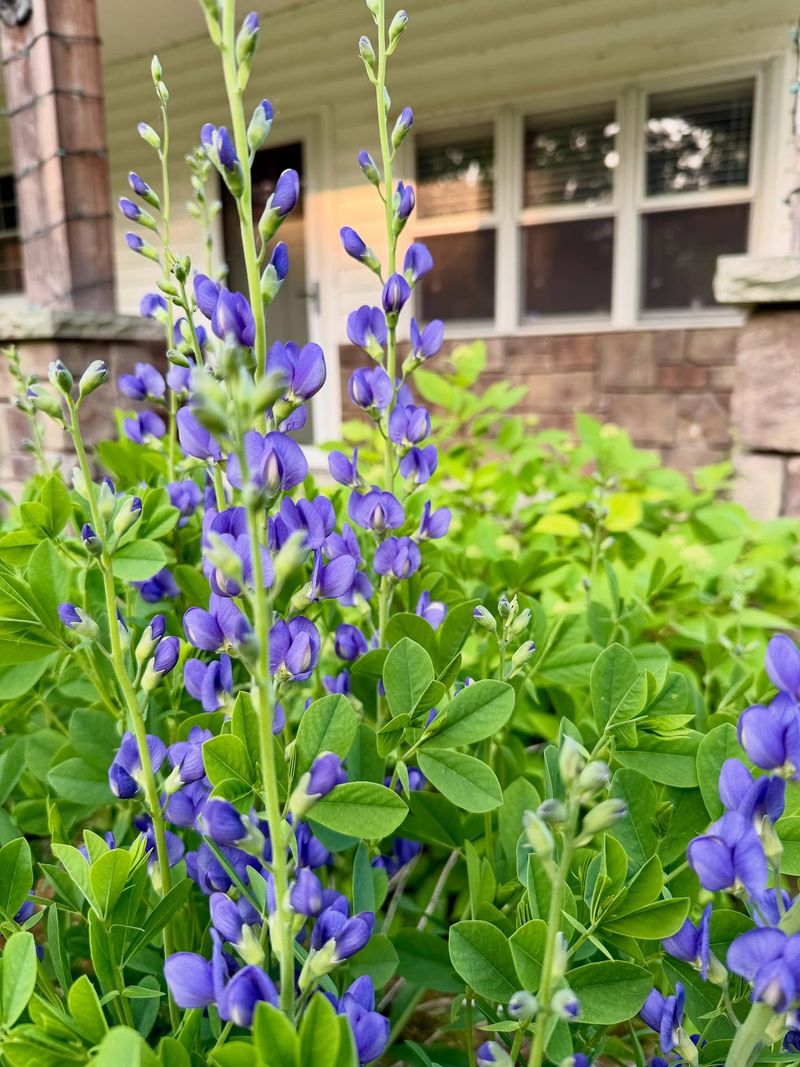
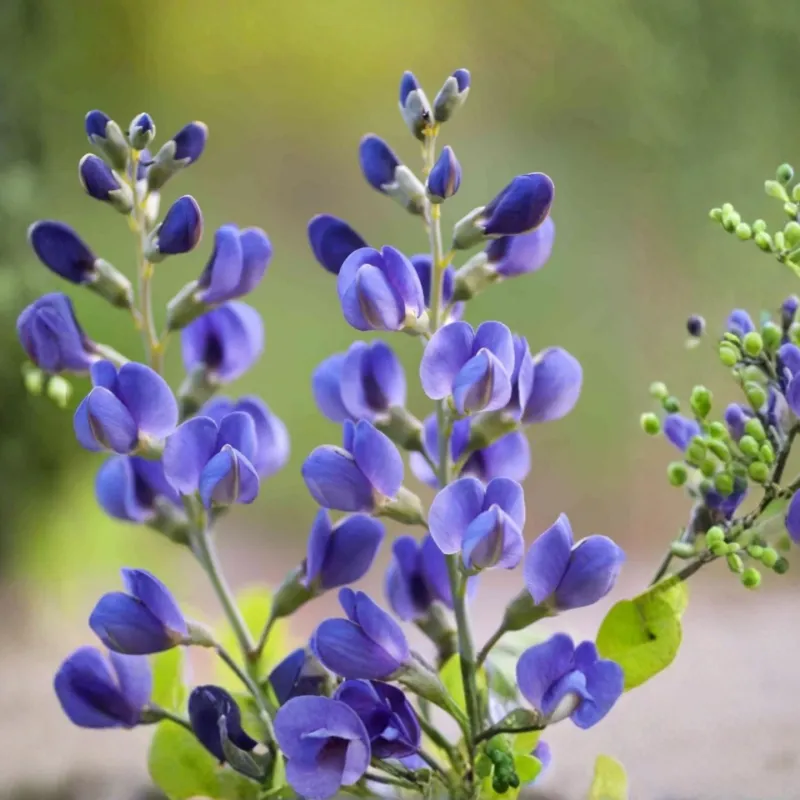
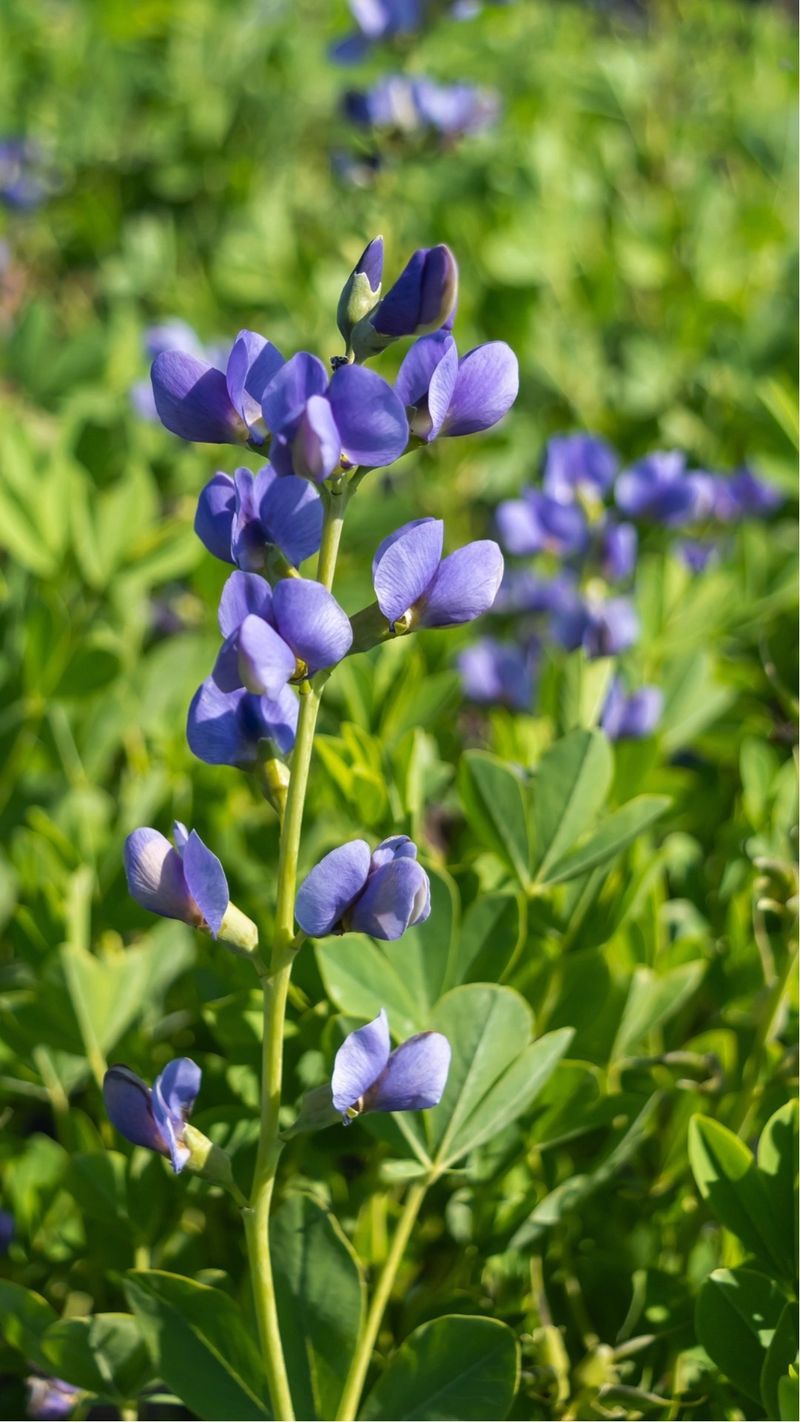
Wild blue indigo, Baptisia australis, rises with blue-purple flower spikes in late spring, then keeps a broad mound of blue-green foliage through summer.
The catch sits beneath the soil. This perennial builds a deep root system, so container culture demands more room and more winter protection than a petunia basket ever will.
One important detail needs attention.
Despite its common use in Midwest gardens, state flora records do not treat Baptisia australis as native to Michigan. Michigan occurrences come from planted or persistent populations rather than confirmed native stands.
So why put it on a Michigan porch?
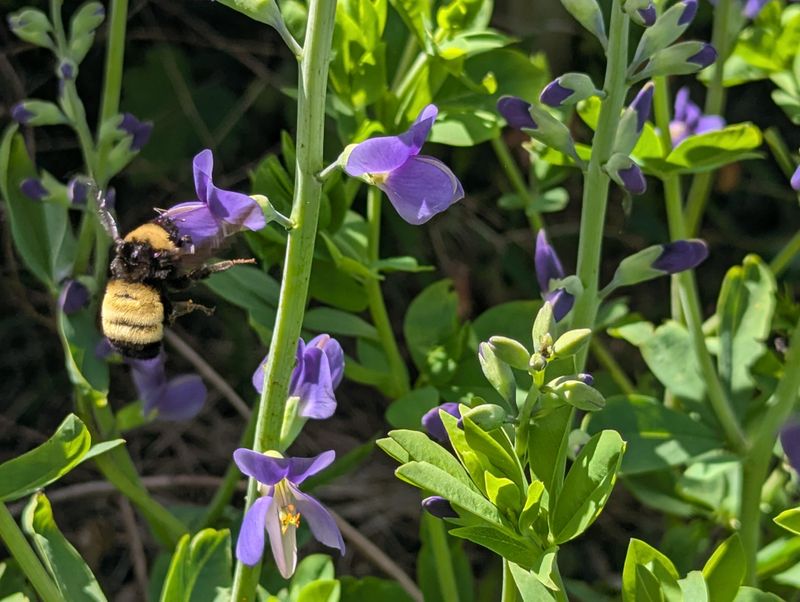
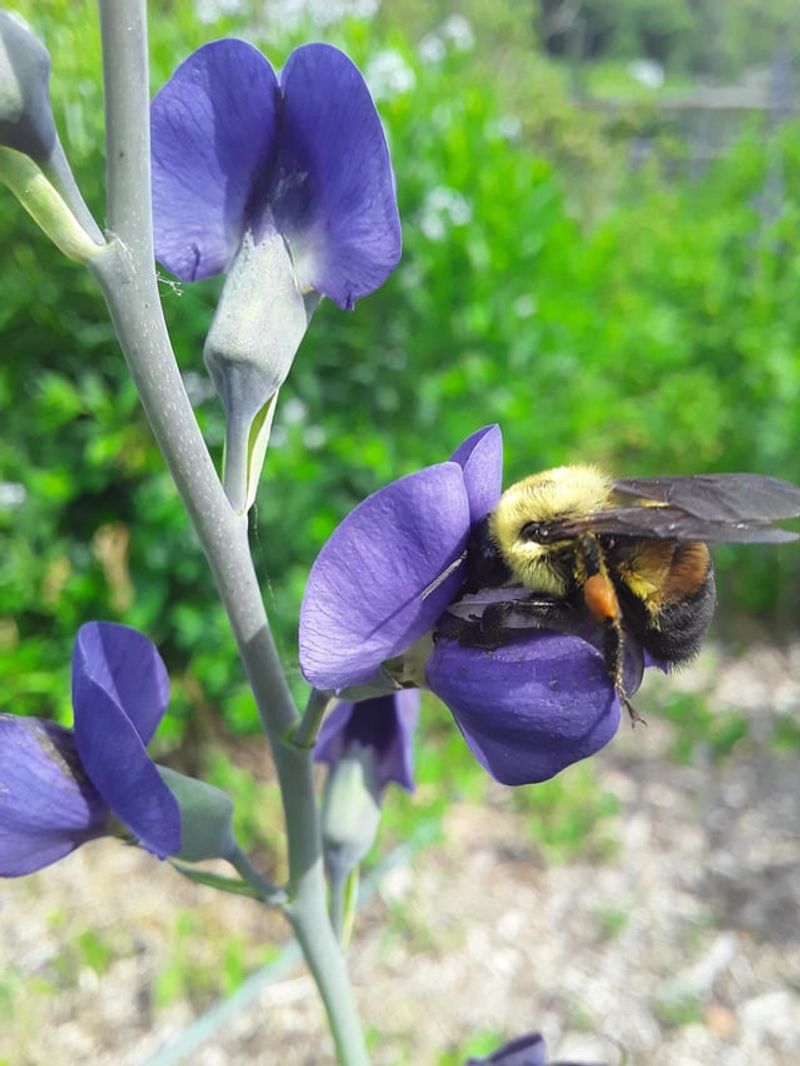
The plant handles sun, develops drought tolerance after establishment, attracts pollinators, and keeps architectural foliage long after bloom ends.
Give it a large container, open drainage, steady first-season moisture, and a winter plan.
This is no throwaway porch plant.
It is a perennial commitment with good summer manners.
Start Wild Blue Indigo In A Deep Pot
A nursery gallon can hide how ambitious this perennial becomes below the surface.
Wild blue indigo develops a deep, extensive root system that helps established plants handle dry periods. That same root habit also makes the species difficult to move once mature.
Start with depth.
Choose a substantial container rather than a shallow decorative bowl. A pot around 20 inches deep or more gives the root system far more useful volume and reduces the chance that the plant spends its first summer pressed against the bottom.
Exact dimensions can vary with cultivar, but bigger is the safer direction for a species that can reach three to four feet tall and nearly as wide.
Set the empty pot in its final porch location before mix goes in. A filled container large enough for Baptisia can become surprisingly heavy.
Give the base several unobstructed drainage holes. Do not add a gravel layer under the potting mix. Drainage depends on the container holes and an airy medium, not a decorative rock shelf at the bottom.
Then leave some headspace beneath the rim for water.
The goal is not to recreate unlimited garden soil in a pot. It is to give a deep-rooted perennial enough room to stay stable, hydrated, and comfortable through summer.
Wild blue indigo dislikes cramped decisions.
Choose the deeper address first, and the flowers can handle the curb appeal later.
Give The Container Full Sun
A sunny Michigan porch can give this plant exactly the light it wants.
Wild blue indigo grows in full sun to partial shade, but the strongest bloom usually comes with six or more hours of direct light. Too much shade can leave the stems loose and less upright.
Watch the porch for a full day before you place the container.
A southern exposure often supplies excellent light. West exposure can also work, though reflected heat from brick, siding, or concrete can dry the pot faster.
An eastern porch may support healthy foliage where direct light lasts several hours, but flower production can be lighter.
Your Michigan Garden Changes Every Week. Your Plan Should Too.
Gardening in Michigan changes quickly throughout the season. Every Friday you’ll receive a simple weekly plan showing exactly what to plant, prune, fertilize, harvest, and protect so you never miss the right timing.
Leave some open air between the pot and the wall.
Air movement around the foliage helps the broad mound dry after rain and prevents extra heat buildup beside the container.
A mature plant can reach several feet across, so a narrow corner also hides the shape that makes Baptisia attractive after bloom.
Check moisture more often during a hot spell rather than move the plant repeatedly from sun to shade.
The species develops drought tolerance after establishment, but a container has no access to deeper garden soil. Summer sun can pull water from the mix much faster than an in-ground root system would experience.
Use the light as an asset.
A bright porch gives the plant sturdy growth, stronger flower spikes, and the blue-green foliage its best chance to look polished through August.
Use A Large Pot From The Start
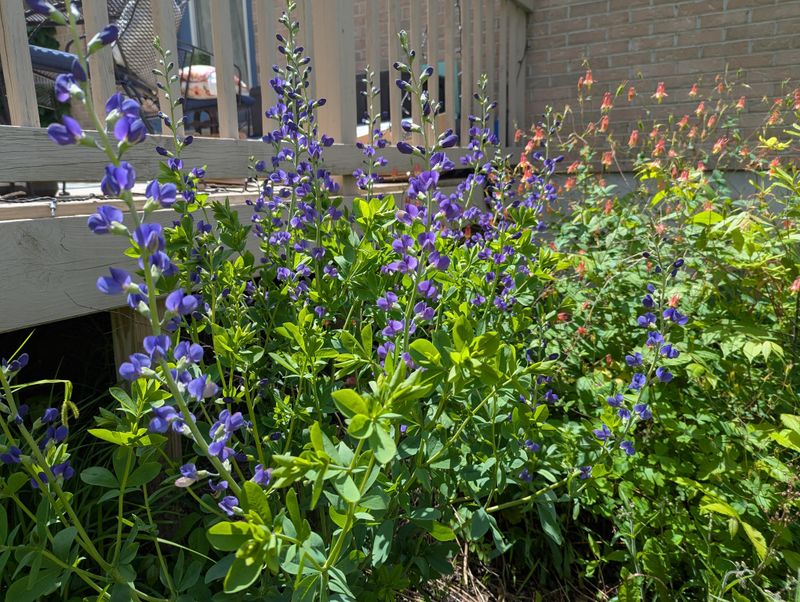
Size matters more here than the label on the front of the pot.
A mature wild blue indigo can form a clump three to four feet tall and two to four feet wide. That is a lot of plant above a porch floor, especially once wind catches the foliage.
Choose a wide, heavy container from day one.
A substantial pot gives the roots more soil volume, holds moisture longer, and lowers the chance of a top-heavy plant a topple in a Michigan thunderstorm.
Containers also dry more quickly than garden beds, so extra soil volume gives you a larger moisture buffer between checks.
Test the empty pot before the plant goes in.
Push gently against the rim from several directions. A narrow base under a broad top can become a problem once the plant reaches full size. Add pot feet only when they create a stable platform and keep drainage holes open.
Leave mixed-container ambitions for nearby pots.
Baptisia develops a large root system and deserves most of the available volume. A separate low annual or compact companion can create the layered porch look without several root systems in one crowded container.
Do not expect to relocate the full pot every weekend.
Place it where summer sun, access to water, and winter logistics all make sense.
This perennial can become a porch anchor in more ways than one.
Give it enough weight and width now, and July wind cannot easily disrupt your design.
Keep The Mix Fast Draining
Backyard soil becomes a very different material once four walls surround it.
Skip garden soil and use a quality container medium that drains freely yet retains moisture. Containers need an outlet for excess water because a root zone with poor drainage can stay waterlogged and lose the air roots need.
Fill the pot with fresh, loose mix.
Do not pack it hard with your hands. Water will settle the medium naturally after the plant goes in, and a little pore space helps roots receive both moisture and air.
Keep the drainage holes clear.
A saucer can protect porch boards, but empty collected water after irrigation or heavy rain. The container should never spend hours with its bottom holes submerged.
Use fertilizer lightly.
Baptisia tolerates poor soil and needs little fuss once established.
A container may eventually need nutrients because repeated irrigation can wash soluble elements from the mix, but heavy fertilizer can push soft growth yet do little for the long-term root situation.
Start with the nutrients already present in the potting medium and assess the plant before more goes in.
Refresh a small amount of surface mix in later seasons rather than tear apart the entire root ball every spring.
The pot should behave like a well-drained garden bed, not a decorative bucket of mud.
Give water a clear path through the container and air a path back into the root zone.
The plant brings the architecture.
Your mix just needs to keep the basement functional.
Water Deeply While Roots Establish
The drought-tolerant reputation needs one large container-sized footnote.
Established Baptisia can handle dry conditions because its deep roots reach moisture far below the surface in garden soil.
A porch pot cuts off that reserve. The plant can still become relatively resilient, but it depends entirely on the water held inside the container.
Treat the first season with extra care.
Water thoroughly until excess leaves the drainage holes, then let the upper portion of the mix lose some moisture before the next soak. Do not rely on a light splash across the surface. The deeper root zone needs access to water too.
Push a finger several inches into the mix or use a wooden skewer as a simple moisture check.
A hot, windy July day can dry a container faster than a calm week in June. Large pots buffer that change better than small ones, but they still deserve regular checks.
Containers generally need more frequent irrigation than garden beds because their soil volume dries faster.
Avoid a rigid calendar.
Rain can fill an exposed porch pot overnight, while an overhang may block the same storm completely. Judge the mix in front of you rather than the weather report across town.
Keep the plant out of pooled water after every deep soak.
Consistent moisture through establishment supports root expansion, while repeated saturation can create root problems.
By the second season, the plant may ask for less attention.
Container drought tolerance is still not garden-bed drought tolerance.
The root system may be tough, but it cannot send a straw through the porch floor.
Plan Winter Protection Before Fall
Michigan winter is where container culture no longer resembles an ordinary garden bed.
Wild blue indigo is cold hardy in the ground across very cold regions, but roots inside an exposed pot lose much of the insulation that earth around them provides.
Container soil can freeze faster and experience sharper temperature swings than soil around an in-ground perennial.
Make the winter plan before October.
One option is to move the dormant pot into an unheated garage or similarly cold, sheltered space after the top growth fades.
Cold but protected storage is a standard option for potted perennials, with unheated garages and sheds commonly used where temperatures remain suitable for dormancy.
Another option is extra outdoor insulation in a protected location.
Cluster the pot near a sheltered wall, protect the container from repeated wind exposure, and insulate the root zone with material suited to your setup.
Keep drainage open because winter moisture trapped in a frozen pot creates another problem.
Water the root ball before storage when the mix is dry, then check it occasionally through winter.
Do not keep it saturated.
Pot material deserves attention too. Some ceramic and terra-cotta containers can crack after wet mix freezes and expands. A frost-resistant container reduces that risk.
Move the plant back toward normal outdoor conditions as spring returns.
The perennial can handle Michigan cold.
Its exposed root ball is the vulnerable part.
Protect that underground investment, and the porch show gets another season rather than end as a one-summer experiment.