The Michigan Bed-Edge Mistake That Gives Deer An Easy Path Straight To Your Favorite Plants
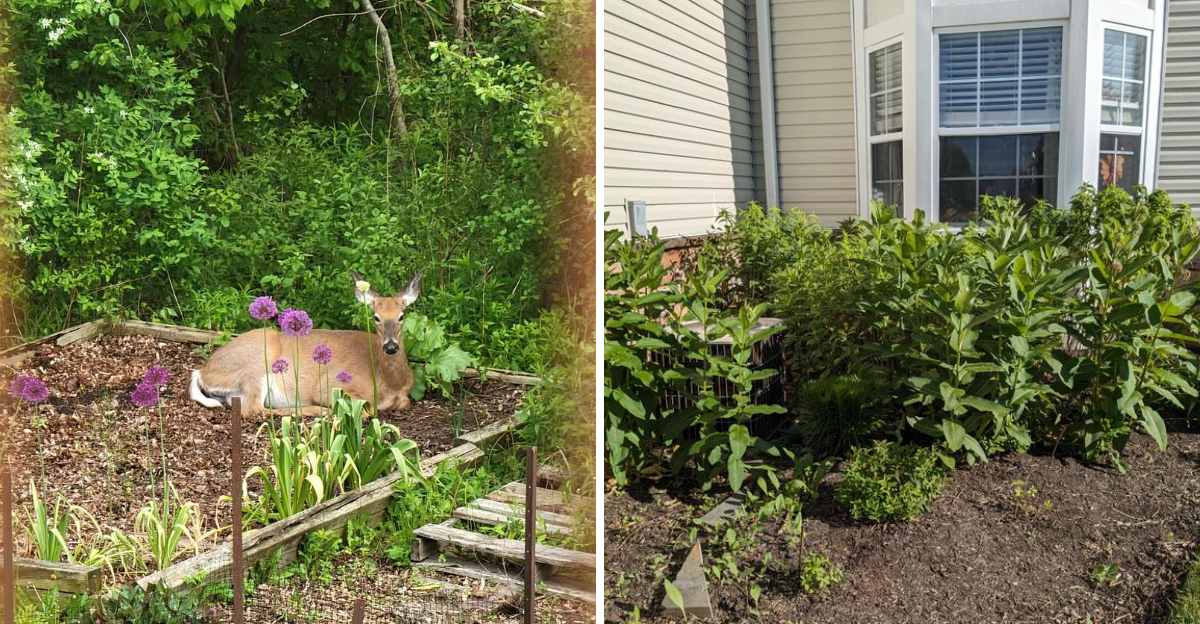
Michigan deer do not need a formal invitation.
They find the open lawn edge, follow the easiest line into the bed, and somehow go straight for the plant you cared about most.
The hosta you babied. The tulips you waited all winter to see. The daylilies that looked perfect yesterday. By morning, all that remains is ragged stems and a gardener feeling personally targeted.
The problem is often not just the plant choice. It is the layout.
Many homeowners put favorite plants right at the front of a bed, then trust a skinny row of scented or “resistant” plants to do the guarding. Deer do not see that as a serious barrier. They see a clear path with snacks at the end.
No plant is truly deer-proof when pressure is high, especially during lean Michigan seasons.
So how do you stop turning the bed edge into a deer walkway?
Start by making access less obvious, protecting the favorites directly, and using resistant plants as backup instead of pretending they are a fence.
Stop Trusting A Resistant Plant Border
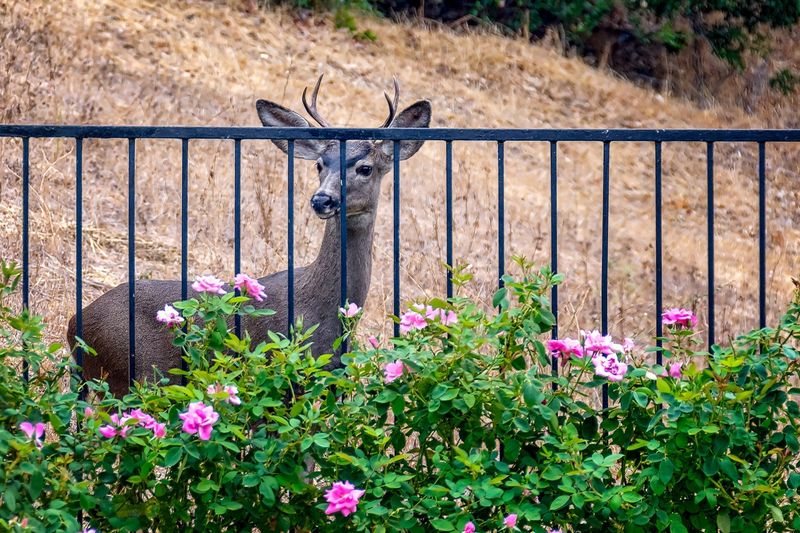
A deer-resistant border can make gardeners feel safer than they really are.
Lavender, salvia, boxwood, ornamental grasses, and other less-preferred plants may help reduce browsing, but they do not form a living wall.
A hungry or experienced deer can step over, nose through, or walk around them in seconds. That matters in Michigan neighborhoods where deer already know which yards offer easy food.
The mistake is treating resistance like protection.
Michigan State University Extension notes that no plant can be called fully deer-proof. Deer preferences shift with season, hunger, herd pressure, weather, and habit.
A plant ignored in June may get sampled in February. A shrub left alone for years may suddenly become interesting when snow covers easier food.
Strong scents and rough textures can discourage casual nibbling, but they do not reliably protect hostas, tulips, daylilies, roses, or other favorites placed right behind them.
Once deer learn the prize sits beyond the border, the outer planting becomes little more than a speed bump.
Use resistant plants as part of a layered design. They can make the bed less inviting, add texture, and reduce some browsing on the outer edge. They should not be the only defense around valuable plants.
Think of them as warning signs, not locked gates.
A better bed edge includes depth, staggered structure, less obvious entry points, direct protection for high-value plants, and repellents used on a schedule.
The goal is not to find the one magical plant deer refuse forever. The goal is to make the garden less predictable and less rewarding every time they test it.
That begins by retiring the idea that one scented row can hold the line.
Move Favorite Plants Away From Edges
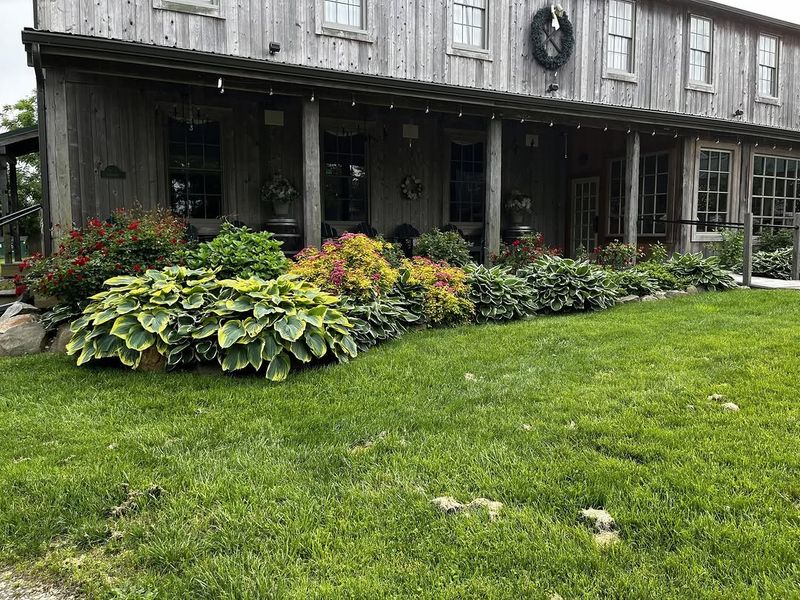
The front edge of a bed is the worst place for deer candy.
Hostas, tulips, daylilies, roses, and tender new perennials are easy targets when they sit right beside open lawn or a clear path. Deer do not have to commit to the garden. They can lean in, browse, and leave before anything feels risky.
Your Michigan Garden Changes Every Week. Your Plan Should Too.
Gardening in Michigan changes quickly throughout the season. Every Friday you’ll receive a simple weekly plan showing exactly what to plant, prune, fertilize, harvest, and protect so you never miss the right timing.
Moving favorite plants inward changes that habit.
Place the most vulnerable plants closer to the house, near a patio, beside regular foot traffic, or behind a deeper layer of less appealing shrubs and perennials.
Deer tend to be more cautious around structures, lights, noise, and areas where people regularly move.
This does not make the plants untouchable. It does make the route less convenient.
Even shifting a favorite clump 8 to 12 feet back from an exposed lawn edge can help, especially when paired with a more textured outer layer.
Deer prefer easy feeding. Make them step into tighter plantings, pass near a window, or move through unfamiliar structure, and casual browsing may drop.
Match the new location to the plant’s needs. Hostas still need shade or part shade. Tulips need sun and well-drained soil. Daylilies are more flexible and can often move into sunny interior spaces without much complaint.
Use the outer edge for plants deer tend to avoid, then place favorites where they are harder to reach.
This design shift costs less than a new fence and often works better than buying another bottle of repellent in frustration.
A bed should not serve the best food first.
Put the favorites where deer have to work harder, and you immediately make the garden less convenient.
Break Straight Paths Into The Bed
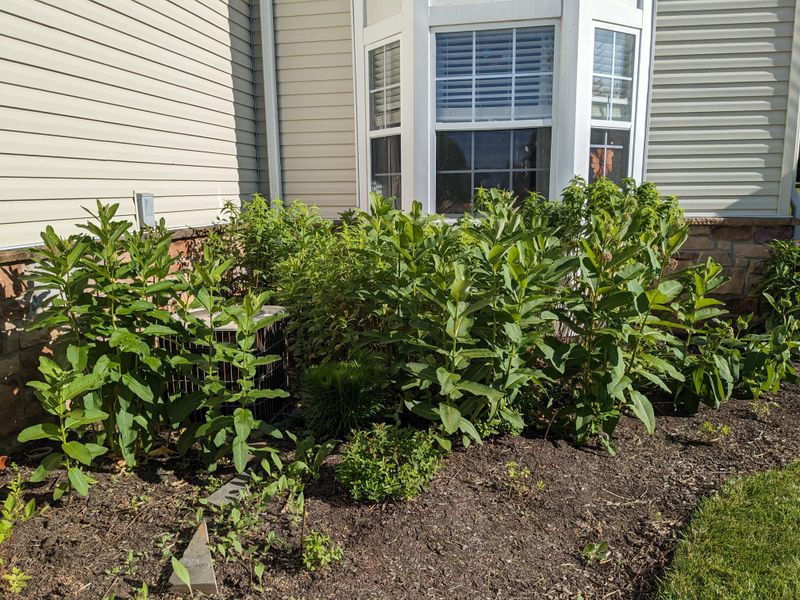
Deer are excellent at reading easy routes.
A straight opening from lawn to flower bed gives them a simple line of travel. If that path leads directly to hostas, tulips, hydrangeas, or young shrubs, the bed almost trains deer where to go.
Breaking that line changes the experience.
Use staggered shrubs, tall perennials, boulders, containers, ornamental grasses, or mixed plant groups to interrupt the approach. You do not need to build a maze. You just need to stop giving deer one obvious lane from the yard edge to the softest plants.
Gaps matter. A narrow break between shrubs can become the route deer use every night. Overlapping foliage and layered plantings make the entrance less clear.
Michigan native switchgrass can help along sunny edges because it adds height, movement, and seasonal screening. Compact evergreens can keep structure in winter when deciduous perennials disappear and browsing pressure often rises.
Think in layers rather than lines. A single row looks tidy, but it is easy to cross. A layered edge with different heights and textures feels less predictable.
Deer are prey animals, so they prefer to browse where they can see and leave quickly. Dense, irregular planting can make casual feeding feel less comfortable, especially close to the house or near activity.
This approach will not stop a determined deer during a hard winter. It can reduce the quick, low-effort visits that cause so much everyday damage.
Walk your own bed from the deer’s point of view. If you can see a clear path to the plants they love, they can too.
Close that path before they memorize it.
Protect Hostas And Daylilies Directly
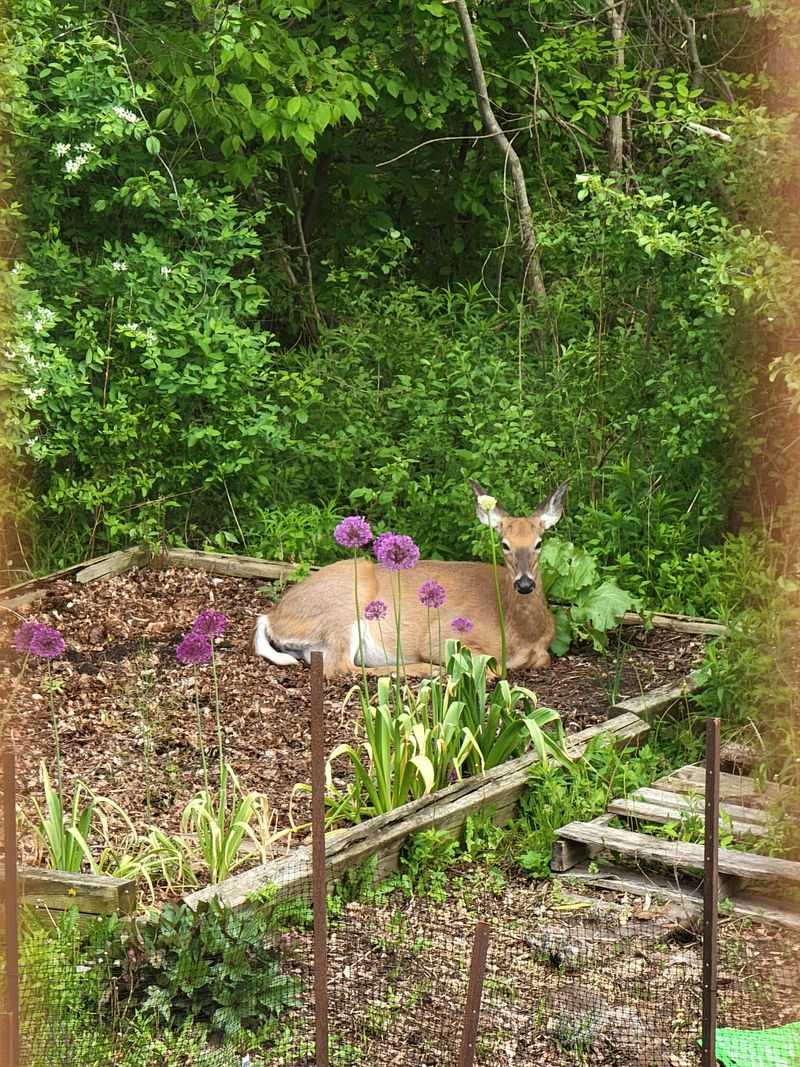
Some plants need more than clever placement.
Hostas and daylilies are classic Michigan garden favorites, and deer often treat them like a dependable salad bar.
If pressure is high in your neighborhood, resistant neighbors and smart bed design may reduce damage, but they may not protect the plants you care about most.
That is where direct protection matters.
Wire cages are one of the most practical options. Use hardware cloth, welded wire, or sturdy garden fencing shaped into a cylinder around individual clumps or small groups.
Press the bottom edge into the soil or secure it with landscape pins so deer cannot nose it aside.
Make the cage wide enough that leaves do not push tightly against the wire. If foliage grows through the mesh, deer can still nibble the exposed parts and wind may rub leaves against the metal.
Temporary netting can help during vulnerable windows, especially when hostas are emerging in spring or daylily buds are swelling. Drape it loosely and secure the edges so deer cannot lift it with their noses.
Check netting often. Loose netting can tangle with foliage, catch debris, or look messy if ignored.
For prized plants near a front walkway, decorative metal supports or low cages may look better than utility fencing. A little design effort makes protection feel intentional rather than desperate.
Direct protection is not admitting defeat. It is saving the plants most likely to be targeted.
If a plant has been chewed three years in a row, it has already told you the truth. It needs a physical barrier, not another hopeful ring of scented companions.
Apply Repellents To Preferred Plants
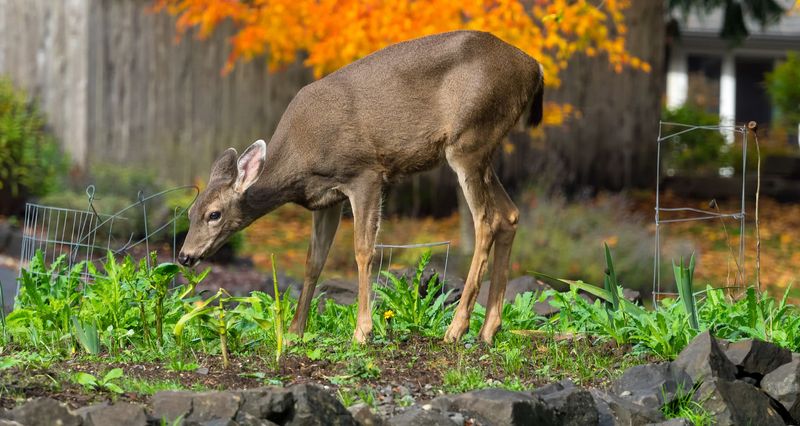
Repellents can help, but only when used like a routine instead of a wish.
Many gardeners spray once, feel responsible, and then forget until the deer return. That gap is exactly when tender new growth becomes vulnerable.
Repellents break down, wash off, and fail to cover leaves that were not present during the last application.
Use them where they matter most: on preferred plants.
Hostas, daylilies, tulips, roses, young shrubs, and fresh shoots deserve attention before less appealing plants do. Focus product where browsing would hurt most.
Odor-based repellents work by making the area smell risky or unpleasant. Taste-based repellents make the plant itself less appealing after a deer samples it. Both can be useful, and rotating types may reduce the chance that deer get used to one signal.
Read the label carefully every time. Some products are not meant for edible plants. Some need dry foliage. Some require repeat applications after rain or after a set number of days.
New growth is the easy thing to miss. A hosta leaf that unfurls after spraying has no protection. A daylily bud that rises after your last application is fresh bait.
Repellents tend to work best before deer establish a feeding habit. Once they already visit nightly, products may have a harder job.
Do not rely on scent alone when pressure is heavy. Pair repellents with cages, plant relocation, and layout changes.
A repellent is not a fence in liquid form. It is one layer, and it needs repetition to stay useful.
The bottle helps most when the gardener stays on schedule.
Reapply Protection After Heavy Rain
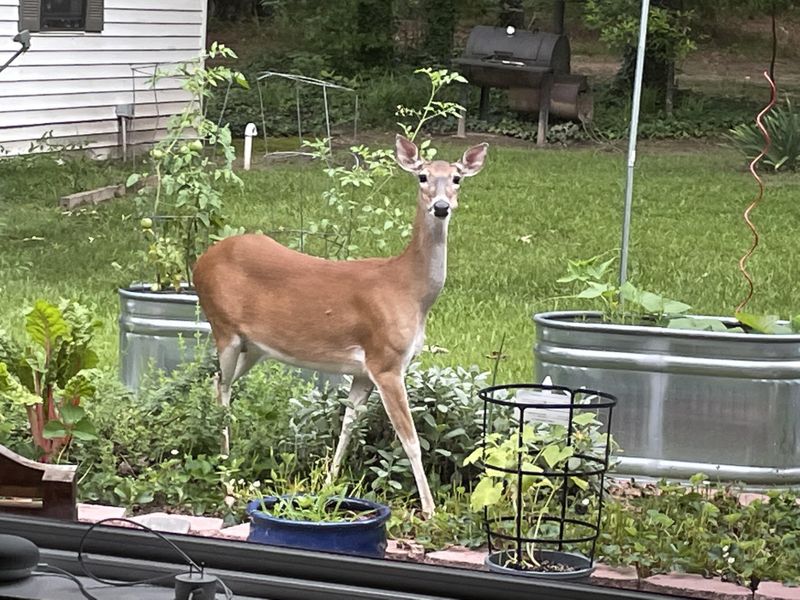
Michigan rain can erase a careful repellent plan fast.
A summer storm may leave the garden looking refreshed, but it can also weaken or wash away the product protecting your favorite plants. Waiting for the next calendar reminder may leave hostas, daylilies, and young shrubs exposed for days.
Tie reapplication to weather, not just dates.
After a heavy rain, walk the garden once foliage dries. Check the plants deer prefer most. If the repellent film seems gone, or if the label calls for reapplication after rain, treat again before evening browsing begins.
Do not spray wet leaves unless the product label allows it. Wet foliage can dilute the material, cause runoff, and waste the application.
Rain is not the only reset. Fast growth creates unprotected tissue. Spring and early summer shoots can expand quickly, and every new leaf or bud needs coverage if deer pressure is active.
This is especially important for hostas. Fresh leaves emerge in waves, and deer know how tender that new growth is. Daylily buds also deserve close attention because one night of browsing can remove the flowers you waited weeks to see.
Keep repellents near the garden tools during peak season so reapplication feels easy, not like a separate project. Mark rainfall events or spray dates in a phone note if that helps.
Products with better rain resistance may be useful during stormy stretches, but the label still controls timing.
The main idea is simple. Protection has an expiration date, and Michigan weather can shorten it.
When rain resets the garden, reset the defense too.