Crowd Out Weeds In Your Virginia Garden With This Stunning Plant
Weeds have a talent for showing up uninvited and staying far too long. You pull them on Saturday, and by Wednesday they’re back with friends.
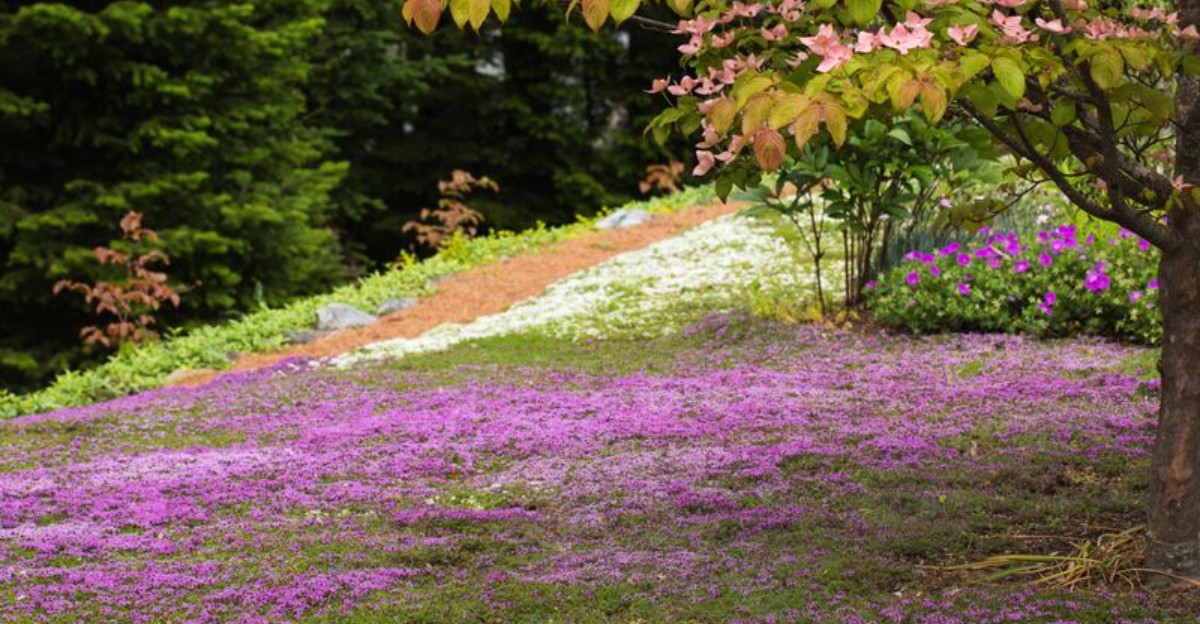
A pretty plant can take over some of that work. This low-growing charmer forms a soft purple carpet that hums with bees all summer.
Every step releases a warm, spicy scent, like walking through an herb garden. Across Virginia, gardeners are planting it on patios, slopes, and sunny bare spots.
It shrugs off heat, handles poor soil, and slowly crowds weeds out of the bed. It does need a little help while it fills in.
The guide below covers how to get it started on the right foot. Give it a season or two, and your weeding days could shrink.
Creeping Thyme Is The Plant To Know
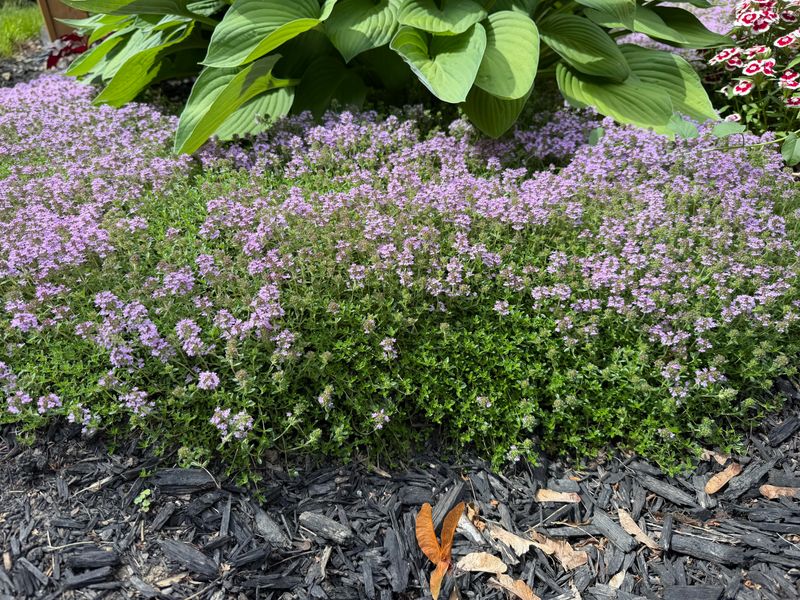
Picture a carpet that smells like a kitchen herb garden and laughs at summer heat. Creeping thyme fits that description, and plenty of Virginia gardeners are catching on.
Botanists call it Thymus serpyllum, though several close cousins share the same common name. All of them belong to the mint family, which explains that lovely scent.
Technically, creeping thyme is a perennial sub-shrub that hugs the ground in a low mat. Most varieties stay just 1 to 4 inches tall.
Width is where the magic happens, since one plant can spread 18 to 20 inches across. A handful of plants can cover a surprising amount of bare soil.
Across USDA Zones 4 through 9, this tough little plant comes back year after year. Virginia sits comfortably inside that range, from the mountains down to the coast.
Foliage stays evergreen to semi-evergreen, so you get color even in chilly months. Some leaves may bronze or thin a bit during a hard winter.
Fun fact: ancient Romans tucked thyme into their baths for courage and energy. Medieval knights reportedly received sprigs from admirers before heading into battle.
Popular choices include Red Creeping Thyme, Elfin Thyme, and Woolly Thyme. Each brings a slightly different texture, height, and flower color to the yard.
Start with one variety in a small spot to learn its habits. Once you see it spread, you may want it everywhere.
Garden centers usually stock it in spring, often near the herbs or groundcovers. Prices tend to be friendly, especially when you buy a flat of plugs.
Dense Mats Shade Out Weed Seeds

Weeds are opportunists, and bare dirt is basically an open invitation. Give them no room, and they struggle to get a foothold.
Creeping thyme works like a living blanket stretched across the soil. Its tiny leaves overlap so tightly that sunlight barely reaches the ground below.
Most weed seeds need light to sprout, especially common troublemakers like crabgrass. Without that sunshine trigger, many seeds simply sit dormant and wait.
Stems also root where they touch the soil, anchoring the mat firmly in place. Over time, the roots claim space and moisture that weeds would otherwise steal.
Another trick hides in those leaves. Thyme contains natural oils, like thymol, that may make the area less welcoming to some weeds.
Your Virginia Garden Changes Every Week. Your Plan Should Too.
Gardening in Virginia changes quickly throughout the season. Every Friday you’ll receive a simple weekly plan showing exactly what to plant, prune, fertilize, harvest, and protect so you never miss the right timing.
Keep expectations realistic, though, because no groundcover is a magic shield. A determined dandelion or a stray seed dropped by a bird might still poke through.
Patience pays off here more than anything else. Full, dense coverage usually takes one to three growing seasons, depending on spacing and care.
Gardeners often notice a big jump in coverage during the second year. Roots settle in after the first season, and then growth speeds up.
To help the mat thicken, give plants a light trim right after they finish blooming. Shearing encourages new side shoots, which fills thin patches nicely.
Watch for any bare spots and tuck a small plug into each gap. Closing those holes quickly keeps weeds from finding a sneaky way in.
Tiny Purple Blooms Cover It In Summer

One June morning, you might step outside and find your groundcover has turned purple overnight. Such a surprise is one of the best parts of growing creeping thyme.
Flowers usually appear from late spring into early summer. The show typically lasts about three to four weeks, sometimes longer in mild weather.
Each bloom is tiny, measuring only about one-eighth of an inch across. Up close, they look like little stars clustered at the tips of the stems.
What they lack in size, they make up for in sheer numbers. A healthy mat can be so packed with flowers that the leaves nearly vanish.
Purple and pink shades are the most common colors you will find. Some varieties offer red, magenta, or crisp white blooms instead.
Mixing colors can create a patchwork quilt effect along a path or slope. Try pairing a white variety beside a deep red one for strong contrast.
Sunshine is the secret to the heaviest flowering. Aim for at least six hours of direct sun each day for the best display.
In shadier corners, plants may grow leggy and bloom less. Move them to a brighter spot if flowers seem sparse.
After the blooms fade, grab some scissors or hedge shears. A quick haircut removes spent flowers and keeps the mat neat and compact.
Some gardeners even snip fresh flower stems to scatter over salads. The blossoms are edible and carry a mild, herby flavor.
Fragrant Leaves Release Scent Underfoot
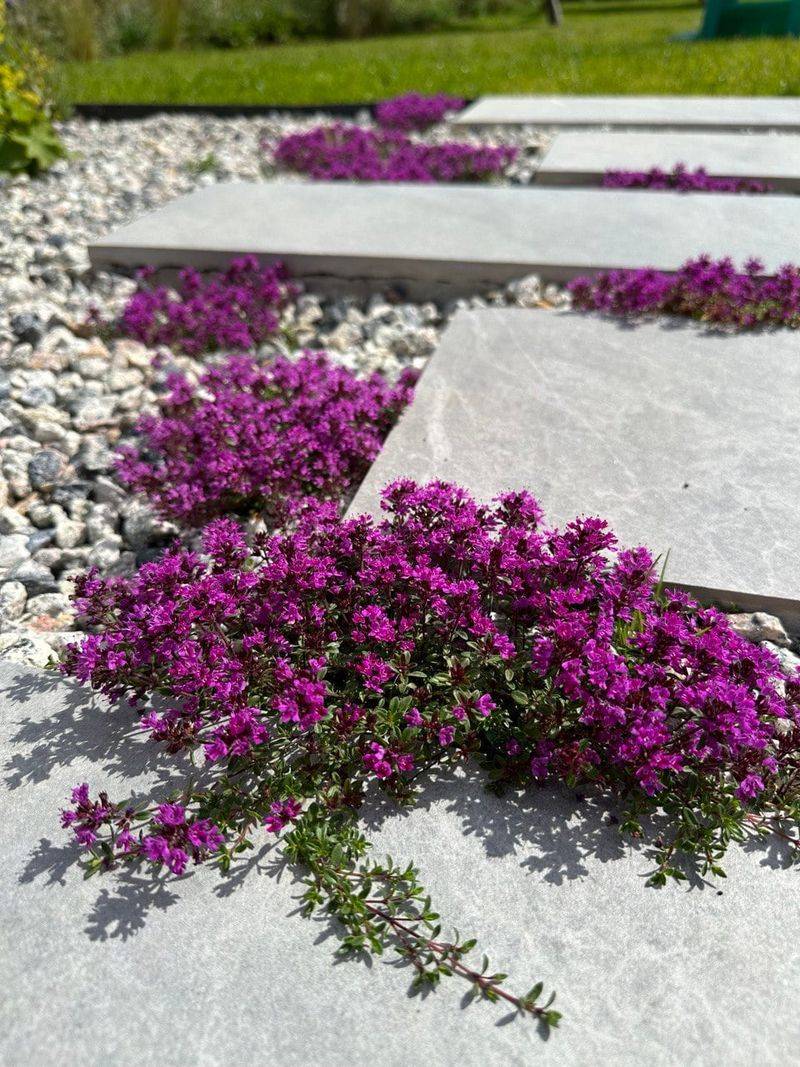
Walking barefoot across a patch of creeping thyme feels a little like strolling through a spice shop. Every step sends up a warm, herbal puff of scent.
Those tiny leaves hold aromatic oils in little glands on their surface. Brushing, stepping, or even running a hand over them releases the fragrance.
People describe the smell in different ways depending on the variety. Some say it is spicy and savory, while others notice a bright lemony twist.
Lemon thyme, for example, has a citrus note that many folks find refreshing. Common creeping types lean more toward the classic kitchen thyme aroma.
Placement matters if you want to enjoy the scent often. Plant it along walkways, near a patio seating area, or beside a garden bench.
Light to moderate foot traffic actually helps release more fragrance. Just avoid paths where people stomp through dozens of times a day.
On a humid summer evening, the aroma tends to linger in the air longer. Warm, still nights make it especially noticeable near doorways and porches.
Here is a handy bonus: many deer and rabbits dislike strong-smelling herbs. While not a guarantee, thyme often gets skipped by browsing critters.
Leaves are edible too, so you can snip a few for cooking. Wash them well, especially if pets roam the yard.
Kids usually love this plant once they discover its secret smell. Let them rub a leaf and guess what it reminds them of.
Bees And Butterflies Flock To It
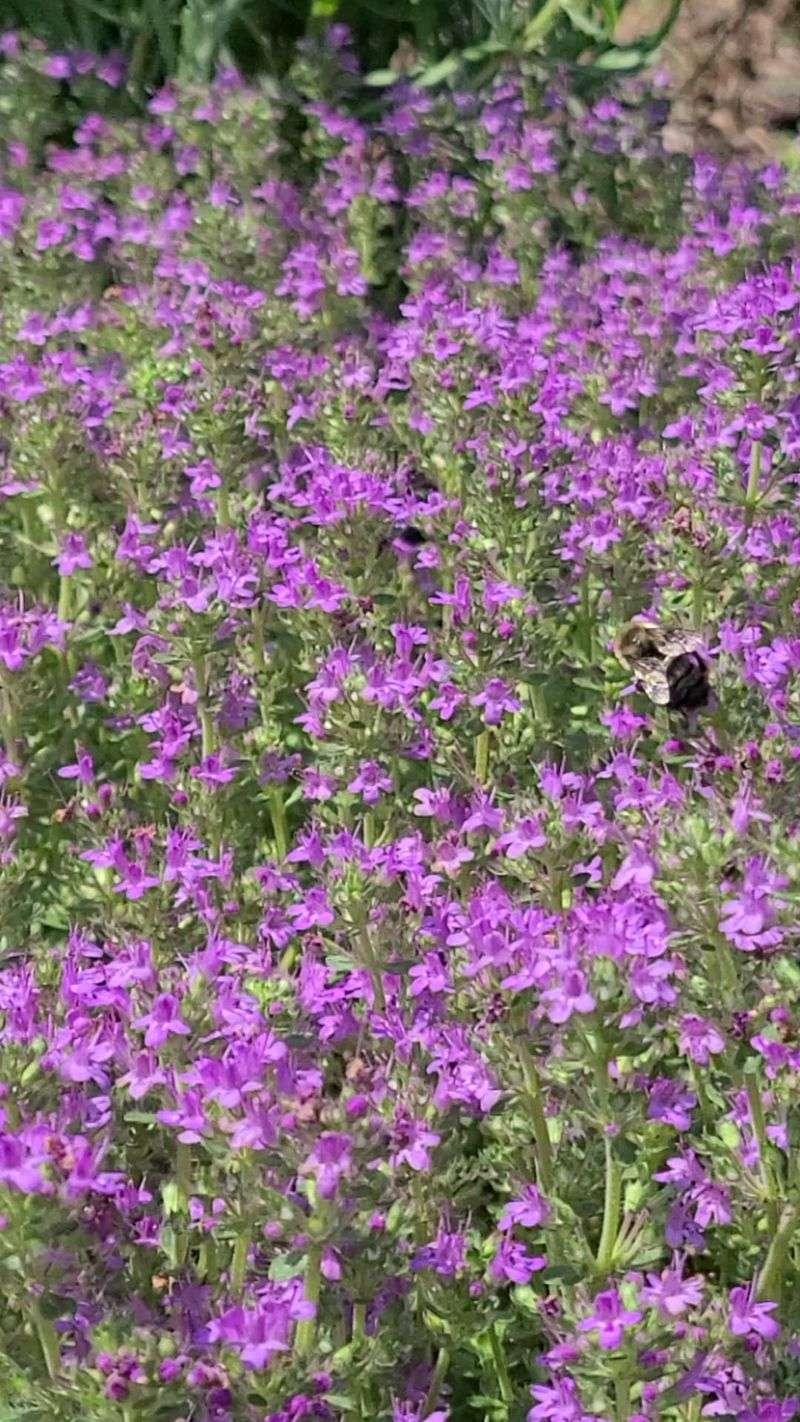
Stand near blooming creeping thyme on a sunny afternoon, and you will hear it before you see it. The gentle buzz of busy bees is hard to miss.
Those tiny flowers are packed with nectar, making them a valuable food source. Honeybees, bumblebees, and small native bees visit them in steady streams.
Butterflies join the party too, fluttering from cluster to cluster. Look for skippers, sulphurs, and other small species sipping along the edges.
Some sources note thyme can serve as a host plant for certain butterfly species. Caterpillars may nibble the leaves without causing much harm.
Hoverflies and other helpful insects stop by as well. Many of their larvae eat aphids, giving nearby vegetable beds a natural boost.
Pollinators across the state face shrinking habitat as lawns and pavement spread. Swapping even a small patch of grass for thyme gives them a welcome refueling station.
Skip pesticides on and around your thyme to keep visitors safe. Even products labeled organic can harm bees if sprayed during bloom.
Planting several varieties with slightly different bloom times stretches the season. Bees appreciate a buffet that stays open for more than a few weeks.
If you have kids or pets, a little caution makes sense. Choose spots away from play zones while flowers are covered in bees.
Many gardeners find that watching the buzz becomes a favorite summer pastime. Grab a cold drink, sit nearby, and enjoy the free nature show.
It Handles Drought And Poor Soil
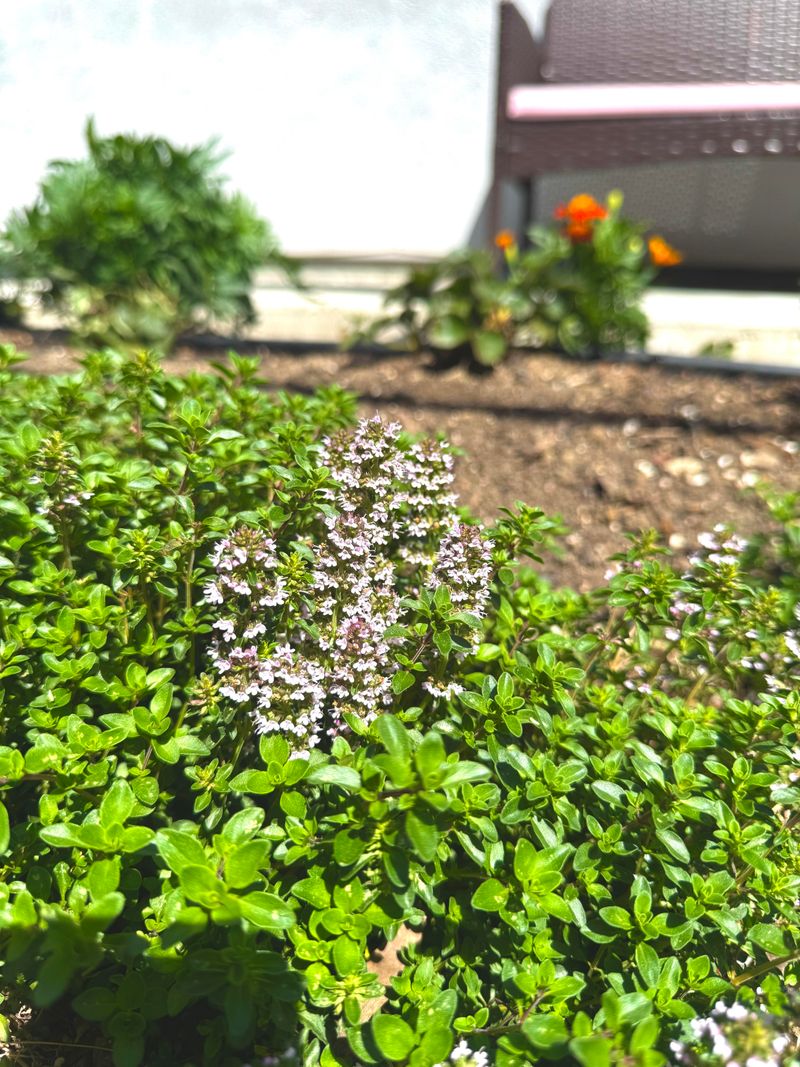
Some plants need pampering, rich compost, and a strict watering schedule. Creeping thyme is the opposite, thriving where fussier plants give up.
Its ancestors grew on rocky Mediterranean hillsides with thin soil and hot sun. Such a background makes it surprisingly happy in tough conditions.
Once established, creeping thyme handles dry spells with impressive grace. Expect it to need little extra water after its first full growing season.
Sandy, silty, rocky, and lean soils all suit it nicely. Low fertility is actually a plus, since rich soil can make growth floppy and weak.
Skip the heavy fertilizer bag for this one. A light sprinkle of compost at planting time is usually more than enough.
Heavy clay is the main exception to its easygoing ways. Wet, dense soil holds too much moisture around the roots, which leads to trouble.
Plenty of Virginia homeowners deal with red clay, especially in the Piedmont region. Raised beds, slopes, or amended soil can make thyme work there.
Hot, sunny strips along driveways and sidewalks are perfect candidates. Such spots bake in summer and often defeat ordinary lawn grass.
During the first year, water deeply about once a week if rain is scarce. Let the soil dry out between drinks to encourage deep roots.
Think of it as a low-water upgrade for neglected corners. Your water bill and your weekend schedule will both thank you.
Plant Plugs Close Together For Faster Coverage
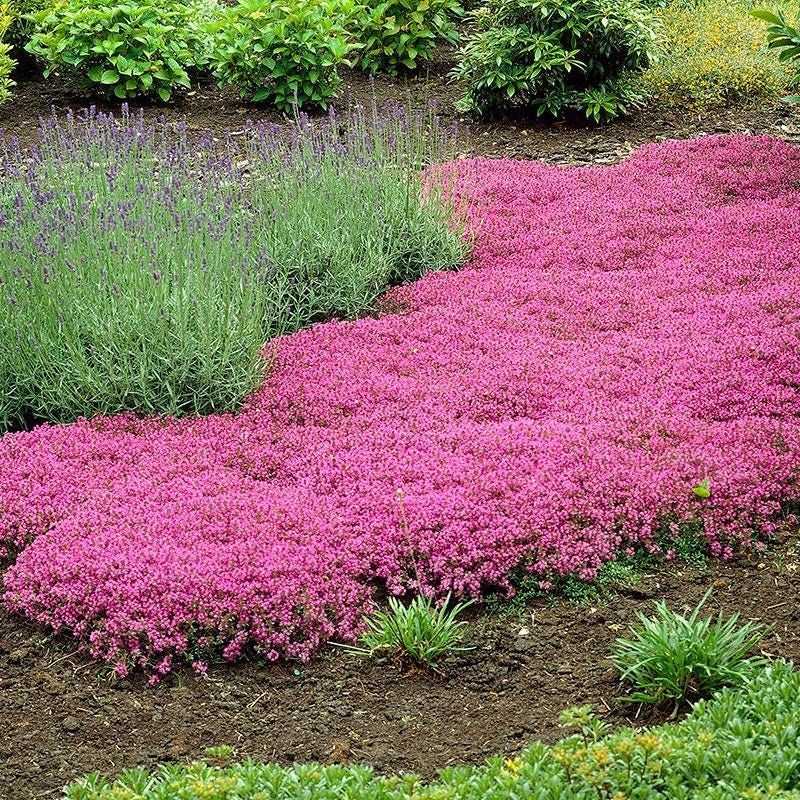
Ask any experienced gardener about creeping thyme, and spacing advice comes up fast. Plant close, and you will thank yourself next summer.
Plugs are small starter plants with compact root balls, often sold in trays. You can also buy thyme in 4-inch pots for a slightly bigger head start.
Spacing plants about 6 to 12 inches apart is the usual sweet spot. Closer spacing creates a denser, more even mat in less time.
Wider gaps save money but leave more bare soil for weeds to claim. For weed control, tighter spacing is well worth the extra cost.
Spring and early fall are ideal planting windows across most of Virginia. Mild temperatures let roots settle in without summer stress.
Dig each hole just as deep as the root ball, no deeper. Firm the soil gently around the plug so no air pockets remain.
A checkerboard or staggered pattern helps plants knit together evenly. Straight rows tend to leave long empty strips that fill in slowly.
Water new plugs consistently for the first several weeks. Keep the soil lightly moist, not soggy, until you see fresh growth.
Budget tip: buy a flat of plugs rather than individual pots. Flats often cost far less per plant and cover more ground.
You can also divide a mature clump in spring to make extra starts. Simply pull apart rooted sections and replant them in bare spaces.
Pull Weeds By Hand Until It Fills In
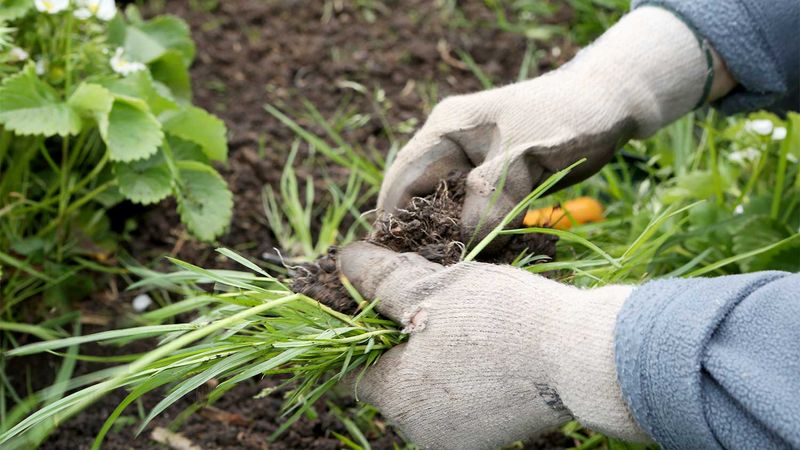
Nobody loves weeding, but a little early effort sets the stage for years of easy care. Think of it as a short-term chore with a long-term payoff.
Before planting anything, clear the area of existing weeds and grass. Pull roots thoroughly, since leftover pieces of bindweed or Bermuda grass can resprout.
Some gardeners smother stubborn spots with cardboard for several weeks first. Others prefer solarizing the soil under clear plastic during hot summer months.
Young thyme plants need time to spread before they can defend themselves. During the first season or two, hand-weeding is part of the deal.
A quick ten-minute walk-through each week works wonders. Catching weeds while small keeps their roots from tangling with your new thyme.
Moist soil makes pulling much easier, so try weeding after a rain. Grip each weed low near the base and tug slowly for the whole root.
A narrow tool like a hori-hori knife or dandelion fork helps in tight spaces. Avoid hoeing, which can slice through the shallow thyme stems.
Some folks apply a pre-emergent between plants to slow new weed sprouts. Read the label carefully, because certain products may also harm young thyme roots.
Spring brings a flush of weeds like henbit and chickweed. Stay on top of them early, and summer weeding becomes much lighter.
Before long, the mat thickens and your weeding sessions shrink. Many gardeners find they only pull a stray weed now and then by year three.
Good Drainage Keeps It Thriving

If creeping thyme had one wish, it would probably be dry feet. Soggy roots cause more trouble for this plant than heat, cold, or poor soil.
Root rot is the biggest threat in waterlogged ground. Fungi attack roots sitting in wet soil, and plants can decline quickly.
Warning signs include yellowing leaves, mushy stems, and patches that brown from the center. Overwatering often causes these symptoms, even in well-drained beds.
Test your drainage before planting with a simple trick. Dig a hole about a foot deep, fill it with water, and time how fast it empties.
Water that lingers longer than a few hours signals a problem. In that case, choose another spot or improve the soil first.
Mixing in coarse sand, pea gravel, or fine grit loosens heavy soil. Raised beds and gentle slopes also help excess water run away from roots.
Avoid low spots where puddles form after storms. Downspout areas are risky, too, since they collect runoff from the roof.
Summers here can bring sudden downpours and sticky humidity. Good airflow around plants helps leaves dry faster and keeps fungal issues at bay.
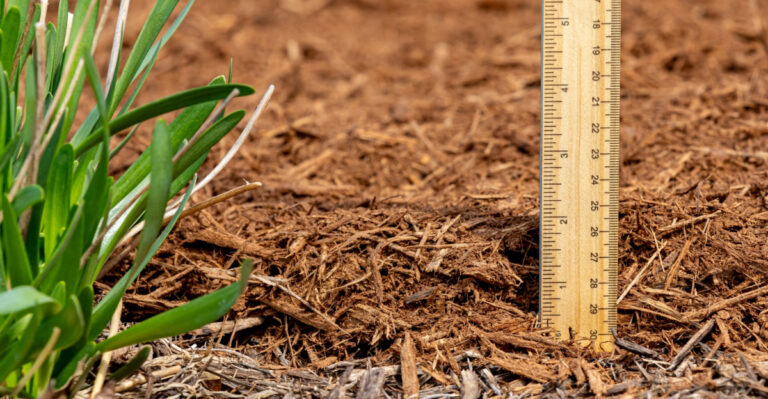
Skip thick wood mulch around thyme, since it traps moisture against stems. Gravel or small stones make a better mulch for this Mediterranean native.
When watering, aim for the soil rather than the foliage. Early morning watering gives any wet leaves the full day to dry out.
It Fills Gaps Between Pavers Beautifully
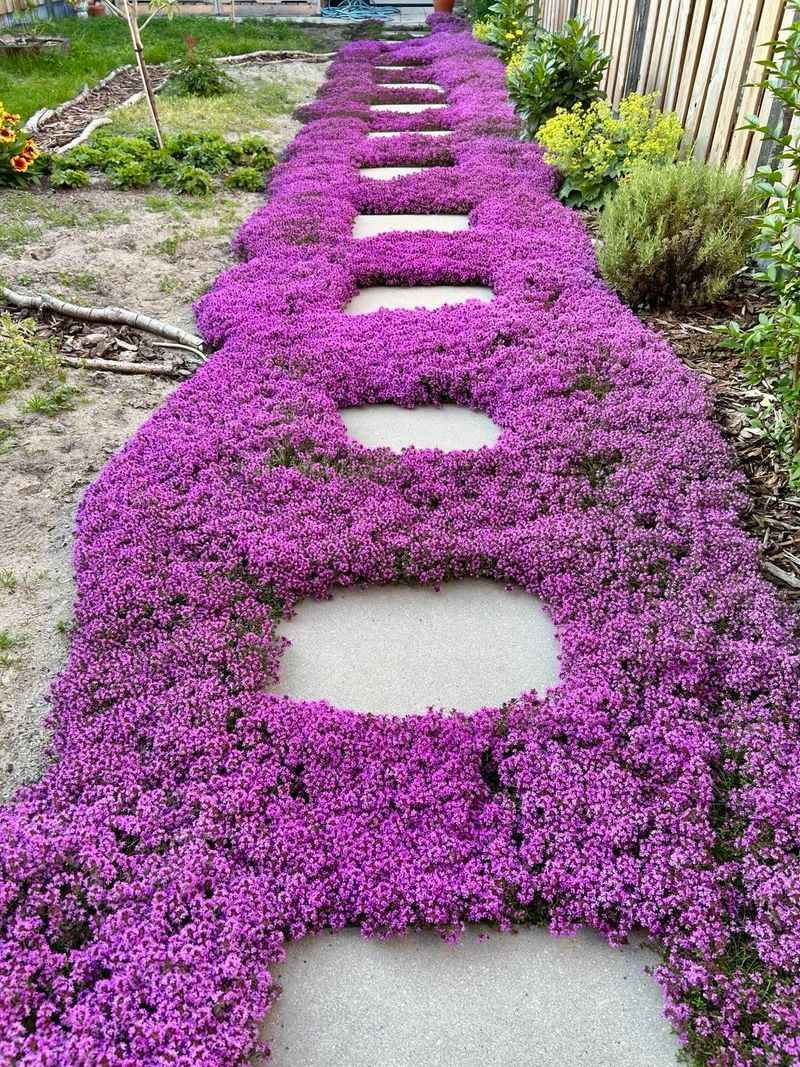
Bare cracks between stepping stones tend to attract weeds like a magnet. Fill those gaps with creeping thyme, and a plain path becomes a fragrant garden feature.
Staying just 1 to 4 inches tall, the plant forms a soft, carpet-like cushion. It hugs the edges of stones without tripping anyone.
Light to moderate foot traffic suits it well. Each step releases a fresh wave of herbal scent, turning a simple stroll into a treat.
Leave gaps of about one to three inches between pavers for planting. Fill them with a gritty mix of soil and sand for good drainage.
Tuck small plugs or divisions into the gaps every few inches. Press the soil firmly and water gently until new growth appears.
Varieties like Elfin Thyme stay extra flat, making them great for tight joints. Woolly Thyme adds a fuzzy silver texture that looks lovely against stone.
Patios, garden paths, and front walkways can all benefit from this approach. Even a few planted joints soften harsh lines and add charm.
Busy routes, like the main path to your car, may wear thin over time. Use sturdier stepping stones there and save thyme for side paths.
Stones also act like a heat bank, warming the soil and keeping roots dry. Creeping thyme loves that cozy, well-drained setup between pavers.
Once established, the plant asks for very little attention. A yearly trim after bloom keeps edges tidy and stops it from covering the stones.