Drain These Before The First Hard Freeze In Virginia, Or Your Pipes Could Burst
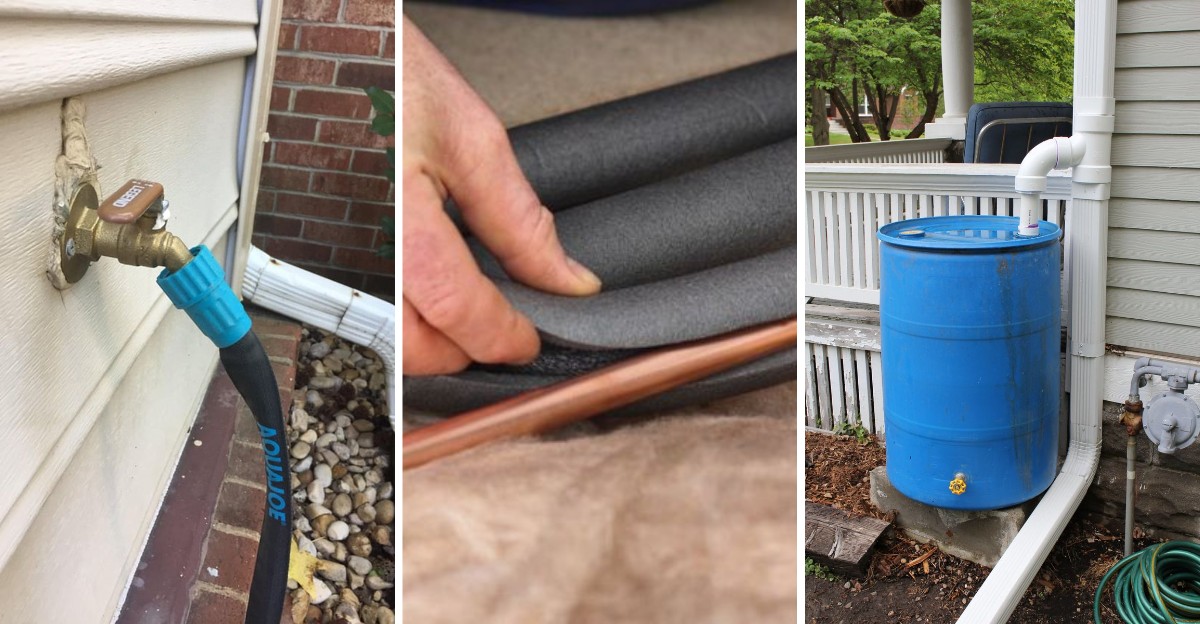
Frost sparkling on the lawn on a crisp fall morning looks beautiful. Water spraying from a cracked pipe inside your wall looks a whole lot less charming.
Across Virginia, the first hard freeze can arrive anywhere from mid-October into November, depending on where you live. Pipes face real danger when temperatures sit around 20 degrees or lower for about four hours.
Even the mid-20s can freeze water in drafty, unheated spots. One cold night can leave you with a repair bill that stings for months.
A few simple chores can prevent the whole mess. Most take less than an afternoon and need only basic tools.
Some are so easy you might wonder why you skipped them last year. Eight spots around your home deserve attention before winter knocks on the door.
1. Disconnect And Drain Garden Hoses
Your trusty garden hose spent all summer watering tomatoes and filling kiddie pools. Once October rolls around, though, it can quietly turn into a troublemaker.
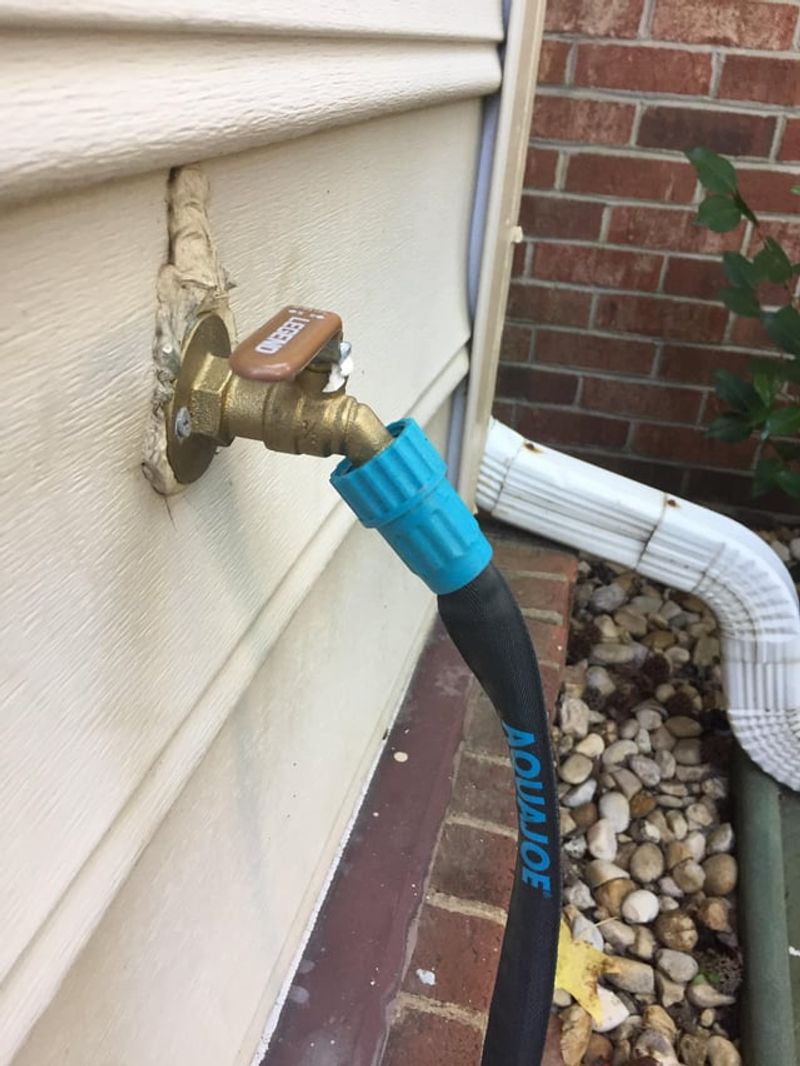
Water trapped inside a connected hose freezes and grows larger. The pressure can crack the hose, the faucet, and even the pipe hidden inside your wall.
A sneaky leak inside a wall might go unnoticed for weeks. By the time you spot a stain, you could be facing mold, rotted wood, and a hefty repair bill.
Start by unscrewing every hose from its outdoor faucet. Next, stretch each hose out on a gentle slope so water can flow out one end.
Lift sections over your shoulder as you walk toward the low end. Gravity does most of the work, and the last stubborn drips will follow along.
Once empty, coil the hose loosely in big, easy loops. Tight coils can kink the rubber and create weak spots that split later.
Store hoses in a garage, shed, or basement where temperatures stay above freezing. Hanging them on a wall bracket keeps them off cold concrete floors too.
Here is a detail many people miss about frost-free faucets. An attached hose blocks them from draining, so they can still freeze and crack.
Quick tip for busy weekends: set a phone reminder for early October. Virginia weather can flip fast, and one surprise cold night is enough to cause damage.
2. Shut Off Outdoor Faucets From Inside
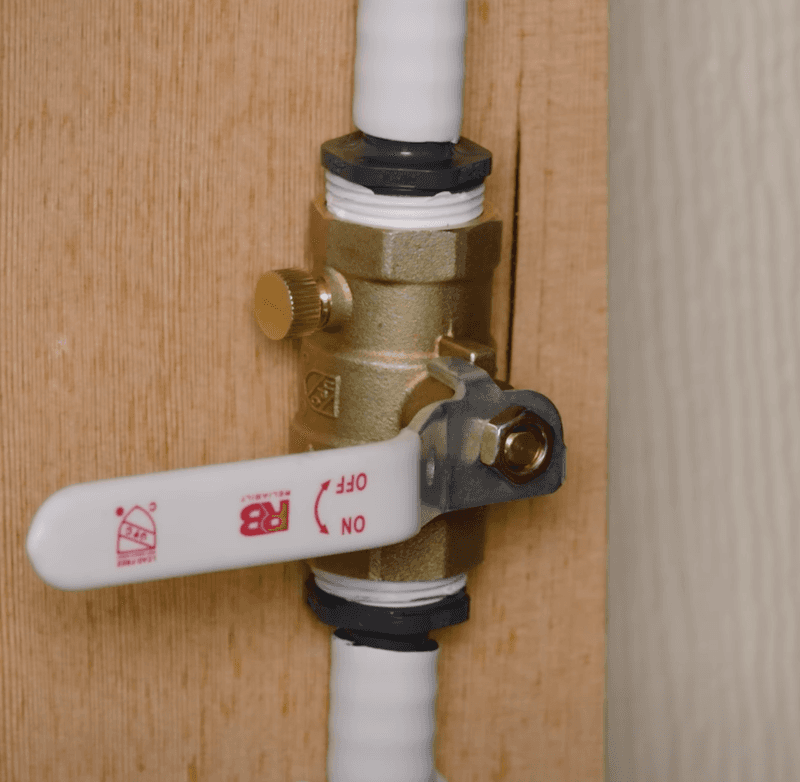
Somewhere in your basement or crawl space, a little valve is waiting for its yearly moment of glory. Most folks walk past it for years without knowing what it does.
That valve controls water flowing to your outdoor faucet. Closing it stops fresh water from reaching the part of the pipe exposed to cold air.
Look for it on the same wall as your outside spigot. It usually sits in a basement, crawl space, or utility room, often near the ceiling.
To close a round handle, turn it clockwise until it stops. For a lever handle, twist it so it sits crosswise to the pipe.
Now head outside and open the outdoor faucet all the way. Any water left in the line will dribble out, leaving the pipe empty and safe.
Some indoor valves include a tiny cap on the side called a bleeder. Unscrewing it lets extra trapped water escape, so keep a small bucket handy underneath.
Many plumbers suggest leaving the outdoor faucet slightly open all winter. If the indoor valve leaks a bit, that water has somewhere to go instead of freezing.
Can’t find the valve at all? Older homes sometimes have hidden or missing shutoffs, so a plumber visit could be a smart investment.
Write a small label on the valve with a marker or tag. Next fall, you or anyone in your household will spot it in seconds.
3. Install Frost-Proof Spigots Where Possible
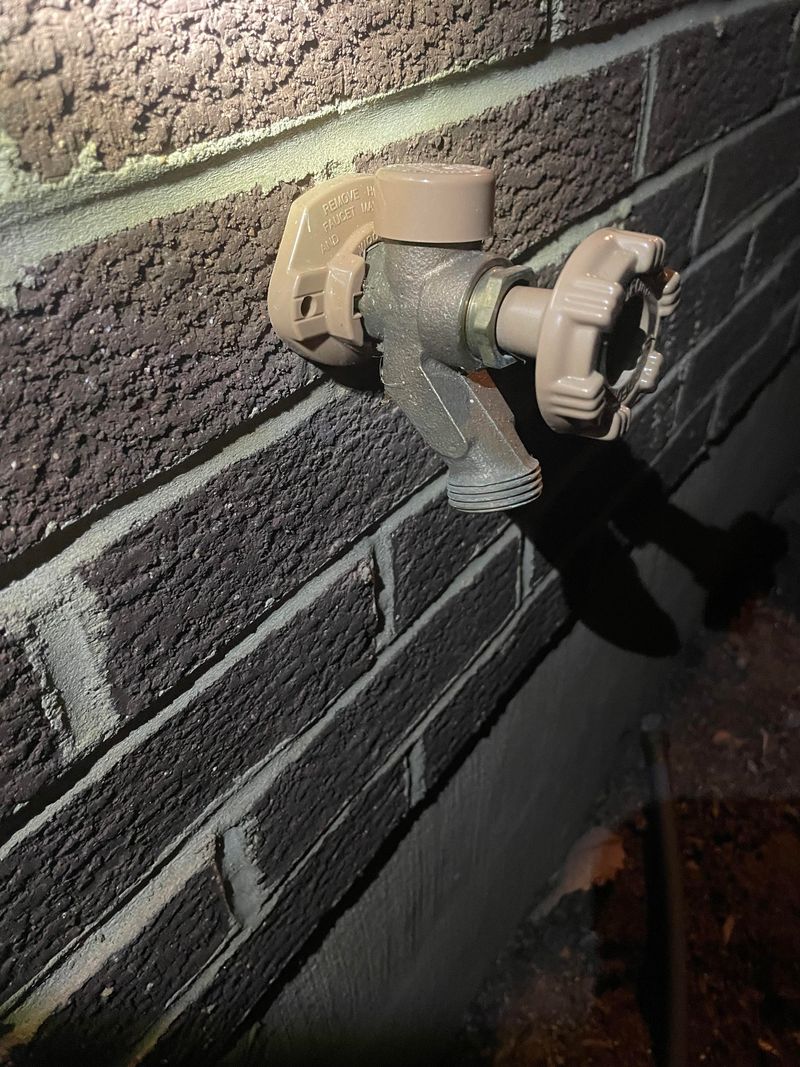
Think of a frost-proof spigot as a faucet wearing a winter coat. Its clever design keeps the working parts tucked safely inside your warm home.
A regular spigot shuts off water right at the outside wall. A frost-proof model has a long stem that places the shutoff valve several inches indoors.
When you turn the handle off, water stops deep inside the heated space. The outer section then drains on its own, leaving little water to freeze.
For this trick to work, the spigot must tilt slightly downward toward the outside. A level or backward slope can trap water and defeat the whole purpose.
Stem lengths often range from about 4 to 14 inches. Measure your wall thickness first so the valve ends up inside the warm zone.
Fun fact for the curious: frost-free hydrants have helped farmers water livestock through brutal winters for generations. The same basic idea now protects ordinary homes.
Installation can be a weekend project for handy homeowners with soldering or push-fit skills. Otherwise, a plumber can usually swap one out in an hour or two.
Remember the hose rule still applies here. An attached hose traps water in the stem, and that can split even a frost-proof valve.
Many homeowners upgrade one spigot at a time. Start with the faucet on the coldest, windiest side of your house, often the north wall.
4. Blow Out Irrigation Systems
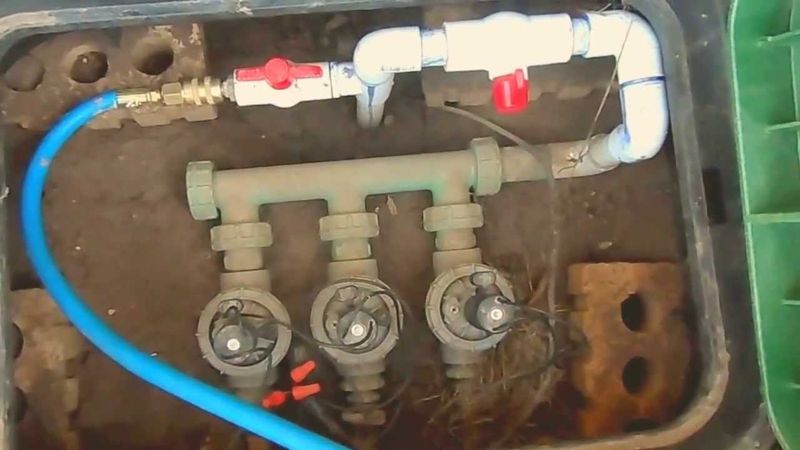
Sprinkler lines are some of the most fragile pipes on your property. Buried only a few inches deep, they feel cold weather long before your house pipes do.
Water left in the lines, valves, and heads expands as it freezes. Come spring, you might find cracked pipes, soggy patches, and sprinklers that refuse to pop up.
Begin by shutting off the main water supply to the irrigation system. Then turn off the controller or switch it to its rain or off setting.
The best method uses an air compressor to push leftover water out of each zone. Air forces water through the sprinkler heads until only mist sprays out.
Pressure matters a lot here. Aim for about 50 PSI with rigid PVC pipe and around 30 PSI with flexible polyethylene tubing.
Work one zone at a time and never leave the compressor running with every valve closed. Safety glasses are a must, since debris can shoot out unexpectedly.
Don’t forget the backflow preventer, which is often the priciest part to replace. Drain it following the maker’s directions, and check whether local codes require indoor storage.
Not comfortable with compressors? Many lawn care companies offer blowout service each fall, often for a modest fee.
Book early, though, because schedules fill up quickly in October. A late appointment could land after the first freeze has already struck.
5. Empty Rain Barrels Or Divert Downspouts
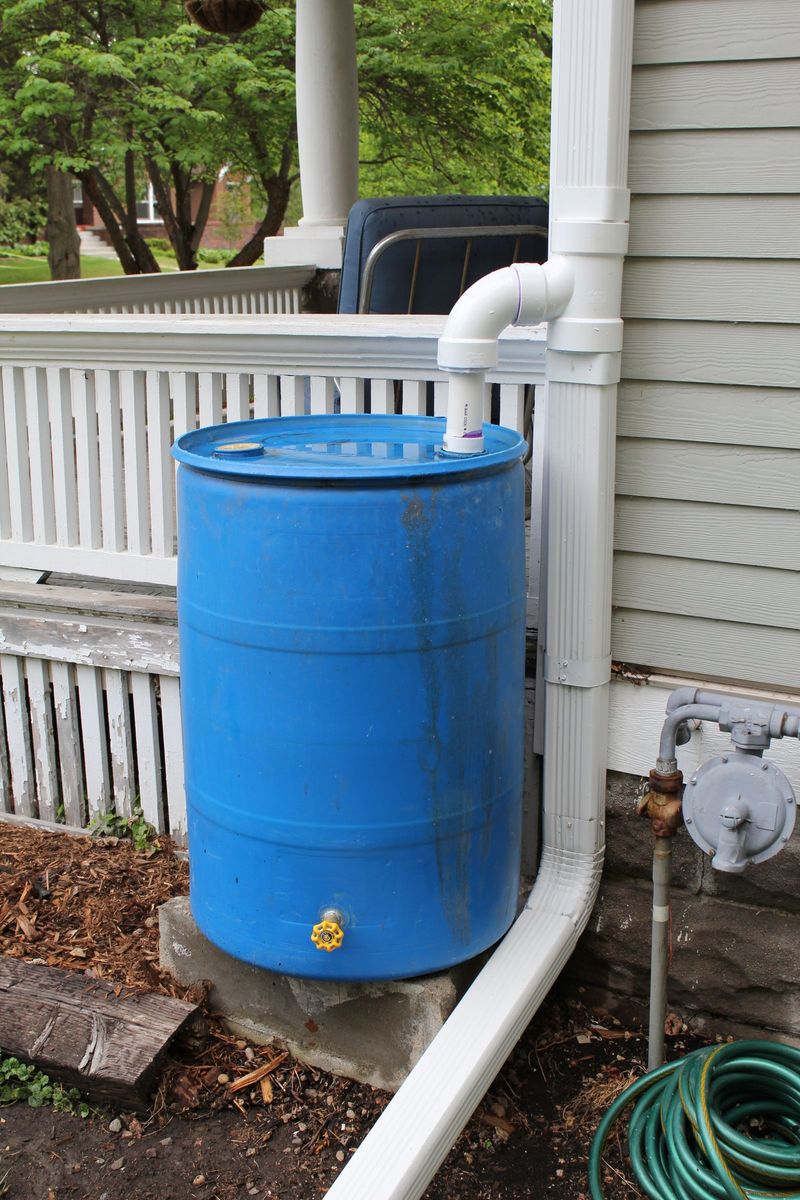
Rain barrels are wonderful little water savers during summer droughts. Left full in winter, however, they can split open like an overripe melon.
Ice takes up more room than liquid water. Inside a sealed barrel, that growth pushes on the walls until plastic or metal cracks.
Disconnect the barrel from its downspout before freezing weather arrives. Then open the spigot and drain every bit of collected rainwater.
Got thirsty shrubs? Use the last of that water on landscape beds rather than dumping it on pavement.
Scrub the inside with a brush to remove sludge, leaves, and green algae. A clean barrel will be ready to go when spring storms return.
Remove spigots, hoses, and diverter parts, and store them indoors. Small plastic fittings crack easily in the cold.
Store the barrel inside if you have room. If it must stay outdoors, flip it upside down or cover the opening, and tie it down against winter gusts.
Once the barrel is gone, your downspout needs a new job. Attach an extension that sends roof runoff at least 10 to 15 feet from your foundation.
Pooled water near the house can seep into basements and crawl spaces. Over time, it may also erode soil and weaken the ground around your foundation.
6. Drain Fountains And Birdbaths
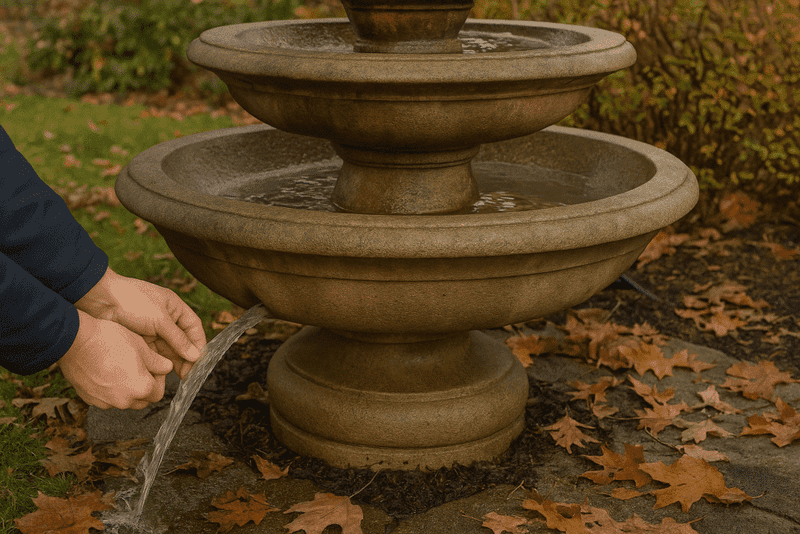
Nothing sets a peaceful mood quite like a bubbling fountain in the garden. Yet a single frosty night can leave that lovely centerpiece with an ugly crack.
Fountains of every size hold water in their bowls, pumps, and small tubes. As temperatures drop, that water expands and pushes against stone, concrete, or resin.
Start by unplugging the fountain and draining all the water. Then remove the pump and any electrical parts.
Clean the pump gently and let it dry fully before storing it indoors. A dry, frost-free shelf in the garage or basement works nicely.
Wipe out leaves, algae, and grime from the basin. Small tabletop fountains are often safest spending winter inside your home.
Bigger fountains that stay outside need extra care. Set them on bricks or blocks so the base won’t freeze to the ground or sit in ice.
Cover them with a weatherproof cover that has a peaked top. A pointed shape keeps rain and snow from pooling and freezing on the cover.
Birdbaths deserve attention too, especially those made of terracotta or thin ceramic. Empty them and bring fragile ones indoors before the cold settles in.
Want to keep feathered friends happy? Sturdy plastic baths with a small heater give songbirds a drink all winter without cracking.
7. Insulate Pipes In Crawl Spaces
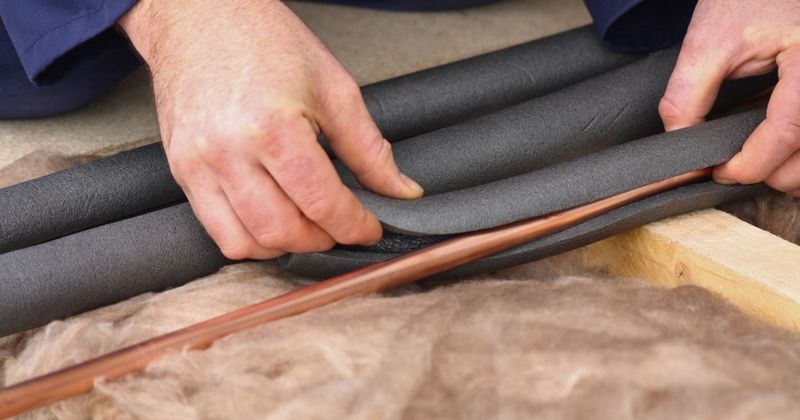
Crawl spaces are dark, dusty, and easy to forget. Unfortunately, they’re also where many Virginia homes hide their most exposed plumbing.
Pipes in unheated spots like crawl spaces, garages, and attics face the highest freezing risk. Cold air drifts in, and bare pipes have nothing protecting them.
Foam pipe sleeves are cheap, easy to find, and simple to install. Just slip them over the pipe, then seal the seams with tape.
Heat tape or heat cable offers extra protection for pipes in really cold areas. Follow the instructions carefully, since poor installation can create a fire hazard.
Next, hunt for drafts that let chilly air sneak inside. Check around vents, wiring holes, dryer vents, and spots where pipes pass through walls.
Caulk or spray foam can seal small gaps quickly. A tiny opening might seem harmless, but a stream of icy wind can freeze a nearby pipe overnight.
Closing crawl space foundation vents in late fall helps trap warmth from the earth. Reopen them in spring to let moisture escape.
Indoor pipes need help too. Sink cabinets on outside walls can get surprisingly cold, so open the doors on frigid nights to let warm air in.
Bonus tip from seasoned plumbers: let a faucet drip slightly during extreme cold. Moving water is much harder to freeze than still water.
8. Freeze-Thaw Cycles Make Virginia Pipes Extra Vulnerable
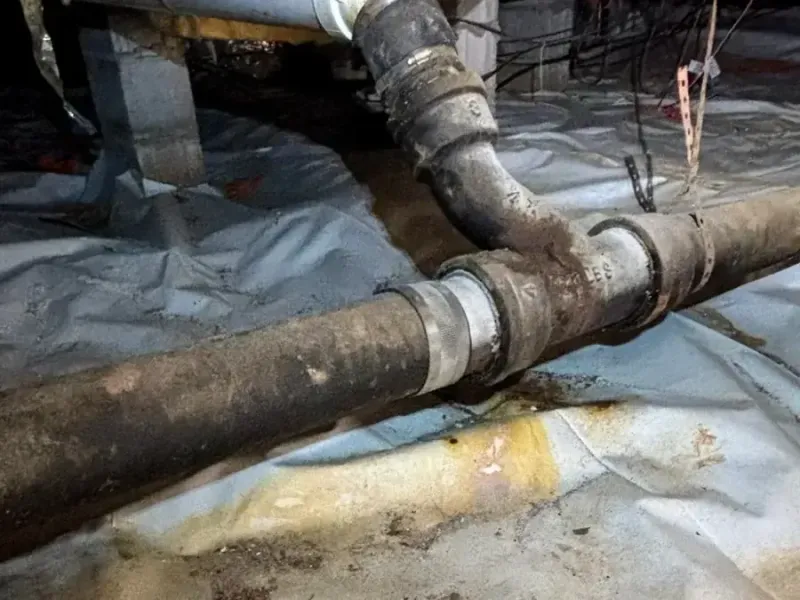
Ask any longtime Virginia resident about winter, and you’ll likely hear a laugh. One day feels like spring, and the next night turns bitterly cold.
Temperatures here often hover right around freezing for weeks. Mild afternoons followed by sharp overnight drops create what experts call freeze-thaw cycles.
Here’s the science behind the worry. Water grows by roughly 9 percent when it freezes, and that growth can create over 2,000 pounds of pressure per square inch.
One hard freeze is bad enough. Repeated cycles, though, act like bending a paperclip back and forth until it finally snaps.
Each freeze stresses joints, fittings, and pipe walls a little more. Over a season, tiny weak spots can grow into real cracks.
Worse yet, the damage often stays hidden inside walls or underground. You may not notice anything until the ice melts and water starts flowing through the break.
Northern Virginia sees especially quick and unpredictable temperature swings. Even so, homes across the state face similar risks during unsettled winters.
Keep an eye on your water meter during winter. If the dial moves while every faucet is off, a hidden leak may be lurking.
Knowing where your main water shutoff sits is equally valuable. Fast action during a burst can turn a disaster into a small, manageable mess.