Curling Hydrangea Leaves Are Sending You A Signal
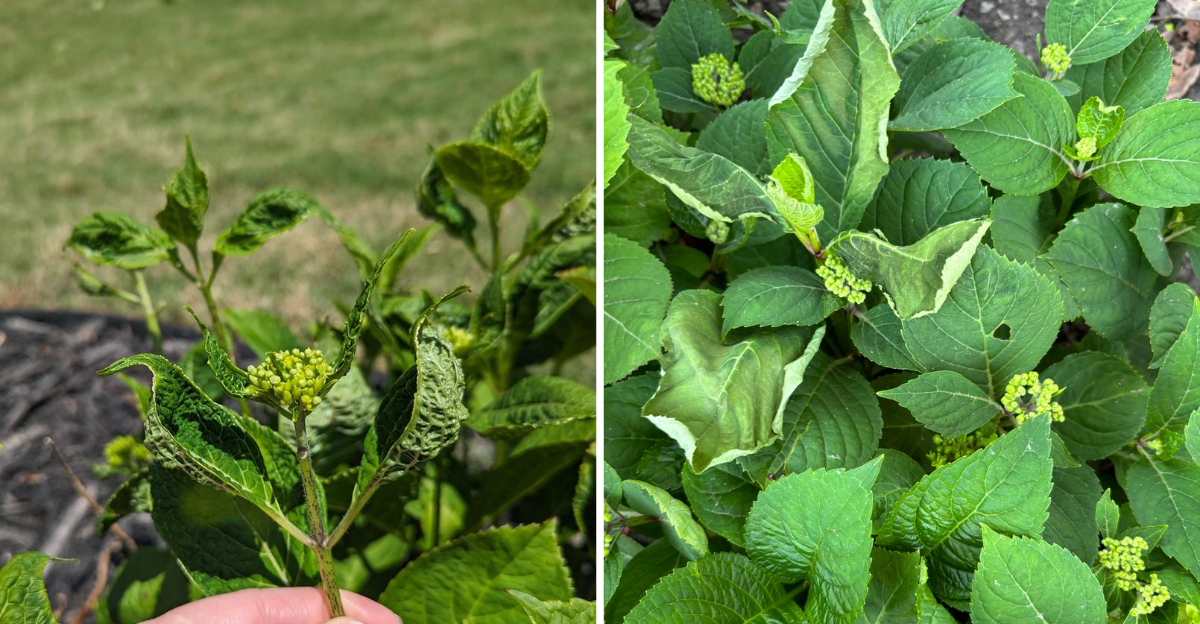
Your hydrangea stood proud through every warm afternoon, then something shifted overnight. Petals stayed green while leaves twisted inward like they were bracing for impact. Nothing about this transformation happened by accident.
Gardeners everywhere have watched this exact pattern unfold across countless backyards this season. Curling foliage carries a message most people never learn to read. Beneath that wilted appearance sits a chain reaction most owners completely misunderstand.
Roots, moisture, and sunlight all play tangled roles in this drama. Timing matters more than most gardeners realize, and so does what happens underground. Afternoon heat adds its own twist to an already complicated situation.
Every curled leaf holds a clue, and ignoring it invites bigger trouble. You will not look at another curling leaf the same way again.
Your Hydrangea Is Losing Water Faster Than Roots Can Replace
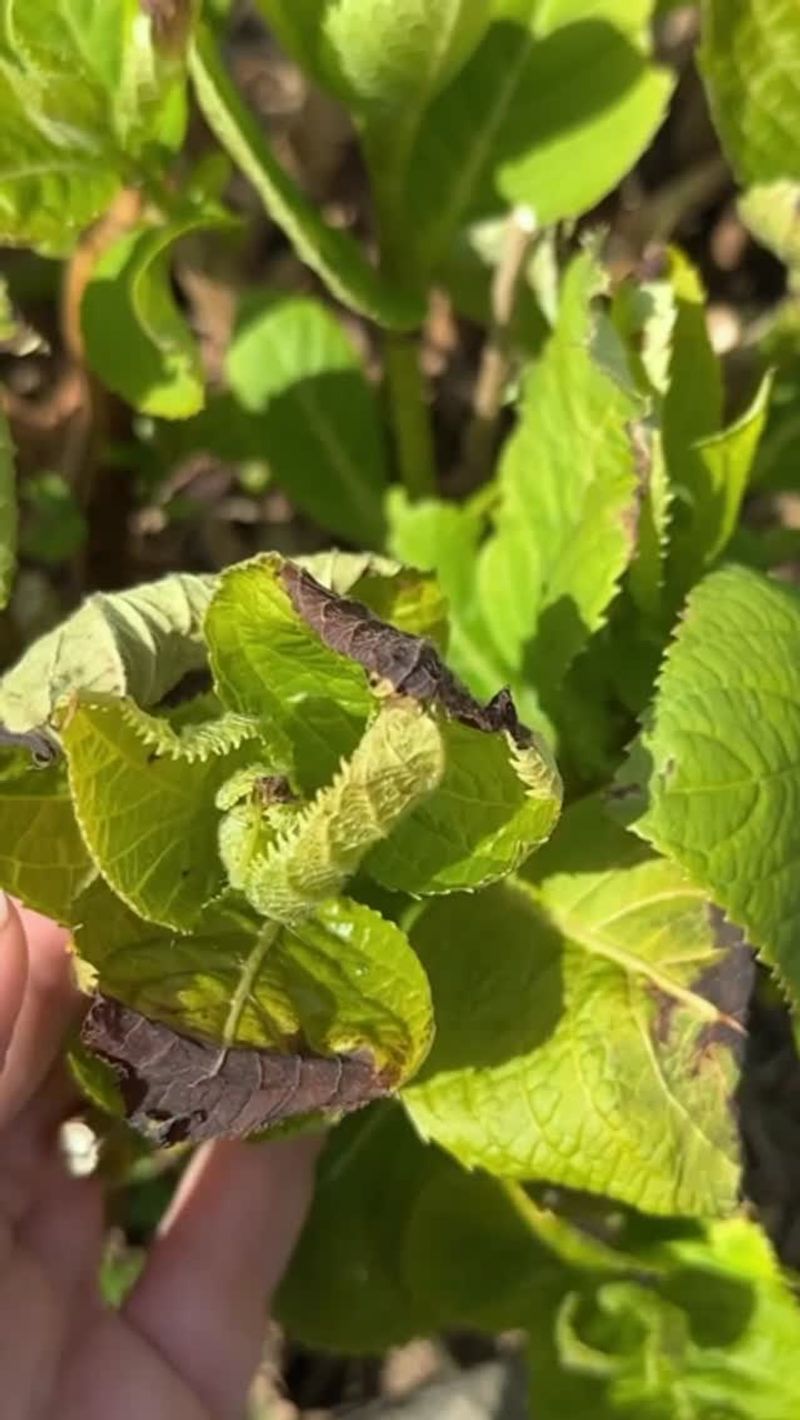
Water moves through your hydrangea constantly, from soil to roots to stems to leaves. When the plant loses moisture faster than roots pull it in, leaves curl inward to protect themselves.
Think of it like a sponge squeezed too dry. The cells inside the leaf lose their firmness, and the whole leaf bends and buckles under pressure.
Curling hydrangea leaves are often the first clue that this water imbalance is happening. This response is not drama, it is a calculated survival strategy.
Hydrangeas have large, broad leaves that release a lot of moisture into the air. On warm days, that process speeds up dramatically, sometimes faster than any root system can keep pace.
Young plants are especially vulnerable because their roots have not spread wide enough yet. Even a single hot afternoon can tip the balance and trigger visible curling.
Established hydrangeas can bounce back quickly when conditions improve. Newer transplants may need extra attention and consistent watering to stabilize.
Checking your soil moisture before watering is a smart habit. Stick your finger two inches into the soil and feel whether it is damp or bone dry.
If the soil feels dry and the leaves are curling, your plant is telling you exactly what it needs. Listen closely, because catching this early makes recovery much faster and easier.
Afternoon Sun Pulls Moisture Straight From The Leaves
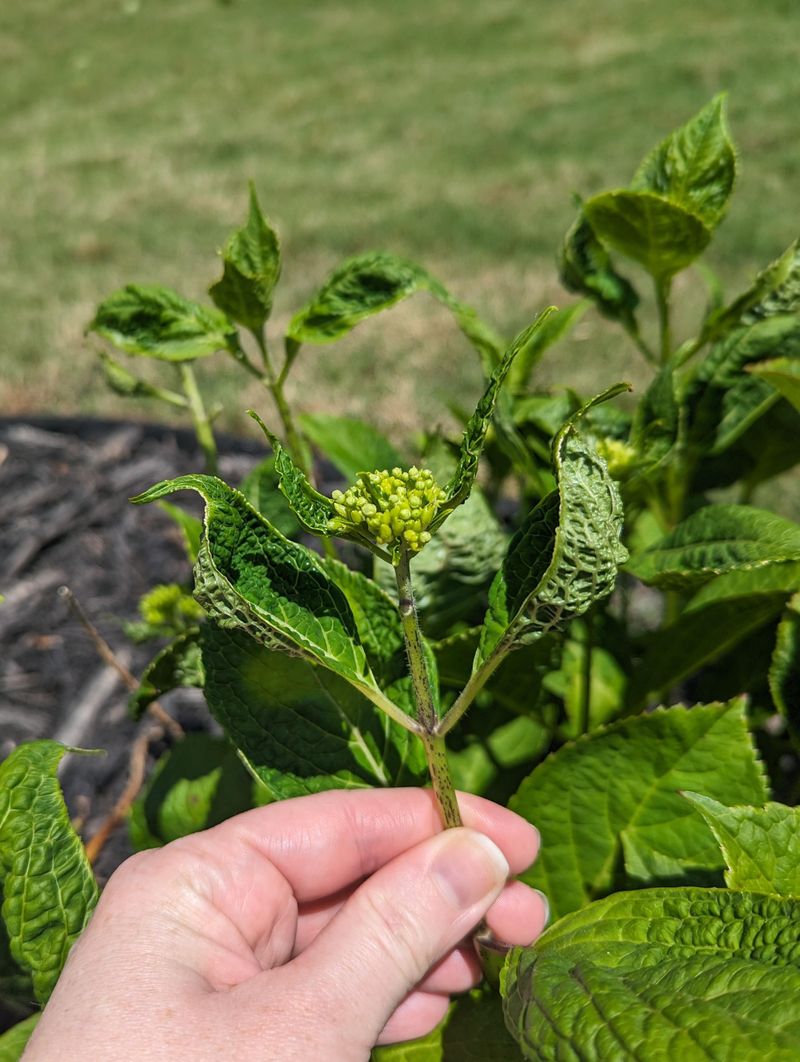
Harsh afternoon sun is one of the sneakiest causes of curling hydrangea leaves. The intensity of light between noon and four in the afternoon is demanding for moisture-sensitive plants.
Direct sun hits the leaf surface and speeds up evaporation at a rapid rate. The plant cannot replace that moisture fast enough, so the leaves curl as a response.
Hydrangeas naturally thrive in morning sun with afternoon shade. That balance keeps them hydrated without shutting down their ability to absorb light and grow strong.
If your plant sits in a spot with full afternoon exposure, you may notice curling almost every single day. Moving the plant or adding a shade barrier can make a dramatic difference fast.
Even a nearby tree, a tall fence, or a garden umbrella can soften afternoon rays enough to help. You do not need a full shade garden to protect your hydrangea from heat stress.
Pay attention to which direction your garden faces. South-facing and west-facing beds tend to get the harshest light during peak afternoon hours.
Curling hydrangea leaves in afternoon-sun spots often perk back up by evening. That pattern is a strong clue that light exposure, not disease or pests, is the real issue here.
Relocating a container hydrangea is easy and immediate. For in-ground plants, consider adding a temporary shade cloth while you plan a longer-term garden solution.
Curling Is A Defense Mechanism Against Heat Stress
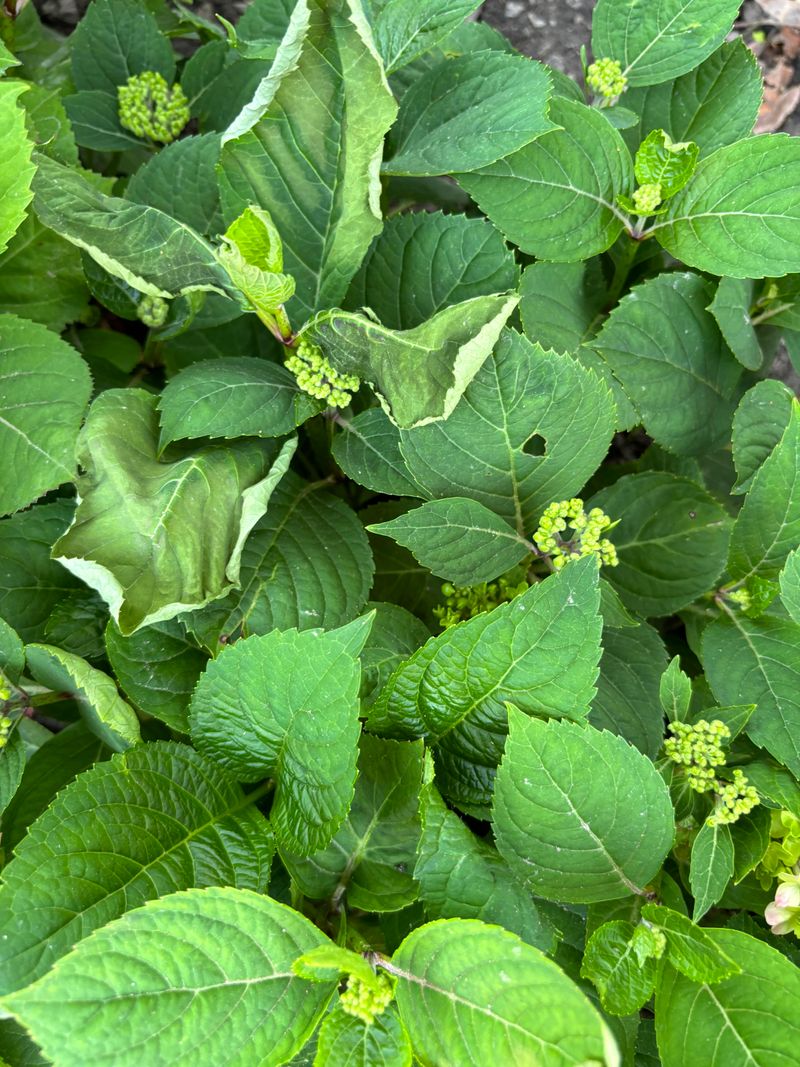
Leaf curling here signals control, not surrender. It is actually doing something clever to protect itself from serious damage.
Curling reduces the surface area exposed to heat and sun. Less exposed surface means less moisture lost, which buys the plant time to survive harsh conditions.
Scientists describe this as a heat-response mechanism, but you can just call it plant survival mode. The leaf rolls inward like a tube, shielding the underside where most water exchange happens.
Heat stress in hydrangeas builds up gradually through the day. By mid-afternoon, the curling is usually at its worst, and by cooler evening hours, leaves often flatten back out naturally.
If your plant curls and never recovers overnight, that is a sign the stress level has gone beyond temporary. Consistent overnight curling means the roots need more support than they are currently getting.
Soil temperature also plays a role in heat stress. Dark mulch absorbs heat and keeps soil warmer, while light-colored mulch reflects sunlight and helps the root zone stay cooler.
Adding a layer of organic mulch around the base helps regulate soil temperature through the hottest parts of summer. Two to three inches is the sweet spot for most hydrangea varieties.
Curling hydrangea leaves that recover each evening are manageable. Persistent curling that lingers into the next morning is your signal to take more immediate action today.
Soil That Dries Out Too Quickly Makes It Worse
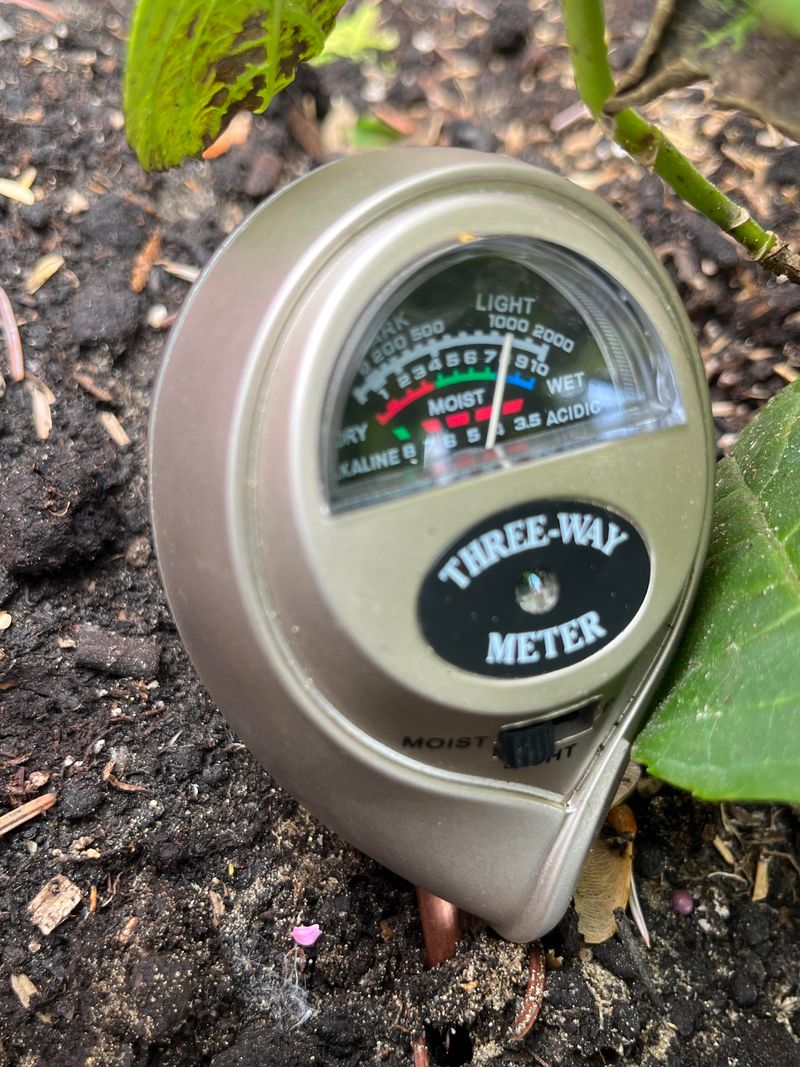
Sandy or shallow soil is one of the fastest ways to stress out a hydrangea. Water drains through it so quickly that roots barely get a chance to absorb what they need.
Clay-heavy soil has the opposite problem, holding water too long and cutting off oxygen to the roots. Neither extreme gives the plant the steady moisture balance it craves.
Loamy soil with good organic matter is the ideal growing medium for hydrangeas. It holds moisture long enough for roots to drink while still draining excess water away.
If your garden bed feels powdery or gritty after watering, the soil structure likely needs improvement. Mixing in compost is one of the most effective and affordable fixes available to home gardeners.
Adding compost improves both drainage and moisture retention at the same time. It sounds like a contradiction, but compost creates tiny pockets in soil that hold water without becoming waterlogged.
Testing your soil moisture consistently helps you understand your garden’s specific drainage pattern. Every yard is different, and what works for one spot may not work for another nearby bed.
Raised beds with amended soil give you the most control over moisture levels. Hydrangeas planted in raised beds tend to be more resilient during dry spells and summer heat waves.
When curling hydrangea leaves point to a soil problem, improving the ground itself is the most lasting solution. A short investment in soil health pays off for many growing seasons ahead.
Watering Times That Actually Help Your Hydrangea
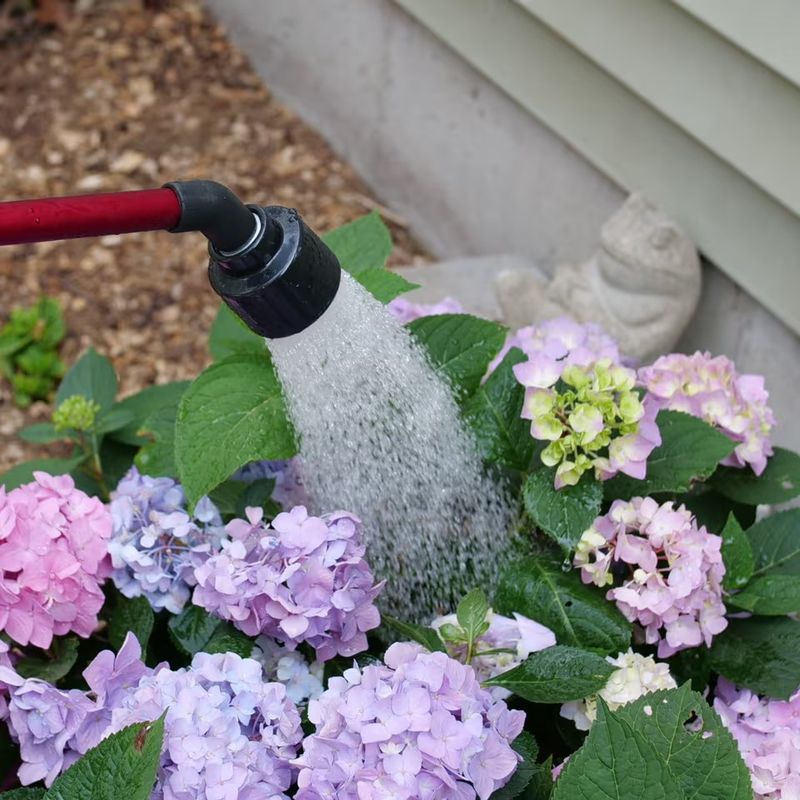
Watering at the wrong time can make curling worse, even when you are giving the plant plenty of water. Timing matters more than most gardeners realize at first.
Watering in the morning gives hydrangeas the best chance to absorb moisture before heat sets in. Roots get hours to pull in that water before evaporation takes over.
Evening watering is the second-best option if mornings are not possible. Just avoid soaking the foliage at night, since wet leaves in cool darkness can invite fungal problems over time.
Midday watering is the least effective choice for stressed plants. The sun evaporates surface moisture so fast that much of the water never reaches the root zone where it is actually needed.
Deep, slow watering reaches the roots more effectively than quick surface sprinkles. Shallow watering trains roots to stay near the surface, making the plant more vulnerable during dry and hot stretches.
A soaker hose or drip irrigation system delivers water right where roots need it. These methods also keep foliage dry, which reduces disease risk while improving overall plant health significantly.
Watering deeply two to three times per week is usually better than watering lightly every single day. Frequency depends on your climate, soil type, and current weather conditions in your area.
Curling hydrangea leaves often straighten out within hours of a deep morning watering. That quick recovery is one of the more rewarding moments in home gardening.
Shade And Mulch Bring The Leaves Back To Normal
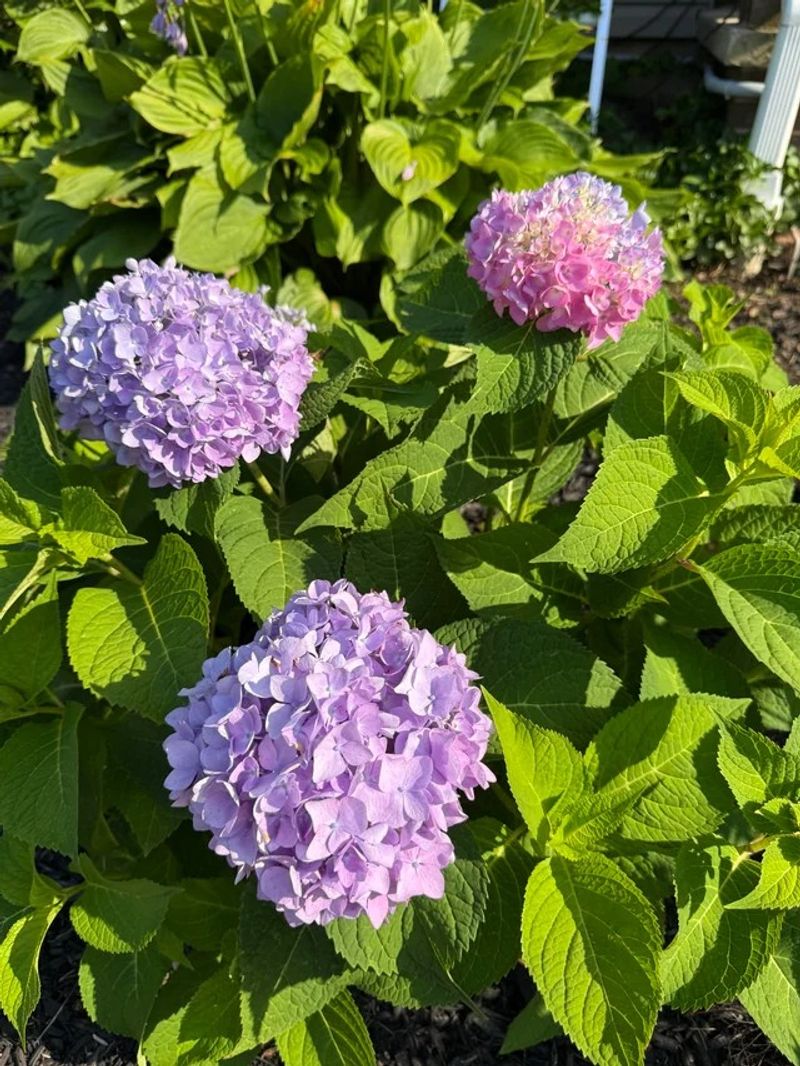
Combining shade and mulch addresses both the heat above the soil and the moisture loss below it. One cools the air around the plant, the other locks moisture into the ground.
Shade cloth is a quick, low-cost fix for plants getting too much direct sun. A 30 to 50 percent shade cloth draped over a simple frame gives immediate relief during peak summer heat.
Natural shade from nearby trees or tall shrubs works beautifully for long-term solutions. Positioning your hydrangea near a tree that filters afternoon light creates a naturally protected microclimate in your yard.
Mulch acts as an insulating layer for the soil beneath your plant. It slows evaporation, keeps roots cooler, and reduces how often you need to water during hot and dry periods.
Wood chips, shredded bark, and pine straw are all excellent mulch choices for hydrangeas. Apply them in a ring around the base, keeping the mulch a few inches away from the main stem.
A two-to-three-inch mulch layer is the ideal depth for most home gardens. Too thin and it does not insulate well, too thick and it can trap excess moisture near the crown.
After adding mulch and improving shade, curling hydrangea leaves typically respond within a few days. New growth emerges flat and healthy, and the plant takes on a noticeably more vigorous appearance.
Together, shade and mulch give your hydrangea a much stronger chance to thrive each season.