This Is Alabama’s Only Native Caffeine Plant, And Most People Rip It Out
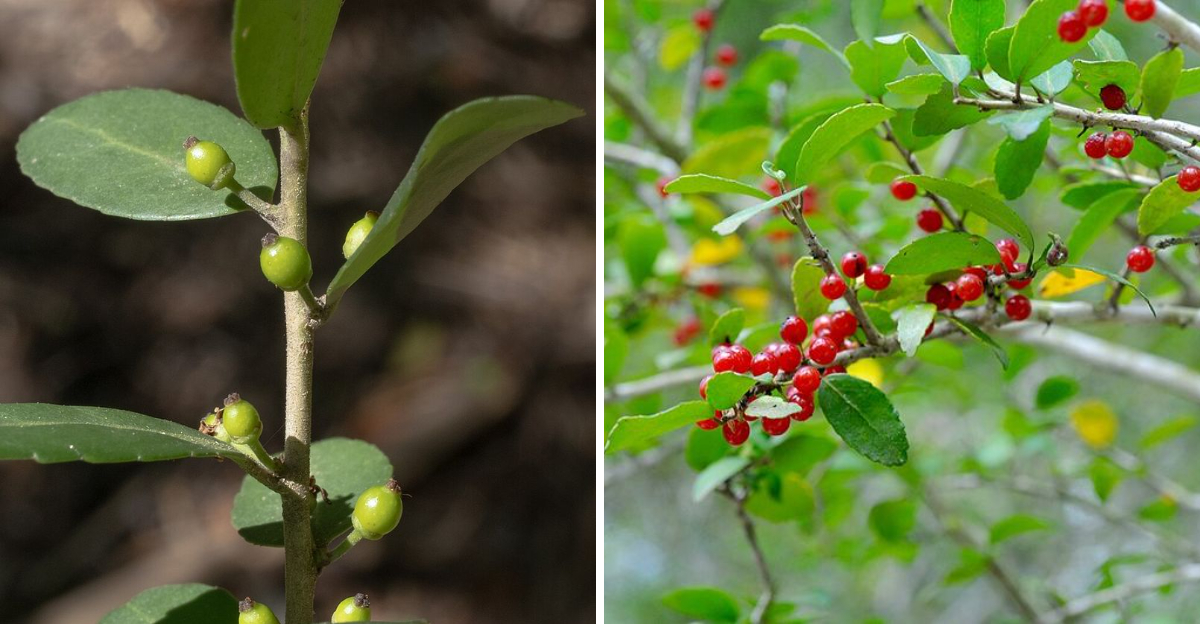
Alabama has been hiding a secret you walked past. You have probably removed it straight from your soil.
Locals call it a weed and toss it aside. Indigenous people in this region relied on it for generations of nourishment.
Your ancestors’ neighbors brewed it long before coffee arrived. Caffeine runs quietly through it, wild and completely legal. Nobody warned you before you reached for those pruning shears.
Farmers across Alabama clear it without another glance. Gardeners see clutter where they should see opportunity.
Few realize how valuable it truly is. History remembers what your instincts keep overlooking every single day.
Science confirms what tribes always understood. Only your backyard might hold this rare discovery. Yours could be growing right now, untouched and unnoticed.
Ignoring it means you lose a real advantage. Those shears are pointed at the wrong target entirely. That discovery will never look ordinary to you ever again.
What Is Yaupon Holly And Why It’s Special
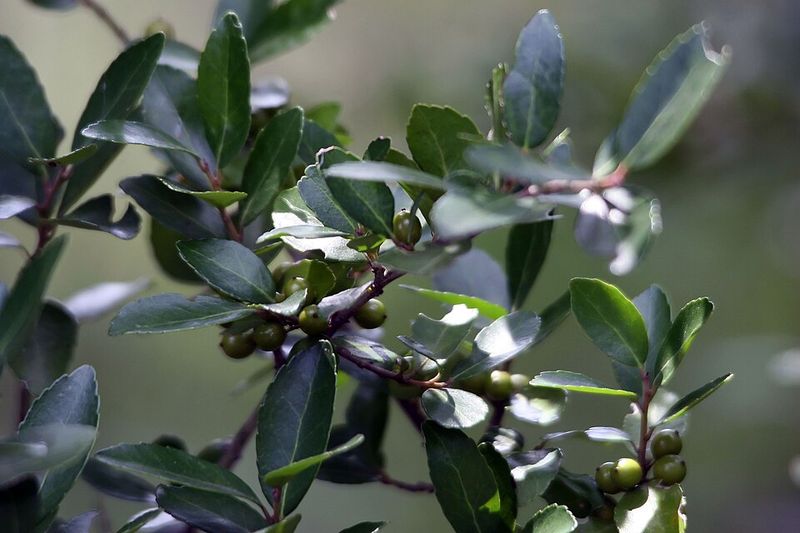
Forget everything you think you know about weeds. Yaupon holly, known scientifically as Ilex vomitoria, is the only plant native to North America that produces natural caffeine.
That name sounds alarming, but the history behind it is more political than biological. Some historians believe European traders gave it that unflattering name to protect competing tea markets, though the exact origin of the label is still debated.
Indigenous tribes across the Southeast had been brewing it for centuries before Europeans arrived. The Muscogee used yaupon in ceremonies, as medicine, and as a daily energizing drink.
Alabama sits right in the heart of yaupon’s natural range. The plant thrives in the sandy soils and humid forests that define so much of the state’s landscape.
Unlike imported teas and coffee, yaupon is a hyperlocal crop. It needs no special soil amendments, no irrigation systems, and no imported seeds to grow successfully.
The shrub produces small, waxy green leaves packed with caffeine, theobromine, and antioxidants. Theobromine is the same feel-good compound found in chocolate.
Some foragers and small food producers describe yaupon as an underused resource in American agriculture. A growing craft tea movement is now waking people up to what was always growing in their backyards.
Alabama’s only native caffeine plant deserves a second look from anyone who loves both nature and a good morning brew. Once you know what it is, you will never see it the same way again.
How To Identify Yaupon Holly In The Wild
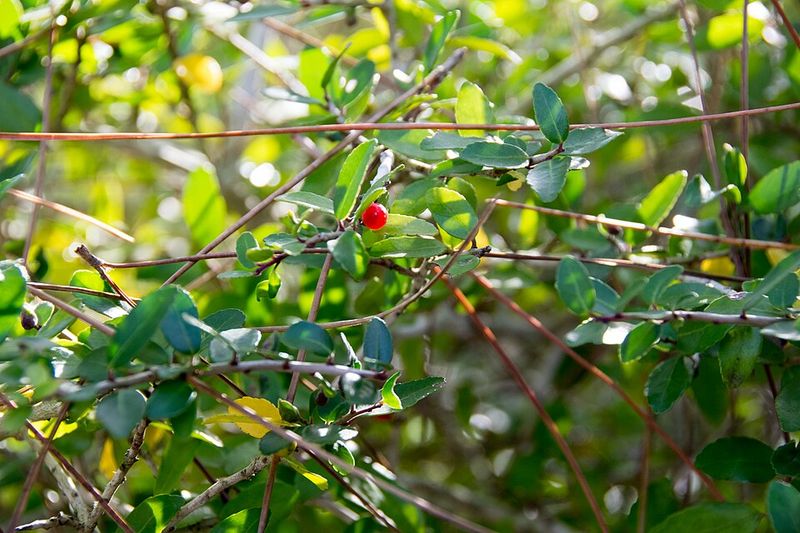
Spotting yaupon holly for the first time is easier than you’d expect. Once you notice it, you start seeing it absolutely everywhere.
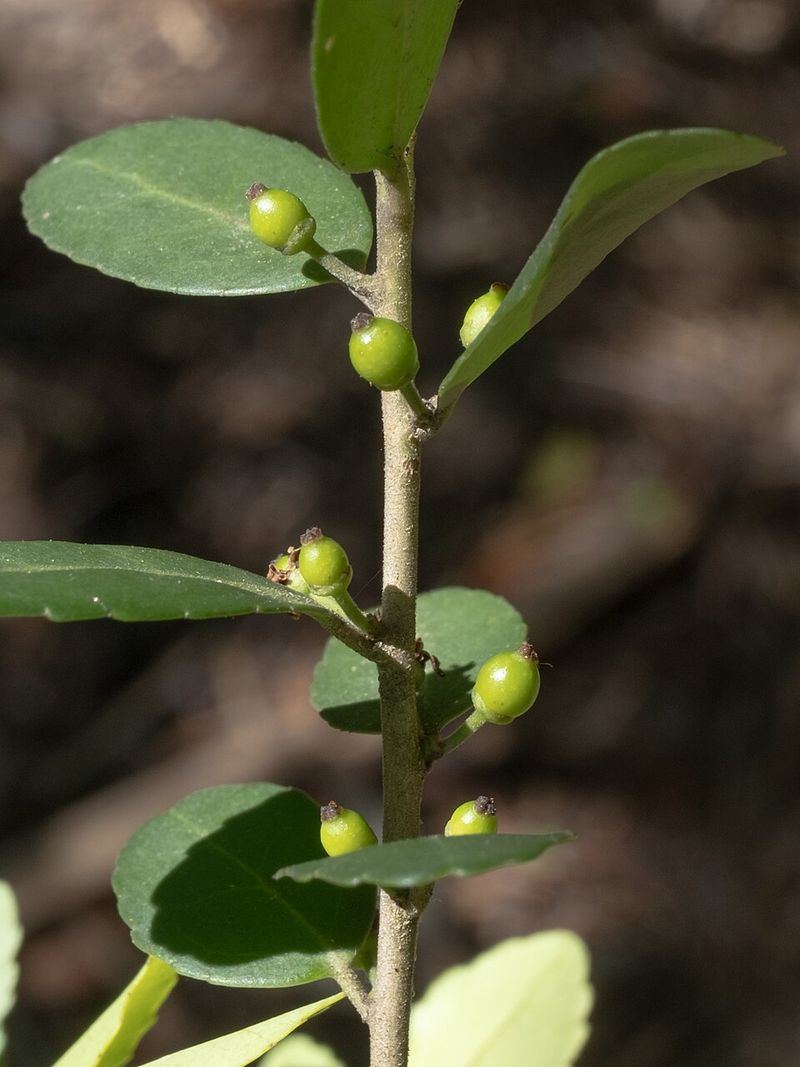
The leaves are the first thing to notice. They are small, oval, and glossy with gently scalloped edges, usually about one inch long.
They feel leathery to the touch and stay green all year long. That evergreen quality makes yaupon easy to spot even in the middle of a cold Alabama winter.
Your Alabama Garden Changes Every Week. Your Plan Should Too.
Gardening in Alabama changes quickly throughout the season. Every Friday you’ll receive a simple weekly plan showing exactly what to plant, prune, fertilize, harvest, and protect so you never miss the right timing.
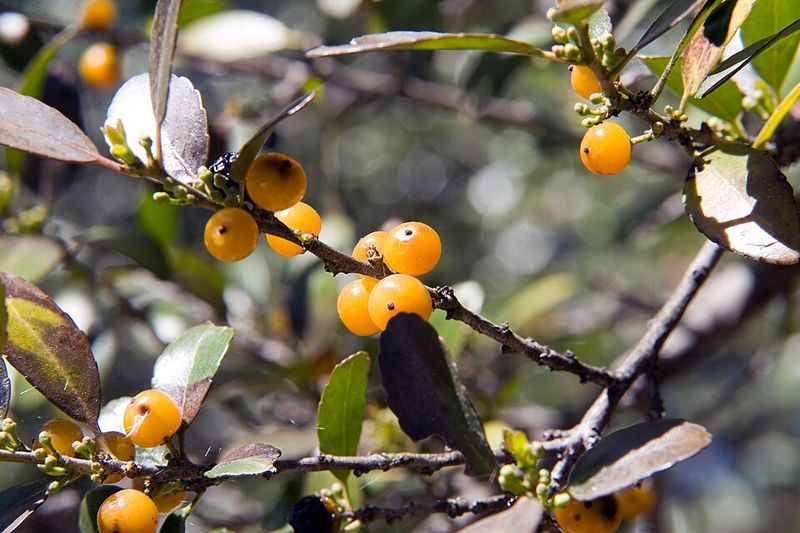
Female plants produce clusters of small, round berries that turn bright red in the fall. Those berries are a magnet for birds but are not safe for human consumption.
Only the leaves and stems are used to make tea. Beginners sometimes confuse the berries with edible fruit, so this distinction matters a lot.
The bark on young stems is smooth and grayish-white. Older branches develop a rougher texture but keep that same pale coloring.
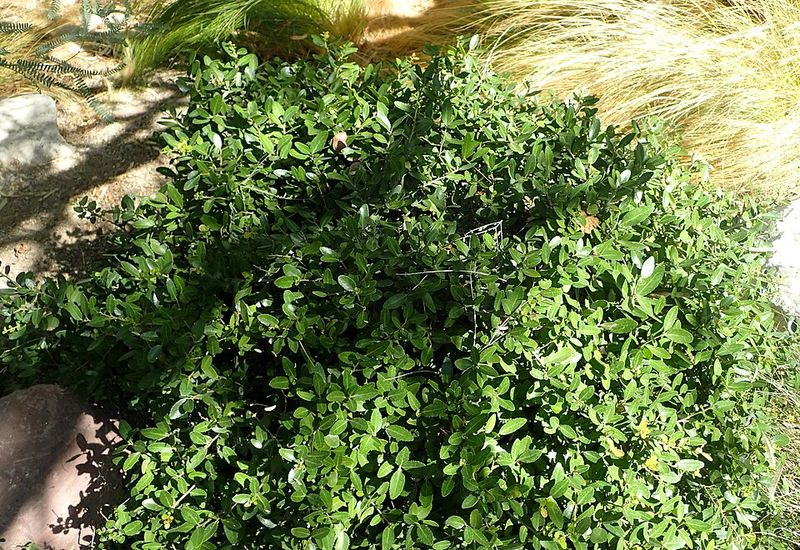
Yaupon grows as a dense shrub or small tree, reaching anywhere from six to fifteen feet tall. It often forms thickets in open woodlands and forest edges.
One helpful trick is to crush a fresh leaf and smell it. Yaupon has a faint, clean, grassy scent that differs from other hollies in the area.
Cross-reference with a regional plant guide or a trusted foraging app before harvesting anything. Confident identification is the smartest first step any new forager can take.
Why People Mistake It For A Weed And Remove It
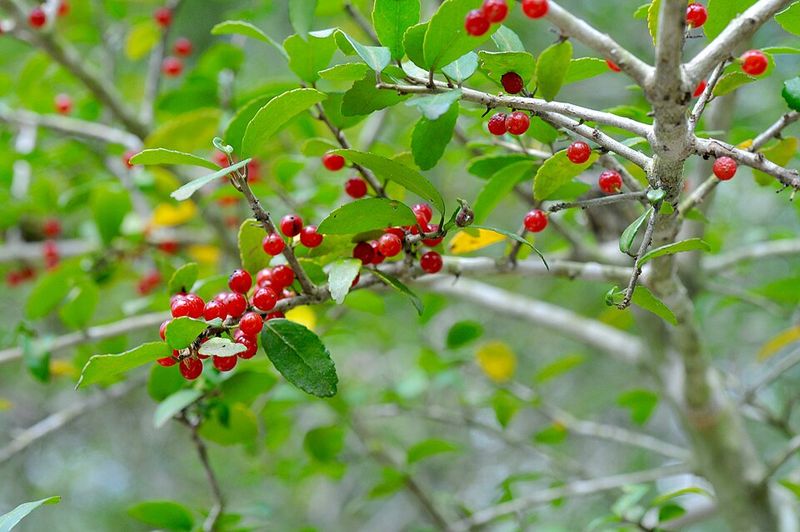
There is a real irony in what happens to yaupon across the South every single spring. Homeowners spend entire weekends ripping out one of the most valuable plants on their property.
Yaupon spreads aggressively through root suckers and bird-dropped seeds. That vigorous growth habit makes it look like a nuisance, especially when it pops up uninvited along fences and garden edges.
Most landscaping guides from the mid-20th century classified it as an invasive weed to control. Those outdated labels stuck around long after the science caught up with the reality.
Nurseries rarely sold it, schools never taught it, and no major brand ever marketed it. Without a commercial champion, yaupon stayed anonymous to generations of American gardeners.
The plant also lacks the dramatic beauty of azaleas or camellias. Its modest appearance does not scream ‘keep me,’ so it loses out to prettier ornamentals every time.
Landscapers often remove it on sight during routine cleanups. Clients trust the professionals, and the professionals follow old habits, so the cycle keeps repeating itself.
Some homeowners have actually paid good money to have yaupon cleared from their property. A few of those same people later discovered what they had tossed away and wished they hadn’t.
Alabama’s only native caffeine plant keeps getting evicted from the very land where it belongs. Spreading accurate information is the only way to slow down that unnecessary removal.
Caffeine Content And Potential Health Benefits
Yaupon holly tea hits differently than a regular cup of coffee. The caffeine is real, the buzz is smooth, and the crash is noticeably gentler on the body.
A standard brew is commonly cited as containing roughly 60 to 90 milligrams of caffeine per cup, though amounts vary by preparation. That puts it right between green tea and a standard drip coffee in terms of strength.
Theobromine is often credited for the smoother feel of yaupon’s energy, though the exact interaction with caffeine is still not fully understood by researchers.
Many regular drinkers report feeling alert without the jitteriness that coffee sometimes causes. People who are sensitive to caffeine often find yaupon much easier to tolerate throughout the day.
The leaves also contain chlorogenic acids, which are powerful antioxidants linked to reduced inflammation. Research on these compounds is still growing, but early findings look genuinely promising.
Some studies on chlorogenic acids in general suggest they may support healthy blood sugar levels, though yaupon-specific research is still limited.
That potential benefit adds another layer of interest for health-conscious tea drinkers exploring natural options.
Yaupon contains far fewer tannins than black or green tea, which is part of why it brews smoother and less bitter. Tannins are what give tea that bitter, dry taste, so yaupon brews come out naturally smooth and mild.
Indigenous communities used it to support mental clarity and physical endurance during long ceremonies. Modern foragers and tea entrepreneurs are now rediscovering those same properties with fresh scientific curiosity.
A plant this nutritionally rich growing wild across the state is a resource worth protecting. Alabama’s only native caffeine plant deserves a permanent spot in the wellness conversation.
Steps To Harvest And Prepare Yaupon Tea
Making your first batch of yaupon tea revives a simple preparation method that fell out of common use. The process is simpler than most people expect.
Start by harvesting fresh young leaves from the tips of the branches. These newer leaves are more tender and tend to produce a milder, sweeter flavor than older growth.
Rinse the leaves thoroughly under cool running water to remove any dirt or debris. Lay them flat on a clean towel and pat them gently until dry.
Green yaupon tea is the easiest preparation method for beginners. A common method is to spread the dried leaves on a baking sheet and roast them at around 350 degrees for about ten minutes.
Roasting drives off moisture and locks in flavor without adding any bitterness. Watch the leaves closely because they can go from perfectly toasted to burnt in under two minutes.
For a richer, more complex flavor, try the roasting technique used by indigenous brewers. Roll the leaves between your palms before drying to bruise them and bring out deeper notes.
Steep one tablespoon of prepared leaves per cup of hot water for five to seven minutes. Adjust the steeping time based on how strong you prefer your morning brew.
Yaupon can also be cold-brewed overnight in the refrigerator for a smoother, lighter drink. Add a slice of lemon or a drizzle of local honey to brighten the flavor naturally.
Experiment freely and have fun with the process. A little practice turns a backyard plant into a genuinely satisfying daily ritual.
Where To Find Yaupon Holly In Alabama
Alabama is one of the best states in the country for finding wild yaupon holly. The plant grows in scattered patches from the Gulf Coast all the way up to the central counties.
The coastal regions near Mobile Bay are especially rich with yaupon. It thrives in the sandy, well-drained soils that dominate that part of the state.
Look along the edges of pine flatwoods and open woodlands where sunlight can reach the forest floor. Yaupon loves those transitional zones between dense shade and open meadow.
State parks and wildlife management areas across south and central Alabama are good places to look. Cheaha State Park and Conecuh National Forest sit within yaupon’s known range and may be worth exploring on a foraging walk.
Roadsides and fence lines in rural areas are another reliable spot. Birds eat the berries and drop seeds along their flight paths, creating natural corridors of yaupon growth.
Suburban neighborhoods near wooded lots sometimes have yaupon growing right alongside ornamental shrubs. Homeowners rarely notice it unless they know what to look for.
Always get permission before harvesting on private land. Public lands may also have specific rules about plant collection, so check local regulations before filling a basket.
Connecting with local foraging groups on social media is a smart shortcut for finding confirmed yaupon locations. Members often share GPS pins and seasonal tips freely within those communities.
Alabama’s only native caffeine plant is out there waiting to be found. A single afternoon walk in the right habitat could change your morning routine forever.