Alabama Yards Are At The Forefront Of 2026’s Biggest Gardening Trend
Your neighbors are quietly swapping the lawns they once loved. Somewhere along your street, a quiet shift is starting. Alabama homeowners are replacing turf with wild alternatives.
Bees showed up before anyone even noticed the change. Butterflies followed, then songbirds, then curious neighborhood visitors arrived. You’ll slowly notice your water bill shrinking within a few weeks.
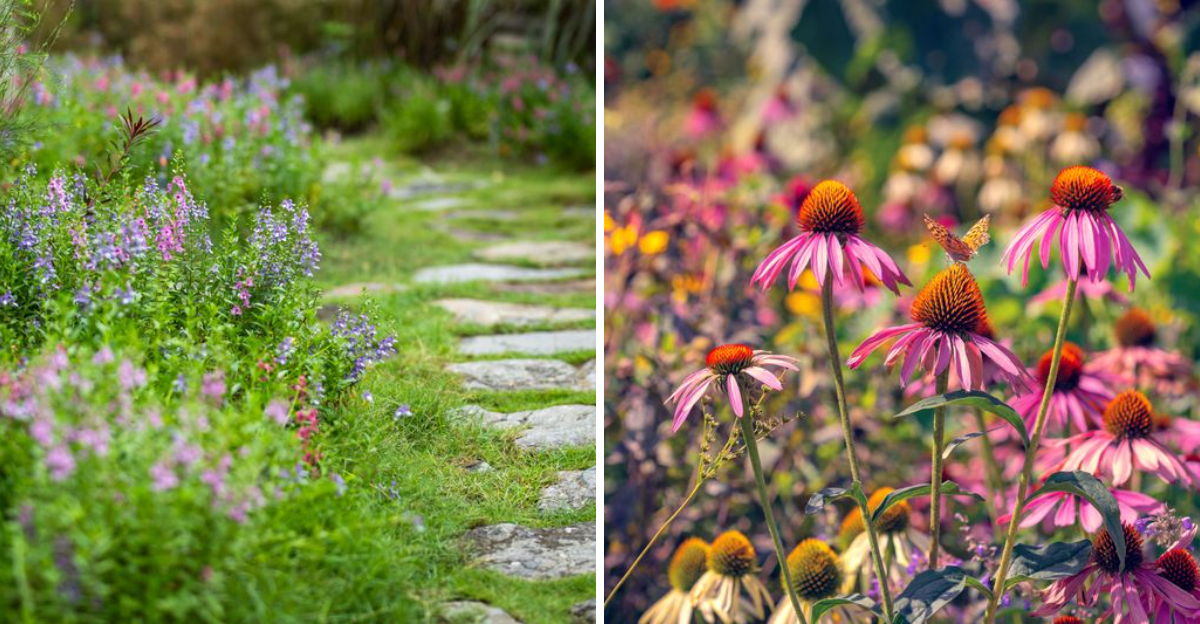
Native plants demand less water and give far more back. Manicured grass suddenly looks outdated, even faintly old-fashioned. Wildflowers now push boldly through soil where fescue once ruled.
This curiosity you feel is not remotely accidental. Experts call it rewilding, but locals simply call it smart. Pollinators multiply, soil strengthens, and your yard finally breathes.
Traditional landscaping rules are quietly shifting across the entire South. Nobody ever expected Alabama to lead such a quiet change.
Momentum keeps steadily building, spreading yard by stubborn yard. Ignoring this shift is no longer an option for you.
What Rewilding Actually Means For Home Gardens
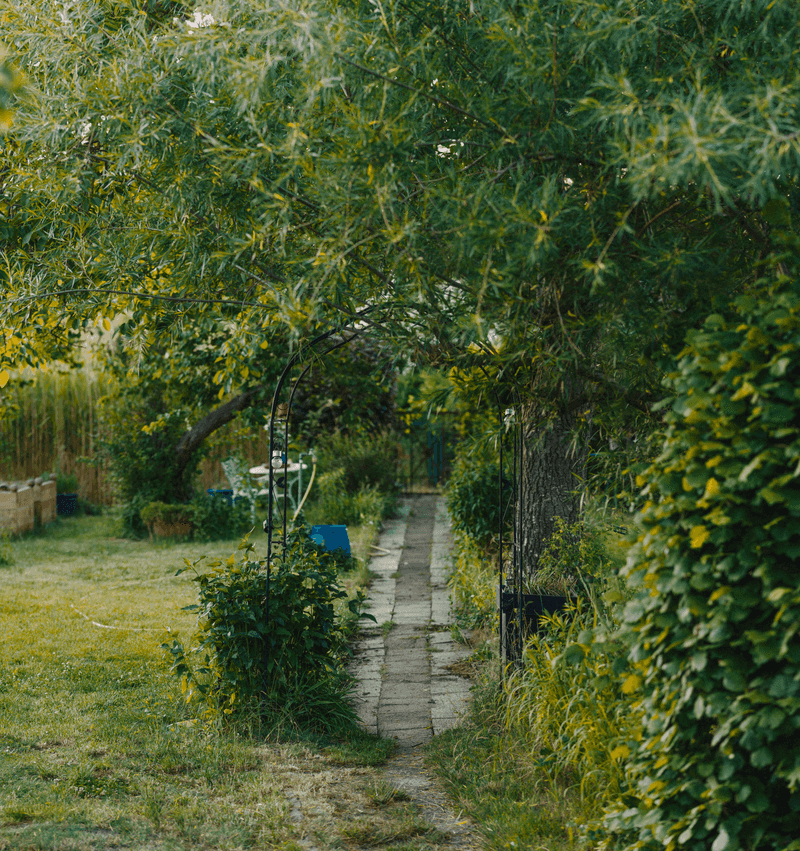
Forget everything you thought a “perfect” yard should look like. Rewilding is the practice of returning your outdoor space to a more natural, self-sustaining state.
Instead of fighting nature with mowers and chemicals, rewilding works with it. You plant native species, reduce lawn coverage, and let ecosystems do their thing.
The result is a yard that supports birds, bees, butterflies, and beneficial insects. It also requires far less maintenance than a traditional grass lawn.
Rewilding does not mean neglect. It means intentional design that mirrors natural habitats.
You choose plants that belong in your region, arrange them thoughtfully, and then step back. Nature handles the rest with impressive efficiency.
For Alabama homeowners, this trend feels almost like coming home. The state’s rich biodiversity makes it a perfect place to experiment with rewilding.
Warm temperatures, generous rainfall, and fertile soil create ideal growing conditions. Native plants thrive here without much fuss at all.
Alabama yards are at the forefront of the biggest gardening trend because the land itself practically invites it. Your yard could be the next success story.
How Alabama Yards Are Embracing This Movement
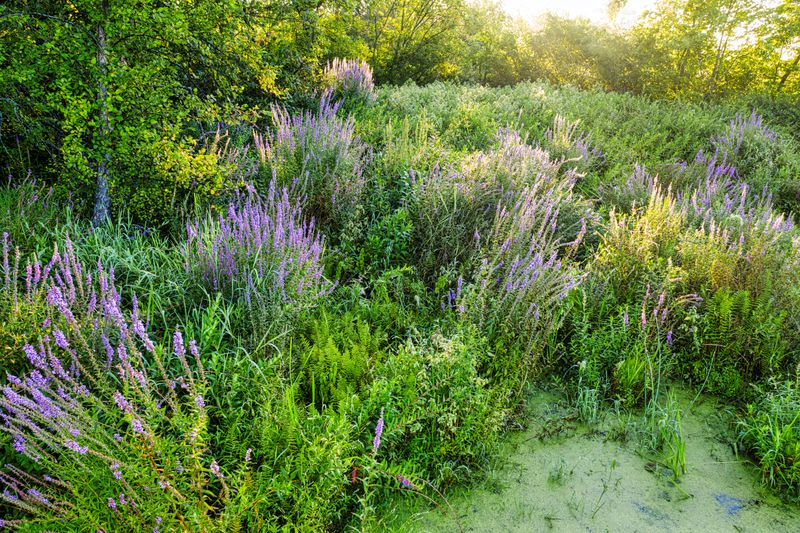
Alabama sits in one of the most biodiverse regions in the entire country. That fact alone gives local gardeners a serious head start in the rewilding game.
The state hosts thousands of native plant species. That gives homeowners a wide variety of options for going natural.
Southern gardeners have always had a deep connection to the land. That cultural instinct now aligns perfectly with what ecologists have been saying for decades.
Community garden clubs across the state are swapping tips on native plantings. Local nurseries are stocking more regional species than ever before.
Social media has helped spread the movement. Alabama gardeners are posting their rewilded yards, inspiring others to try the same approach.
Extension programs through Auburn University and local conservation groups offer resources on native landscaping.
Interest in related workshops appears to be growing across the state. Workshops on native landscaping are filling up fast across multiple counties.
Your Alabama Garden Changes Every Week. Your Plan Should Too.
Gardening in Alabama changes quickly throughout the season. Every Friday you’ll receive a simple weekly plan showing exactly what to plant, prune, fertilize, harvest, and protect so you never miss the right timing.
The momentum is undeniable and growing stronger each season. Neighbors are noticing transformed yards and asking questions.
Alabama yards are at the forefront of the biggest gardening trend because the culture, climate, and community all align perfectly. When a movement this powerful takes root in fertile ground, it spreads fast.
Native Plants That Support Local Ecosystems
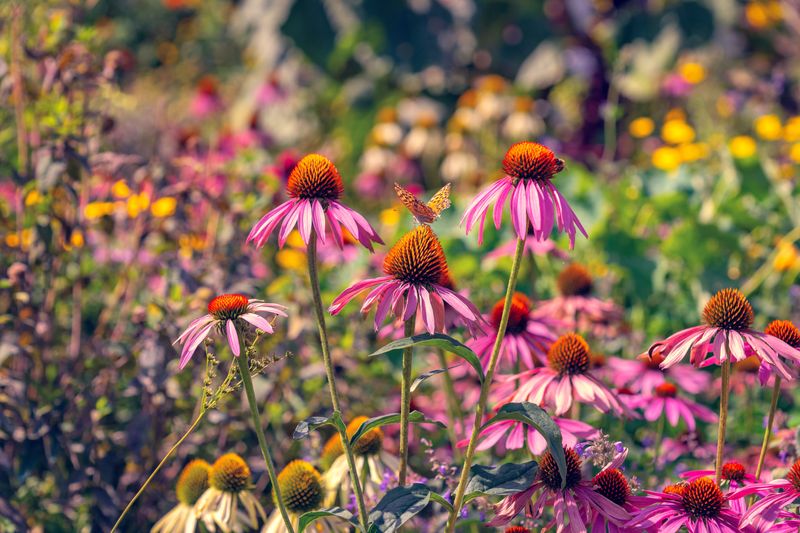
Picking the right plants is the single most important rewilding decision you will make. Native species are the backbone of any thriving natural yard.
Black-eyed Susans bring cheerful yellow blooms that goldfinches absolutely love. They reseed themselves naturally, meaning less work for you every single year.
Eastern purple coneflower is another powerhouse plant for Southern yards. Bees flock to it in summer, and birds feast on the seed heads in fall.
Wild blue indigo grows beautifully in Alabama’s climate and fixes nitrogen in the soil. That means it actually improves the ground while it grows.
Beautyberry shrubs produce stunning clusters of bright purple fruit. Mockingbirds and other native birds depend on them heavily during migration season.
Coral honeysuckle, unlike its invasive Japanese cousin, is a well-behaved native vine. Hummingbirds go absolutely wild for its tubular red blooms.
Swamp milkweed supports monarch butterfly populations, which are declining nationwide. Planting even a small patch makes a measurable difference for these iconic pollinators.
Choosing native species is not just aesthetically rewarding. It is one of the most powerful environmental acts a homeowner can take today.
Benefits Of Ditching The Traditional Lawn
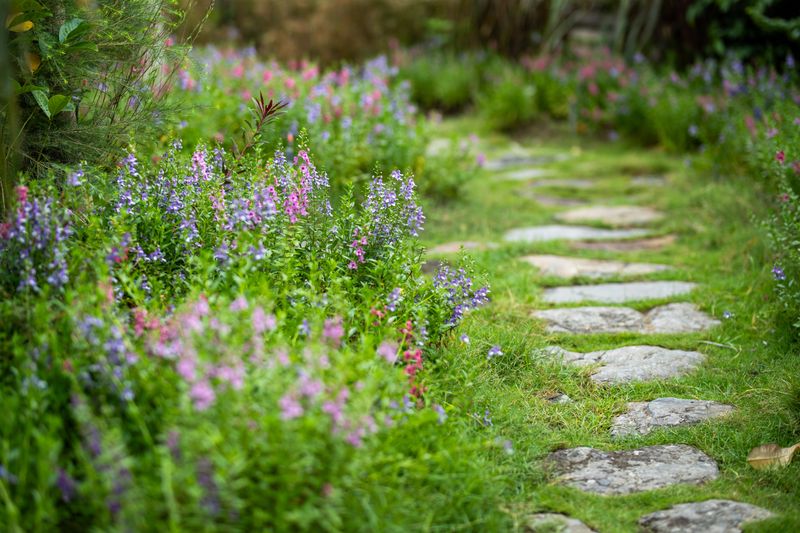
A standard grass lawn offers limited ecological value. It looks tidy but supports relatively little wildlife, insects, or ecological function compared to native plantings.
Conventional lawns consume enormous amounts of water every single week. Replacing even a portion of yours with native plants can cut water use dramatically.
Fertilizers and pesticides used on traditional lawns wash into local waterways. That runoff harms fish, frogs, and aquatic ecosystems in ways most homeowners never see.
Rewilded yards, on the other hand, filter rainwater naturally through deep plant root systems. They reduce erosion and improve local groundwater quality significantly.
Mowing a traditional lawn releases carbon emissions from gas-powered equipment. Reducing your mowing schedule is a surprisingly effective climate action you can take today.
Financially, rewilded yards can reduce costs on water bills, lawn care services, and chemical products. Some homeowners report notable savings after making the switch.
There is also a mental health benefit that researchers are starting to document. Spending time in biodiverse green spaces reduces stress and boosts overall wellbeing.
Your yard can do so much more than look green. Give it a real purpose and watch your relationship with the outdoors completely transform.
Simple Steps To Start Rewilding Your Yard
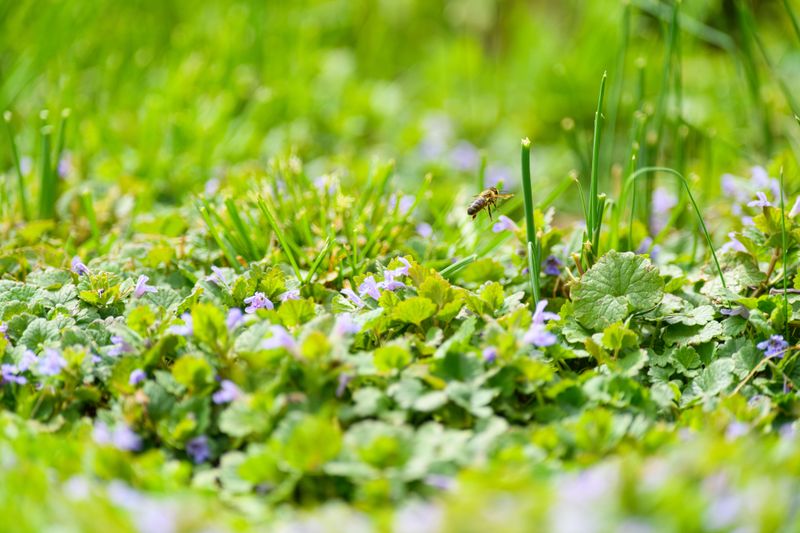
Starting a rewilded yard does not require ripping everything out at once. Small, strategic changes made over time create lasting, meaningful results.
Begin by identifying one section of your lawn you rarely use. That patch is your rewilding pilot zone and a perfect low-pressure starting point.
Stop mowing that area for one full season. You will be amazed at what naturally starts to emerge from the soil on its own.
Next, visit a native plant nursery and pick three to five regional species. Focus on plants with different bloom times to support pollinators across multiple seasons.
Add a small water source like a birdbath or shallow dish. Even a tiny water feature dramatically increases the wildlife activity in your yard.
Layer your plantings intentionally using tall plants in the back and ground covers up front. This mimics how plants grow in natural habitats and looks stunning.
Avoid using pesticides in your rewilded zone entirely. Insects are not pests in a natural garden; they are the whole point of the exercise.
Document your progress with photos each month. Watching your yard transform is genuinely exciting, and those images will inspire others to start their own rewilding journey.
Common Mistakes To Avoid When Rewilding
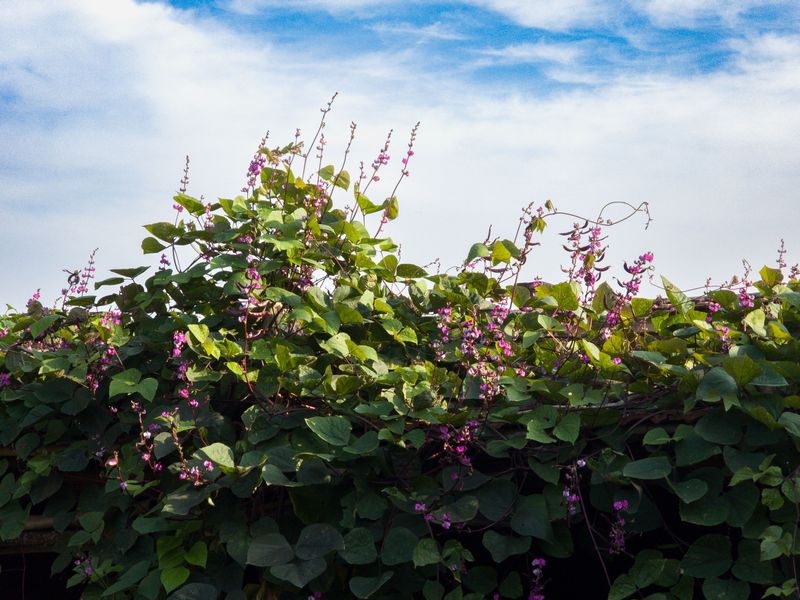
Rewilding sounds simple, but a few common missteps can slow your progress significantly. Knowing what to avoid saves you time, money, and a lot of frustration.
The biggest mistake is planting invasive species by accident. Japanese honeysuckle, kudzu, and privet look pretty but choke out the native plants you are trying to grow.
Always research a plant before you buy it. Check with your local extension office or a trusted native plant society to confirm a species belongs in your region.
Another common error is going too fast. Ripping out an entire lawn at once creates bare soil, which weeds will colonize before your natives even establish themselves.
Work in stages and keep some existing ground cover while new plants get settled. Patience is genuinely one of the most important rewilding tools you have.
Overwatering newly planted natives is also a frequent problem. Most native species are drought-adapted and actually prefer less water once their roots are established.
Skipping a plan before you plant leads to chaotic results that frustrate rather than inspire. Sketch out your space first, even roughly, to guide your decisions.
Every mistake is a learning opportunity in a living garden. The gardeners who stick with it and adjust along the way always end up with the most beautiful yards.
How Pollinators Respond To Rewilded Spaces
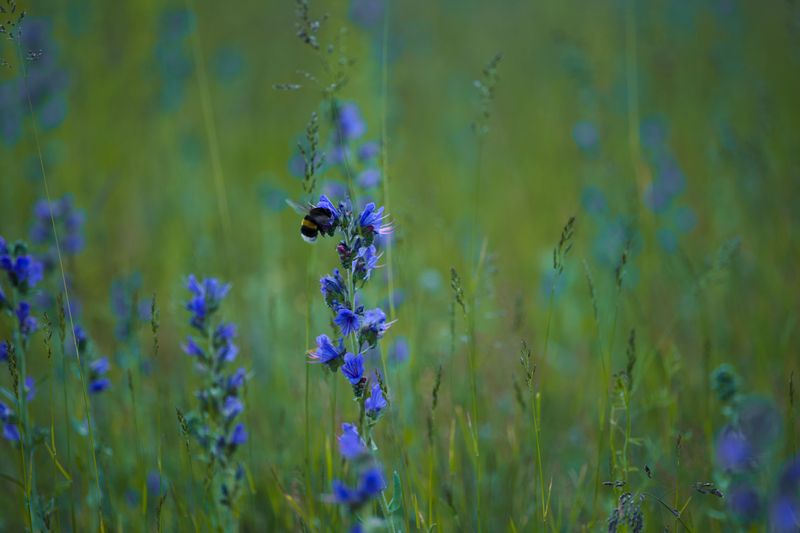
Interest in the movement appears to be growing each season. Bees, butterflies, and hoverflies can sense a native plant from impressive distances.
Monarch butterfly populations have declined significantly in recent decades, according to conservation estimates. A yard full of milkweed and native nectar plants is a genuine lifeline for these travelers.
Bumblebees are especially responsive to rewilded gardens. They need a variety of bloom shapes and sizes, which a diverse native planting naturally provides.
Hummingbirds follow tubular red and orange blooms like a treasure map. Planting coral honeysuckle or native salvia practically guarantees their regular visits to your yard.
Native bees, unlike honeybees, nest in the ground and in hollow stems. Leaving some bare soil and uncut plant stalks gives them critical nesting habitat all season long.
Fireflies, often overlooked in pollinator conversations, also benefit from rewilded spaces. They need leaf litter and moist soil to complete their fascinating multi-year life cycle.
The transformation can happen within a single growing season. Some Alabama homeowners report noticing new insects and birds within a few months of planting.
A rewilded yard is not just a garden. It is a living ecosystem that rewards your investment with ongoing ecological activity.