9 Deer Resistant Plants That Thrive In North Carolina Gardens
Deer browsing can undo months of careful planting in a single overnight visit, which is exactly why so many North Carolina gardeners have started building entire beds around plants deer typically avoid.
These species tend to share certain traits, whether it’s a strong scent, fuzzy or leathery leaves, or natural toxins that make them unappealing without requiring any additional deterrent spray or fencing.
Because deer preferences can shift somewhat based on hunger and local population pressure, no plant offers a completely guaranteed defense, but certain reliable performers consistently get passed over even in high-pressure areas.
Choosing several of these deer-resistant options together creates a more effective barrier than relying on just one or two scattered throughout a yard.
For gardeners tired of watching favorite plants get grazed down to nothing, these nine options offer a genuinely practical path toward a garden deer tend to leave alone.
1. Daffodils Bring Spring Color Deer Leave Alone
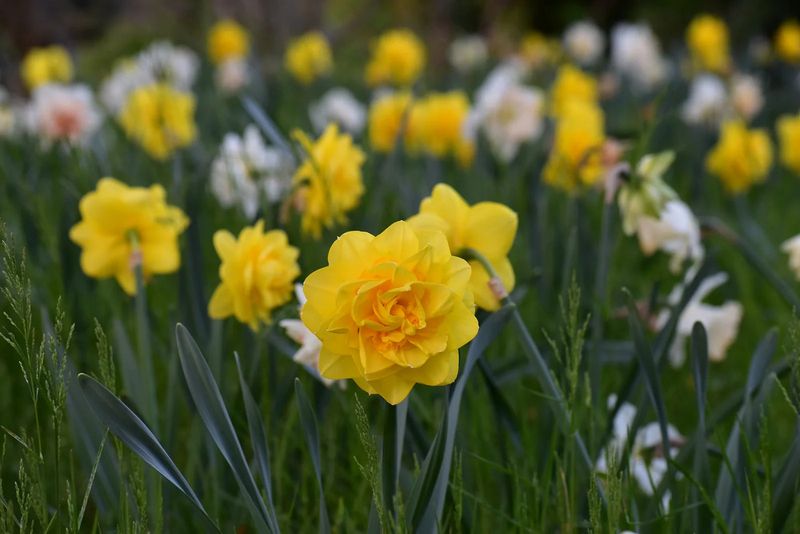
Old farmhouses across North Carolina often have one thing in common. Long after the house is gone, rows of cheerful yellow daffodils still pop up every March, planted by someone generations ago. That kind of staying power says a lot about Narcissus.
Deer and rabbits almost always pass these flowers by, and for good reason. Every part of the plant, from bulb to bloom, contains toxic compounds that taste bitter and can make animals sick.
Voles, which love to munch on tulip bulbs underground, leave daffodils alone too. Getting started is easy.
Plant bulbs in fall, about 6 inches deep, with the pointy end facing up. Choose a spot with full to part sun and well-drained soil, since soggy ground can cause bulbs to rot. After the flowers fade, resist the urge to tidy up right away.
Let the leaves stay in place for about six weeks, because they soak up sunlight and store energy in the bulb for next spring. Braiding or cutting them too soon often means fewer flowers the following year.
Over time, clumps get crowded and bloom less. Every few years, dig them up after the leaves turn yellow, gently pull the bulbs apart, and replant them with more room. You get free plants for new beds, too.
North Carolina is daffodil country. They naturalize and return reliably for decades in the Mountains, Piedmont, and Coastal Plain alike. Plant a handful now, and you may be starting a spring tradition your grandkids will enjoy.
2. Lenten Rose Blooms In Shade Through Late Winter
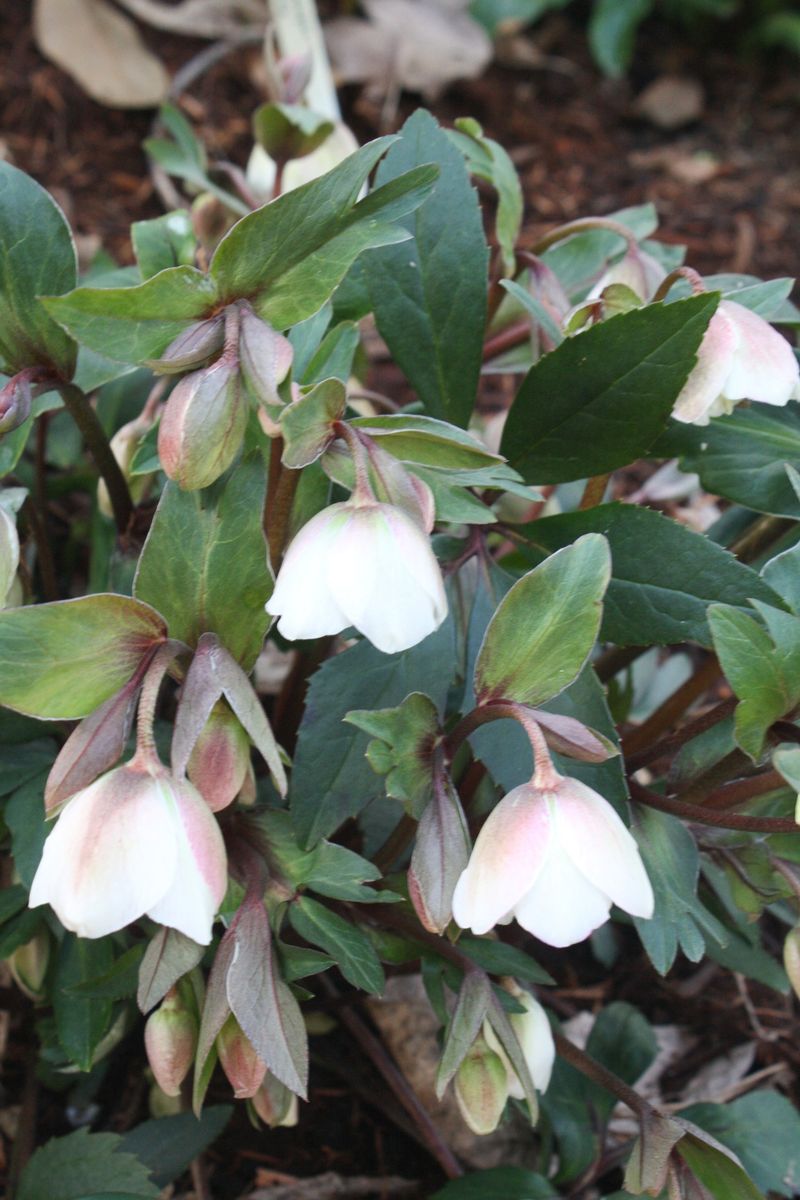
February in the garden can feel pretty gloomy. Trees stand bare, the grass is brown, and most perennials are still sleeping. Then the Lenten rose opens its nodding blooms, and suddenly winter feels a lot shorter.
Helleborus × hybridus is an evergreen perennial with flowers in white, pink, deep purple, and even soft green. Blooms start in late winter and often hang on well into spring. Many gardeners tip the flowers up just to admire the speckled faces hiding inside.
Hungry deer may wander right past it, even when almost nothing else is green. The leaves and flowers are toxic, and the foliage feels thick and leathery. That combination makes it one of the most dependable shade plants in deer country.
Shade is exactly what it wants. Plant it in part to full shade in rich, well-drained soil, and spread shredded leaves around it as mulch. Water during long dry spells, especially in its first couple of years.
One simple chore keeps it looking sharp. In late winter, before the new flowers push up, snip off the old, tattered leaves at the base. The fresh blooms will then shine without ragged foliage hiding them.
Across the Piedmont and Mountains, Lenten roses thrive under oaks, maples, and other trees that drop their leaves.
Coastal Plain gardeners have success too, as long as they give them a cool, shaded spot. Once settled, clumps slowly grow larger and even drop seedlings you can share with friends.
3. Pink Muhly Grass Glows In Fall
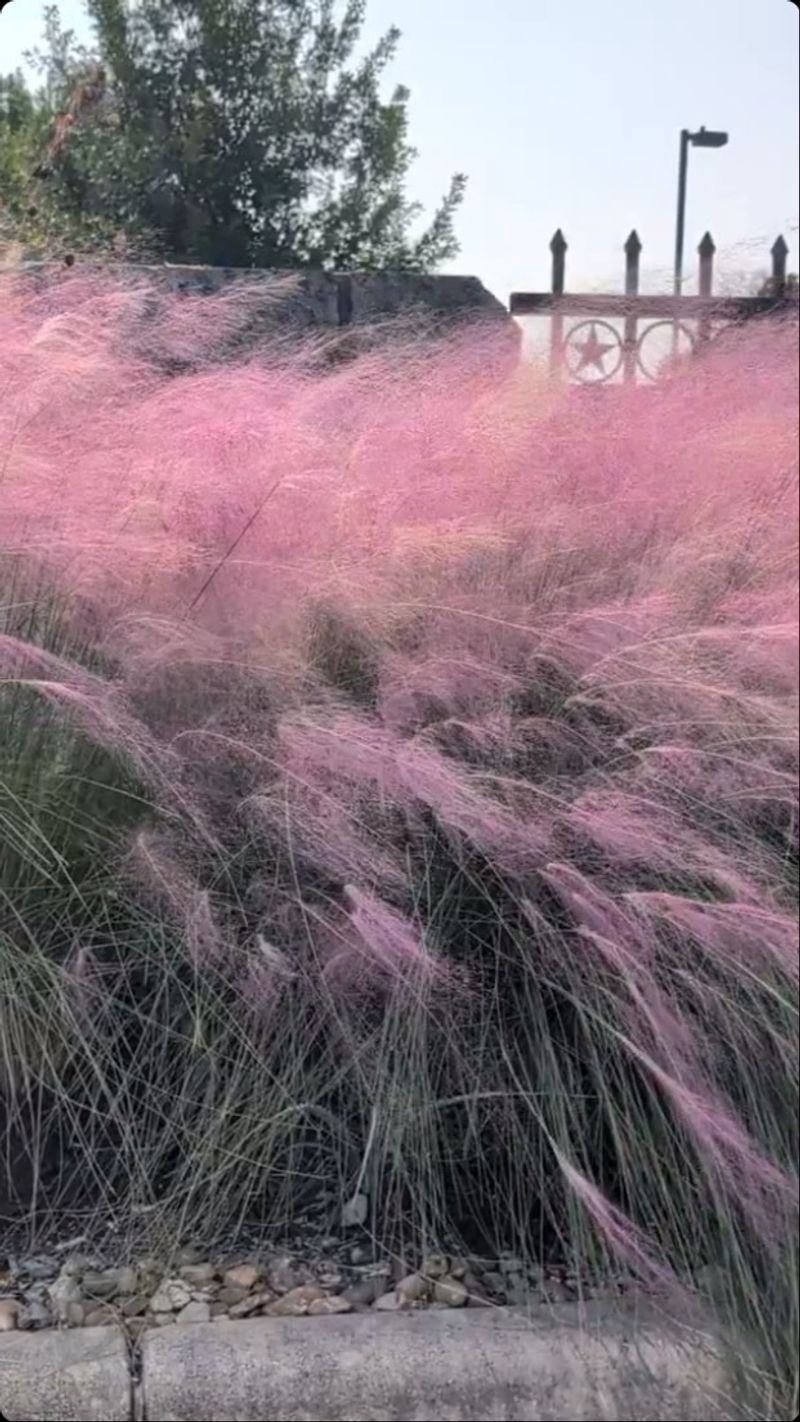
Drive past a planting of pink muhly grass on a sunny October afternoon, and you might hit the brakes. The whole thing looks like pink cotton candy floating above the ground. Photographers love it, and so do neighbors.
Muhlenbergia capillaris is a native North Carolina ornamental grass. For most of the year, it stays a neat, fine-textured green clump. Then fall arrives, and airy clouds of pink to purplish seed heads rise up and glow in the light.
Deer do not care for it at all. Its thin, tough leaves offer little flavor or nutrition, so browsing animals move on. On top of that, it shrugs off heat and drought once its roots get established.
Sun is the secret to the best color. Plant it in full sun with well-drained soil, and water regularly during the first season while roots spread. After that, it rarely needs extra help.
Skip the fertilizer entirely. Rich feeding can make the grass flop and bloom less. In late winter, before new growth starts, cut the old clump back to just a few inches tall so fresh blades can come up clean.
Nature already proved how well it fits here. Pink muhly grows wild in the Coastal Plain and Sandhills, where sandy soil drains quickly. Piedmont gardeners can enjoy it too, as long as they avoid heavy, wet clay.
Try planting several in a group, since a mass of them makes the fall show truly dazzling.
4. Autumn Sage Blooms From Spring To Frost
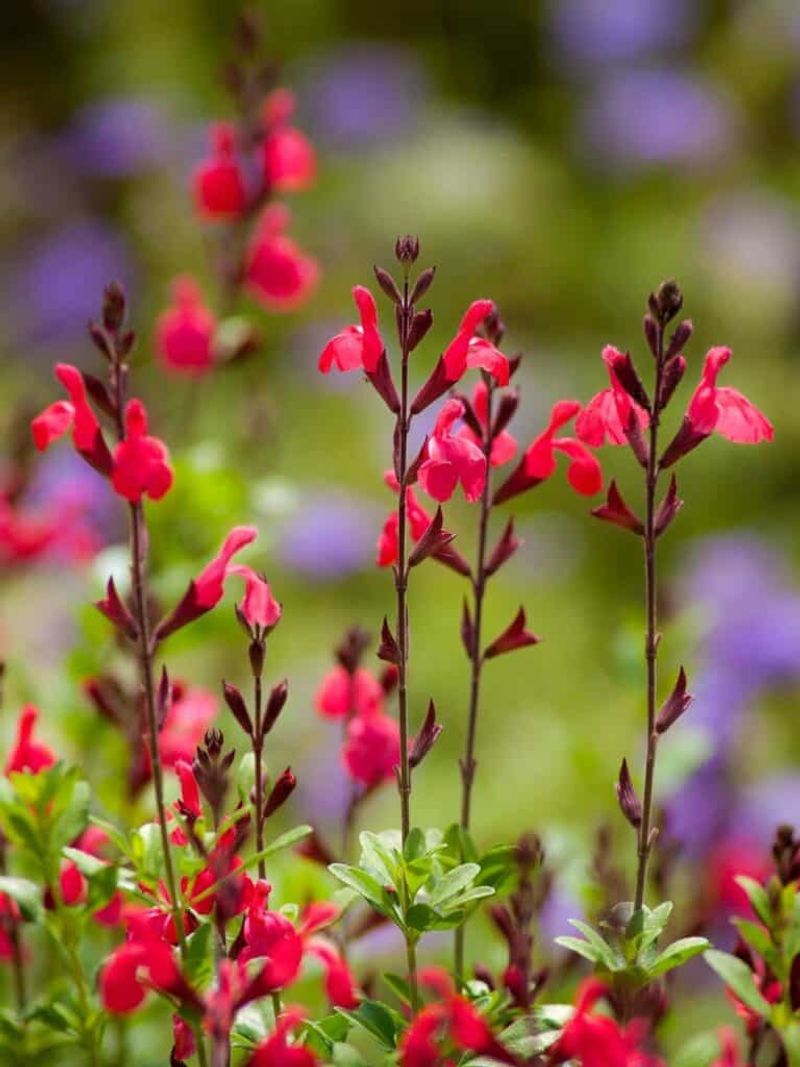
Hummingbirds seem to have a map with every autumn sage marked on it. Plant one, and before long you will hear that tiny buzzing sound zipping past your ears. For a small shrub, it throws a big party.
Salvia greggii is a compact, shrubby perennial that usually grows two to three feet tall. Its flowers come in red, pink, coral, and white. Best of all, blooms keep coming in waves from spring all the way to frost.
Rub a leaf between your fingers and you will notice a sharp, herbal scent. Deer dislike that strong smell and flavor, so they tend to leave it alone. Bees and hummingbirds, on the other hand, visit the flowers constantly.
Drainage matters more than anything else with this plant. Choose a spot in full sun with very well-drained soil. If you garden in heavy clay, mix in gravel or plant it on a slope so water runs away from the roots.
Water it during the first season, then let it get by mostly on rainfall. After each big flush of flowers, shear it lightly to encourage new buds. In early spring, cut the whole plant back by about a third to keep it bushy instead of woody and sprawling.
Gardens in the Piedmont and Coastal Plain suit it best. It struggles in soggy soil and in the coldest Mountain areas, where hard winters can be too much. Give it heat and good drainage, and it will reward you for months.
5. Rosemary Handles Heat, Drought, And Deer
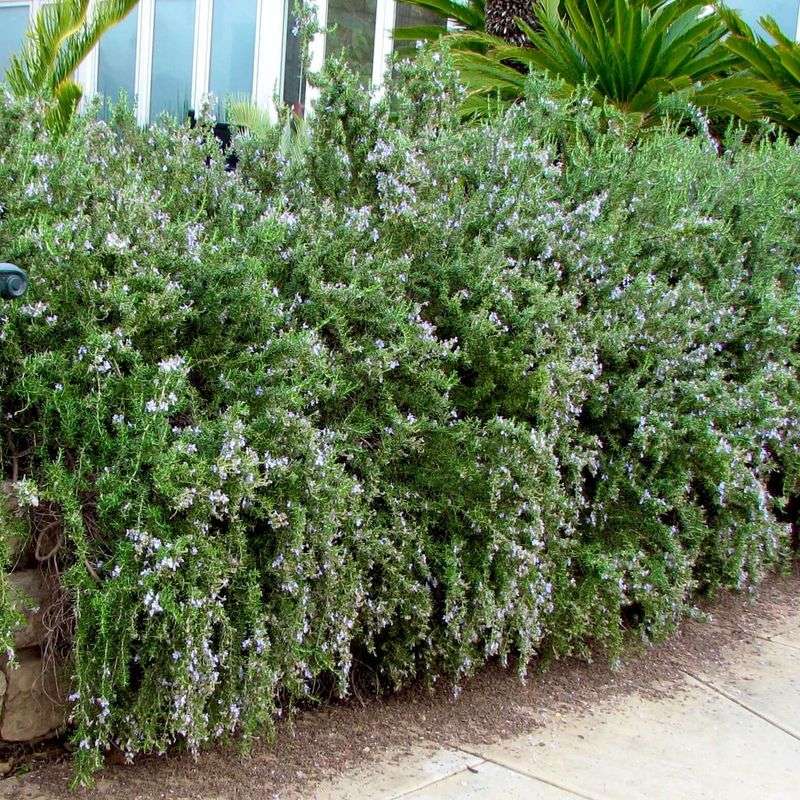
Brush past a rosemary bush on a warm day, and the whole yard smells like a fancy kitchen. Few plants pull double duty so well. You can snip it for roast chicken tonight and still count on it as a sturdy shrub all year.
Salvia rosmarinus, once called Rosmarinus officinalis, is an evergreen herb with needle-like leaves. In late winter and spring, small blue flowers appear along the stems. Early bees are always glad to find them when little else is blooming.
That famous scent is exactly what keeps deer away. The leaves are strong-smelling and resinous, which deer find unappealing. As a result, rosemary works beautifully along walkways, foundations, and borders where deer often roam.
Think Mediterranean hillside when choosing a spot. Rosemary loves full sun and well-drained soil, and it truly dislikes wet feet. Overwatering causes more trouble than dry weather ever will, so water sparingly once plants settle in.
Pruning is simple. Trim lightly after flowering to keep the shape tidy, and avoid cutting deep into old, bare wood. Harvesting sprigs for cooking throughout the year also helps keep it full.
Winter cold is the one real limit. Rosemary grows well year round in the Coastal Plain and much of the Piedmont, where some plants reach several feet wide. In most of the Mountains, though, it is not reliably hardy.
Gardeners in cooler spots should choose tough varieties like Arp and plant them near a warm, sunny wall.
6. Bee Balm Attracts Pollinators But Not Deer
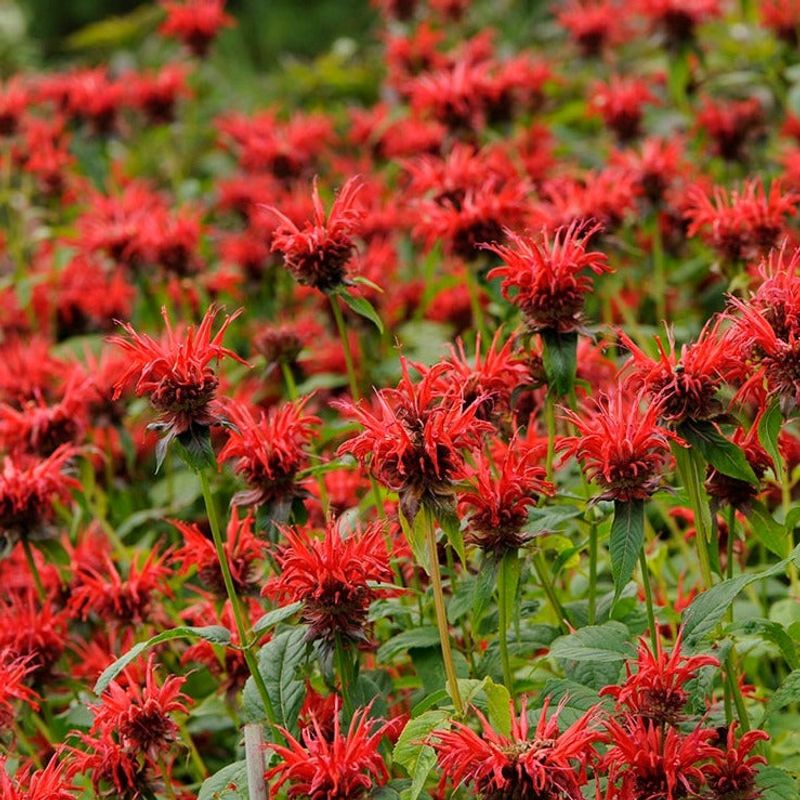
Stand next to a patch of bee balm in July, and the air practically hums. Bumblebees tumble through the blooms, butterflies drift in, and hummingbirds dart from flower to flower. It is like having a nature show right in your backyard.
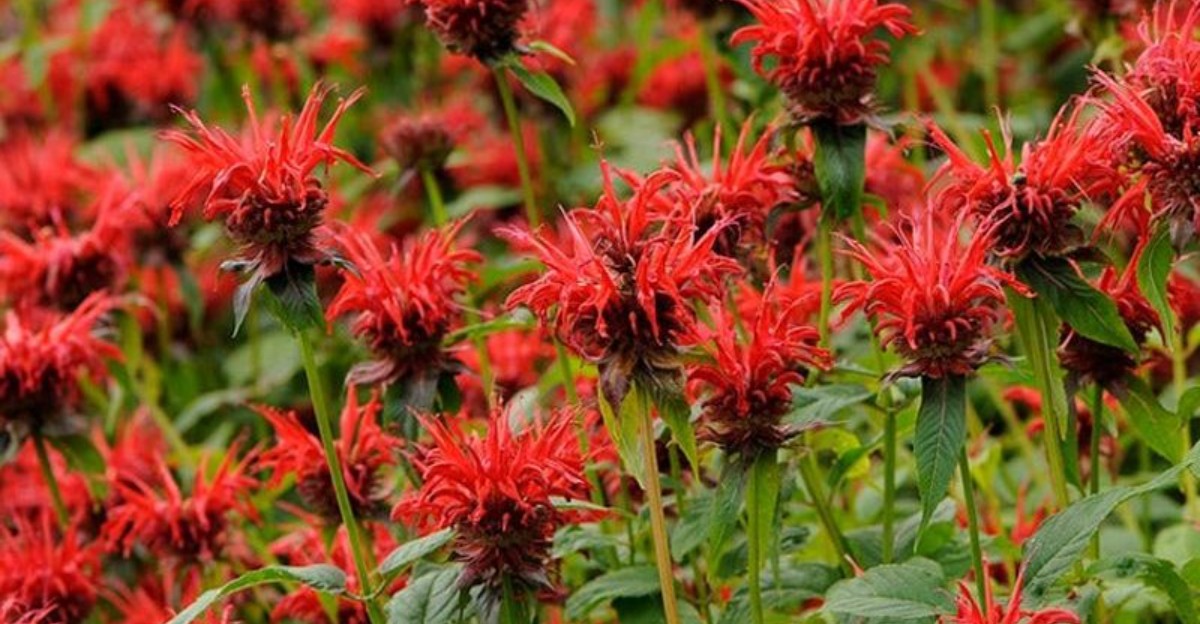
Monarda is a summer perennial with shaggy, firework-shaped flower clusters in red, pink, or lavender. Several species are native to North Carolina, including scarlet bee balm and wild bergamot. Early settlers even brewed its leaves into tea.
Crush a leaf, and you will smell something between mint and oregano. Deer find that strong scent unappealing, so they usually skip it. Pollinators, meanwhile, cannot get enough of the nectar-rich flowers.
Plant bee balm in full sun to light shade with moist, well-drained soil. Give each plant some breathing room, because good airflow matters a lot. Choosing mildew-resistant varieties like Jacob Cline or Raspberry Wine can save you headaches later.
Expect it to wander. Bee balm spreads by underground stems, so clumps grow wider each year. Every few years in spring, dig and divide them to keep the patch healthy and under control, then share the extras.
Mountain and Piedmont gardens are where it really shines, with cooler nights and rich soil. Humid summers bring one common problem, powdery mildew, which coats leaves in a white film.
Spacing plants well and watering at the base instead of overhead keeps leaves cleaner, so the flowers stay the star.
7. Eastern Bluestar Offers Three Seasons Of Interest
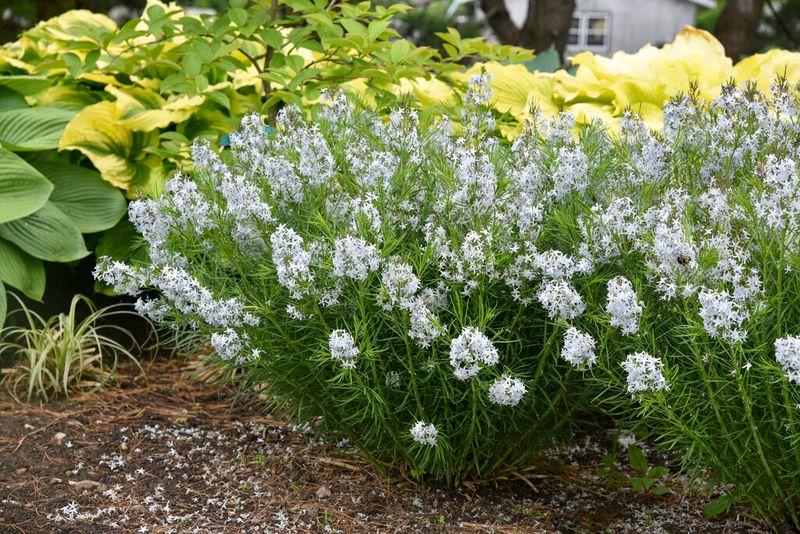
Some plants give you one good moment each year. Eastern bluestar gives you three, and it asks for very little in return. Quiet but reliable, it is the kind of perennial that makes a garden feel finished.
Amsonia tabernaemontana is native to North Carolina. In spring, it opens clusters of pale blue, star-shaped flowers on top of upright stems. Through summer, its willowy green leaves form a neat, bushy mound.
Then autumn arrives with the real surprise. The foliage turns a warm golden yellow that glows next to asters and ornamental grasses. Many gardeners say the fall color is even better than the flowers.
Break a stem and you will see milky white sap. That sap makes the plant unpalatable, so deer and rabbits usually leave it alone. It also has very few pest or disease problems.
Care is refreshingly simple. Plant bluestar in full sun to part shade in average to moist soil, and water during the first season. More sun means sturdier stems and brighter fall color.
Once the flowers fade, cut the stems back by about a third. The trim keeps plants full and upright instead of flopping open in summer storms. After that, you can mostly leave it be.
Out in the wild, eastern bluestar grows in moist woodlands and floodplains across the state.
That background explains why it handles heavy clay soil so well, something many plants cannot manage. For Piedmont gardeners stuck with red clay, it is a welcome find.
8. Catmint Blooms For Months With Little Care
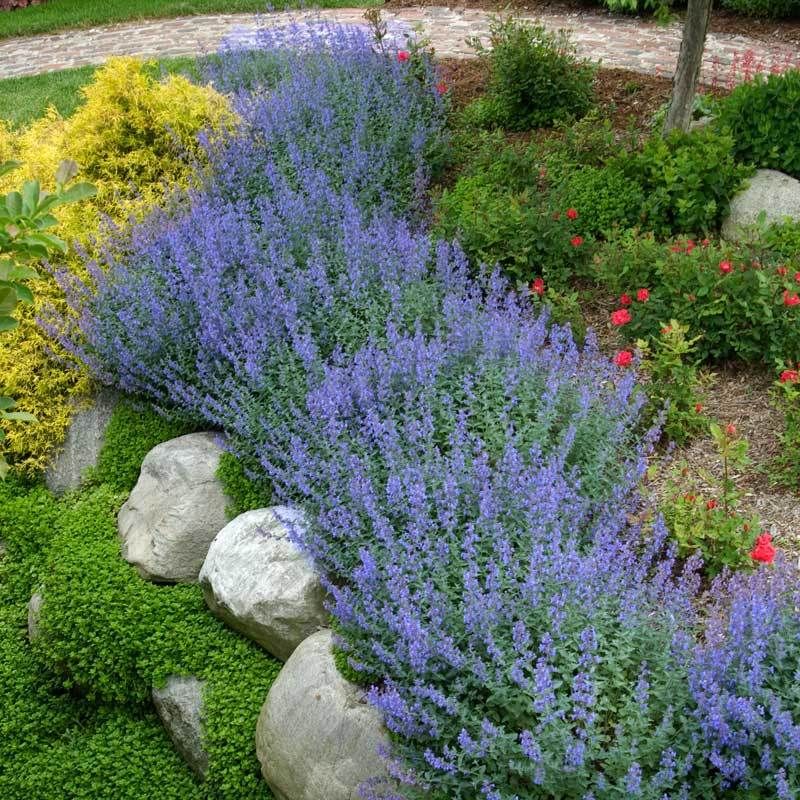
Busy gardeners, meet your new best friend. Catmint blooms for months, rarely needs fussing over, and looks soft and pretty the whole time. If you want big results with small effort, start here.
Nepeta × faassenii forms low mounds of gray-green leaves topped with lavender-blue flower spikes. The popular variety Walker’s Low grows about two to three feet tall and wide. It was even named Perennial Plant of the Year in 2007.
Deer usually give it a wide berth. The fragrant leaves have a strong scent they dislike, so it makes a great edging along paths deer tend to travel. Bees, however, love it so much the plants seem to buzz all day.
Sunshine and good drainage keep it happy. Plant catmint in full sun with well-drained soil, and water during the first season. After that, it handles dry spells like a champ.
Here is the trick for nonstop color. After the first big flush of flowers in late spring, shear the plants back by about half. Within a few weeks, fresh leaves and a second round of blooms appear.
Go easy on compost and fertilizer, since rich soil makes catmint floppy and open in the middle. Lean ground keeps it tight and tidy.
In the Mountains and Piedmont, catmint shrugs off heat and dry weather well. Humid summers can be tough, though, so give plants space for airflow and a spot where water drains fast.
9. Wax Myrtle Makes A Fast Evergreen Screen

Need privacy, and need it fast? Wax myrtle can grow several feet in a single year, turning an open yard into a cozy green retreat. Along the North Carolina coast, it has been a go-to screen for generations.
Morella cerifera is a native evergreen shrub with narrow, olive-green leaves. Crush one and you will notice a spicy, fresh scent. Female plants produce small gray berries coated in wax, which colonists once boiled down to make fragrant candles.
Deer tend to avoid it thanks to those aromatic, resinous leaves. That makes wax myrtle a smart pick for hedges and screens in neighborhoods with heavy deer traffic. Birds, like yellow-rumped warblers, happily feast on the berries in winter.
Planting is straightforward. Choose a spot in full sun to part shade, and water regularly during the first season. After that, it becomes remarkably self-sufficient.
Plan for its speed. Wax myrtle can reach 10 to 20 feet tall, so give it room or plan to prune. Late winter or early spring is the best time to shape it, and you can keep it as a tidy hedge or let it grow into a small tree.
Across the Coastal Plain and Piedmont, it grows naturally and adapts to almost anything. Wet ditches, sandy lots, and even salt spray near the beach barely slow it down.
The colder Mountains are another story, where harsh winters make it less reliable, so mountain gardeners may want a hardier choice.