Picking North Carolina Greens After a Hard Frost? Do This First
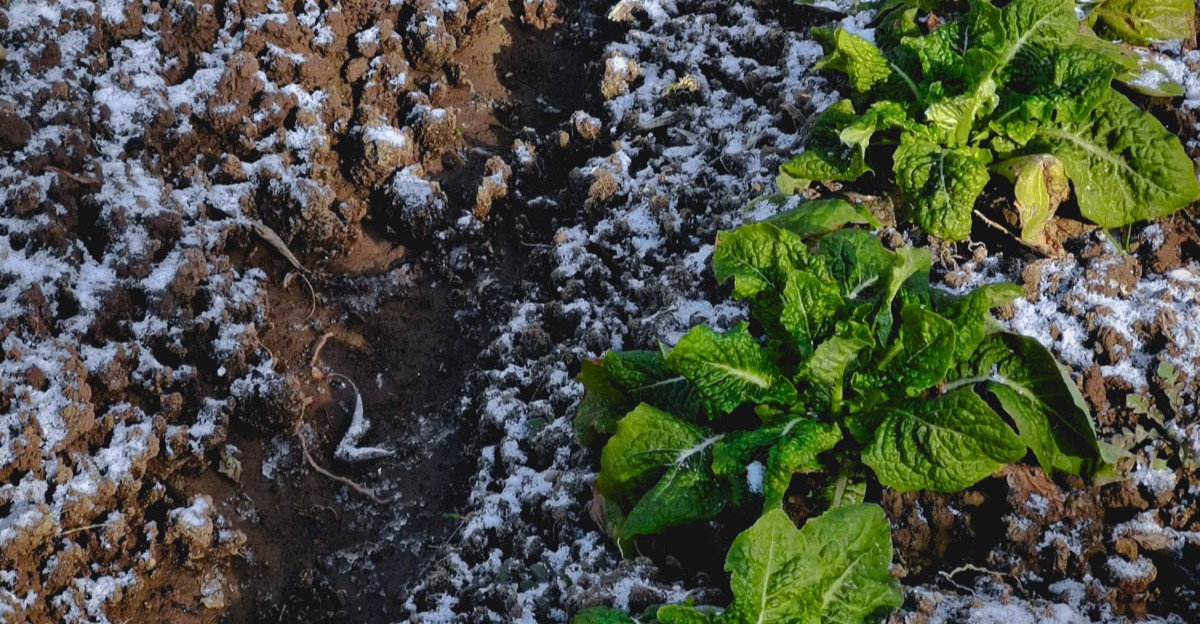
A collard leaf can freeze stiff as a potato chip overnight and still bounce back by lunch. I learned that the hard way after crunching through a frozen row with my harvest knife and turning half of it into green mush.
The trouble was not the cold. It was my timing. Frozen leaves are packed with ice crystals, and handling them too soon bruises the tissue from the inside out.
One thing I love about cool-season gardening in North Carolina is how winter can make the harvest taste better. Many leafy crops turn sweeter after a cold snap, and that reward is worth a little patience.
So what should you do on that sparkly, frost-covered morning before you grab a basket? The answer is simpler than you might expect, and it starts with keeping your hands in your pockets for a while.
1. Those Frozen Kale Leaves Are Asking You to Wait
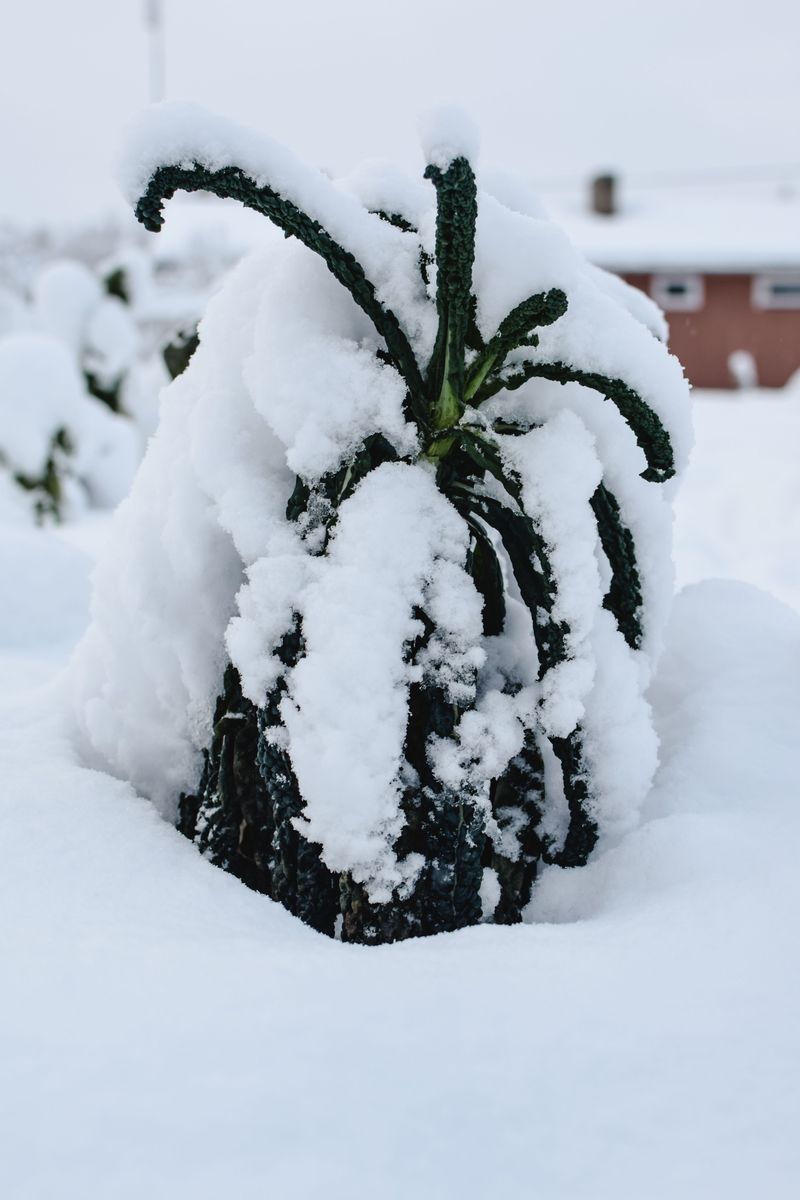
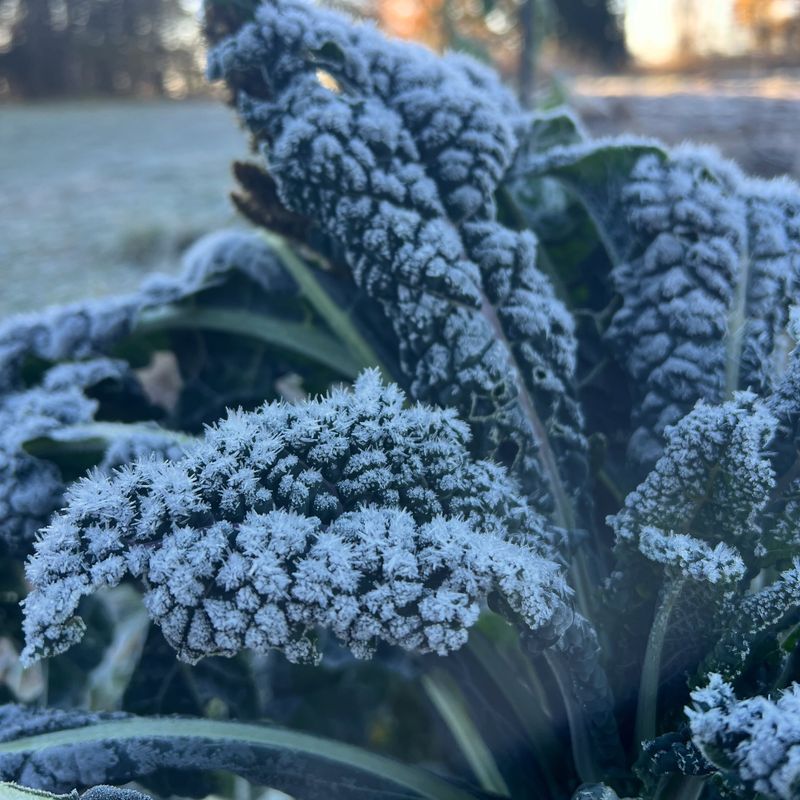
Patience is the secret tool most gardeners forget on frosty mornings. When kale, collards, or spinach freeze, tiny ice crystals form in and around the leaf cells.
Touching, bending, or cutting leaves in that state can crush the tissue. Later, those spots turn dark, soft, and slimy, and they spoil fast in the fridge.
My rule is simple. If the leaves feel stiff, crunchy, or look glassy, they stay put until the sun does its job.
Most frozen greens thaw by mid-morning once sunlight hits the bed. Wait until the leaves feel soft and flexible again, like they did before the cold night.
Plants often look limp and sad right after thawing. Give them an extra hour or two, and hardy crops usually perk back up as their cells refill with water.
Shady beds may take until early afternoon to recover. Rushing that process gains you nothing but a bowl of mushy leaves.
Also skip walking through frozen rows if you can. Your boots can bruise low leaves and squish frosted soil around the plants.
A warm cup of coffee and a window view make the waiting easier. Your greens will reward that bit of restraint with a crisp, healthy harvest.
2. Thawed Collards Tell You When They Are Ready to Pick
Here is a quick test I use every winter. Gently pinch a leaf between your fingers once the frost has melted.
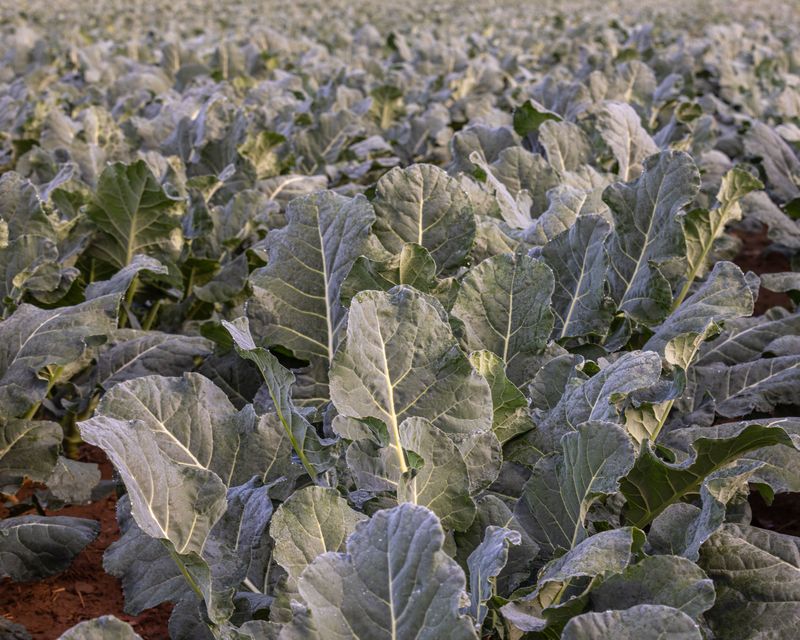
Healthy, thawed collards feel cool, firm, and a little leathery. They should bend without cracking and hold their deep green or blue-green color.
Leaves that stay floppy hours after the sun comes out may need more time. Check again in the afternoon before deciding anything.
Now look for damage signs. Translucent, water-soaked patches, dark green blotches, or leaves that feel slick usually mean the cells broke during the freeze.
Those leaves will not recover, so trim them off and toss them in the compost. Removing them keeps rot from spreading to healthy growth nearby.
Collards are famously tough and can handle temperatures into the teens, and sometimes lower, especially once they have hardened off during gradual fall cooling. Kale is close behind in toughness.
Leaf edges sometimes show tan, papery spots after a hard freeze. Those are cosmetic in most cases, and the rest of the leaf is fine to eat.
Once the leaves pass your touch test, grab your knife or scissors. Late morning to early afternoon is a sweet spot for harvesting after cold nights.
3. Cold Nights Turn Mustard Greens and Kale Sweeter
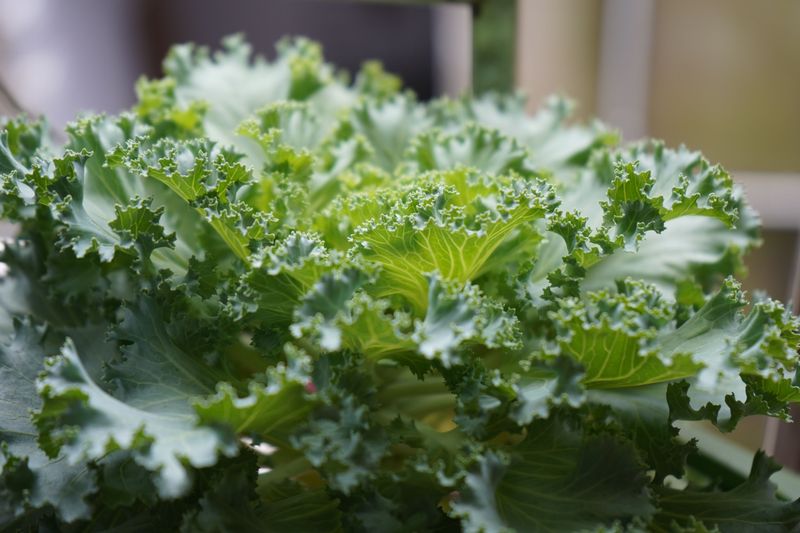
Grandparents across the South swore collards tasted best after the first frost. Science backs them up on this one.
As temperatures drop, cool-season greens break down some stored starches into sugars. Those sugars lower the freezing point of the liquid inside cells, working a lot like natural antifreeze.
That same process helps the plant handle cold, and it gives us leaves with less bitterness and more mild sweetness.
Kale, collards, and spinach show the change best. Mustard greens and turnip greens also mellow, though their peppery kick often stays around.
The effect builds over several cool days and nights rather than one sudden freeze. A gradual fall chill gives plants time to harden and adjust their chemistry.
For the sweetest flavor, many gardeners harvest after a stretch of frosty nights. Taste a raw leaf in October, then again in December, and the difference can surprise you.
Fun bonus fact: frost-sweetened kale is often tender enough for salads without heavy massaging. Collards may cook a bit faster too.
So when you see frost in the forecast, there is no need to panic about hardy greens. That chill is quietly improving dinner.
4. Lettuce and Chard Need Help Before a Hard Freeze
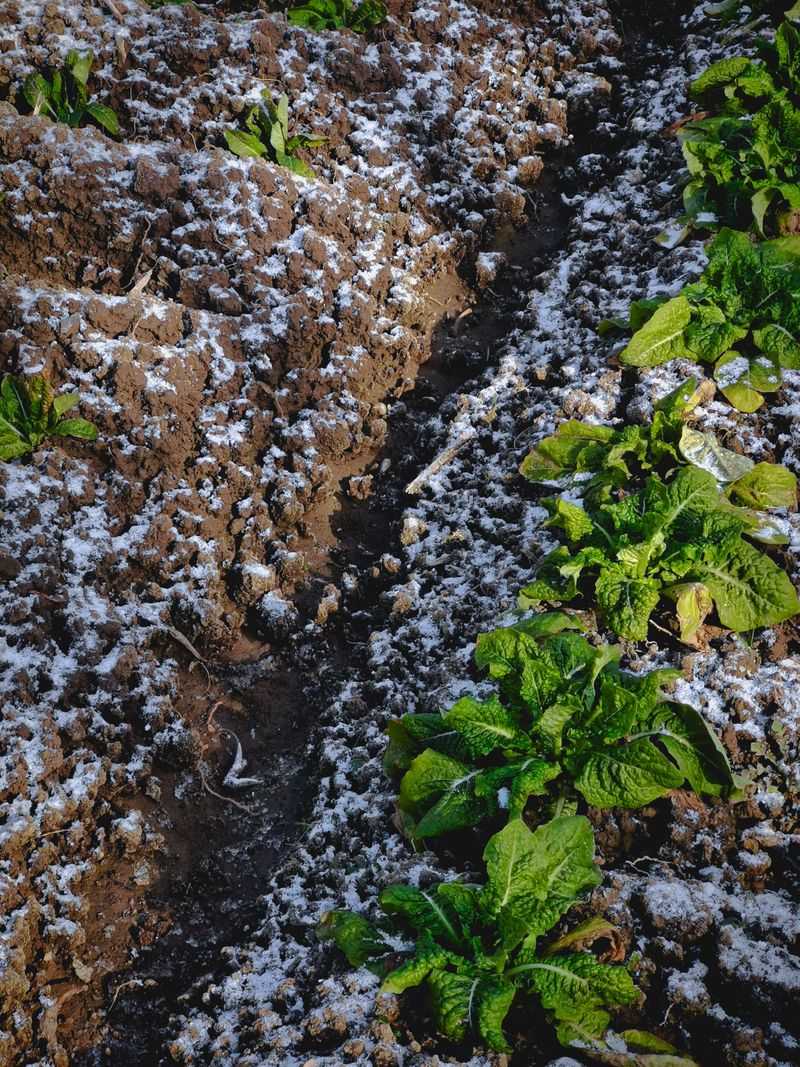
Not every leafy crop shrugs off the cold like collards. Some need a little extra help. Lettuce, Swiss chard, and young seedlings handle light frost fairly well.
A hard freeze, often defined as several hours at about 28 degrees or below, can leave them soft and damaged. Arugula and Asian greens like bok choy sit somewhere in the middle. Mature plants cope better than tender babies.
When a hard freeze shows up in the forecast, pick your most delicate greens the afternoon before. Leaves harvested dry and unfrozen store well for a week or more in the fridge.
Want to keep plants growing? Cover them with frost cloth, old sheets, or a low tunnel before sunset, then remove it the next day when temperatures climb.
Covers trap heat rising from the soil, which can add a few degrees of protection. Watering dry soil a day ahead helps too, since moist ground holds warmth better.
Avoid plastic touching leaves directly, because it can transfer cold. Hoops or stakes keep the fabric lifted. With a quick evening routine, tender greens can keep producing well into early winter in milder parts of the state.
5. Picking Outer Leaves First Keeps Your Kale Plants Producing
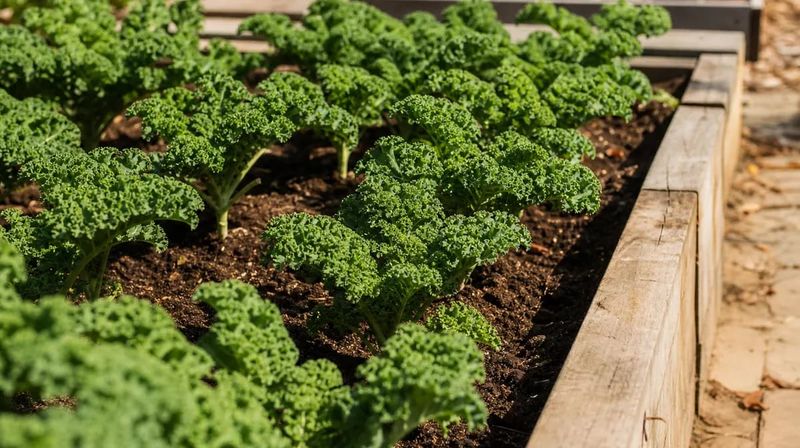
A single kale plant can feed you for months if you harvest it the smart way. The trick lies in which leaves you take.
Pick the larger, lower outer leaves first and leave the small center growth alone. That center bud is the plant’s engine, and new leaves keep emerging from it.
Gardeners call this method cut-and-come-again, and it works beautifully for kale, collards, chard, and leaf lettuce.
Leave at least five or six healthy leaves on each plant after picking. Those leaves keep making food, which matters more in winter when growth slows way down.
Use clean scissors or a sharp knife and cut close to the main stem. Tearing leaves can rip the stalk and invite rot.
Winter growth crawls compared with fall, so harvest lightly between December and February. Overpicking a cold-stressed plant can leave it weak when spring arrives.
Spinach can be handled the same way, snipping older leaves while the crown stays intact. Heading crops like cabbage are a different story, since you cut the whole head.
Treat your plants like a garden savings account. Take only the interest, and they will keep paying out until the weather warms.
6. A Cool Water Bath Brings Picked Greens Back to Life
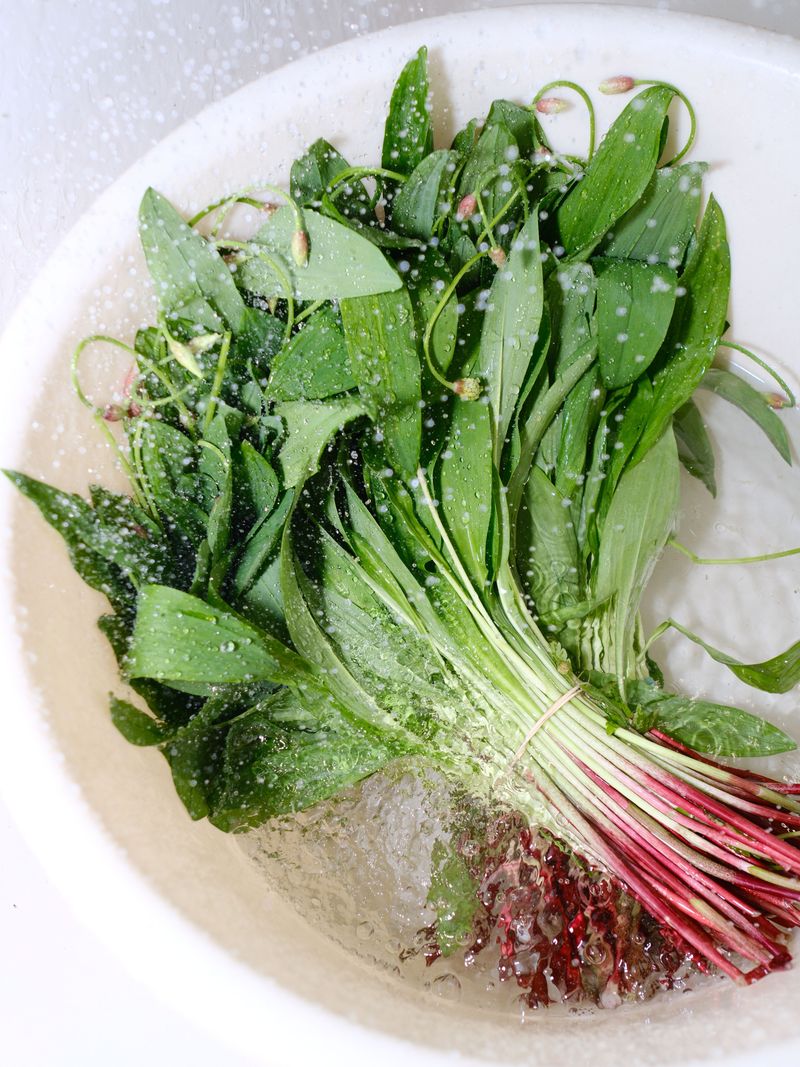
Fresh-picked greens start losing moisture the moment they leave the plant. A quick soak helps them stay crisp.
Bring a bucket of cool water to the garden, or head straight to the kitchen sink. Dunking leaves within about 20 minutes of harvest helps remove field heat and rehydrate them.
Swish them gently to loosen grit, aphids, and bits of mulch. Collards and curly kale love to hide dirt in their folds.
Change the water once or twice if your greens are extra sandy. Winter rain splashes soil onto low leaves, so a second rinse is often worth it.
Shake off extra water or use a salad spinner. Then wrap the leaves loosely in a clean towel and store them in a plastic bag or container in the crisper drawer.
Kale and collards often stay fresh for one to two weeks this way. Lettuce and spinach last a bit less, so eat those first.
Skip washing frozen leaves you picked by mistake. They usually turn soggy fast, so cook them the same day in soups or stir-fries. A little care after harvest protects all the work you put into growing them.
7. Plant Winterbor Kale and Vates Collards for Next Frost Season
Planning ahead turns frosty mornings from a worry into a treat. Variety choice makes a huge difference.
NC State Extension often points gardeners toward cold-tough picks like Vates and Champion collards, plus Winterbor and Siberian kale. These handle winter weather better than many tender types.
Planting time matters just as much. Across much of North Carolina, late summer to early fall planting gives greens time to mature before the hard cold arrives.
Mountain gardeners usually start earlier, often in late July or August. Piedmont and coastal growers can plant into September, and coastal gardens frequently harvest through winter.
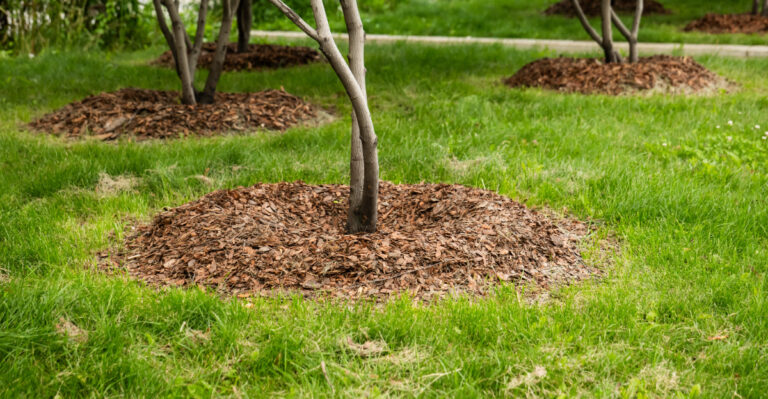
Mature plants with strong roots handle freezes far better than tiny seedlings. A layer of straw or shredded leaves around plants also helps keep soil temperatures steadier.
Keep a few frost covers folded in the garage for surprise cold snaps. Pair them with a reliable weather app, and you will rarely be caught off guard.
Jot down which crops thrived and which struggled this year. Those notes become pure gold next August.
With hardy varieties, smart timing, and patient harvesting, your winter garden can keep serving sweet, frost-kissed greens for months.