9 Ways To Turn Your New York Yard Into A Fall Outdoor Living Room
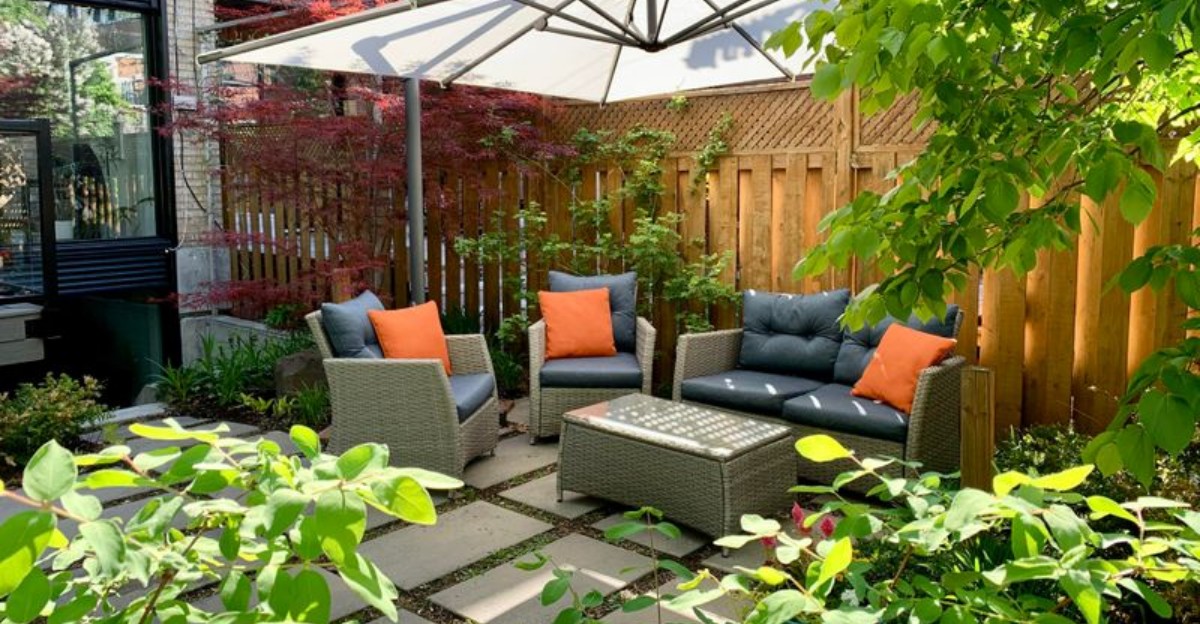
Crunchy leaves underfoot set the mood, but they won’t make a yard cozy on their own. A few smart touches can turn your New York outdoor space into a spot where people linger long after sunset.
Think of it as setting up a living room, only with fresh air, changing colors, and a good excuse to grab another sweater. Even a small patio can feel inviting when comfort, light, and shelter work together.
The ideas below range from quick weekend upgrades to simple tricks you can try tonight. Mix a few, and fall evenings outside might become your favorite part of the season.
1. Build The Room Around A Fire Pit
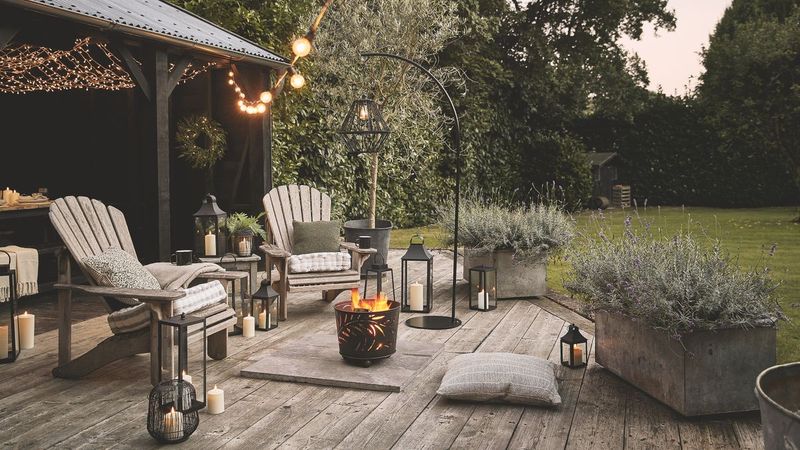
Few things gather people faster than a small, glowing fire on a crisp evening. Place chairs around it first, then arrange side tables where everyone can reach a drink.
Before buying a fire pit, measure the space and check local fire rules. Requirements can differ across New York, and some properties cannot use open-flame features.
Choose a model that fits your yard rather than crowding the seating area. A gas fire table offers a tidy look, while a wood pit brings familiar crackling sounds.
Keep flames well away from fences, branches, furniture, and anything else that can catch fire. Follow the maker’s clearance directions, and set the pit on a suitable, level surface.
For wood fires, use dry, clean, untreated wood where local rules permit it. Avoid tossing in leaves, packaging, or painted scraps, which can create unpleasant smoke.
Leave enough room behind each chair for someone to walk past safely. A rough circle works well, but an L-shaped arrangement can suit a narrow patio.
Keep water or an appropriate fire extinguisher close by before lighting anything. An adult should watch the fire until it is fully out and cool.
Want the area to feel more like a room? Add a low table for mugs and a tray for snacks, outside the required clearance zone.
Match the chairs with sturdy outdoor cushions and keep extra layers nearby. Guests can enjoy the warmth without having to sit too close.
Even without a fire pit, you can borrow the layout idea. Center the furniture around a safe electric heater or a simple coffee table instead.
2. Lay An Outdoor Rug To Define The Space
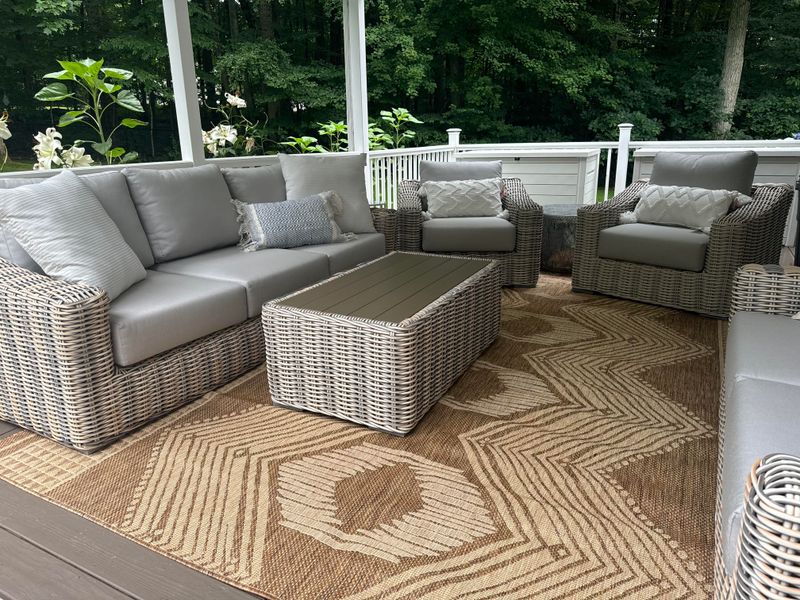
A rug can make scattered patio chairs look like they belong together. Treat it as the floor of your outdoor room, even if that floor is concrete.
Start by marking where people will sit and walk before choosing a size. The front legs of your main seats should rest on the rug comfortably.
A tiny rug can look stranded beneath a large sofa. If space allows, choose one wide enough to hold a table and nearby chair legs.
Look for an outdoor rug made from water-resistant, easy-to-clean fibers. Fall brings damp mornings in New York, so quick drying matters as much as color.
Choose a pattern that works with fallen leaves instead of fighting them. Rust, deep blue, or a small geometric print can hide bits of everyday dirt.
Your New York Garden Changes Every Week. Your Plan Should Too.
Gardening in New York changes quickly throughout the season. Every Friday you’ll receive a simple weekly plan showing exactly what to plant, prune, fertilize, harvest, and protect so you never miss the right timing.
Place the rug on a surface that drains well, not over standing water. Check its underside after rain, and lift it when needed to help both surfaces dry.
On a smooth deck, make sure the rug stays put underfoot. Use an outdoor-rated rug pad if the manufacturer recommends one for your surface.
Leave clear paths to gates, doors, and steps so nobody trips. The rug should bring the seats together without taking over the whole yard.
Cleaning can stay simple: shake off leaves, then follow the label for washing. Roll the rug up dry if you put it away for winter.
Try laying it out before moving the furniture into place. You may spot a better view or a more comfortable way to face the seats.
3. String Lights Overhead For A Glowing Ceiling
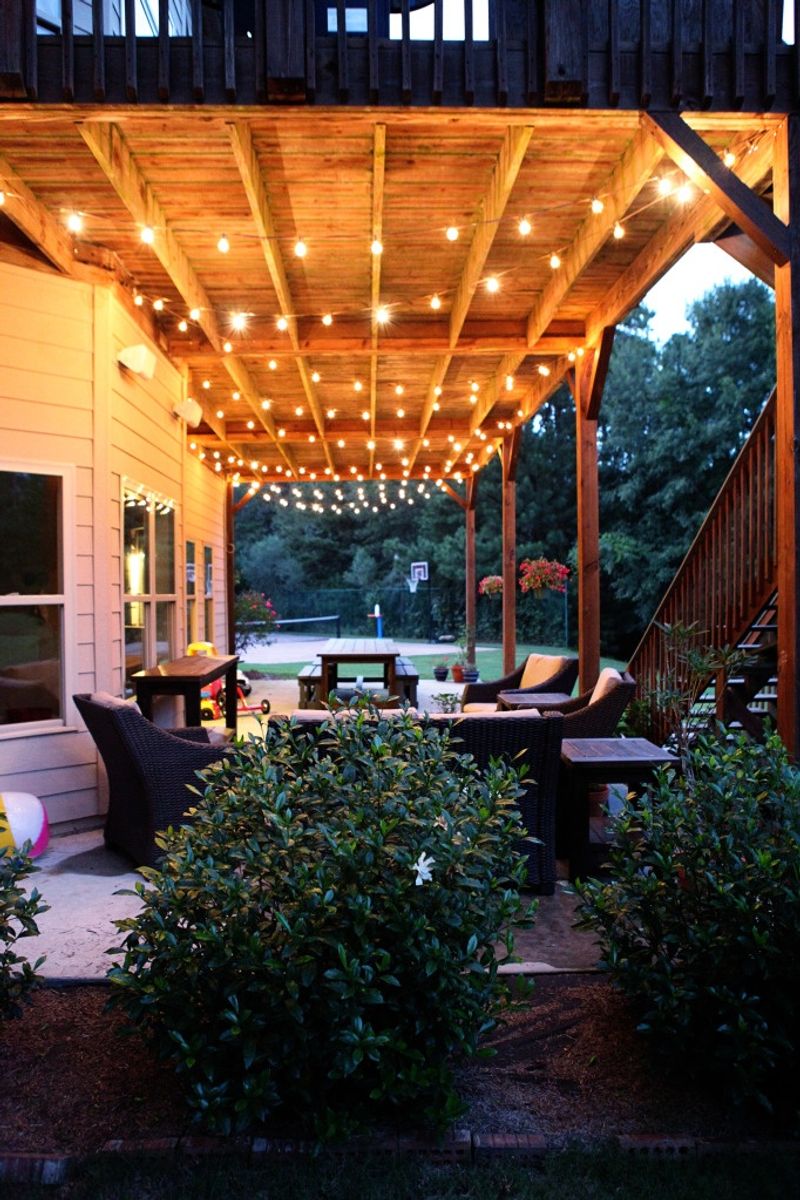
When the sun slips away early, a ceiling made of lights feels like a clever trick. String lights outline the seating area and help everyone see where they are going.
Pick warm white or amber bulbs for a soft fall glow. Bright, cool bulbs may feel more like a work light than a place to relax.
Sketch the route before you hang a single strand. You might run lights between sturdy posts, across a pergola, or along a secure fence.
Use products marked for outdoor use, including the cords and connections. Check the package for how many strands can safely connect to one another.
Give each strand proper support rather than pulling its electrical cord tight. Follow the mounting directions, and keep lights clear of branches that rub against wires.
Keep plugs off wet ground and use an outdoor-rated outlet where required. If you need a new outlet, ask a qualified electrician for help.
Arrange the bulbs high enough that tall guests can move freely. Lower strands can still work along a railing, away from hands and busy pathways.
Try one simple zigzag above the chairs instead of covering every corner. A small number of well-placed lights can make the space feel calm.
Add a timer so the glow greets you at dusk. Switching the lights off at bedtime also saves energy and reduces light spilling toward neighbors.
From indoors, look out at your finished layout after dark. Adjust any harsh spots so the yard feels welcoming from the kitchen window, too.
4. Add A Patio Heater For Chilly Evenings
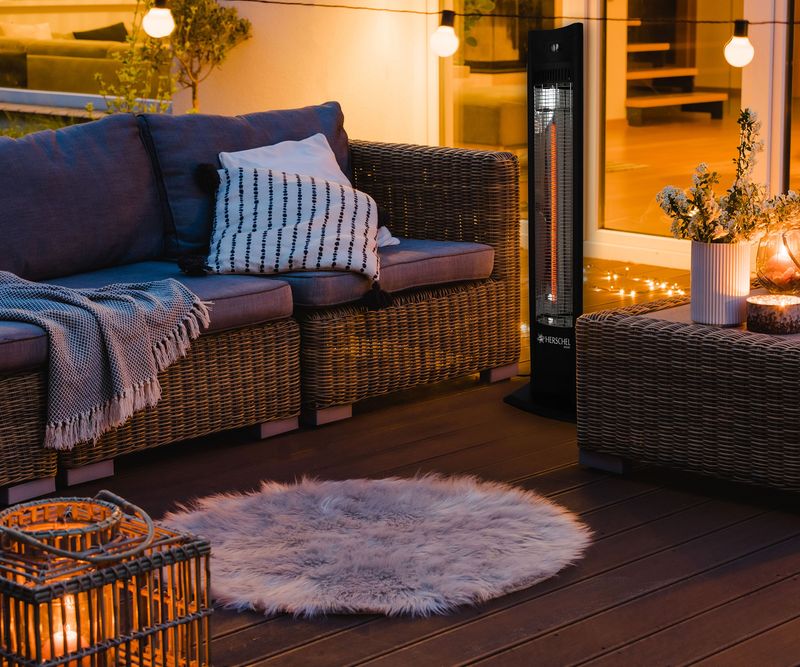
October can offer beautiful sunsets and surprisingly cold toes. A patio heater gives your outdoor room a little more time after the temperature drops.
Begin with the rules for your property, building, and neighborhood. New York City settings may restrict propane storage or open-flame equipment, so check before shopping.
An outdoor-rated electric infrared heater may suit a compact seating area. It warms people and nearby surfaces directly, rather than trying to heat the whole yard.
Look at the heater’s listed coverage area and power needs. A unit sized for a large patio may be unnecessary beside a small table.
Mount or place the heater exactly as its instructions say. Required gaps from curtains, branches, furniture, and ceilings protect the space you worked to create.
Use a suitable outdoor electrical setup instead of improvising with indoor cords. Ask a qualified electrician if you are unsure your outlet can support the heater.
Aim the warmth toward seated guests, not a walkway. Test the position while sitting down, since standing nearby can give a different impression.
Pair the heater with seat cushions and a windbreak for better comfort. Warm air or surfaces help more when chilly gusts do not sweep through the chairs.
Keep drinks and fabric away from the unit’s hot parts. Turn the heater off when people move inside, and follow its cooling directions before storage.
On milder nights, leave it off and bring out another blanket. Using heat only when needed keeps the room pleasant without wasting power.
5. Frame The Space With Ornamental Grasses

Some yard walls sway instead of standing still. Ornamental grasses can give your seating area an edge while keeping the space open and airy.
Plant a few clumps beside the chairs rather than ringing every side. Their shape guides the eye toward the gathering spot without hiding the whole garden.
For a taller screen, consider native switchgrass where you have room. Depending on the variety, it can reach several feet high and turn bronze in fall.
Little bluestem suits lower edges and smaller yards. Its narrow leaves take on warm reddish color, and established plants can handle dry conditions.
Check each plant’s mature width before setting it beside a path. A young grass looks small, but crowded stems may brush guests as they walk.
Choose a sunny spot with soil that suits the species. Read the plant label, and ask a local nursery about varieties that fit your site.
Groups of three often look more natural than a single lonely clump. Leave enough space between plants for their full shapes to show.
Place shorter grasses near low seats and taller ones behind them. That simple layering creates a soft backdrop while preserving views across the yard.
Seed heads can catch late sunlight and offer interest into winter. Check local guidance before cutting plants back, since some stems may shelter wildlife.
Stand in the seating area before you decide where to plant. You will quickly see which corner needs privacy and which view deserves to stay open.
6. Hang Outdoor Curtains To Block Wind
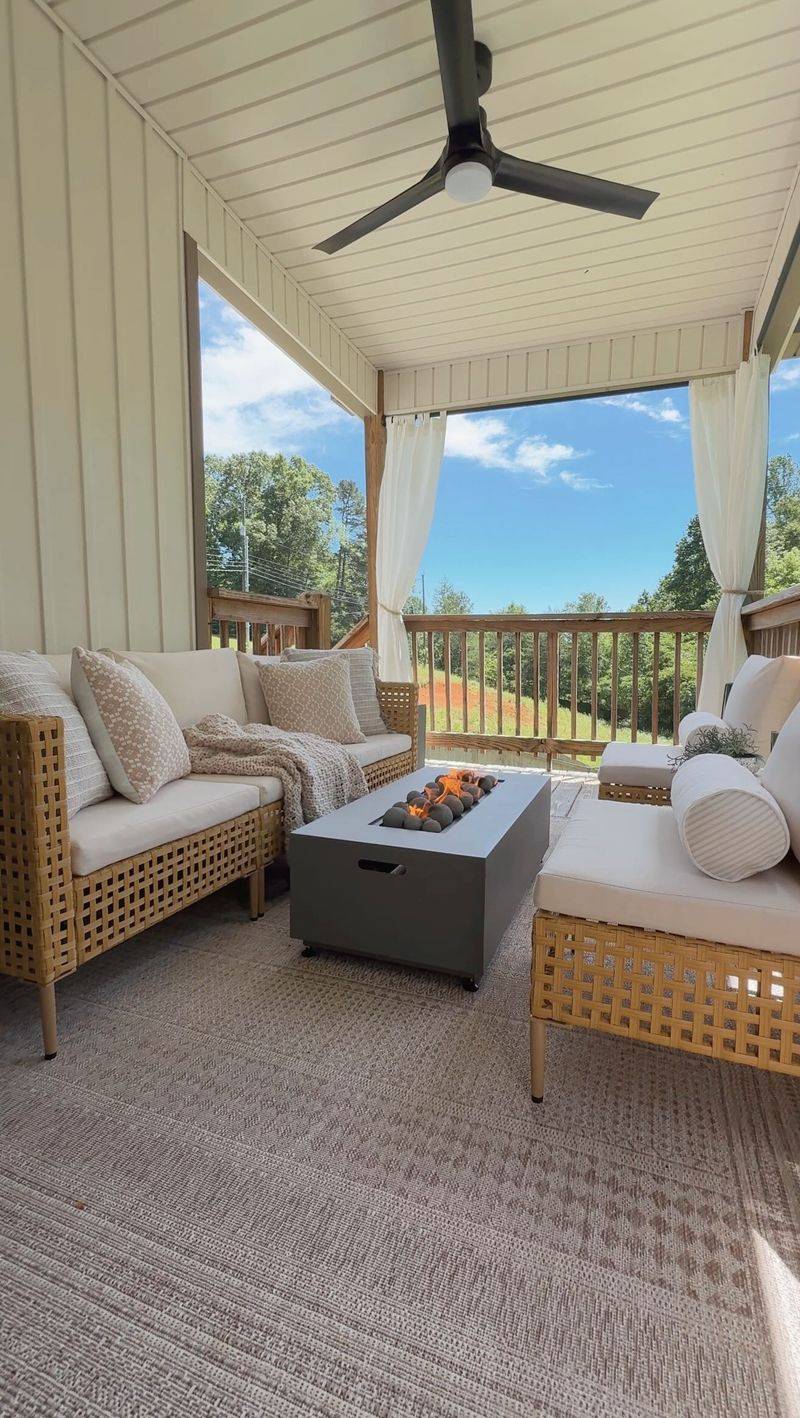
A chilly breeze can interrupt even the best backyard conversation. Outdoor curtains add a flexible wall where your seating area needs a little shelter.
Watch the yard on a breezy afternoon before hanging anything. Notice which side gets the gusts and where a curtain might block them.
Start with a sturdy pergola or other structure suited to the added load. Follow the curtain and hardware instructions, especially for mounting and wind limits.
Outdoor fabrics resist moisture better than ordinary indoor drapes. Choose panels you can remove and clean, since leaves and dirt collect near the ground.
Measure from the hanging point to the floor before ordering. Panels should cover the open side without dragging through puddles or catching under chairs.
Use tiebacks when you want more light and airflow. For breezy conditions, suitable bottom weights or a recommended anchor can reduce flapping.
Close only the exposed side on mild days. Keeping another side open makes the space feel connected to the yard and helps air move.
Do not place fabric close to a fire pit or heater. Follow the equipment’s clearance rules, even when the curtains are labeled for outdoor use.
In a small New York yard, curtains can offer welcome privacy. Light-colored panels soften a fence, while darker ones create a snug evening setting.
Take panels down when strong winds are expected. Once the weather clears, hang them back up and enjoy a calmer place to sit.
7. Decorate With Mums, Pumpkins, And Gourds
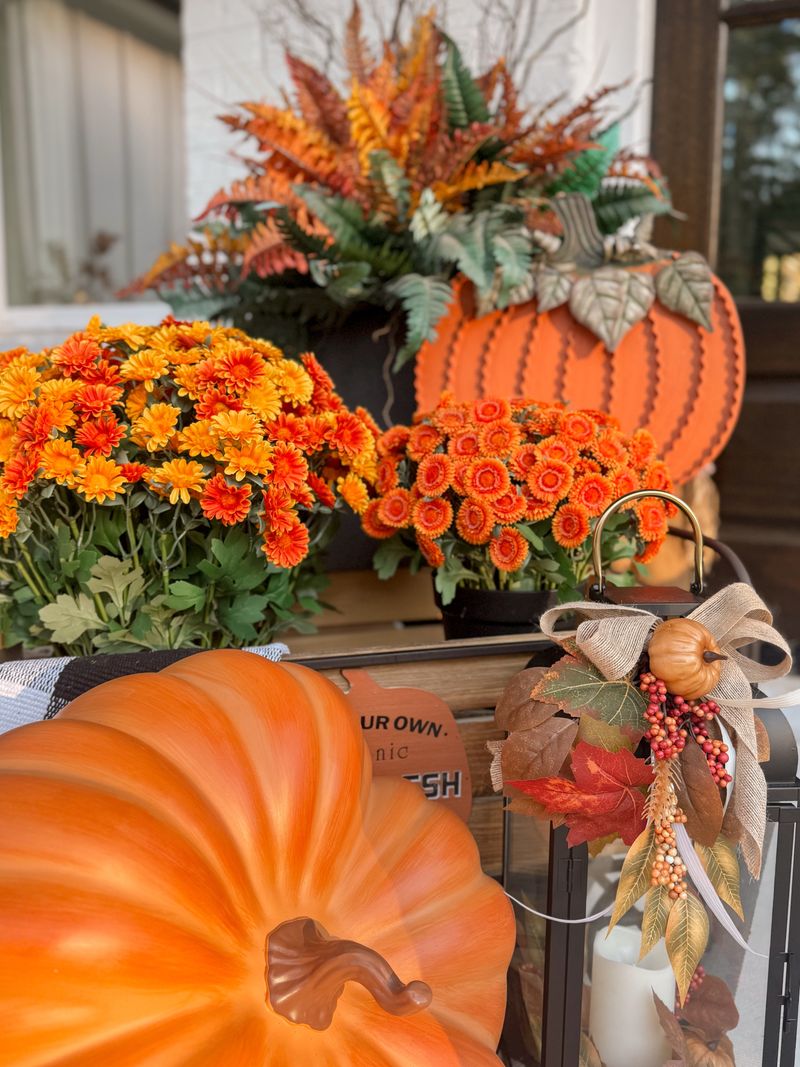
Fall decorating gets easier when the grocery store sells half your color palette. Mums, pumpkins, and gourds bring lively shapes right up to the seating area.
Group a few pots beside a chair or at the patio entrance. Mix different heights so the display feels gathered, not lined up like a fence.
Garden mums offer bright flowers in many shades during fall. Water the soil when it feels dry, and keep containers where extra water can drain.
If you hope to grow mums for future seasons, ask for hardy garden varieties. Planting earlier gives their roots more time to settle before cold weather.
Set pumpkins on a dry step, tray, or planter top. Keeping them out of soggy soil helps them look good longer.
Choose one larger pumpkin and tuck smaller gourds around it. Orange, white, and green pieces can echo the colors already growing in your yard.
Leave walking routes clear, especially near steps and doors. A charming display loses its charm when guests must dodge it while carrying hot drinks.
For a playful touch, place an odd-shaped gourd on the table. It starts conversations without adding another object that needs electricity or storage.
Check your arrangement after heavy rain or a cold snap. Move any soft or damaged pieces away so the remaining display stays fresh.
When the season changes, follow local guidance for composting plant materials. Save reusable pots and trays for the next round of outdoor decorating.
8. Set Up A Warm Drink Station
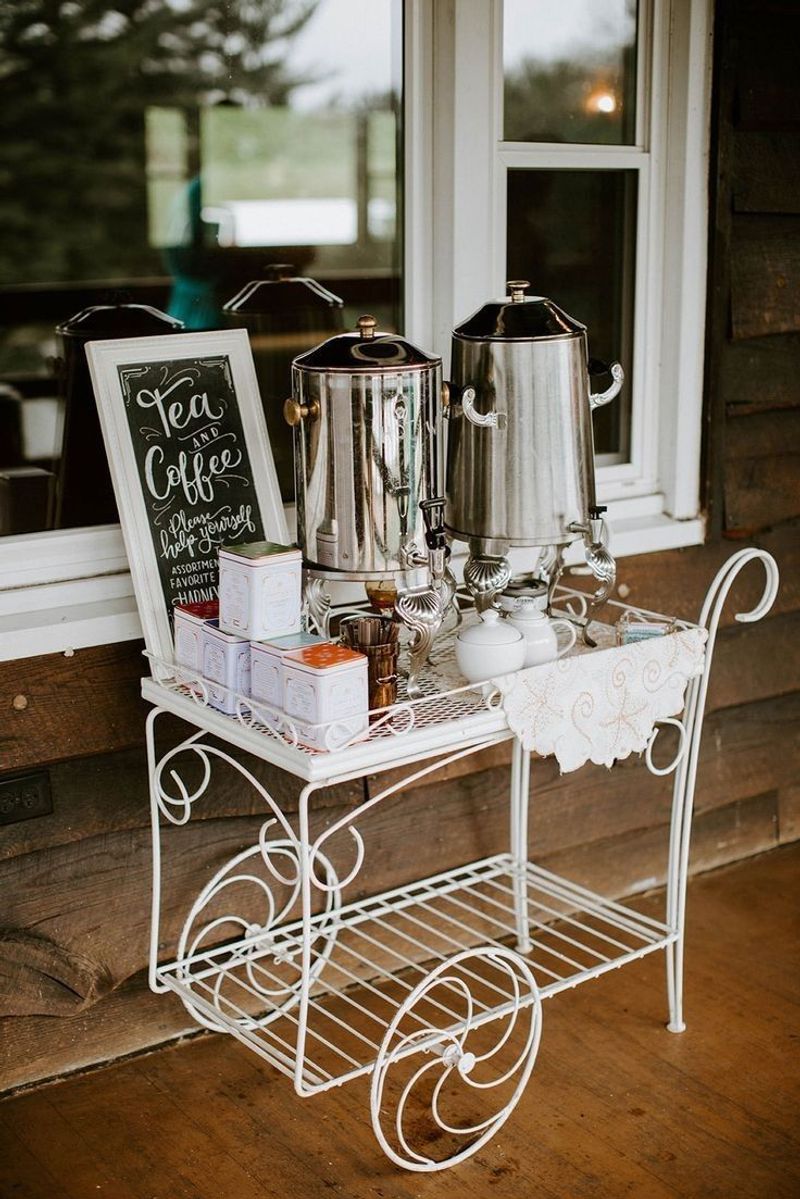
A mug of cider makes a cool evening feel like an occasion. Give drinks their own little station so guests can help themselves without leaving the yard.
A rolling cart works well on a smooth patio. For uneven ground, choose a steady side table and keep heavier containers near its center.
Fill insulated carafes with hot cocoa, spiced cider, or decaf tea. Label each drink clearly, especially if children are choosing their own cups.
Offer a few easy extras, such as cinnamon sticks or marshmallows. Keep toppings in covered containers so falling leaves do not join the menu.
Set out sturdy mugs and a small tray for used spoons. A separate container for trash keeps wrappers from drifting into the garden.
If you use an electric kettle, plan the power supply first. Choose equipment and connections suitable for outdoor use, away from wet ground and foot traffic.
For a simpler setup, heat drinks indoors and carry them out. Insulated containers reduce trips to the kitchen and free the table from cords.
Place the station near the chairs but outside any heater clearance area. Guests should reach their drinks without stepping around flames or hot equipment.
In a New York yard, the first truly cool night can arrive quickly. Keep a small drink kit together so an unplanned gathering is easy.
Before heading inside, collect mugs and wipe down the cart. You will thank yourself when tomorrow’s afternoon calls for another cup.
9. Use Native Shrubs As Living Walls
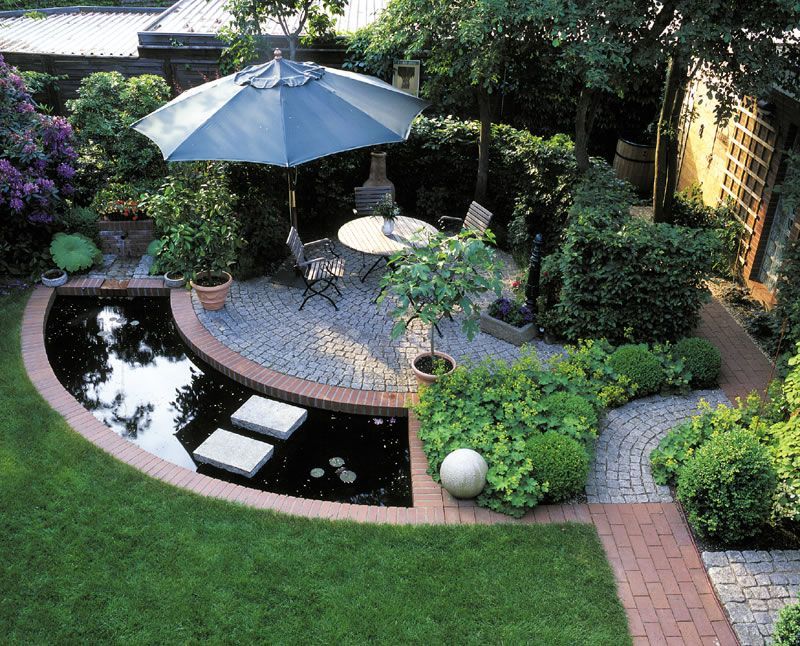
A fence marks a property line, but shrubs can make that edge feel alive. Native plants offer privacy, seasonal color, and useful cover for visiting birds.
First, decide where screening matters most from the chairs. You may only need to cover a neighbor’s window or soften one exposed corner.
Inkberry is a native evergreen option with dark, shiny leaves. Ask a local nursery which variety fits your available width and growing conditions.
For a looser screen, consider redosier dogwood where the soil suits it. Its colorful stems add interest after the leaves have fallen.
Common winterberry can bring bright berries to a suitable spot. Ask about male and female plants if berries are part of your plan.
Measure mature sizes, not just the shrubs in nursery pots. Leave room between plants, paths, fences, and seating so growth does not crowd guests.
Check sunlight and drainage before digging. The right shrub in the right place usually needs less fixing and fuss later.
For quicker privacy, combine new shrubs with a temporary screen. Young plants need time to grow, even when their final size looks impressive.
Water newly planted shrubs as recommended through their first growing season. Add mulch around the root area, keeping it back from the stems.
From your favorite seat, look across the finished arrangement. A living wall should frame the view while leaving your fall outdoor room room to breathe.