Your Holiday Cactus Is Blooming in Arizona: How to Make the Flowers Last Longer
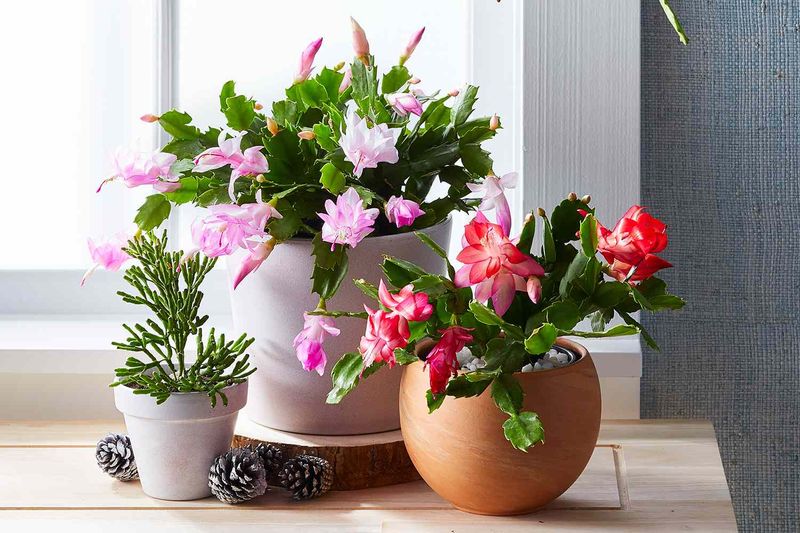
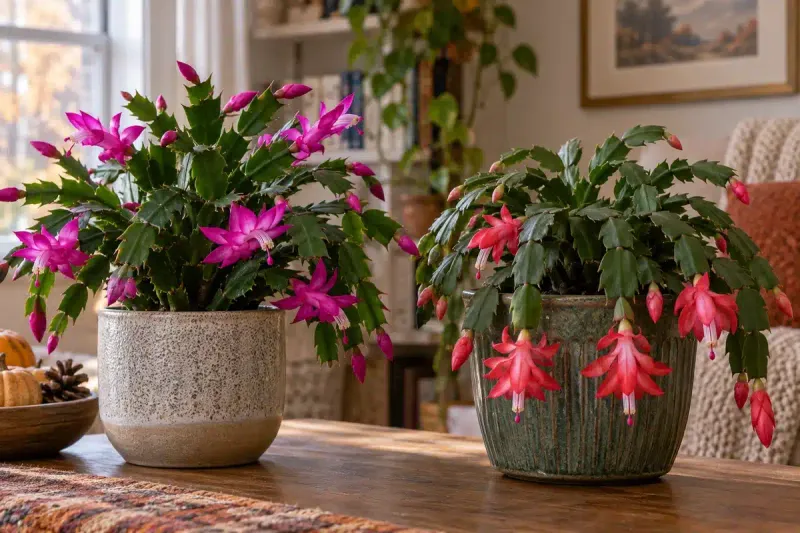
A holiday cactus covered in pink and red flowers can make a plain room feel like a party. Many Arizona gardeners notice these blooms in fall and wonder how to keep them going.
The good part is that a few simple habits can help the display last. I will walk you through them step by step.
Why a Holiday Cactus May Bloom in Fall in Arizona
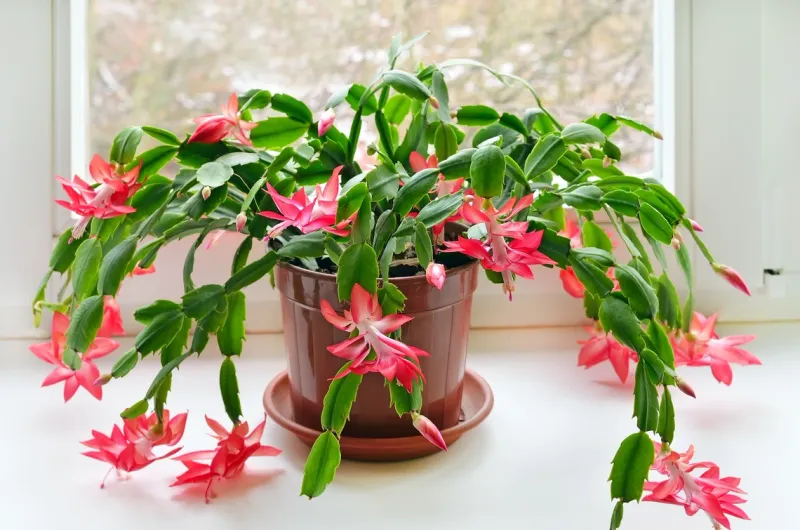
A holiday cactus in full bloom looks like a tiny fireworks show sitting right on your windowsill. Fall flowering is perfectly reasonable for these plants, even in Arizona homes where the outdoor weather still feels warm.
These plants respond mostly to day length and temperature. As nights grow longer and the air cools a bit, buds begin to form and then open.
According to University of Arizona Cooperative Extension, Thanksgiving cactus is a fall and winter bloomer. That describes ordinary seasonal timing, not some special Arizona bloom season.
Names like Thanksgiving and Christmas cactus only point to roughly when a plant may flower. Hybrids and cultivars vary quite a bit from one plant to the next.
So a fall bloom does not prove which kind of holiday cactus you own. Enjoy the flowers first and sort out the name afterward.
Check the Stem Segments Before Trusting the Label
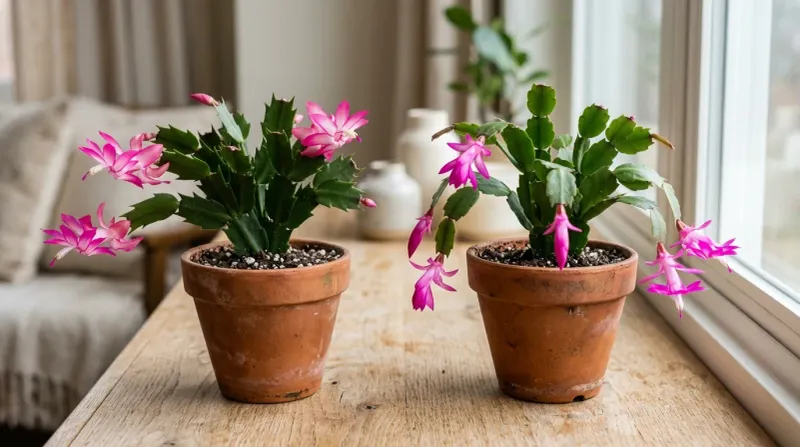
Plant tags can be wrong, so your plant’s stems often tell a more honest story. Pick up a segment and look closely at the edges along each flat joint.
A Thanksgiving cactus usually has pointed teeth on its stem segments, almost like small claws. A true Christmas cactus has smoother, rounded margins with a softer scalloped look.
Extension guides from Arizona and Iowa both describe this difference as a handy identification clue. Treat it as a hint rather than a final verdict on your plant.
Many plants sold under holiday names are hybrids, and some are simply mislabeled at the store. A plant may even show features of both types at once.
Because of that, the stems cannot tell you exactly when your cactus will bloom. The care in the next sections works well either way.
Bright Indirect Light Protects Open Blooms
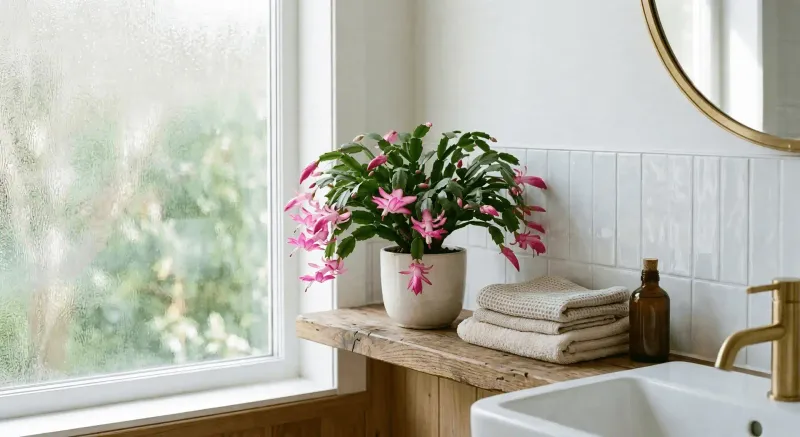
Think of your blooming cactus as a guest who likes a bright room but hates a spotlight. Strong light near a window works best when a sheer curtain softens it.
Bright, indirect light keeps the plant healthy while the flowers do their thing. A spot a few feet from an east window often fits that description nicely.
Arizona sunshine can be fierce, even through glass. University of Arizona Extension warns that too much light or heat can fade flowers or make buds drop.
If afternoon sun hits the plant directly, filter it with a curtain or slide the pot back from the glass. Make that change gently and only once.
Here the goal is simply protecting the flowers you already have. Light schedules for growing future buds are a separate topic covered later.
Cool, Steady Rooms Help Flowers Hold On
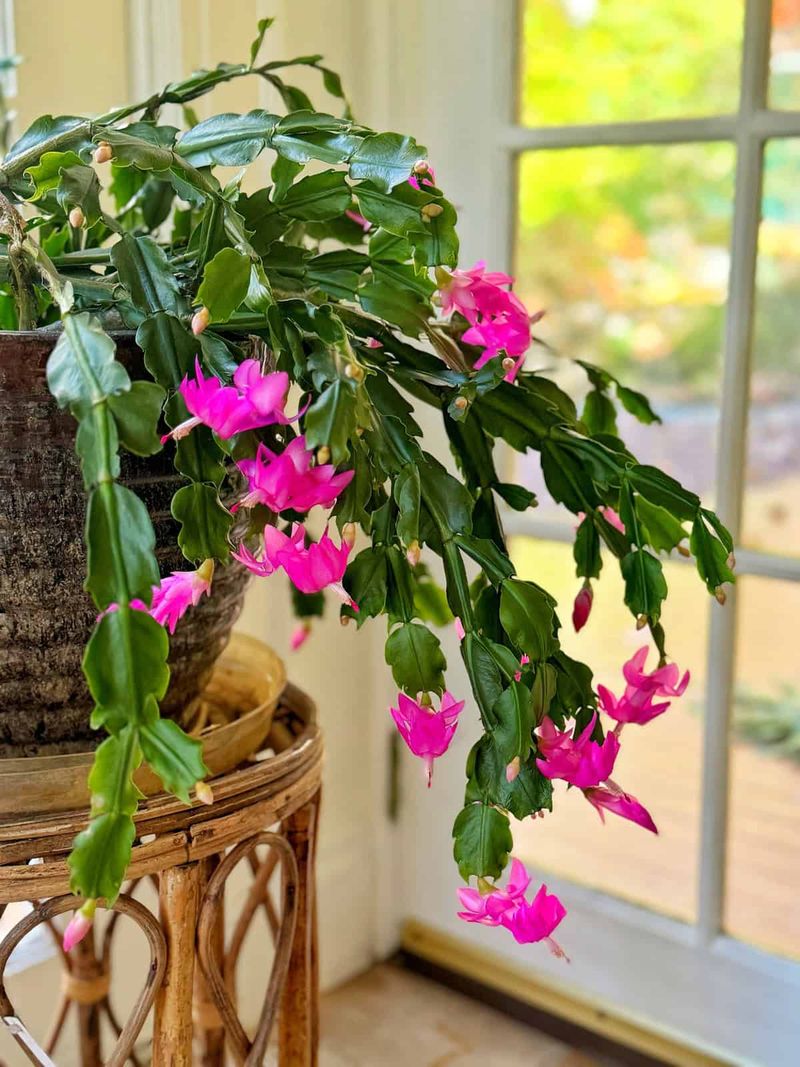
A warm kitchen counter next to the oven is a tough place for a flowering cactus. Moderately cool rooms tend to treat these blooms much better than hot spots.
University of Arizona Extension describes about 70 degrees F during the day and 60 to 65 degrees F in the evening as ideal. Treat those numbers as one source’s guidance, not a strict rule.
Kansas State Extension also suggests cooler conditions can help prolong flowering. That fits with what many growers see on their own windowsills.
Steady matters as much as cool. A room that swings from chilly to hot each day is harder on buds than one that stays even.
Keep the plant away from heating vents, cooling vents, and drafty doors. Those spots deliver sudden blasts of air that flowers do not enjoy.
Water When the Surface Starts to Dry
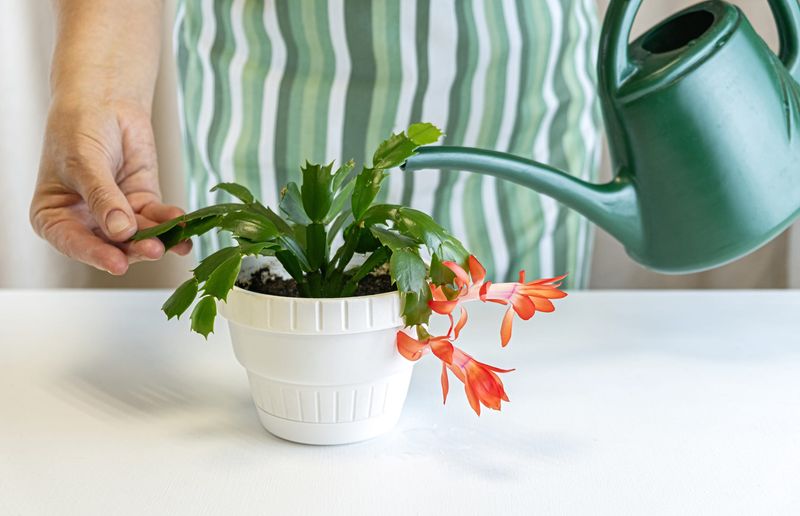
Watering a holiday cactus can feel confusing because the word cactus suggests a desert plant. These are rainforest plants that grow on trees, so they want less drought than a desert type.
Check the soil surface every few days with your finger. When the top starts to feel dry, give the plant a good drink.
Iowa State Extension suggests keeping the soil evenly moist during budding and flowering. Iowa State guidance pairs well with Minnesota advice to let the soil dry a little between waterings.
Those tips fit together nicely if you avoid both extremes. Never let the pot sit soggy, and do not let it become bone dry either.
Let extra water drain out the bottom after each watering. Then empty any saucer or decorative pot so roots are not sitting in standing water.
Heavy misting is not a proven way to extend blooms, so skip it. Good drainage does far more for your plant.
Keep Buds Away From Sudden Changes
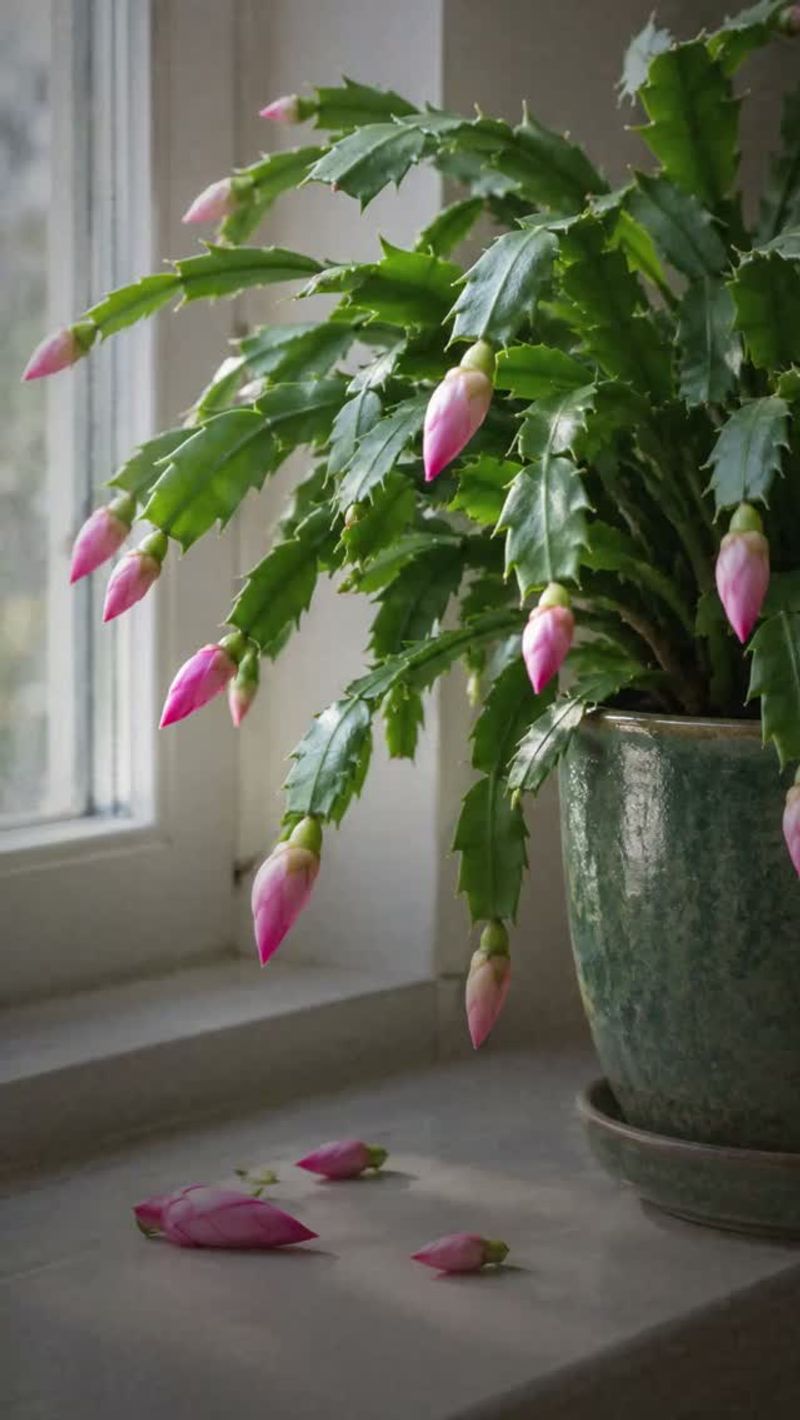
Buds are fussy little things, and they drop quickly when their world gets shaken up. A sudden change in light, temperature, or moisture can send them tumbling.
Once buds form, pick a good spot and leave the pot alone. Turning it every few days or hopping between windows invites trouble.
Iowa State Extension suggests waiting until flowers begin opening before moving a plant for display. North Carolina State Extension also notes that holiday cactus buds can drop when conditions shift.
If you want the plant on the dining table for guests, make that move once. Pick a place with similar light and temperature to the old one.
A plant that drops a few buds is not necessarily in serious trouble. Keep conditions steady and the remaining buds usually carry on.
Bloom Care Is Not the Same as Bloom Preparation
You may have heard that holiday cacti need long, dark nights to flower. That advice is true, but it is meant for getting buds in the first place.
Minnesota Extension describes long nights and cooler temperatures as cues that encourage buds to form. Once buds are there and flowers are opening, those cues are not the main job.
For a plant already in bloom, stable light, steady temperatures, and sensible watering matter more. Covering it at night will not make open flowers last longer.
Sources also disagree on exact darkness times, ranging from about 12 hours up to 14 to 16 hours. Some cultivars respond differently too, so treat any schedule as a rough guide.
Save the long-night routine for after the show is over, when you are thinking about next year’s flowers.
Give the Display a Realistic Finish
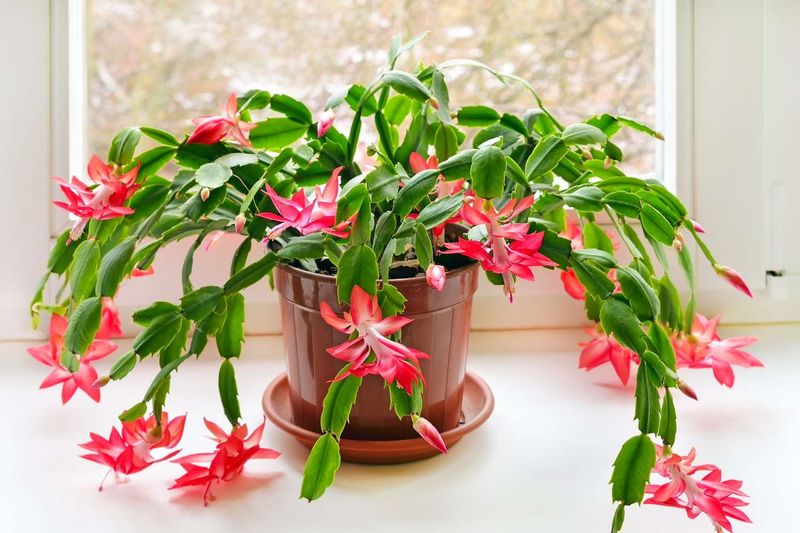
Each flower on a holiday cactus lasts only about a week, according to the University of Connecticut. The whole display can run longer because new buds open one after another.
No single trick can promise a set number of extra days. Longevity varies from plant to plant and from one cultivar to the next.
Good care gives your cactus its best chance and nothing more. Some flowers will fade on schedule no matter what you do.
Here is the routine in short: bright, indirect light, a steady and moderately cool spot, and water when the surface begins to dry. Let it drain, empty the saucer, and resist moving the pot around.
Fading blooms are simply the plant handing the stage to the next bud.