What To Plant In Pennsylvania Shade Instead Of Grass So Creeping Charlie Can’t Take Over
The sneaky vine in our yards is a mint relative that European settlers once carried here as a medicinal herb. Crush one of its square stems, and your fingers will smell fresh, almost like a garden salad gone rogue.
Its stems root at every node they touch, so one tiny scrap can start a brand new patch next spring. Thin, shaded grass gives it an open invitation, and many Pennsylvania yards have both shade and thin grass.
I spent two summers yanking runners under my maple before realizing the lawn itself was the real problem. Grass craves sun, and when it struggles in shade, you are basically rolling out a welcome mat for weeds.
Native shade lovers fill that empty ground first, leaving very little room for creeping invaders to settle in. Which tough, pretty plants can handle a Pennsylvania backyard and still look good doing the job?
1. Pennsylvania Sedge
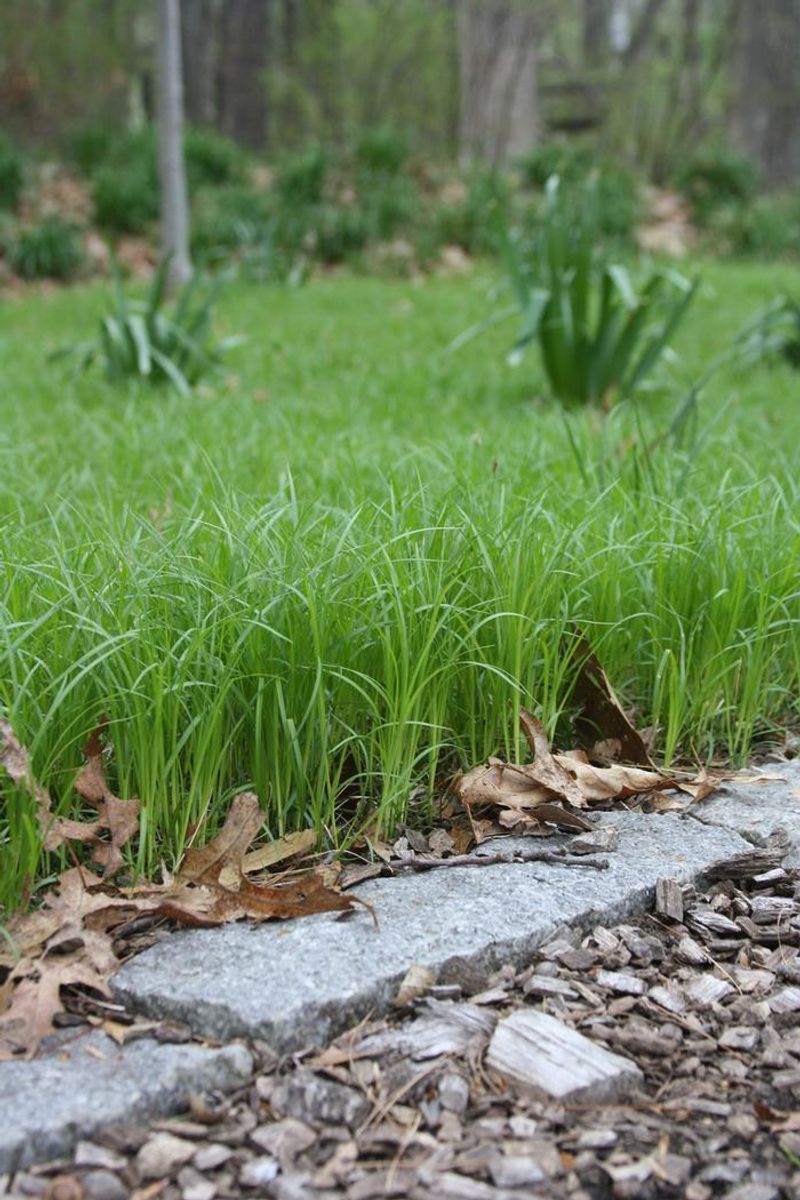
Run your hand across a patch of this sedge, and it feels like brushing the mane of a friendly pony. The fine, arching blades flop over gently, giving shady ground a soft, swept look that grass rarely manages there.
Its scientific name is Carex pensylvanica, and it grows naturally in dry oak woods across much of eastern North America. Most plants stay around six to twelve inches tall, so you can skip the mower or trim once a year.
Personally, I love how it handles dry shade under trees, a spot where turf grass usually thins and fades. Give it loose, well-drained soil, because heavy clay or packed ground can slow it down quite a bit.
In early spring, small tan flower spikes poke up before the new leaves fully stretch out for the season. They are not showy, but they feed early insects and later offer seeds for ground-feeding birds.
This sedge spreads slowly by short rhizomes, forming a dense mat that leaves weeds with less open soil. Seeds rarely sprout well, so buy plugs and set them about eight to twelve inches apart for faster coverage.
Before planting, pull or smother existing weeds, since young plugs cannot outmuscle an established patch of runners.
Water new plugs weekly during their first summer, then let them handle most dry spells on their own.
Deer usually ignore it, which matters in plenty of suburban neighborhoods where hungry herds wander through Pennsylvania backyards. Light foot traffic is fine, but heavy daily play will wear it down faster than lawn grass.
2. Wild Ginger
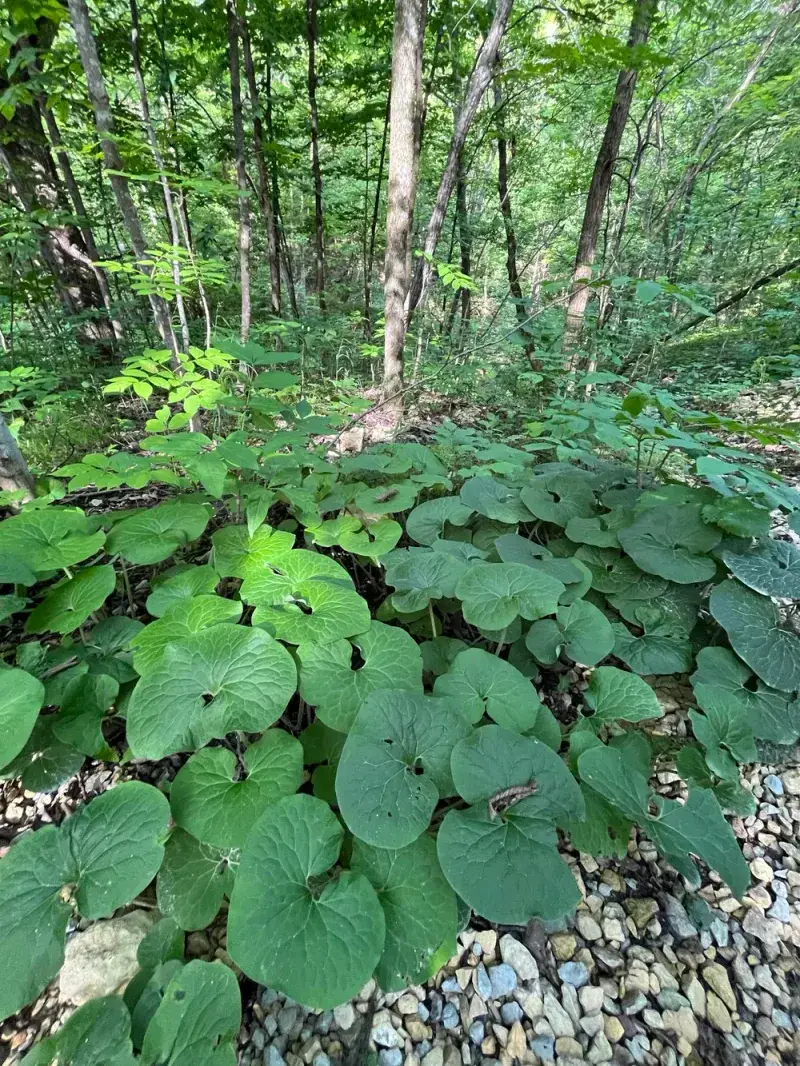
Lift a heart-shaped leaf of wild ginger in spring, and you might find a hidden maroon flower hugging the soil. Those odd little cups sit at ground level, where early flies and gnats wander in and out.
Its name is Asarum canadense, and despite the gingery smell of its roots, it is unrelated to kitchen ginger. The plant contains aristolochic acid, so experts advise enjoying it in the garden rather than on your plate.
I have to admit the velvety leaves are my favorite part, each one soft enough to tempt every passing hand. Plants reach about six inches tall, and the overlapping foliage creates a thick canopy that shades the soil below.
Wild ginger spreads by creeping rhizomes, slowly knitting together into a mat that crowds out weedy newcomers. Space plants about a foot apart, and expect a solid carpet within a few growing seasons in good conditions.
Moist, humus-rich soil and steady shade keep it happiest, much like the forest floor where it grows naturally. Mix in leaf compost at planting time, and add a light mulch of shredded leaves to hold moisture.
The leaves drop away each winter, so you may see bare ground for a few cold months. Pair it with an evergreen neighbor, like a sedge, to keep sneaky runners from claiming that winter gap.
Ants carry the seeds away to eat a fatty attachment, quietly planting new colonies around your yard. Deer and rabbits mostly leave it alone, which makes this charming native a low-fuss choice for shady beds.
3. Foamflower
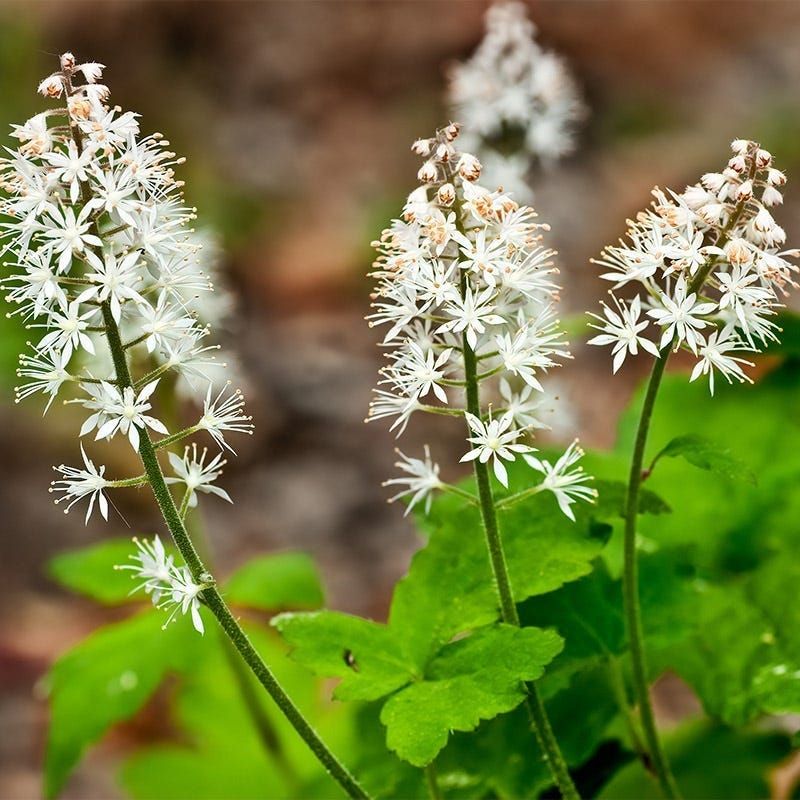
Every spring, foamflower sends up fluffy white spikes that look like someone dusted the shade garden with sea foam. Up close, each tiny star-shaped bloom has long stamens, which give the whole cluster its frothy, airy texture.
Botanists call it Tiarella cordifolia, a woodland native that blooms roughly from April into June in most years.
Bees and other early pollinators visit the flowers, so your shady corner suddenly becomes a busy little neighborhood cafe.
The fuzzy, maple-like leaves stay through much of winter, and many turn bronze or reddish when temperatures drop. I love how that cold-weather color keeps the ground interesting long after most perennials have gone quiet.
For weed control, choose the running type rather than clumping cultivars, since runners help plants fill gaps faster.
Check plant tags carefully, because many Pennsylvania garden center selections are bred to stay in tidy, compact clumps.
Foamflower wants rich, moist soil that drains well, and it sulks noticeably during long, dry summer stretches. Water deeply during droughts, and keep a layer of leaf mulch around the crowns to protect their roots.
Soggy winter soil can cause crown rot, so avoid low spots where puddles linger after heavy rain. Part shade to full shade suits it best, making it perfect beneath tall trees with high branches.
Plant them about a foot apart, and the leafy rosettes will soon touch, shading out sprouting weed seedlings. Deer generally pass it by, so this soft-looking native turns out to be tougher than its blooms suggest.
4. Golden Groundsel
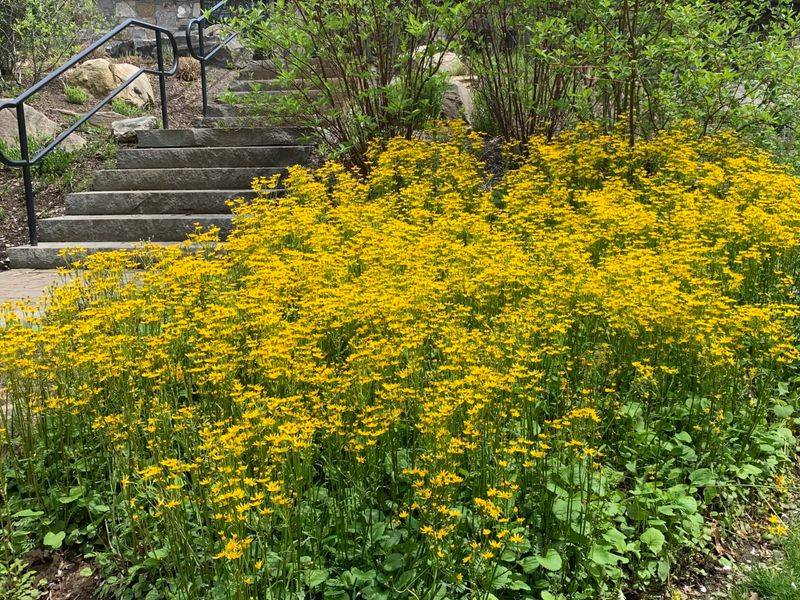
Few native plants bloom as early or as brightly as golden groundsel, which can open sunny yellow daisies in early spring.
After a long gray winter, that burst of color under bare branches feels like a cheerful wake-up call.
Its current scientific name is Packera aurea, though older books list it as Senecio aureus instead. Low rosettes of heart-shaped leaves often show purple undersides and stay green through much of the winter.
This plant spreads quickly by rhizomes and seeds, so it forms a thick carpet faster than most natives here. That eager habit makes it a strong partner against weedy runners, but it may wander into nearby beds.
Personally, I give it room to roam in wilder areas and keep it away from fussy, slow-growing treasures. Snip off spent flower stalks before seeds fluff out if you want to slow its spread a bit.
Moist to wet soil suits it beautifully, so damp, shady corners near downspouts or streams are ideal spots. It handles shade well, though sunnier locations need steady moisture to keep the leaves looking fresh.
Bees and small butterflies visit the flowers, giving early pollinators a welcome snack when little else is blooming.
Deer and rabbits tend to skip it, likely because the plant contains bitter compounds called pyrrolizidine alkaloids.
Those compounds make golden groundsel toxic if eaten, so keep curious pets and toddlers from nibbling the leaves. Space plants about eighteen inches apart, and they will usually close the gaps within a couple of seasons.
5. Allegheny Spurge
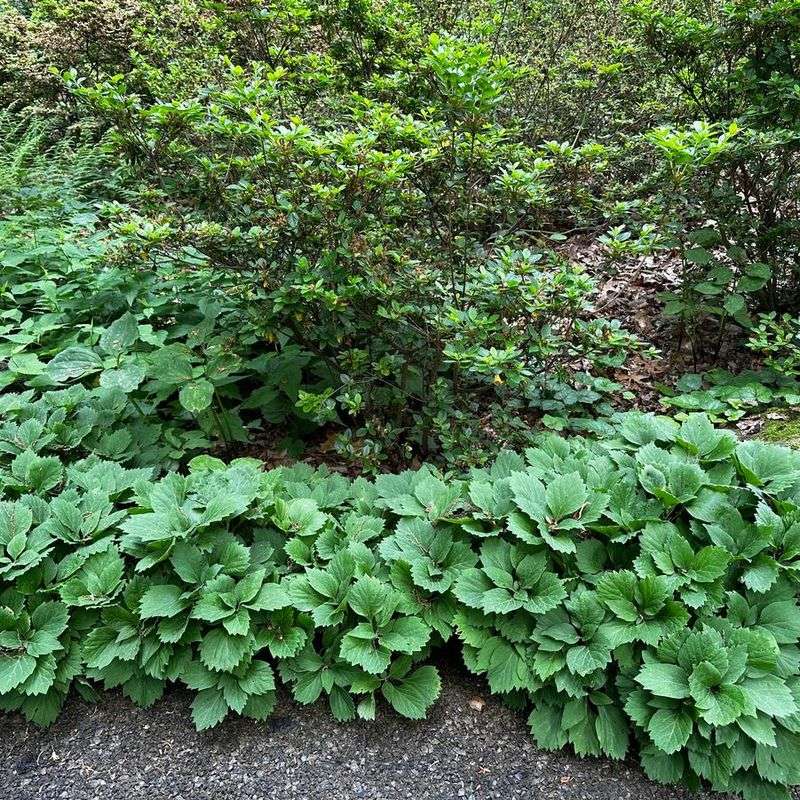
Most folks know the glossy Japanese pachysandra, but its American cousin wears mottled, silvery leaves with far more charm.
Allegheny spurge, or Pachysandra procumbens, grows naturally in the southeastern woods yet handles cold winters surprisingly well.
It is generally hardy from zones five through nine, which covers most gardens across the state. Plants stay around eight to twelve inches tall, forming a low, leafy layer beneath shrubs and trees.
I truly believe this plant is the classy swap for its Asian relative, which can escape into natural woodlands.
Choosing the native version gives you a similar tidy look without adding another aggressive plant to local forests.
In early spring, fragrant white bottlebrush flowers appear near the base, often tucked beneath last year’s leaves. Kneel down for a sniff, and you might catch a sweet scent that surprises plenty of first-time growers.
Leaves are semi-evergreen in colder regions, sometimes flattening under snow before fresh growth pops up each spring. Trim away tattered old foliage in late winter so the new shoots and flowers can shine.
Rich, well-drained soil with plenty of organic matter works best, along with part to full shade. Once established, it tolerates some dryness, though regular watering during its first year speeds up growth noticeably.
Patience matters here, because it spreads slowly and may need several seasons to form a solid weed-blocking mat.
Plant closer, about nine to twelve inches apart, and hand-pull invading runners until the leafy carpet fills in.
6. American Alumroot
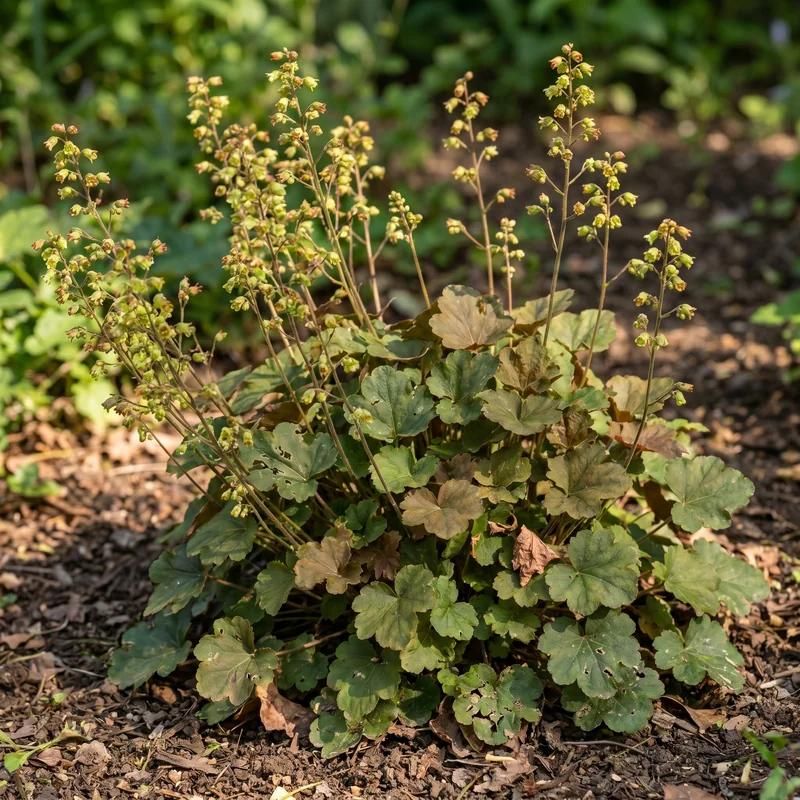
Long before fancy purple coral bells hit garden centers, American alumroot was quietly decorating rocky eastern woodlands.
Its rounded leaves often wear silvery or bronze markings, almost like someone painted delicate veins across each one.
The scientific name is Heuchera americana, and many popular colorful Heuchera hybrids trace their family tree back to it.
The common name comes from its astringent roots, which people once used in folk remedies for tightening tissues.
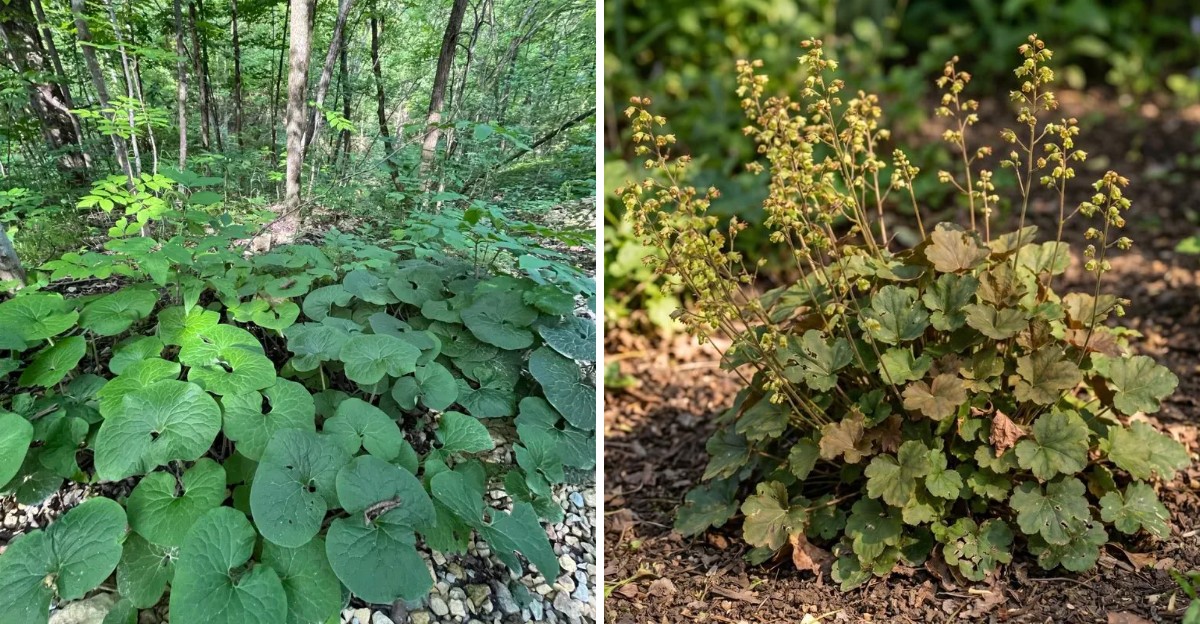
Leafy mounds usually reach about a foot tall, while airy flower stalks can rise to two or three feet. The tiny greenish bells appear from late spring into summer and attract small bees along with occasional hummingbirds.
Alumroot forms clumps instead of runners, so mass planting is the secret to keeping weeds from sneaking between plants. Set them about twelve to eighteen inches apart, then mulch the gaps until the leaves start touching.
Well-drained soil is the biggest must, because soggy ground often causes crown rot during wet winters. It handles dry shade and rocky slopes better than many perennials, which makes it handy under tree roots.
Frost heaving can push crowns upward in cold spells, so check plants each spring and press them back down.
A light layer of shredded leaves in fall helps protect the shallow roots from those freeze and thaw swings.
I like how the semi-evergreen foliage keeps some color through winter, when bare soil would otherwise invite weeds.
Deer usually avoid it, though hungry herds sometimes nibble young leaves when other food is scarce.
7. Partridge Berry
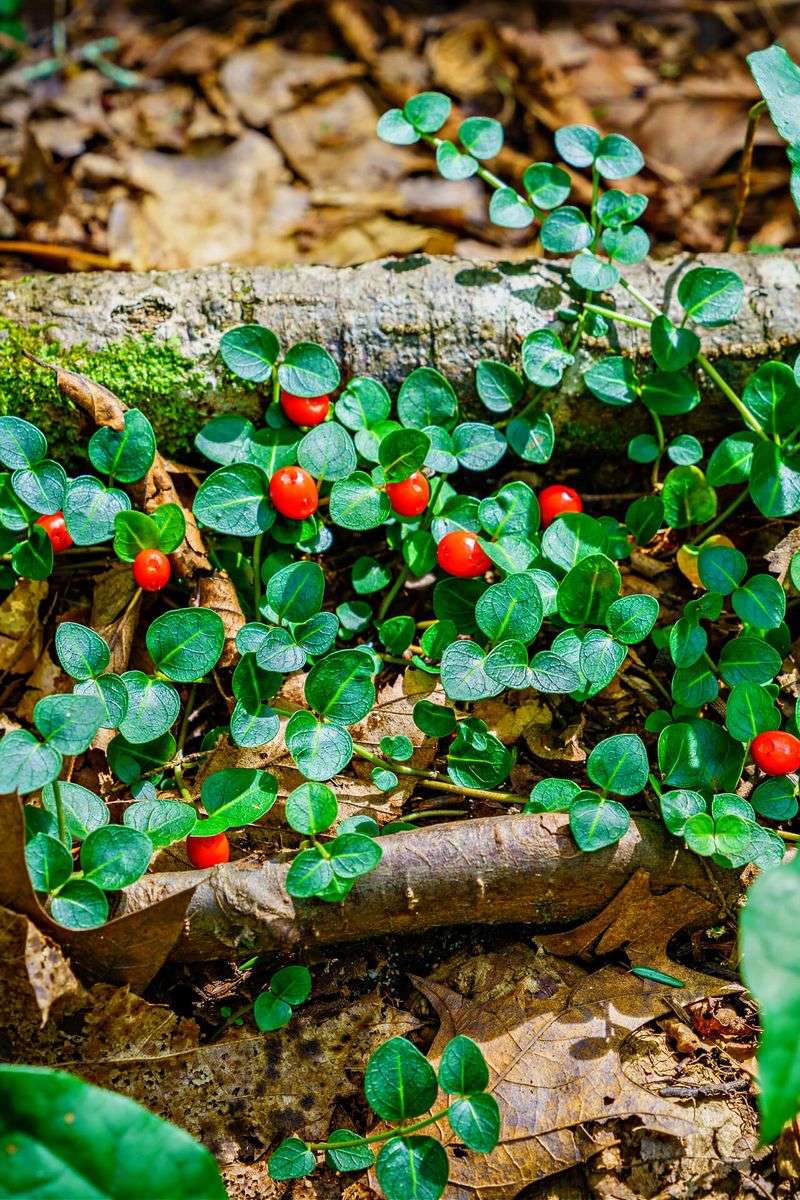
Each glossy red partridge berry carries two tiny dimples, because one berry forms from a pair of joined flowers.
Once you notice those little twin scars, you will find yourself crouching down to inspect every single fruit.
Known to botanists as Mitchella repens, this trailing evergreen grows only one or two inches tall in forests.
Small, rounded leaves with pale center veins line the stems in pairs, creating a neat, quilted pattern underfoot.
Fragrant white tubular flowers show up in pairs during late spring and early summer, often with fuzzy insides. The berries ripen by fall and can hang on through winter, feeding ruffed grouse and other hungry wildlife.
Its stems root as they creep, which sounds a lot like our weedy villain, but much more slowly. That slow pace means partridge berry works best in small spaces or tucked between larger shade plants.
Acidic, humus-rich soil that stays evenly moist mimics its natural home beneath hemlocks and oaks in old woods. Mulch with pine needles or shredded leaves, and water during dry spells until the mat looks well established.
Buy nursery-grown plants rather than digging from the wild, since wild colonies take many years to spread. Pin long stems onto bare soil with small wire hooks, and new roots will often form where they touch.
Clear existing weeds thoroughly first, because this petite groundcover cannot push back against an established, aggressive patch alone.
Personally, I think its tiny scarlet jewels peeking through winter snow make every bit of that patience worthwhile.