DIY Bird Bath Ideas North Carolina Gardeners Can Try In Their Yards
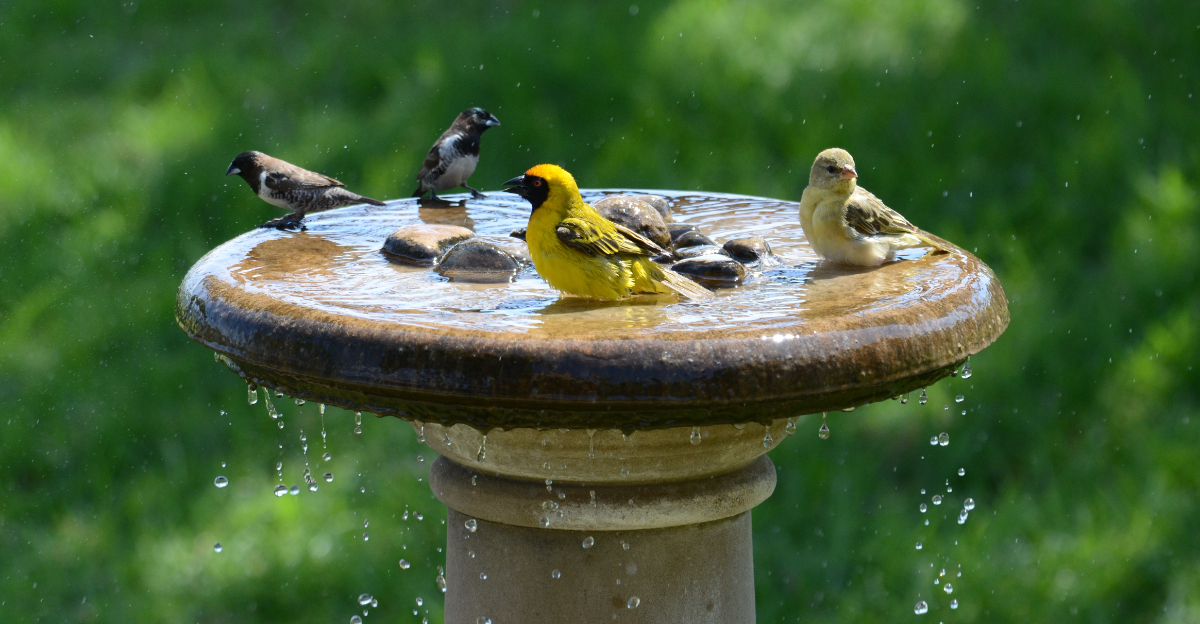
Bird baths do more for a North Carolina yard than most gardeners initially expect.
They draw in a consistent variety of birds through every season, support beneficial species that help manage pest populations, and add a focal point to the garden that looks good even when nothing is in bloom.
The best part is that a functional and attractive bird bath does not require a significant budget or any specialized skills to put together.
North Carolina gardeners have been coming up with creative approaches using materials that are inexpensive, easy to find, and surprisingly durable through the heat and humidity the state delivers through summer.
A few smart design choices around depth, placement, and water freshness make the difference between a bird bath that gets constant visitors and one that sits ignored.
1. Shallow Plant Saucer Bird Bath
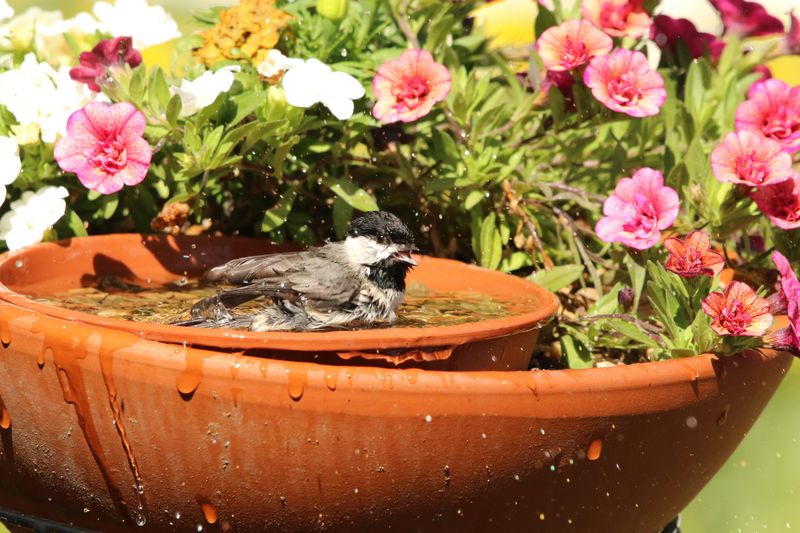
A plant saucer might be one of the most underrated items in your garden shed. Wide, shallow, and inexpensive, it doubles as a surprisingly effective bird bath with almost zero effort.
Most birds prefer water that is only one to two inches deep, so a standard saucer is actually closer to the perfect depth than many store-bought baths.
Place a few flat stones or river pebbles inside the saucer before adding water. The stones give birds a secure place to grip while they drink or bathe, which makes them feel safer and more comfortable.
Smaller birds especially appreciate the extra footing, and you may notice them lingering longer once the stones are in place.
This setup works beautifully on patios, along garden edges, or near pollinator beds where bees and butterflies already visit. Positioning it near flowers gives birds cover and makes the whole garden feel more connected.
The best part is how easy cleanup becomes. You can rinse, scrub, and refill a saucer in under two minutes.
North Carolina summers bring heat and humidity, so refreshing the water every couple of days keeps things clean and keeps birds coming back reliably all season long.
2. Terra Cotta Pot Pedestal Bath
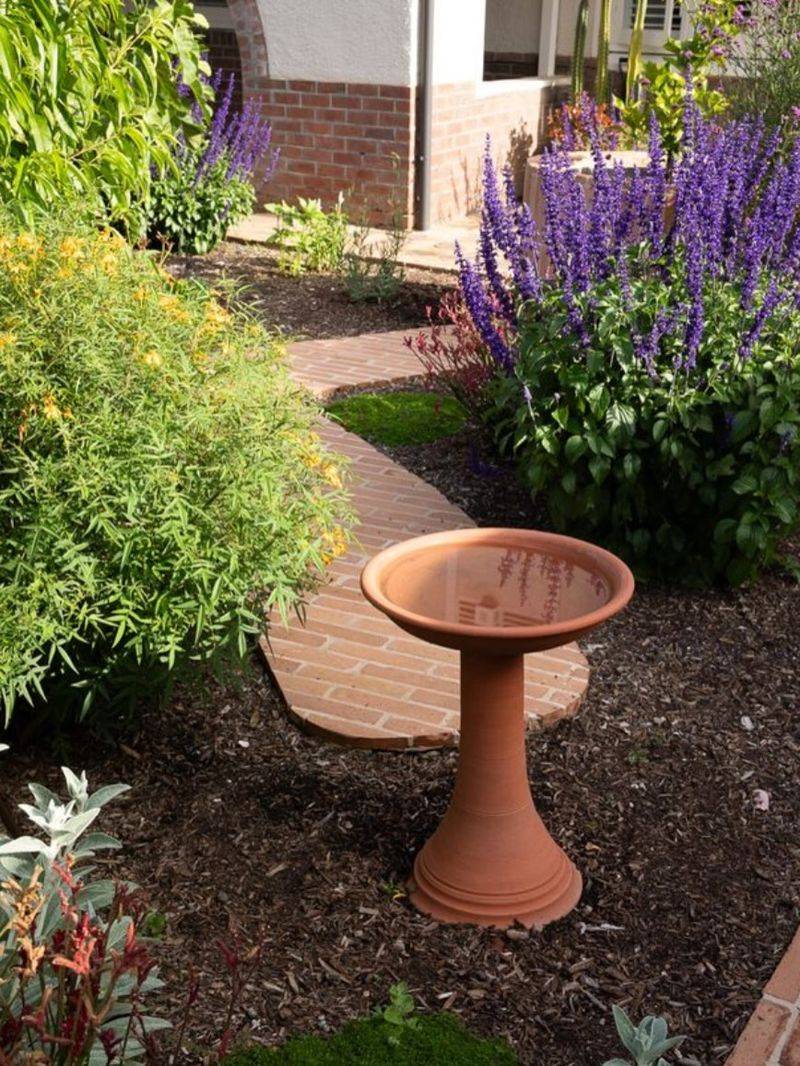
There is something genuinely charming about a terra cotta bird bath sitting in the middle of a cottage garden. The warm earthy tone blends right into the soil, stone, and greenery around it, making it feel like it was always meant to be there.
Building one takes almost no time and costs very little. Flip a sturdy terra cotta pot upside down and set it firmly on level ground.
Place a matching saucer right on top, and you have a raised bird bath that looks polished without any fancy tools or hardware.
The height keeps the water more visible to passing birds and also makes it easier for you to refill without bending all the way down.
Make sure the base sits on flat, stable ground so it does not wobble or tip during summer thunderstorms, which are common across North Carolina. You can use a bit of outdoor adhesive between the pot and saucer for extra security if you prefer.
Your North Carolina Garden Changes Every Week. Your Plan Should Too.
Gardening in North Carolina changes quickly throughout the season. Every Friday you’ll receive a simple weekly plan showing exactly what to plant, prune, fertilize, harvest, and protect so you never miss the right timing.
This style fits naturally in herb gardens, vegetable garden corners, and cottage-style beds where rustic materials feel right at home.
Rinse the saucer every few days and give it a light scrub once a week to prevent algae buildup, and your birds will have a reliable, beautiful spot to visit all season.
3. Pebble Filled Pollinator Water Dish
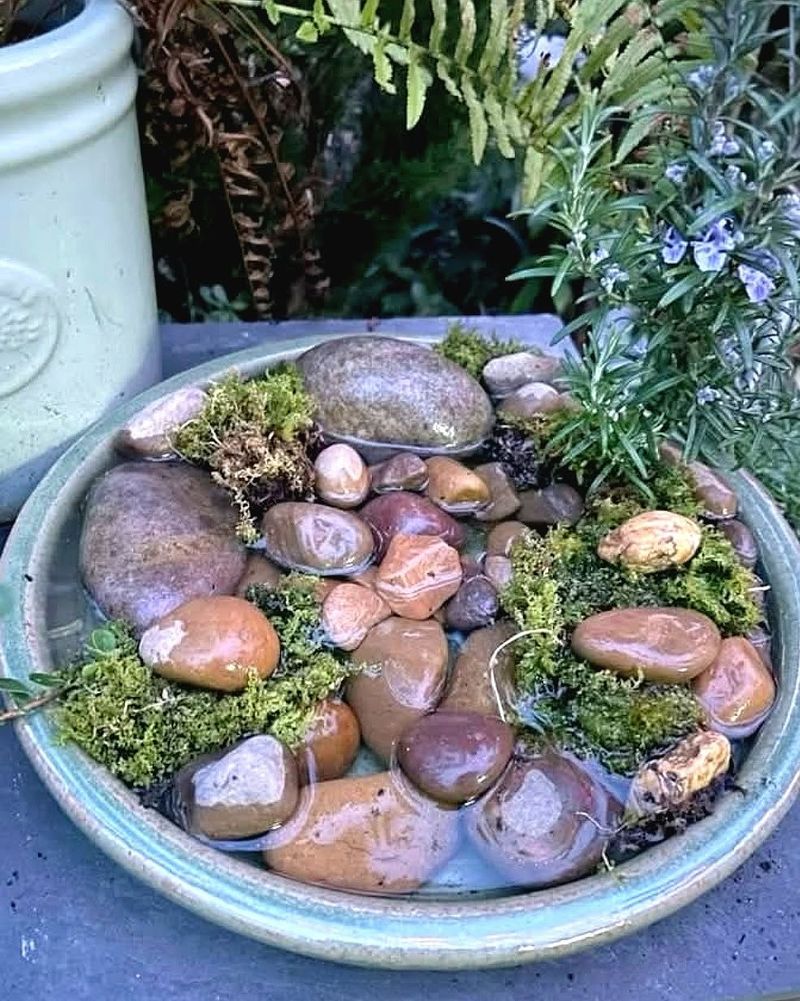
Not every garden visitor has wings strong enough to hover over open water. Bees and butterflies need a safe landing spot to drink, and that is exactly why a pebble-filled water dish is such a smart addition to any pollinator garden.
Birds use it too, making this one of the most hardworking DIY projects you can set up.
Choose a shallow bowl and fill it generously with smooth pebbles or river stones. The key is making sure the tops of several stones rise above the waterline so small insects can land without getting wet.
Birds will wade in from the edges where the water is shallowest, while pollinators perch safely on the exposed stones in the middle. Place this dish near your flowering plants where bees and butterflies already spend time.
A spot close to coneflowers, black-eyed Susans, or native wildflowers works especially well because it keeps everything in one busy, lively garden zone.
Keep it away from high foot traffic areas so the visitors feel undisturbed. North Carolina summers can evaporate shallow water quickly, so check the dish every day or two and top it off as needed.
A quick rinse every few days prevents the water from turning murky, and clean water is always more attractive to every creature visiting your garden.
4. Ground Level Tray Bath
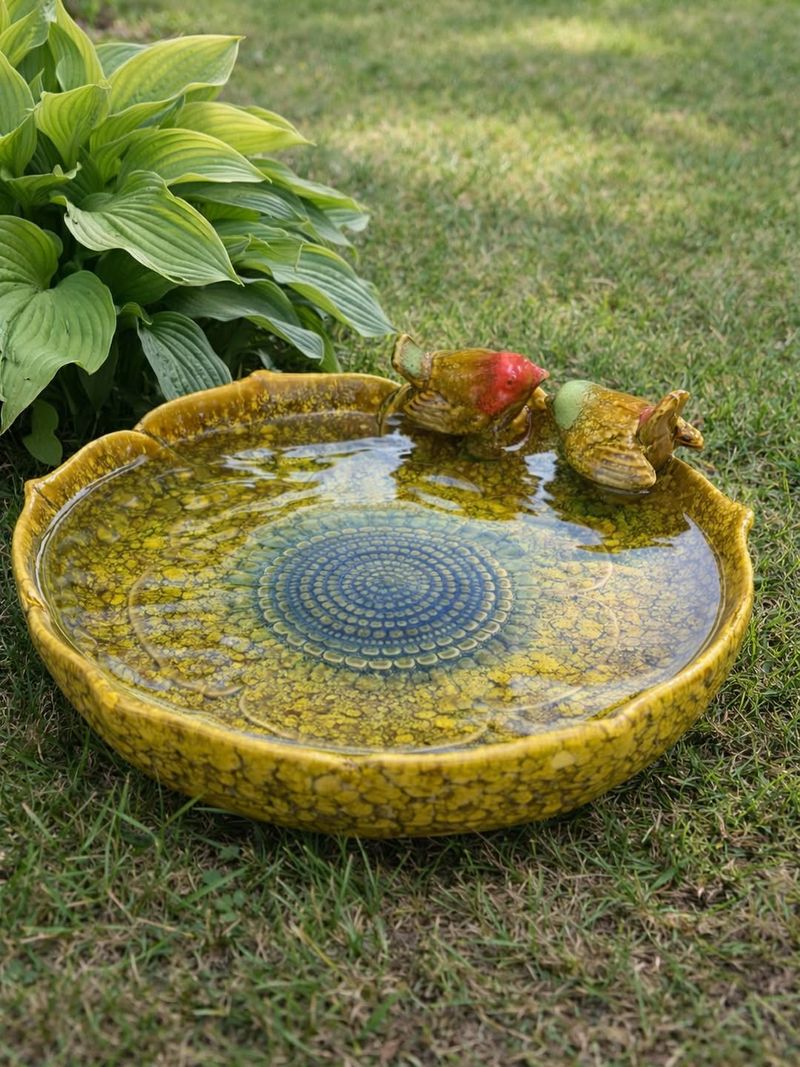
Birds have been finding water at ground level long before anyone invented a pedestal bath.
Puddles, shallow streams, and low-lying pools are where many birds naturally look first, which makes a ground-level tray bath one of the most instinctively appealing setups you can offer.
The great news is that you probably already have what you need in your kitchen.
An old pie pan, wide baking dish, or any shallow tray works perfectly. Set it directly on the ground in a quiet spot where birds can see their surroundings clearly while they drink.
Birds are cautious by nature, and they feel more comfortable when they have a clear sightline to spot any movement nearby. Avoid placing it too close to dense shrubs where a cat could hide, but do keep it near open garden beds where birds already forage.
A quiet, partially shaded corner tends to attract more visitors than a fully exposed spot in the middle of a lawn. The shade also helps slow down evaporation, which is a real benefit during North Carolina’s long, hot summers.
Keep the water level between one and two inches at all times, and rinse the tray every couple of days.
Ground-level baths can collect more debris like leaves and soil, so a quick wipe-out keeps the water fresh and inviting for robins, thrushes, and other ground-feeding birds.
5. Large Stone Basin Bird Bath
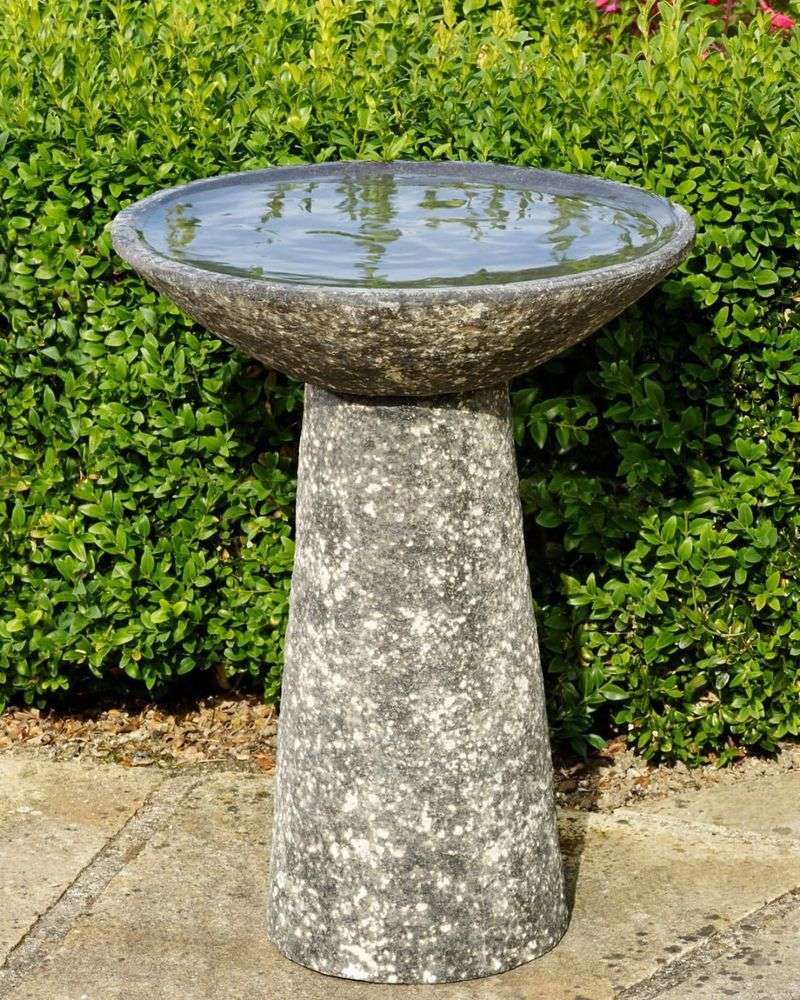
Few materials feel as naturally at home in a garden as stone. A shallow stone basin brings a sense of permanence and earthy beauty that blends effortlessly with native plantings, ferns, and wildflowers common across North Carolina landscapes.
Beyond good looks, stone is one of the most durable materials you can choose for an outdoor bird bath.
Look for a stone bowl or basin that is wide and shallow rather than deep and narrow. Natural stone stays steady during summer storms and does not tip or slide the way lighter materials sometimes do.
The weight and texture also give birds confident footing, which encourages them to spend more time bathing rather than just taking a quick sip and flying off.
Even though stone feels heavy and permanent, the basin should still be light enough for you to tip, rinse, and refill on a regular schedule. Stagnant water is never good, and even a beautiful stone bath needs attention every few days.
A stiff brush works well for scrubbing away algae that tends to grow on porous stone surfaces in warm, humid weather.
Placing the basin near native plantings like switchgrass, beautyberry, or Carolina jessamine gives birds natural cover close by.
The combination of clean water and nearby native plants makes your yard genuinely attractive to a wide variety of local bird species all year long.
6. Hanging Saucer Bird Bath
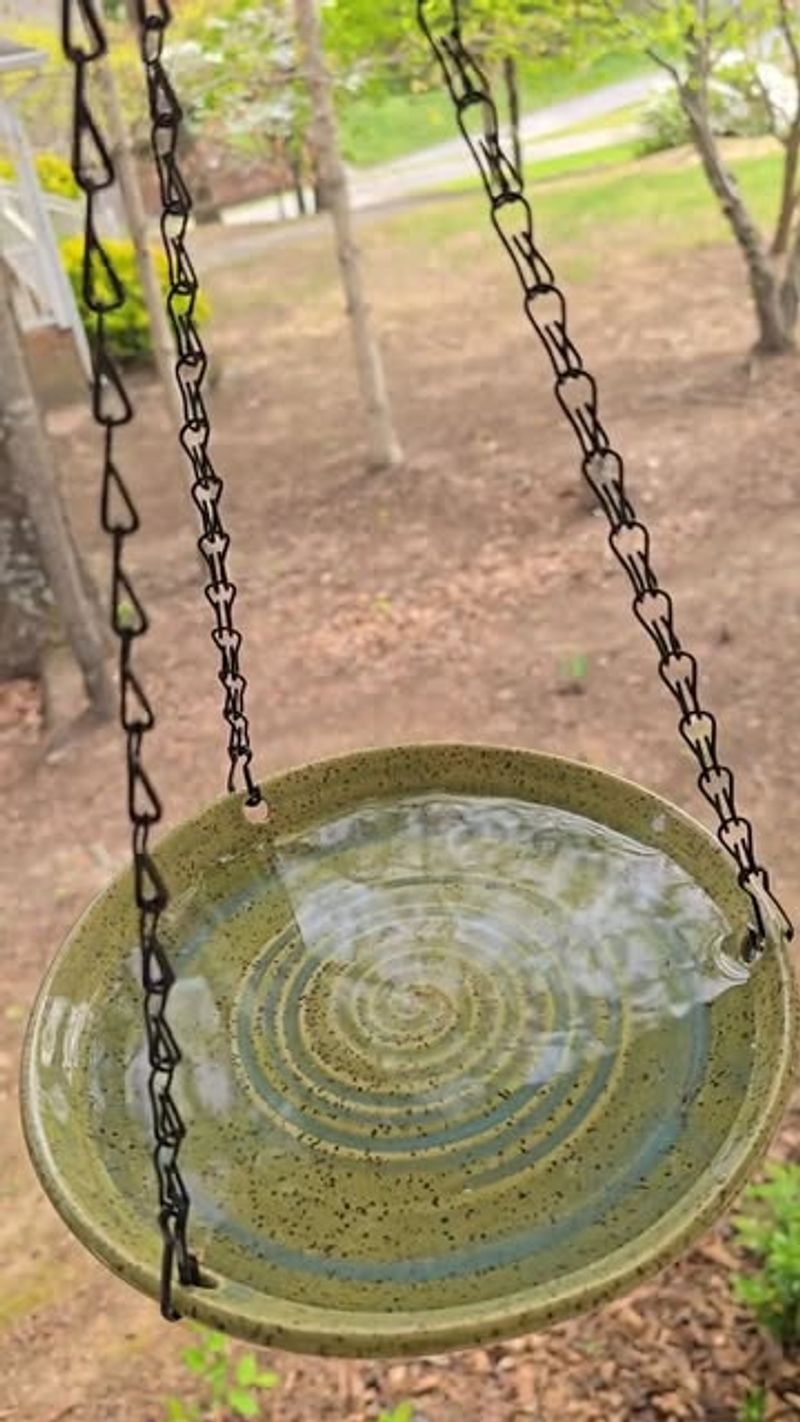
Small yards, balconies, and covered porches do not have to miss out on the joy of watching birds bathe.
A hanging saucer bird bath solves the space problem beautifully, taking up almost no ground room while still offering birds a clean, accessible water source. It is one of the cleverest adaptations of a classic idea.
Choose a sturdy, shallow saucer and hang it from a shepherd’s hook, a tree branch, or a porch beam using strong chain or thick cord. The saucer should hang level and steady so the water does not slosh out constantly.
Check that the hanging hardware is rated for outdoor use and can handle rain, humidity, and the occasional gust of wind that moves through North Carolina during spring and summer storms.
Placement matters more than most people expect with a hanging bath. Position it where you can reach it easily for cleaning and refilling, because a bath that is hard to maintain tends to get ignored.
Keep it away from spots directly above patio furniture or seating areas to avoid any mess. Swinging too freely in the wind can also scare birds away, so a somewhat sheltered spot is ideal.
Shallow water, around one to two inches, keeps it safe for small birds. Rinse it every few days and your feathered visitors will find it quickly, especially warblers and chickadees that frequent North Carolina yards.
7. Solar Bubbler Bird Bath
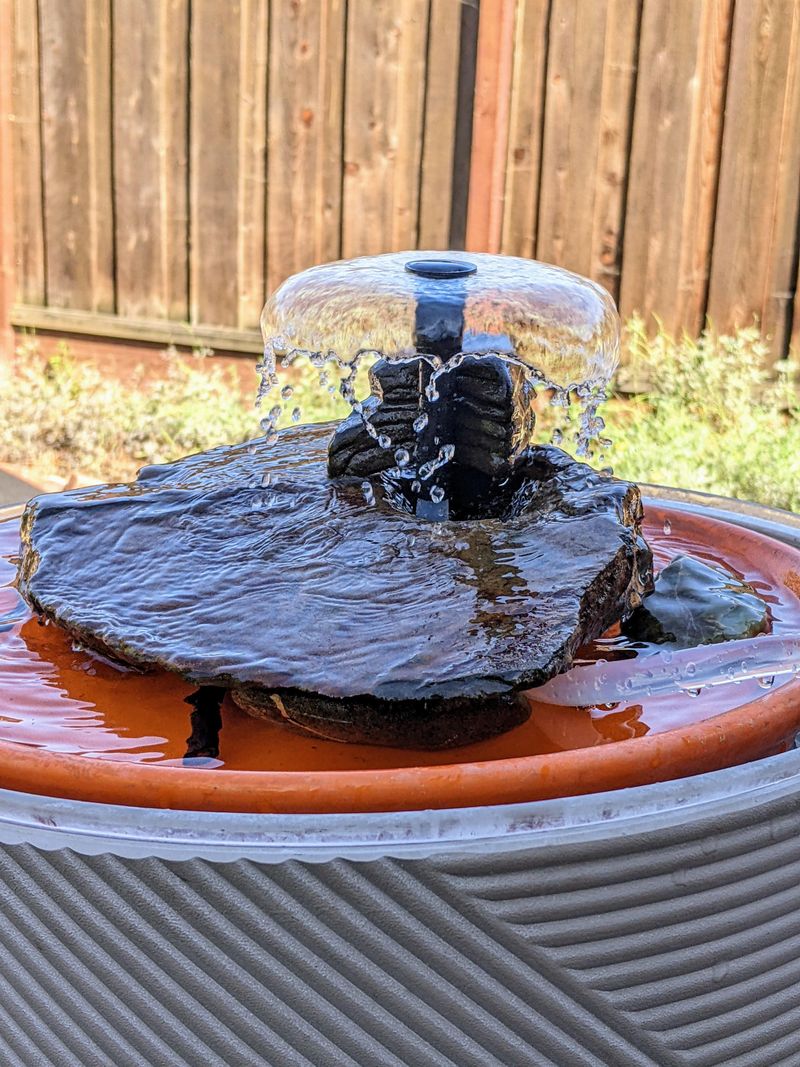
Birds have excellent hearing, and the sound of moving water is one of the most effective ways to get their attention from across the yard.
A small solar bubbler added to any DIY bird bath turns a simple basin of still water into a lively, gurgling feature that birds notice from a surprising distance. The effect is immediate and genuinely impressive.
Solar bubblers are inexpensive, easy to find at garden centers or online, and require no wiring or batteries. They run on sunlight alone, which makes them a smart, low-maintenance addition to any North Carolina garden.
Place the bubbler in a shallow basin wide enough to hold it securely, and position the whole setup in a spot that gets several hours of direct sun each day so the solar panel works efficiently.
Moving water also stays slightly fresher than completely still water because the circulation disrupts the surface where mosquitoes prefer to lay eggs. That said, the basin still needs regular attention.
North Carolina summers are hot and humid, and even with a bubbler running, algae and debris build up quickly. Plan to rinse and scrub the basin at least twice a week during peak summer months.
Refill it often, since the bubbling action and evaporation together can lower the water level faster than you might expect. A clean, bubbling bath is simply irresistible to birds passing through your yard.
8. Dripper Over A Ceramic Bowl
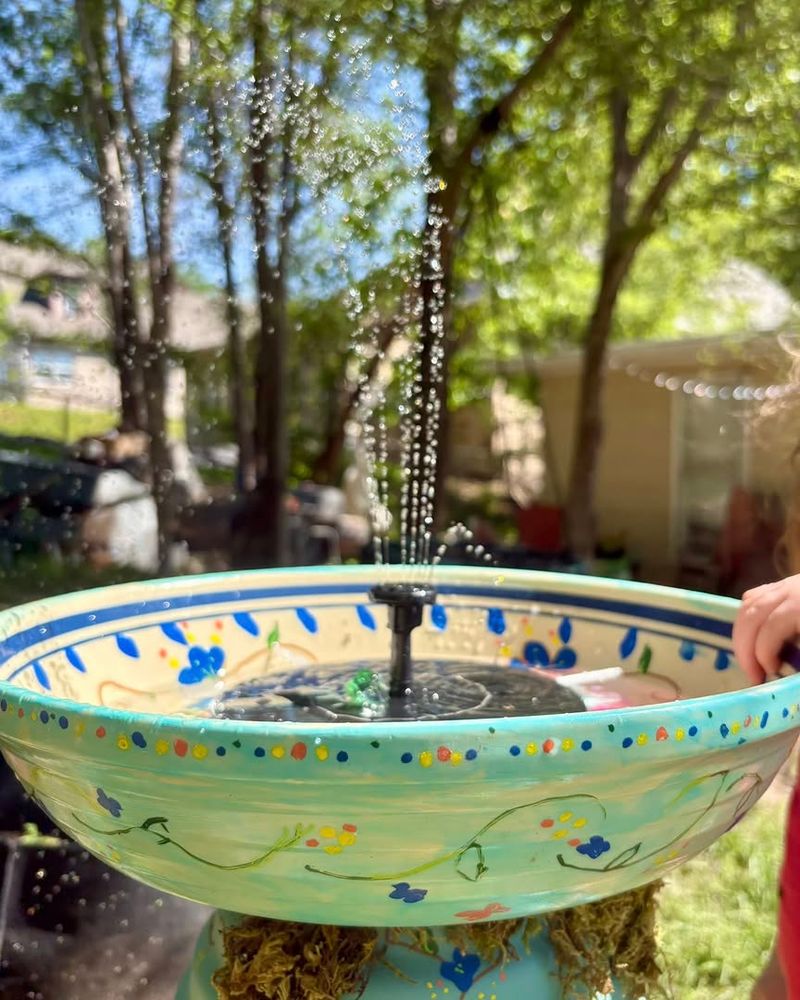
Sometimes the smallest details make the biggest difference in a garden. A gentle dripper set above a ceramic bowl creates a soft, rhythmic sound that carries through the yard and pulls birds in with quiet curiosity.
Many experienced birders swear that a dripper attracts more species than any other single feature, and it is easy to see why once you set one up.
The setup is straightforward. Hang or position a slow-release dripper above a wide, shallow ceramic bowl so the drops fall into the center of the water.
The dripping creates ripples and a soft splashing sound that mimics a natural spring or a slow rain.
Cardinals, thrushes, and warblers respond especially well to this kind of gentle movement, and North Carolina has no shortage of those beautiful species.
Keeping the bowl clean is the most important part of making this work long-term. Check it morning and evening during hot weather to make sure the water level is right.
Too much drip and the bowl overflows, creating a muddy mess around the base. Too little and the bowl dries out before midday.
Aim for a steady drip rate that keeps the bowl comfortably full without splashing over the edge. Scrub the ceramic surface every few days since the constant moisture can encourage algae growth.
A clean bowl with a gentle drip is one of the most welcoming bird bath setups your yard can offer.
9. Stacked Brick Bird Bath Stand
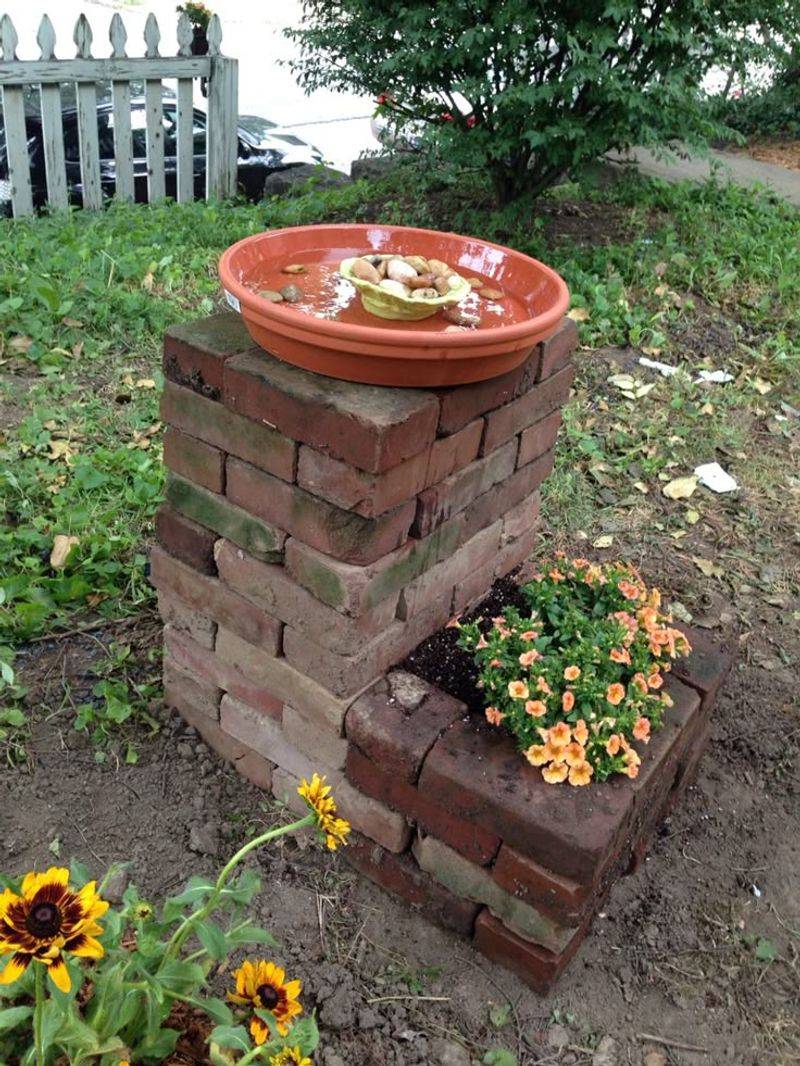
Bricks are one of those materials that feel right at home in almost any garden style.
Whether your yard leans toward formal, cottage, or naturalistic, a stacked brick pedestal topped with a shallow basin looks intentional and sturdy rather than thrown together.
Best of all, you can build one in an afternoon without any special tools or skills.
Stack clean bricks or pavers on level ground, alternating the direction of each layer for extra stability, the same way a mason would build a small wall.
The height is up to you, but two to three layers typically puts the basin at a comfortable level for both birds and gardeners.
Set a shallow basin, like a wide ceramic dish, terra cotta saucer, or even a concrete mixing tray, on top and make sure it sits flat without rocking.
One of the best things about this design is how completely removable it is. When you need to clean the basin or rearrange your garden layout, everything comes apart in minutes.
That flexibility is genuinely useful in a North Carolina yard where seasonal plantings change and garden furniture shifts around throughout the year.
Check that the ground underneath stays level after heavy rains, since soil can shift and cause the stack to lean slightly.
A level, stable base keeps the water from sloshing out and makes the bath safer and more inviting for the birds that visit every day.
10. Shaded Summer Bird Bath Corner
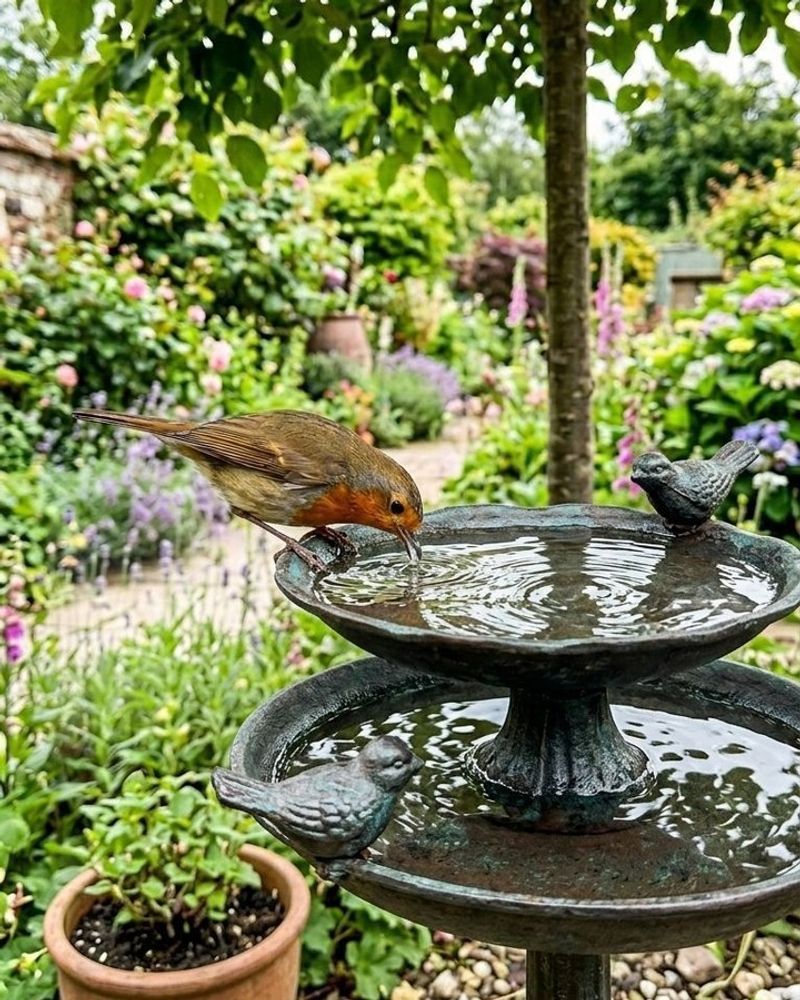
Full sun might seem like the obvious choice for a bird bath, but shade is actually your best friend during a North Carolina summer.
Water in direct sun heats up fast, evaporates quickly, and turns green with algae far sooner than water kept in a cooler spot.
Moving your bird bath to a partially shaded corner is one of the simplest upgrades you can make for both the birds and yourself.
Partial shade, the kind you find under the edge of a tree canopy or beside a tall shrub, keeps the water noticeably cooler on hot July afternoons. Cooler water evaporates more slowly, which means you refill it less often.
Birds also seem to prefer bathing in slightly shaded spots because it gives them a sense of cover and security while they are vulnerable during splashing and preening.
Choose a spot where one or two shrubs or small trees are nearby but not pressed directly against the bath. Dense cover right next to the water can give predators a place to hide and wait, which makes birds nervous and less likely to linger.
A few feet of open space around the bath, with shrubs a short distance away, strikes the right balance.
Native plants like inkberry, possumhaw, or wax myrtle make excellent backdrop plants for a shaded bird bath corner in a North Carolina yard and provide natural food sources nearby too.
11. Rain Garden Edge Bird Bath
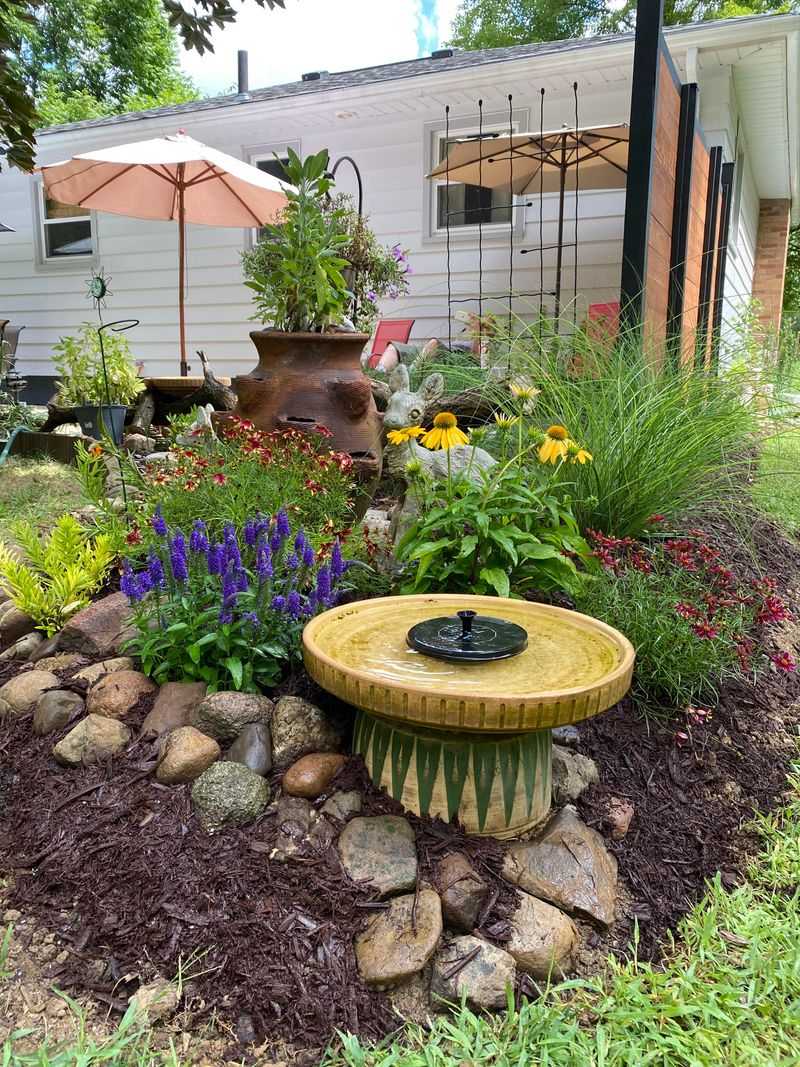
Rain gardens are one of the smartest landscaping choices a North Carolina gardener can make. They manage stormwater runoff, support native plants, and attract pollinators and wildlife all at once.
Adding a bird bath near the edge of a rain garden takes an already productive space and makes it even more welcoming to the local bird population.
The birds that visit a rain garden for the insects and berries in the native plants will naturally notice a clean water source nearby.
Place a shallow basin on the higher, drier edge of the rain garden where it stays well above any muddy runoff that flows through during a storm.
The whole point of keeping the bath separate from the rain garden’s drainage area is to ensure the water in the basin stays clear and clean rather than silty and murky.
Native plantings like cardinal flower, swamp milkweed, or river oats growing near the bath give birds natural perches and cover between drinks.
The combination of food, shelter, and water in one garden zone creates what birders sometimes call a habitat cluster, a concentrated area where birds feel safe and comfortable spending extended time.
Refill and rinse the basin on a regular schedule just as you would any other bird bath.
The proximity to the rain garden’s rich plantings means more bird species will discover your bath and return to it consistently throughout the spring, summer, and fall seasons.
12. Easy Clean Kitchen Bowl Bird Bath
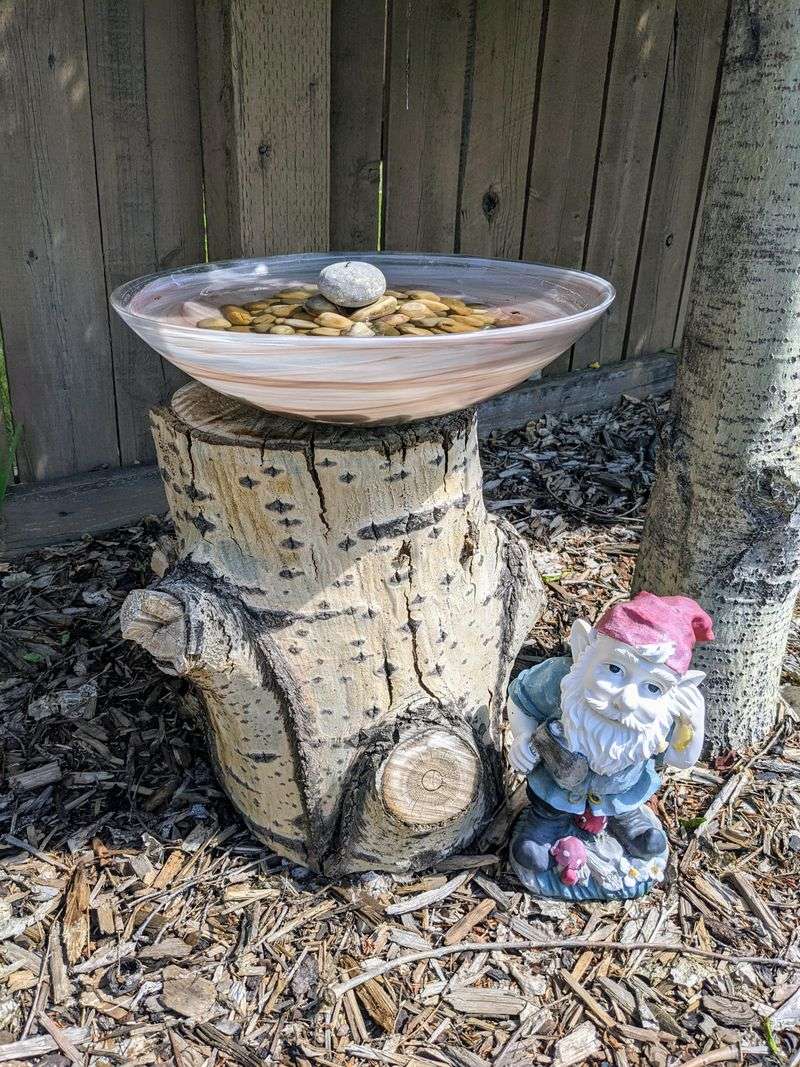
After all the creative ideas and clever builds, the most reliable bird bath in any North Carolina yard might just be a simple bowl from your kitchen cabinet. No assembly required, no hardware store trips, and no special skills needed.
A wide, shallow bowl that you can rinse and refill in under a minute is often more effective than an elaborate setup that rarely gets cleaned.
The secret to a great bird bath has never been about looks. Birds care about cleanliness, shallow water, and a safe location far more than aesthetics.
A bowl you can carry to the hose, scrub with a stiff brush, and refill in seconds fits that description perfectly. Keep the water level between one and two inches, and add a flat stone or two for extra footing if the bowl has a slippery surface.
Refresh the water every day or two during summer heat, and give the bowl a proper scrub whenever you notice it looking cloudy or green.
North Carolina summers are warm and humid, which means algae grows fast in standing water.
Staying ahead of it with frequent cleaning keeps the water genuinely fresh rather than just topped off. The best bird bath is never the fanciest one in the catalog.
It is the one that stays clean, stays full, and stays reliable season after season. A simple bowl, cared for consistently, will bring more birds to your yard than you might ever expect.