Why Spotted Lanternflies Keep Spreading In New Jersey, And What You Can Do About It
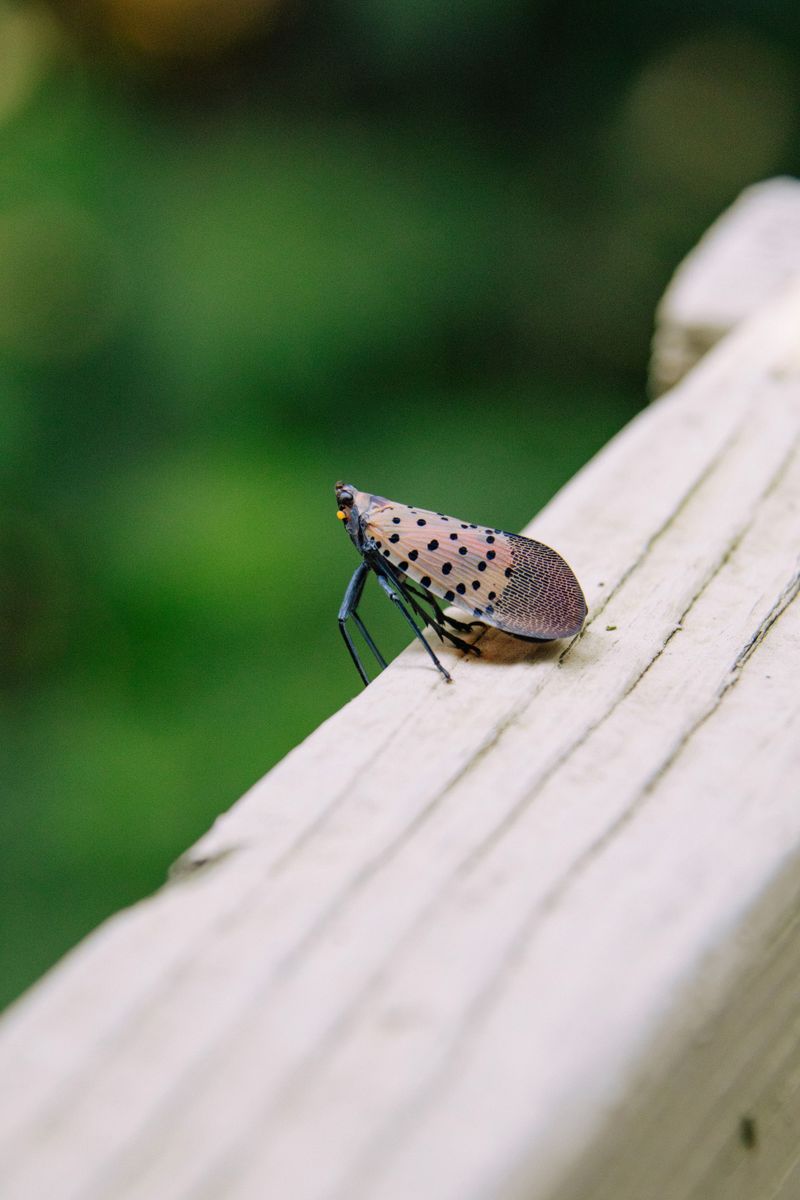
If you have spent a summer afternoon in New Jersey recently, chances are a spotted lanternfly landed somewhere near you. These striking, red-winged insects have gone from rare sighting to full-on neighborhood fixture in just a few years.
They cluster on fruit trees, feed heavily on grapevines, and leave behind a sticky residue that invites mold and draws other pests. What makes them especially frustrating is how fast they move.
One egg mass hitchhiking on a lawn chair or a used tire can start an entirely new infestation across town. They are remarkably good at going wherever people go.
New Jersey’s landscape, climate, and plant life have turned out to be nearly ideal conditions for them to thrive. The combination is hard to beat, and not in a way that works in your favor.
New Jersey’s Landscape Makes It Easy For Spotted Lanternflies To Thrive
New Jersey is practically a buffet for spotted lanternflies. The state’s mix of forests, suburbs, and farmland gives these insects every habitat they could want.
One big reason they thrive here is the tree of heaven. This invasive tree grows like a weed along roadsides, backyards, and rail corridors across the state.
Tree of heaven is their most documented host plant in the region. Wherever that tree grows, lanternflies follow close behind.
The dense suburban neighborhoods also work in their favor. Houses packed together mean short distances between host plants, making travel effortless.
New Jersey’s climate is another factor. Warm, humid summers give lanternfly eggs and nymphs the conditions they need to develop fast.
The state’s location along the East Coast also matters. Major transportation hubs connect New Jersey to dozens of other states, speeding up accidental movement.
Rail lines running through wooded corridors act like highways for these bugs. They hitch rides on freight and passenger trains without anyone noticing.
Even the geography helps. River valleys and flat terrain allow populations to expand outward quickly without natural barriers slowing them down.
Spotted lanternfly populations in New Jersey have grown substantially since the first confirmed sighting in 2018. The combination of ideal hosts, climate, and landscape has made this state among the most affected on the East Coast.
Knowing your landscape is the first step toward fighting back effectively.
How Spotted Lanternflies Travel From Yard To Yard
Spotted lanternflies are not great flyers, but they are champion hitchhikers. They spread mostly because people accidentally carry them from place to place.
Egg masses are the sneakiest travelers of all. They look like dried mud smears and blend into wood, stone, metal, and plastic surfaces with ease.
A single egg mass can hold anywhere from 30 to 60 eggs. One overlooked mass on your car bumper can start a whole new colony miles away.
Outdoor furniture is another common transport vehicle. Folding chairs, tables, and planters moved between properties can carry egg masses without anyone realizing it.
Firewood is a huge culprit too. Moving firewood from one location to another is one of the fastest ways lanternflies travel long distances.
Your New Jersey Garden Changes Every Week. Your Plan Should Too.
Gardening in New Jersey changes quickly throughout the season. Every Friday you’ll receive a simple weekly plan showing exactly what to plant, prune, fertilize, harvest, and protect so you never miss the right timing.
Adults and nymphs can also crawl onto vehicles parked near infested trees. A quick stop in the wrong parking lot can lead to an uninvited passenger.
Landscaping equipment moved between job sites spreads them further. Mowers, trailers, and tools can all carry eggs or live insects unknowingly.
Even potted plants purchased from a nursery can harbor egg masses on their containers. Always inspect new plants before bringing them home.
Spotting the signs of travel is actually within your control. A simple habit of checking your car and gear before leaving an infested area can stop the spread cold.
Small actions from individual homeowners add up to big results for the whole community.
The Plants And Trees Most At Risk In New Jersey Gardens
Not every plant in your garden faces the same level of danger. Spotted lanternflies have clear favorites, and knowing them helps you protect what matters most.
Grapevines are among the most vulnerable plants on the list. These insects feed heavily on grape stems, draining the plant of nutrients and weakening it badly.
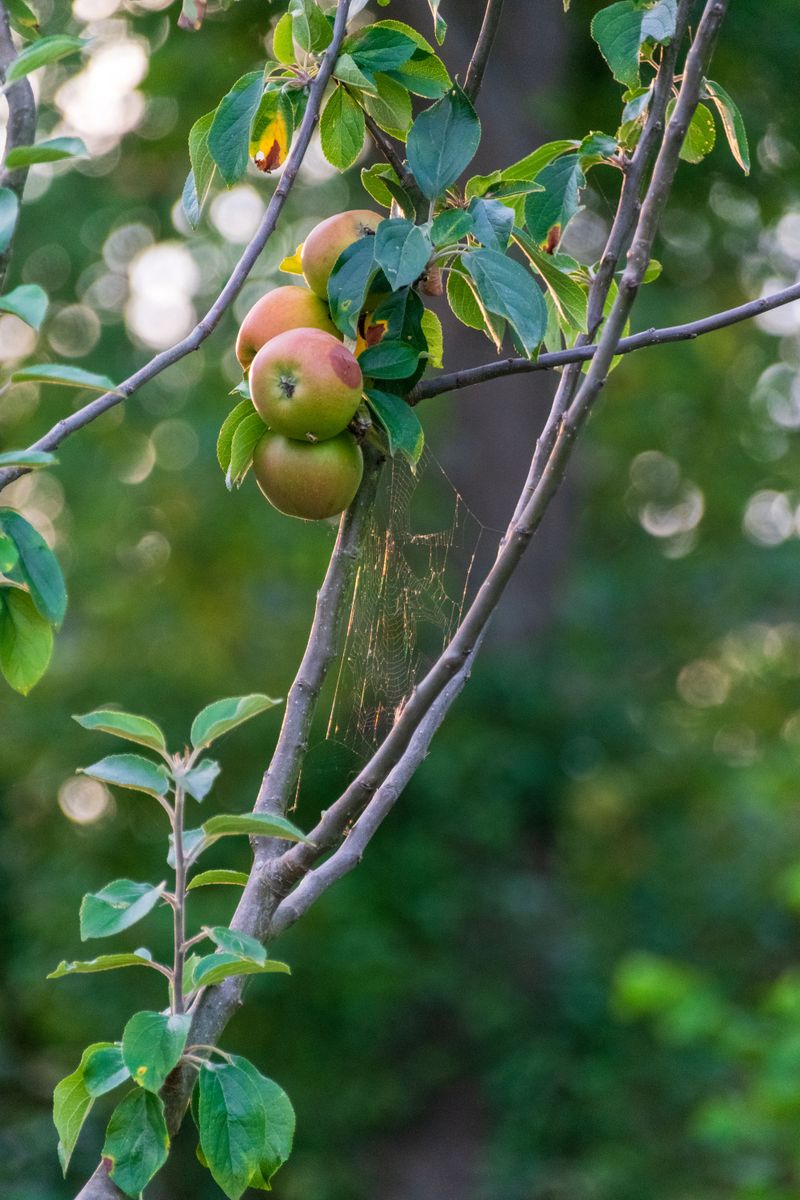
Apple trees are another favorite target. Lanternfly feeding can reduce fruit production and leave trees stressed and more open to disease.
Hops plants are also at serious risk, with heavy feeding capable of severely damaging or wiping out a crop before the season ends.
Peach and cherry trees rank high on their preferred menu too. Fruit growers across the state have reported significant losses tied to lanternfly pressure.
Ornamental trees like maples and birches are not immune either. While these species can often recover, repeated feeding seasons take a real toll.
Willow trees near water features in home gardens attract lanternflies in large numbers. Their soft bark makes feeding easy for nymphs and adults alike.
Black walnut trees, a native species, also show up on the host plant list. Infestations on black walnuts can affect surrounding plants through the sticky honeydew these insects produce.
That honeydew coats leaves and branches, encouraging a black sooty mold to grow. The mold blocks sunlight and further weakens already stressed plants.
Checking your most vulnerable plants regularly gives you the best shot at catching problems early.
Signs Of A Spotted Lanternfly Infestation On Your Property
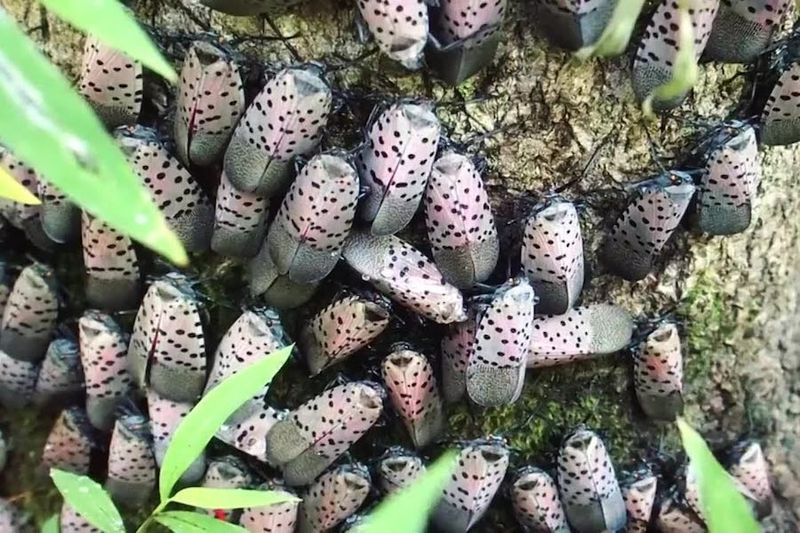
Catching an infestation early makes a huge difference in how much damage your plants suffer. There are several clear signs that spotted lanternflies have moved into your yard.
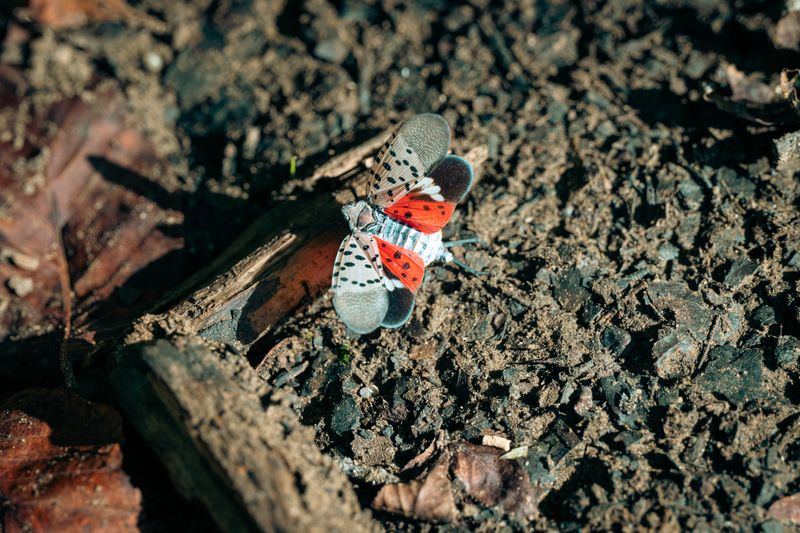
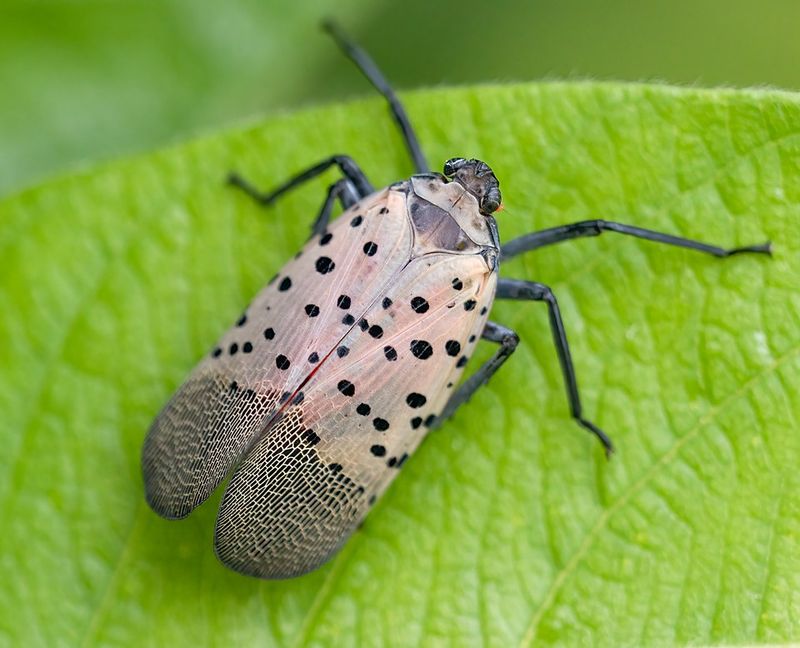
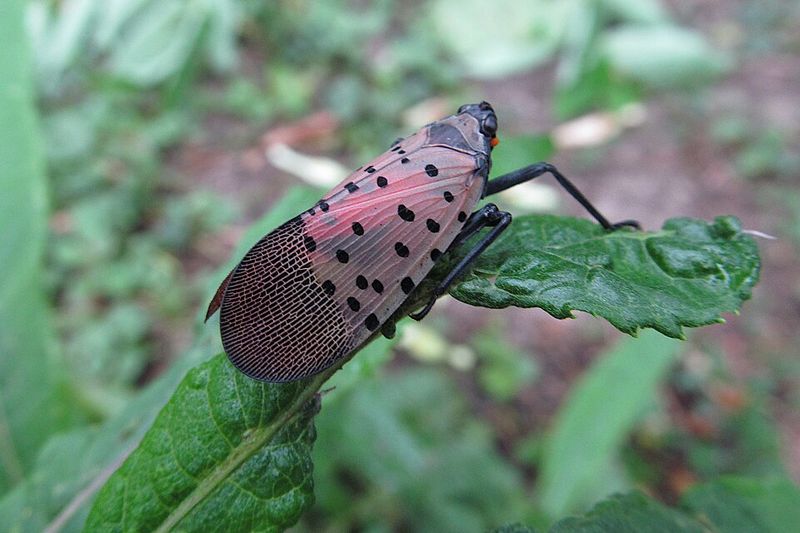
The most obvious sign is seeing the insects themselves. Adults have distinctive red underwings with black spots, making them hard to confuse with anything else.
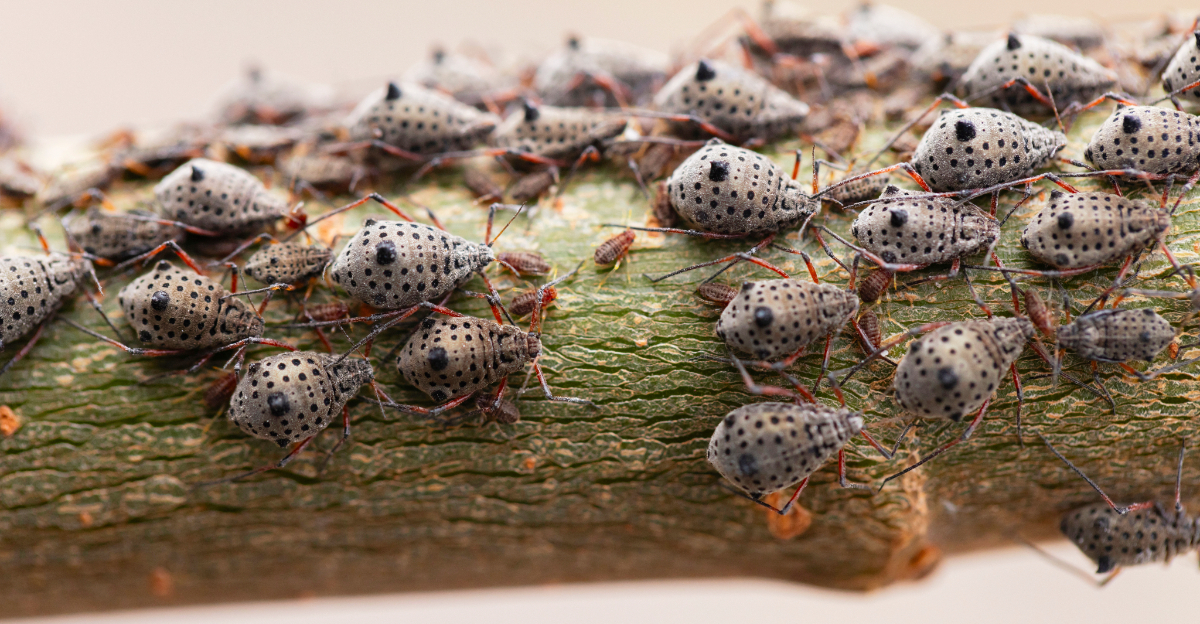
Nymphs look different depending on their stage. Early nymphs are small and black with white spots, while later-stage nymphs develop those red patches.
Egg masses are harder to spot but equally important to find. They appear as grayish-brown smears, roughly an inch long, on flat surfaces like tree bark and fence posts.
Honeydew buildup is another telltale sign. This sticky, sugary substance drips from feeding sites and coats surfaces below with a shiny, wet-looking residue.
Where honeydew collects, black sooty mold follows. Affected branches and leaves develop a dark, powdery coating that looks alarming and is genuinely harmful.
Weeping wounds on tree trunks can also indicate feeding activity. These oozing spots appear where lanternflies have pierced the bark repeatedly over time.
Swarms of ants or wasps near a tree can be a secondary clue. Both insects are attracted to honeydew and will gather in large numbers near active feeding sites.
If you spot any of these warning signs, act quickly. Early detection on your property means fewer insects to deal with and less damage to reverse.
Practical Steps New Jersey Residents Can Take To Fight Back
Feeling overwhelmed by spotted lanternflies is completely understandable, but there are real, practical things you can do right now. You do not need to be an expert to make a meaningful impact.
Start by scraping egg masses off any surface you find them on. Use a plastic card or putty knife to scrape them into a sealed plastic bag or container of soapy water.
Destroying egg masses from September through May is one of the highest-impact actions available. Each mass you remove prevents dozens of new insects from hatching.
Circle traps placed on tree trunks can capture large numbers of nymphs. These low-cost devices funnel insects upward into a collection bag as they climb.
Sticky bands wrapped around tree trunks also work for trapping nymphs. Just make sure to cover the bands with wire mesh so birds and other wildlife do not get stuck.
Removing tree of heaven from your property takes away a primary food source. Without that host plant, your yard becomes far less attractive to new arrivals.
Reporting sightings to the New Jersey Department of Agriculture helps researchers track the spread. A quick photo and location report through their online portal takes just a few minutes.
Checking your vehicle before driving out of an infested area is a simple but powerful habit. Spotted lanternflies on cars and trucks are one of the main ways populations expand into new counties.
Every action you take helps slow the spread for everyone around you.
What You Can Do About Spotted Lanternflies In Your Yard
Your yard is your territory, and there are targeted strategies that can genuinely reduce spotted lanternfly numbers on your property. Taking action feels a lot better than watching your plants suffer.
Neem oil is a popular organic option for treating infested plants. Applied directly to nymphs and adults, it may help reduce feeding activity, though results can vary depending on the level of infestation.
Insecticidal soaps work in a similar way and are safe for use around most garden plants. Spray directly on the insects for the best results on contact.
For larger trees, systemic insecticides applied to the soil can protect the plant from the inside out. These treatments move through the tree’s vascular system and affect insects that feed on it.
Planting pest-resistant species in place of vulnerable ones is a longer-term strategy worth considering. Swapping out high-risk plants reduces the food available to lanternflies in your space.
Physical barriers like netting can protect smaller plants and shrubs during peak feeding season. Lightweight garden netting draped over vulnerable crops keeps insects from reaching the foliage.
Encouraging natural predators in your yard adds another layer of defense. Chickens, praying mantises, and certain spiders have been observed feeding on spotted lanternflies, though natural predation alone is unlikely to control larger populations.
Joining a neighborhood effort multiplies the impact of everything you do alone. When multiple households coordinate their control methods, the results across a block or a street are far more significant.
Fighting spotted lanternflies in your yard is one of the most direct ways to protect New Jersey’s gardens, trees, and farms from further damage.